
Joined March 2013
- Tweets 7,825
- Following 1,032
- Followers 819
- Likes 11,601
1,709 Photos and videos



Pinned Tweet

18 Jan 2024
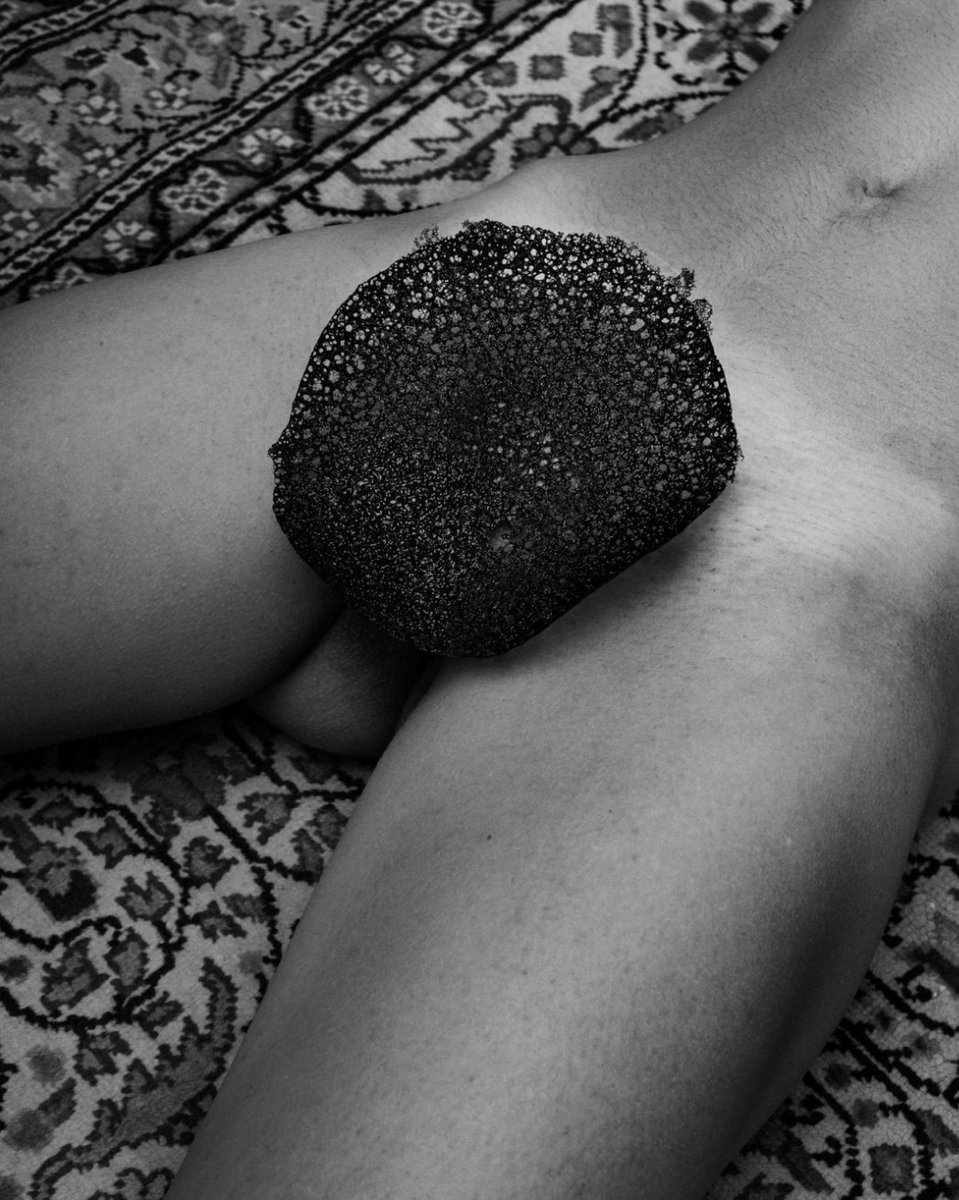
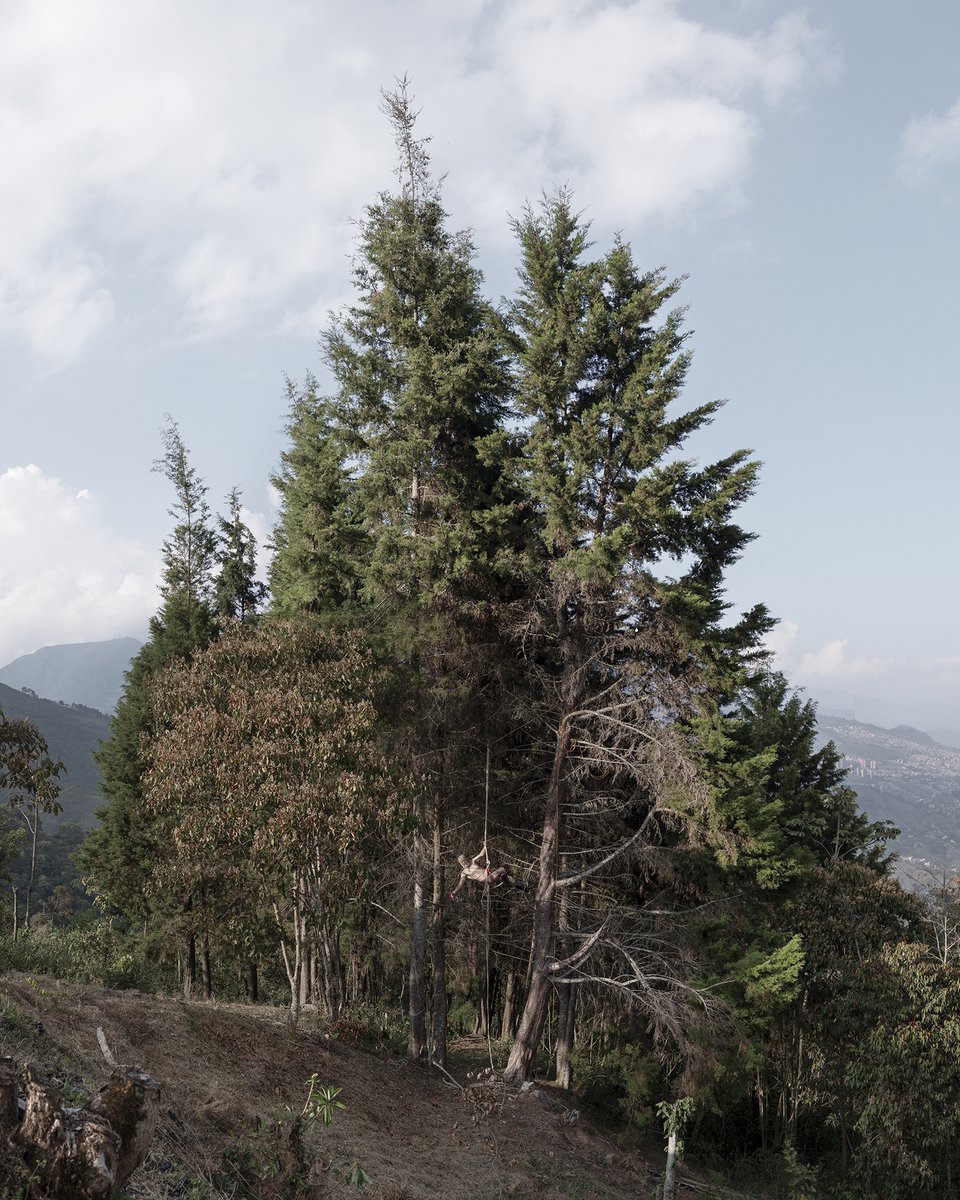
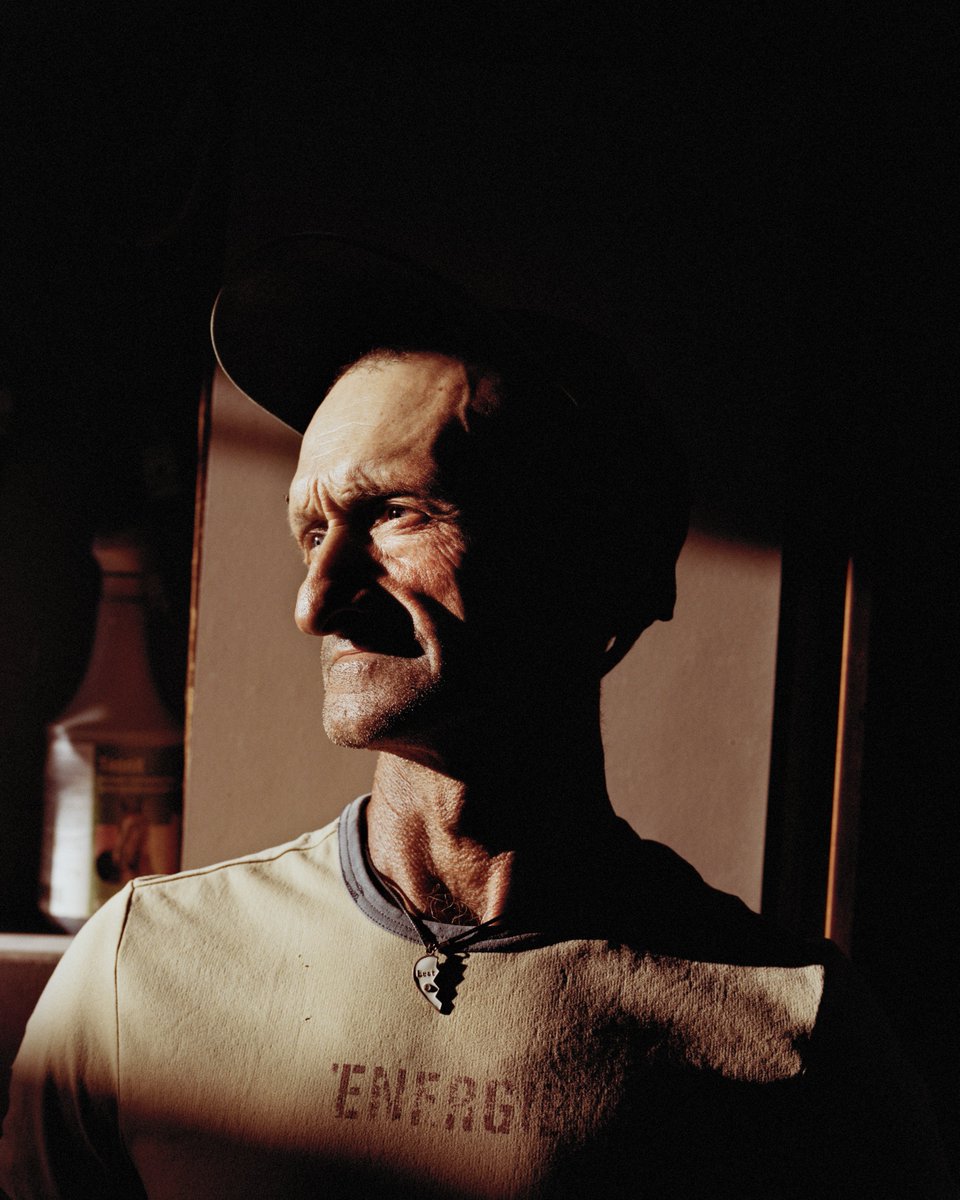
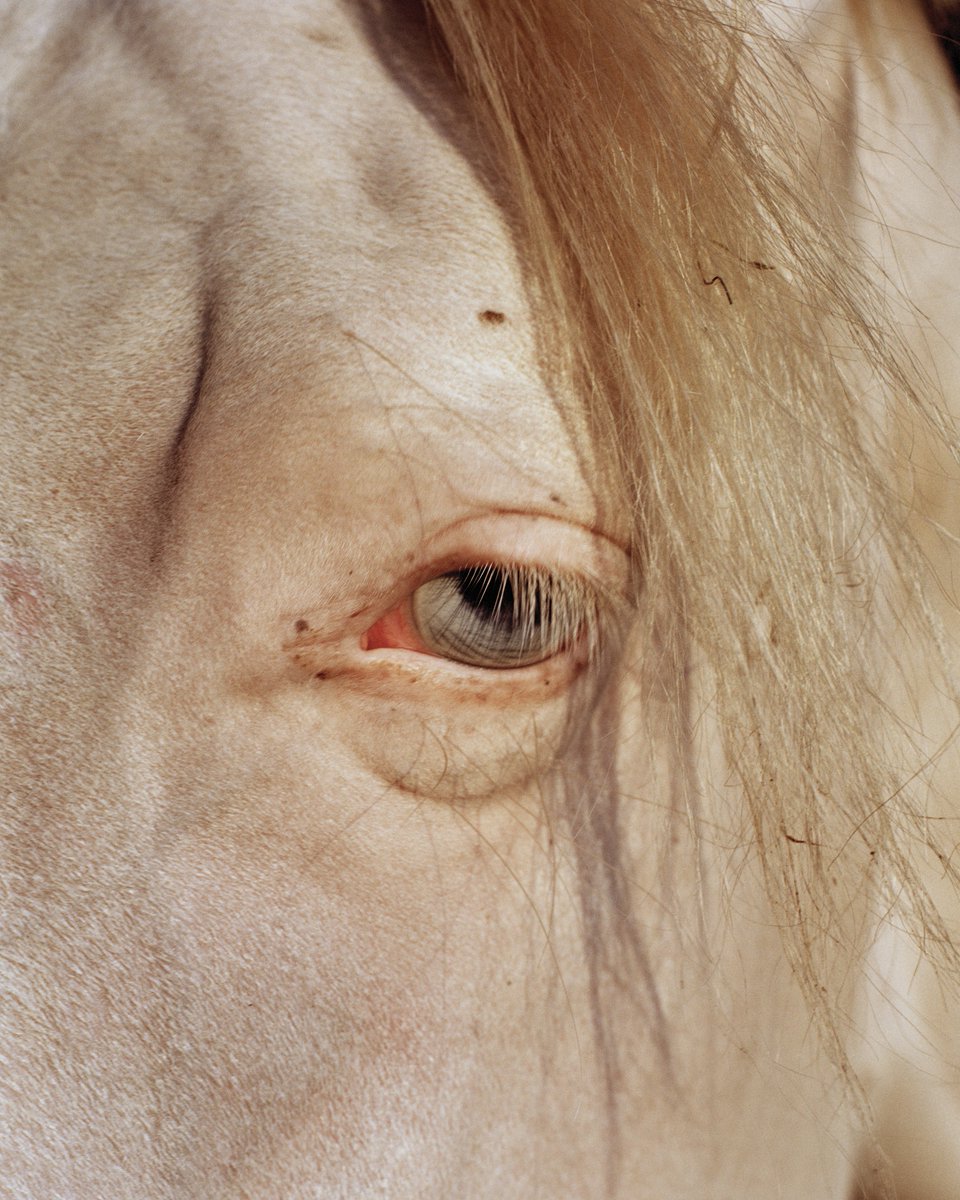
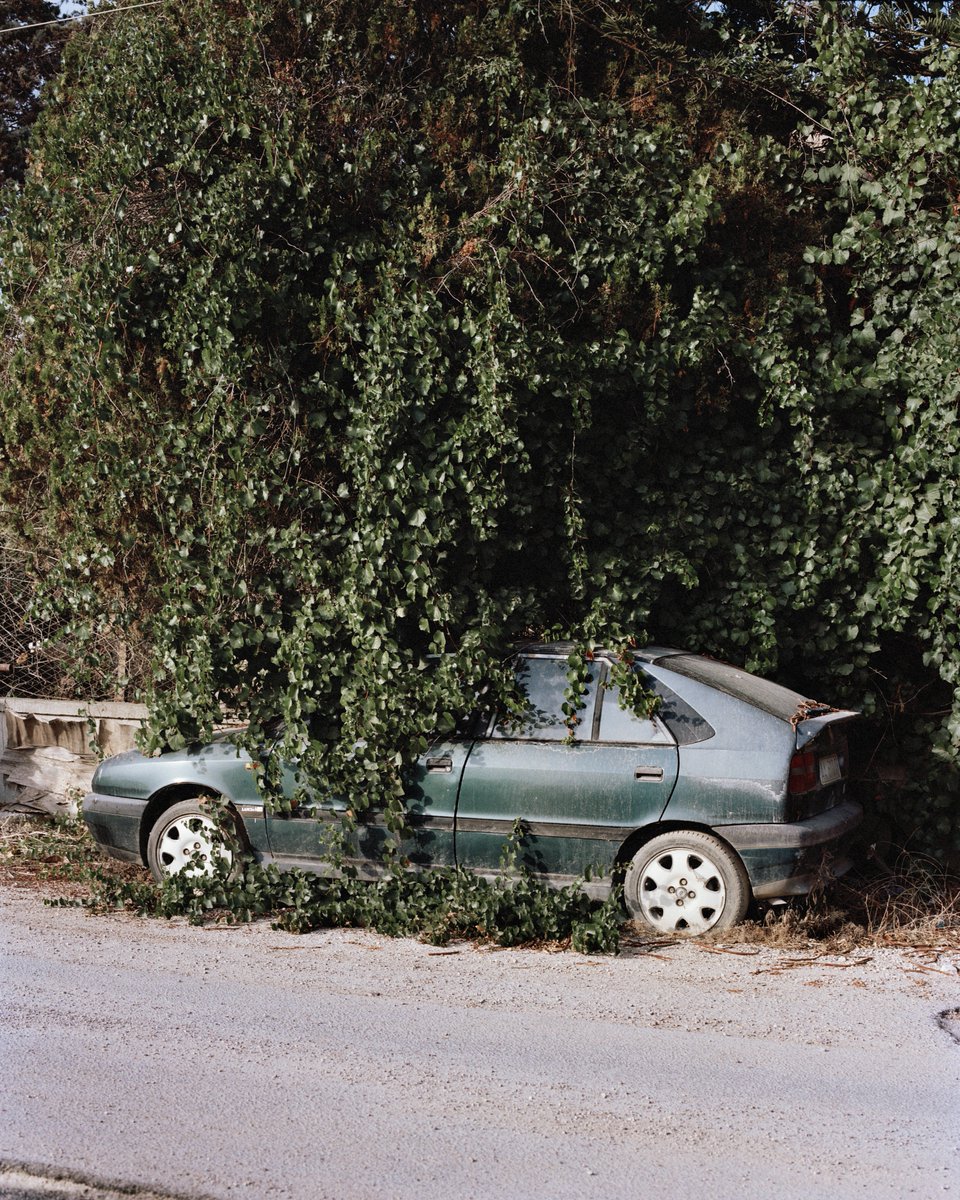
New pieces minted in my series "Never Get Lonesome" on @exchgART
Part of the series is listed, on the other part i'm happy to consider your offers.
link in comments

7
17
41
2,716
Valentino Bellini retweeted

21 Sep 2025
Israel made a nurse deliver a baby via an emergency c-section from a beheaded mother.
A beheaded mother.
We live in a time of monsters
79
1,939
3,290
103,021
7 Apr 2025
You are a discgrace @DHLGlobal
after almost a year and 4 claims opened, to which i never received a response, i still have no information about my package that was shipped, and you didn’t even reply when i requested the basic refund.
155
25 Oct 2024
Latest postproduction work on @Internazionale
25 Oct 2024

This week's portfolio in @Internazionale focuses on Sudan's civil war and humanitarian crisis.
Produced for @Refugees ,@eu_echo , @WHO
Postproduction by @ducciok
With @leica_camera , @LeicaCameraIT
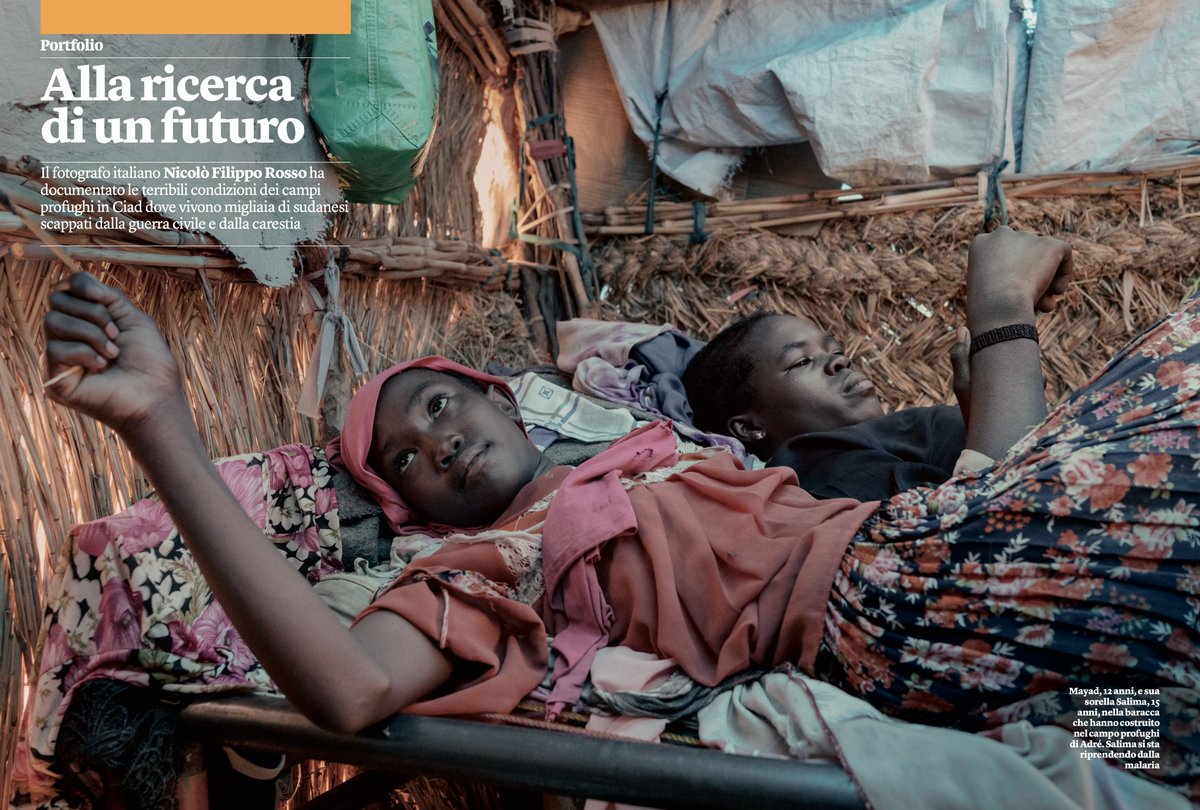
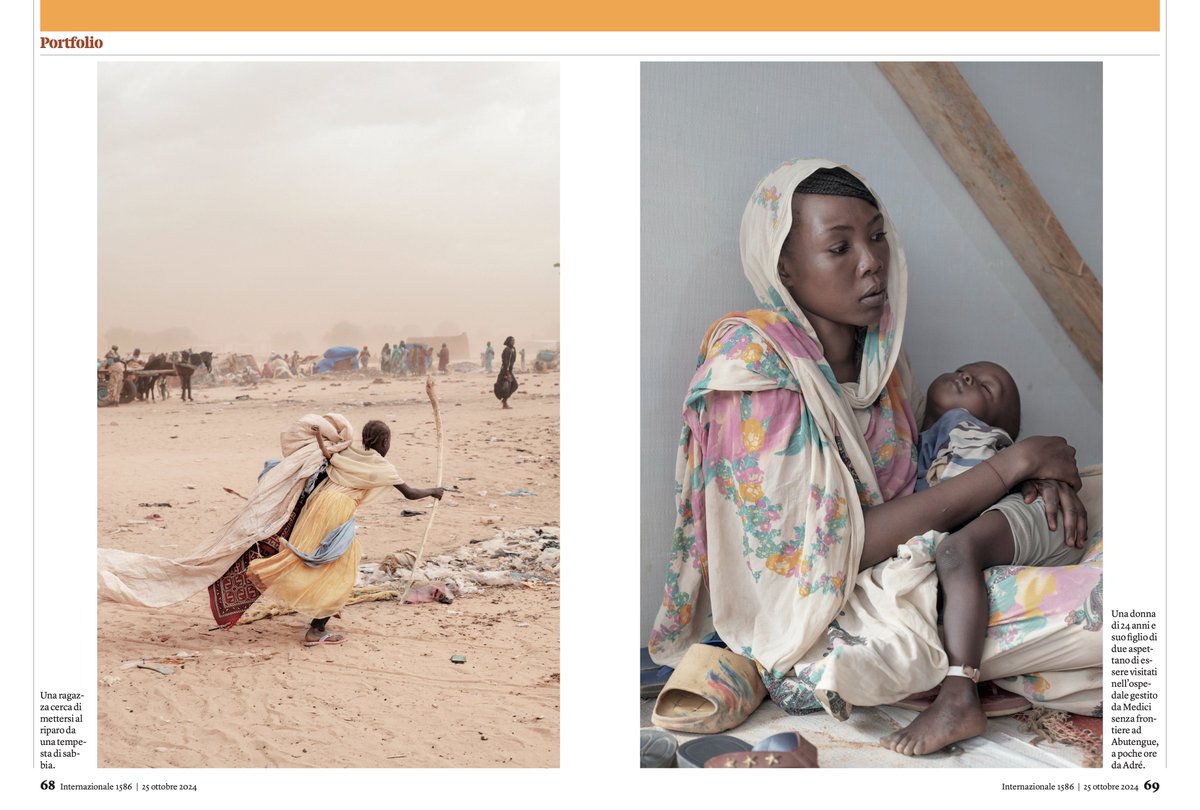
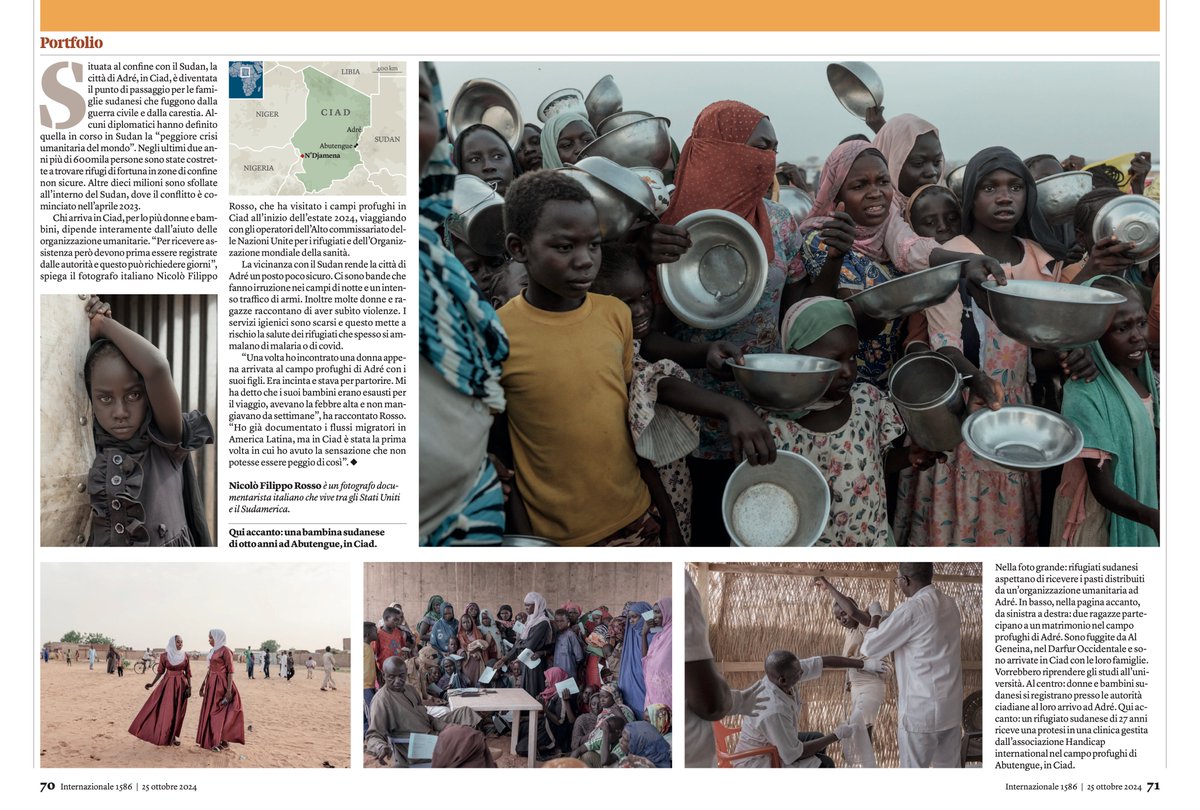
3
137
Valentino Bellini retweeted

16 Oct 2024
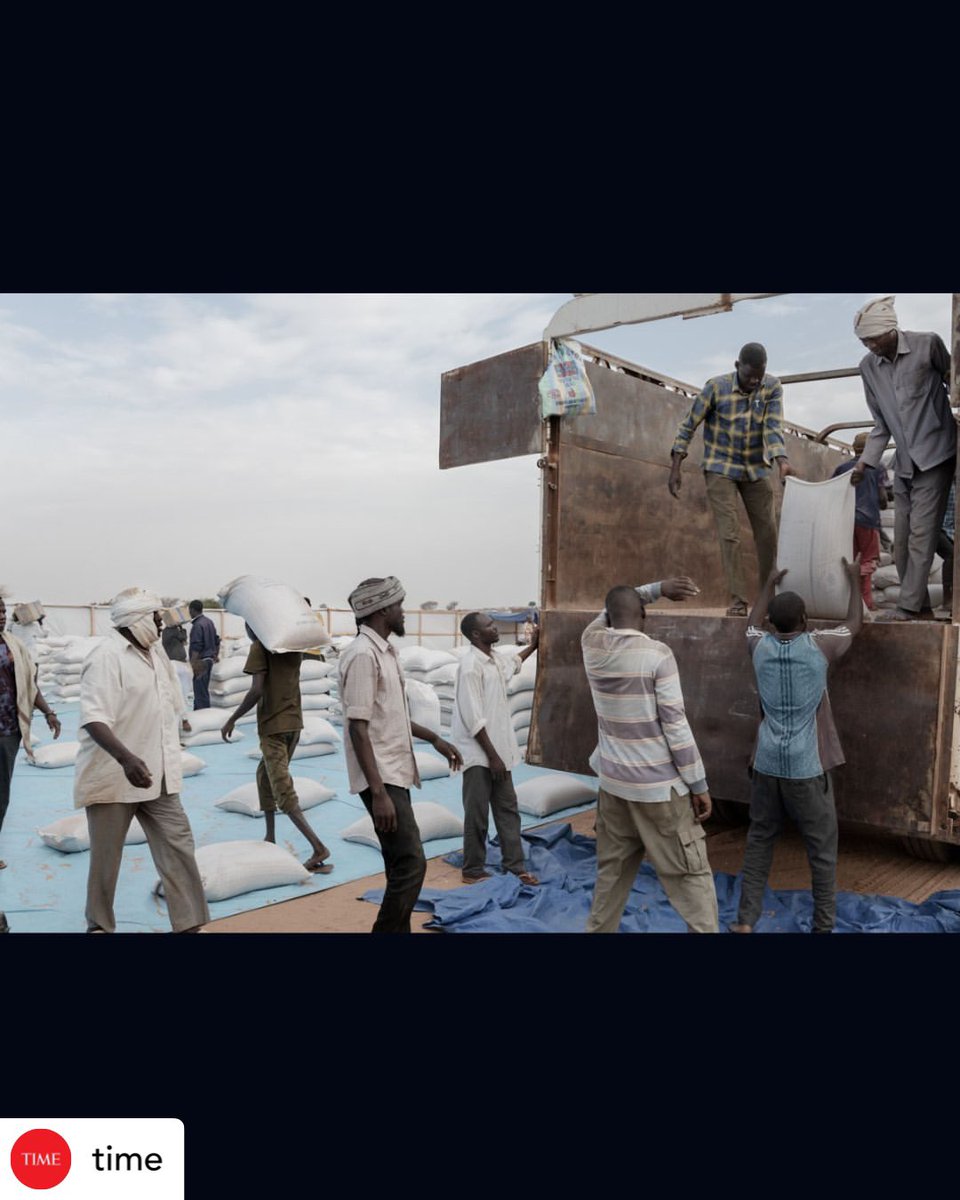
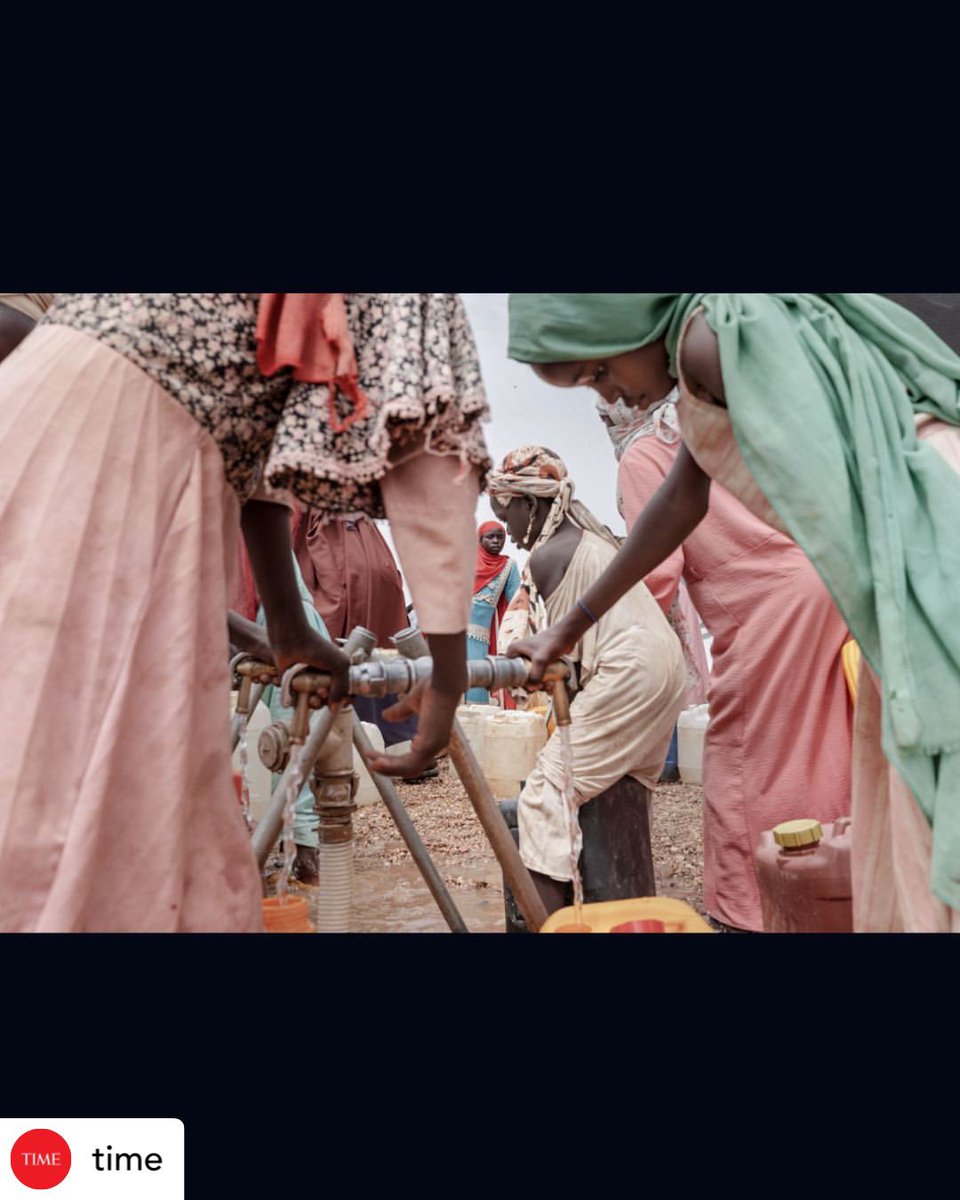
At the border between Chad and Sudan, the passing point for people escaping civil war and famine, the “worst humanitarian crisis in the world” unfolds.
Published in @TIME .
Produced for @Refugees , @WHO , @eu_echo.
With @leica_camera
Postproduction @ducciok
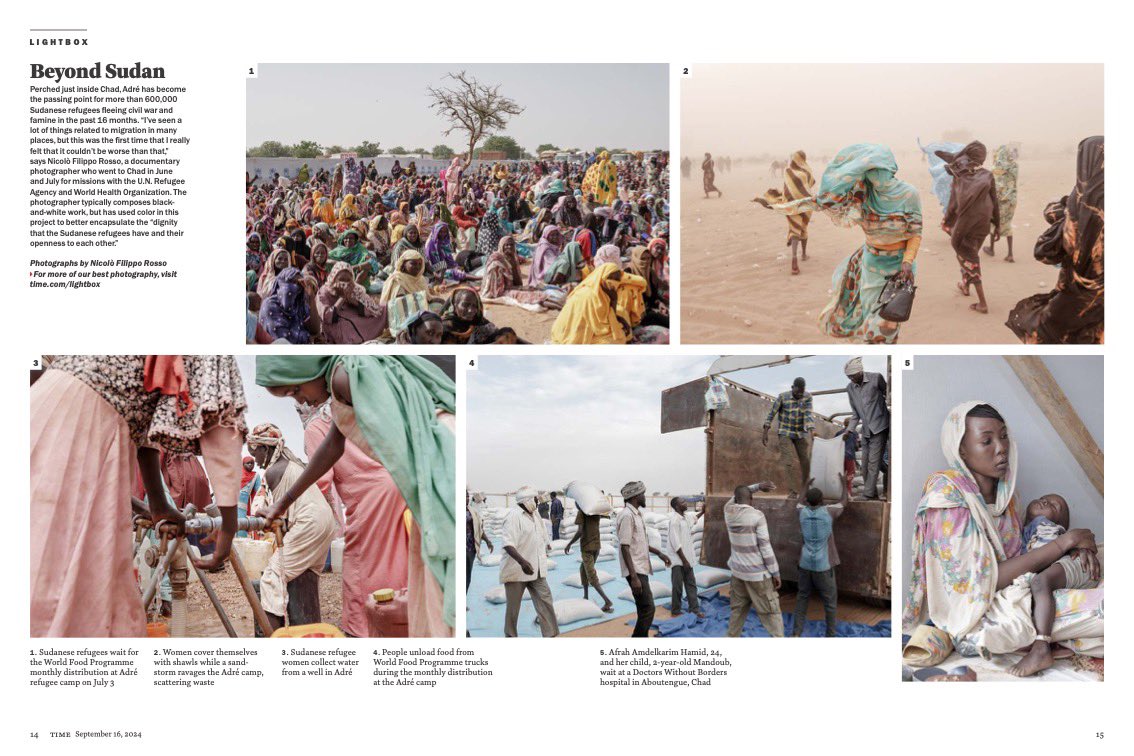
1
2
166
Valentino Bellini retweeted
28 Aug 2024
At a camp for Sudanese refugees, the ‘worst humanitarian crisis in the world’ comes into focus.
I traveled to Chad to photograph for @UnhcrTchad , @eu_echo , and @WHO.
@timepixeditor and Katherine Pomerantz at @TIME made this publication possible.
Post-pro work by @ducciok.


1
2
139
Valentino Bellini retweeted
26 Aug 2024
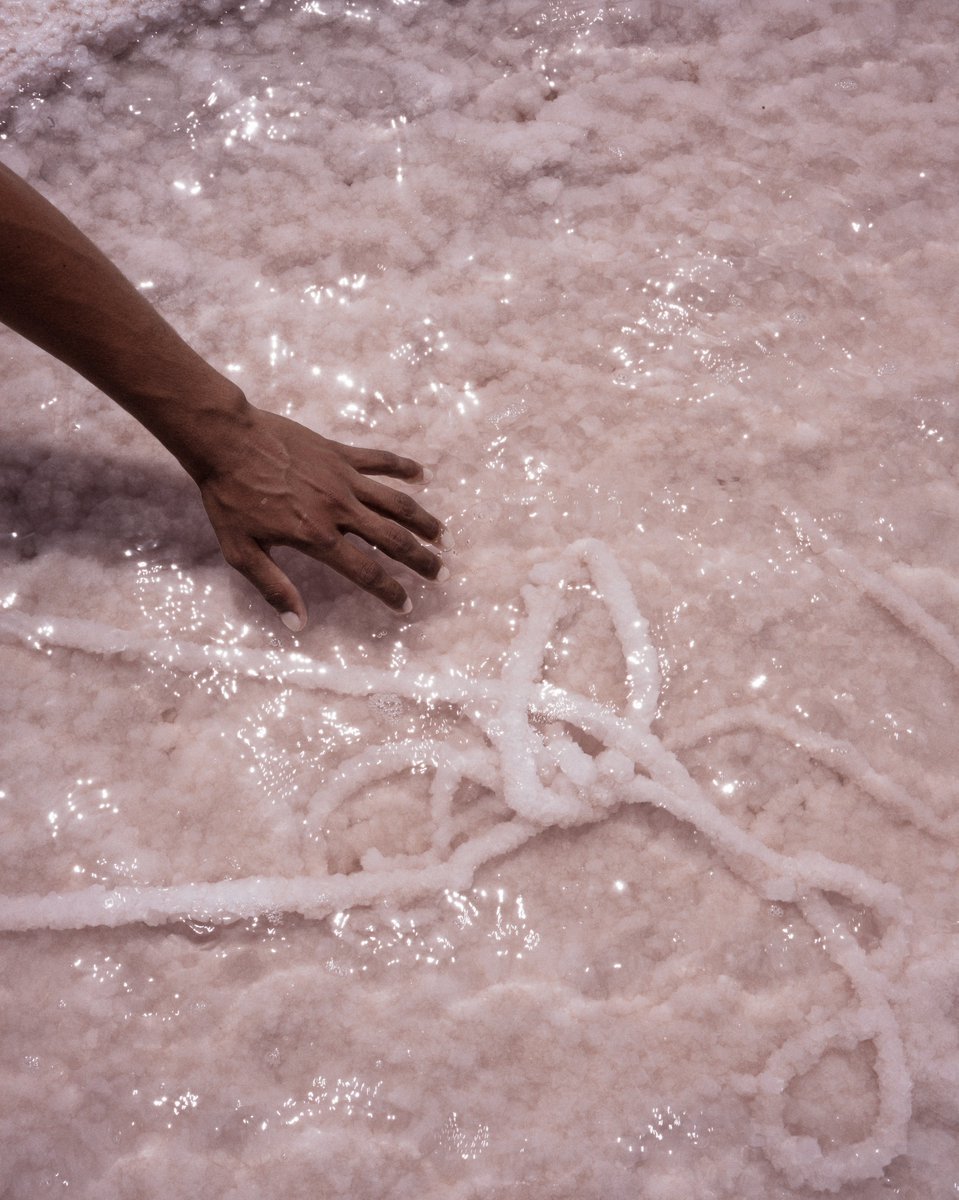
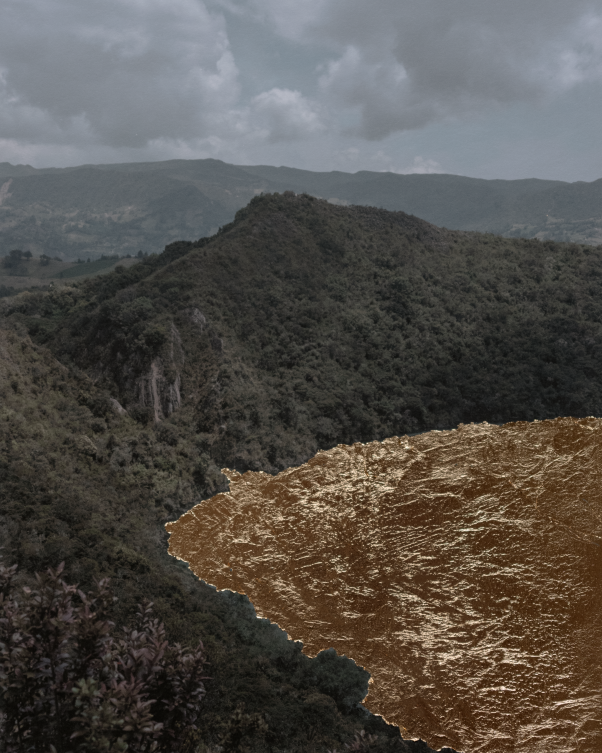
here Andy
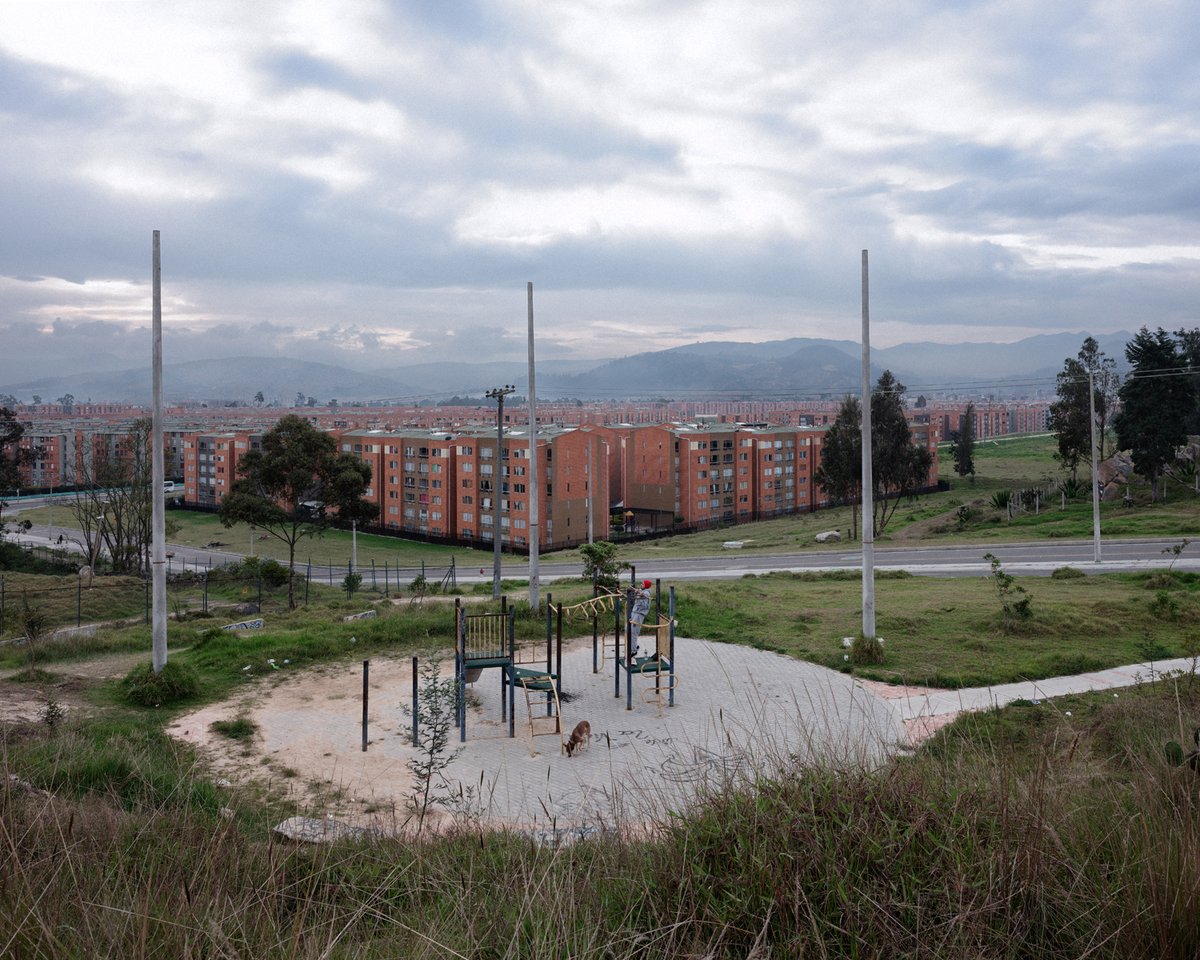
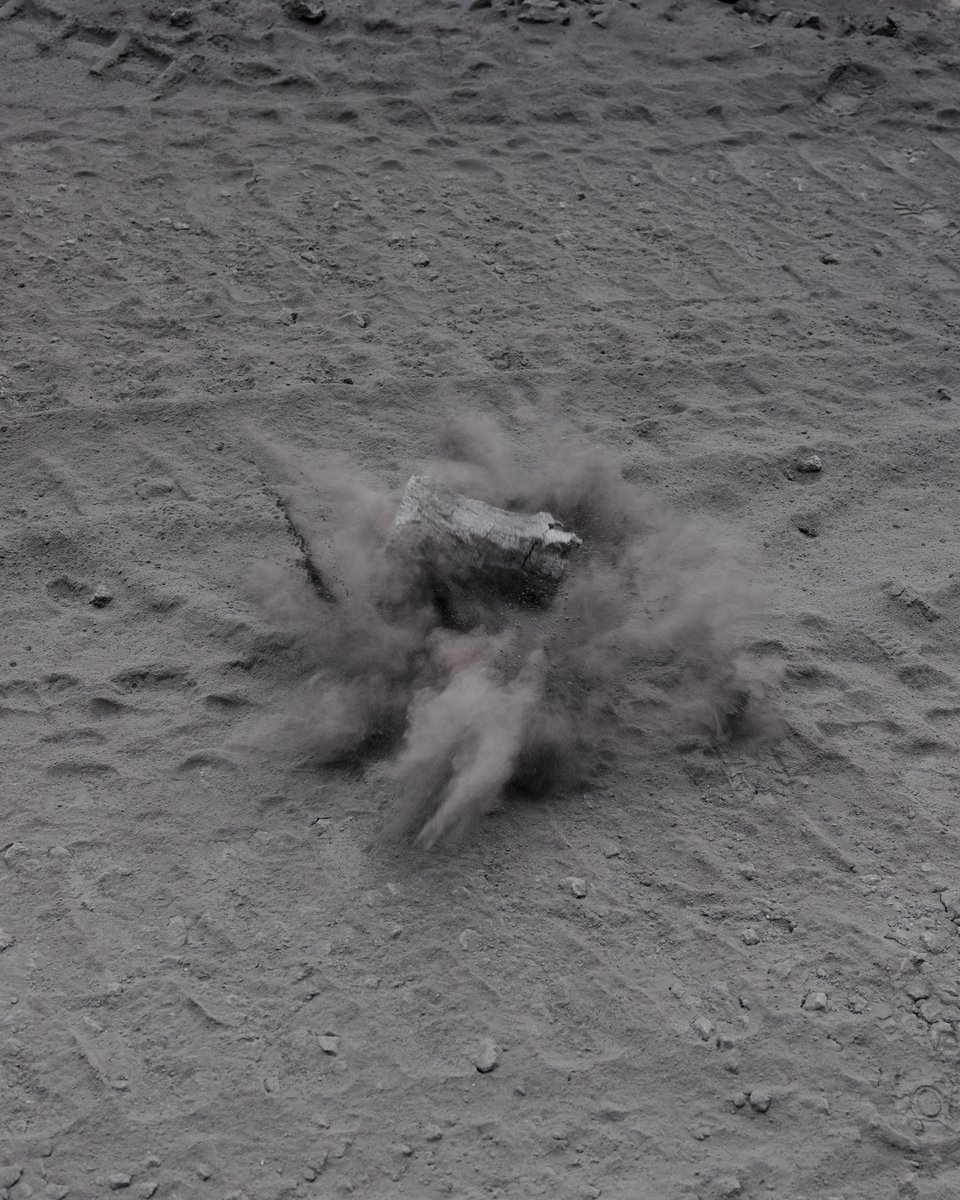
from a prorject about the myth of El Dorado and its influence on contemporary Colombia.
let me know if you want to see more


1
1
86
18 Jul 2024
Amigos en España, ¿podríais recomendarme el nombre de un abogado que me ayude con una demanda contra @DHLeCommerce que ha perdido cajas con herramientas que necesito para trabajar y no quiere darme respuestas al respecto?
Cualquier consejo es bienvenido.
Gracias
1
134
17 Jul 2024
@DHLeCommerce @DHLOficial You have lost two packages sent in June from Barcelona to Italy. Your customer service has been terrible since then. Operators on the phone do not want to answer my questions and hang up on me.
1/4
2
127
17 Jul 2024
Moreover, I mentioned that one of the packages contained a tool I need for my work, and because of you, I cannot carry out my deliveries.
1
54
17 Jul 2024
I can't even get support to find out how to resolve the issue. Goods worth more than 2300 euros have been lost, and this is how you provide customer support?
I am considering hiring a lawyer.
Terrible service, terrible company.
63
Valentino Bellini retweeted

10 Jul 2024
Giacomo Passeri è un ragazzo di 31 anni da 11 mesi detenuto in un carcere egiziano perché trovato in possesso di una piccola quantità di marijuana per uso personale.
La famiglia non riesce a comunicare con lui e in alcune lettere racconta di torture, di essere stato rinchiuso in una cella piena di feci e urina, di avere subito minacce. E dice di non avere ricevuto informazioni sulla sua condizione giudiziaria in una lingua per lui comprensibile.
L'ambasciata, secondo le ricostruzioni della stampa, non lo starebbe assistendo adeguatamente. La famiglia è molto preoccupata e teme gesti estremi. Stiamo depositando una interrogazione e chiediamo al ministro Tajani di venire in aula a riferire, assicurandosi di riportare Giacomo in Italia prima possibile.
Meloni ha accolto con tutti gli onori Chico Forti, condannato all'ergastolo, e si è vantata di averlo fatto tornare nel nostro Paese. Faccia lo stesso con Giacomo Passeri, in carcere per qualche grammo di marijuana.
433
234
808
76,680
10 Jul 2024
This is a highly interesting and important topic. Unfortunately, even today, there are many photography enthusiasts/amateurs who criticize post-production due to ignorance, not realizing that no image is pure (even camera software applies some form of post-production to the file)
10 Jul 2024

Manipulated Photography before Photoshop
About three decades ago, Adobe revolutionized photo editing with the release of Photoshop, a software initially expected to sell just 500 copies. At that time, digital editing was gaining interest, but most photos were still edited manually.
Professional retoucher Pratik Naik described the painstaking process in a 2013 blog post: zooming required a magnifying glass, edits lacked history states and layers, and tools like the healing brush were nonexistent.
Art directors and designers spent hours perfecting images using traditional tools like paint brushes and airbrushes. Photo manipulation, however, has a long history predating Photoshop, including early techniques like the wet collodion process for combining images on a negative.
Manipulation wasn't always for artistic purposes; "spirit photography" in the 19th century claimed to capture spirits, exemplified by William H. Mumler's controversial images of Abe Lincoln's supposed ghost.
Even before Photoshop, photography saw hoaxes like the Cottingley Fairies and staged scenes like "The Valley of the Shadow of Death" from the Crimean War, illustrating the early use of photography to tell stories or fabricate realities.
According to Mia Fineman, photo manipulation predates digital tools, with photographers historically using available means to achieve their desired images.
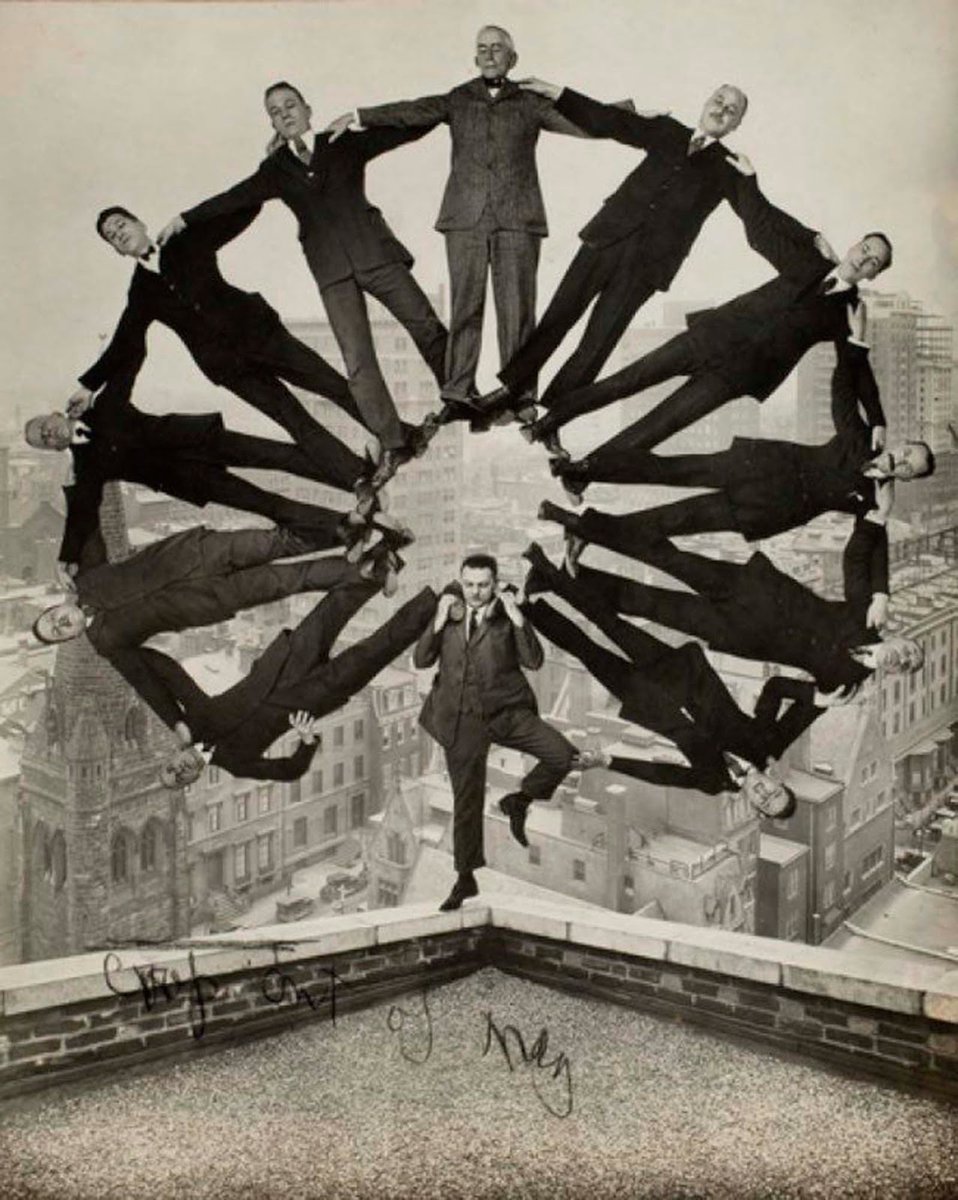
🖼️ Man on rooftop with 11 men in formation on his shoulders. 1930.
1
1
4
451
10 Jul 2024
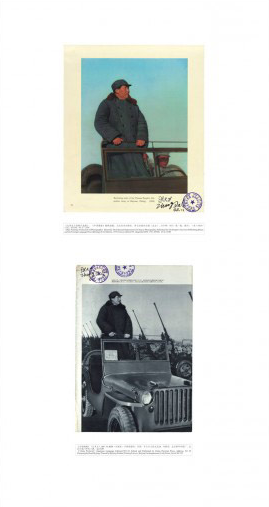
His work clearly shows the alterations made to eliminate inconvenient figures or reinforce official propaganda. His work provides a powerful visual critique of political control and the manipulation of collective memory through image manipulation.
1
55
10 Jul 2024
For those interested, here is a link to a list of some of the most famous photo manipulations in history, demonstrating how this technique has always been used: faculty.cc.gatech.edu/~beki/…
32