
61 Photos and videos
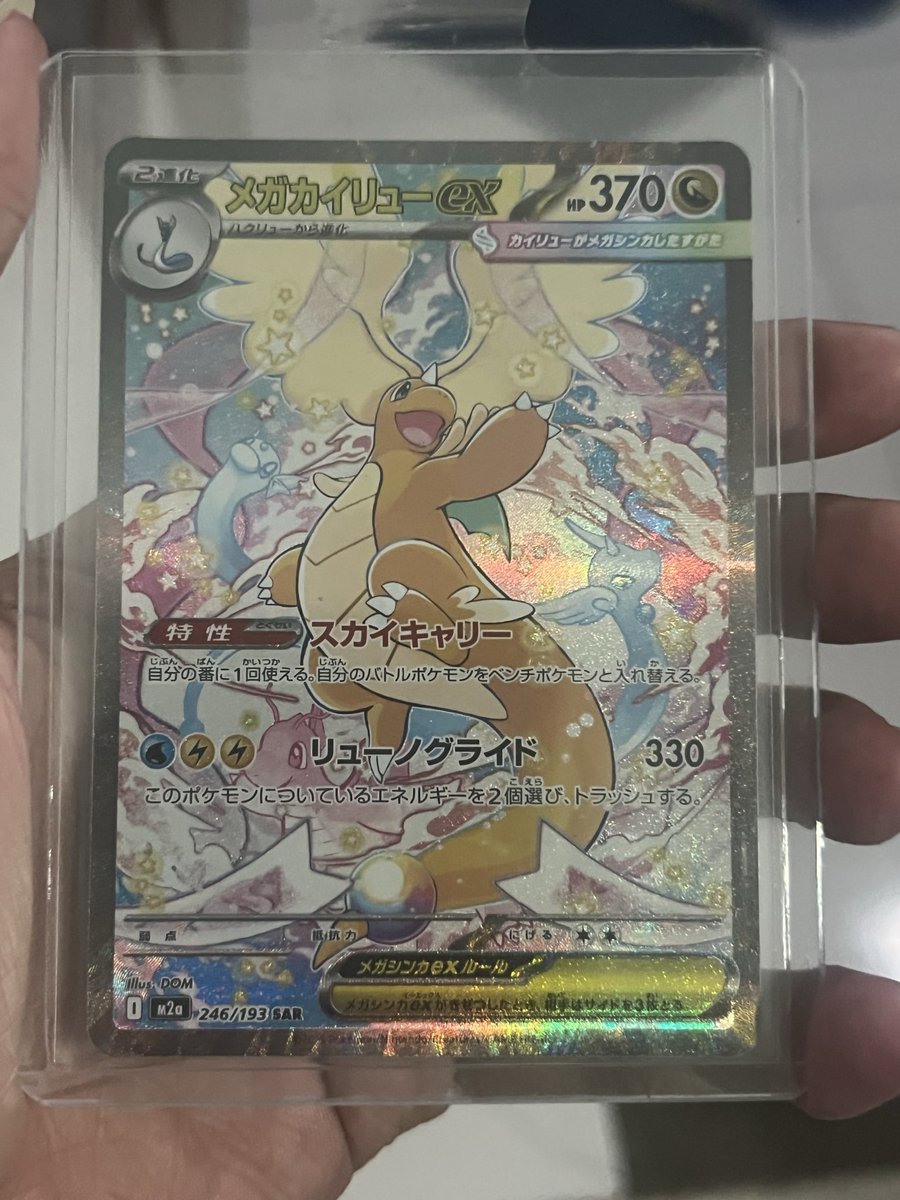
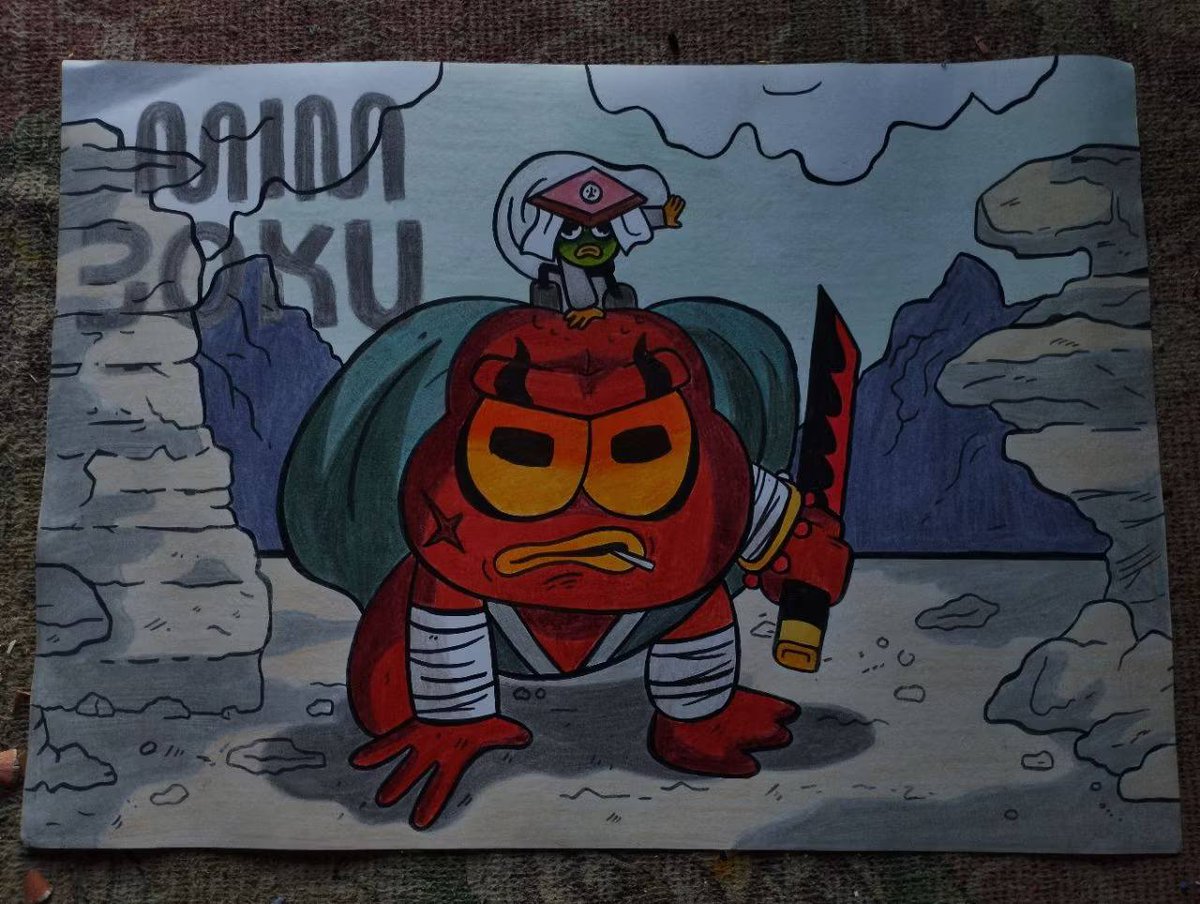











Mustachios mint.
Sunday, May 3, 12:30 PM UTC.
Everything has been building toward this moment..
and i'm ready.
12

Something's surfacing on @arc 🦈
sharcbay.xyz
1,459
274
1,178
44,178
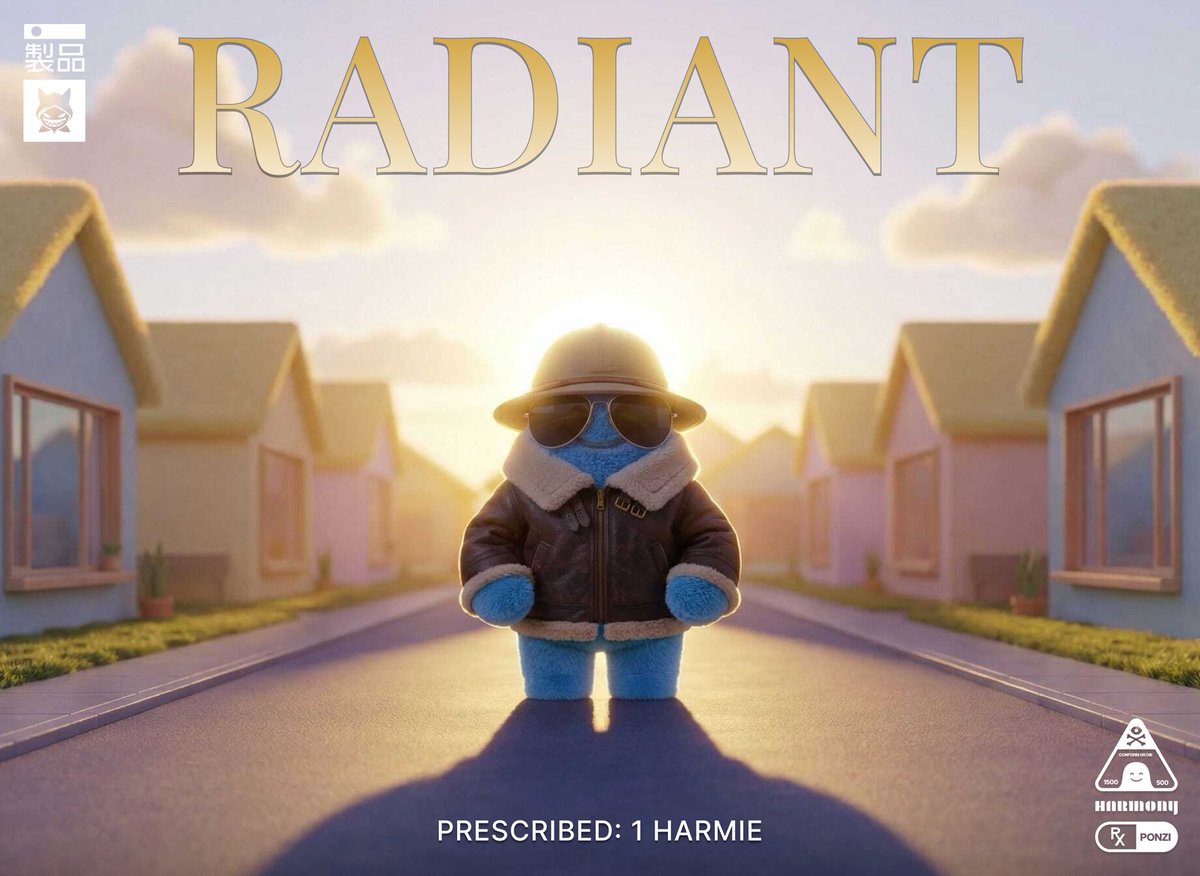
I have achieved a state of radiance.
Thank you @iris_aurelian and thank you HARMONY™.
Find your peace at harmonyrx.net
💊1 💸0
4
I just completed a quest for SentinelTEMPO -- the first agentic NFT collection on Tempo Chain SQ-1121F6F9 @SentinelTEMPO
16
5

Kairi Risolmayo (❖,❖) retweeted

Apr 2
Yang mau join silahkan follow @HiddensideofKey repost postingan ini yah, diatas 1000 follower aku lock ♥️
Apr 2

apakah SAATNYA akun private content @naughtyK3Y Free version comeback ?
17
109
54
47,310
Kairi Risolmayo (❖,❖) retweeted

Mar 17
Pepi is an on-chain collection built on a modified ERC-20 standard using inscriptions. It works similarly to ordinals, but is integrated directly into an ERC-20 token effectively transforming a standard token into NFTs with a built-in liquidity pool.
In simple terms, these are NFTs that can be traded on Uniswap.
Everything is fully verifiable on-chain. We do not generate artwork on our website - the art is generated and stored entirely on-chain. Anyone can access Etherscan to retrieve their NFTs:
Guide: pepe-erc20i.vip/etherscan
Or use our web app: pepe-erc20i.vip/search (just paste the holder's wallet address to view their NFTs)
Our project is unique not only because of its technology, but also because of its structure. The collection features 6 evolutionary stages, each representing a collectible layer. The more tokens you hold, the higher your evolution stage:
Eggmas - below 1 token
Tadpole - 1 token
Baby - 2 tokens
Teenager - 4 tokens
Adult - 6 tokens
Mature - 8 tokens
Pepi can be seen as an “artcoin” - a fusion of NFTs and a memecoin.
We’re reaching out to open-minded individuals to join our small but steadily growing community. Together, we can build something meaningful.
153
54
128
3,060
Kairi Risolmayo (❖,❖) retweeted

Mar 7
GM @CantonNetwork
➥ Giveaway 100 code c8 wallet @cantor8
rules ?
▶︎fill the form forms.gle/UCPvy6PA87VrTJ3c7
▶︎ like coment and tag your friend !
end in 24h

808
513
790
24,307
Kairi Risolmayo (❖,❖) retweeted

Mar 6
100 Early Access Codes for C8 Wallet!
We are giving away 100 access codes to C8 Wallet so you can get in early and start earning rewards.
How to enter:
1️⃣ Follow @CantonArmy, @ReniAchkar & @C8Wallet
2️⃣ Like, repost and tag 1 friend on this post
Giveaway ends March 9
Winners will be randomly selected from the comments
Not a paid partnership

1,422
1,140
1,456
46,589

Kairi Risolmayo (❖,❖) retweeted

11 Sep 2025
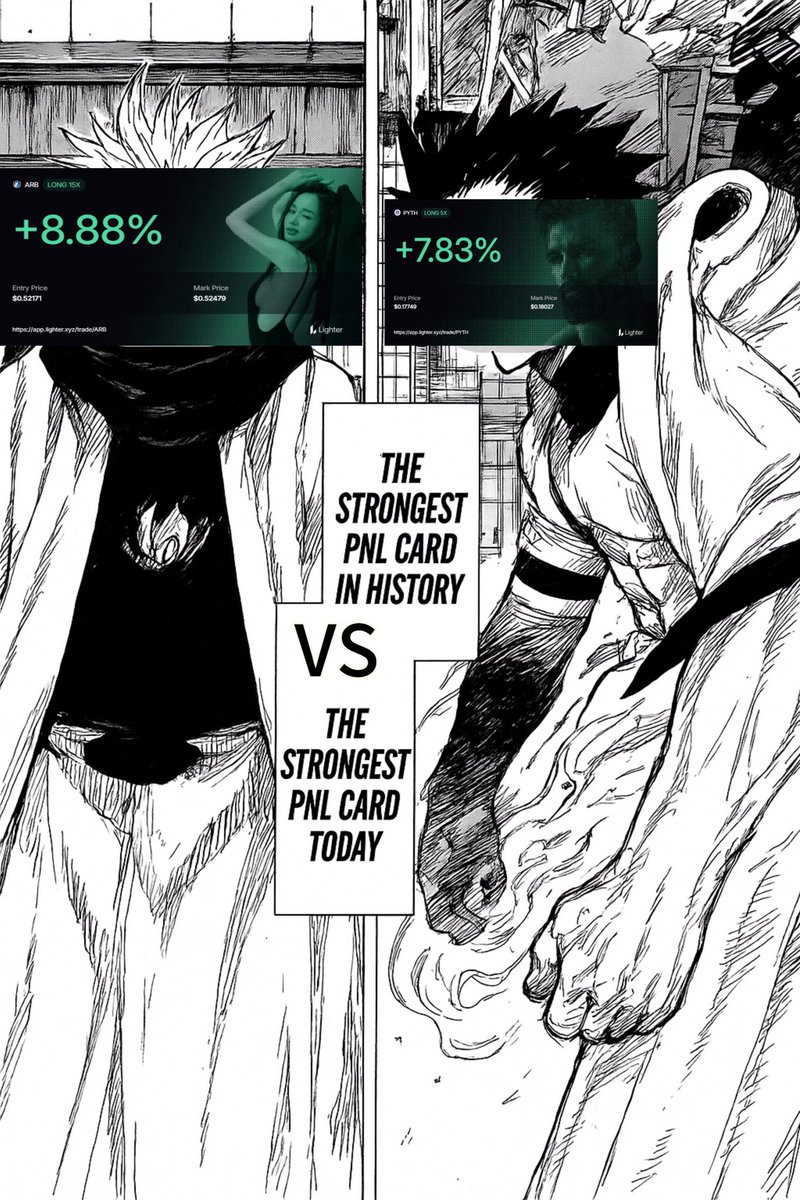
Ain’t gonna lie, this PNL card hittin’ different — that’s the GOAT right there
@evadacat i will use that PNL card every single time.
And my favorite PERP dex zero fee @Lighter_xyz
11 Sep 2025

🚀 Lighter PNL Card Event 🚀
🗓 Sep 11 – 20
🏆 Prize: Lighter Points
How to join:
1️⃣ Generate your trading results on Lighter using the Eva PNL Card
2️⃣ Quote this event post attach your PNL card
3️⃣ Fill the Google Form :
docs.google.com/forms/d/e/1F…
The event will be held in two categories: attendees and non-attendees of the upcoming KBW Lighter Korea Meetup.
1️⃣ Meetup Attendees
•Winners: 10 in total
•Special gifts will be handed out in person at the offline meetup (by me💖)
2️⃣ Non-Attendees
•Winners: 10 in total
•🌎 Open to all global users who cannot attend the meetup.
Winners will be selected based on a combination of X engagement with your PNL Card post, PNL size, and creativity/fun.
⚠️ Please note: Any attempt to make inappropriate edits using my photo may result in a permanent ban from Lighter.
Good luck to everyone and event starts from now 💖😝
11
7
8
1,206
Kairi Risolmayo (❖,❖) retweeted
11 Sep 2025
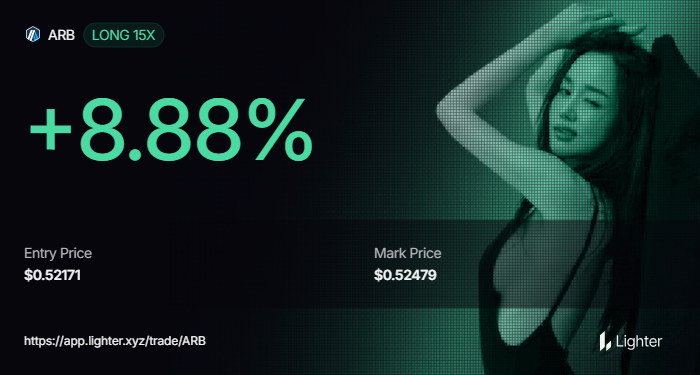
That lighter perp DEX be hittin different, slick and smooth AF. @Lighter_xyz @evadacat
11 Sep 2025
🚀 Lighter PNL Card Event 🚀
🗓 Sep 11 – 20
🏆 Prize: Lighter Points
How to join:
1️⃣ Generate your trading results on Lighter using the Eva PNL Card
2️⃣ Quote this event post attach your PNL card
3️⃣ Fill the Google Form :
docs.google.com/forms/d/e/1F…
The event will be held in two categories: attendees and non-attendees of the upcoming KBW Lighter Korea Meetup.
1️⃣ Meetup Attendees
•Winners: 10 in total
•Special gifts will be handed out in person at the offline meetup (by me💖)
2️⃣ Non-Attendees
•Winners: 10 in total
•🌎 Open to all global users who cannot attend the meetup.
Winners will be selected based on a combination of X engagement with your PNL Card post, PNL size, and creativity/fun.
⚠️ Please note: Any attempt to make inappropriate edits using my photo may result in a permanent ban from Lighter.
Good luck to everyone and event starts from now 💖😝
1
4
6
786

25 Jan 2025
꧁The Great Mimgration꧂
Mimboku at MT. Myoboku @mimboku_story
We're always ꧁Fronker Together꧂
40
Kairi Risolmayo (❖,❖) retweeted

20 Jan 2025
🦊🦙🐻🐭🐧🐱



337
386
1,783
27,199
Kairi Risolmayo (❖,❖) retweeted
21 Jan 2025
That's a wrap for Season 1 of Data Services Platform— the first phase of our testnet! We want to thank all participants for your amazing contributions. Don't forget to check back in for some between-seasons tasks and score some extra points before Season 2!
Until then, here's our final weekly update👇
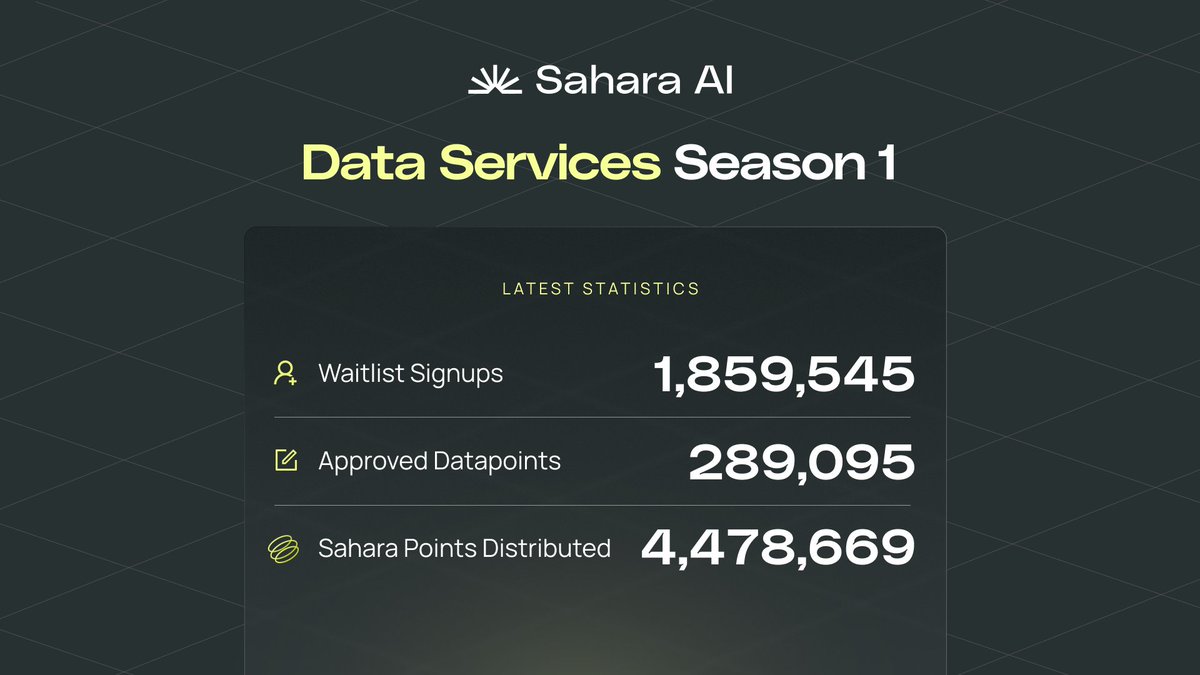
📊 Stats:
Waitlist signups: 1.9 million
Approved Datapoints: 289,095
Sahara Points Distributed: 4.5 million
--
🔧 Product Updates:
1⃣ Model Optimization Tasks in Season 1:
Before Season 1 wrapped up, we introduced some Model Optimization tasks. We hope you’re enjoying the process of fine-tuning those models to get the best results possible! It’s been amazing to see your creativity and problem-solving in action. 💡
2⃣Between-Seasons Tasks:
Even though Season 1 has ended, we’re still rolling out a few tasks during the between-seasons. If you have some free time, come check them out and have some fun! 🎮
Don’t forget—Season 2 is coming soon, so stay tuned for all the exciting updates! 🚀
--
🐛 Bug Fixes:
1⃣Oracle of Knowledge Achievement EXP Display Fix: When a user was claiming Oracle of Knowledge achievement, it would show ‘You successfully claimed 50 EXP’, instead of 30 EXP.
2⃣Reconsidered Answer Submission Fix: Fixed the issue where Annotators couldn't submit a reconsidered answer after Reviewers’ suggestions.
1,420
597
2,905
58,437
Kairi Risolmayo (❖,❖) retweeted
21 Jan 2025
🎬 Many old films are making a comeback with new 4K remasters using AI; but not everybody’s happy about it... Let’s dive into how AI is transforming cinema—and why it’s sparking so much debate. 👇
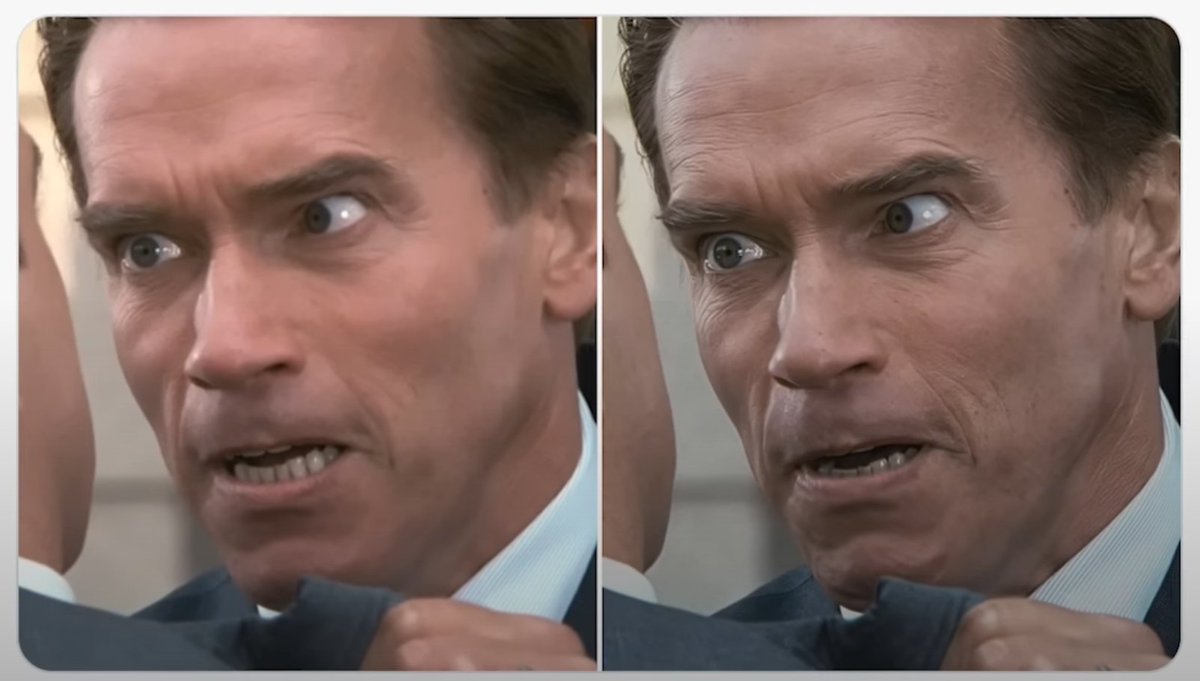
Take Jaws 3D. The original footage wasn’t exactly in great shape, and AI had to fill in a lot of gaps. But, if you look closely at the faces in certain scenes of the remaster, you’ll notice some classic AI artifacts.
Another noticeable example is True Lies by James Cameron where AI wasn't just used to upscale, but introduced a bunch of new details that weren’t in the original... and many fans weren't happy about it.
There are obvious upsides to using AI to update old films. AI makes these films accessible to modern audiences who are used to high-res everything. It breathes new life into old classics, adding clarity and vibrancy that the original tech just couldn’t achieve.
But it’s not all sunshine. Some argue these enhancements mess with the original artistic vision. If AI is guessing what details should be there, is it still the same film? Or are we watching something entirely new?
The bigger question: What does this mean for the future of film preservation? AI is powerful, but could it blur the line between restoration and revisionism? Will future generations ever see these films as they actually were?
AI is reshaping how we think about classic cinema, for better or worse. Some see it as progress, others as a slippery slope. What do you think? Are these AI-enhanced restorations a necessary evolution or a step too far?

311
364
2,461
27,368