
1 Photos and videos


24 Jan 2025

Bitcoin is one of the only crypto assets which trades sparingly on-chain.
The future of liquidity is on chain.
Big problem to solve connecting BTC to DEX liquidity.
Who’s building this? There must be a better way than CEX deposit, centralized swaps with KYC and ThorSwap.
13
417

Let’s get lit.
15 Nov 2024

Due to the current market conditions I now identify as a memecoin launchpad.
29
dev.stamp retweeted

11 Oct 2024
Optimus just poured a drink and didn’t ask for a 25% tip on an iPad.
Just put $10M more into Tesla stock
4,019
9,013
118,491
27,172,815
Adoption
Stage 2.
$STAMP

11
740
dev.stamp retweeted

18 Sep 2024
When it comes to making big life decisions, don’t listen to the people closest to you. Listen to the people closest to your goals.
177
2,686
46,777
955,966
Facts
9 Sep 2024

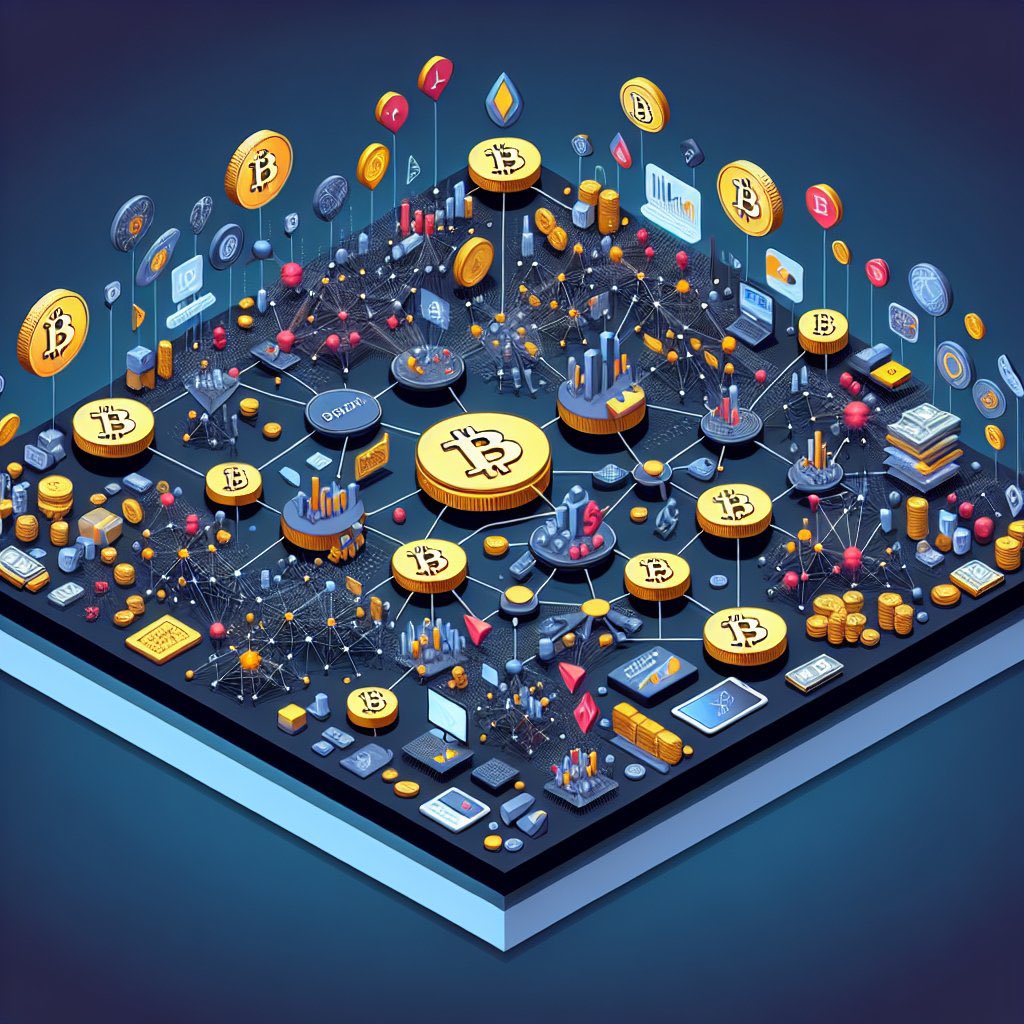
• Bitcoin Stamps :
- NFTs
- SRC20 Tokens
- BTC web domains
• Ordinals:
- NFTs only
• BRC20
- Tokens only
• Runes
- Tokens only
• Atomicals
- Tokens Only
• Fractal
- Premined tokens only 😂
Finally, Bitcoin stamps is the most complete and BTC assets diversified meta protocol of the bitcoin ecosystem.
#bitcoinstamps #CryptoArt #src20 #BitcoinInnovation
3
174
#Bitcoin.
Orange pill
💊 💊 💊
2 Sep 2024
September is packed with major events! 🚀 From huge announcements to epic giveaways, including $STAMP, $UTXO, $BTC, and more, this month is going to be one to remember! Stay tuned—big things are coming! 🎉
Also, we welcome all SRC20 token communities to reach out and join us in making September Synergy even bigger! Let’s do this together! 💪
#SRC #Stamps #OpenStamp
1
116
One step at a time
24 Jun 2024

Stamps Protocol & LeapX: A Revolutionary Asset Migration Tool for Bitcoin’s Diverse Protocol Ecosystem
With the trend of new Bitcoin asset issuance protocols such as Ordinals, Runes, Stamps, Atomicals, and RGB , the variety of assets on the Bitcoin chain has increased, providing more opportunities for future applications. However, the development of infrastructure is the necessary condition for determining how far these protocols can go. LeapX is a new Bitcoin all-protocol asset migration tool recently launched by @btcOpenStamp. Below, we will start with the Stamps protocol to understand this new tool, LeapX.
Introduction to BTC STAMPS
BTC STAMPS is a new protocol that achieves true “blockchain art” by permanently storing image data in the transaction outputs of the Bitcoin blockchain in base64 encoded form. This protocol encodes the binary content of an image into a base64 string and broadcasts it as part of the transaction description using the Counterparty protocol. Due to the string length, Counterparty defaults to using bare multi-sig, splitting the data into outputs to avoid using the limited and unable OP_RETURN, ensuring the data cannot be pruned from full nodes. Typically, 24x24 pixel, 8-bit colour depth PNG or GIF images are used, suitable for pixel art.
Compared to Bitcoin Ordinals, which uses witness data that can be pruned, the Bitcoin STAMPS protocol embeds digital artwork data into UTXOs to ensure the data cannot be pruned, thus maintaining data integrity. Bitcoin STAMPS also supports higher image resolutions and flexible file sizes, which may increase transaction costs. The protocol uses two standards, SRC-20 and SRC-721, providing different functionalities for data embedding and high-quality image creation. Bitcoin STAMPS offers a more flexible and secure way to embed digital art into the blockchain.
What is the SRC Protocol
SRC-20
The SRC-20 token standard is a new protocol on the Bitcoin blockchain for creating fungible assets. It uses Bitcoin Stamp technology to embed data into transactions. Like Ethereum’s ERC-20 and Bitcoin’s BRC-20, SRC-20 is a technical token specification. Originating from the BTC Stamps protocol, it competes with the Ordinal project. After a block height of 796,000, #SRC20 transactions are directly encoded on Bitcoin, reducing size and costs. To ensure ownership authenticity, these transactions must be signed and broadcast by addresses holding the tokens.
SRC-721
SRC-721 is a Bitcoin blockchain standard for creating and managing NFTs. It uses the Bitcoin Stamps protocol to store image data, employing layered storage technology to break down images into multiple layers with indexed colour palettes, reducing file size. This method allows for detailed NFT artworks with lower storage costs and transaction fees. Multiple layers can be combined into a single NFT, producing high-quality images without high costs. #SRC721 extends the SRC-20 standard and uses Bitcoin’s Counterparty protocol, specifically targeting NFT creation and management.
Unlike BRC-20 tokens, which use the Bitcoin Ordinal protocol to store data in transaction witness data, SRC-20 tokens store data in UTXOs, ensuring permanence and immutability. SRC-20 minting requires only one transaction, while BRC-20 requires two, making it more convenient during network congestion. Although SRC-20 allows flexible data storage, larger data sizes can increase fees. In contrast, BRC-20 limits data size to ensure standard costs.
New Protocol Tool LeapX
OpenStamp is a one-stop trading and minting platform offering tools like transaction accelerators and UTXO splitting. In March of this year, it completed a seed round of financing valued at $50 million, led by Animoca Ventures. OpenStamp also has its own Layer 2 network @ContinentxL2, built on #CKB (Nervos) technology.
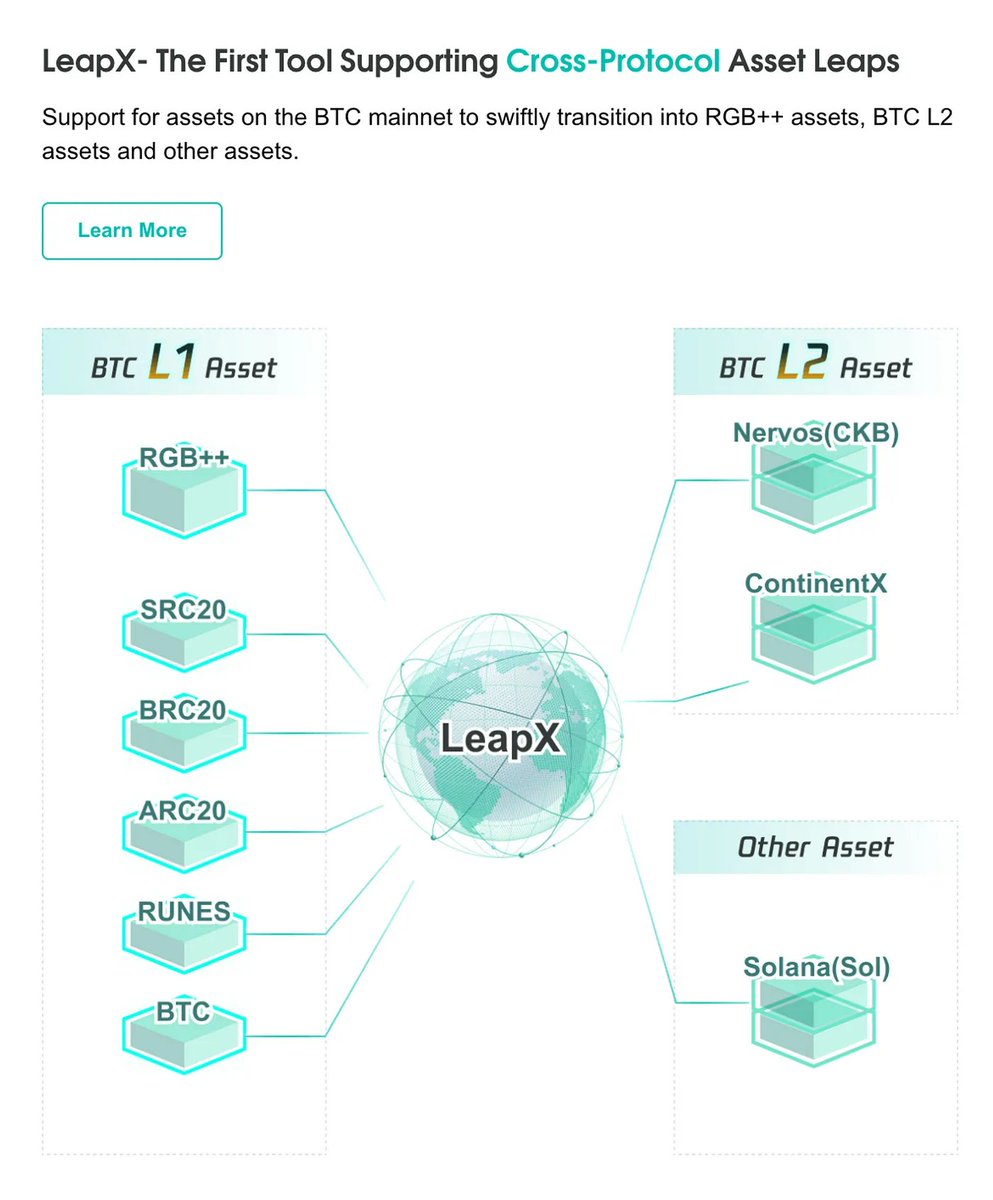
LeapX is an all-protocol asset migration tool that supports rapidly converting assets on the Bitcoin mainnet to protocol assets like RGB and BTC L2, enabling seamless and trustless transitions between L1 and L2. OpenStamp believes that the ultimate fate of Layer 1 assets should not be limited to MEME but should become core assets like #Bitcoin. LeapX aims to break down barriers between protocols, allowing all Layer 1 assets to more natively participate in Layer 2 benefits and applications, becoming true core assets.
Currently, LeapX supports the integration of Bitcoin assets into UTXO-supported Layer 2s, such as CKB and OpenStamp’s native Bitcoin Layer 2 project ContinentX, as well as the UTXO Stack chain. Additionally, LeapX supports the seamless linking of Bitcoin Layer 1 assets with high-performance chains like Solana, leveraging its high-traffic and thriving ecosystem to provide more liquidity for Bitcoin assets.
Future Prospects
The launch of LeapX by OpenStamp provides a trading platform for assets from different protocols on Bitcoin’s Layer 1, allowing them to share resources and equally access the richer ecosystem applications of Layer 2. This eliminates user and liquidity fragmentation across protocols, integrating users and liquidity from different protocols, thereby significantly enhancing the efficiency of Bitcoin ecosystem development. This brings more resources and opportunities at both the asset protocol and overall ecosystem levels.
Currently, LeapX is in the experimental testing phase. There is hope for increased liquidity and protocol integration in the future, consolidating Bitcoin’s resources to make the Bitcoin ecosystem more prosperous.
67
dev.stamp retweeted

20 Jun 2024
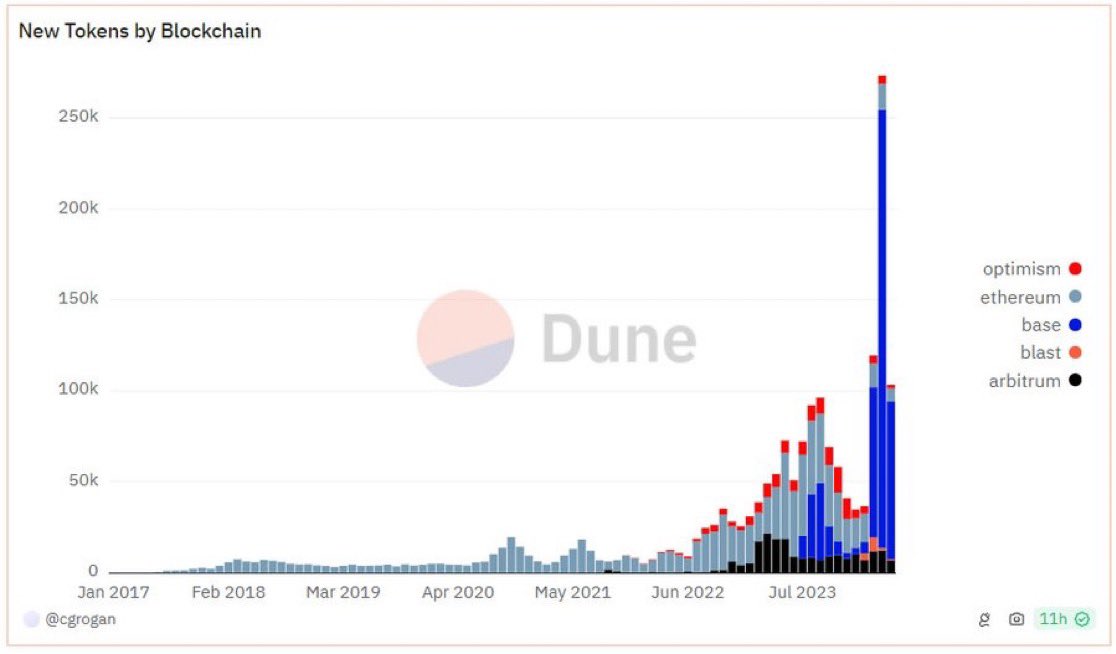
JUST IN: Over 1 million new crypto tokens have been launched since April.
There’s only one #Bitcoin
254
324
1,685
246,614
dev.stamp retweeted

27 May 2024
📢The LeapX feature is now officially live: OpenStamp.io/leapx
Everything you need to know is right here:
What is LeapX, and what can it do?
LeapX is an all-protocol asset leap tool that enables all assets from ecosystem protocols on the Bitcoin mainnet(SRC-20, BRC-20, ARC-20, RUNES, RGB ) to perform bidirectional leaps for transitions. This facilitates trustless and unrestricted movement between L1 and L2, marking the first step towards a native Bitcoin L2 solution.
Why make the leap?
The ultimate fate of L1 assets should not be merely MEMEs but core assets like Bitcoin itself. LeapX is designed to break down the barriers between protocols, allowing all L1 assets to engage more natively in the yield-generating and application possibilities of L2, transforming them into genuine core assets.
What can be done after leaping?
By leveraging the RGB protocol's ability to leap freely between networks within the UTXO model, all assets will eventually be usable across similar networks, such as CKB, ContinentX, and all UTXO Stack chains. This will form a vast ecosystem containing DEXs, stablecoins, lending protocols, and other foundational infrastructure and DeFi applications.
‼️🎁💎🎁💯
Additionally, we will be conducting a LeapX-related airdrop for the Bitcoin ecosystem. You might be eligible if you are:
1. An OG PASS Holder
2. Ranked within the top 2000 of OS Points
3. An active user within the Bitcoin ecosystem, including holding and interacting with over 30 tokens from various ecosystems (SRC-20, BRC-20, ARC-20, RUNES, RGB , etc.), such as STAMP, ORDI, ATOM, DOG, SEAL, and more.
The snapshot was taken at block height 845353. For more detailed information about the airdrop event, please stay tuned to our Summer Leap!
125
271
1,747
183,652
Tick-Tock
💥
25 May 2024
🔥Can you imagine an asset that can move freely among all Bitcoin ecosystem protocols and between L1 and L2? Yes, LeapX can make this dream a reality!
📢We are delighted to announce that the LeapX feature will officially go live on May 27, next Monday. To celebrate this launch, we have organized a series of exciting events including a major airdrop, the Galxe Campaign, and collaborations with many partners, such as OKX.
ℹ️Please stay tuned to our official channels for more updates and detailed information.#LeapX #ContinentX
38