
SoftwareDev. Roadmaps,Cheatsheets, Projects with Source Code & Resources.Learn with me.Coding Ebooks: codewithdhanian.gumroad.com.
Joined October 2021
- Tweets 72,250
- Following 3,431
- Followers 67,178
- Likes 118,959
5,999 Photos and videos
Pinned Tweet

26 Dec 2025
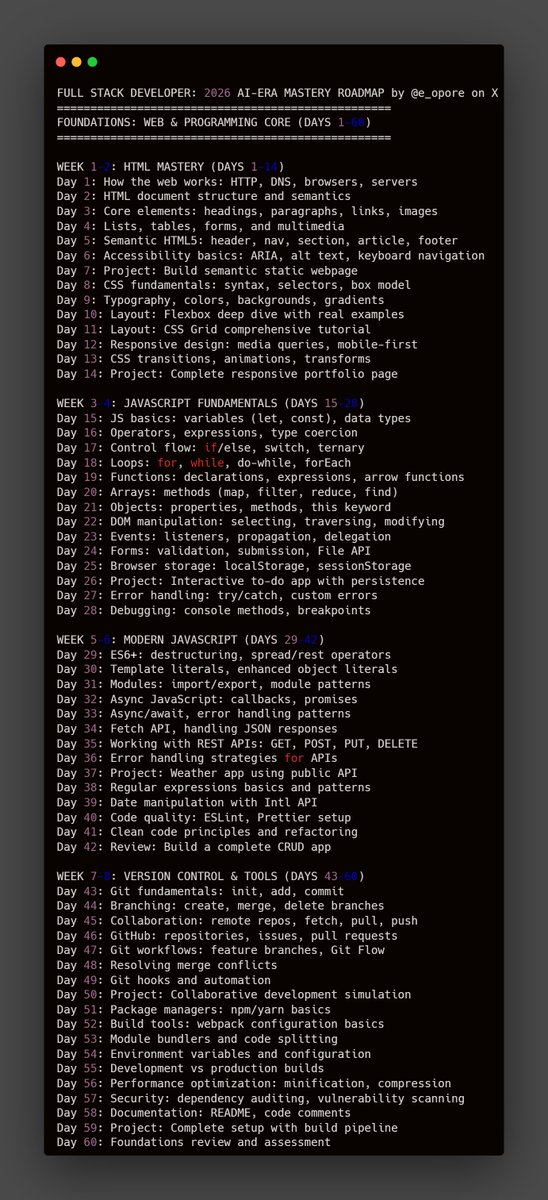
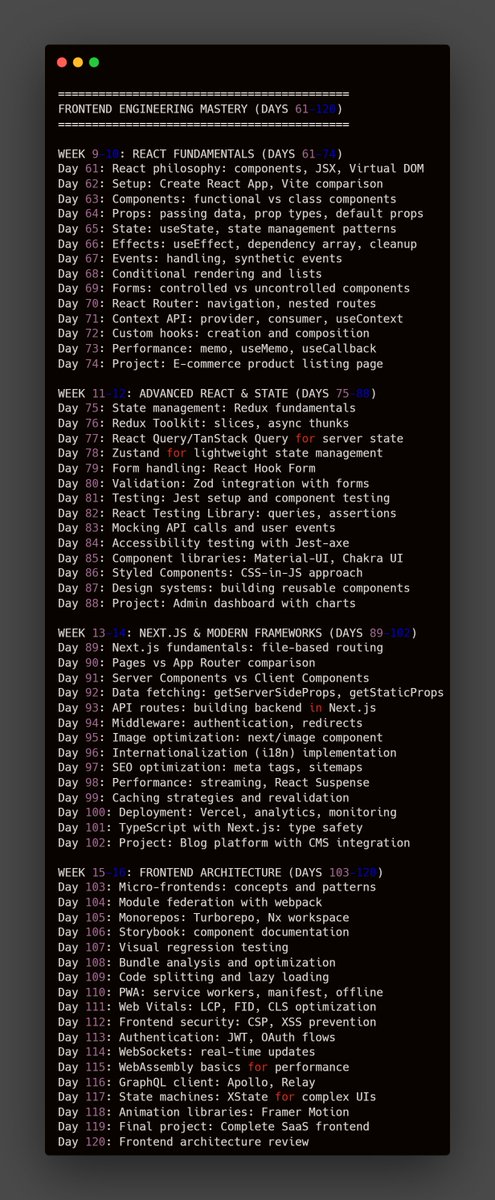
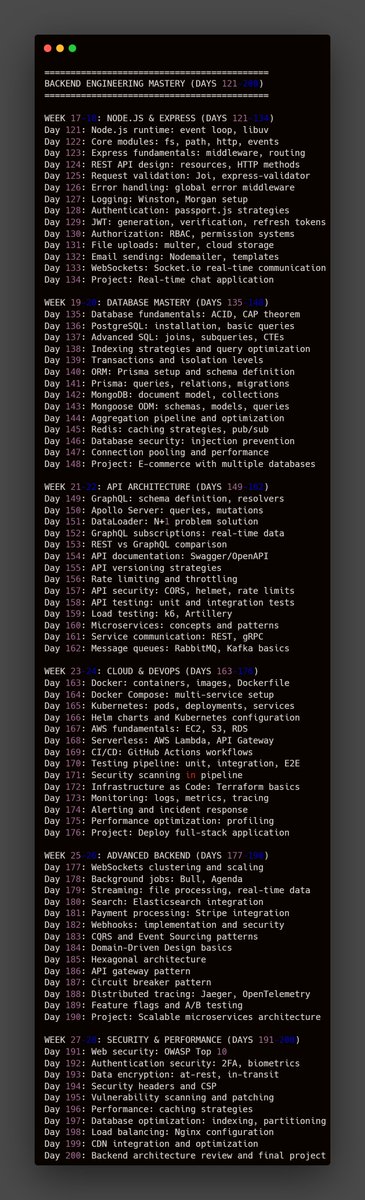
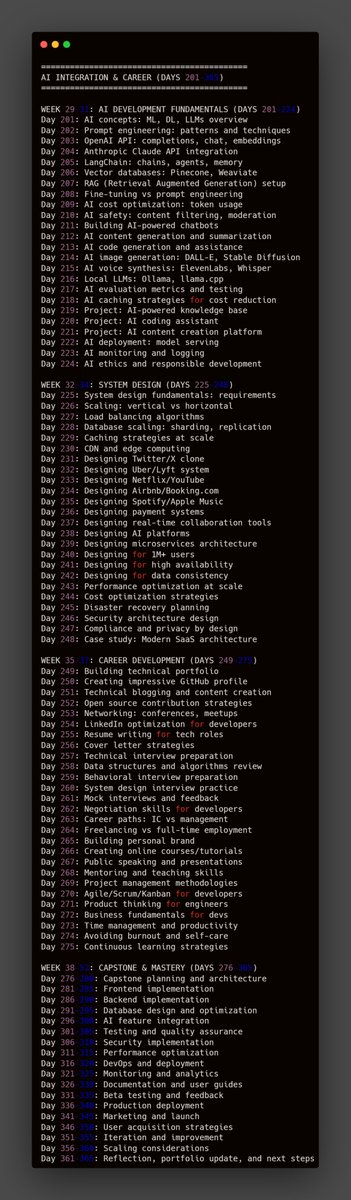
COMPLETE FULL STACK DEVELOPER ROADMAP: MASTERING MODERN DEVELOPMENT IN THE AI ERA (2026) written DAY-BY-DAY (1–365).
Grab the Modern Full Stack Latest Edition Handbook:
codewithdhanian.gumroad.com/…
58
140
883
73,570
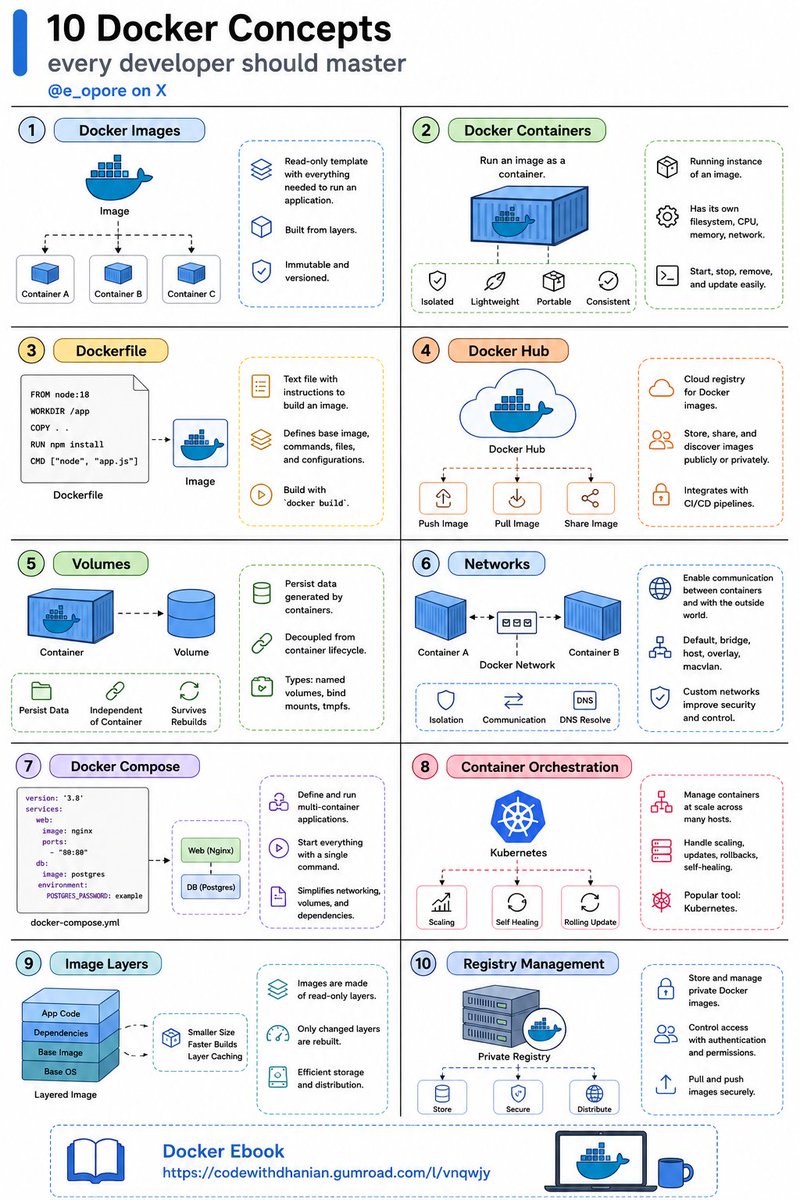
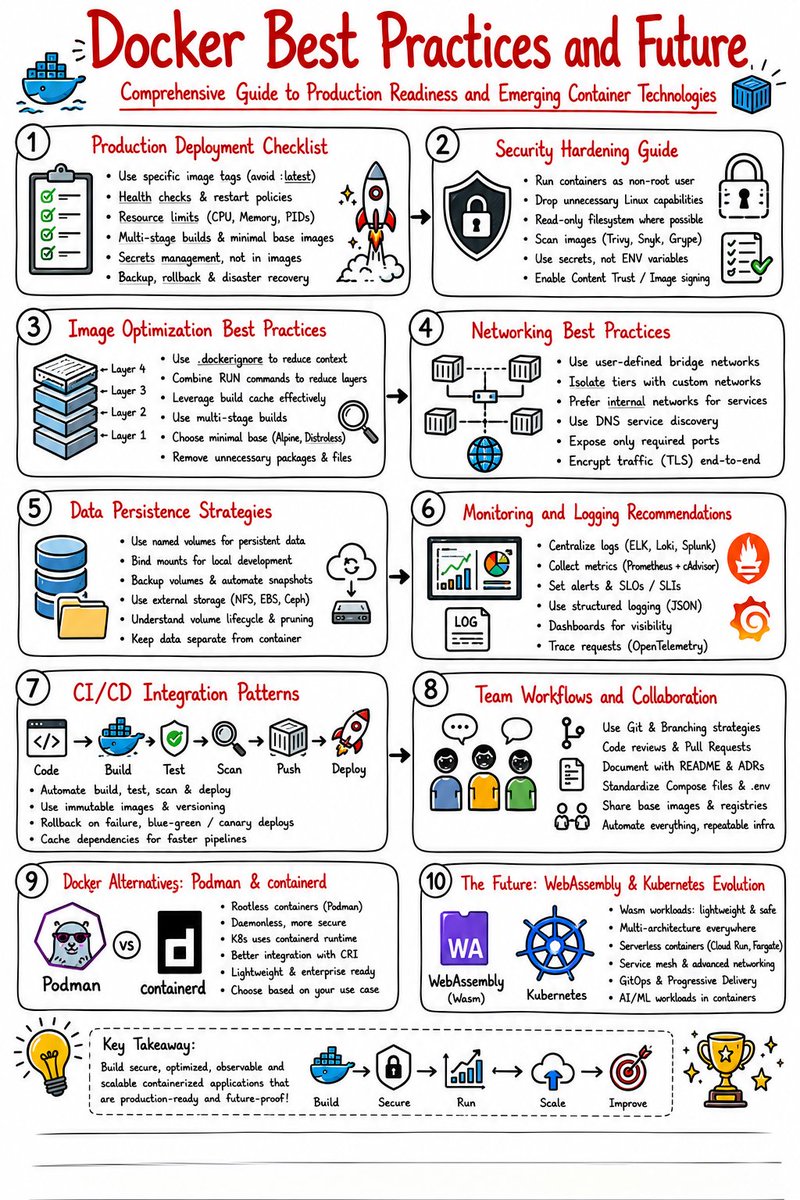
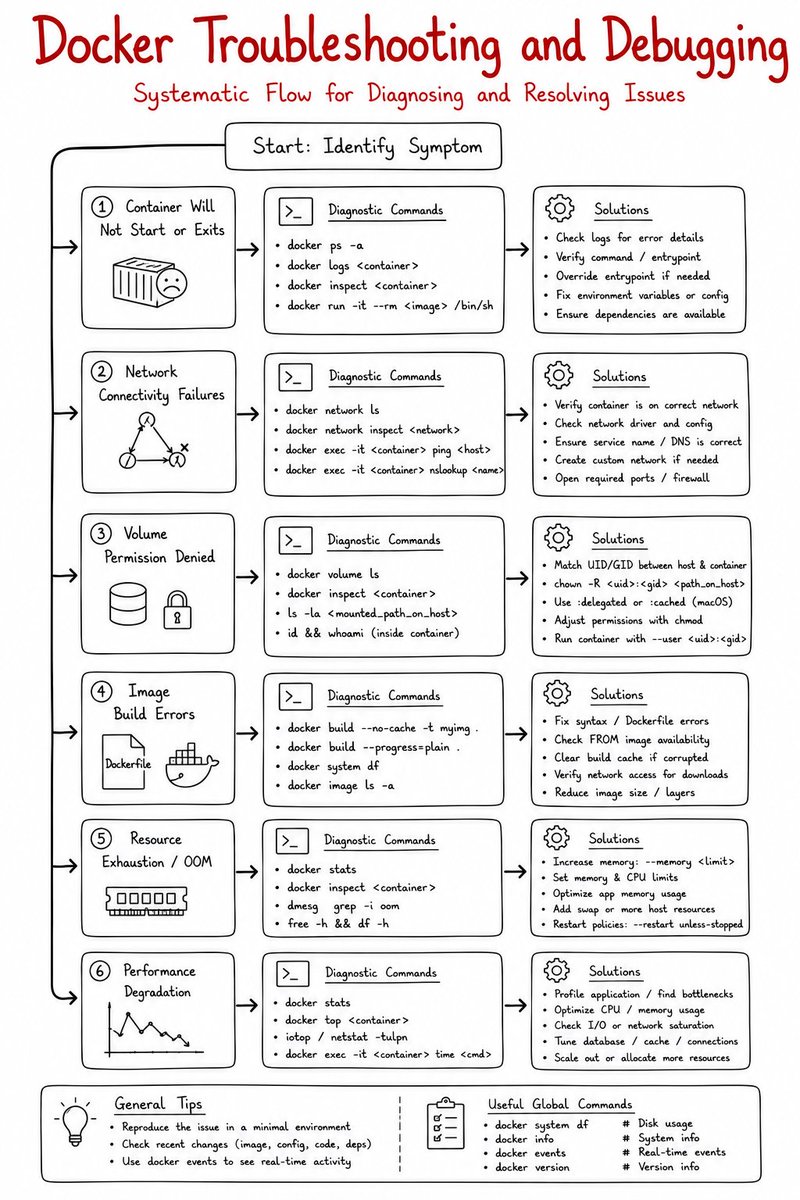
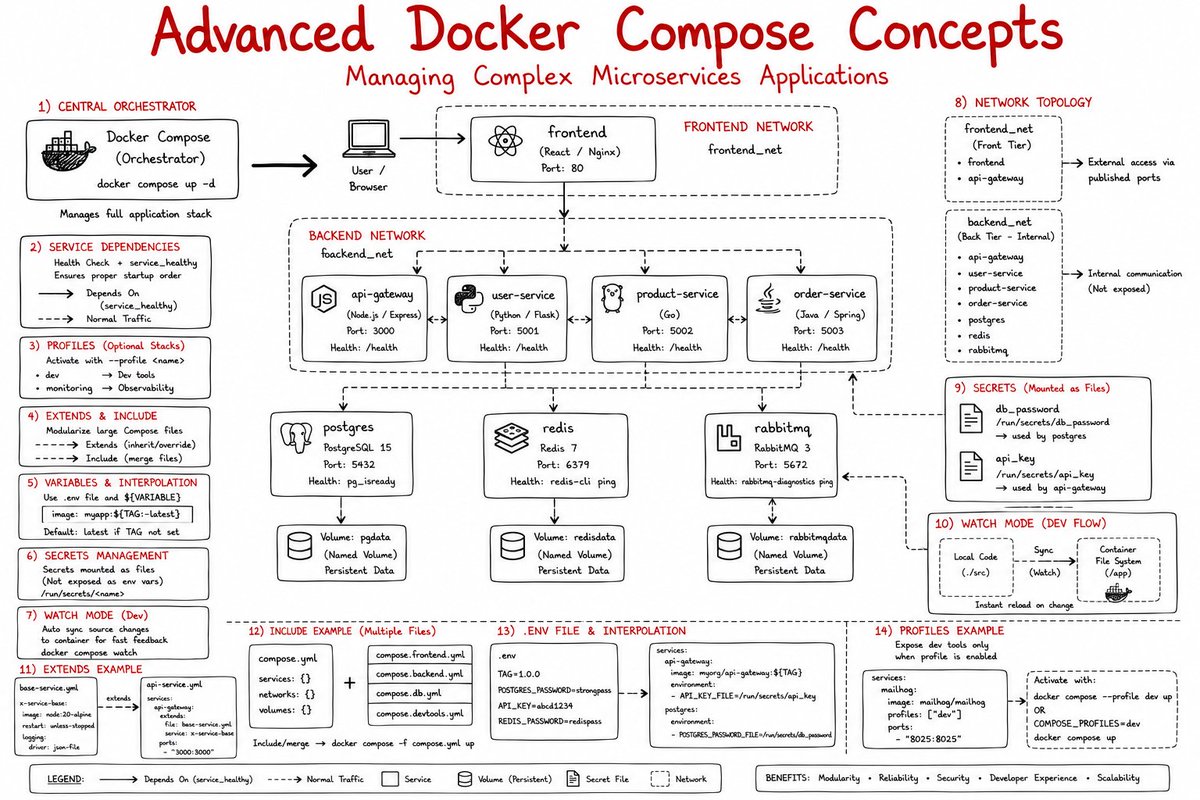
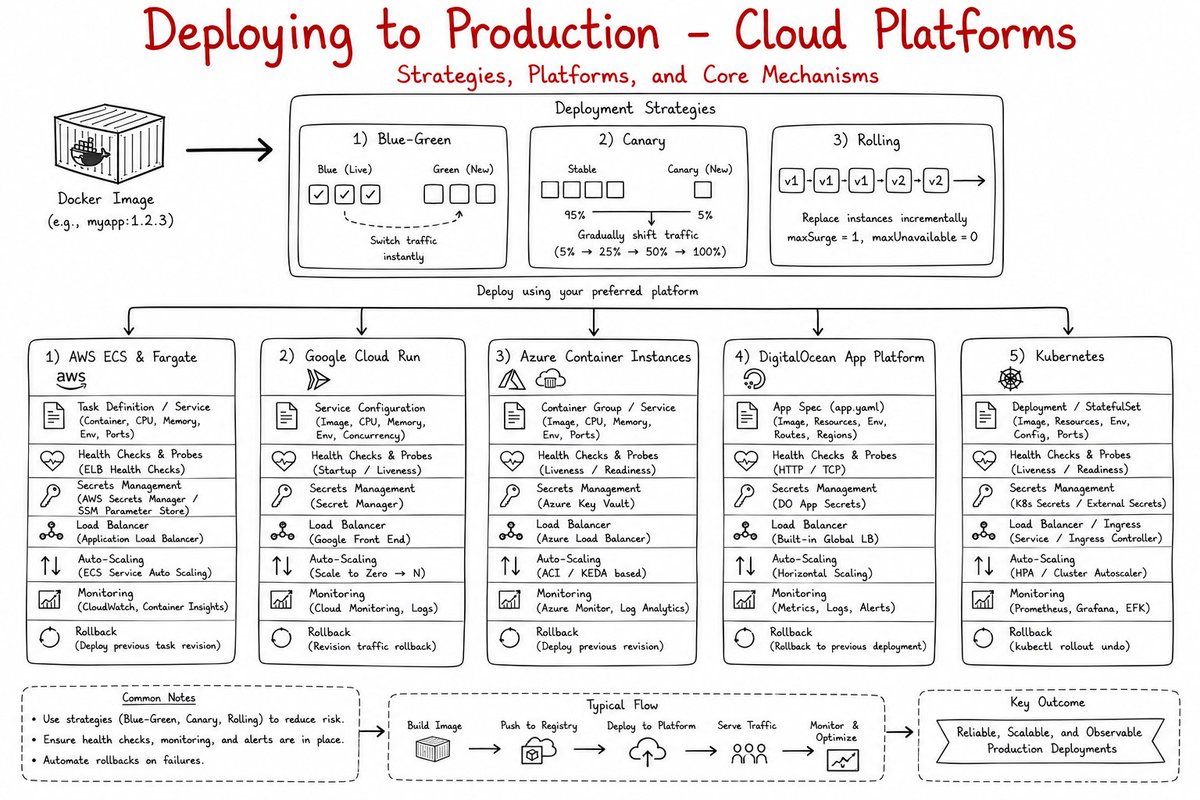
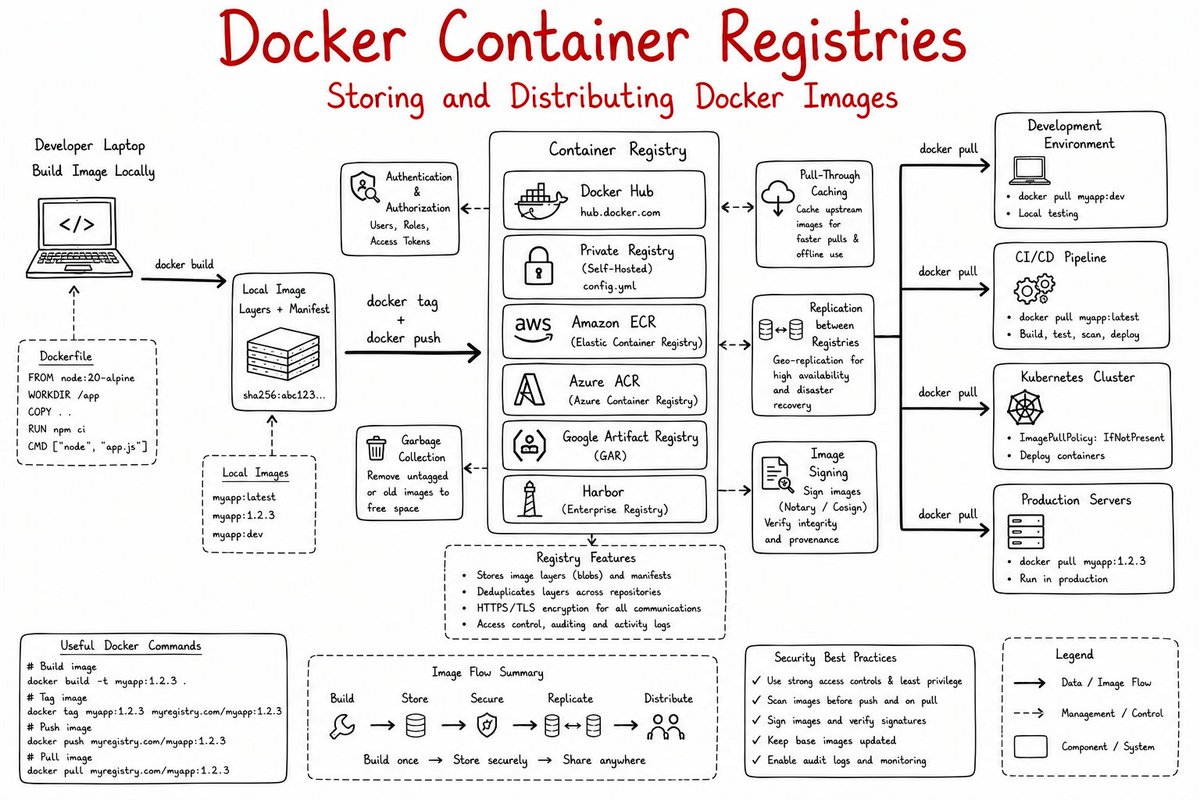
10 Docker concepts every developer should master:
1. Docker Images — reusable templates used to create containers
2. Docker Containers — isolated environments for running applications
3. Dockerfile — instructions for building custom images
4. Docker Hub — cloud registry for storing and sharing images
5. Volumes — persistent storage for container data
6. Networks — communication layer between containers and services
7. Docker Compose — tool for defining and running multi-container applications
8. Container Orchestration — managing containers at scale with platforms like Kubernetes
9. Image Layers — stacked filesystem layers that optimize builds and caching
10. Registry Management — storing, securing, and distributing container images
Grab the Docker Ebook: codewithdhanian.gumroad.com/…
6
7
54
1,007
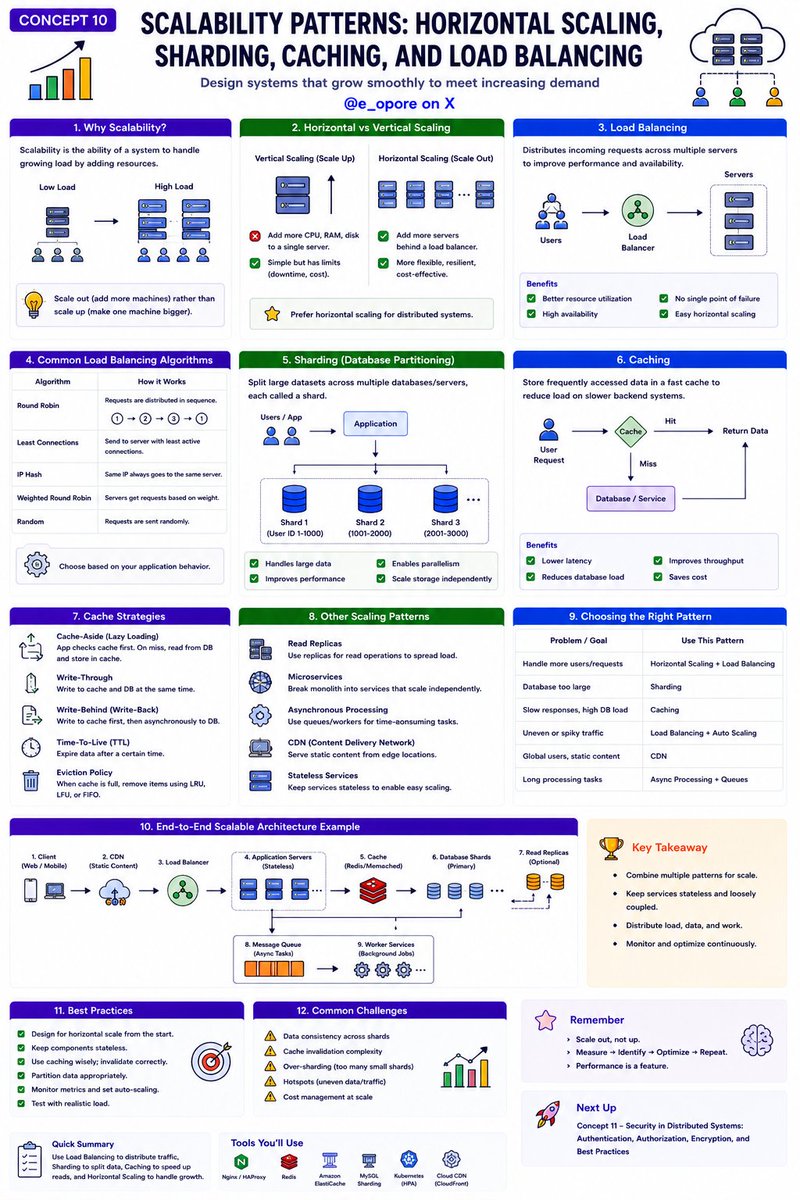
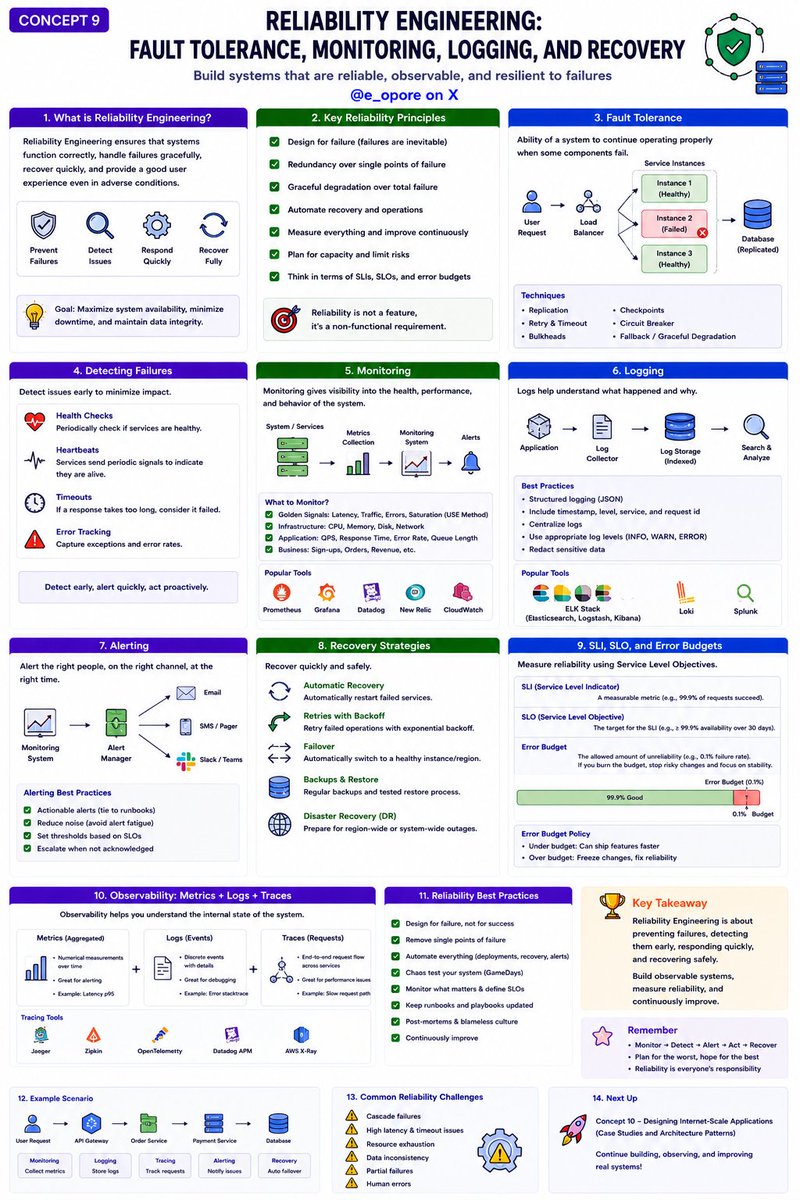
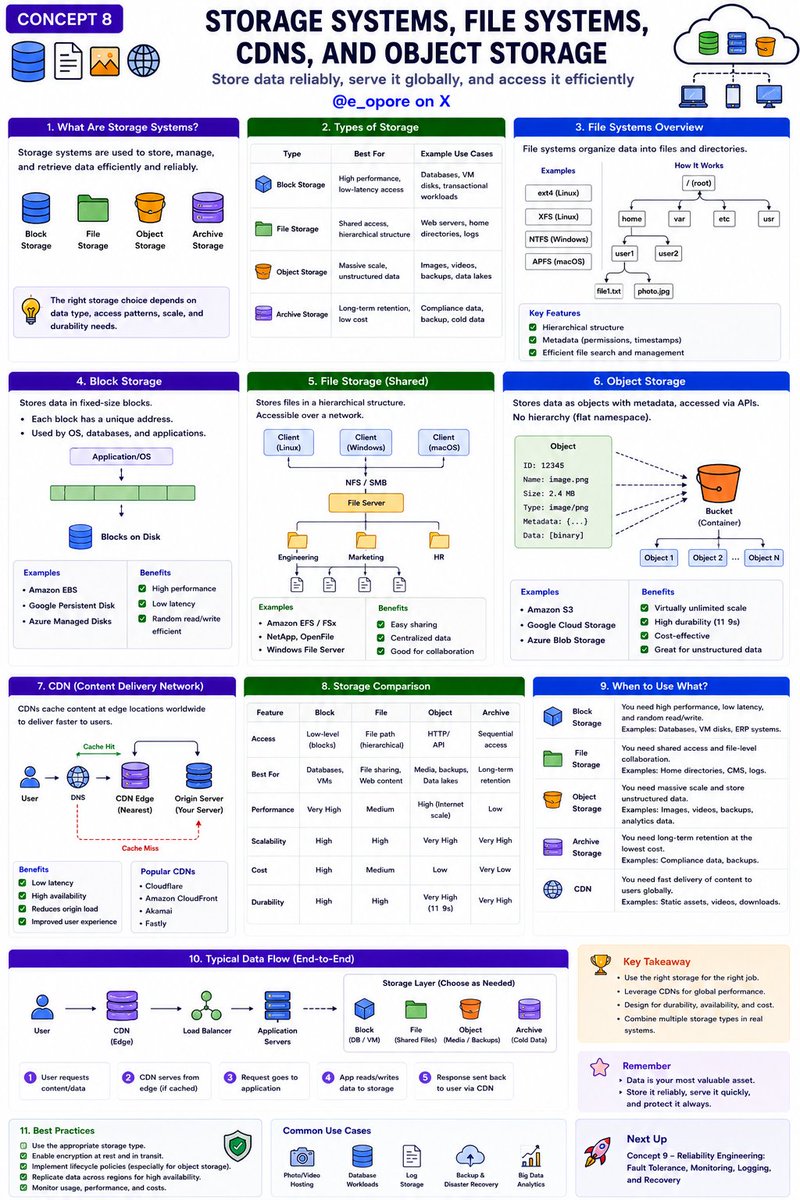
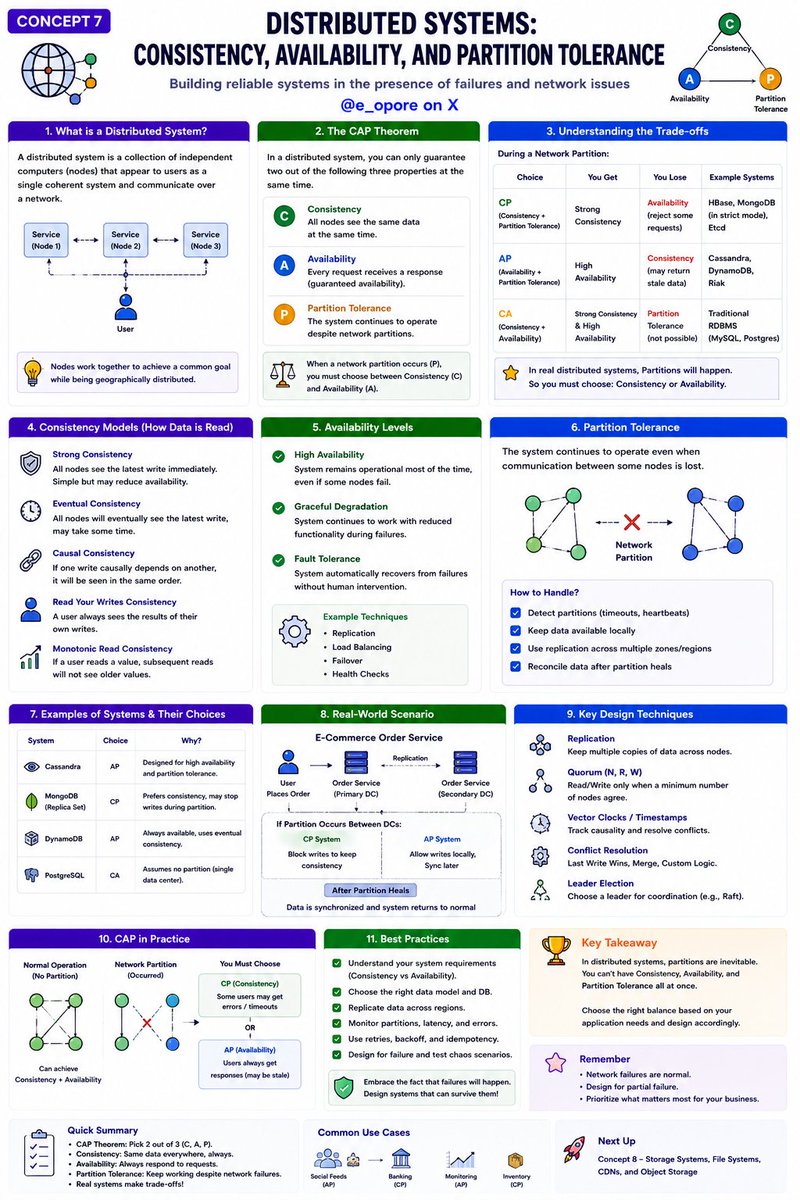
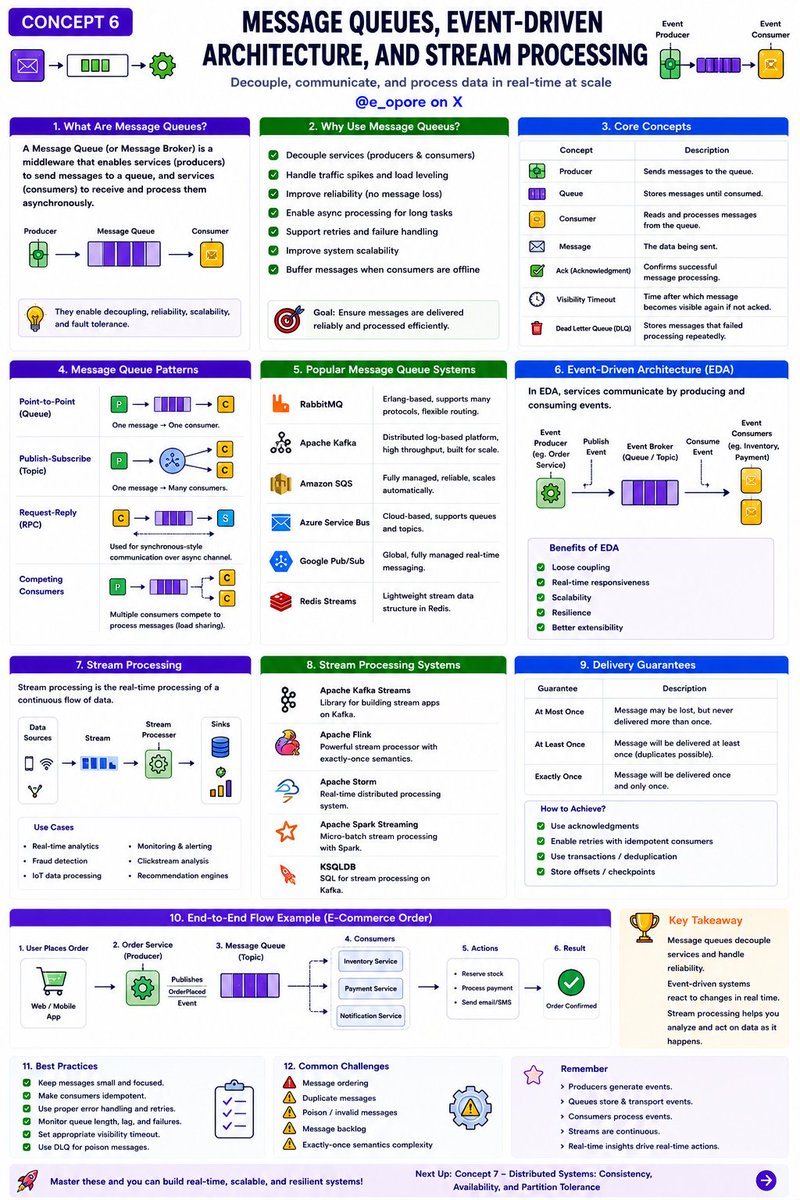
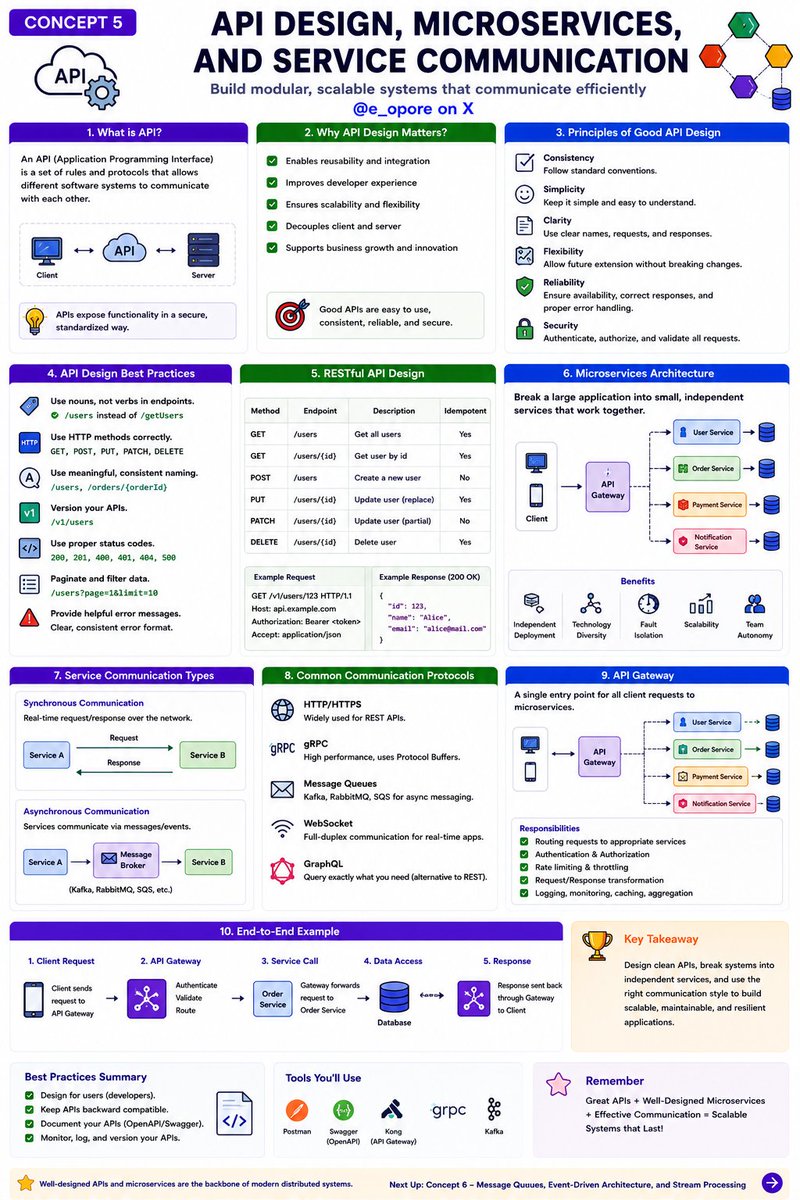
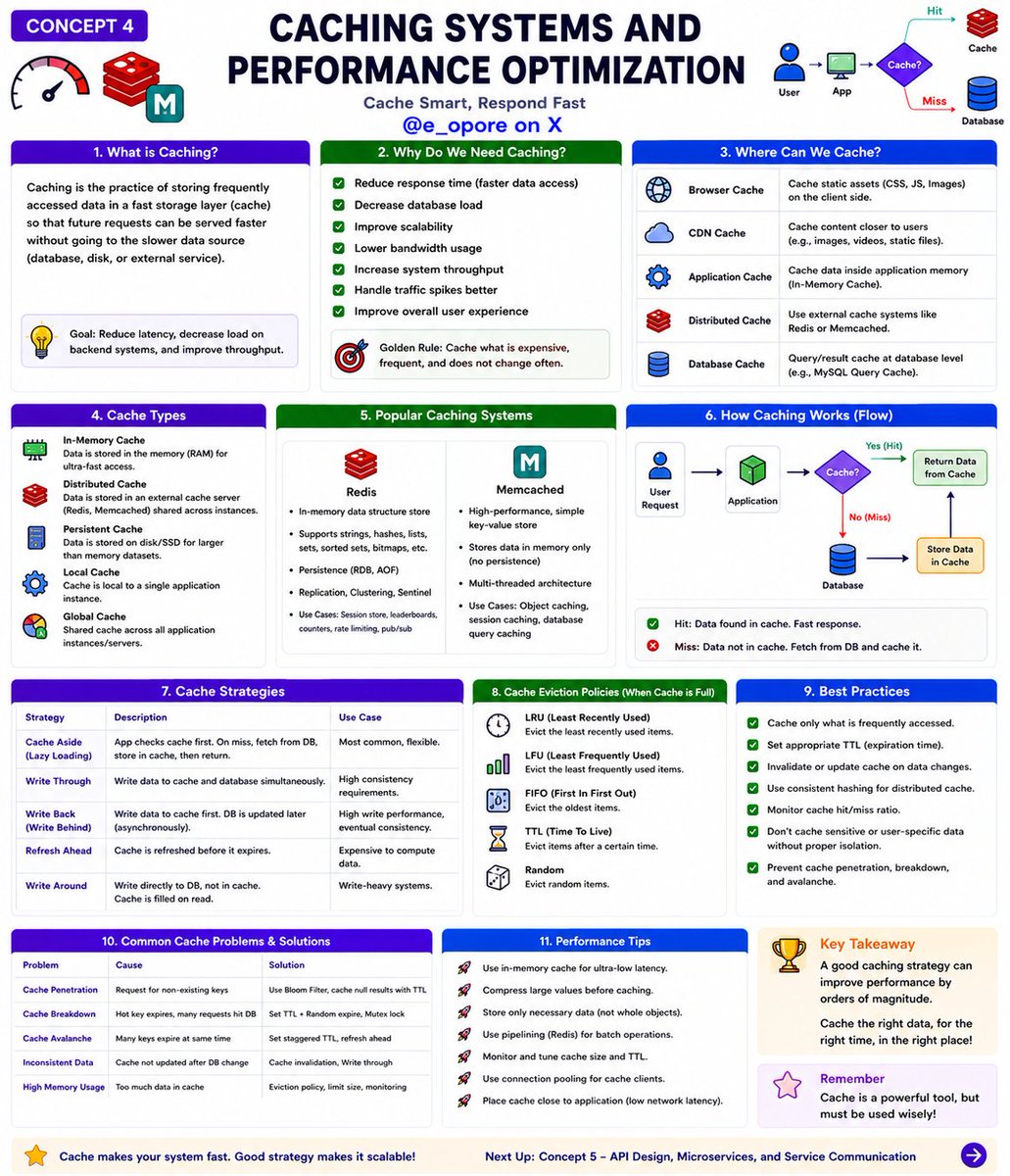
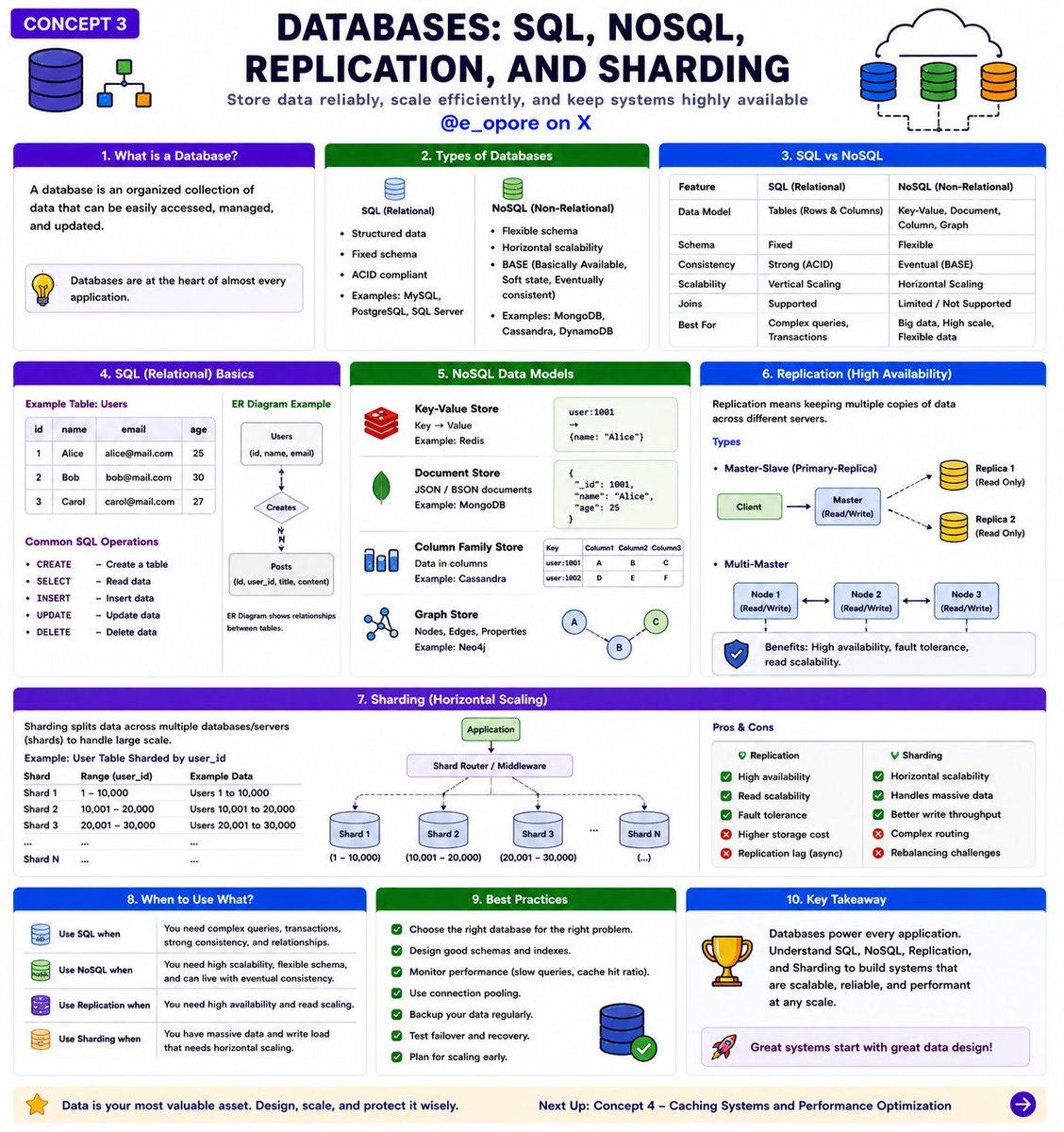
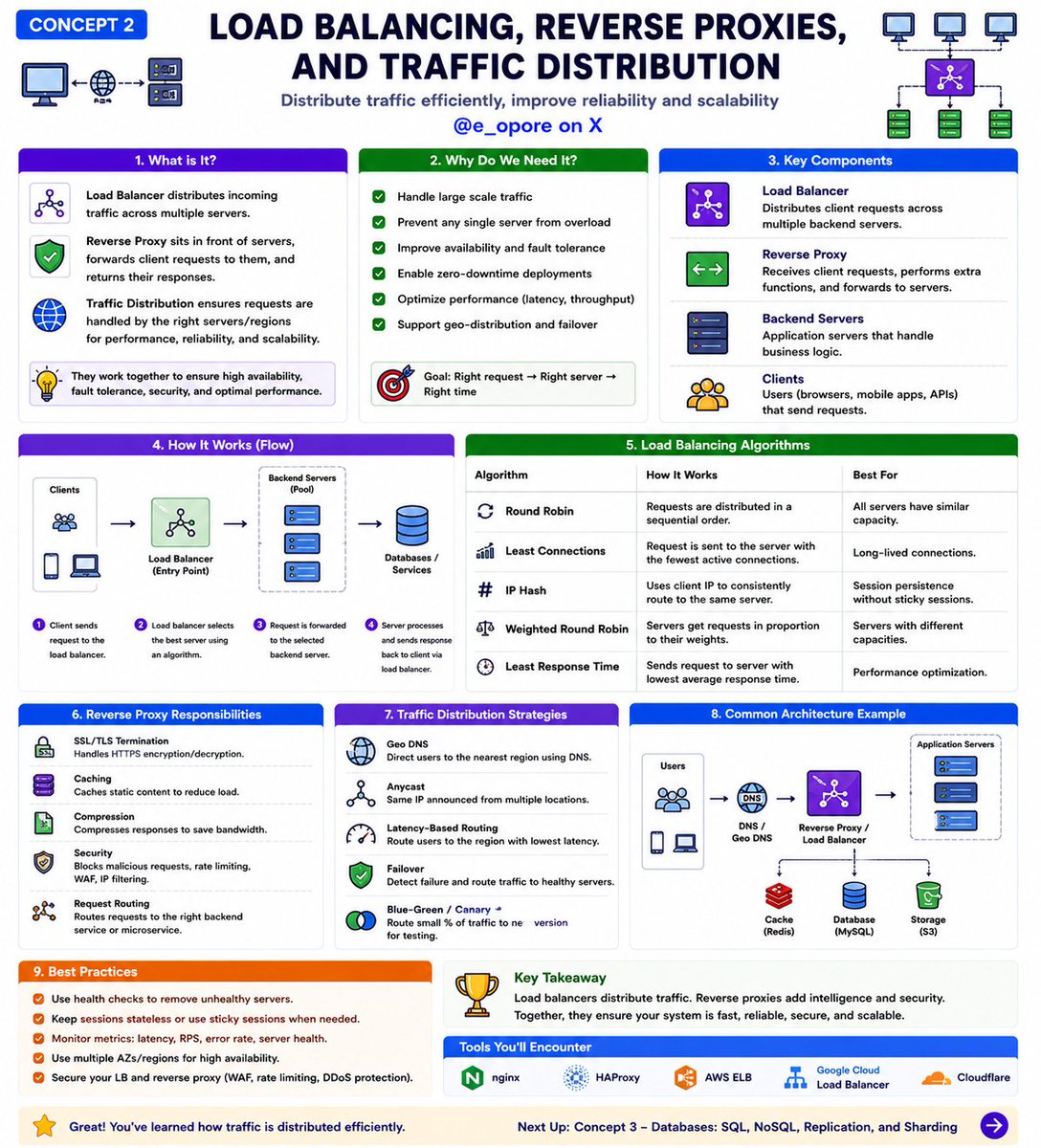
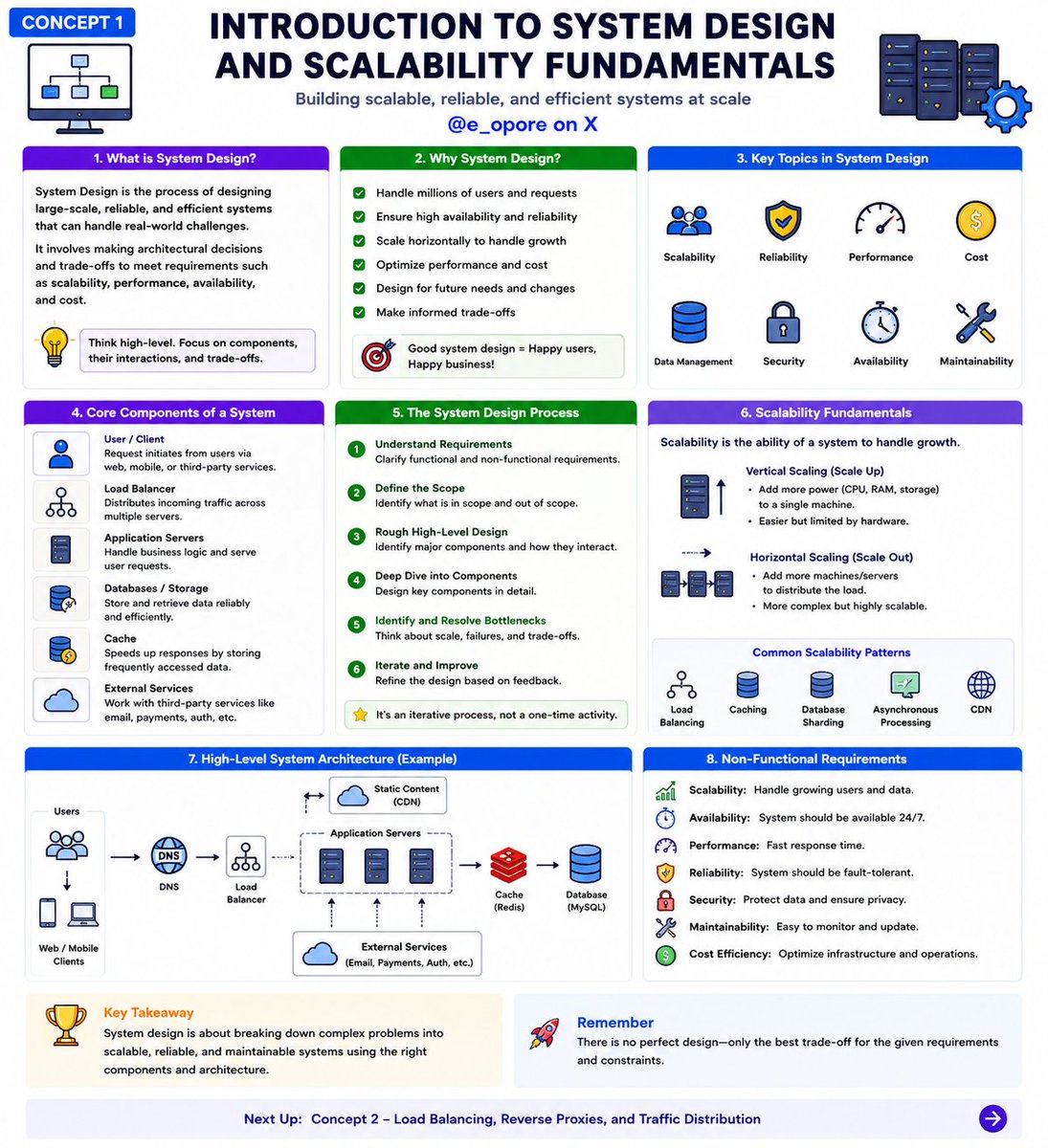
If you want to become good at system design, then learn these 10 concepts:
2
10
676
9. Reliability Engineering: Fault Tolerance, Monitoring, Logging, and Recovery
1
2
187
10. Designing Internet-Scale Applications (Case Studies and Architecture Patterns)
1
2
170
18h
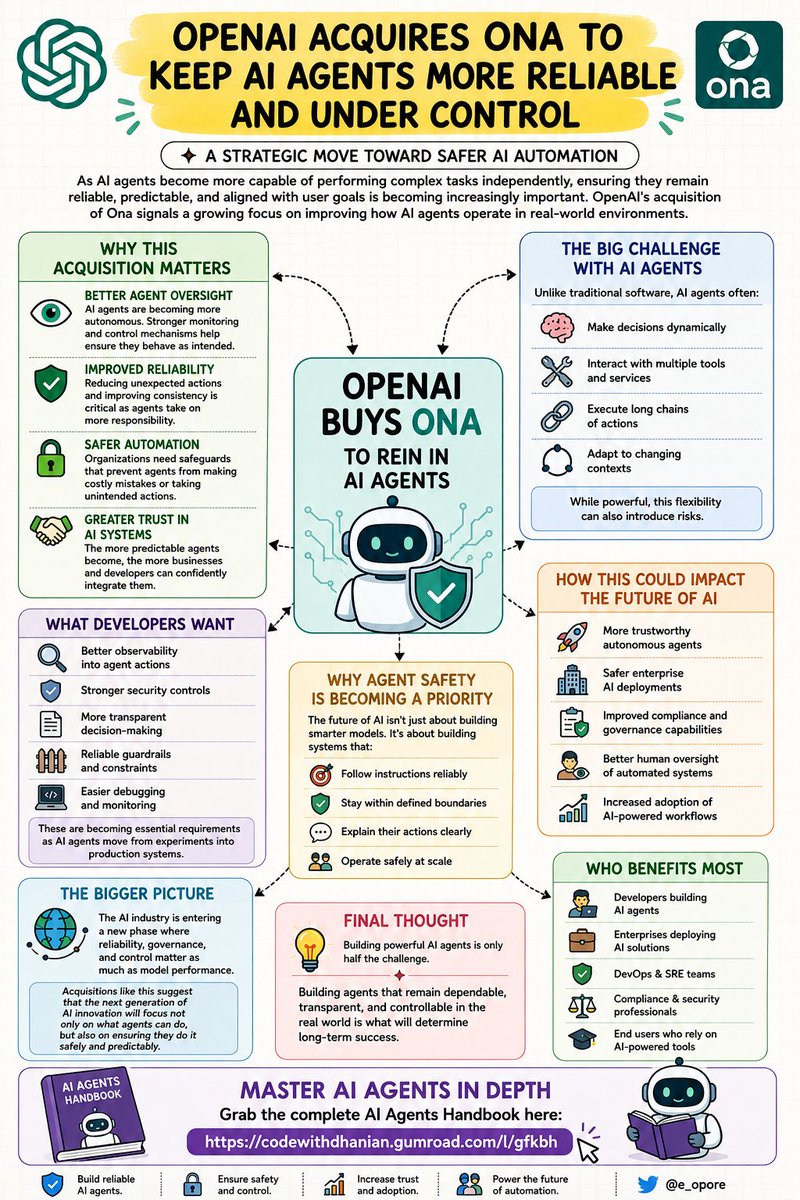
OPENAI ACQUIRES ONA TO KEEP AI AGENTS MORE RELIABLE AND UNDER CONTROL
A STRATEGIC MOVE TOWARD SAFER AI AUTOMATION
As AI agents become more capable of performing complex tasks independently, ensuring they remain reliable, predictable, and aligned with user goals is becoming increasingly important.
OpenAI's acquisition of Ona signals a growing focus on improving how AI agents operate in real-world environments, especially when handling sensitive workflows, decision-making processes, and multi-step tasks.
WHY THIS ACQUISITION MATTERS
→ BETTER AGENT OVERSIGHT
AI agents are becoming more autonomous. Stronger monitoring and control mechanisms help ensure they behave as intended.
→ IMPROVED RELIABILITY
Reducing unexpected actions and improving consistency is critical as agents take on more responsibility.
→ SAFER AUTOMATION
Organizations need safeguards that prevent agents from making costly mistakes or taking unintended actions.
→ GREATER TRUST IN AI SYSTEMS
The more predictable agents become, the more businesses and developers can confidently integrate them into production environments.
THE BIG CHALLENGE WITH AI AGENTS
Unlike traditional software, AI agents often:
→ Make decisions dynamically
→ Interact with multiple tools and services
→ Execute long chains of actions
→ Adapt to changing contexts
While powerful, this flexibility can also introduce risks.
WHAT DEVELOPERS WANT
→ Better observability into agent actions
→ Stronger security controls
→ More transparent decision-making
→ Reliable guardrails and constraints
→ Easier debugging and monitoring
These are becoming essential requirements as AI agents move from experiments into production systems.
HOW THIS COULD IMPACT THE FUTURE OF AI
→ More trustworthy autonomous agents
→ Safer enterprise AI deployments
→ Improved compliance and governance capabilities
→ Better human oversight of automated systems
→ Increased adoption of AI-powered workflows
WHY AGENT SAFETY IS BECOMING A PRIORITY
The future of AI isn't just about building smarter models.
It's about building systems that:
→ Follow instructions reliably
→ Stay within defined boundaries
→ Explain their actions clearly
→ Operate safely at scale
As AI agents become capable of handling increasingly important tasks, these qualities become just as valuable as raw intelligence.
THE BIGGER PICTURE
The AI industry is entering a new phase where reliability, governance, and control matter as much as model performance.
Acquisitions like this suggest that the next generation of AI innovation will focus not only on what agents can do, but also on ensuring they do it safely and predictably.
Tip:
Building powerful AI agents is only half the challenge.
Building agents that remain dependable, transparent, and controllable in the real world is what will determine long-term success.
MASTER AI AGENTS IN DEPTH
Grab the complete AI Agents Handbook here:
codewithdhanian.gumroad.com/…
6
12
497
Jun 13
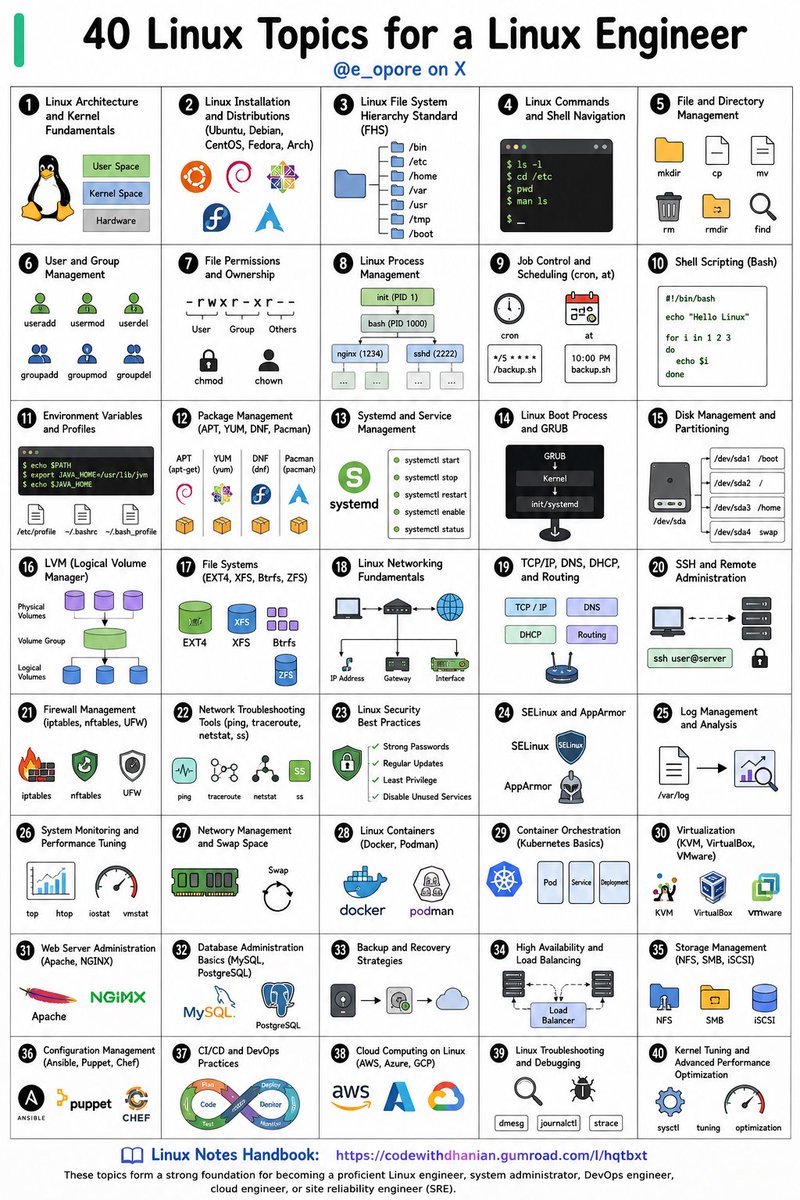
As a Linux Engineer,
It will be good if you have an understanding of the below 40 topics👇
1. Linux Architecture and Kernel Fundamentals
2. Linux Installation and Distributions (Ubuntu, Debian, CentOS, Fedora, Arch)
3. Linux File System Hierarchy Standard (FHS)
4. Linux Commands and Shell Navigation
5. File and Directory Management
6. User and Group Management
7. File Permissions and Ownership
8. Linux Process Management
9. Job Control and Scheduling (cron, at)
10. Shell Scripting (Bash)
11. Environment Variables and Profiles
12. Package Management (APT, YUM, DNF, Pacman)
13. Systemd and Service Management
14. Linux Boot Process and GRUB
15. Disk Management and Partitioning
16. LVM (Logical Volume Manager)
17. File Systems (EXT4, XFS, Btrfs, ZFS)
18. Linux Networking Fundamentals
19. TCP/IP, DNS, DHCP, and Routing
20. SSH and Remote Administration
21. Firewall Management (iptables, nftables, UFW)
22. Network Troubleshooting Tools (ping, traceroute, netstat, ss)
23. Linux Security Best Practices
24. SELinux and AppArmor
25. Log Management and Analysis
26. System Monitoring and Performance Tuning
27. Memory Management and Swap Space
28. Linux Containers (Docker, Podman)
29. Container Orchestration (Kubernetes Basics)
30. Virtualization (KVM, VirtualBox, VMware)
31. Web Server Administration (Apache, NGINX)
32. Database Administration Basics (MySQL, PostgreSQL)
33. Backup and Recovery Strategies
34. High Availability and Load Balancing
35. Storage Management (NFS, SMB, iSCSI)
36. Configuration Management (Ansible, Puppet, Chef)
37. CI/CD and DevOps Practices
38. Cloud Computing on Linux (AWS, Azure, GCP)
39. Linux Troubleshooting and Debugging
40. Kernel Tuning and Advanced Performance Optimization
📘 Grab Linux Notes Handbook:
codewithdhanian.gumroad.com/…
These topics form a strong foundation for becoming a proficient Linux engineer, system administrator, DevOps engineer, cloud engineer, or site reliability engineer (SRE).
4
29
174
3,523