
pediatrician fond of birds and horses/obstinate, headstrong girl
Joined April 2021
- Tweets 12,768
- Following 1,536
- Followers 28,612
- Likes 95,344
989 Photos and videos






Pinned Tweet

13 Apr 2022
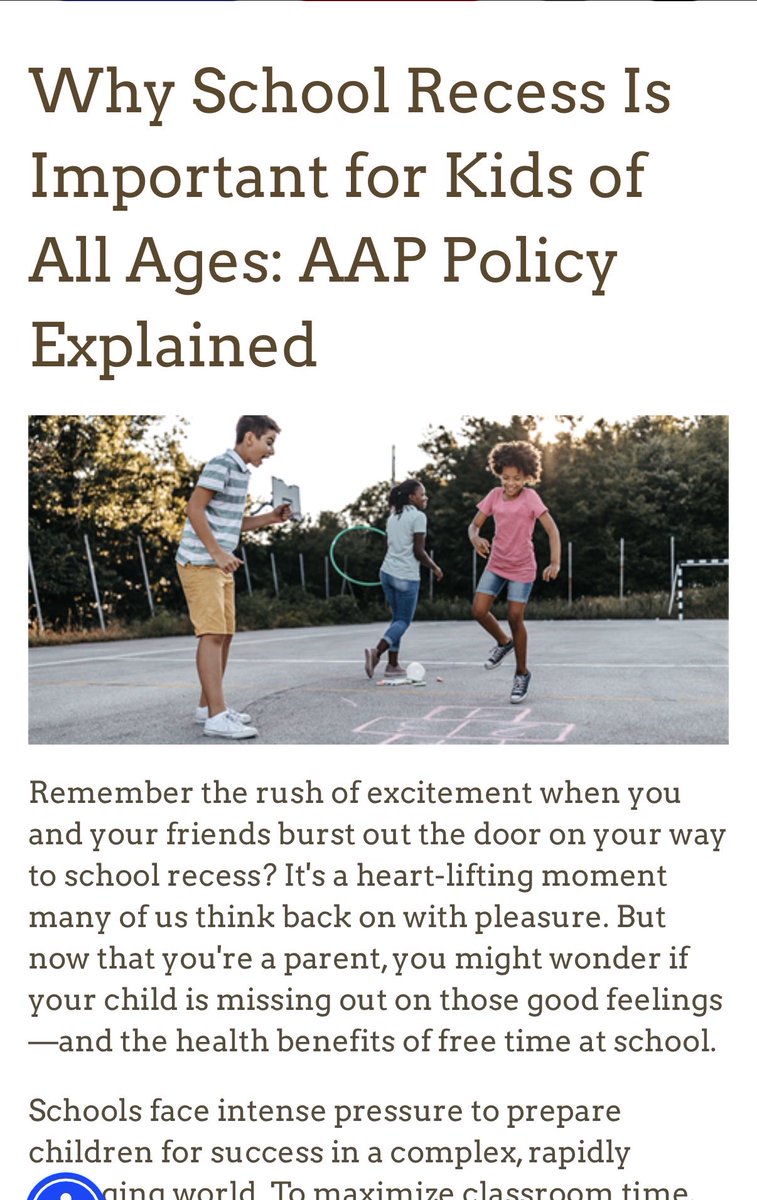
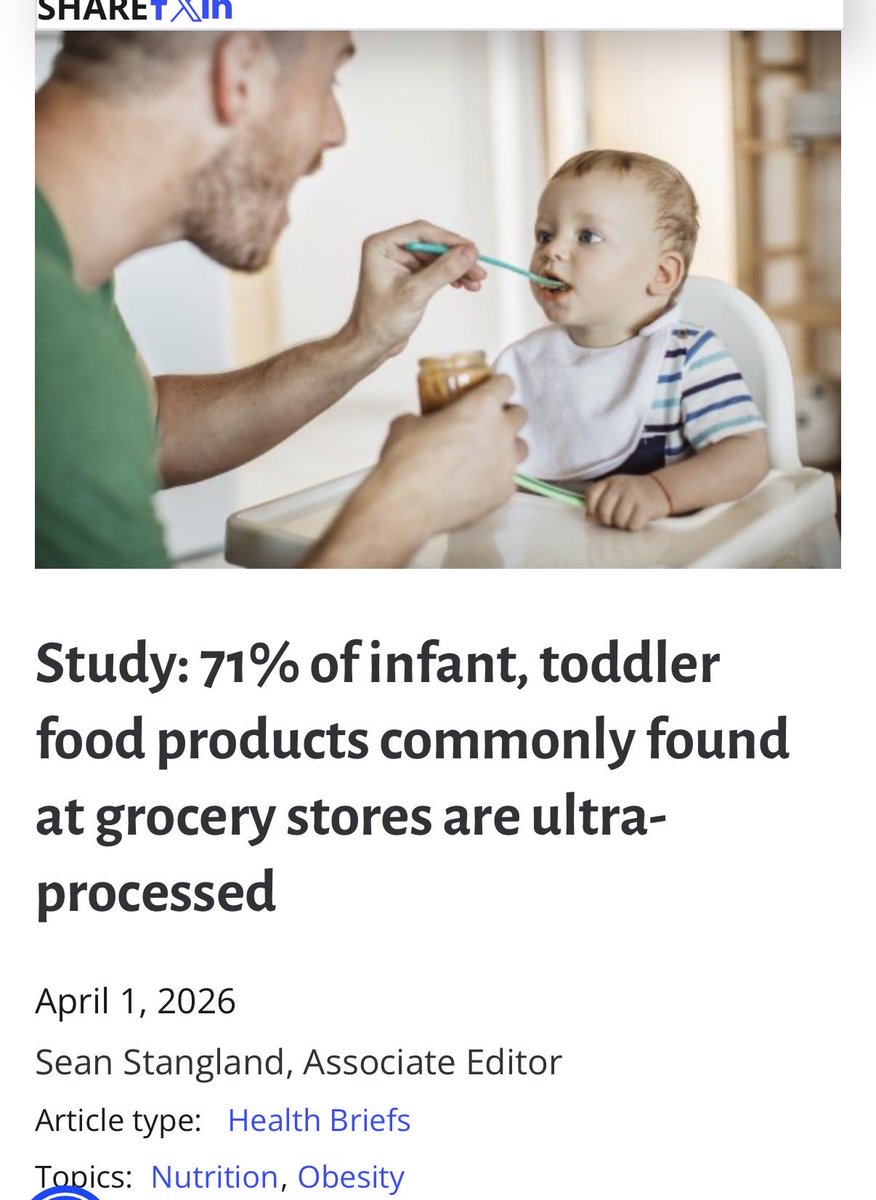
Typical clinic day now includes a 2-year-old who only has 5 words, an 8-year-old with new-onset obesity, and a preschool-age child with no social skills from being home bound. A disastrous avalanche of child health probs of our own making—not “from the pandemic.” @AmerAcadPeds
181
1,722
7,305
Jun 15
Having your first horse trailer haul with the first horse you’ve ever owned is terrifying. Isn’t St. Anthony the patron saint of travelers? Gonna try more praying, less shallow breathing 😮💨
3
12
751
Jun 13
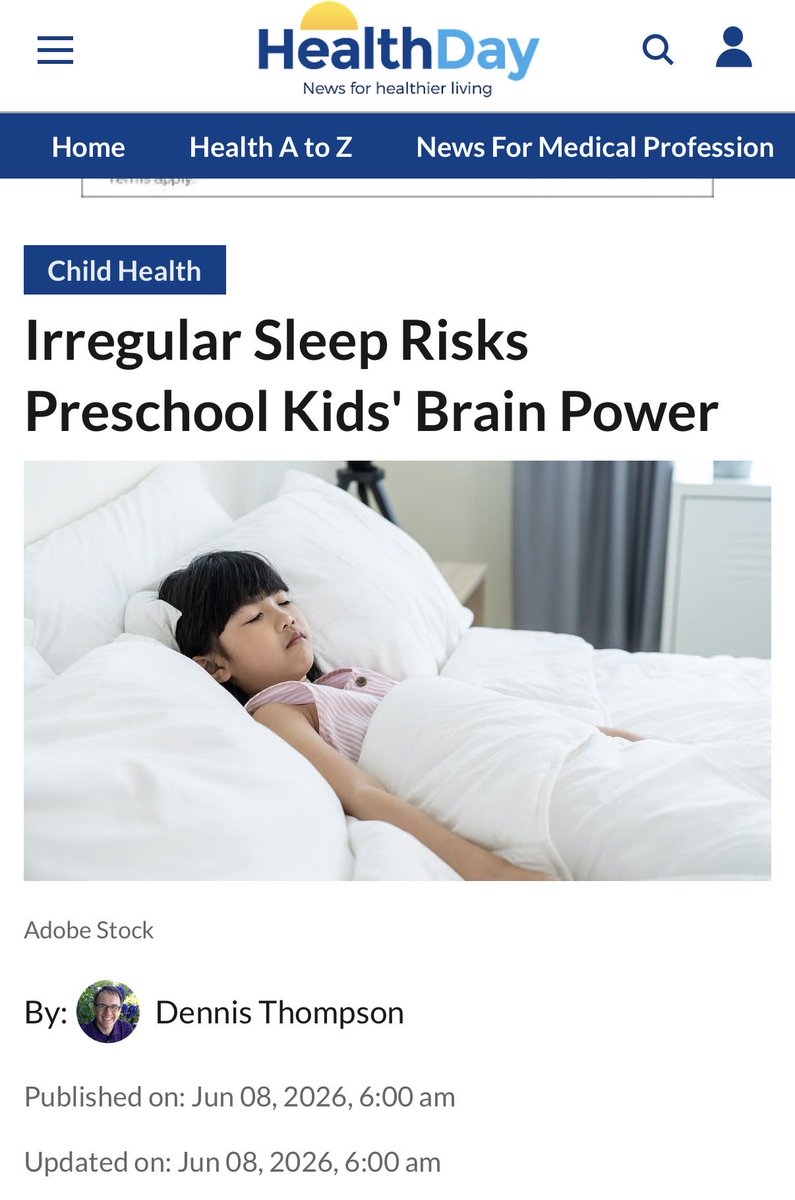
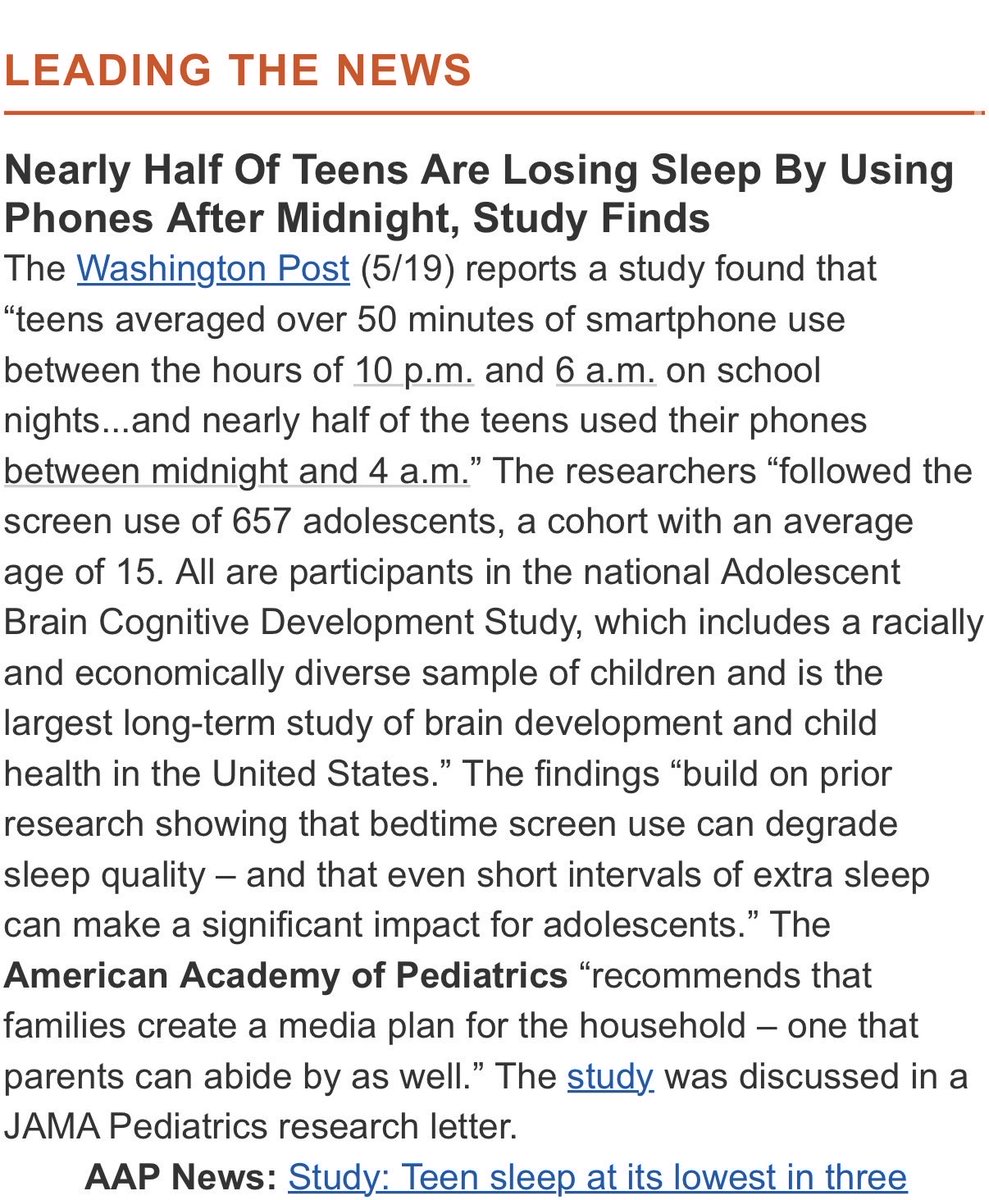
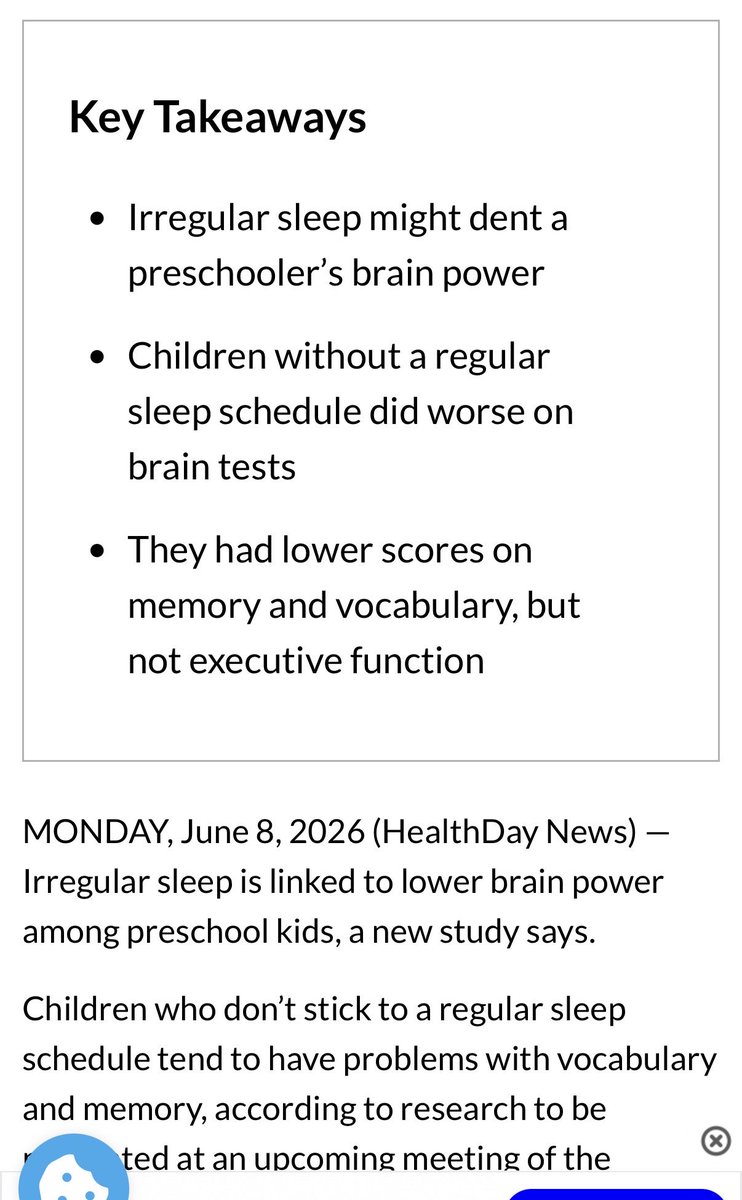
“Children who don’t stick to a regular sleep schedule tend to have problems with vocabulary and memory.”
3
6
590
Jun 12
I have been a doctor for 26 years and am most grateful for the confidence I have developed in putting my own ego aside. If another doctor can do something better than I can, I refer my patient. When there’s uncertainty, I go through all the angles with parents. And when I turn out to be wrong about something, I own it and apologize. My patients don’t expect me to be perfect—but they do appreciate honesty and humility.
Jun 11

The stench from the rotting carcass of covid fraud continues to permeate the halls of the US academic medical enterprise. It will not be cleared until the fraud is confronted and removed. With each passing month, the task will become more difficult and unpleasant. We will soon have to endure the additional odor from the moribund field of pediatric gender medicine. The current strategy of choosing to ignore the stench will not work.
The long-term health of the US academic enterprise depends upon being able to confront and correct error, false claims, and fraud in a timely manner.
Our leaders are failing again.
3
14
587
Jun 10
Oh my gosh y’all. I’m at Target and a little girl just told me I looked pretty and when you are over 50 this is gold 🌟😄
25
381
Jun 9
Does it make sense to buy only packaged pasta from Italy to avoid glyphosate?
306
20
1,665
288,003
Jun 6
I’m at my reunion and just found out my college bf died a couple years ago from glioblastoma, within days of diagnosis. Hug your people, people. 48-55 is the sniper zone.
28
14
623
37,442
Jun 5
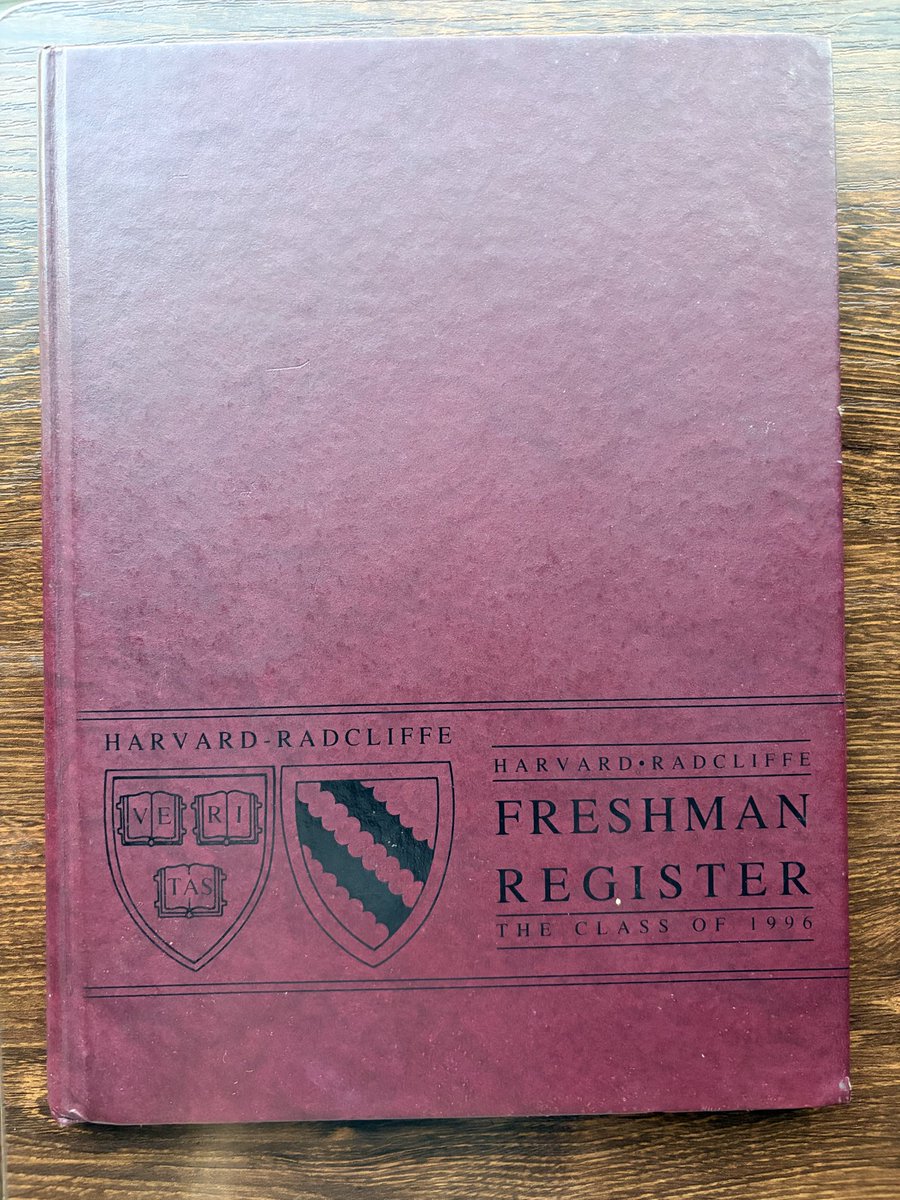
For those of you who didn’t know: this was the original Facebook, which inspired its name
3
2
15
1,338
Jun 5
(The Freshman Register was affectionately known as “the Facebook”)
5
321
Jun 4
Forgot my lunch at work and my college kid son (home for summer) just brought it to me. He reminded me how many times I had brought him things he had forgotten over the years. Have kids! While you’re young 🥰
16
422
Jun 4
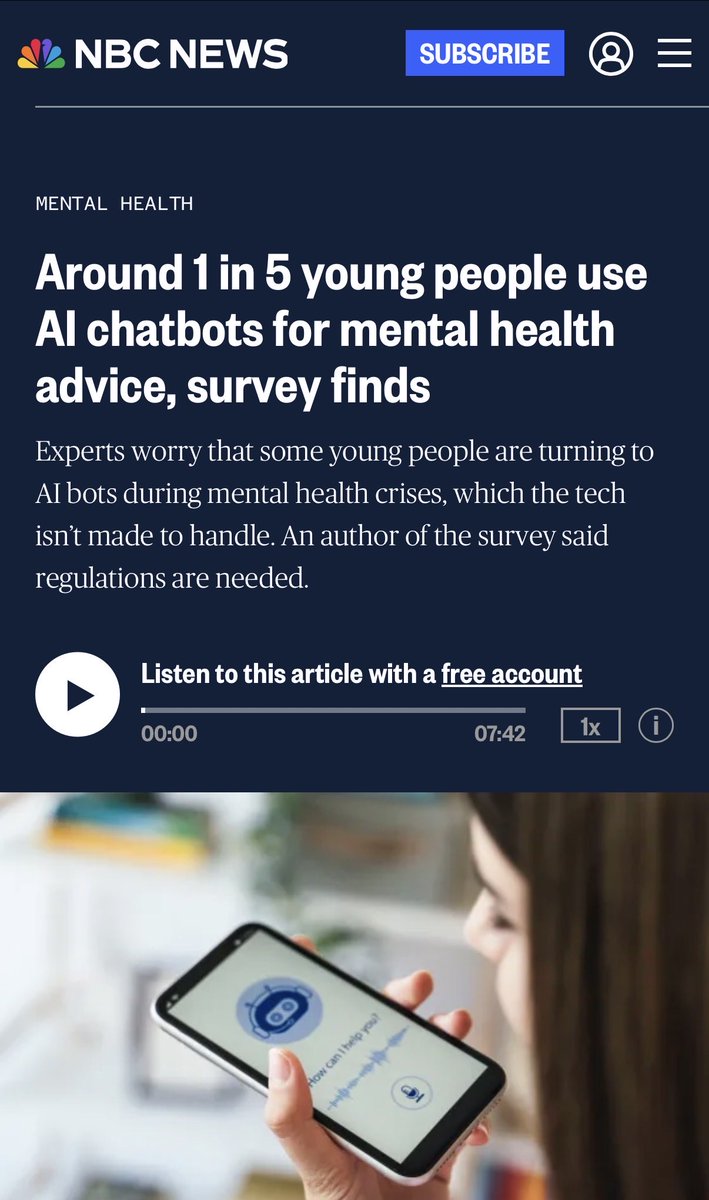
Seems like a good time to bring up that chat bots have (successfully) counseled young people to commit suicide.
7
4
18
1,576
Jun 4
1
349
Jun 3
Hey @NewsNation , please tell Marni Hughes to stop saying “conspiracy theories” when a more proper term would be “nefarious explanation”—which is the correct explanation often enough.
1
1
473
Jun 3
This was in reference to the disappeared/dead nuclear and space scientists, but the concept applies more generally.
1
426
Jun 3
I am watching BBC to get a handle on this Henry Novak thing and even @BBC admits the UK police are given guidance to treat different ethnic groups in different ways. What would MLK say?
1
9
371
Jun 3
“Equality of outcomes” strikes me as a very dangerous goal.
1
4
259
Jun 2
I knew in March 2020 that Covid wasn’t a significant danger for kids, and that our overblown response would hurt them much more. I wrote a letter to @nytimes about it (not published by them). My husband, an ER doc treating patients in the NYC-area “hot zone,” agreed with me.
May 31

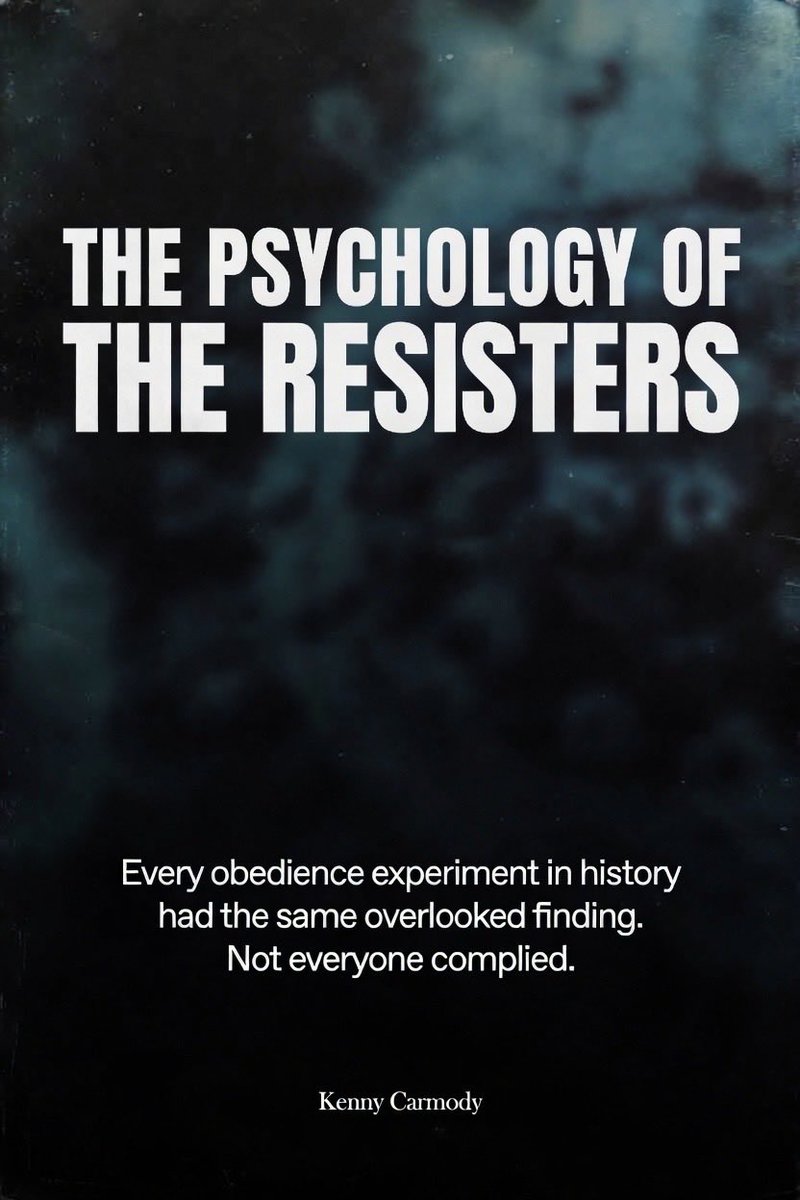
Every obedience experiment in history had the same overlooked finding.
Not everyone complied.
In Milgram’s lab, 35% refused to deliver the final shock. In Asch’s line experiments, 25% never conformed, not once, across any trial. In Zimbardo’s prison, at least one guard refused to dehumanize. One prisoner demanded a lawyer instead of a doctor and broke the psychological frame entirely.
We spent decades studying the ones who obeyed.
We barely asked what made the others different.
That question matters more now than it ever has.
The resisters in the COVID era were not difficult to find. Physicians who filed exemptions and lost their licenses. Nurses who walked away from careers rather than mandate patients into decisions they hadn’t genuinely chosen. Scientists who published contrary data knowing what it would cost them. Parents who stood alone at school board meetings. Ordinary people who simply said, quietly, without drama , no.
What made them different?
Research consistently identifies a cluster of factors. Not personality traits you either have or don’t. Situational and cognitive patterns that can be cultivated.
First: prior reflection on authority. The resisters had usually thought, before the crisis, about the limits of institutional trust. They weren’t cynics. They were people who had already asked the question “under what conditions would I refuse?” before anyone was asking them to comply.
Second: a concrete reference point outside the consensus. A value, a principle, an oath, a relationship that existed independently of the institutional structure demanding compliance. Something the system couldn’t reach.
Third: at least one other person. Milgram found that a single dissenting confederate reduced compliance dramatically. The resisters rarely stood entirely alone. They found each other. Sustained each other. Gave each other permission.
Fourth: the willingness to tolerate social pain. Not immunity to it. Tolerance of it. They felt the pressure. They felt the exclusion. They chose the discomfort of integrity over the comfort of belonging.
None of this is innate. All of it is learnable.
The most important thing Milgram, Asch, and Zimbardo taught us is not how fragile conscience is.
It’s that conscience can hold, if you’ve trained it, named its limits, and found even one other person willing to hold theirs beside you.
Build that now. Because the experiment is always running.
Until then stay humble.
4
3
41
1,281