
Somewhere between nowhere and goodbye, eating lemon pie at Ira’s Roadside Diner. Interesado en la didáctica de la Economía.
Joined January 2014
- Tweets 15,972
- Following 2,245
- Followers 4,910
- Likes 11,492
1,678 Photos and videos
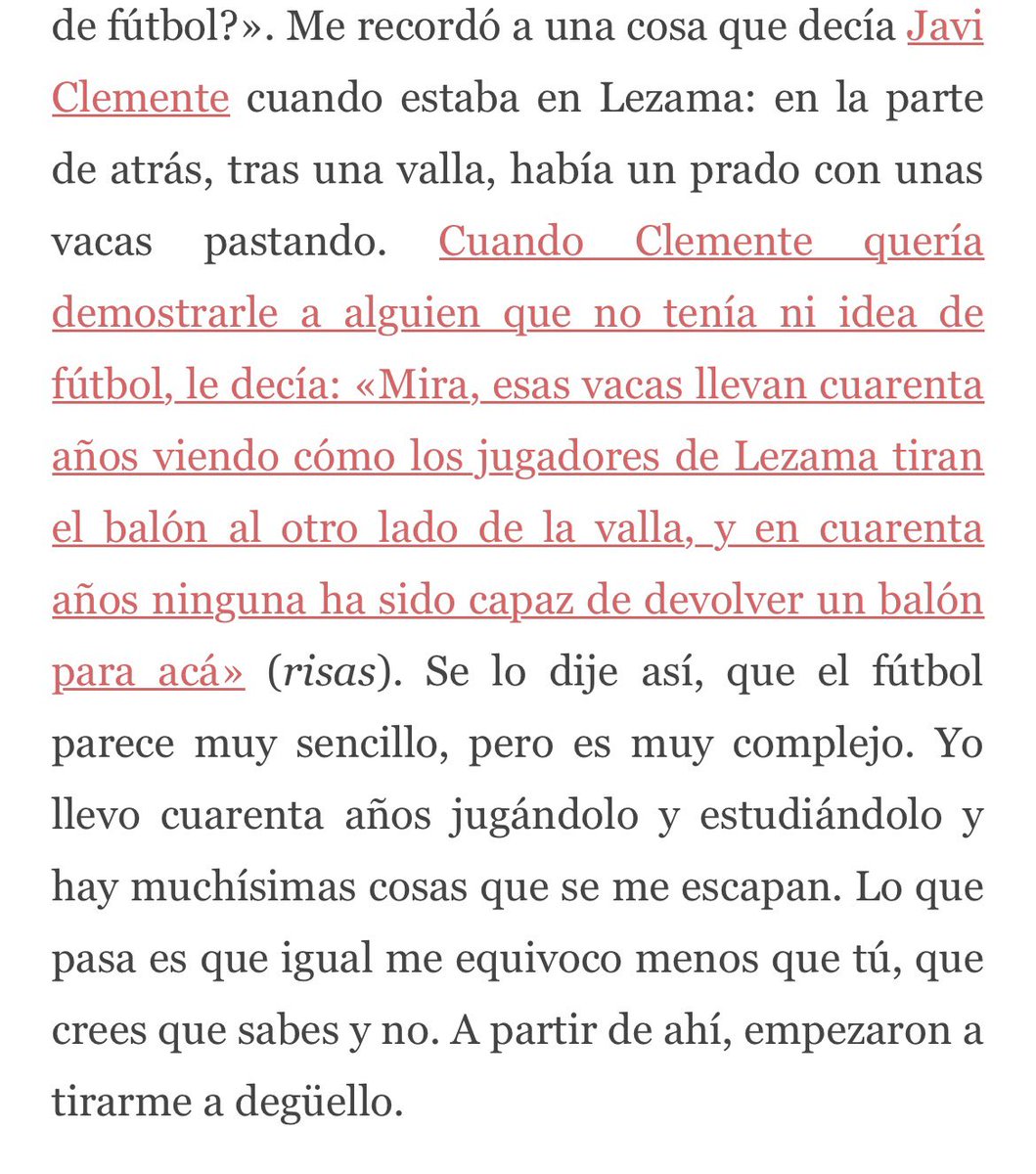





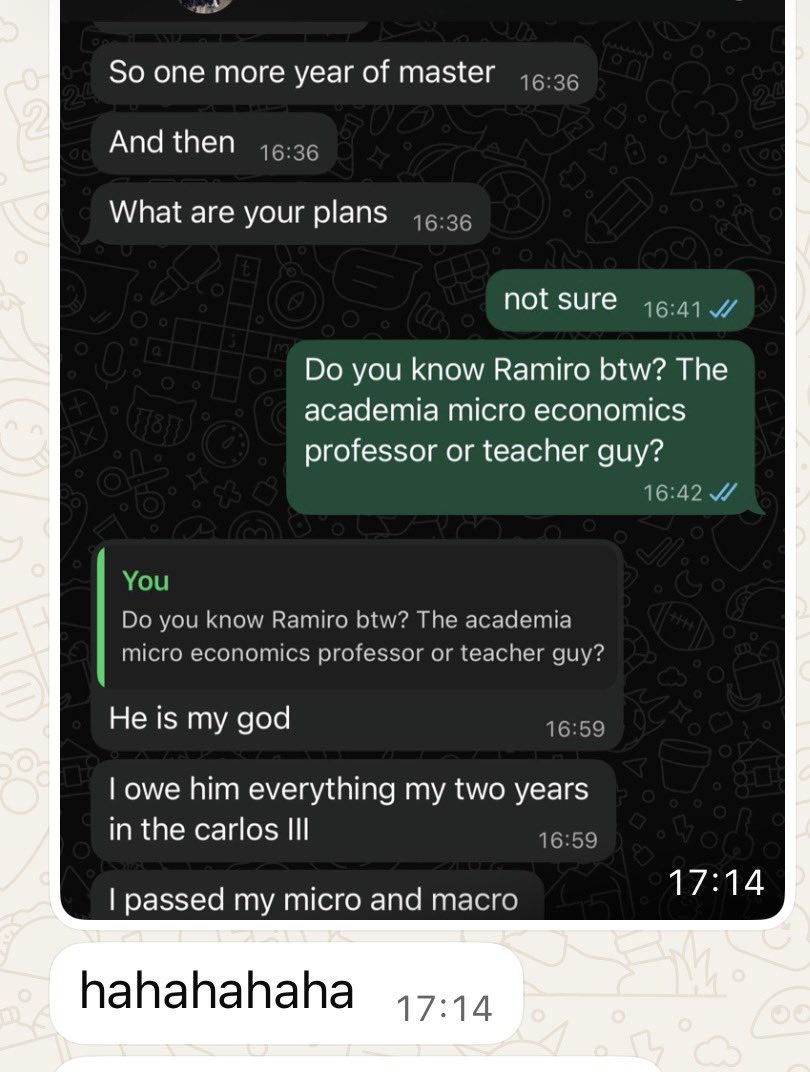
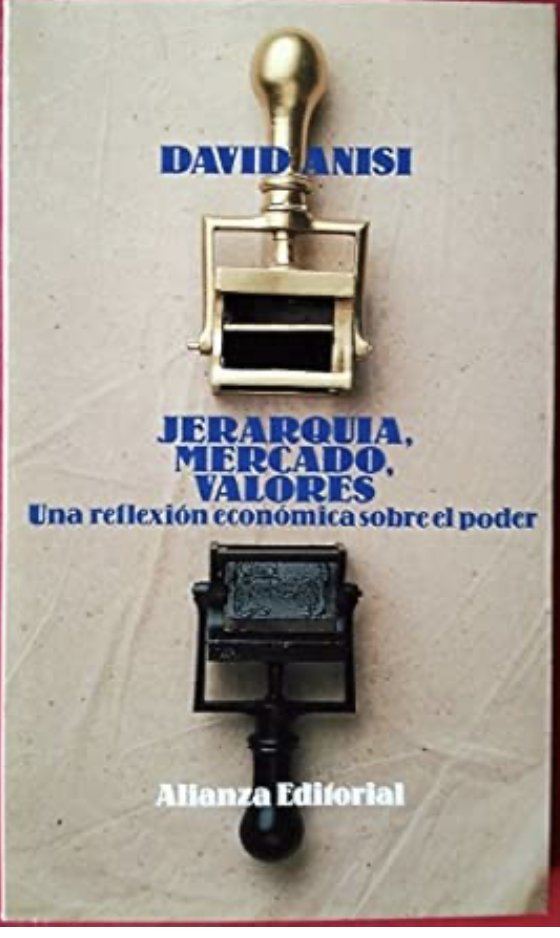
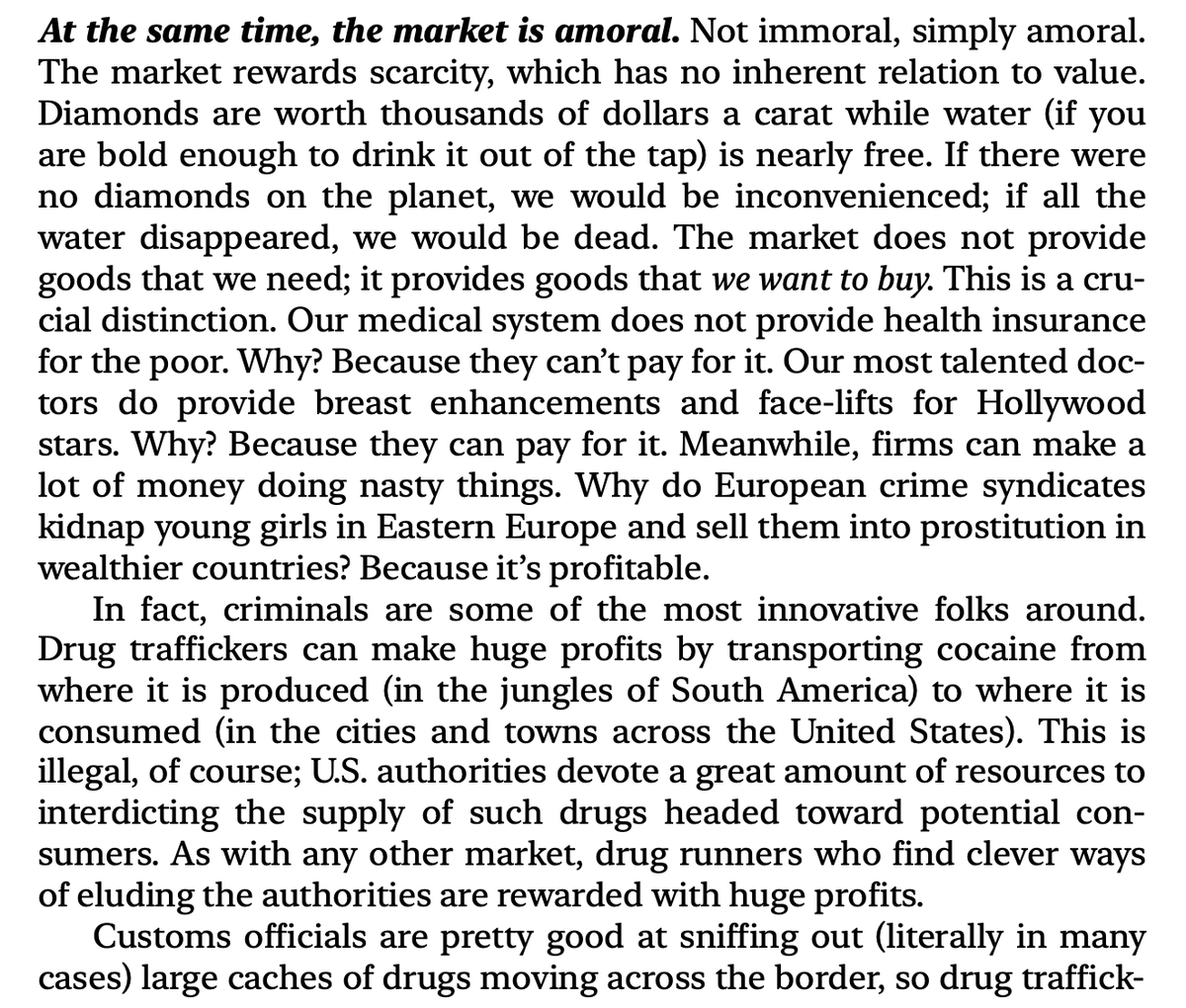
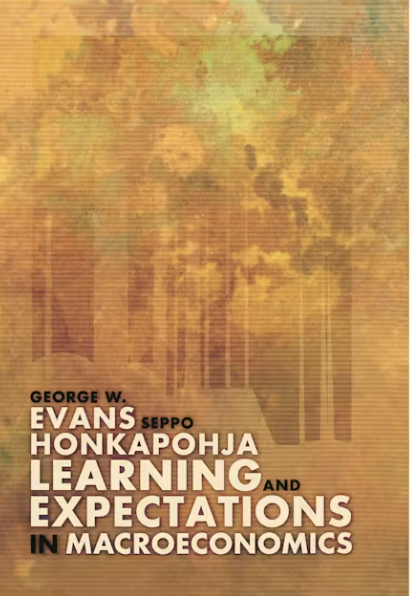



En baloncesto, se reconoce a un jugador realmente especial cuando hace mejores a todos sus compañeros. Con Joan es fácil, pone pasión, te da confianza y buenos pases. Solo queda intentar meter la canasta con todo a favor. De nuevo te doy las gracias. Tu podcast solo puede crecer.
19 Nov 2022

No quiero ser pesado pero escuchad el podcast con @ecorami. De lo más chulo que he sacado en Kapital joantubau.substack.com/p/k54…
3
3
57
RT @_anapastor_: “Una democracia puede soportar sentencias discutibles; lo que no puede admitir es la erosión sistemática de la confianza e…
16
Mr Rami retweeted

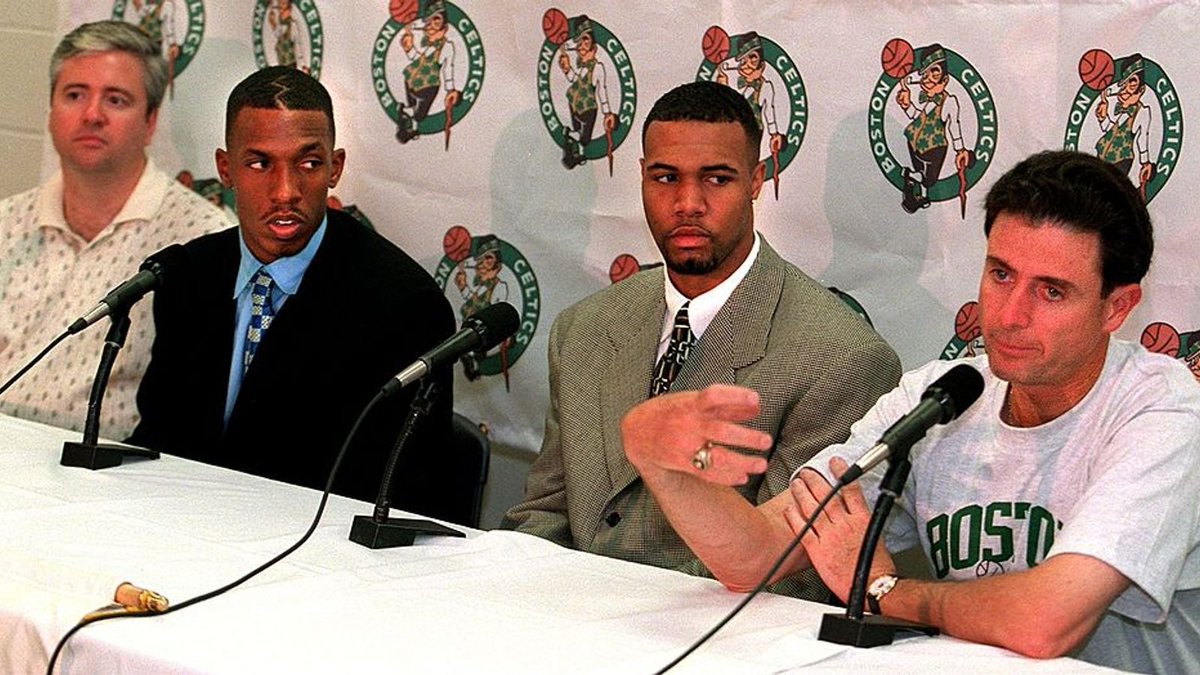
¿Por qué fracasó Rick Pitino en los Boston Celtics? 🍀
Años después, Antoine Walker daría algunas de las razones por las que la fórmula Pitino, tan exitosa a nivel universitario, no funcionó en los Boston Celtics: «El entrenador Pitino no fue paciente»
1
3
5
3,136
Mr Rami retweeted

12 Jul 2024
In a largely unprecedented financial concession to give roster flexibility to a contender, New York Knicks star Jalen Brunson has agreed on a four-year, $156.5 million extension, his agent Sam Rose of CAA tells ESPN --- $113M less guaranteed than he’s eligible to receive in one year.

3,089
6,418
48,474
41,216,961
Mr Rami retweeted

This father-son moment between Jalen and Rick Brunson 🥹
Doesn't get better than this ❤️
263
5,413
56,640
1,097,128
Mr Rami retweeted

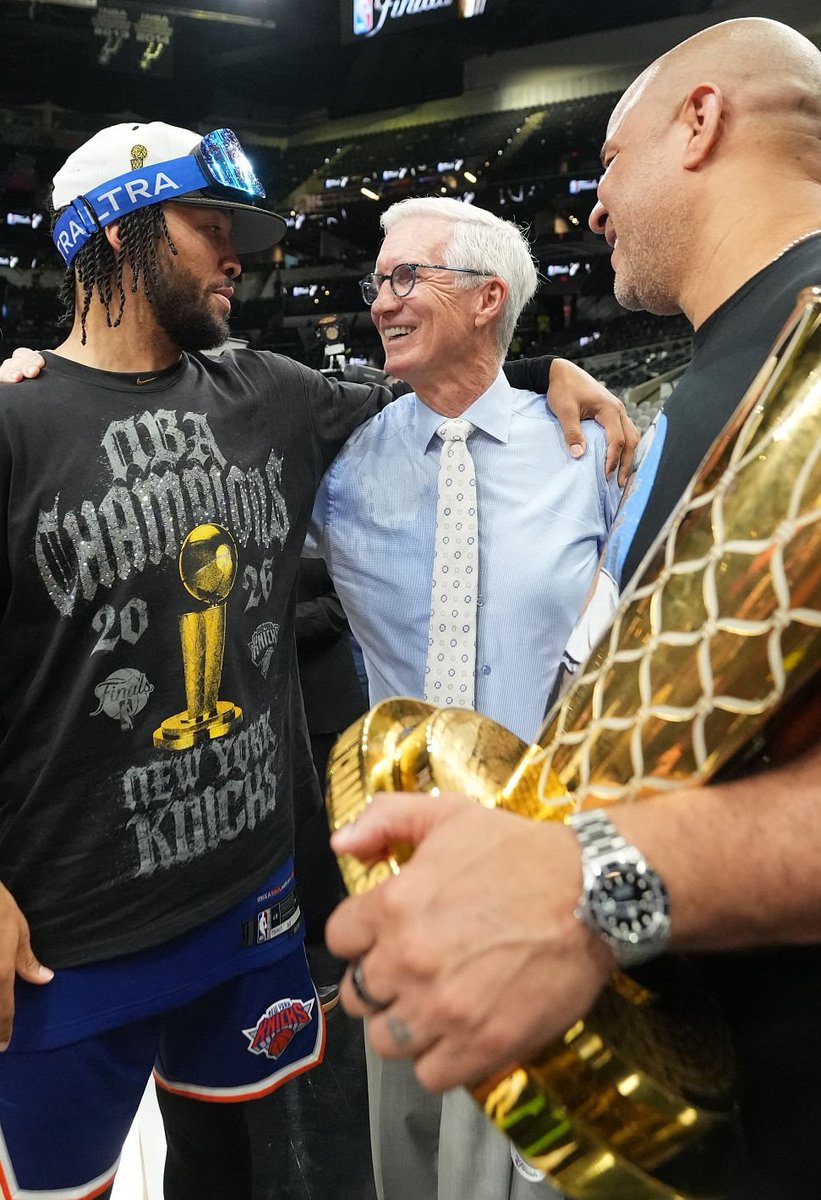
"I feel lucky…I always wanted to see & be able to call a Knick championship. Professionally its rewarding. Personally its rewarding…Really a special group…They deserve to have these moments…I'm blessed beyond what I deserve…such a privilege to call these games"
– Mike Breen
31
578
5,176
100,345
Amen

Congrats to the New York Knicks organization, on winning the 2026 NBA title. It was a unified effort of 1) competing 2) coaching 3) drafting 4) trading 5) believing. Franchise togetherness is the catalyst.
2
312
Mr Rami retweeted

14h
Espectacular
Hacemos muchas de forma inconsciente pero este proceso tiene todo el sentido

9
70
13,690
Mr Rami retweeted

This is the reason the Knicks are NBA Champions. Spike Lee knew what he was doing.
68
1,897
24,467
438,013
Ya estamos otra vez. La política como cuestión moral (en la que, por supuesto, nosotros somos los buenos) y entendida como enfrentamiento personal. Hay un segmento de la población al que esto le genera ilusión, y admira la valentía y hasta la necesidad de plantar cara. A mí me parece empecinarse en un error que no solo está llevando a la irrelevancia al partido y dejando sin representación efectiva todo un espacio, sino que lo subdivide una y otra vez en pequeñas camarillas convencidas de su papel de vanguardia y custodia de las esencias. A Mónica Garcia no le funcionó. Pues venga, nosotras que representamos mejor la izquierda, dos tazas de obsesión con Ayuso. La Vida de Brian. Y sí, el titular del Mundo no es neutral. Si a los medios a los que no les gustas parecen tener interés en presentarte de una determinada manera ¿no te dice nada sobre lo adecuado de la estrategia?
Jun 13

#ÚltimaHora 🔴 Ione Belarra anuncia que será la candidata de Podemos a la Comunidad de Madrid para "torcerle el brazo" a "la mala persona" Ayuso elmundo.es/espana/2026/06/13…
1
7
1,176
Absolutamente sí. Por cierto, esto decía Torrente. “lo peor que puede sucederle a lo fantástico […] es que caiga en manos de los analistas. No hay duda de que, en esas manos implacables, se destruirá su delicadeza”
publicaciones.sociedadmenend…
Jun 13

CASTROFORTE DEL BARALLA SI VALE
320
Mr Rami retweeted
Jun 13
Fantástico!
Pienso mucho en esto, en ese equilibrio entre seguir invirtiendo y tomando riesgos frente a disfrutar más de la vida
De toda la gente con la que he compartido tiempo en el mundo tecnológico casi ninguno es tan feliz como mis amigos random de España ganando 2k$/ mes

10
12
144
19,378
Agree. El balón de mi infancia.

Ahora que empieza otro Mundial vengo a decir que ningún balón ha superado esa cumbre estética que fue el ETRUSCO UNICO.

8
694
Mr Rami retweeted

Jun 12
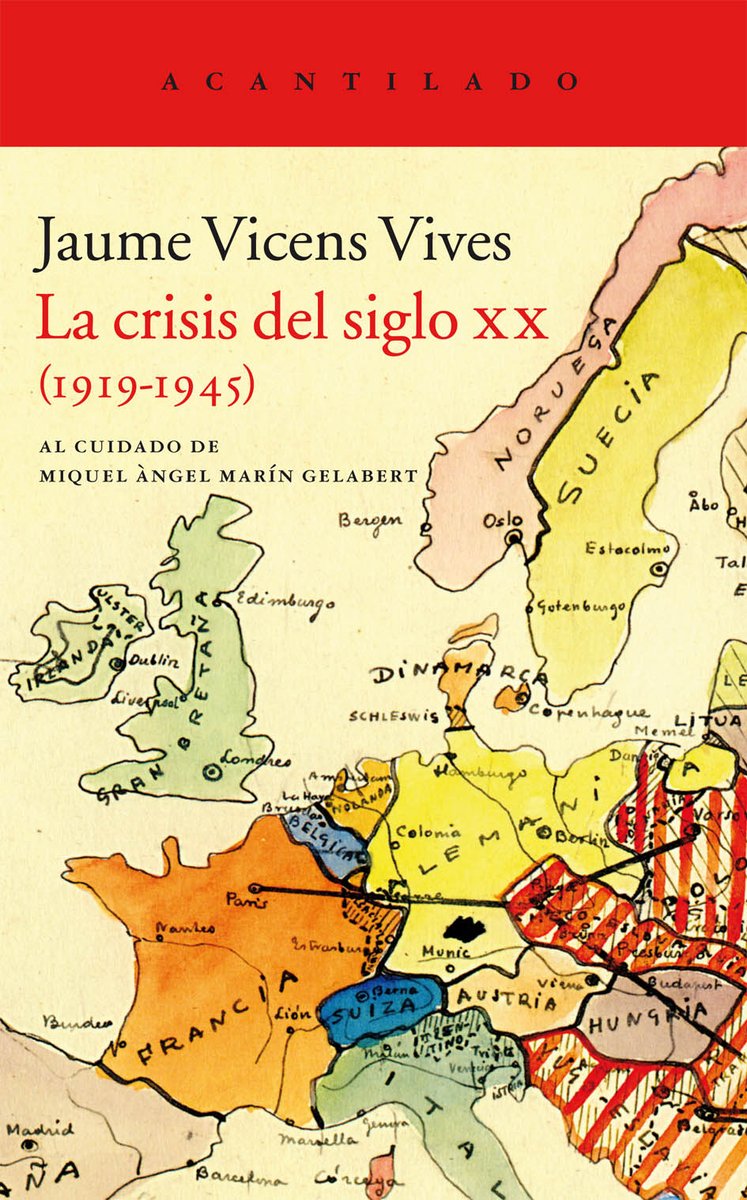
A finales de la década de los cuarenta, Vicens Vives solo tenía dos certezas para explicar la historia de España: la geografía y la historia de Europa.
1
30
192
6,073
…
Jun 12

Fuentes de Moncloa a @eredondoe es que si Zapatero hubiese cometido un delito de fraude fiscal por las joyas habrían prescrito. Contándolo ahora.
901
A ver, el Señor de los Anillos te puede parecer un bodrio, pero lo de que es “literatura de evasión” en sentido peyorativo básicamente ignora tanto lo que dijo Tolkien sobre su propósito como toda la crítica de su obra, salvo quizá la reacción superficial inicial.
Y ya lo de relacionar a Tolkien con el prrotestantismo y la ilustración enciende lumbre. Si educación fue profundamente católica. Su concepción de la gracia como algo que se ofrece y el hombre tiene la opción de conseguir por medio de la obra virtuosa (Faramir, Boromir, Saruman, Gandalf…) es profundamente distinta a la predestinación calvinista. Después del Concilio Vaticano II respondía a gritos en latín cada vez que los curas decían la misa en inglés.
Pero nada oye, mucho mejor adaptar el autor a la teoría preconcebida que tolerar matices. “Va de elfos, es literatura de evasión”. Pero luego, curiosamente, el Castroforte del Baralla de Torrente Ballester sí le vale. ¿No será más bien que el método de análisis es ad hoc? ¿no será más bien que la nacionalidad del autor influye aprioristicamente en el juicio de la obra? Jesús dice cosas interesantes cuando habla de algo que ha estudiado a fondo. Pero su lectura de Tolkien, y de otros muchos autores anglosajones, es tendenciosa.

35
78
857
87,004
Mr Rami retweeted

Jun 12
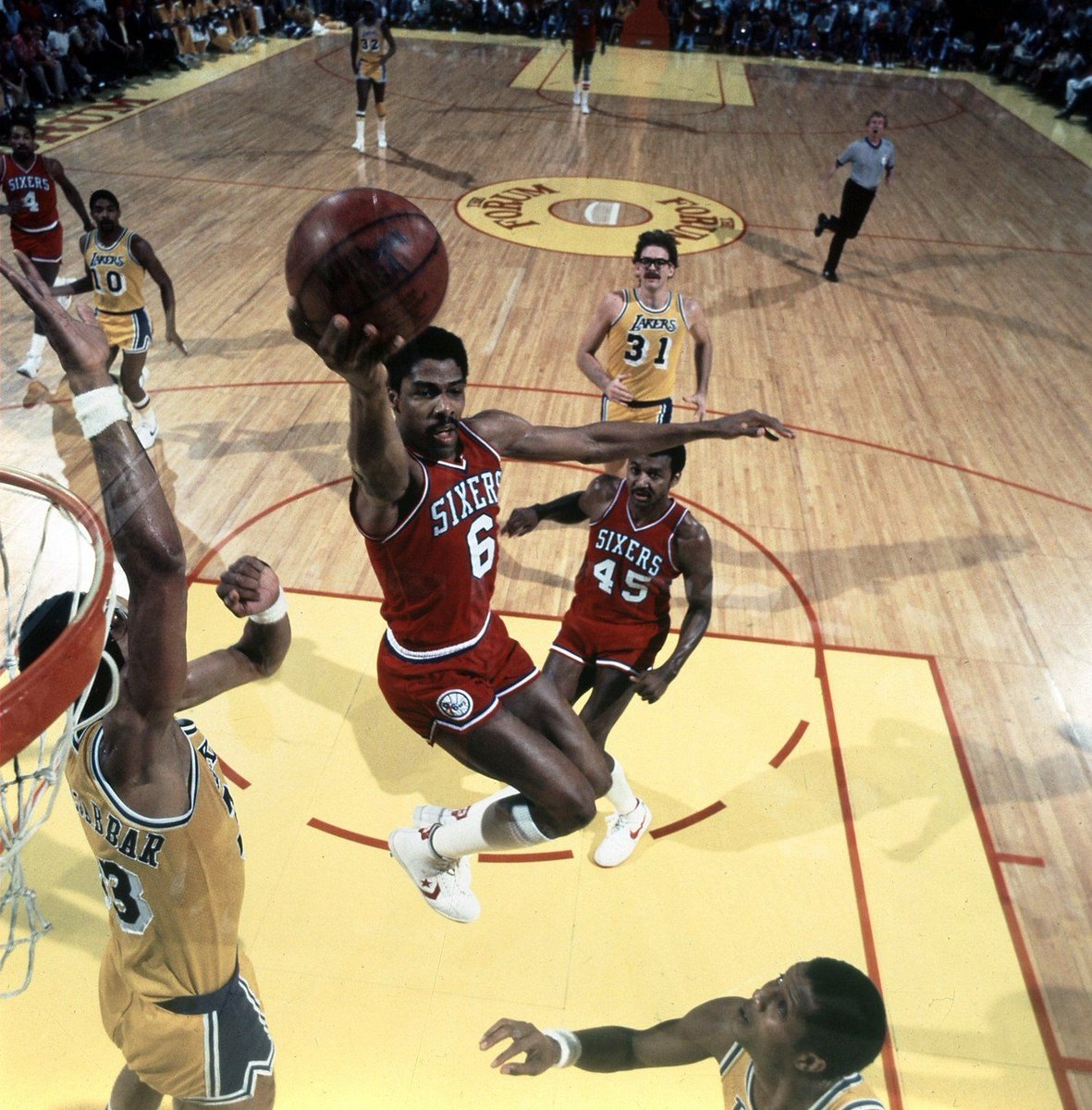
No hay un solo tuit de @JuliusErving, ¡ ni uno ! que no cite la autoría de la fotografía publicada. El respeto de este señor, auténtica leyenda e historia del baloncesto mundial, hacia los fotógrafos es digno de mención y todo un ejemplo a seguir.

In action against the Los Angeles Lakers.
Photo by Manny Millan / Sports Illustrated
@sixers
1
17
116
4,176
En “Lo de Évole” quedó muy clara la concepción del papel de la fiscalía que tiene Ortiz. Activismo, lucha ideológica, defensa de la virtud progresista frente a la “malvada” concepción de los fiscales conservadores, que no creen en la igualdad de las personas ni protegerán igual a las mujeres. Así que, desgraciadamente, no me extraña nada. También creo que está convencido de que hizo bien.
Jun 12

Ahora dirán que es casualidad y que no fue a más.
Muy grave esto.
García Ortiz tramitó una denuncia contra la jueza del 'hermanísimo' como planeó Leire en su agenda elconfidencial.com/espana/20…
1
3
58
15,398
Así es! Con qué cariño abrazaba el balón. Y luego, en general, sus movimientos ofensivos eran muy curiosos. Un artesano, con lo bueno y lo malo. En Detroit sí creo que estuvo muy bien, y pudieron haber ganado perfectamente con él en el 88.

La rutina de los tiros libres de Adrian Dantley aún no ha sido superada.
1
4
593
Mr Rami retweeted

Jun 11
“At one point in my life, I was amazed that I could get paid for doing this (research).”
James J. Heckman
1
2
48
2,462
Mr Rami retweeted

I had been looking forward to an academic event this November, where I would have been with Gordon Wood. Few historians have shaped how I think and teach about the U.S. as much as Wood’s work has. A traffic accident has now deprived all of us of his wisdom.
I discovered it in August 1996. Ed Foster, then the graduate director of the economics Ph.D. program at Minnesota, insisted that I attend the summer math camp before my first year, so I arrived in Minneapolis in time for it. By the second day, I realized I already knew the material well enough (I had done a fair amount of math as an undergraduate), so I took the waiver exam and passed. That left me about three weeks before the semester began and little to do.
So I walked to the university bookstore, bought a standard survey textbook (These United States: The Questions of Our Past, by Irwin Unger), and read it cover to cover. My reasoning was simple. If I were going to spend at least the four or five years of a Ph.D. in the United States (yes, in those days a Ph.D. took four or five years), I ought to learn the basics of its history, beyond the handful of books I had read in Spain.
I found the subject fascinating, a strange mixture of things I recognized as a European and things wholly foreign to me. No era drew me more than the late colonial period, the Revolution, and the Early Republic. I began to read about them in earnest, a project I have kept up ever since, and in time I had the good fortune to teach them at Penn.
Among Unger’s recommendations for further reading was Gordon Wood’s The Radicalism of the American Revolution. In contrast to the familiar narrative that set the conservative American Revolution against the violent French one, Wood argued that the social and political changes brought by independence from Britain were profoundly transformative.
He documented that the British colonies of North America began as a hierarchical world of patronage, dependency, and deference, held together by personal bonds and patriarchal authority. The republican phase of the Revolution attacked those ties in the name of virtue and disinterested public service, expecting a natural aristocracy of merit to govern for the common good.
But the logic of equality, once unleashed, overran that restraint and produced a democratic, commercial, individualistic society in which ordinary people’s private interests and the pursuit of money became legitimate and even celebrated. The Revolution destroyed aristocratic assumptions and made egalitarian, market-driven sociability the norm, an outcome the Founders neither intended nor fully welcomed.
After that book, I could never return to the old interpretations. I am not a specialist, so I will not try to adjudicate Wood’s reading, though I know many of his critics’ arguments. Suffice it to say that, whichever side of the debate you take, it is hard to imagine a serious course on the American Revolution that does not assign Wood.
Wood wrote many other fine books. My own favorite, and the one I tell my undergraduates to read first, is The Creation of the American Republic, 1776-1787.
It is a sad indictment of American education that, even at Penn, most undergraduates know little about the Revolution before they take the course I taught for many years and that @ferarteaga now teaches. Wood’s work is a good way in for anyone who wants to know more.
4
37
193
12,295