
Sudan, South Sudan, Middle East stuff. նա նրան.
Joined April 2014
- Tweets 5,692
- Following 3,100
- Followers 2,590
- Likes 27,872
273 Photos and videos
Eddie Thomas retweeted

I regret that a UK court found there was a "terrorist connection" in imposing disproportionate sentences on members of Palestine Action for an attack on a factory, which is not consistent with international human rights law bbc.com/news/articles/ce9501…
25
113
230
3,569
Eddie Thomas retweeted

I will appeal to the Supreme Court and take it up to the European Court of Human Rights, if needs be.
However, we clearly can not rely on the legal system which completely stitched up the Filton case, and now the Palestine Action ban.
This fight can only be won by the people.
371
1,129
3,147
59,087
Eddie Thomas retweeted

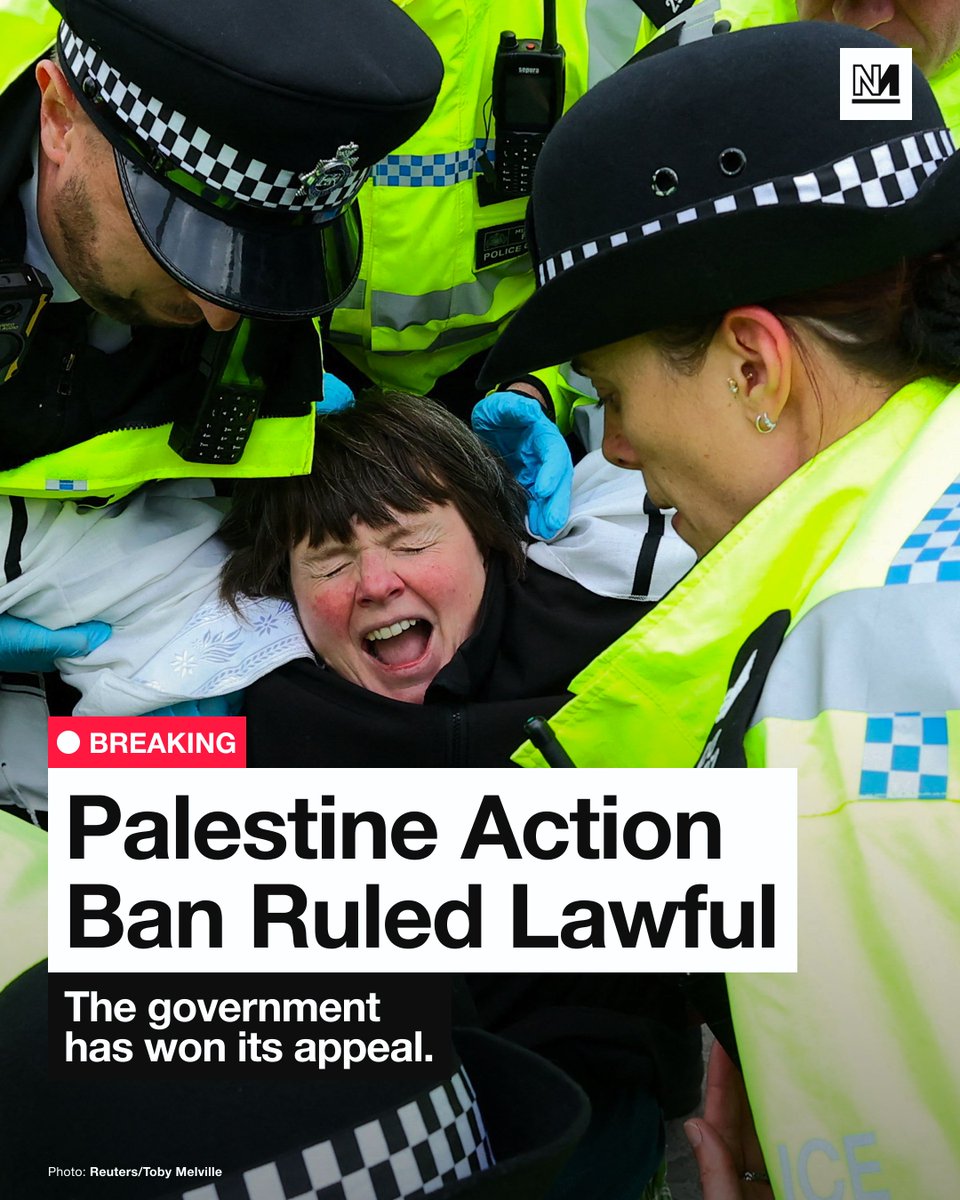
The government has won its appeal to keep the ban on direct action group Palestine Action.
The court of appeal today overturned the high court’s February decision that found the ban to be unlawful on the grounds that it disproportionately interfered with free speech and assembly, and that former home secretary Yvette Cooper had breached her own process during proscription.
The court of appeal’s decision means supporting the direct action group – which targets businesses complicit in Israel’s genocide in Gaza – will remain a crimnal offence punishable by up to 14 years in prison.
Palestine Action was proscribed under section 13 of the Terrorism Act 2000 in July 2025, making it the first direct action group to be banned under UK terror legislation and categorised with the likes of Isis and Al Qaeda.
Palestine Action co-founder Huda Ammori challenged the proscription via judicial review in a historic first.
More than 3,000 people have been arrested for peacefully protesting the group’s proscription since it came into force – more than during the entire ‘war on terror’.
Last week, four Palestine Action activists convicted of criminal damage at a facility owned by Elbit Systems, Israel’s biggest weapons manufacturer, were sentenced as terrorists despite not being found guilty of a terrorism offence. This move was kept secret from the jury until after they delivered their verdict, and is the first time direct actionists have been sentenced as terrorists for non-violent criminal offences.
21
81
134
19,365

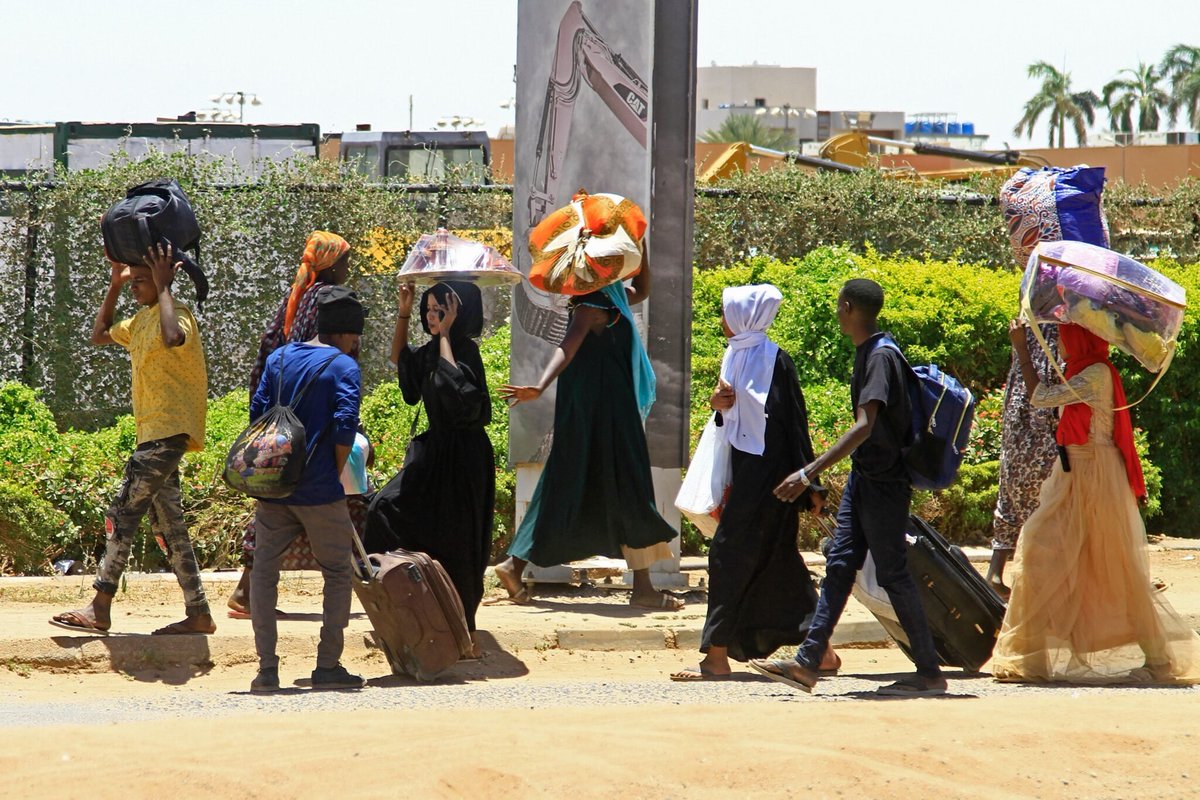
Over four decades of austerity in Sudan made it impossible for governments to do anything about the social and spatial inequality that cause wars. And wars bring more austerity. Mass sackings of public sector workers now being mooted acjps.org/publications/propo…
1
10
13
873
Eddie Thomas retweeted

Jun 11
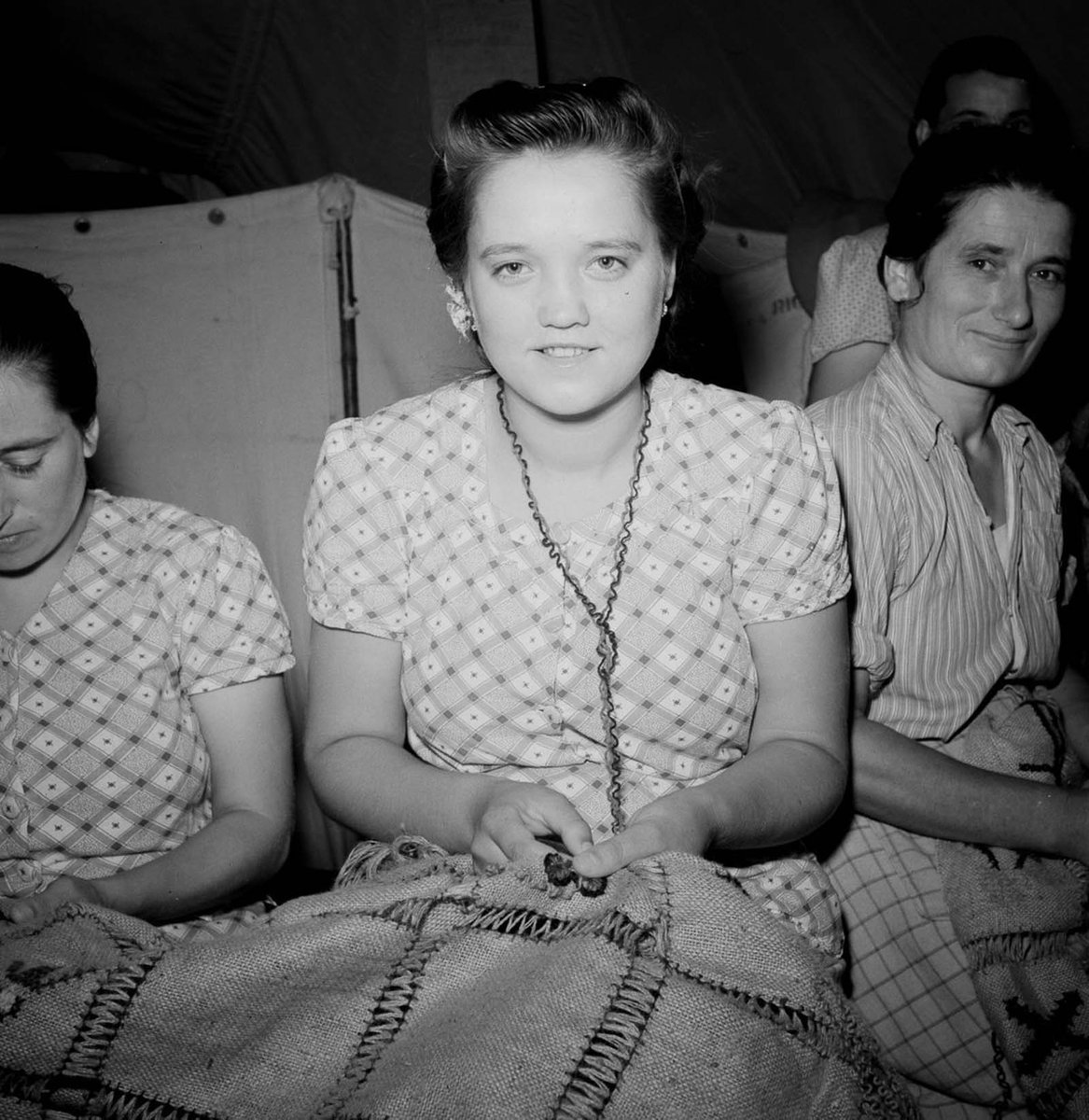
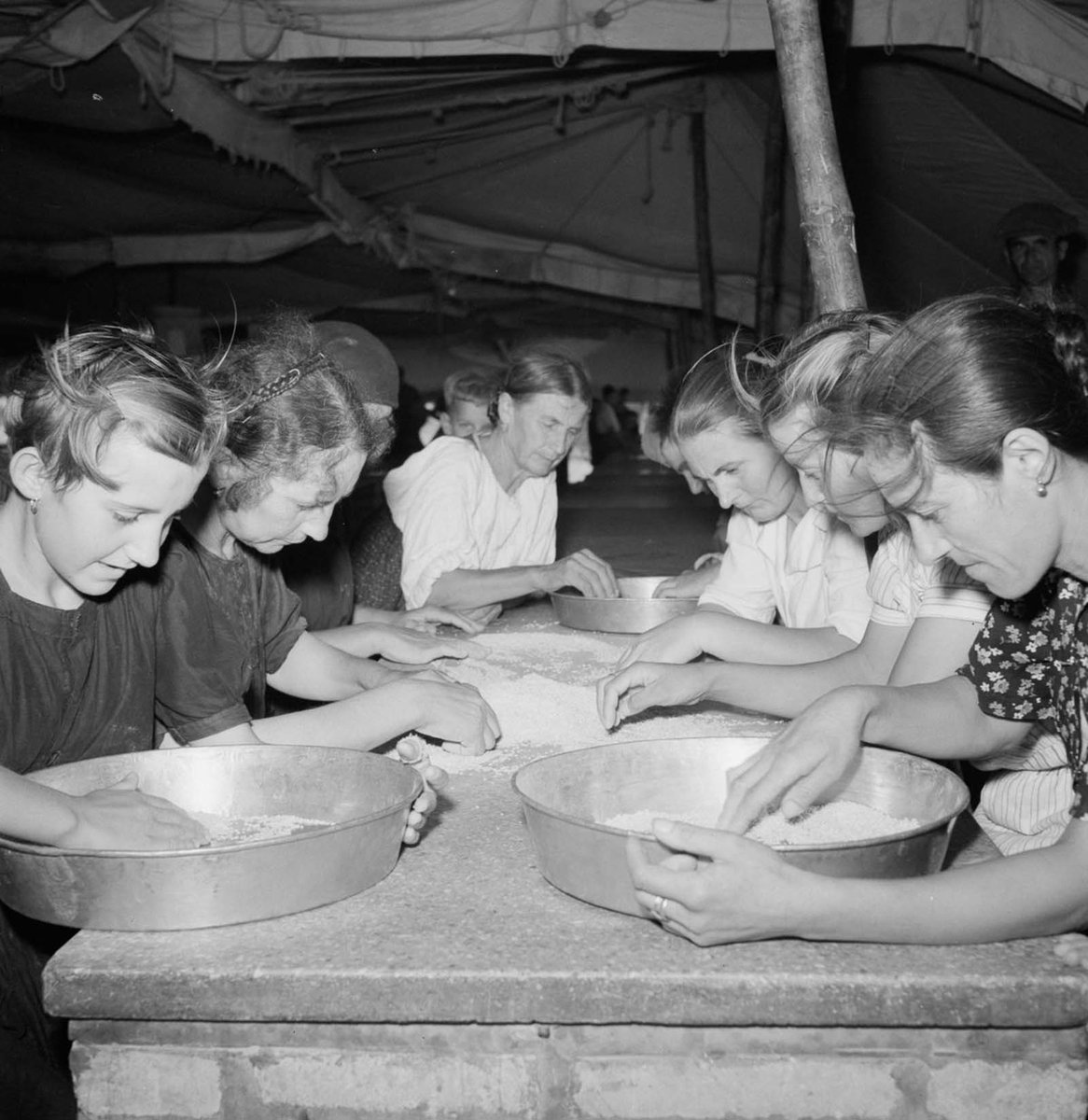
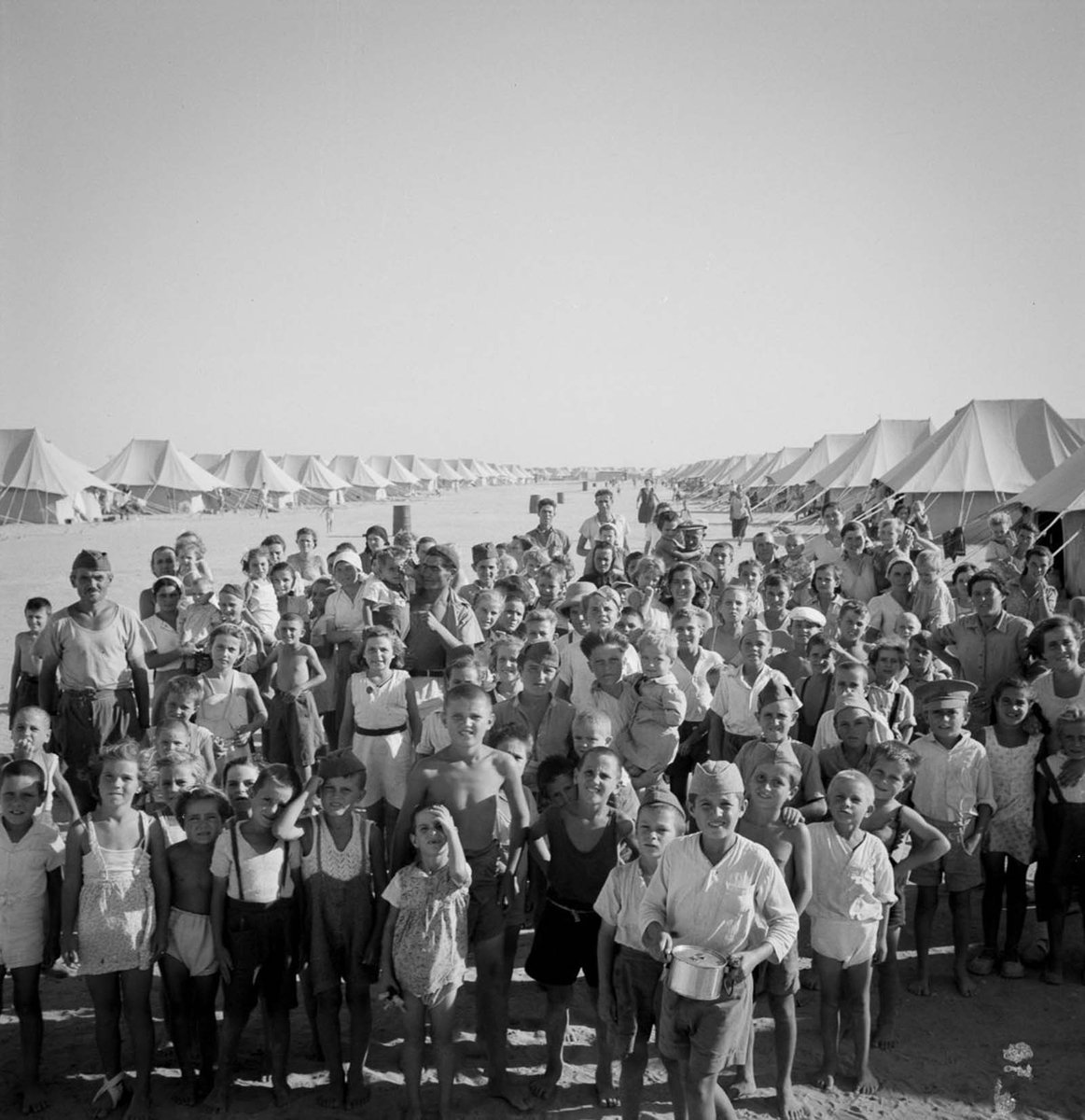
🇷🇸🇪🇬 Moments when history ran its course in reverse: Europeans seeking refuge in Egypt (1944)
The El Shatt refugee camp in the Sinai Desert housed more than 30,000 Dalmatian refugees fleeing the Nazi occupation.
4
20
114
8,019
Eddie Thomas retweeted

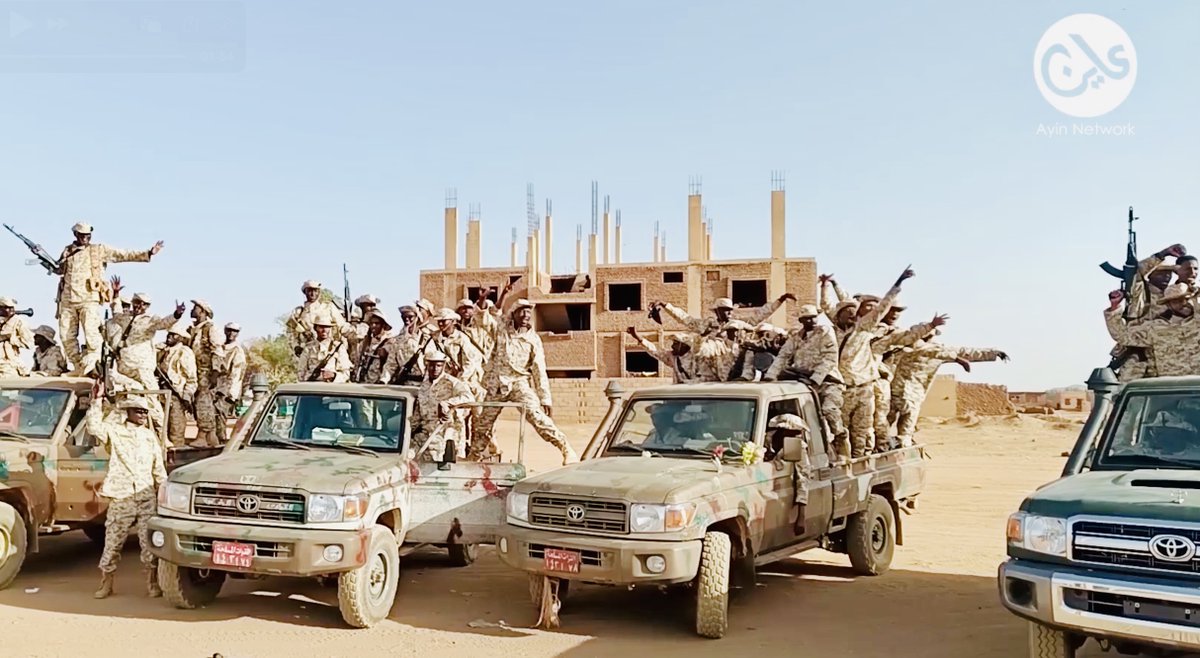
“The Rapid Support Forces (RSF) violently interrogated me, detained me in darkness for weeks, and tried to force me to rape a male cellmate at gunpoint.”
On 9 June, on behalf of twelve Sudanese victims, Legal Action Worldwide (LAW) and The African Centre for Justice and Peace Studies (ACJPS) filed a landmark criminal complaint with Kenya’s Director of Public Prosecutions (DPP) in Nairobi, Kenya.
This is the first time in Kenya’s history that a complaint for war crimes is being filed under the principle of universal jurisdiction, allowing Kenyan authorities to prosecute crimes committed in another country. The victims are asking the DPP to investigate 10 members of the RSF, including some with alleged ties to Kenya, for committing these international crimes in and around Khartoum between April 2023 and March 2025.
(photo: social media)
#Sudan, #KeepEyesOnSudan
@AfricanCentre ,
@LegalActionWW
2
33
40
3,715
Eddie Thomas retweeted

Jun 9
🔴 The son of Dr. Hussam Abu Safiya, director of Kamal Adwan Hospital in northern Gaza held in Israeli detention since December 2024, warned Monday that his father’s life is in danger after being transferred to solitary confinement in Nafha Prison — a move the family says came in direct retaliation for filing a legal appeal with the Israeli Supreme Court.
The family says Abu Safiya is being held in a two-meter cell with no food, water, medicine, or access to his lawyer.
“How can a person be punished for asking why he is being detained?” his son asked in an urgent public appeal. “Every hour that passes without action may bring more suffering and pain.”

Urgent Statement from the Family of Dr. Hussam Abu Safiya on His Transfer to Solitary Confinement in Nafha Prison
بيان عاجل من عائلة الدكتور حسام أبو صفية بشأن نقله إلى الحبس الانفرادي في سجن نفحة
#freehussamabusafiya
33
1,748
2,619
189,912
Eddie Thomas retweeted

Jun 9
The second radio documentary from Khartoum is out. bbc.co.uk/sounds/play/w3ct8h…
1
27
40
7,851
Eddie Thomas retweeted

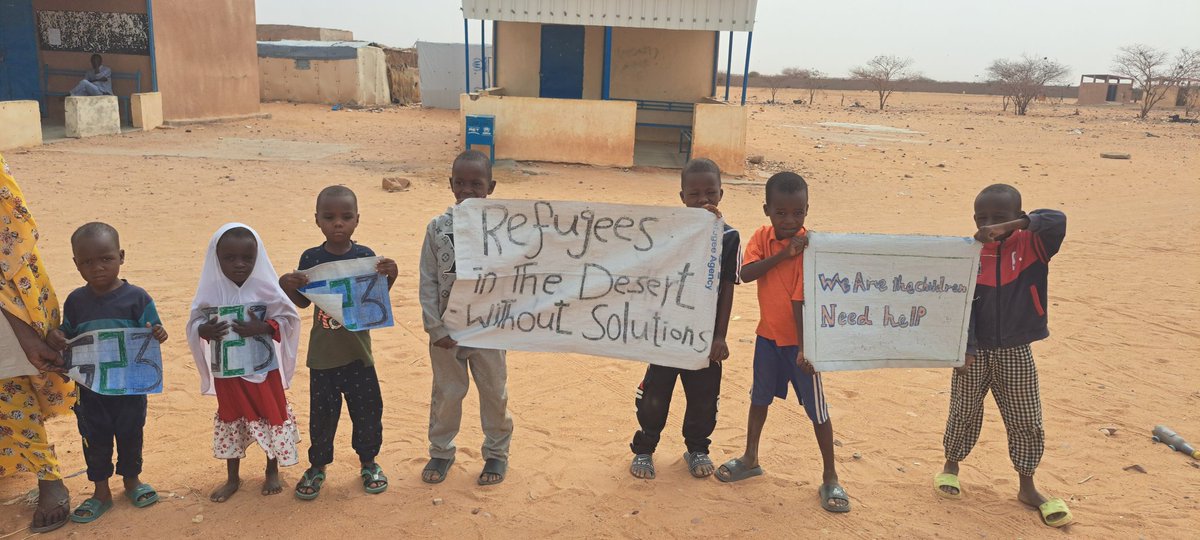
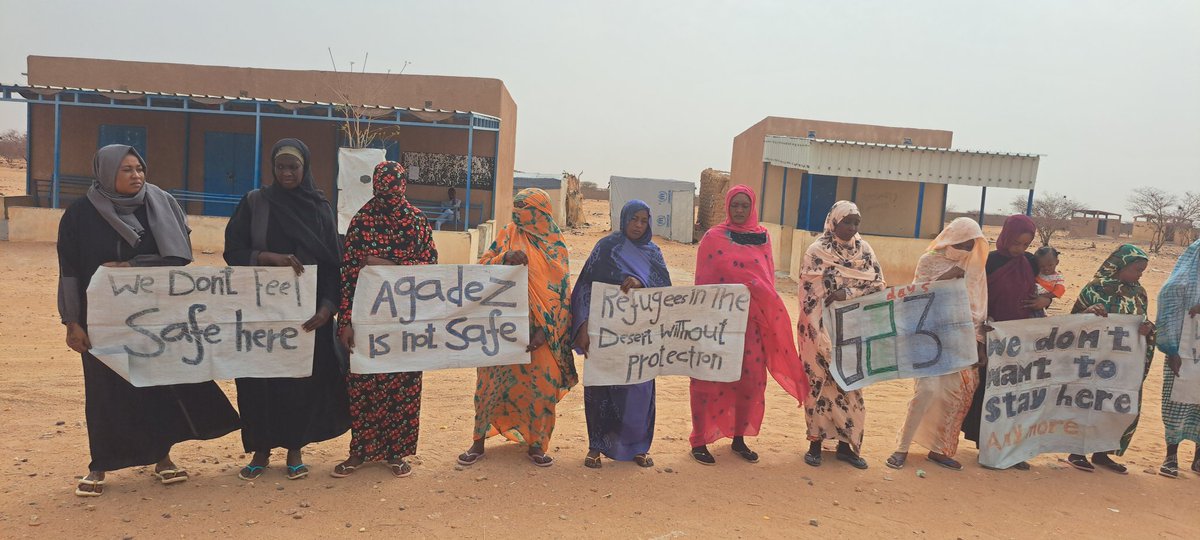
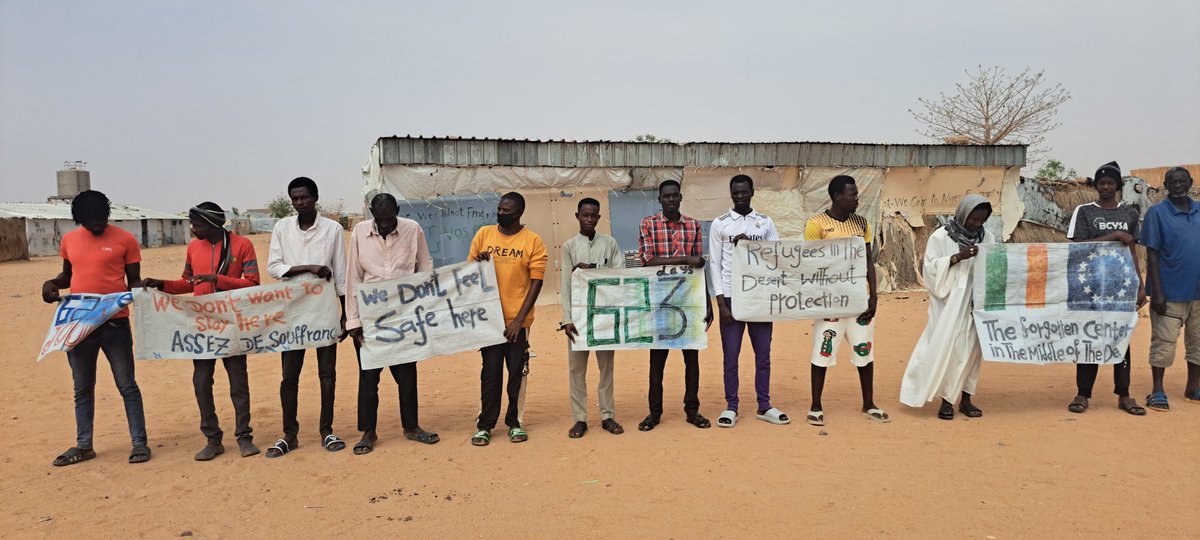
The #Agadez center funded by the Italian authorities and the European Union has become the biggest threat to the lives of @Refugees
Their suffering has continued since the center's establishment yet despite all this tragedy they remain steadfast
🚨623 Day of peaceful protest
12
12
160
Eddie Thomas retweeted

Jun 7
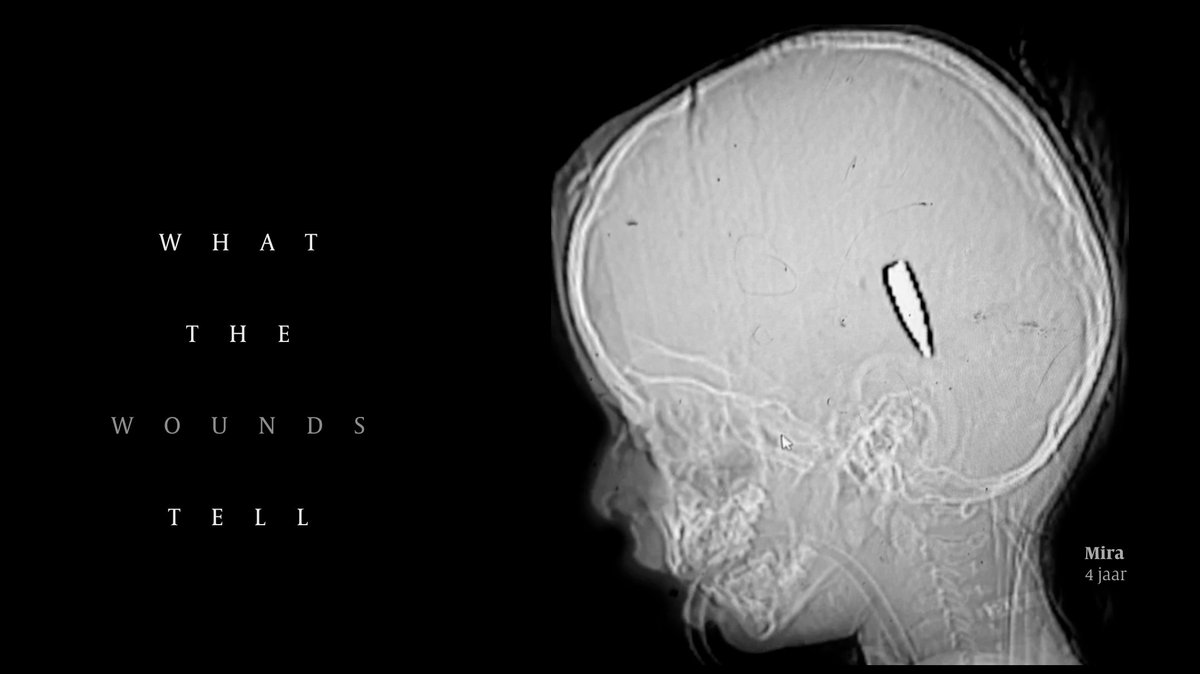
Crazy that this is getting barely any coverage. This year’s European Press Prize was just awarded to an investigative report by the Dutch newspaper De Volkskrant. It is entitled “What the Wounds Tell” and in it the journalists Maud Effting and Willem Feenstra document the cases of 114 children in Gaza under the age of 15 who were struck by a single bullet to the head or chest. Almost all of them died or were left severely disabled. They chose to document only the cases of boys and girls under the age of 15 (though often much younger: aged 3, 4 or 7) because these are children who can be immediately identified as such. “A single bullet in these parts of the body is a clear indication that these children were deliberately targeted“, the two journalists write.
This is the article: volkskrant.nl/kijkverder/v/2…
493
24,293
48,122
1,446,446
Eddie Thomas retweeted

An anti-immigrant and Afrophobia wave is gaining momentum in Libya, where protesters gathered outside the UNHCR office in Tripoli chanting “Libya for Libyans” and demanding its closure.
46
68
188
182,335

The Christian Quarter in Tyre is where people are seeking refuge from the current war.

Genocide is not just the destruction of human life. It is also the eradication of heritage. If you swim down in that water near the Christian quarter and you see mosaics.
Tyre was one of the most important cities in the ancient world. Israel is, in essence, bombing Rome.
1
2
123
Teachers' pay in Sudan is late and almost worthless - the highest paid get $40 a month. Teachers strikes across the country - and security forces are ratcheting up intimidation. Solidarity with Sudan's workers and educators!
sudantribune.com/article/314…
1
9
12
869
1
110
23
Eddie Thomas retweeted

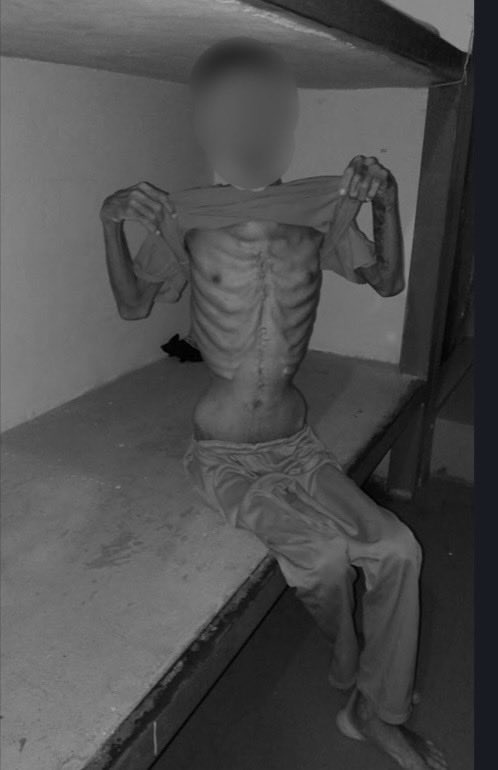
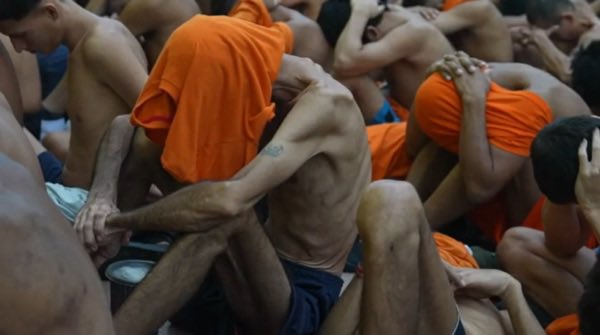
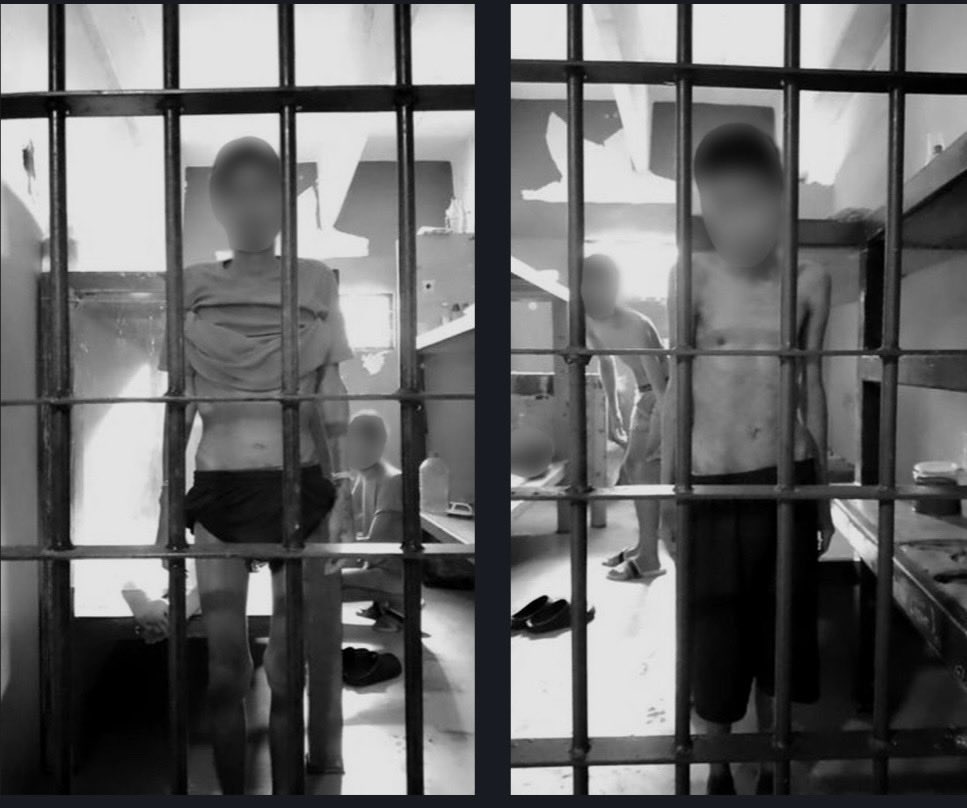
TODAY— Photos were smuggled out of Ecuador’s prisons and published by the brave Karol Noroña. Under the current U.S.-backed military dictatorship, inmates are starved and 1 dies every 7 hours— an alarming rate for the 2nd smallest nation in South America. NOBOA IS A MURDERER.
125
6,788
16,777
488,995
Eddie Thomas retweeted

Jun 2
BREAKING
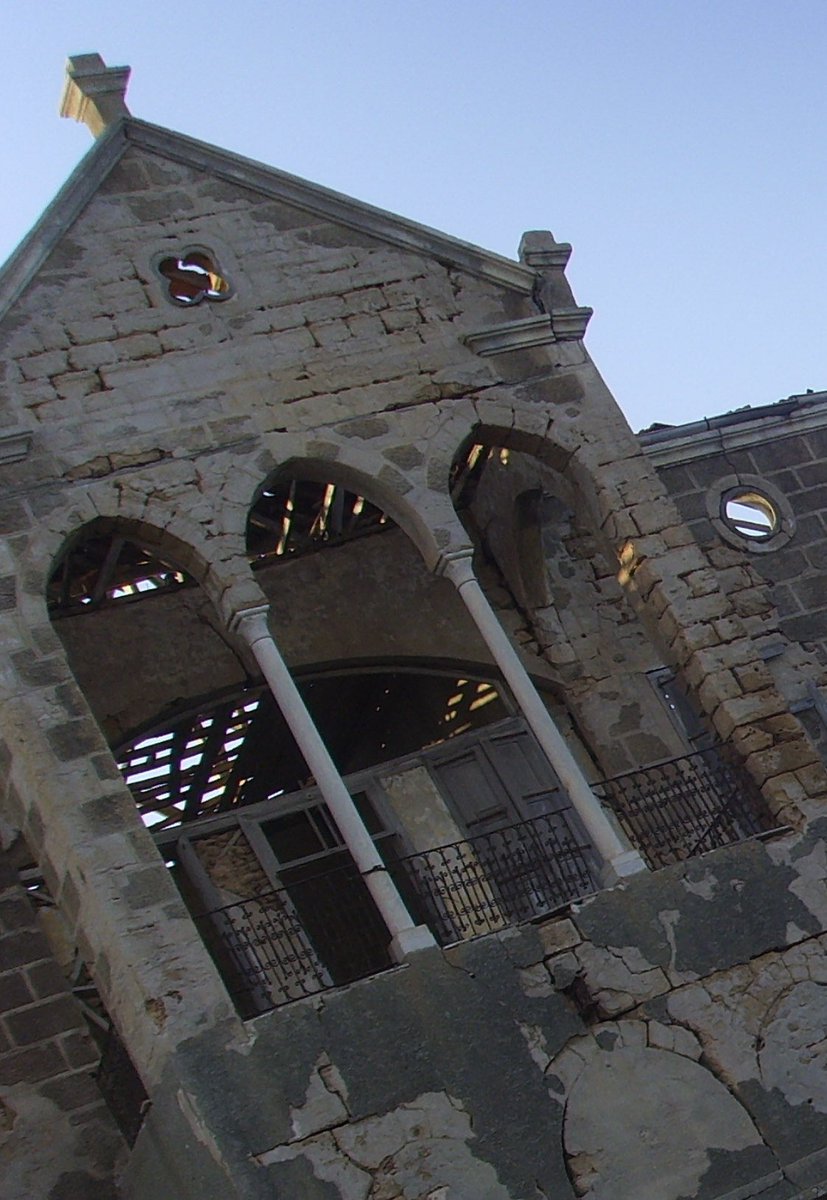
Israel is now threatening to bomb the Christian Quarter in the city of Tyre, South Lebanon.
There are no military targets.
This is one of the oldest continuously inhabited Christian areas in southern Lebanon — over 2,000 years old.
Not a peep from Western governments
395
6,916
9,641
188,224
Eddie Thomas retweeted

BREAKING: Action takers from People Against Genocide remain locked on, blocking both gates to Elbit's UAV Engines factory in Shenstone, Staffordshire.
For Palestine, they're halting the production of engines used to power Israel's killer drone fleet.
30
598
1,859
27,096