Making things @ Revolut.
Joined April 2013
- Tweets 646
- Following 933
- Followers 1,404
- Likes 478
105 Photos and videos








Pinned Tweet

18 Nov 2019
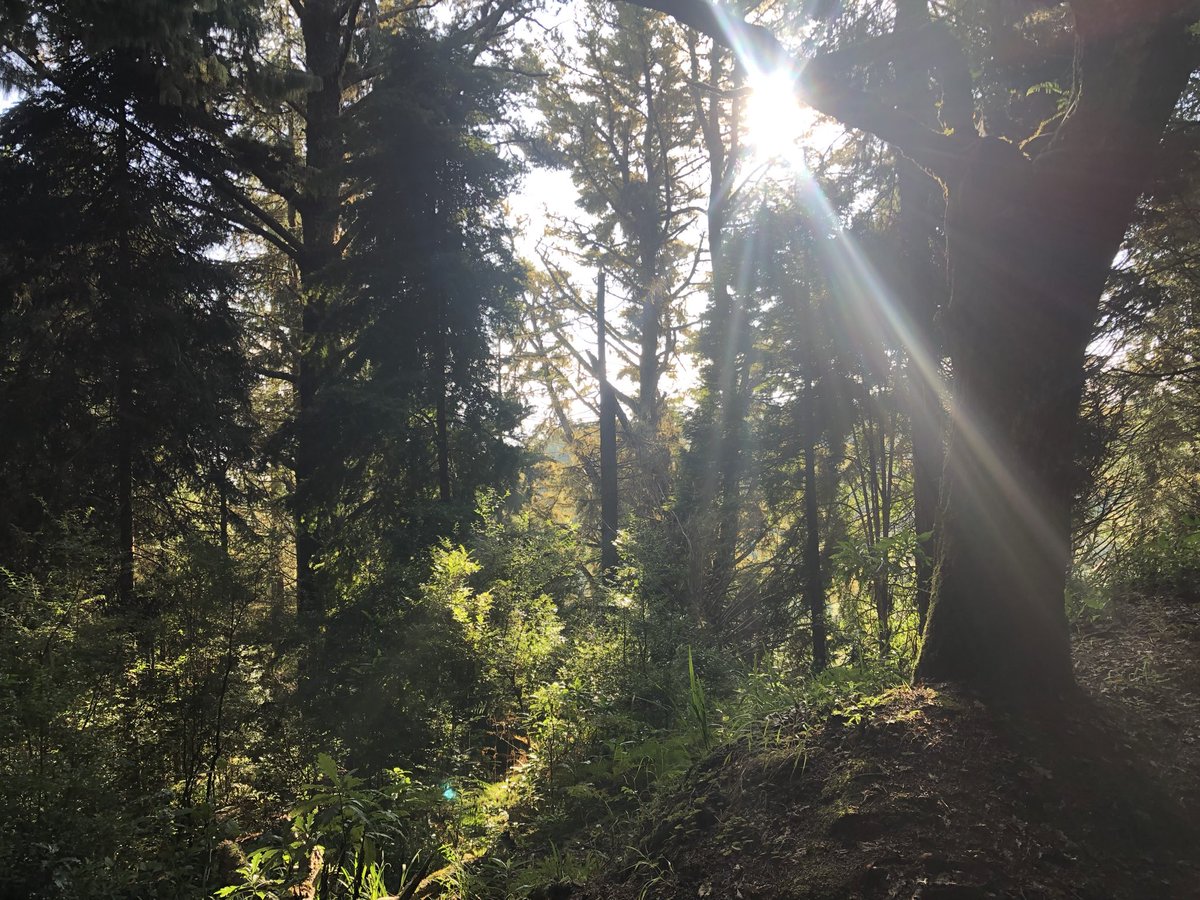
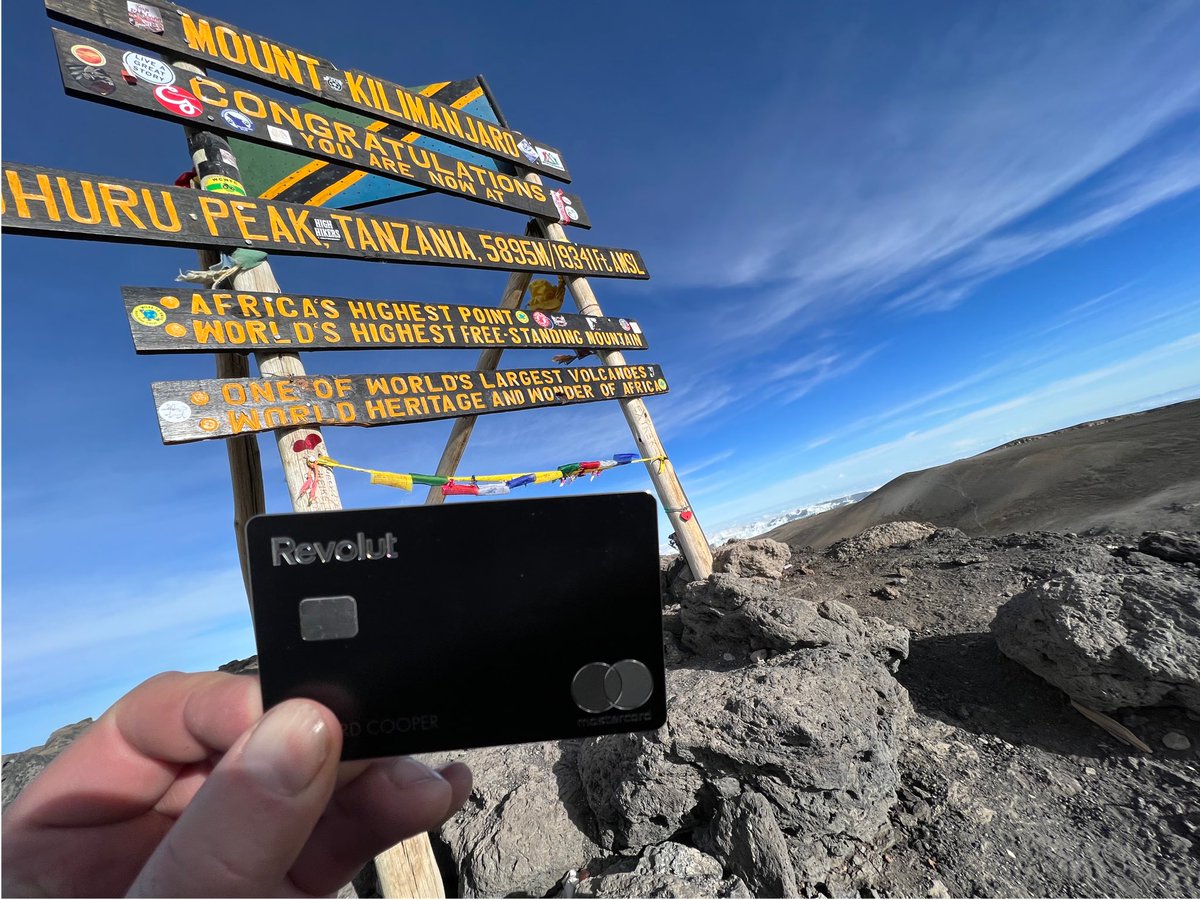
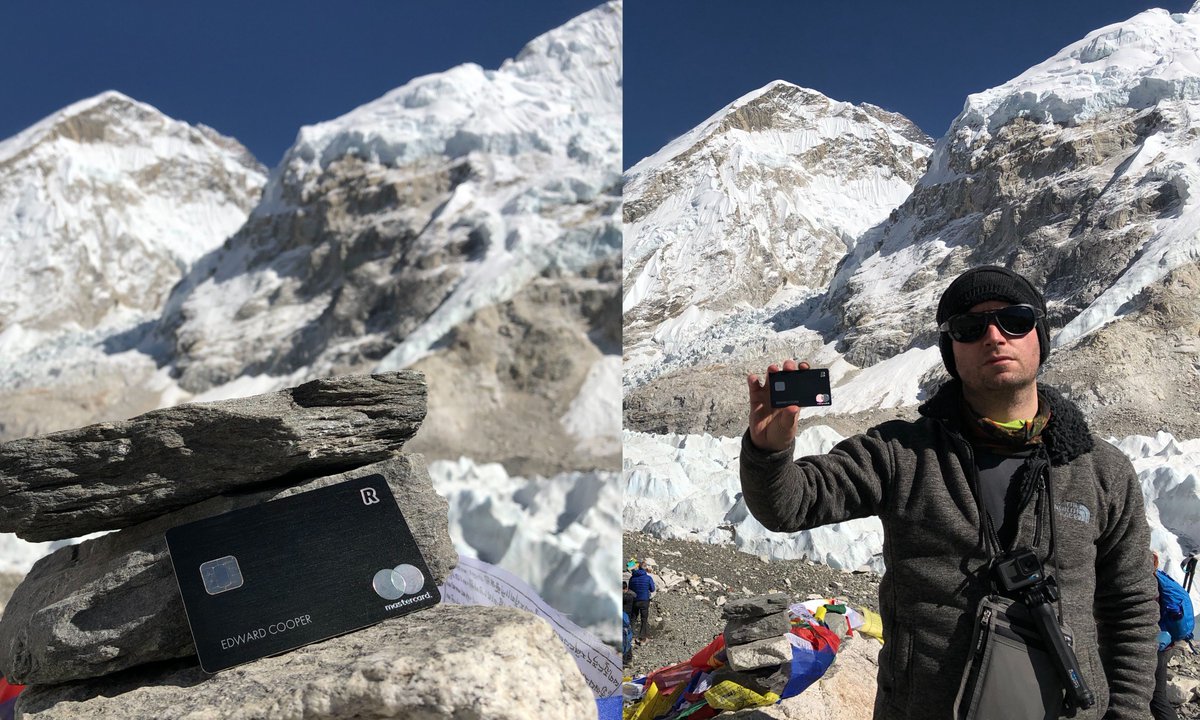
. @RevolutApp @ Everest Base Camp (5,364 meters | 17,600 feet) #NeverSettle #GetItDone
16
7
109
12 Aug 2025
20 Jul 2025

The trend of 2025? Quiet emigration. No noise, no drama - just disappearing.
Those who shout rarely leave. Those who leave do it quietly.
What’s the antidote?
Vision. Mission. Something to be excited about.
“We’ll have flying taxis and the best healthcare system in the world.”
Not: “We might reduce waiting lists… some year.”
Growth creates revenue. Vision attracts growth.
1
258
20 Jul 2025
If you strongly believe in a future outcome, convincing others may not be the best use of your time.
Avoid the curse of Cassandra - make the bet, take the risk.
Being right is more persuasive than being loud.
4
321
20 Jul 2025
The trend of 2025? Quiet emigration. No noise, no drama - just disappearing.
Those who shout rarely leave. Those who leave do it quietly.
What’s the antidote?
Vision. Mission. Something to be excited about.
“We’ll have flying taxis and the best healthcare system in the world.”
Not: “We might reduce waiting lists… some year.”
Growth creates revenue. Vision attracts growth.
1
1
9
1,119
25 Apr 2025
Plus ça change…
The hush of a medieval scriptorium is unlike any other silence—broken only by the scratch of quill on vellum and the faint clink of a mortar grinding lapis into ultramarine.
Master scribes spend decades learning how to breathe steadily enough to gild a single serif, how to weave vines of vermilion through margins without smudging a word of Augustine. A finished Psalter is equal parts prayer and performance; some pages take a full week to lay a single color.
Then, in the 1450s, a black-iron contraption arrives from Mainz: Gutenberg’s movable-type press. A single pull of its lever spits out a page in the time it takes a scribe merely to trim a quill.
The guild of illuminators gathers beneath cathedral arches, voices echoing off stone:
“That machine hijacks our artistry,” one cries. “It copies our letterforms without permission—line for line!”
Petitions stack high, begging bishops and princes to outlaw the noisy marvel.
⸻
Yet a few curious souls walk from the cloister to the print-shop.
They discover:
•Fonts imitate them. Early printers model their typefaces on the very hands these scribes perfected; who better than a calligrapher to judge spacing and rhythm?
•Press pages need personality. After each sheet dries, blank capitals wait for hand-painted blooms of gold and carmine, and clients will pay extra for books that still carry a human touch.
•Proofreading is scripture-level work. Years spent memorizing every twist of Latin declensions translate perfectly into catching a misplaced et on page 312.
Soon broadsheets appear:
“Quill & Press Atelier—Typographic design, hand-illumination, and edition proofreading.”
A former monk now earns triple, hired by Venetian printers to create custom italic fonts; another becomes famous for tinting woodcut maps, his roses of the winds swirling in cobalt over mass-printed seas. Their mastery hasn’t vanished—it has scaled, riding the gears they once feared.
⸻
Meanwhile, those who pinned their hopes on banning the iron press watch commissions wither. Their skill of shaping letters is still precious, but it lies sealed in cedar chests, untouched, while presses thunder day and night.
⸻
Lesson inked across parchment and paper alike:
Words will always seek faster wings. The artisans who guide those wings—whether by quills, presses, or neural nets—remain the ones who decide how far stories can fly.
1
286
13 Oct 2024
Truly inspirational stuff👏

6
510
10 Sep 2024
Lots of excitement around Mario Draghi’s report on the future of European competitiveness but sadly...
Similar to a doctor telling an overweight patient with heart disease to eat better and exercise more - the challenge is not the diagnosis, it’s getting the patient to act on the advice.
Overcoming the institutional inertia will be difficult. I’d genuinely love to see it happen though.
9 Sep 2024

Dear Mario Draghi, a year ago, I asked you to prepare a report on the future of Europe’s competitiveness.
No one was better placed than you to take up this challenge.
Now, we are eager to listen to your views ↓
x.com/i/broadcasts/1mnxeAPOD…
2
358
Edward retweeted

23 May 2024
If you take the job at the startup instead of the safer one at a big company, all your coworkers will also be people who took the job at the startup. In ten years they'll be running everything, even if the startup tanks.
107
308
4,649
924,122
29 Feb 2024
I’m surprised CT still gives Schiff oxygen. After this many years it’s clearly engagement farming and I wouldn’t be surprised if he had a long BTC position. ♟️
I’m also aware of the irony that this post gives him oxygen 😂
4
386
29 Feb 2024
3 years pass… 😬
26 Jun 2021
Random thought of the day: the next threat vector will be blackmail using deep fakes. And the dataset to create the content will be TikTok 😱
4
466
22 Aug 2023
Some crypto news: @RevolutApp joins TRUST, the industry-driven solution for Crypto Travel Rule compliance. Onwards 🚀
blog.revolut.com/trust-trave…
1
14
1,853
29 Jul 2023
Amazing product. A no-brainer to switch from your current energy supplier to a cleaner, cheaper and 10x slicker product 💪


1
9
1,969
17 Jul 2023
Heartwarming stuff!
16 Jul 2023

"A coming-of-age film about a 70-year-old taxi driver" 🚕🇬🇧
Some will say that this is the video of the year 😉
We hope you love it as much as we loved creating it.
Watch now!
youtube.com/watch?v=_TedFmvf…
2
1,471
15 May 2023
Fun to see @paulg having similar thoughts. Let's get this done.
x.com/paulg/status/165810033…
27 Apr 2023
US crypto regulatory approach - an unnecessary own goal.
EU generative AI regulatory approach - looking like it’s also heading for an unnecessary own goal.
A huge opportunity for the UK if done right. @KemiBadenoch
3
538
27 Apr 2023
US crypto regulatory approach - an unnecessary own goal.
EU generative AI regulatory approach - looking like it’s also heading for an unnecessary own goal.
A huge opportunity for the UK if done right. @KemiBadenoch
3
838
2 Apr 2023
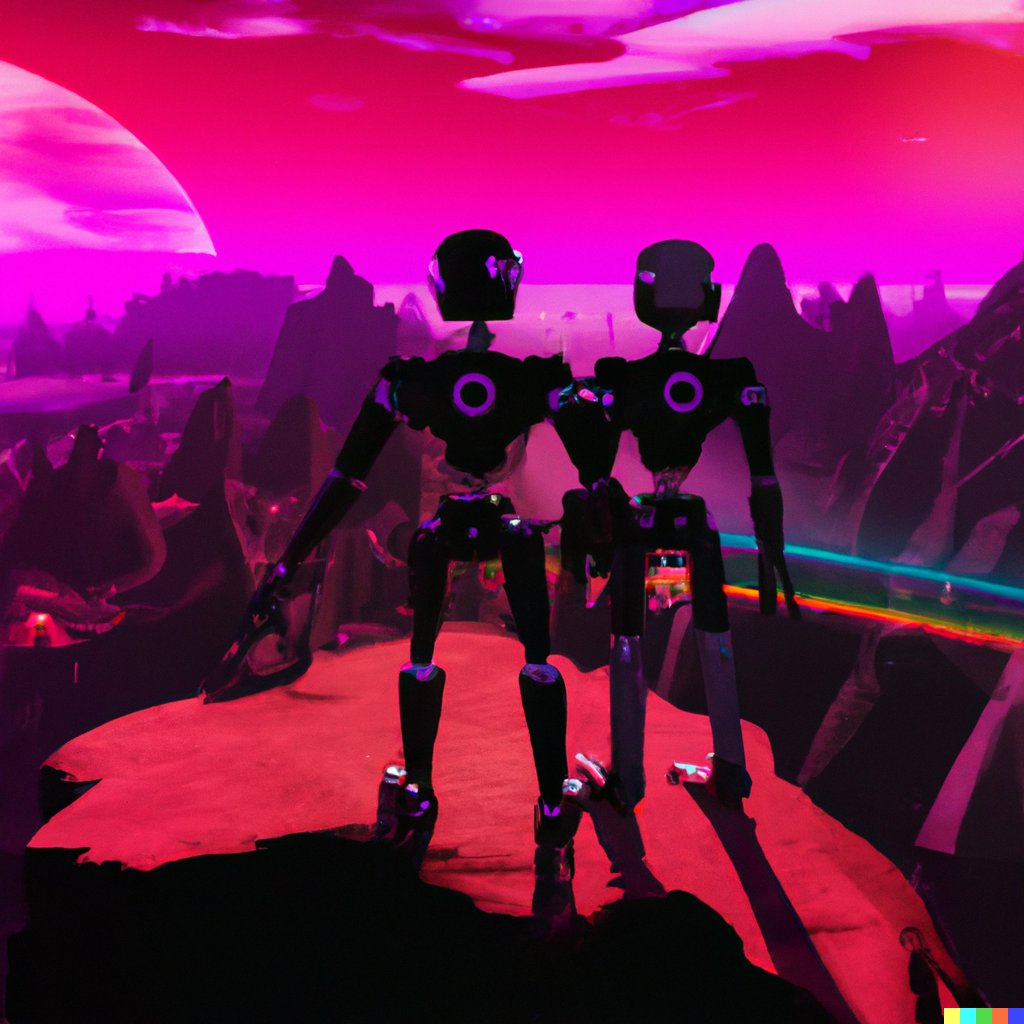
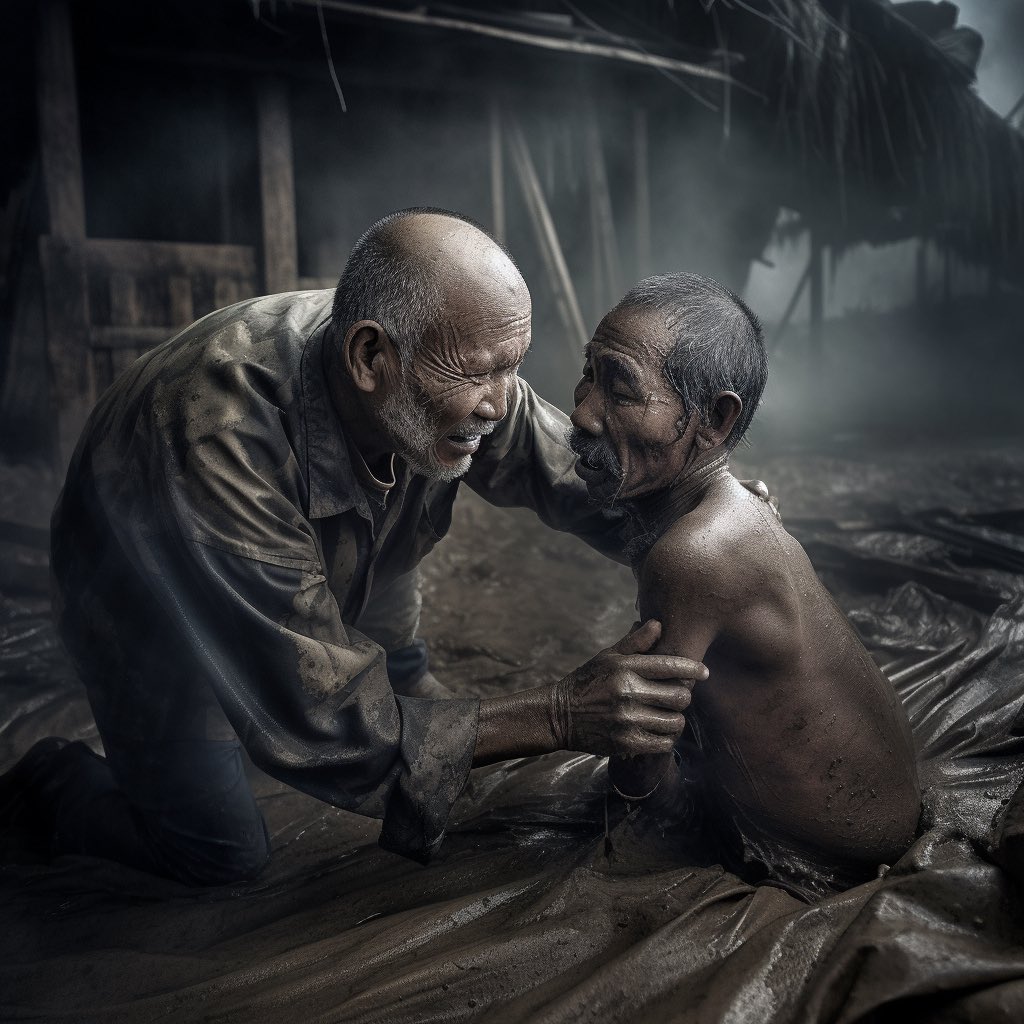
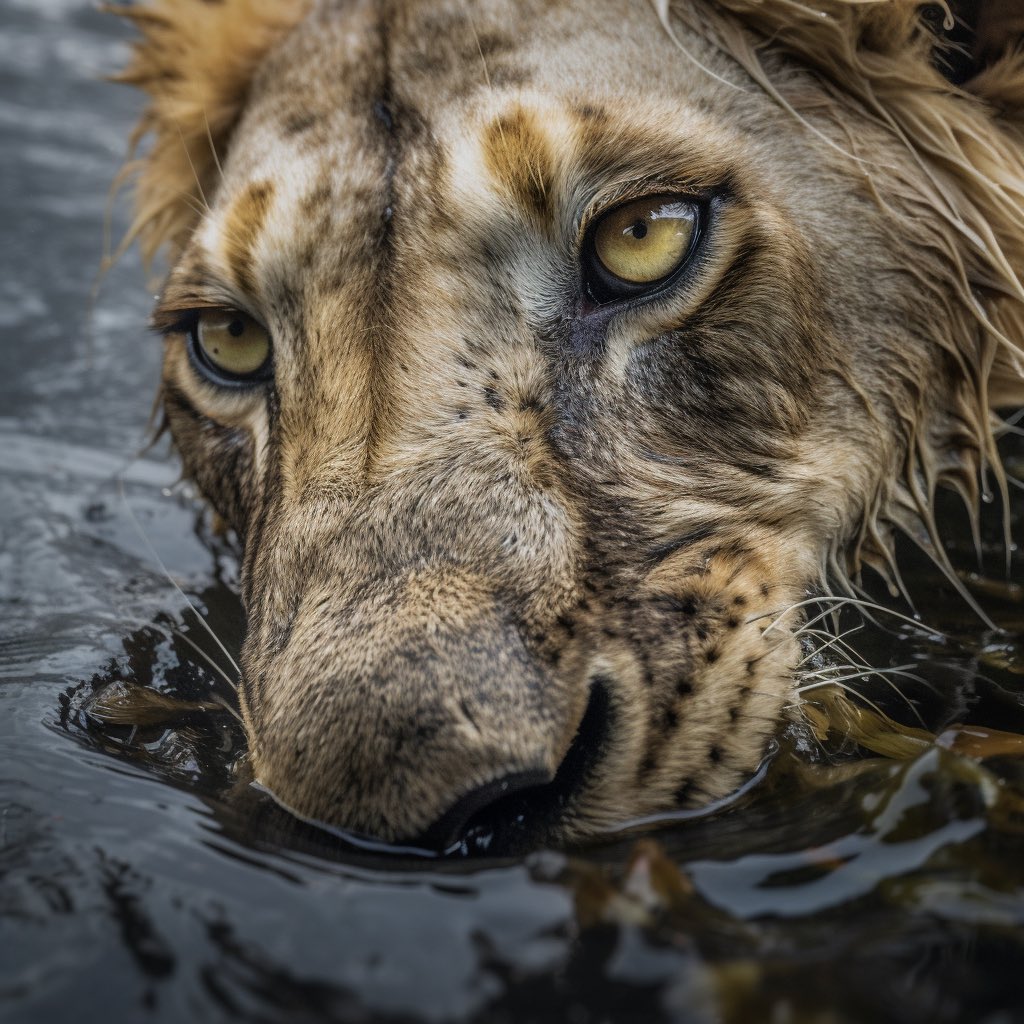
Midjourney v5 is insane. These took less than five minutes!
Things are about to get exponential. #AIArtwork

1
3
642