
Lover of street tacos, Boise State football, and my beautiful family…but not necessarily in that order. 👨👩👦 🐴 🌮
Joined May 2015
- Tweets 1,675
- Following 447
- Followers 294
- Likes 11,802
125 Photos and videos








Eric Elison retweeted

Jun 7
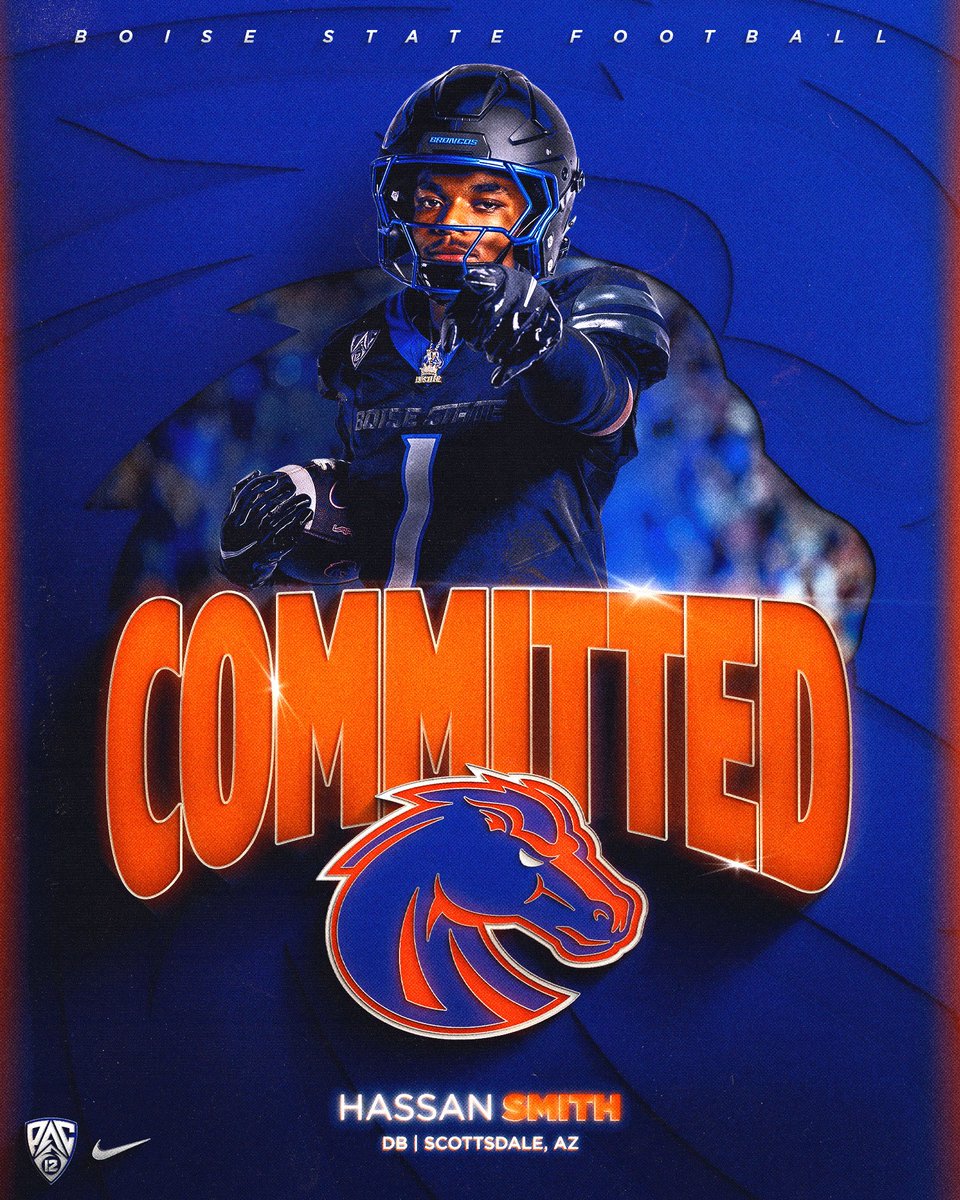
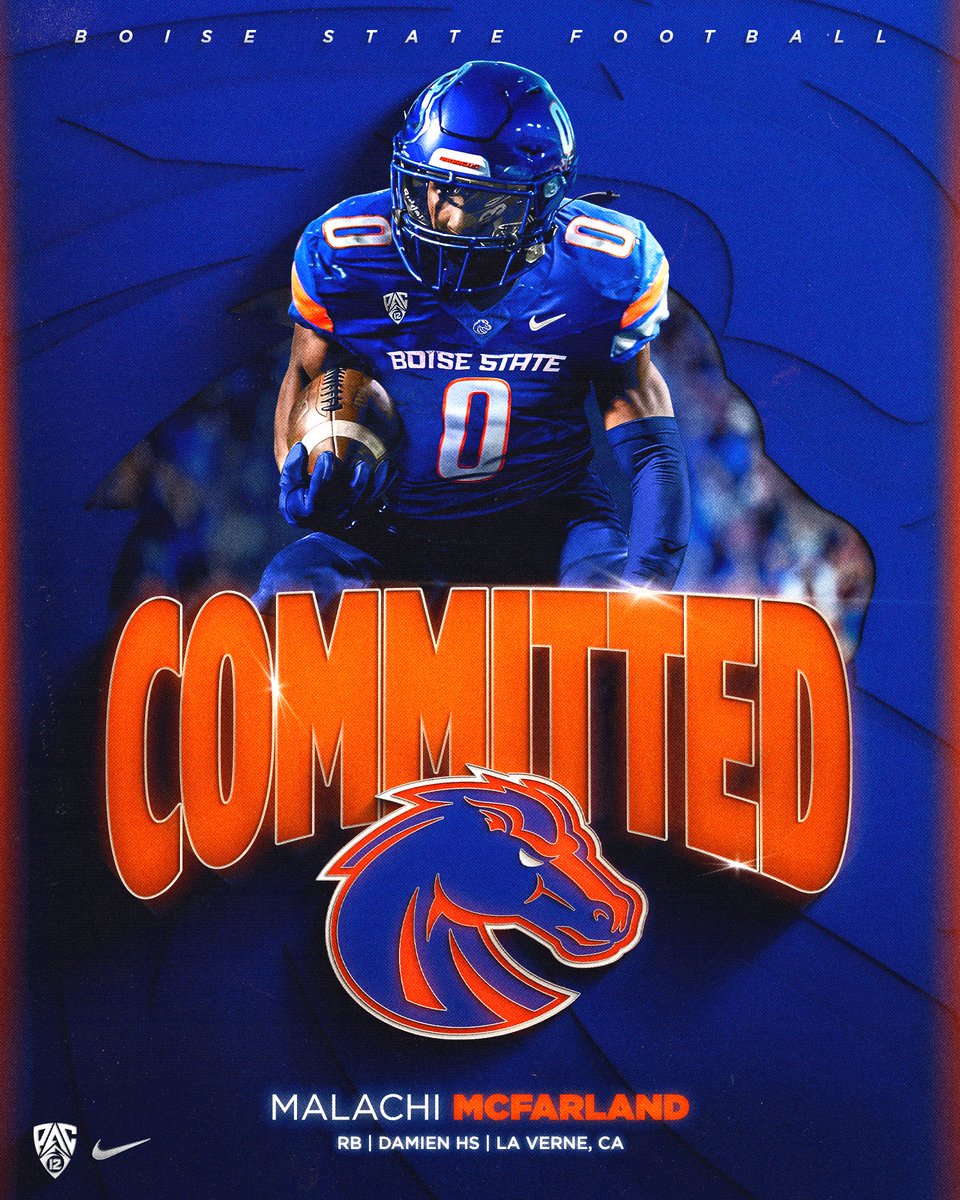
BLESSED!!! To announce im 100% Committed to Boise State University! First i want to thank God and everyone who has helped me along this journey aswell as all the coaches who took the time to recruit me and allow me to pursure my dream. With that being said BLEED BLUE🔵🟠
22
84
386
30,547
Eric Elison retweeted

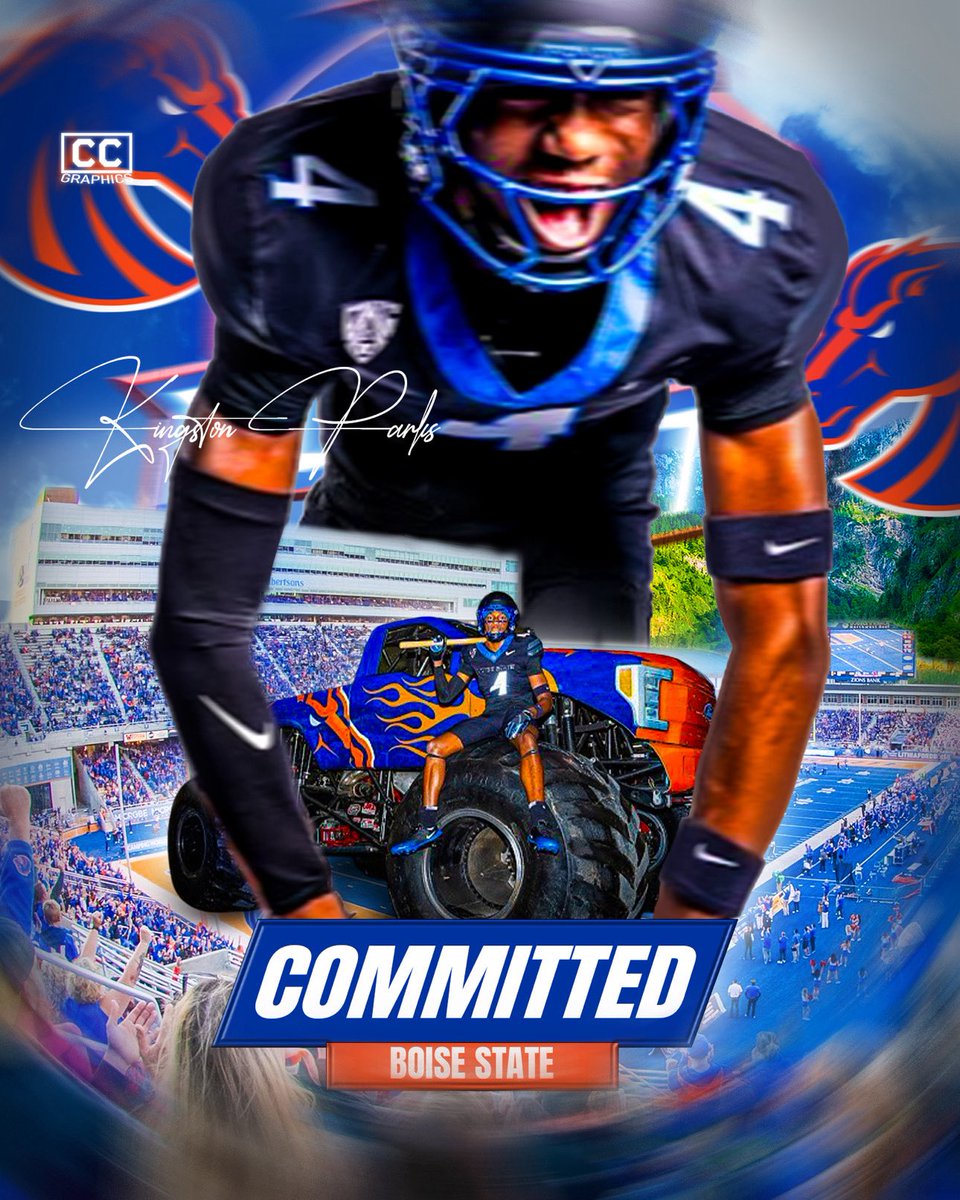
After a great conversation with @Coach_SD I am blessed to announce my commitment to Boise State University! Go Broncos🧡🐎!
@ccgraphicsdtx @drobalwayzopen @BroncoSportsFB @txfblife @TXTopTalent @MikeRoach247 @TheUCReport @Rivals
11
48
167
25,560
Eric Elison retweeted

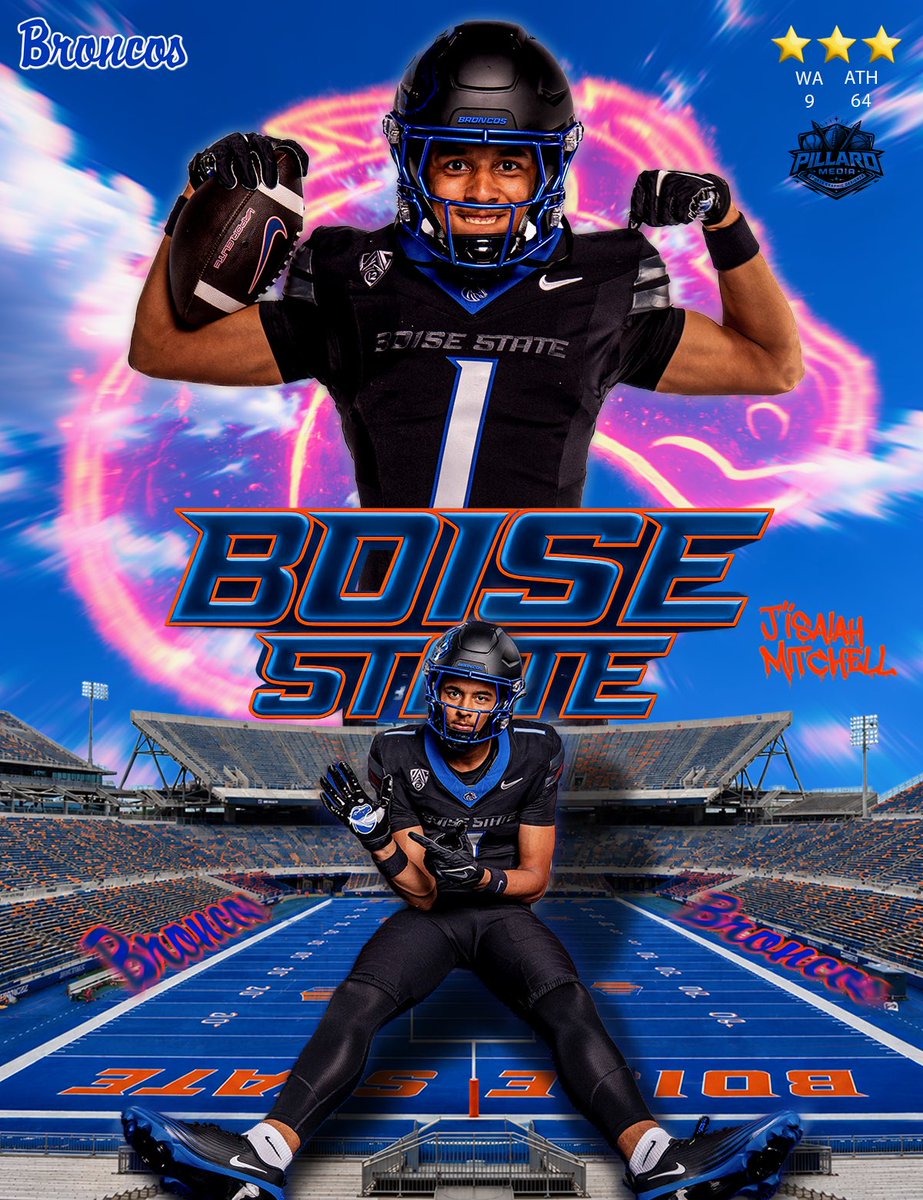
#AG2G Blessed to be committed to Bosie State University!!!!🔵🟠
@CoachWhitted
28
69
269
47,488
Eric Elison retweeted

May 31
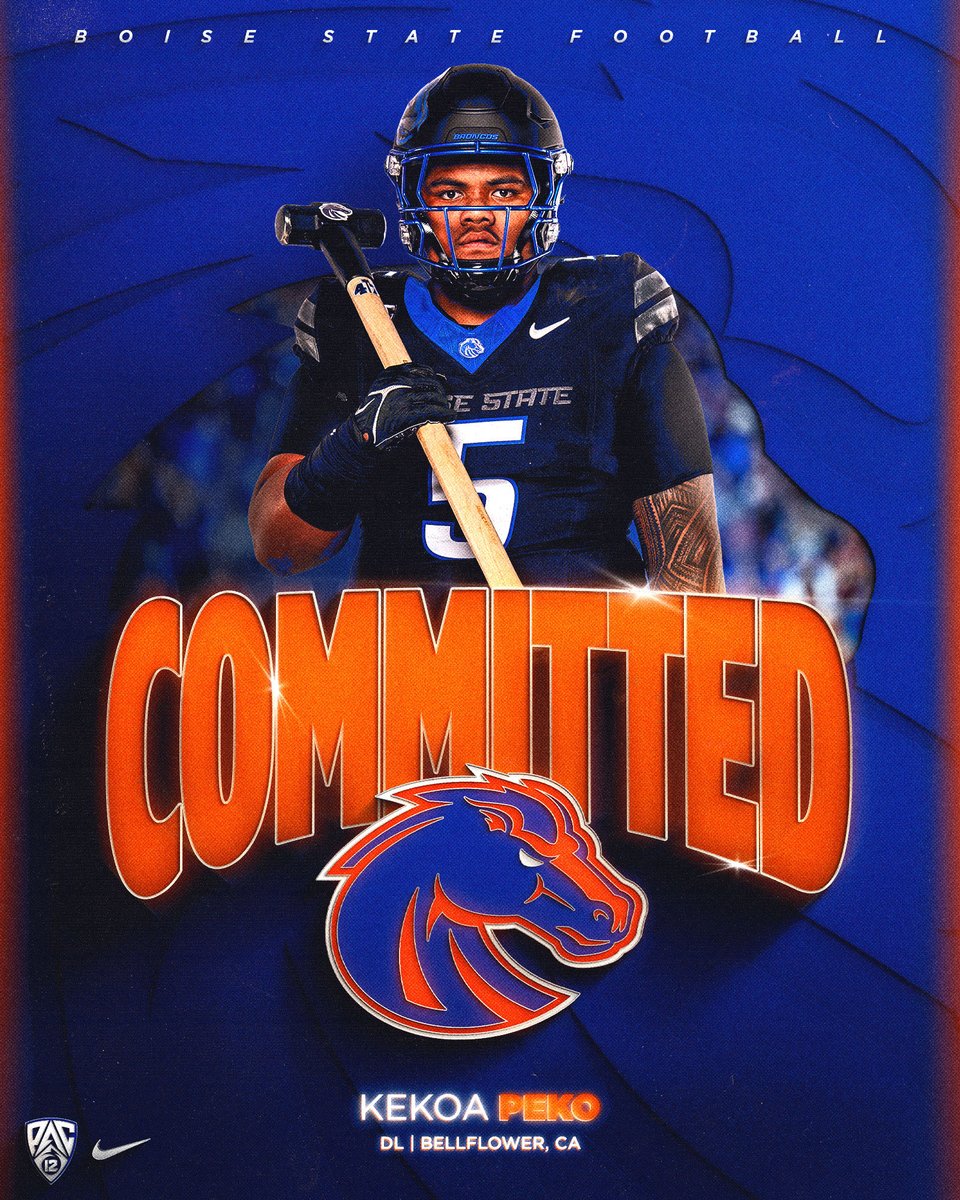
WE HOME 📍#COMMITTED
@boscofootball @247recruiting @Rivals @GregBiggins @BrandonHuffman @adamgorney @Coach_JJHall @COACH_T_BULLOCK @SuaavaPoti @boscofb
15
64
321
30,396

Eric Elison retweeted

May 28
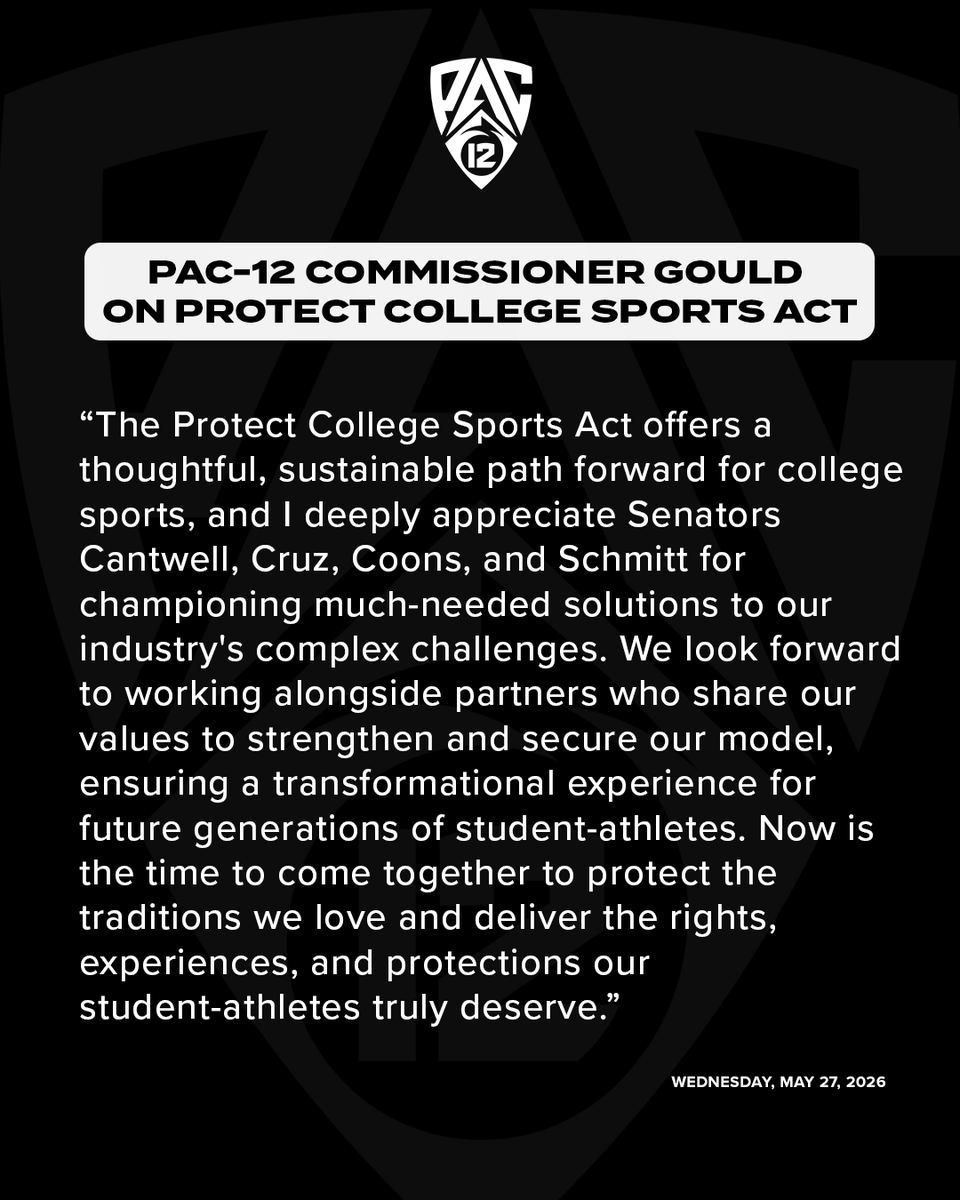
Commissioner Teresa Gould on the Protect College Sports Act introduced today 🗣️⤵️
7
39
234
99,666
Eric Elison retweeted

May 25
We have been ahead of every trend…doesn’t happen by accident. Plan work…WORK plan 🙏🏼 Epic is possible…those not in foxhole have to believe! I’m so proud of our @BroncoSports TEAM! They are elite! Never finished…ALWAYS What’s Next! #BleedBlue 😈
May 25

We began this 4 years ago using models from elite pro and college venues. We’ve now grown to holding 5,500 events per year, 3,300 of those are public facing. For us, its necessary to survive in the industry while we seek additional support. #WhatsNext
4
16
154
18,725
Eric Elison retweeted

May 22
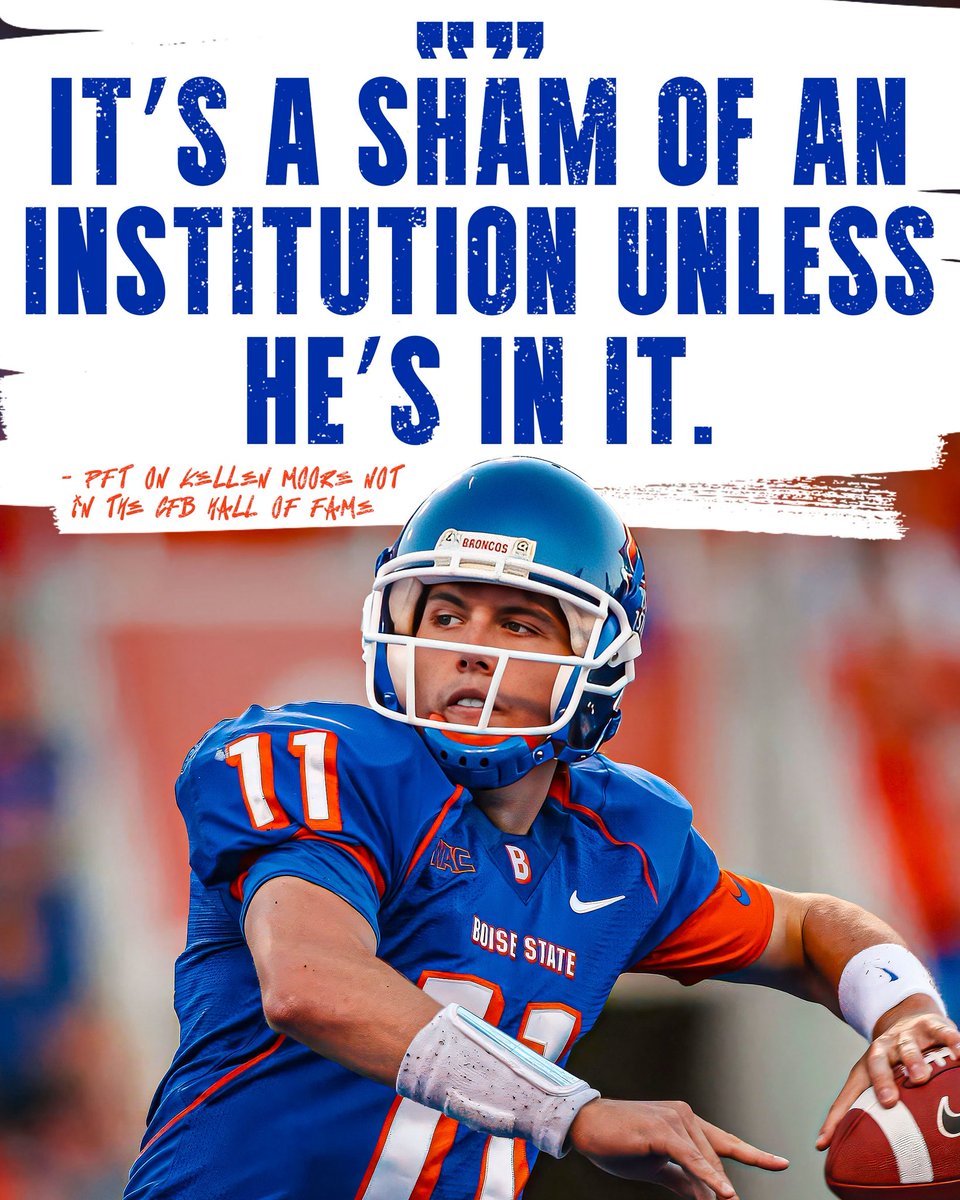
Put Kellen Moore in the college football hall of fame
16
102
1,015
83,491
Eric Elison retweeted

May 22
It's never too early to project ahead. Athlon Sports ranks college football's top 25 teams for the 2026 season. athlonsports.com/college-foo…
2
5
5,435
Eric Elison retweeted

May 20
The No. 1 problem in college athletics.
The entire enterprise is built on cheating and always has been.
May 20

ICYMI, sports law Professor Mike McCann has proposed a bold, innovative alternative to fix college sports without Congress intervening. It’s called “STOP BREAKING THE RULES YOU AGREED TO FOLLOW.”
Brilliant. 👏🏼 Why didn’t anyone think of that sooner?
@McCannSportsLaw
26
43
483
213,236
Eric Elison retweeted

May 20
17
72
262
56,101
Eric Elison retweeted

May 19
Iowa State AD Jamie Pollard on SEC/Big Ten threatening to break away to form its own league:
“Let them break away. We should break away from them. Let them go, but they have to go in all their sports & see how fun it is to play baseball, softball & track when it’s just the 20 of you. That’s what I think we should do, but I'm one person & that’s probably a little more draconian. That’s how I feel about it. Like, let’s quit talking about it. Quit threatening. Go do it. But if you’re going to do it, you don’t get to just do it in football & then keep all your other sports w/us. No, take them all. See how fun it is.”
371
360
4,338
1,568,049
Eric Elison retweeted

The conference that poached four schools from the Big 12 and destroyed multiple historical rivalries is concerned about "sacrificing traditions"
Give me a freaking break
May 14

Exclusive: Clark Lea says the sport will have to sacrifice tradition in exchange for CFP expansion
“Whatever we do next with the playoff, expansion is coming…We're going to have to let go of some traditional end of the year elements in college football” foxnews.com/sports/exclusive…
13
10
108
5,140
Eric Elison retweeted

May 12
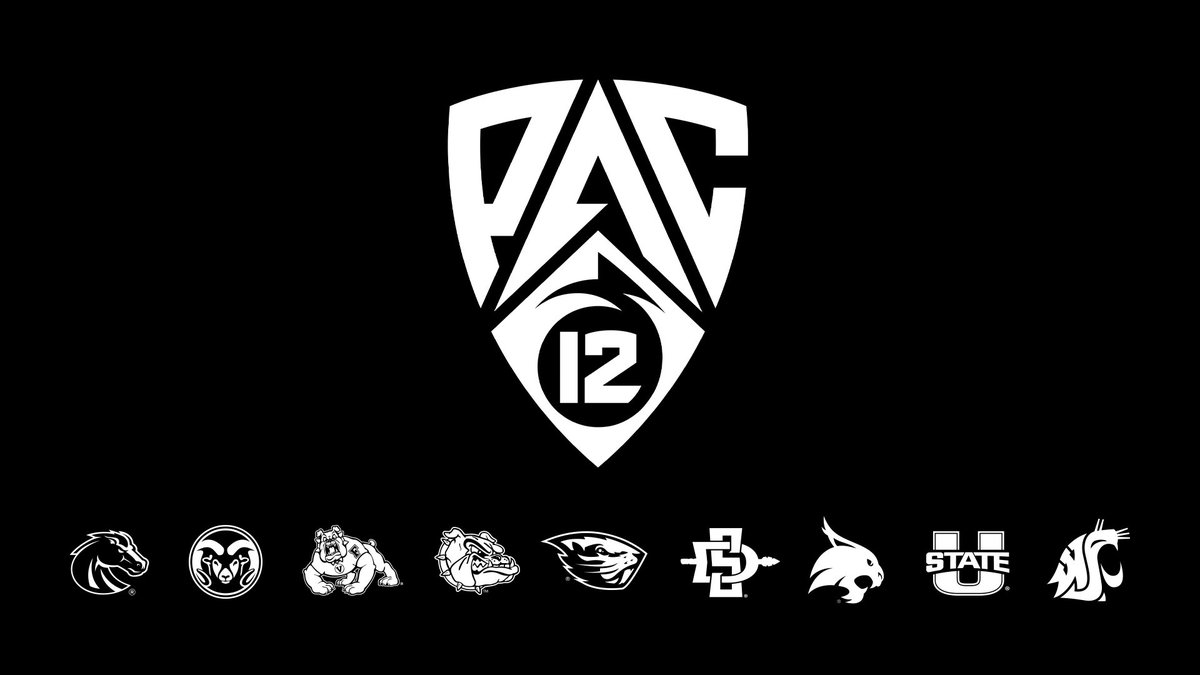
Everyone keeps asking if the Pac-12 will ever get its “Power Conference” status back… and honestly, it’s not as crazy as people think.
People said the Big 12 was dead after Texas & Oklahoma left. Now look at it.
The new Pac-12 doesn’t need to become the SEC or Big Ten to be successful. It just needs:
• CFP appearances
• strong TV ratings
• emerging brands
• packed stadiums
• national relevance again
And schools like Texas State, Boise State, SDSU, Wazzu, and Oregon State have a REAL opportunity to grow WITH the conference instead of sitting behind giant brands.
That’s the interesting part:
The Pac-12 isn’t trying to rebuild the past anymore… it’s trying to build the next version of western college football.
If the league wins, stays stable, and gets the right media deal, perception changes FAST in college athletics.
People are underestimating how important these next 5 years are for the future of the Pac-12. 👀
#Pac12 #TXST #CollegeFootball #CFB #EatEmUpCats
63
18
150
43,998
Eric Elison retweeted

May 1
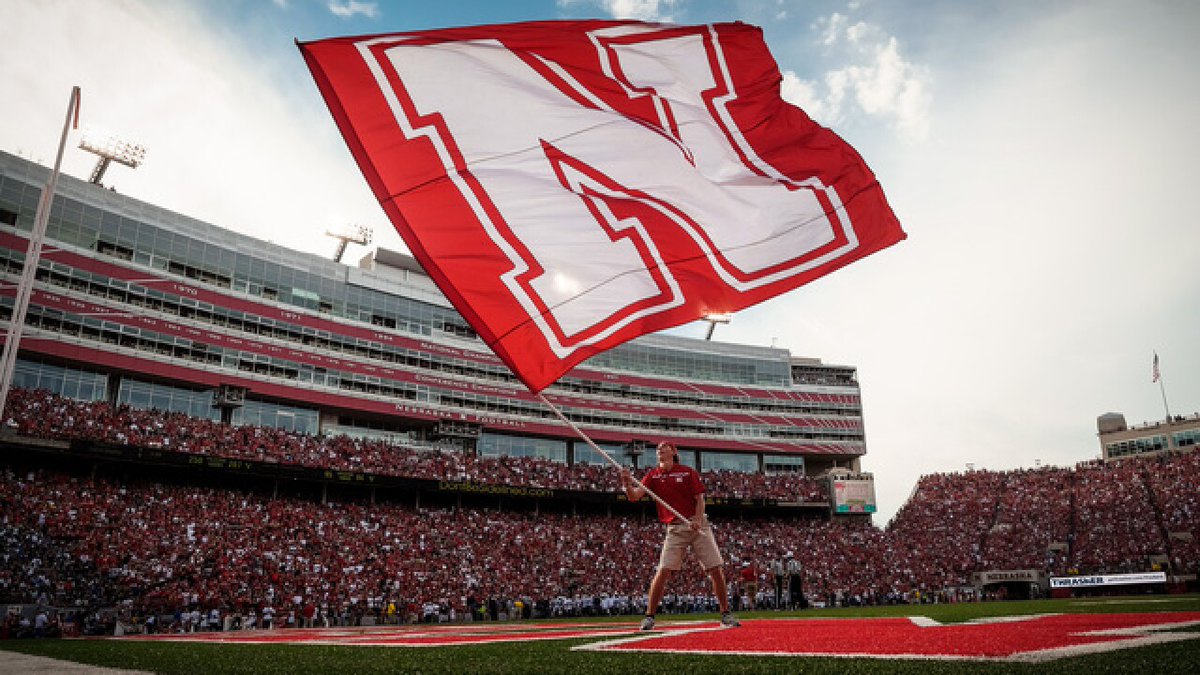
Nebraska just got a $600 million stadium renovation approved and the way they're thinking about it is worth paying attention to.
The Big Red Rebuild is a major revenue play. The renovated Memorial Stadium is projected to generate $95 million in annual revenue, a 40% increase over current levels. The entire project is funded without taxpayer dollars, using $250 million in philanthropic support and $350 million in private bond financing, but the financial model underneath is what makes Nebraska interesting.
AD Troy Dannen has been clear about how he views the role of facilities in the new era of college athletics. He's called the stadium "a revenue stream that, for the most part, is untapped." The rebuild is designed to turn Memorial Stadium into a year-round venue for concerts, events, and entertainment, not just seven Saturdays in the fall. Premium seating gets repriced, concessions and fan experience get overhauled, the building starts working 12 months a year instead of three.
Dannen's broader philosophy on funding is just as notable, I think. He's said Nebraska is adapting to revenue sharing "with a focus on creativity rather than contribution drives." The athletic department takes no student fees, no institutional subsidies, no state dollars. It actually pays $5 million back to the university annually. When the $20.5 million revenue sharing obligation hit, Nebraska absorbed it by cutting 27 positions, reprioritizing expenses, and leaning into Big Ten distribution money.
That's a program treating its athletic department like a business, protecting a financial model while investing aggressively in the infrastructure to grow it.
Not every school has Nebraska's fan base or Big Ten TV money, but the mindset is transferable. The programs that will thrive in this new landscape are the ones rethinking how their assets generate revenue, not just asking their fans and donors to cover the difference.
16
27
175
50,882
Eric Elison retweeted
Apr 27
New League. Same Legacy.
The mark is bolder. The boundaries are gone. The energy is electric. ⚡️
The new Pac-12 is coming.
#BackThePac
139
410
3,070
459,709

Eric Elison retweeted

Apr 21
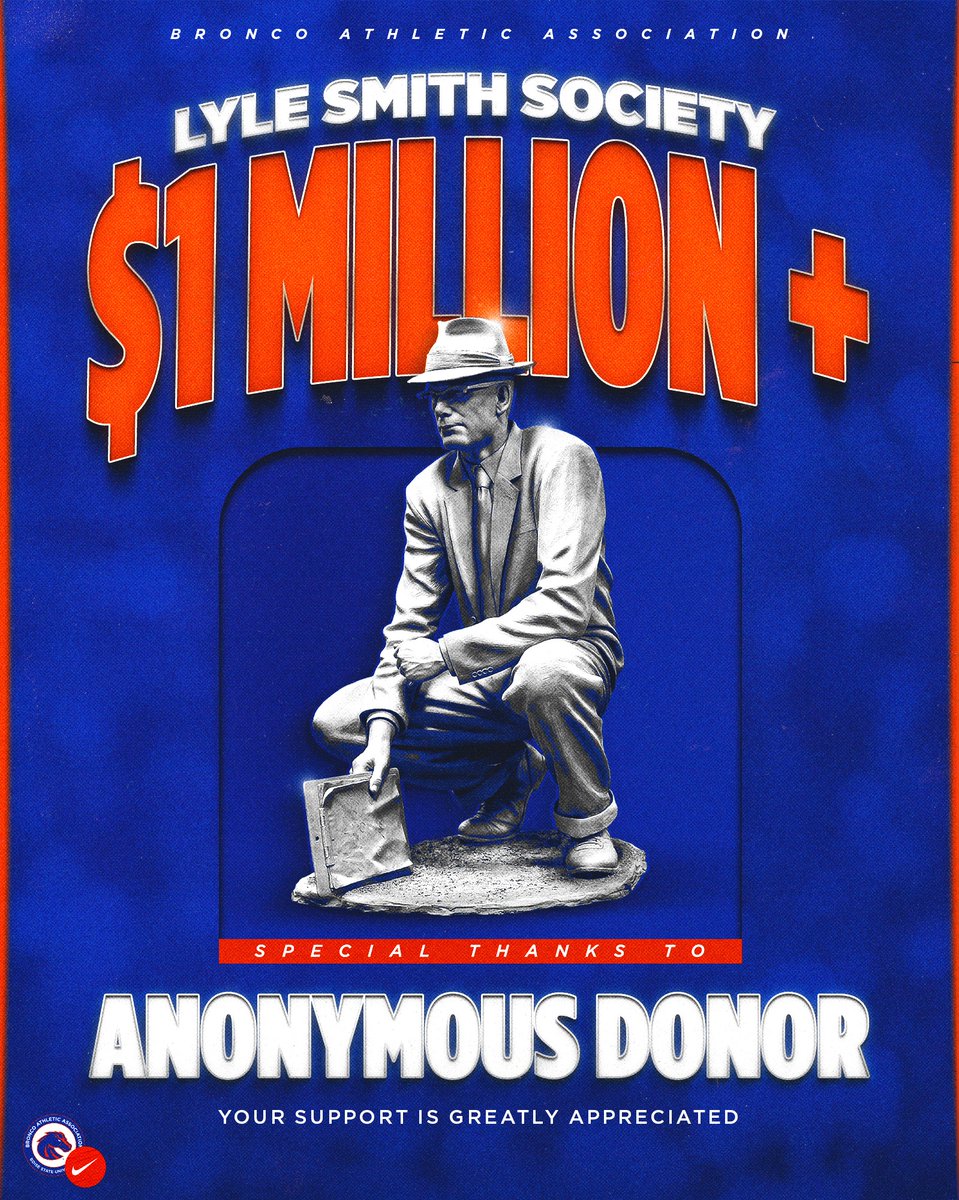
$𝟭 𝗠𝗜𝗟𝗟𝗜𝗢𝗡 𝗚𝗜𝗙𝗧
Bronco Nation continues to show up in a big way to fuel our momentum and inspire others to be EPIC!
📰 boi.st/4tYXCLl
#BleedBlue | #WhatsNext
1
20
119
16,044

Eric Elison retweeted

Apr 20
The commentary on this is absolutely incredible 🔥🤣
600
3,906
26,546
1,132,023