
Building Institutional Crypto Credit Infrastructure (Stealth) & @anomi_network • Full stack Blockchain Engineer • L1s , RWAs, Stablecoins and ZKPs
Joined April 2023
- Tweets 207
- Following 1,295
- Followers 71
- Likes 362
11 Photos and videos
Farzan retweeted

May 29
It’s never been easier to design your dream house.
Draw a shape. Define your rooms. Set your constraints.
@DraftedAI generates complete floor plans, elevations, and 3D home designs in seconds.
Over the last month, 120,000 people generated 325,000 home designs with Drafted.ai.
189
340
4,442
741,969
Farzan retweeted

Feb 17
Ethereum Protocol Study Group for 2026 is finally announced!
Starting in less than a week, it took us a while to push out the announcement because we were preparing the biggest curriculum so far
blog.ethereum.org/2026/02/17…
24
59
318
18,808
Farzan retweeted

Jan 14
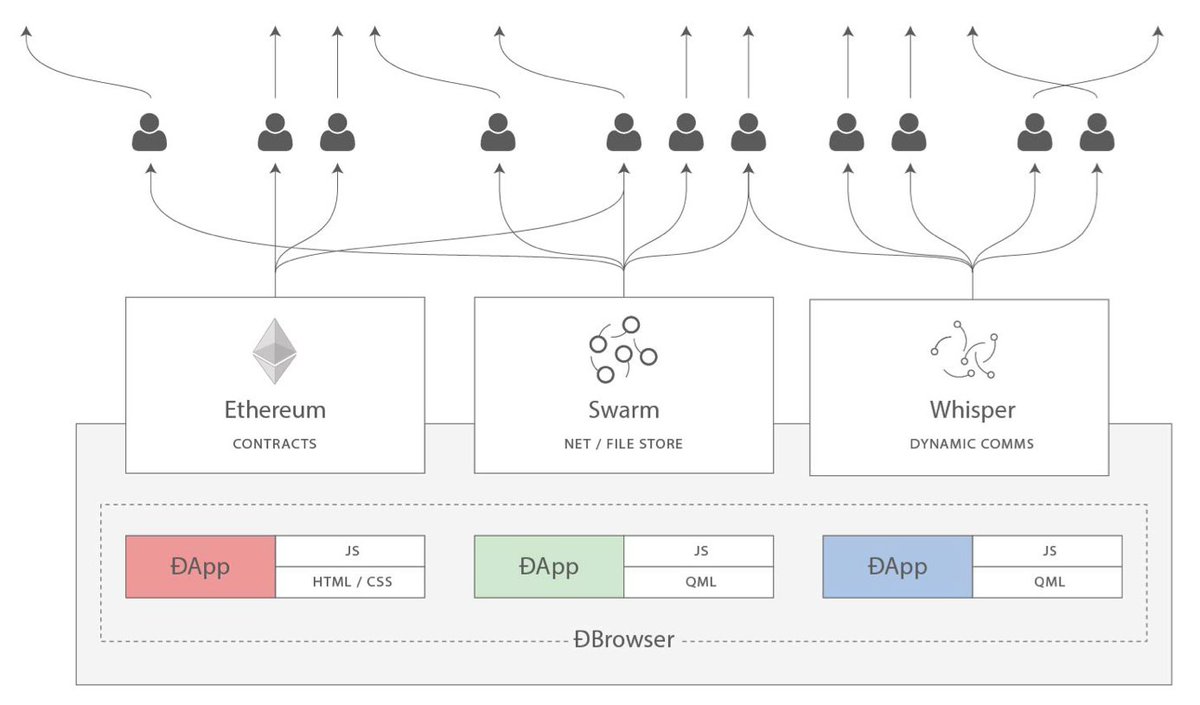
In 2014, there was a vision: you can have permissionless, decentralized applications that could support finance, social media, ride sharing, governing organizations, crowdfunding, potentially create an entire alternative web, all on the backs of a suite of technologies.
Ethereum: the blockchain. The world computer that could give any application its shared memory.
Whisper: the data layer. Messages too expensive for a blockchain, that do no need consensus.
Swarm: the storage layer. Store files for long-term access.
Over the last five years, this core vision has at times become obscured, with various "metas" and "narratives" at various times taking center stage. But the core vision has never died. And in fact, the core technologies behind it are only growing stronger.
Ethereum is now proof of stake. Ethereum is now scaling, it is now cheap, and it is on track to get more scalable and cheaper thanks to the power of ZK-EVMs. Thanks to ZK-EVM PeerDAS, the "sharding" vision is effectively being realized. And L2s can give additional and different kinds of gains in speed on top.
Whisper is now Waku ( docs.waku.org/ ), and already powers many applications (eg. railway.xyz/, status.app/ just to name two I use). Even outside of Waku, the quality of decentralized messaging has increased. Fileverse (decentralized Google Docs and Sheets alternative: fileverse.io/ ) has seen massive gains in usability over the past year.
IPFS is now highly performant and robust as a decentralized way of retrieving files, though IPFS alone does not solve the storage problem. Hence, there is still room to improve there.
All of the prerequisites for the original web3 vision are here, in full force, and are continuing to get stronger over the next few years. Hence, it's time to buidl, and buidl decentralized.
Fileverse is an excellent example of the right way to do things:
* It uses Ethereum and Gnosis Chain for what they are good for: names, accounts and permissioning, document registration
* It uses decentralized messaging and file storage to store documents and propagate changes to documents
* The application passes the walkaway test: github.com/fileverse/walk-aw… (even if Fileverse disappears, you can still retrieve them and even keep editing them with the open source UI)
This is what we mean by "build a hammer that is a tool you buy once and it's yours, not a corposlop AI dishwasher that requires you to register for a google account and charges a subscription fee per month for extra washing modes, and probably spies on you and stops working if you get politically disfavored by a foreign country".
If you think this criticism of corposlop is hyperbolic, well turns out, it's literally a concatenation of these three:
* mein-mmo.de/en/user-buys-new…
* theguardian.com/technology/2…
* irishtimes.com/world/us/2025…
In 2014, decentralized applications were toys, hundreds of times more difficult to use in web2. In 2026, fileverse is now usable enough that I regularly write documents in it and send them to other people to collaborate. The decentralized renaissance is coming, and you can be part of making it happen.
813
808
4,828
508,982
Farzan retweeted

1 Dec 2025
Ethereum’s next major upgrade, “Fusaka”, goes live in less than 48 hours.
I read all 13 EIPs being included so you don’t have to.
So, here are 13 tweets (with diagrams) to explain the 13 upgrades in simple terms: 🧵
116
311
1,767
153,284
Farzan retweeted

4 Nov 2025
Trying to get a job as a Solidity developer — if you don’t already have experience — is… tough.
There’s a big chicken and egg problem of nobody will trust you with TVL if you haven’t managed TVL before.
That’s why there’s all these job boards with hundreds of applicants for Solidity jobs, but companies say they have a hard time finding talent.
So I’m going to share a hack to get TVL on your resume.
First — if you want to be paid to build Solidity protocols, you need to prove you can do it. So build a *real* project and stop applying for jobs with an NFT lottery or Uniswap V2 arbitrage or AAVE liquidator bot as your top showcase. Build a real protocol that does something non-trivial. In fact, build a few of them so you build up muscle memory. Stop expecting people to train you on the job, it’s not going to happen.
“I’ll learn how to build a protocol after someone pay’s me to learn how” is a loser’s attitude. Stop being so entitled and show you are passionate about what you want to get paid for.
Second — You need funding. Build the protocol AND THEN get a grant from an ecosystem that wants you to build on their chain (honestly this is EASY as chains need to show builder activity, you just need to pick the right chain). Then, use that grant to 1) get private audits for very cheap 2) attract users to the protocol, which I get to next…
Third — Use the grant to create an incentive program for people to use your protocol. You don’t need to do a fancy airdrop program (you’ll never beat Monad at it, so don’t bother). Mint your new token right away, and create an Uniswap V2 pool of “real money” (from the grant) and your token. You don’t want to give the grant money away directly because you’ll run out too fast. But when you have a market for the token, it has a certain value, as long as most people don’t sell… (that’s what a “staking program” is for). Don’t be greedy with the token. Your job is to get users, not to try to get rich quick.
Fourth — Show that your protocol gets farmers good yield when combined with your incentive program. Mercenaries and degens will flock to your protocol like flies to honey.
Boom. Now you have users and TVL on your resume.
The mercenaries will eventually leave and you will eventually run out of the grant money and your project will fade into irrelevance. Or, maybe you’ll get lucky, build a cool community, raise a VC round, and go on to great things.
Either way now you have experience running a real protocol with real users and TVL.
The best part is, if you actually follow through on this, there’s no need to embellish your story about how you managed TVL. You showed you actually know how to run a protocol, and you’ll be part of the few. The rest is easy after that.
Now for the hard part: actually doing it. This is the part where 99.9% of you go back to scrolling social media after bookmarking this post. But for the three of you who just began an epic journey to protocol engineer, best of luck!
(If you have experience managing TVL or pull of the plan I just outlined, apply to @RareTalent_xyz and we’ll get your a job pretty quick and seamlessly).
49
61
588
39,091
Farzan retweeted

15 Oct 2025
Privacy, privacy, privacy:
Everyone now is a Privacy expert. Great!
So...
Let me explain a few things, as someone who's spent quite a lot of time thinking about privacy, and building stuff that's actually used in the world (not just in tweets or academic papers 🙂).
There are all kinds of privacy, and they don't all look the same, feel the same, or work the same. Here's an explanation on what's easy, what's hard, and what's the right way to get privacy done.
What's easy:
Creating ZK proofs for various transactions is easy (thank you StarkWare). You can't yet create ZK proofs on standard hardware wallets, but you can create them on phones and laptops and desktops.
Important: Generating a ZK proof, or a bunch of them, doesn't mean yet you have *real* privacy. For that, you need more, and you need everyone to use what you've built, because if you're the only one using it, you get no privacy.
What's (really really really) hard:
UX. Achieving privacy with UX that will be smooth and intuitive enough to make it easy for you, me, your mom, and your friends to use is really really really hard .
In the tradfi world that's really easy, because the model is different: Your tradfi buddy (the bank, typically) opens an encrypted channel with you, and you tell it privately everything, and the bank keeps that stuff secret.
But in the decentralized world you don't have a buddy you can whisper secrets to. So if you want privacy, you need everything to be built for that. And here's the problem:
The existing infra of blockchain is not privacy-compatible.
Starting with Bitcoin, it's all out there in the open. This means that the standards and the tools and the wallets and the exchanges are all built for stuff that everyone sees. If you're building something that's private, it means that all the existing infrastructure stops working. No hardware wallets, with hard time getting exchanges to work with it, no block explorers, etc. It becomes really hard for your mom and friends to use it. So no one uses it, and the few who do use it, don't get much privacy.
You've made it this far!
You get a prize: The solution 🗝️
So what can be done?
The truth is that the best path forward on privacy is to compromise a bit. Meaning, that in order to offer good UX, the privacy you'll get won't be airtight. So you'll get a certain level of privacy, it won't be airtight, but it'll be easier to use for your mom and friends.
There are quite a few solutions that offer tradeoffs between privacy and usability, and many of them exist today, first and best on Starknet/StarkWare.
I'll give a few examples:
* Validium - is a way to build things that are 100% smooth and standard from the users point of view, but the stuff that goes on the blockchain is known only to your buddy (the operator, like the bank). As opposed to the bank, your buddy -- the operator -- in this case, cannot steal your money because ZK STARK proofs bind him to operate with integrity.
* shielded ERC20s - these are account based, not UTXO based, and only blind the amounts being sent around, not the payer and payee. So folks can see who you're sending to and receiving from, but no one knows how much you're sending. It's not as airtight as a Zcash transaction, but it allows for smoother UX, and even allows you easy composability with a lot of DeFi apps.
Summarizing:
Privacy is needed.
Creating ZK is by now not the hard part. The hard part is getting your mom and friends to be able to transact privately and smoothly on the blockchain.
We're not there yet. But stay tuned.
The END
124
63
470
41,558

15 Oct 2025
🔒 Introducing Anomi — a decentralized, permissionless, and privacy-first on/offramp for stablecoins.
A ZK-powered protocol where fiat ↔ crypto trades happen privately, without custodians or KYC bottlenecks.
1
1
44
15 Oct 2025
6/
I’m currently building the MVP solo (you can view my technical protofio from my bio)
Now looking for technical co-founders and collaborators passionate about privacy, cryptography, or decentralized finance.
Let’s redefine how the world onboards to crypto — privately.
1
1
40
15 Oct 2025
7/
⚡ If you’re into ZKPs, DeFi infra, privacy protocols, or Layer 1 architecture,
DM me — or reply below with your interests.
Let’s build the privacy layer for global stablecoin liquidity. 🌍
#ZK #DeFi #BuildOnSolana #CryptoBuilders #Anomi
1
35
Farzan retweeted

13 Oct 2025
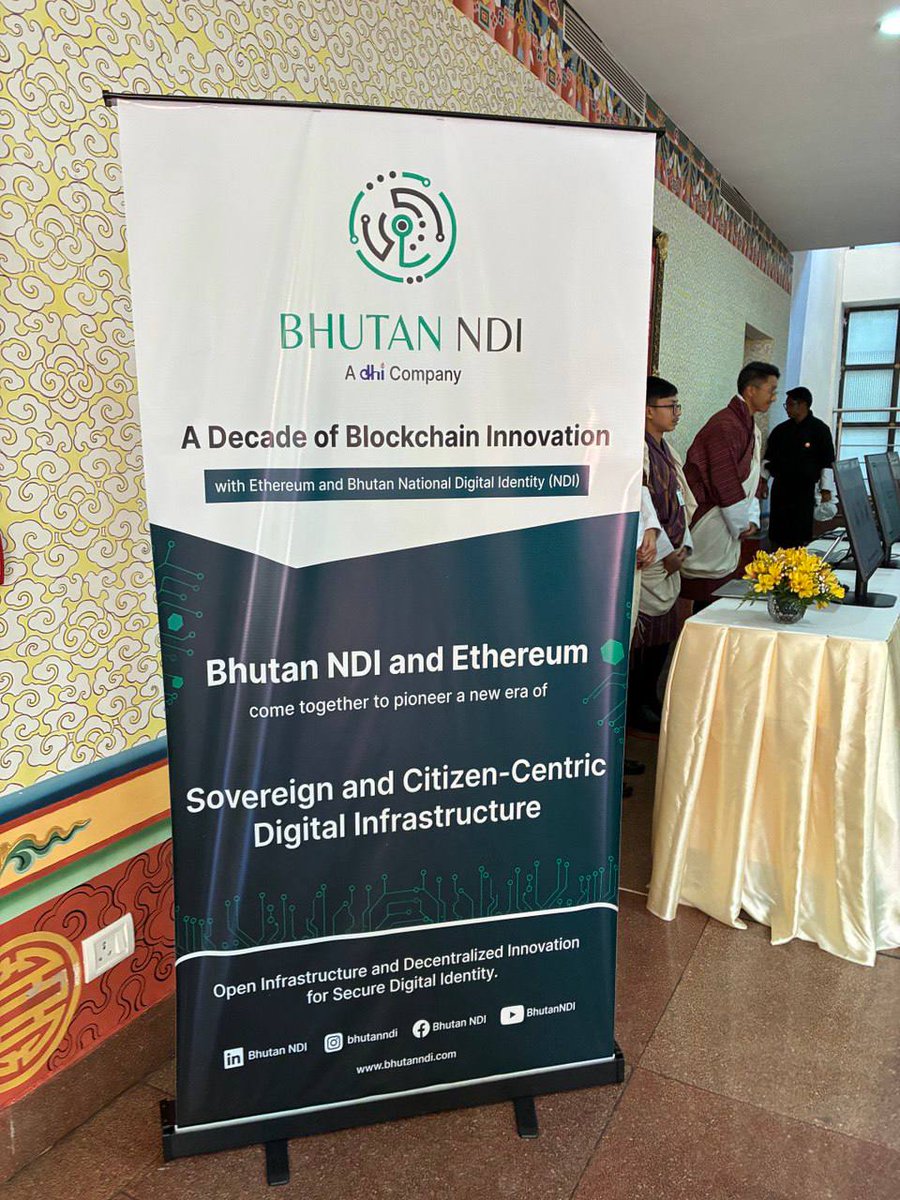
1/ Today, Bhutan celebrates a historic milestone, becoming the first nation to anchor its national digital identity system on Ethereum. 🇧🇹
@VitalikButerin and I were honored to join the launch ceremony on behalf of the Ethereum community, graced by His Royal Highness.



257
506
2,714
411,283
Farzan retweeted

9 Oct 2025
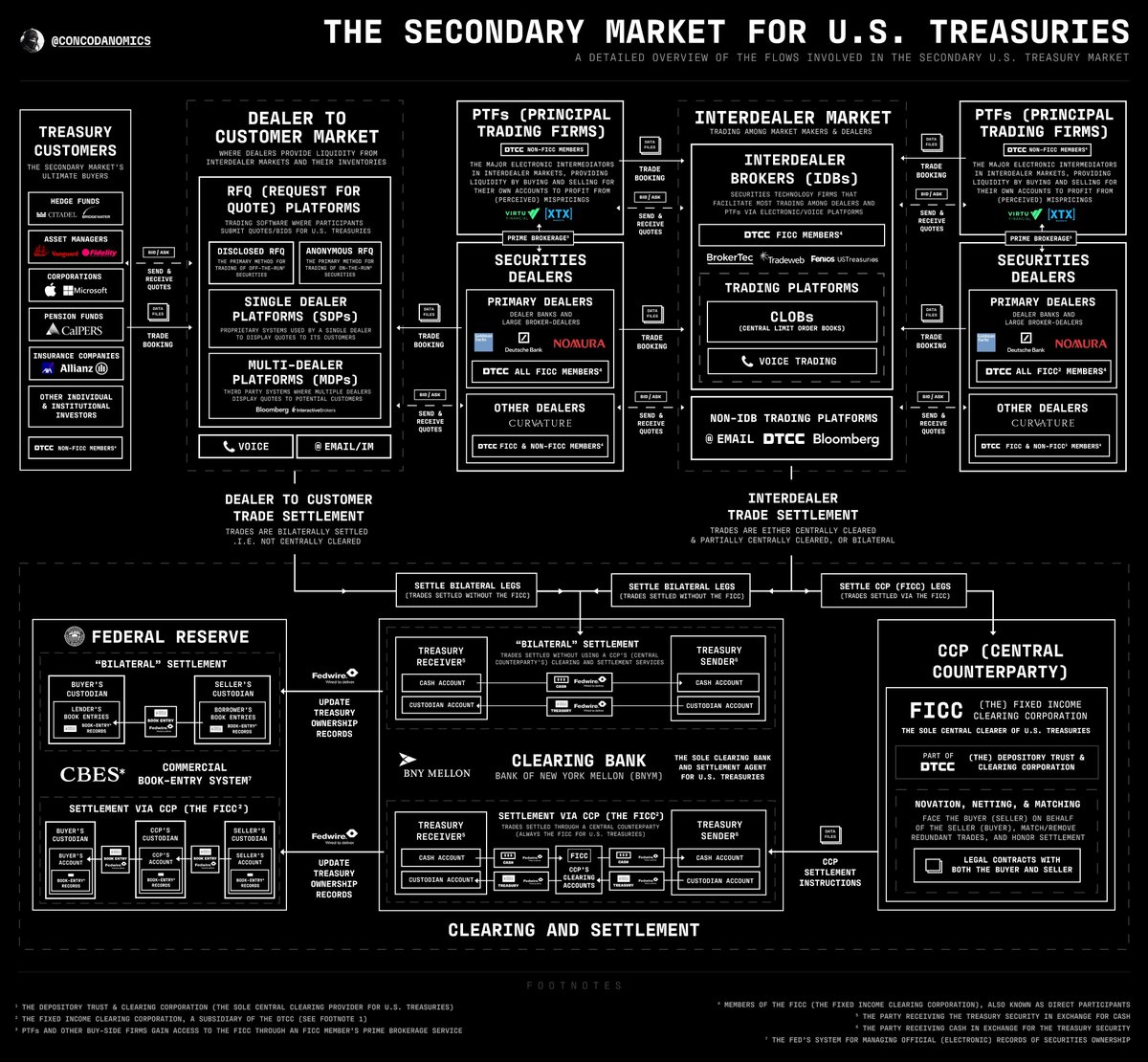
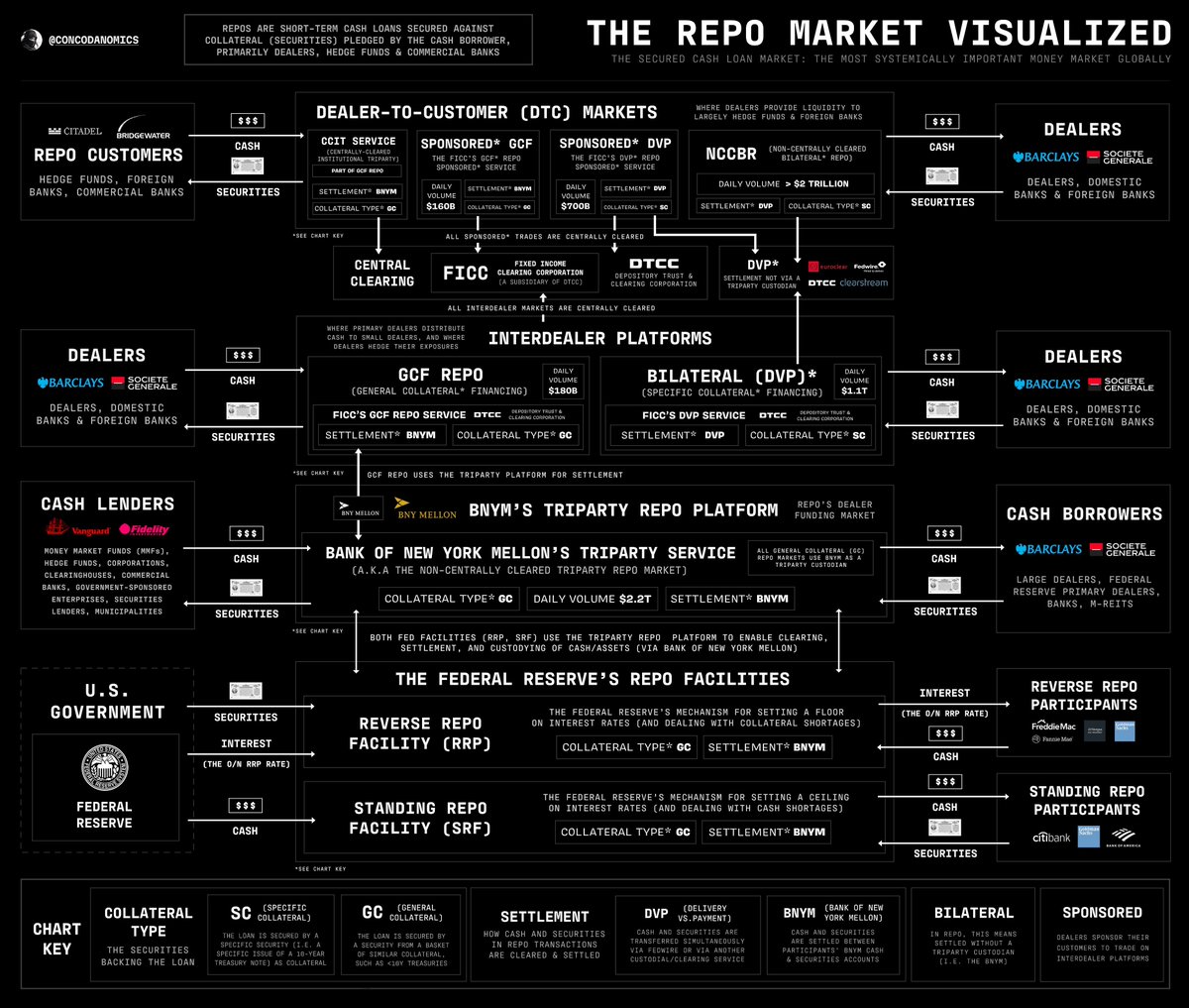
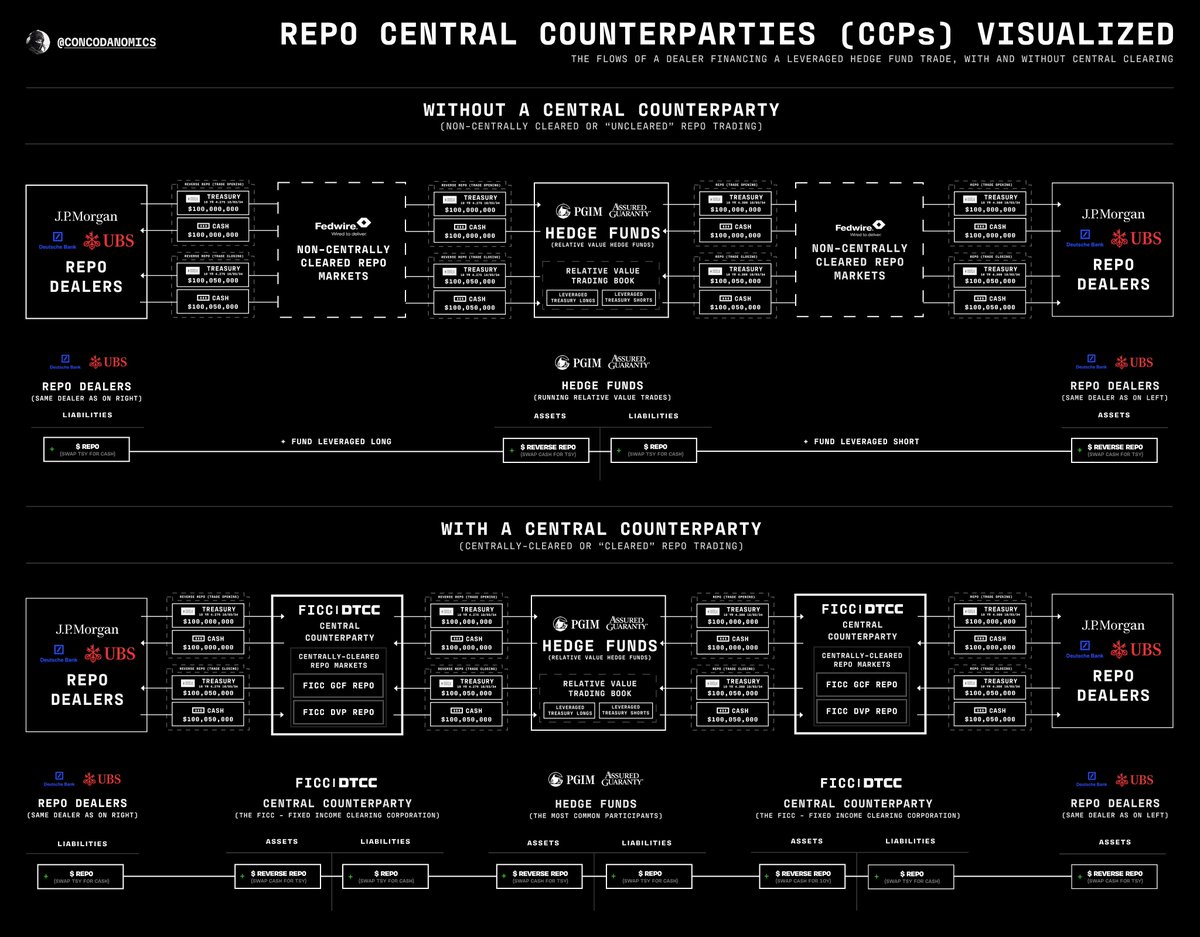
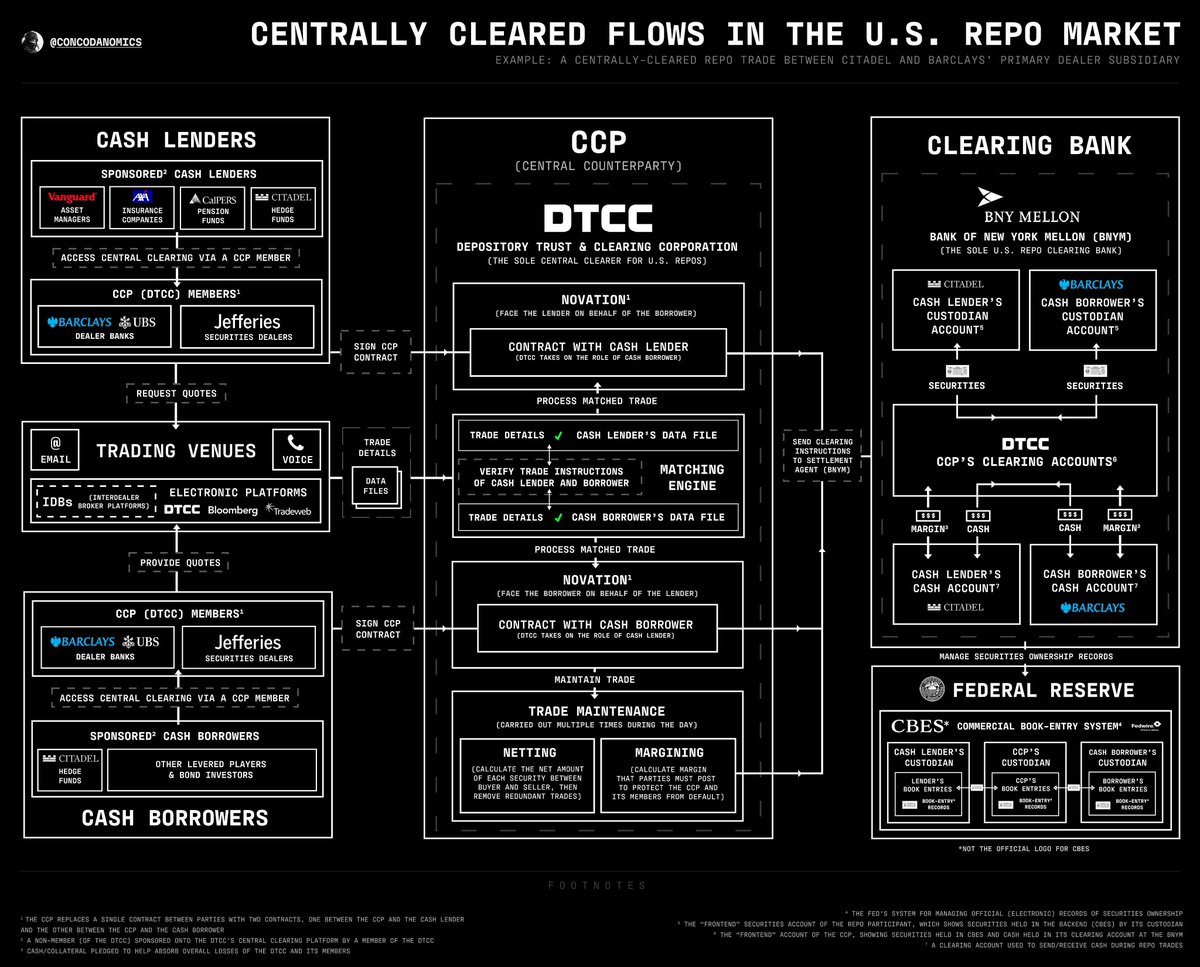
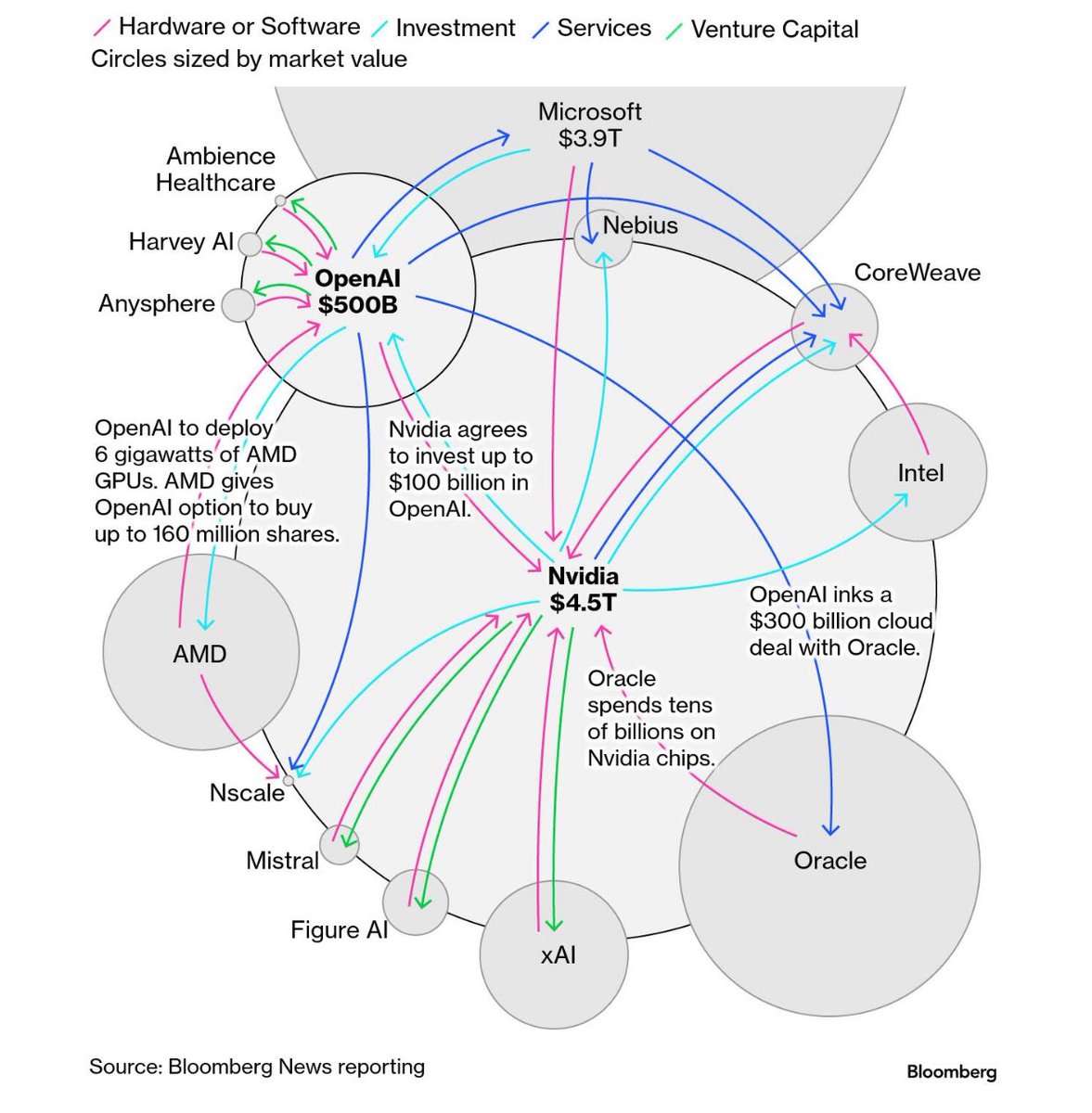
wait till you find out how the Dollar works

160
1,783
16,506
1,518,661
Farzan retweeted

8 Oct 2025
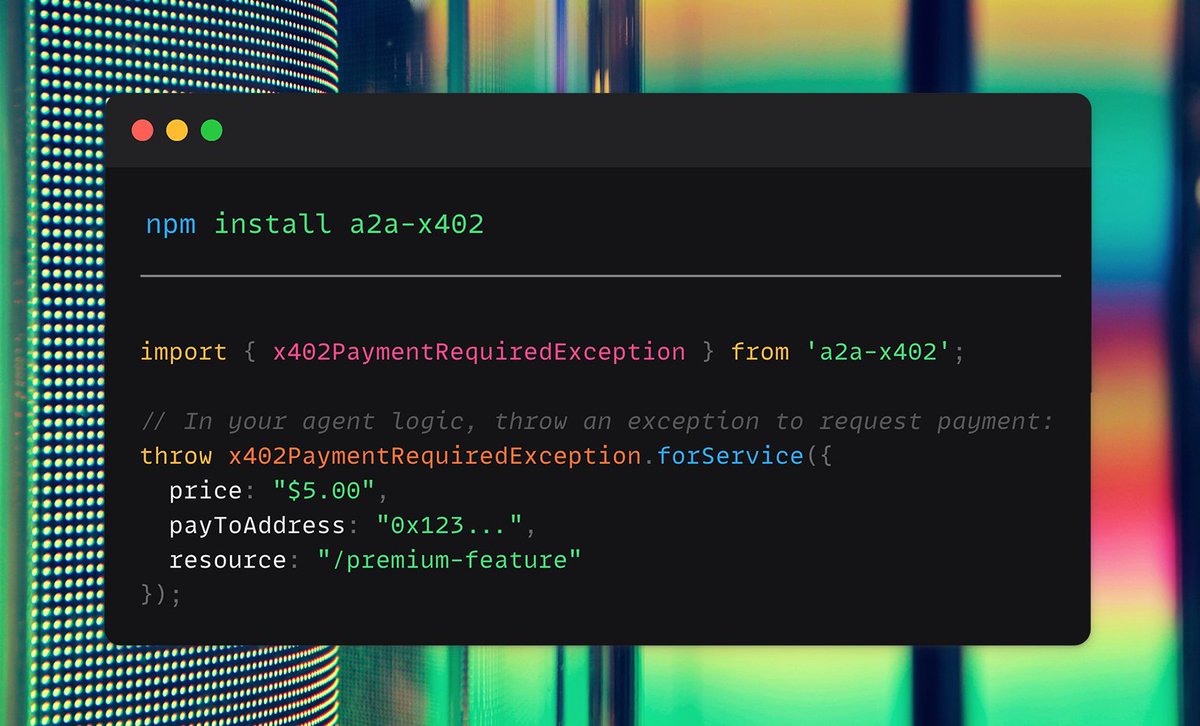
Introducing A2A x402 (TypeScript)
npm install a2a-x402
This library is a port of the Python implementation of @google Agentic Commerce's a2a-x402 library.
Enable AI agents to request, verify, and settle crypto payments through exception-based payment flows. Request payments with just a few lines of code.
This project is built out with:
1. A TypeScript implementation of the library
2. Merchant agent example using ADK TypeScript
3. Client agent example using ADK TypeScript
Example projects by default to work with @base Sepolia by setting just a couple of environment variables, and are configurable to work with any EVM network.
github.com/dabit3/a2a-x402-t…
57
43
479
54,868

ethereum is for privacy,
here are just 11 things you may not know exist today
1) confidential tokens (ERC-7984)
there’s a proposed wip token standard that hides balances and transfer amounts. same ERC-20 interface, but encrypted data instead of plain numbers.
AKA: you can send someone money without the whole internet knowing how much.
2) encrypted data standard (ERC-7995)
lets smart contracts process encrypted inputs (things like bids, votes, or secret values) and still verify them correctly.
AKA: imagine a calculator that can add two numbers without ever seeing them. it just knows the math checks out.
3) fheERC-20 fhEVM (Fully Homomorphic Encryption)
running contracts that compute entirely over ciphertext. even the contract itself never sees your data.
AKA: your data stays locked in a box, and the blockchain still does math on it.
4) stealth addresses (EIP-5564)
lets you receive funds privately through a one-time address that only you can link to your main wallet.
AKA: it’s like having a burner mailbox that automatically forwards to your real one, but no one can trace it.
5) private governance (MACI)
used in DAO and grant voting. you can vote anonymously, but everyone can still verify the count is fair.
AKA: like secret ballots but onchain and provably correct.
6) anonymous actions (Semaphore)
enables you to prove you’re part of a group and signal or vote without revealing who you are.
AKA: you raise your hand in a crowd and everyone sees a hand, nobody knows it was yours.
7) selective disclosure (zk)
zk-badges let you prove something about yourself (like “I donated to X” or “I’m over 18”) without revealing your wallet or identity.
AKA: show the bouncer you’re old enough without showing your whole ID.
8) private layer-2s
Many of the best researchers in crypto are building full rollups where smart contracts run on encrypted state. you can do DeFi privately and share viewing keys if needed.
AKA: scalable versions of a scaled ethereum where only you (or people you choose) can see what you’re doing.
9) private orderflow
routes your swaps privately so bots can’t sandwich you. your transaction is encrypted until it’s safely in the block.
AKA: like whispering your trade to the cashier instead of shouting it in a busy market.
10) compliant privacy (eg privacy pools)
lets users prove their funds didn’t come from bad actors without revealing who they are.
AKA: you show that your money is clean without showing where it came from.
11) web2 proof bridges (zkTLS TLSNotary)
you can now prove something from a website (like income or identity) directly to a smart contract, without exposing your personal data.
AKA: prove “I am not a twitter user with 500 followers” without showing your account.
94
109
836
69,828
Farzan retweeted

3 Oct 2025
I get an app idea.
I start building it because I find it useful.
I see other alternatives on the internet.
I get demotivated and stop working on it.
Never release it.
Repeat with other app ideas.
How can I overcome this crap?
1,305
247
5,461
453,995

Do yourself a favor
- contribute on GitHub
- read great protocols
- ignore linkedin
- go to hackathons
- tweet
- ignore degrees
- deploy something real
- join audit contests
- learn foundry
- learn in public
- go to small events
- join a startup
15
30
313
7,952