Joined March 2021
- Tweets 61
- Following 33
- Followers 136
- Likes 142
7 Photos and videos
Pinned Tweet

9 Jun 2021
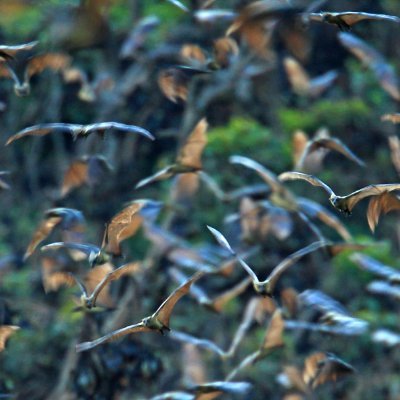
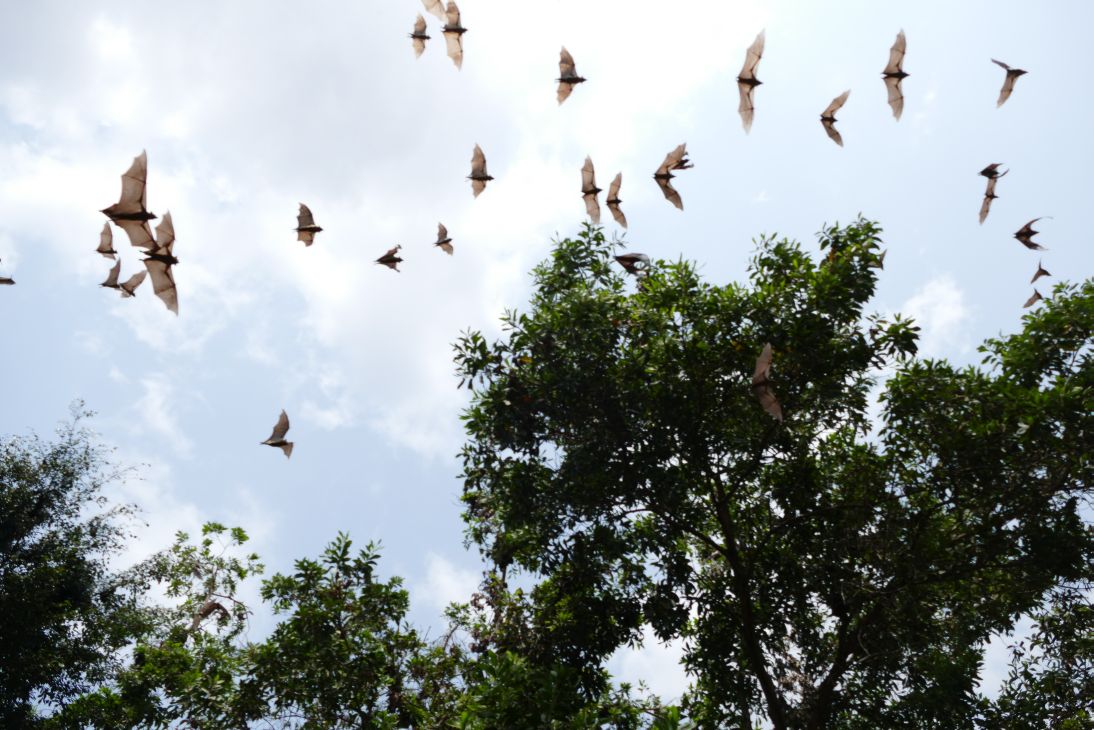
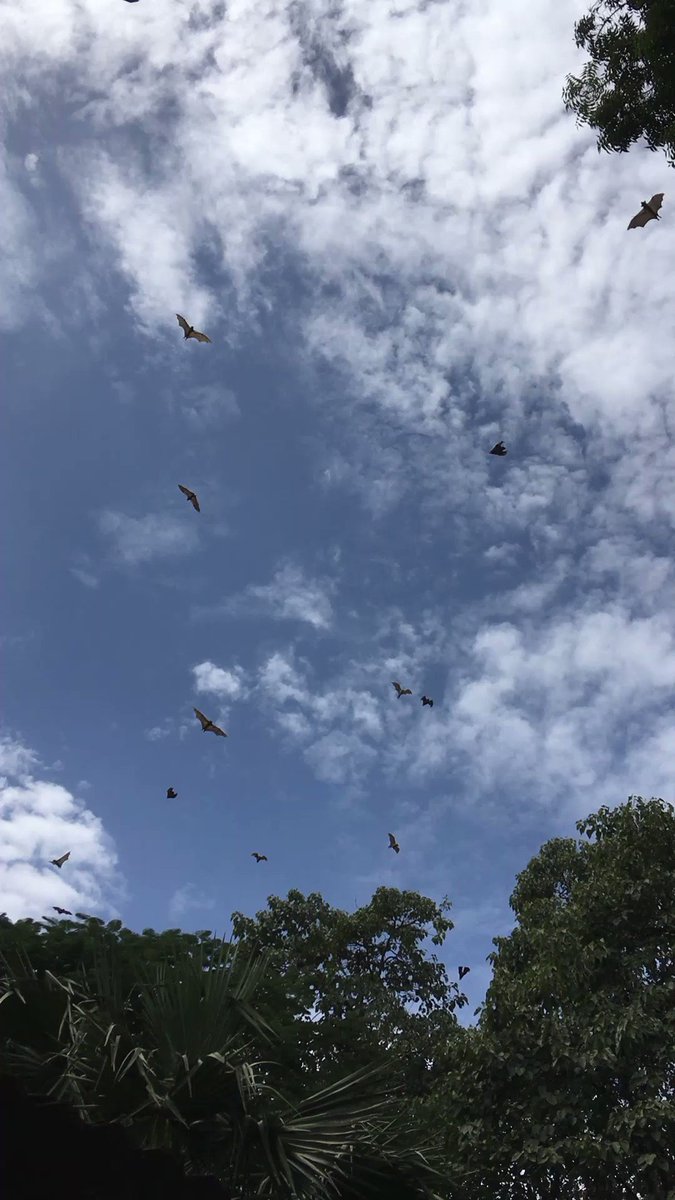
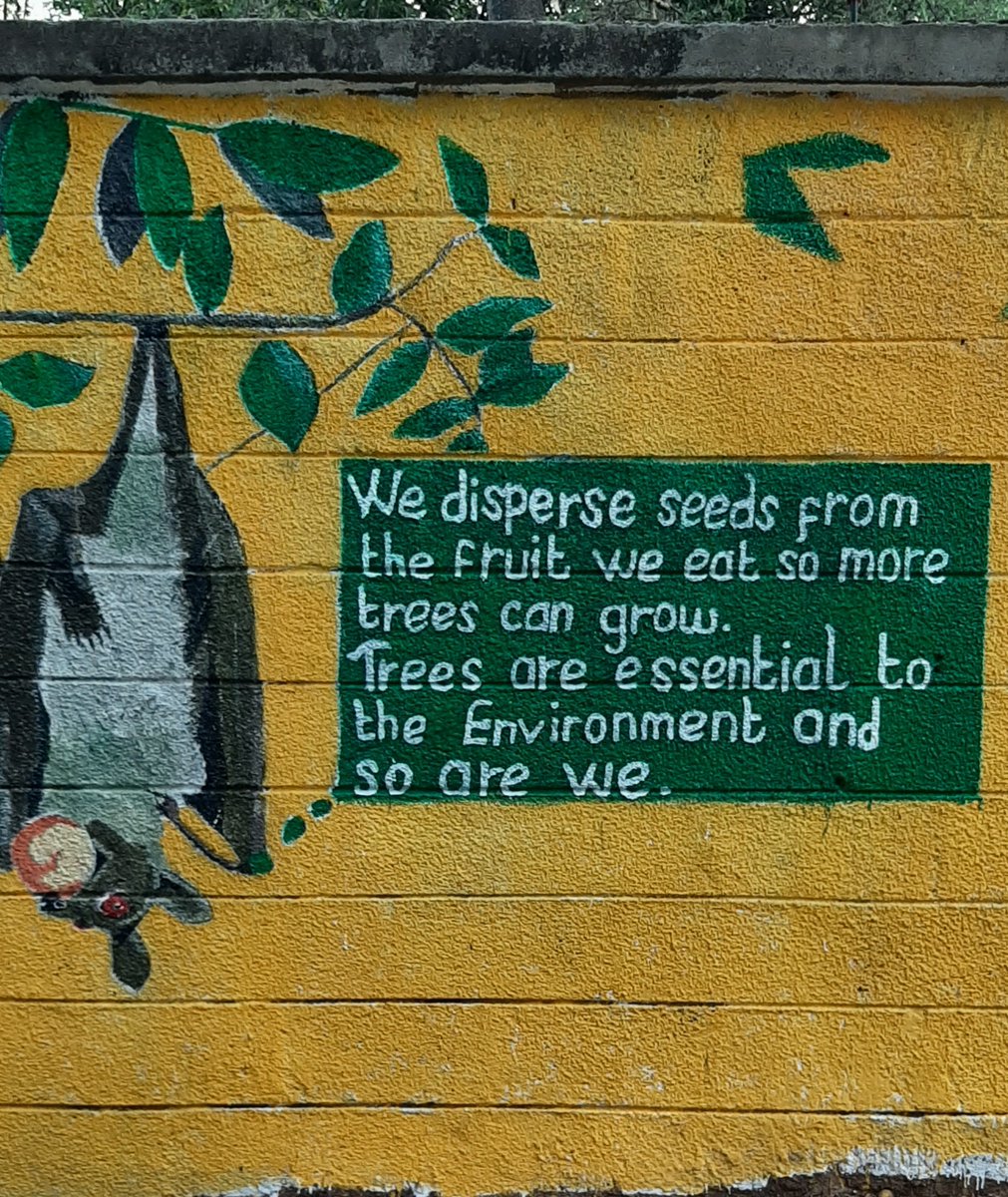
And we are live! We have a new webpage where you can find out more about how and why we are studying straw colored fruit bats. Please share and check it out eidolonmonitoring.com
2
11
17 Nov 2023
There is to date not a single documented case of virus transmission from #Eidolon - but sadly we witness ongoing roost destruction (not only but often) due to fear
17 Nov 2023

Straw-coloured fruit bats are the most abundant African bats. As a new study shows, there is no evidence for widespread transmission of viruses by this fascinating animals. mpg.de/21135641/1116-ornr-no… #virology #zoonoses @MPI_animalbehav

ALT Straw-coloured fruit bats are the most abundant African bat.
1
79
17 Nov 2023
It was a team effort @ReederLab @SJPuechmaille @dechmannlab @SchaerJuliane @MNagyBat @WMarkotter, and the message that evidence for bats as reservoir hosts is lacking in Africa is crucial for bat conservation @JulesAtagana @ngambaisland @AVijiji @imakando3
16 Nov 2023

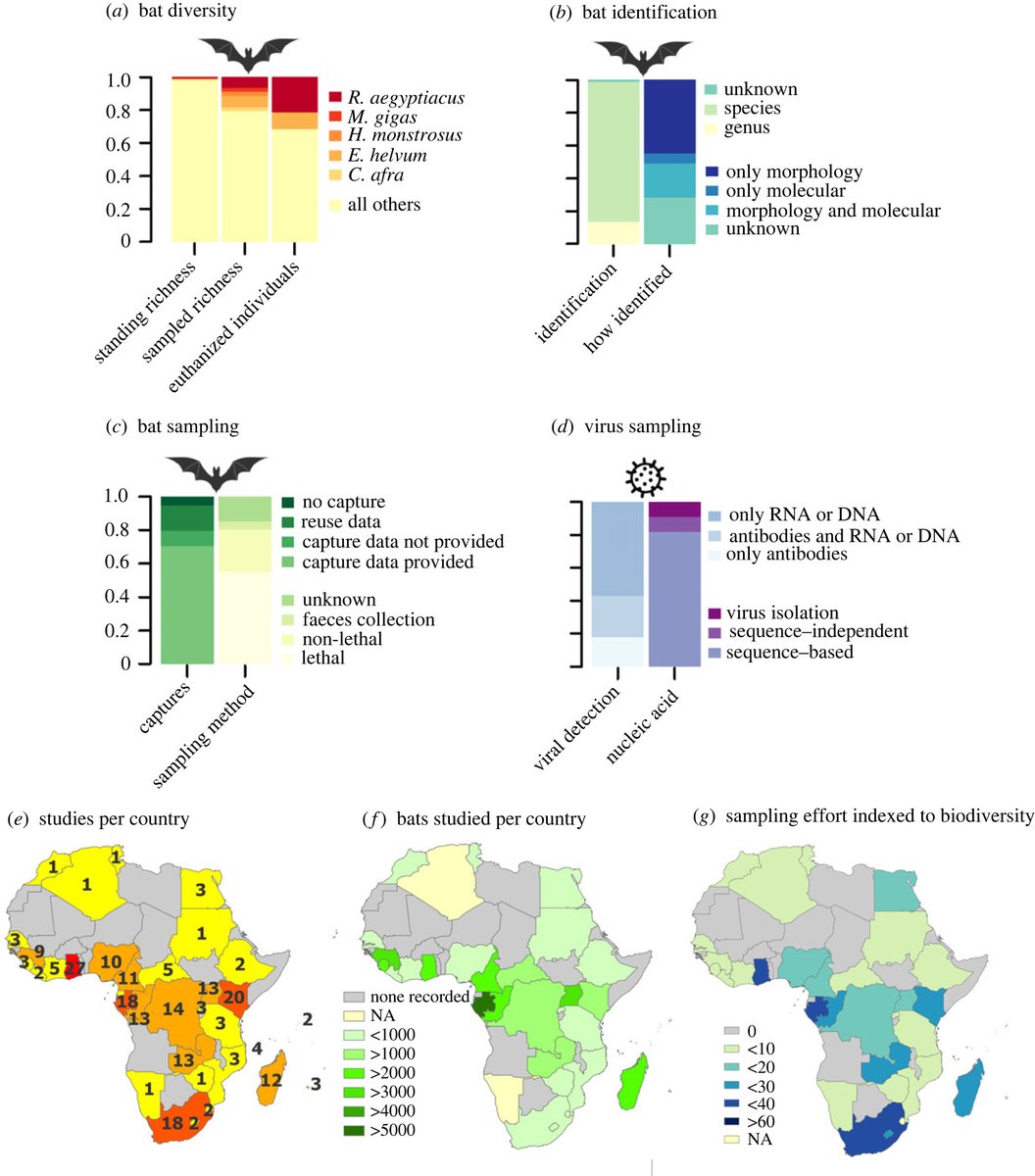
A new #BiologyLetters systematic review shows that robust evidence for bats as reservoir hosts is lacking in most African virus studies. It calls to optimise sampling and conserve bats. Read it in full here - ow.ly/YEQH50Q81RG #epidemiology #Chiroptera #virus
2
1
403
16 Nov 2023
Though being silent for so long (sorry!!!), the network continues to monitor and protect #Eidolon, and we have a lot to do... and that's why this paper is important - we're so excited and happy it's out now 🦇🦇
15 Nov 2023

big day for me, this paper is hugely important. please share : using #Africa as an example we reviewed #bat #virus research and the result is baffling. This is a call to plan bat virus research and present results carefully! doi.org/10.1098/rsbl.2023.03… @MPI_animalbehav @ReederLab
1
2
240
8 Sep 2022
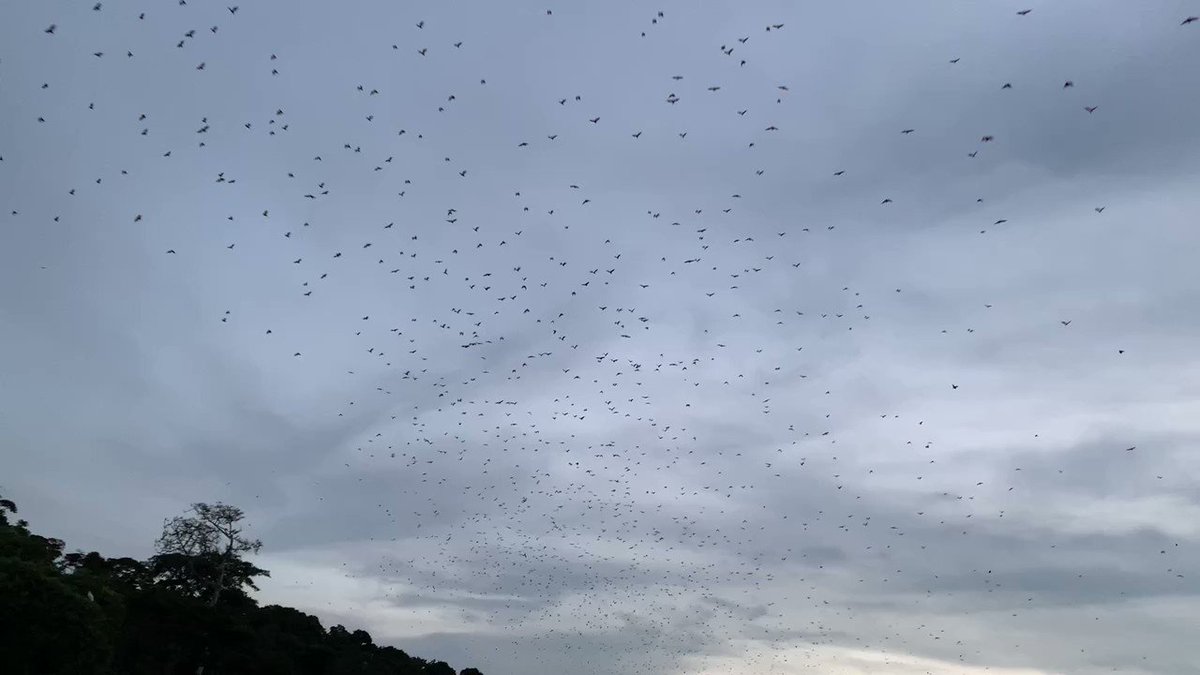
The #Eidolon numbers @ngambaisland are at their annual peak - what a beautiful emergence scene, thanks @JosephMasereka for sharing the video 🦇
4
20
Eidolon Monitoring Network retweeted

11 Aug 2022
Urgent campaign to help mitigate human-bat conflict before Eidolon migrate to #Zambia in Oct. Can you help - with donation and/or share widely with your network? @helenfromz @GlobalBatNet @eidolonnetwork @DinaDechmann @teague_o @jonrflanders @BattyLisa @KirstyJPark @OrlyRazgour
11 Aug 2022

Calling all #batnerds @ibrc2022 we have a challenge for you! Can you help us raise urgent funding for focus group and household surveys to inform outreach to foster co-existence between one of #Africa's most iconic bat species and people by September! donate.giveasyoulive.com/cam…
7
10
Eidolon Monitoring Network retweeted

4 Aug 2022
Finally actually officially out: @EdwardHurme 's paper on how #Eidolon migrate across Africa with @teague_o @ericBakwo @IroroTanshi @martinwikelski, Heidi Richter, Natalie Weber, Jakob Fahr, Tom Hash and me dx.doi.org/10.1111/1365-2435… @animaltracking @MPI_animalbehav
2
15
29
8 Aug 2022
How cool - fun and learning about #Eidolon and #SaveAtewaForest at the same time! @RwandaWildlife @AVijiji @JulesAtagana @e88lavalie @ngambaisland
27 Jul 2022

can’t wait to play it! hint : there’s #Eidolon! #fruitbats #strawcolouredfruitbat #seeddispersal #EcosystemRestoration @MPI_animalbehav @dechmannlab @eidolonnetwork
25 Jul 2022
How frustrating - all fingers crossed!
21 Jul 2022
Lake Agro Industries feel like the law doesn‘t apply to them - cross your fingers for the @TheKasankaTrust people being able to stop them znbc.co.zm/news/kasanka-trus… @eidolonnetwork @EdwardHurme @bats_w_borders @teague_o #zambia #eidolon #bats
1
17 Jul 2022
Yes we're here :-)
9 Jul 2022

10k actually NGOs/groups doing the lord's work for bats!
@MerlinsBats @smaconbats @BatConIntl @_BCT_ @BatConservancy @GlobalBatNet @bats_w_borders @bat1kgenomes @eidolonnetwork @PacBatNet @batconafrica @BatSulawesi @KentBatGroup @globalsouthbats @NZBCT @batworld
3
28 Jun 2022
😃awesome! I look forward to the results and Glenys' 🦇🦇 updates in Sept
27 Jun 2022
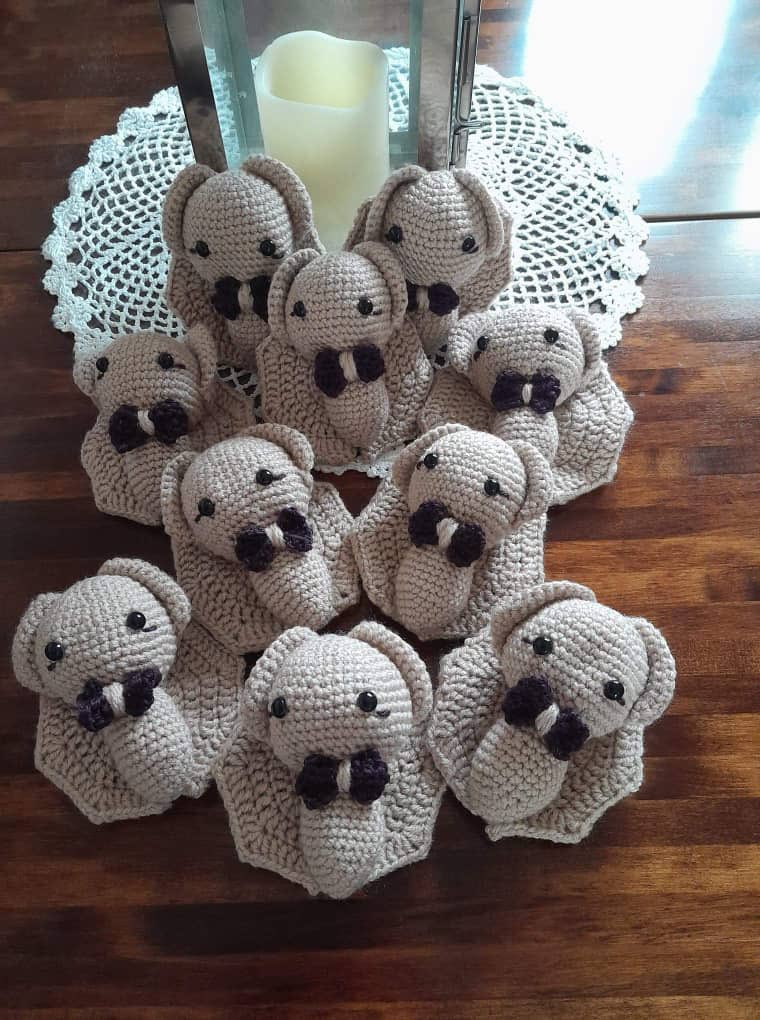
Glenys, the guardian angel of the #eidolon colony in Ndola, Zambia is already preparing for the return of her bats. She‘ll do a painting competition in schools around the colony and the winners get a…#bat of course. Go Glenys! @eidolonnetwork @EdwardHurme @bats_w_borders
1
2
28 Jun 2022
Thanks Josephine and @AVijiji for spreading the message!
26 Jun 2022
#AfriPopo2022 Day 2 kicks off with #JosephineAmbaisi presenting her research on #Eidolonhelvum #Conservation through Enhanced #CitizenScience in Schools in Vihiga County, #Kenya #CommunityEngagement #ConservationActionPlans

2
13 Jun 2022
Very cool! We're always looking forward to updates from @RwandaWildlife and hope that observing the 🦇🦇is fun😊
12 Jun 2022

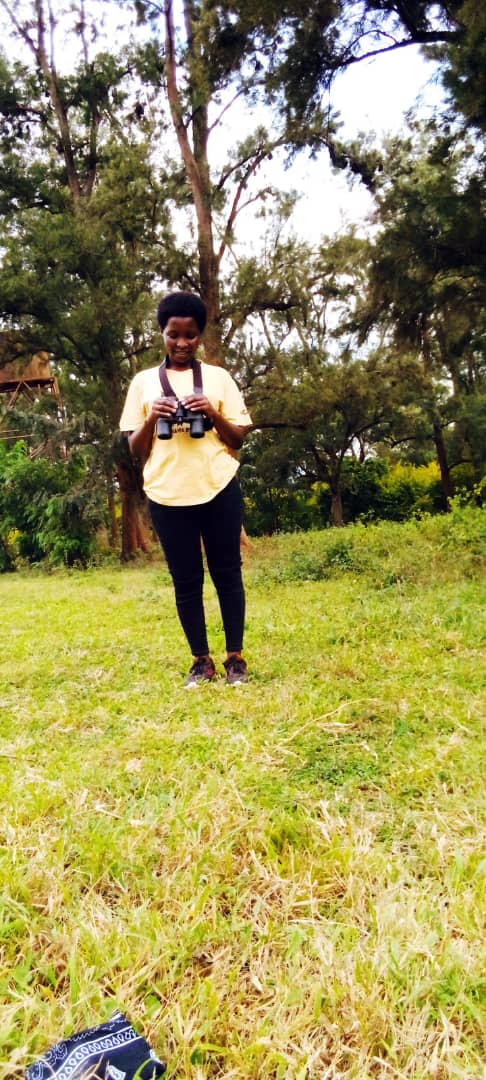
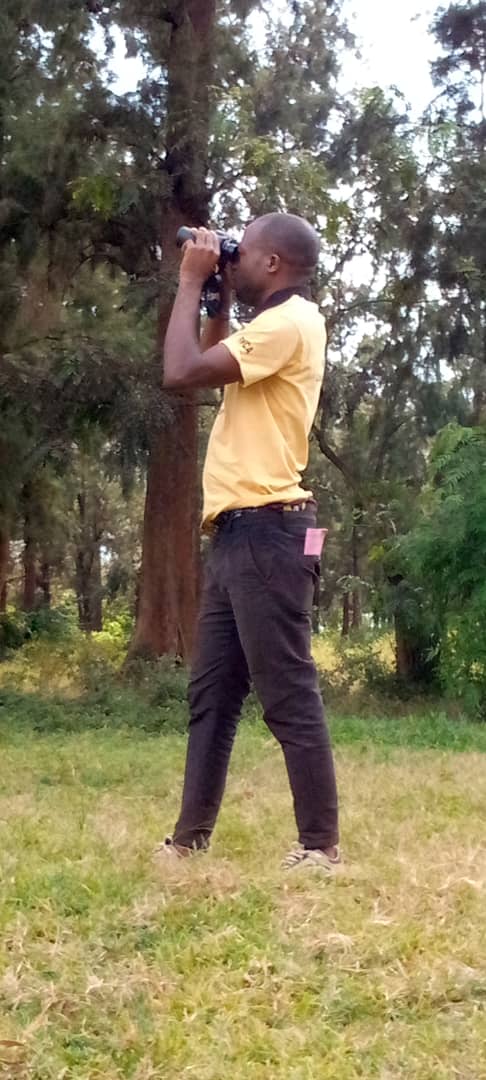
Bat Champions, Eidolon monitoring volunteers trained by @RwandaWildlife, trying out their new binoculars thanks to a grant from @CBehav @UniKonstanz @eidolonnetwork
4
Eidolon Monitoring Network retweeted
2 Jun 2022
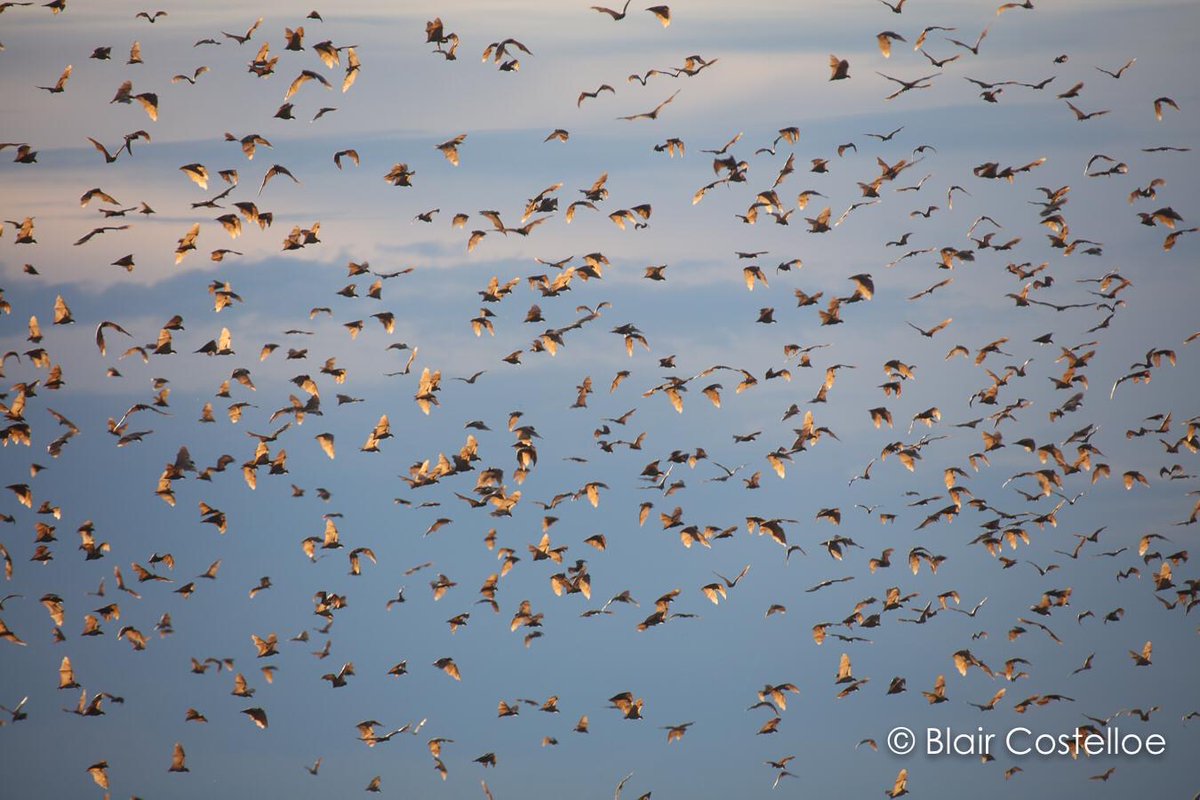
new paper out by @EdwardHurme, @martinwikelski, @teague_o, myself and many coauthors: fruit bats surf the green wave across Africa similar to migrating grazers. Check it out: doi.org/10.1111/1365-2435.14… (lovely image by @BlairRCostelloe) #Eidolon @eidolonmonitoring @animaltracking
27
68
Eidolon Monitoring Network retweeted

The Eidolon story, fresh from the source ♨️🦇 @dechmannlab @EdwardHurme @eidolonnetwork @CBehav
theconversation.com/fruit-ba… via @TC_Africa
1
4
12
23 May 2022
We're happy Juliet Jabaty is back with us to continue monitoring the 🦇🦇in Sierra Leone eidolonmonitoring.com/monito…, supported by another long-standing contact @e88lavalie - thanks for taking on this task for conservation!
2
Eidolon Monitoring Network retweeted

22 May 2022
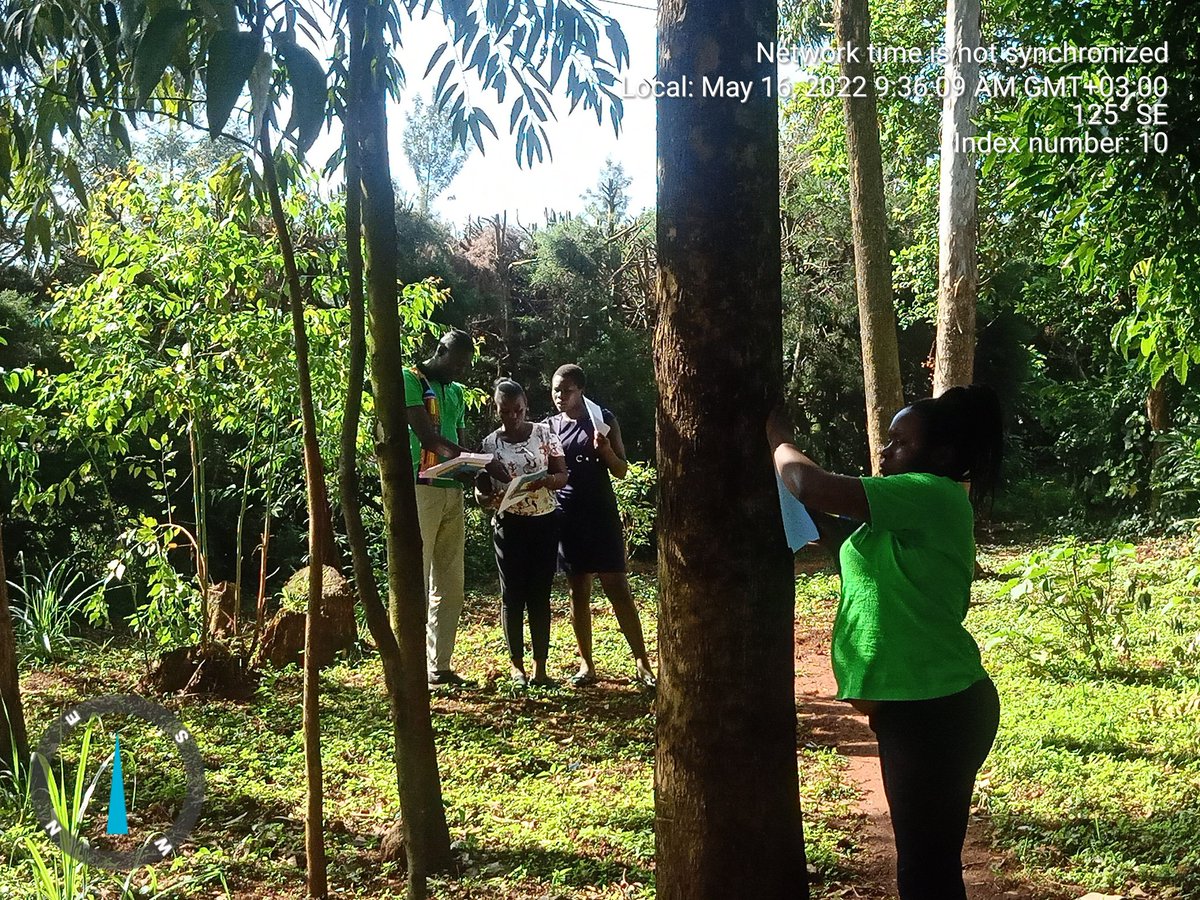
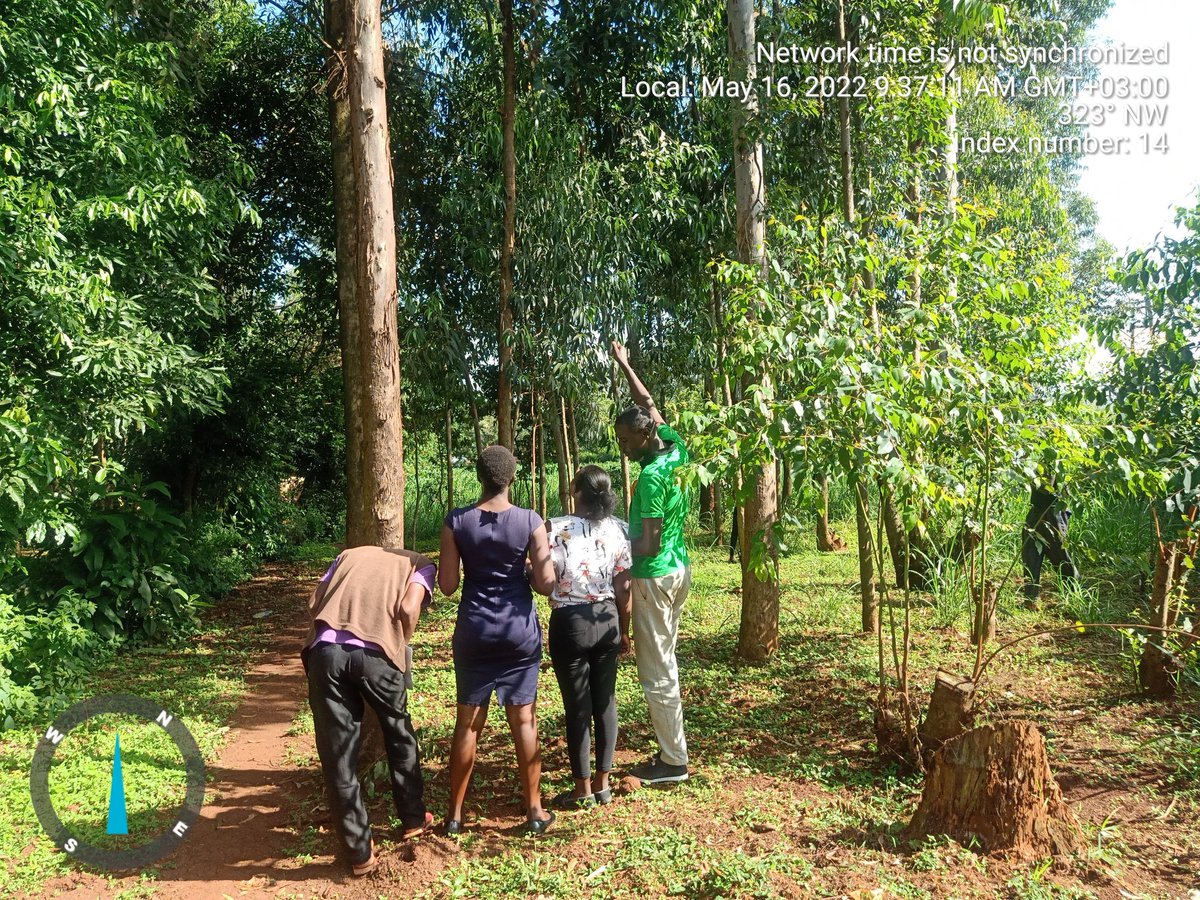
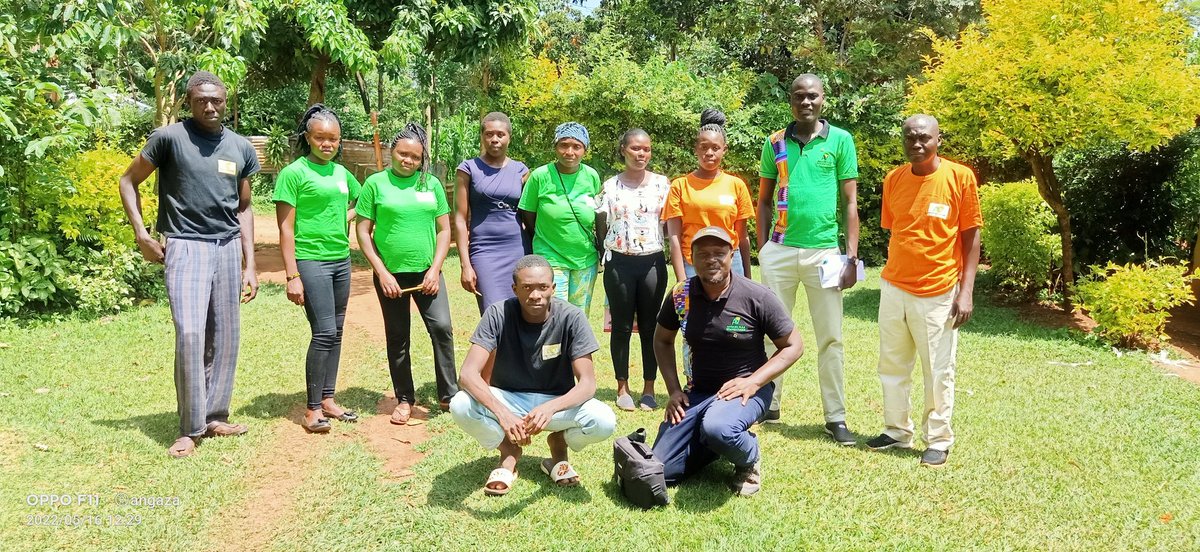
@eidolonnetwork mbale community scouts for eidolon monitoring
1
2
6
16 May 2022
You want to see a happy #Eidolon busy picking the right figs? instagram.com/reel/CV8lIZ-KL… Thanks for this video from Guinea-Bissau @Raulophis! @Elena_Tena_ @EdwardHurme @dechmannlab
1
2
5
2 May 2022
Yeah, great training!
25 Feb 2022

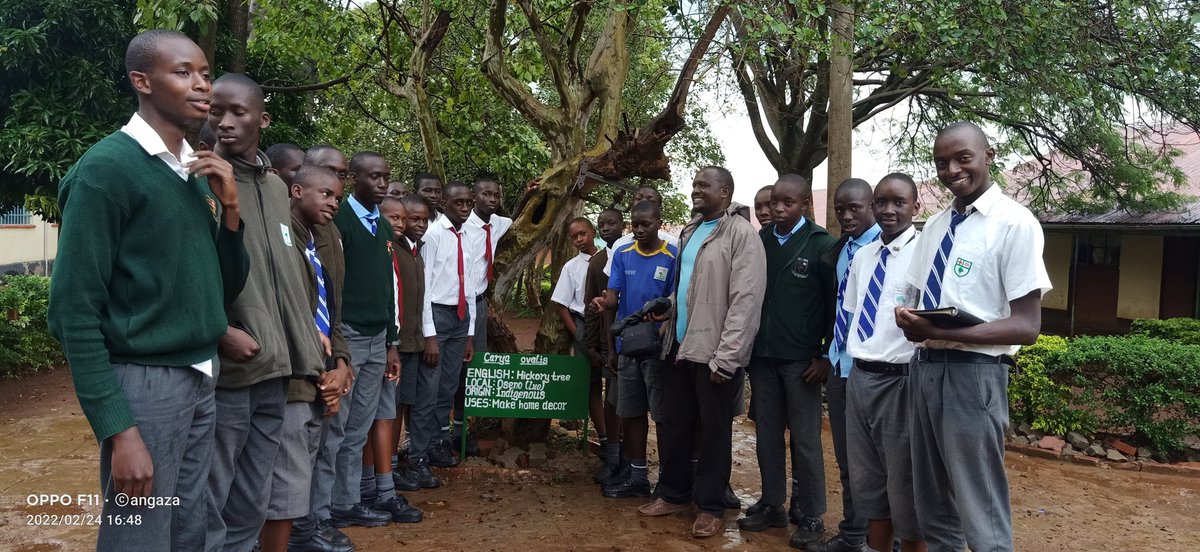
Maseno School bat club using the SEEK mobile application to identify and lebel trees in their compound. #nationalgeographicexplorer
2
Eidolon Monitoring Network retweeted

15 Mar 2022
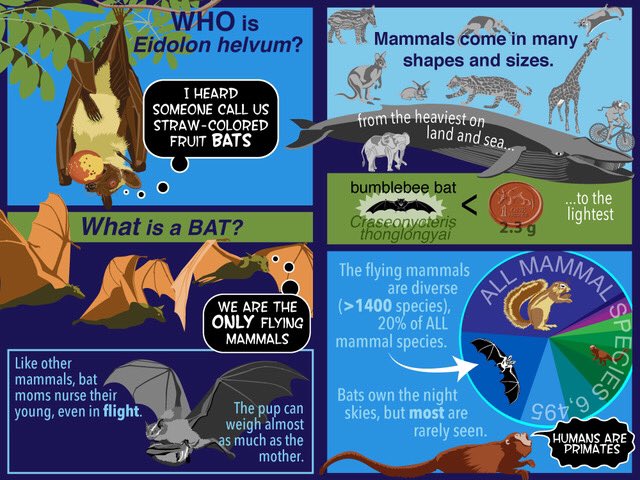
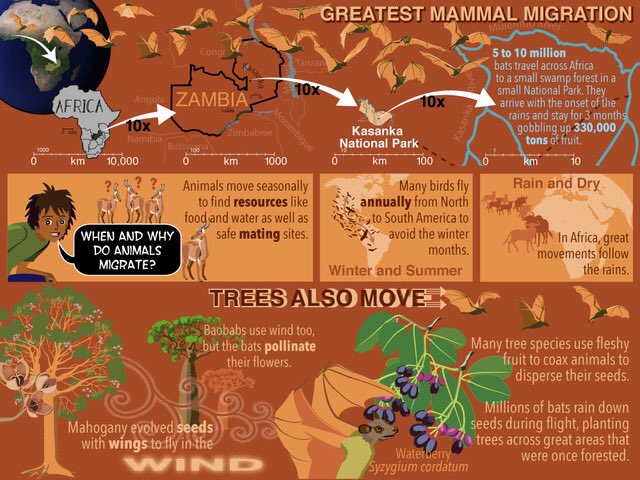
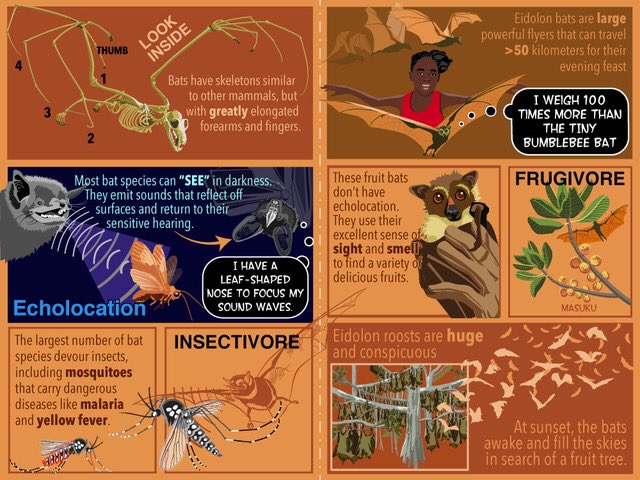
1/n This just made our day @eidolonnetwork: we received feedback from @Suyian4Science about our #Eidolon booklets we made mainly for Zambian schoolchildren, but also for #Kasanka National Park to sell to tourists. @TheKasankaTrust @RolandKays @MPI_animalbehav @animaltracking

2
8
18
Eidolon Monitoring Network retweeted
If you want to see an exemplar of how #scicomm can become a tool for win-win partnerships for science, conservation, and community, then look no further 👇🏽Hats off to the visionary crew @eidolonnetwork
15 Mar 2022
1/n This just made our day @eidolonnetwork: we received feedback from @Suyian4Science about our #Eidolon booklets we made mainly for Zambian schoolchildren, but also for #Kasanka National Park to sell to tourists. @TheKasankaTrust @RolandKays @MPI_animalbehav @animaltracking
1
7