An International Journal on Voting and Electoral Systems and Strategy
Joined December 2017
- Tweets 999
- Following 464
- Followers 4,766
- Likes 30
420 Photos and videos
Electoral Studies retweeted

May 26
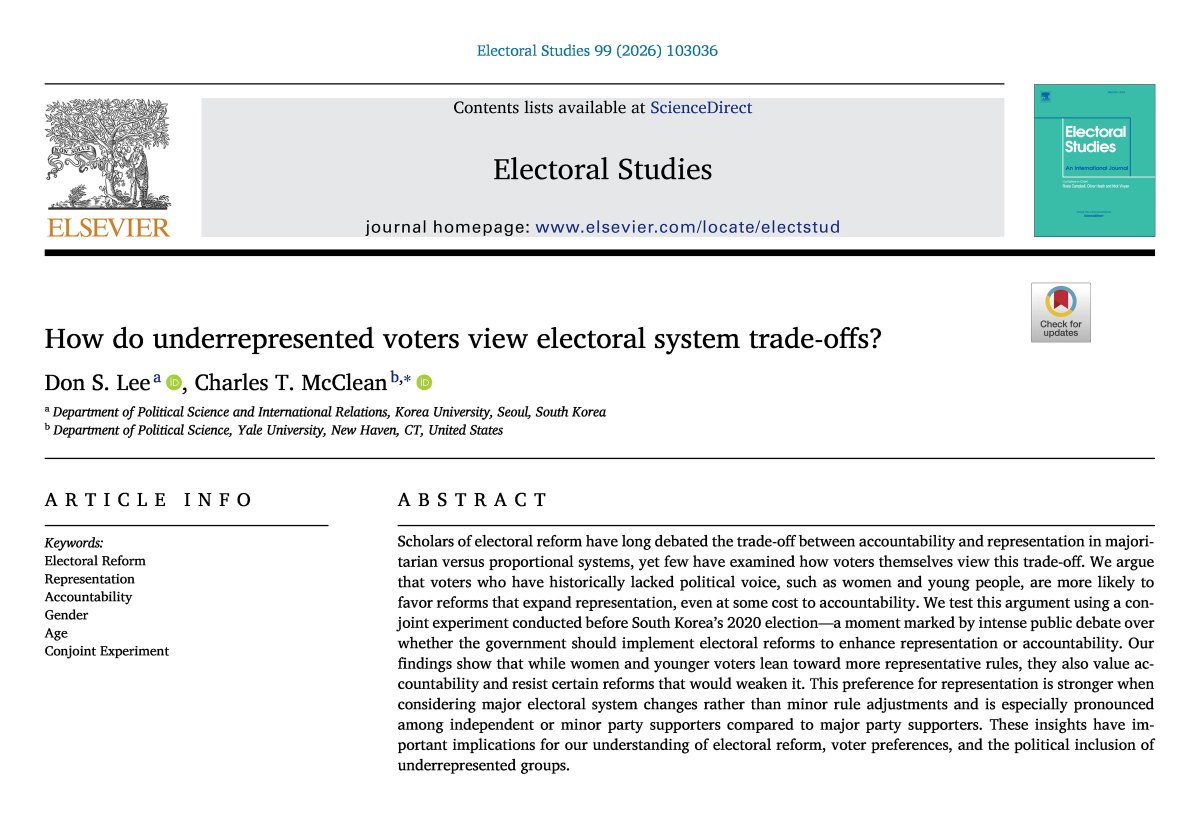
Excited to share my new article with Don Lee @ElectoralStdies
Using a conjoint experiment during an electoral reform debate in Korea, we show that women and young people favor reforms that strengthen representation—but not at any cost to accountability.
sciencedirect.com/science/ar…
1
16
55
3,533
Electoral Studies retweeted

May 12
My new co-authored article with the brilliant Sabri Ciftci is now out @ElectoralStdies . "Administrative Unit Proliferation in Parliamentary Systems: Evidence from Turkish Elections, 1960-2018" is available as Open Access. doi.org/10.1016/j.electstud.…
2
2
686
Electoral Studies retweeted

Apr 29
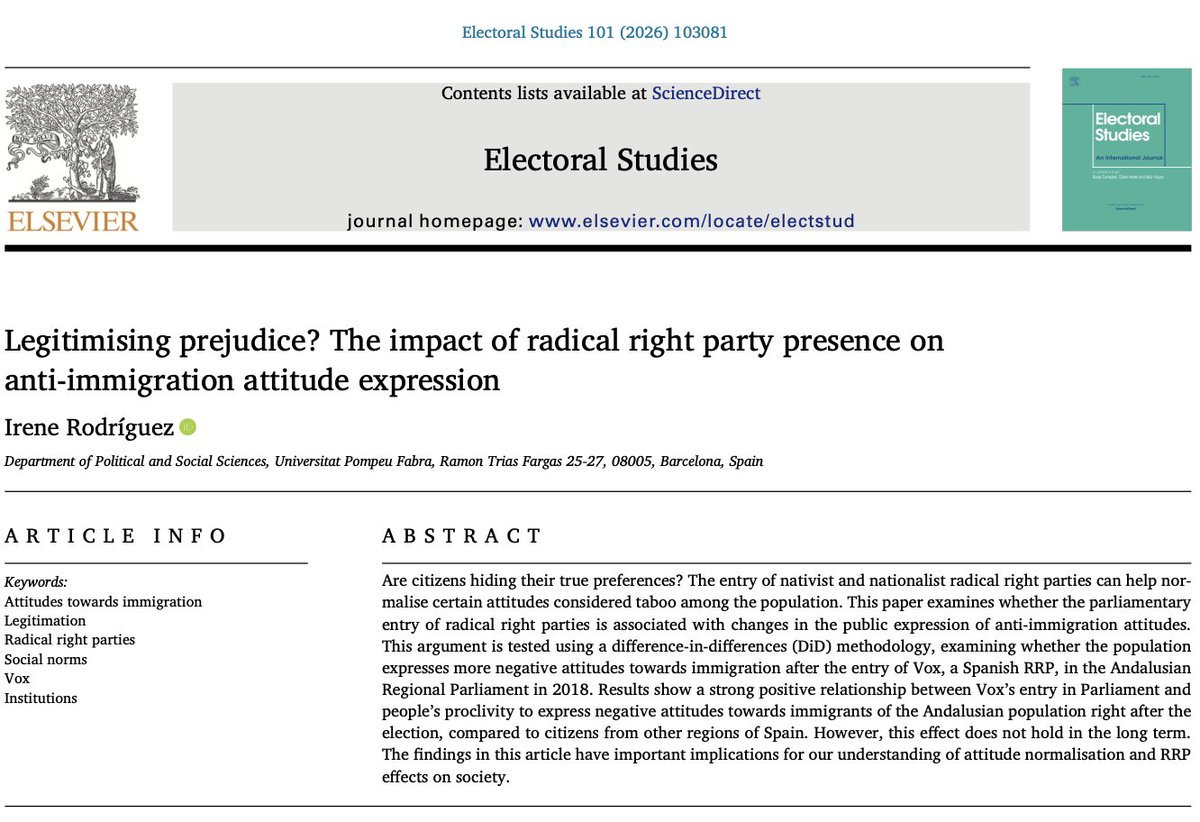
📢My first solo paper is now published Open Access in @ElectoralStdies !🎉
Through a DiD, it studies what happens to expressed immigration concern after a radical right party achieves its first major institutional breakthrough 🧵 Read it here 👉sciencedirect.com/science/ar…
1
17
60
3,137
Electoral Studies retweeted

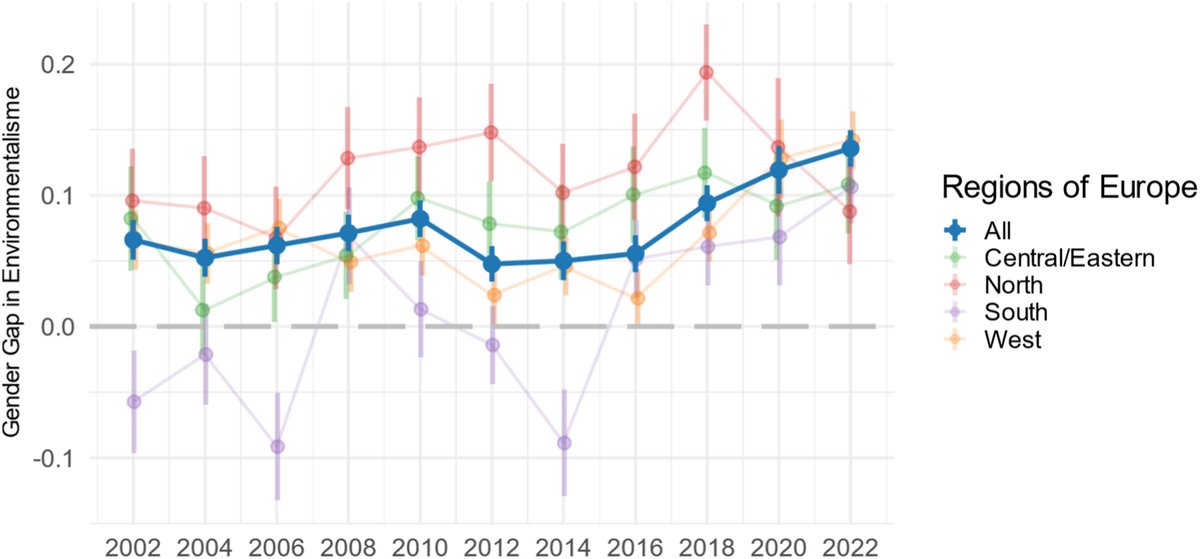
New analysis published by @ElectoralStdies focuses on gender differences in attitudes to the environment.
Ingvild Zinober (@EUI_EU 🇮🇹) examined data from our survey (2002-24) to establish that 'women consistently express greater concern... than men'.
buff.ly/1fveVIO
1
7
710
Electoral Studies retweeted

Apr 2
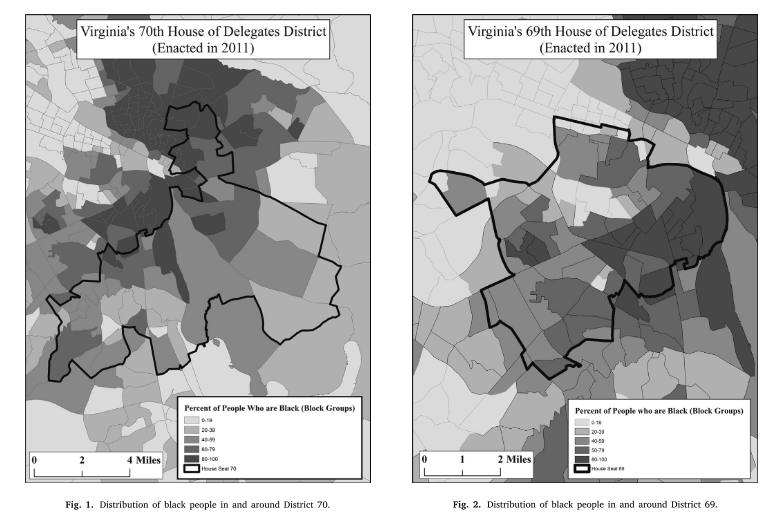
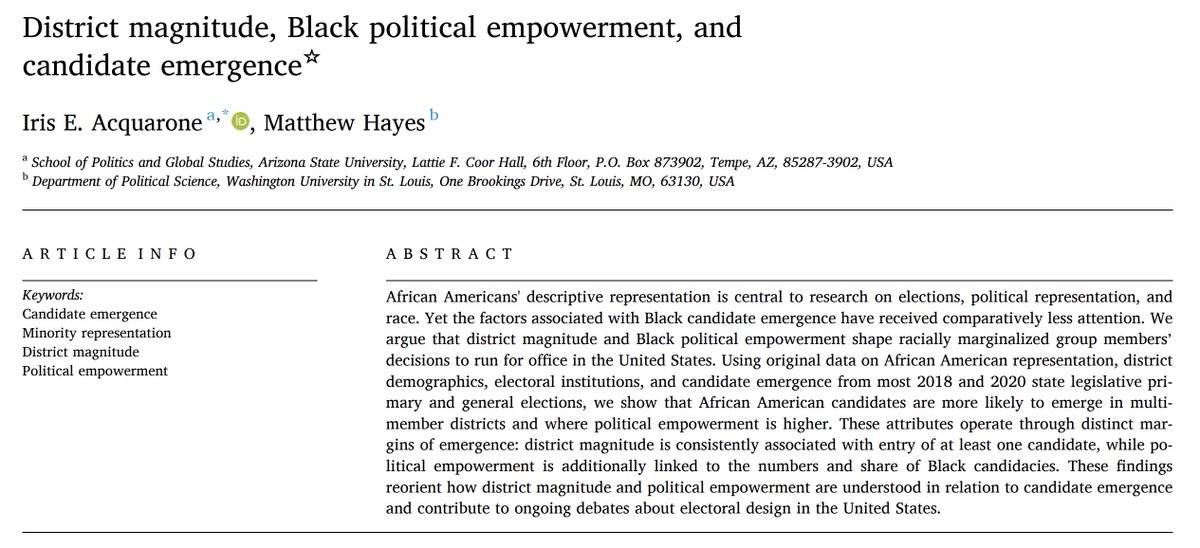
We often ask who wins elections. But who decides to run? New @ElectoralStdies w/Hayes: Multi-member districts ⬆️ Black candidate emergence—and political empowerment matters. We revisit assumptions about US electoral design and show who enters the pipeline—not just who wins.
2
7
30
2,823
Electoral Studies retweeted

11 Dec 2025
🚨New article🎉
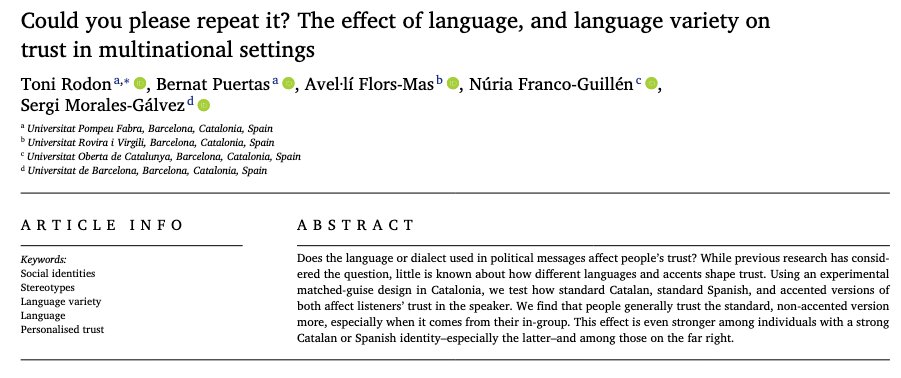
➡️Could you please repeat it? The effect of language, and language variety on trust in multinational settings, published at @ElectoralStdies sciencedirect.com/science/ar… co-authored with @bernat_puertas @aflorsmas @nufranco @sergimorales (1/n)
1
11
26
2,425
Electoral Studies retweeted

11 Dec 2025
🚨 New article 🎉
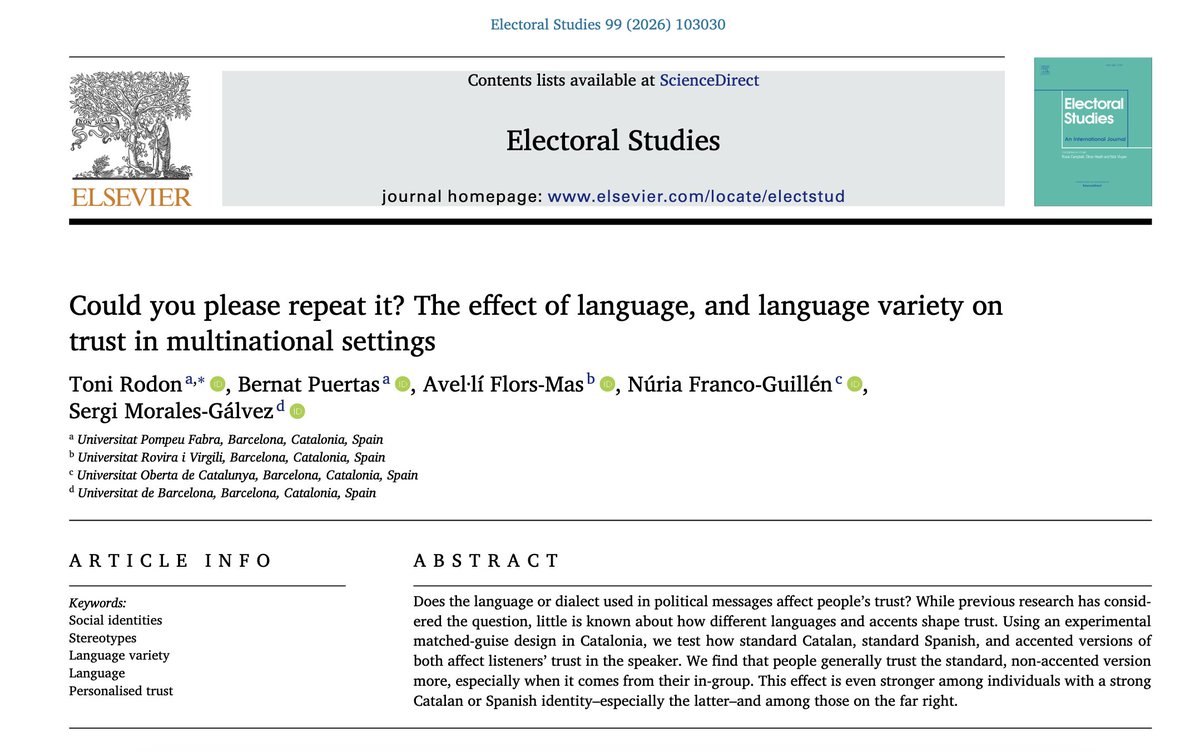
Could you please repeat it? The effect of language, and language variety on trust in multinational settings
@ElectoralStdies sciencedirect.com/science/ar… @PolitiquesUPF
Co-authored with @tonirodon @aflorsmas @nufranco @sergimorales 🧵👇
1
3
6
680
Electoral Studies retweeted

6 Dec 2025
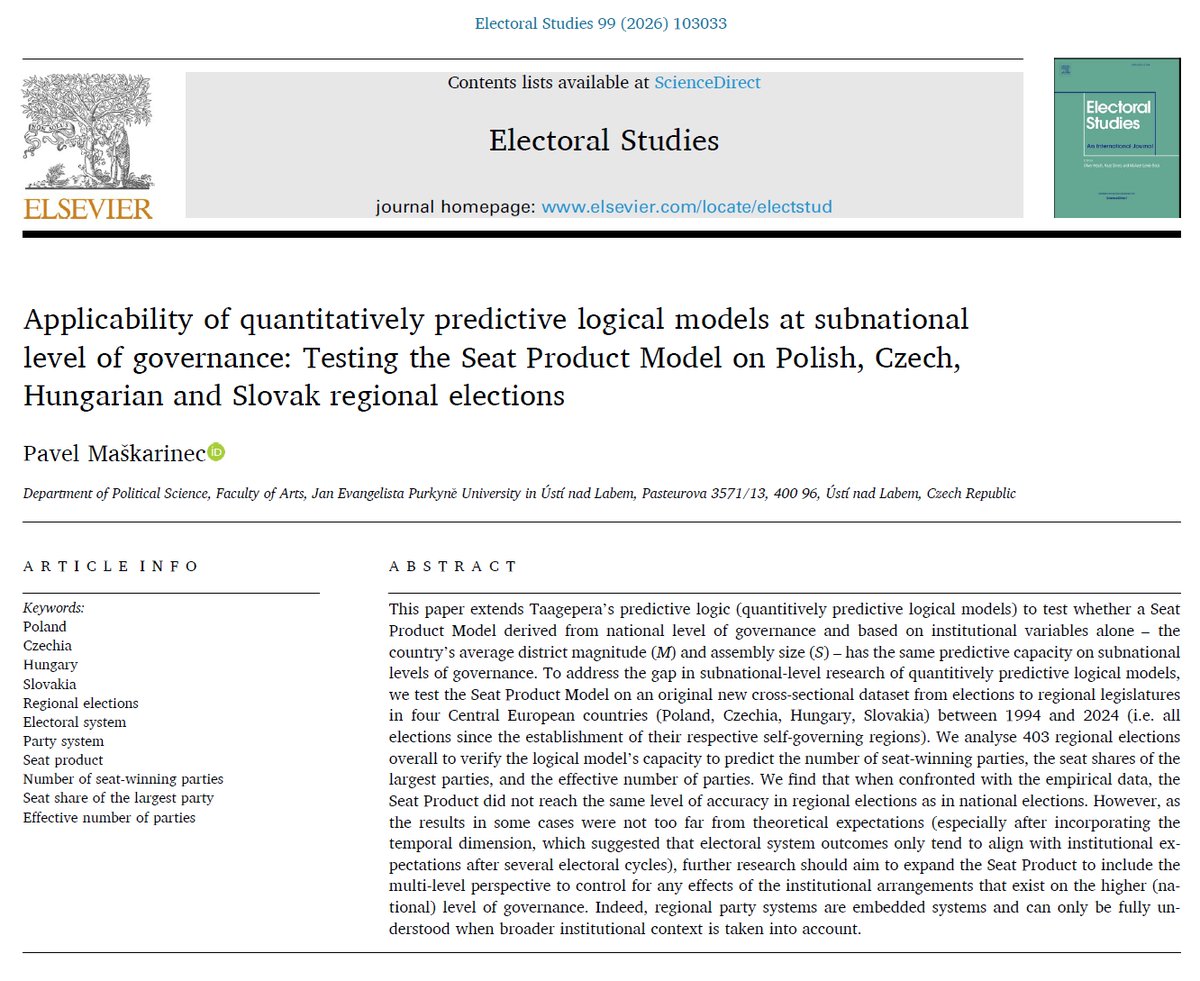
Excited to share my latest paper "Applicability of quantitatively predictive logical models at subnational level of governance: Testing the Seat Product Model on Polish, Czech, Hungarian and Slovak regional elections" published in @ElectoralStdies
sciencedirect.com/science/ar…
2
3
9
433
Electoral Studies retweeted

30 Oct 2025
🆕 Latest article out @ElectoralStdies! Left parties' higher salience on cultural issues associated with higher support from working-class voters. Social democrats much more sensitive to different strategies, should pursue more left/salient economics doi.org/10.1016/j.electstud.…
1
4
379
Electoral Studies retweeted

25 Sep 2025
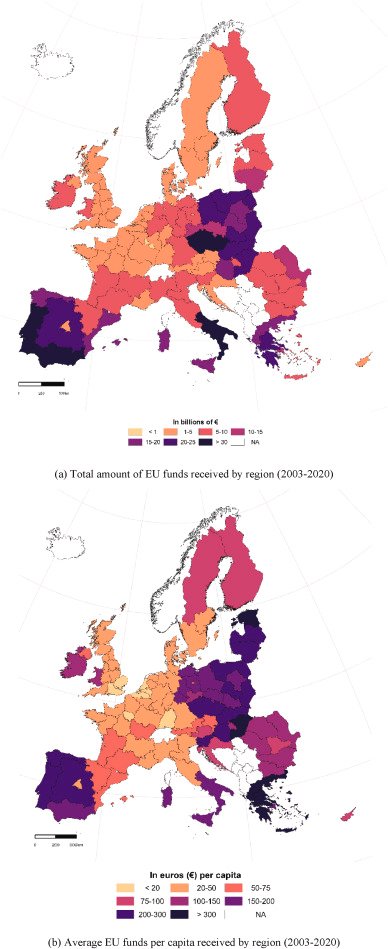
The myth of an EU-hating #countryside may be overstated. Research by Maneuvrier-Hervieu, Azzollini &
@amjeannet in @ElectoralStdies shows that #EU structural funds investment has nurtured trust in the Union across #Europe's rural areas.
doi.org/10.1016/j.electstud.…
2
5
11
723
Electoral Studies retweeted

23 Sep 2025
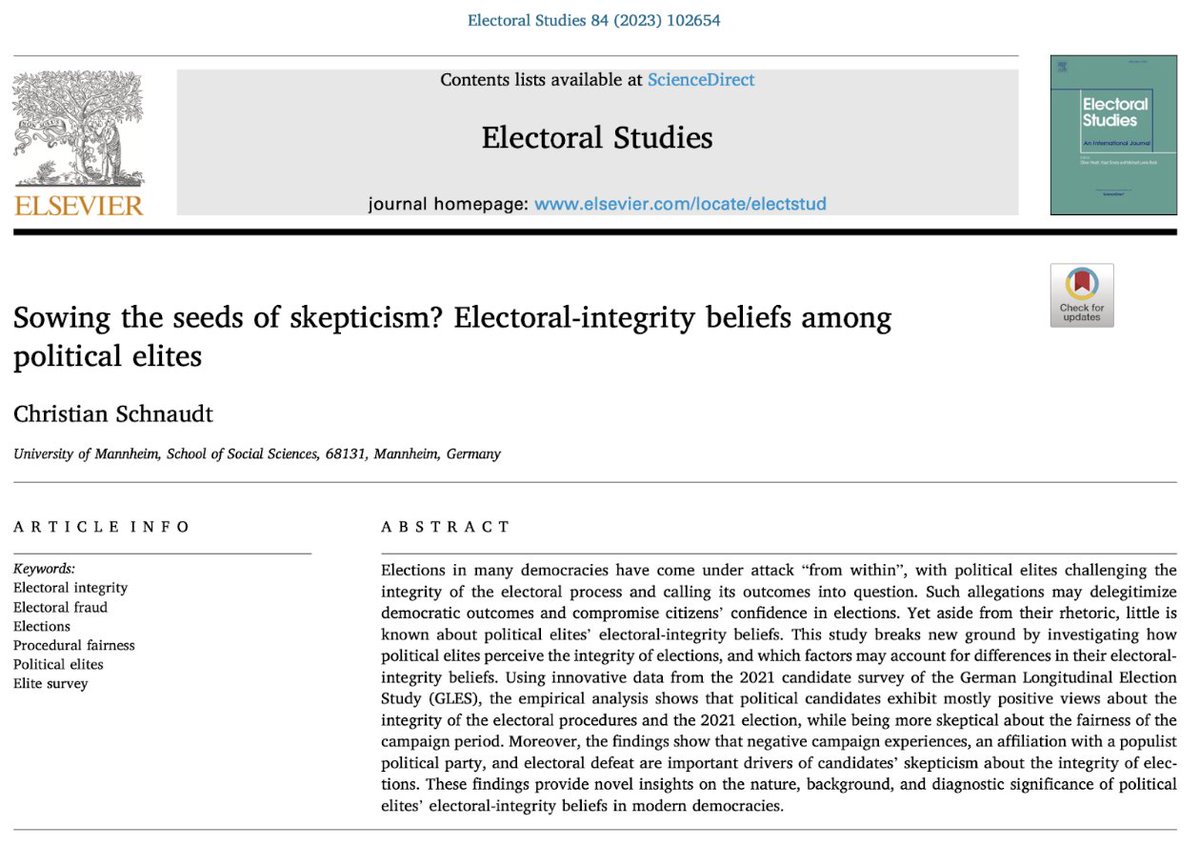
What Drives Political Elites to Question Electoral Integrity? 📖 Take a look at this recent article in @ElectoralStdies by Christian Schnaudt: sciencedirect.com/science/ar…
#PoliticalScience #research 🧵(1/5)
1
2
13
703
Electoral Studies retweeted
4 Sep 2025
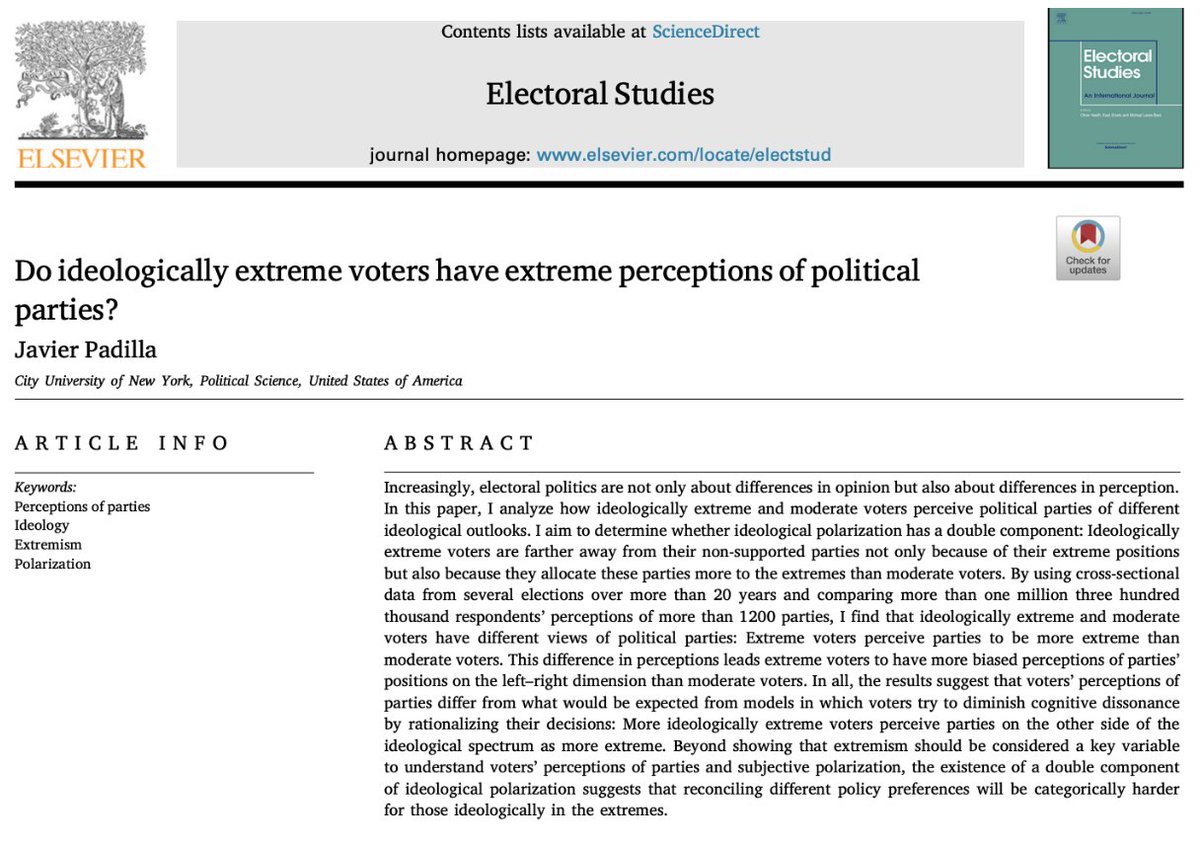
Check out this recent article, “Do ideologically extreme voters have extreme perceptions of political parties?” published in @ElectoralStdies by Javier Padilla👇 sciencedirect.com/science/ar…
2
6
429
Electoral Studies retweeted

14 Aug 2025
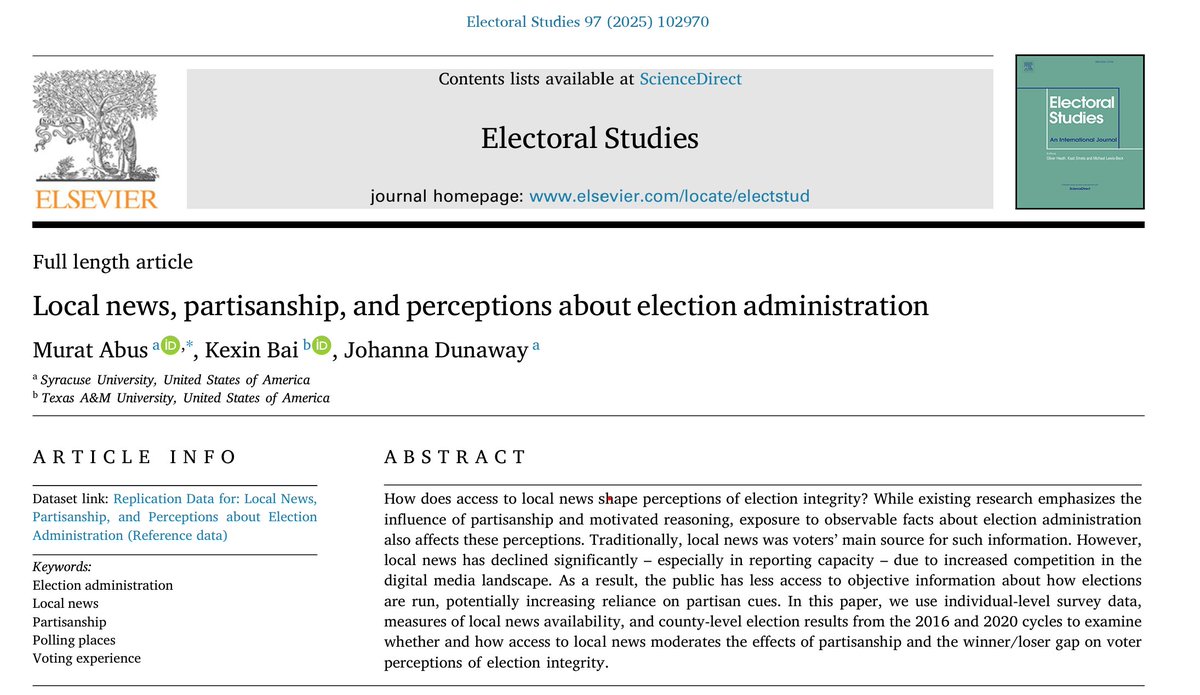
New article: When people have access to newspapers, belief that elections are well run is less likely to be influenced by the winner-loser effect than in counties with little newspaper penetration.
doi.org/10.1016/j.electstud.…
1
7
24
2,938
Electoral Studies retweeted
13 Aug 2025
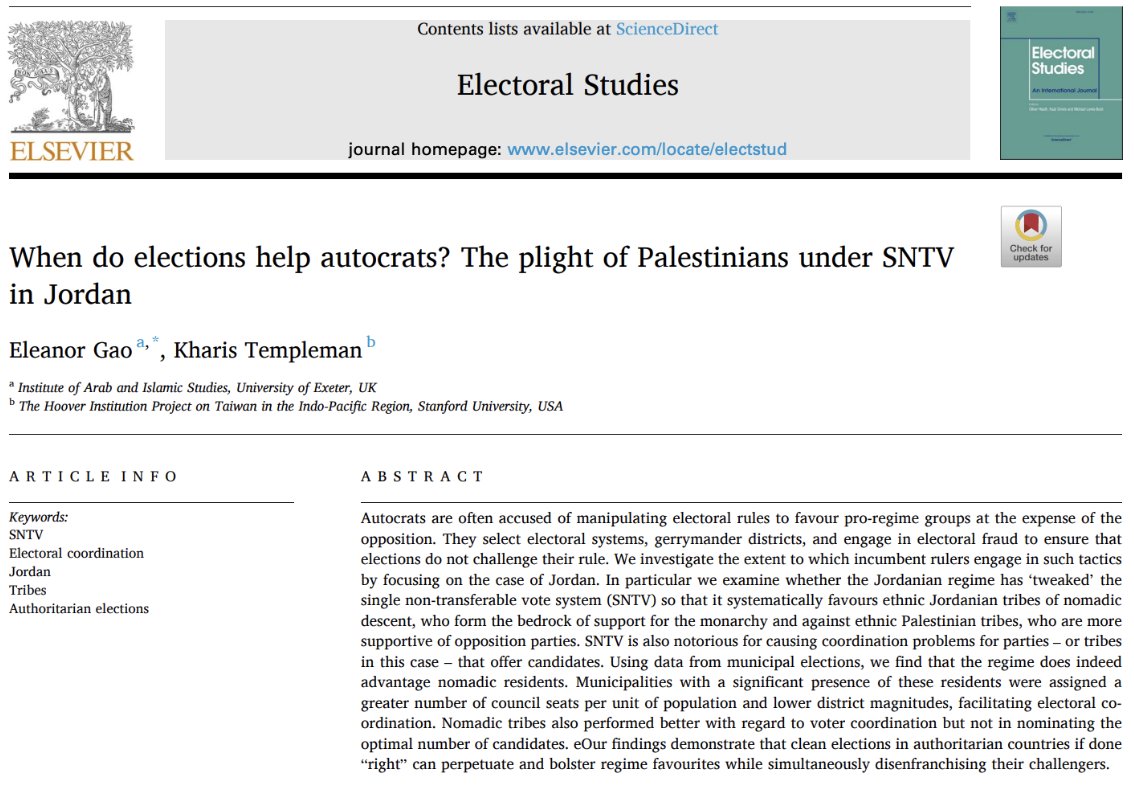
Check out this recent article, “When do elections help autocrats? The plight of Palestinians under SNTV in Jordan,” published in @ElectoralStdies by Eleanor Gao and Kharis Templeman👇 sciencedirect.com/science/ar…
2
9
548
Electoral Studies retweeted

12 Aug 2025
Paper alert. My friend & coauthor, CEU PhD student Bence Hamrák, has a cool new oa paper in Electoral Studies on how winning or losing an election shapes partisan identity & affective polarization. Political psych & polarization folks—check it out: sciencedirect.com/science/ar…
7
22
1,041
Electoral Studies retweeted
11 Aug 2025
🗳️ New @3streamsblog post based on @ElectoralStdies article: GD-Turnout is a dataset of 3,217 elections in 190 countries (1945–2020). More complete, transparent, & citable #VoterTurnout research than ever before. A game-changer for democracy research 🌍📊
medium.com/3streams/global-d…
1
4
296
Electoral Studies retweeted
8 Aug 2025
When are Voters Likely to Know the Names of Candidates Running for Political Office? 💡 Learn more about this recent article in @ElectoralStdies by Oliver Rittmann, Marie-Lou Sohnius, and Thomas Gschwend: sciencedirect.com/science/ar…
#PoliticalScience #research 🧵(1/6)

1
2
4
257
Electoral Studies retweeted

26 Jul 2025
Happy to share our new paper, published in Electoral Studies, co-authored with @M_higashijima, N. Shimizu & H. Washida. We introduce our new dataset, which records national election dates in 148 autocracies and democracies from 1945 to 2023. Open access: authors.elsevier.com/sd/arti…
1
25
59
15,954
Electoral Studies retweeted
17 Jul 2025
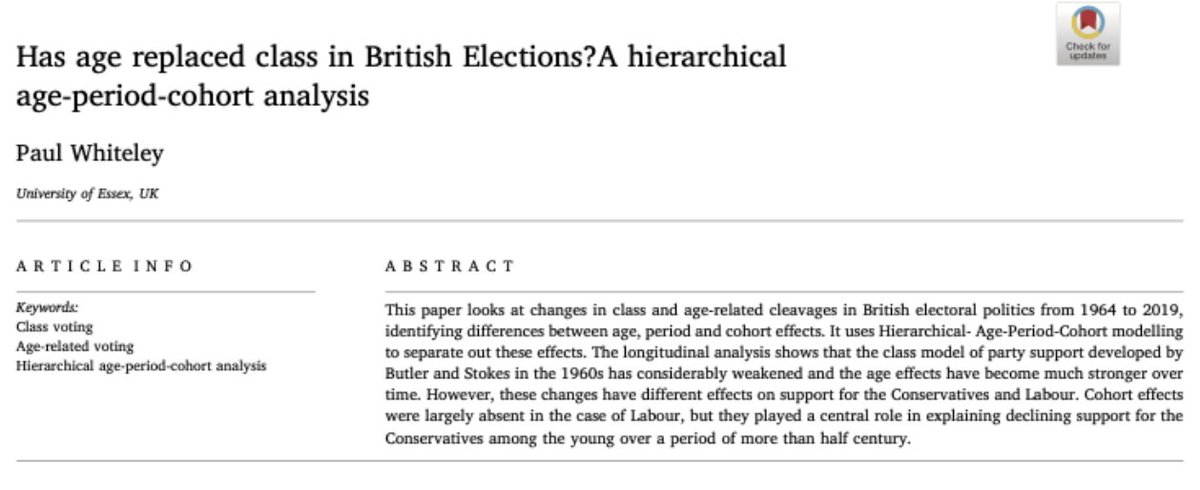
How do class and age shape the British vote? Check out this recent article in @ElectoralStdies by Paul Whiteley: sciencedirect.com/science/ar…
#PoliticalScience #research 🧵(1/5)
1
2
6
272
Electoral Studies retweeted
14 Jul 2025
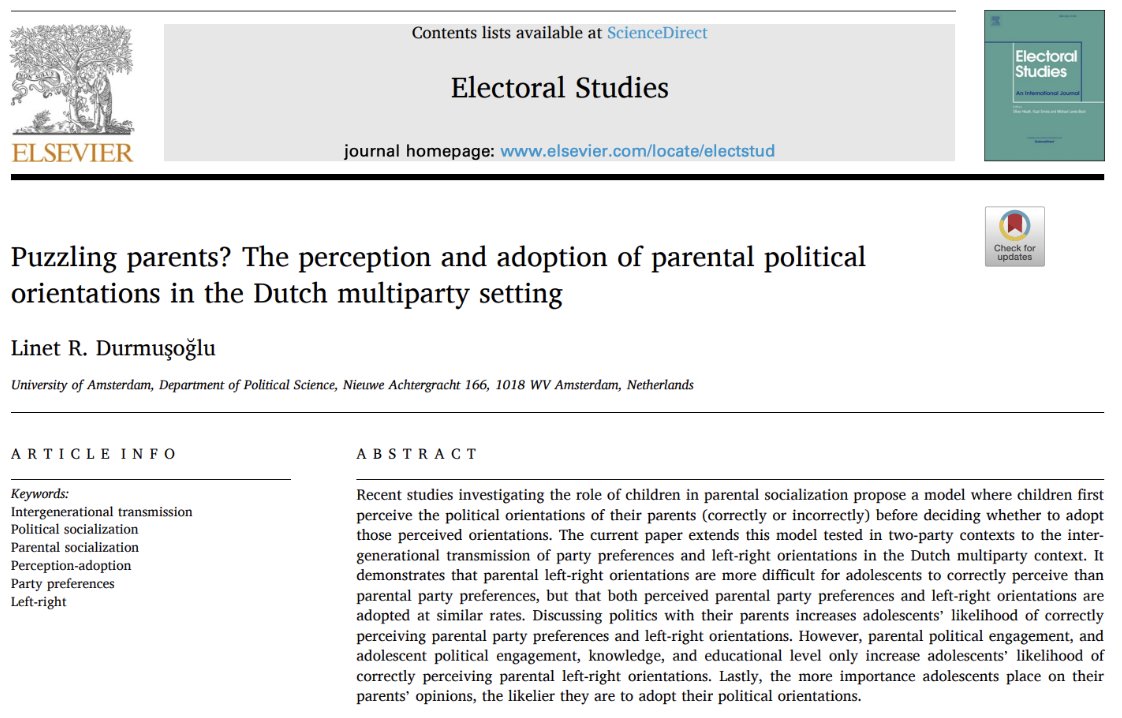
Take a look at this recent article,“Puzzling parents? The perception and adoption of parental political orientations in the Dutch multiparty setting,” published in @ElectoralStdies by Linet R. Durmuşoğlu 👇 sciencedirect.com/science/ar…
3
6
484