
RS Newton fellow at Oral Microbiology @superstreps, Bristol @BristolUni | JSPS fellow @Akihiro_Okamoto | Ph.D. @UTokyo | #Electromicrobiology #oralmicrobes.
Joined March 2017
- Tweets 211
- Following 1,036
- Followers 210
- Likes 7,809
31 Photos and videos
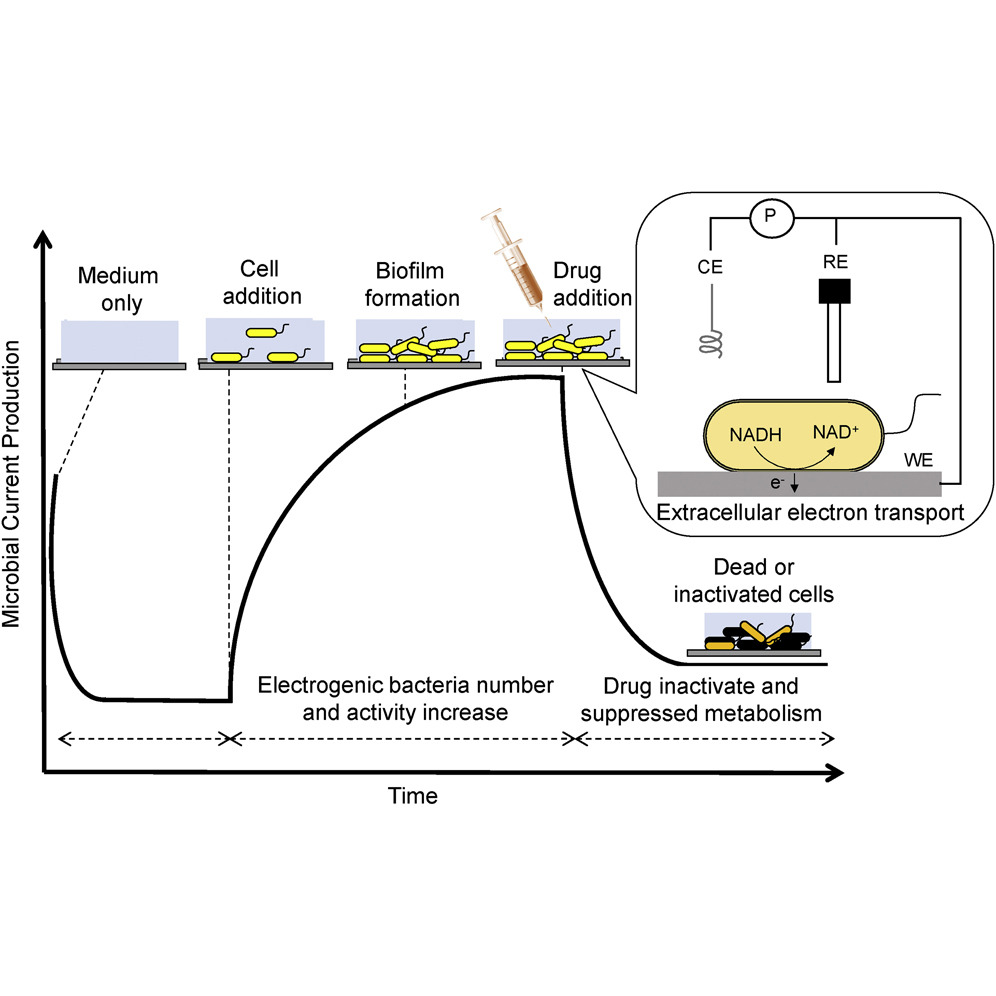
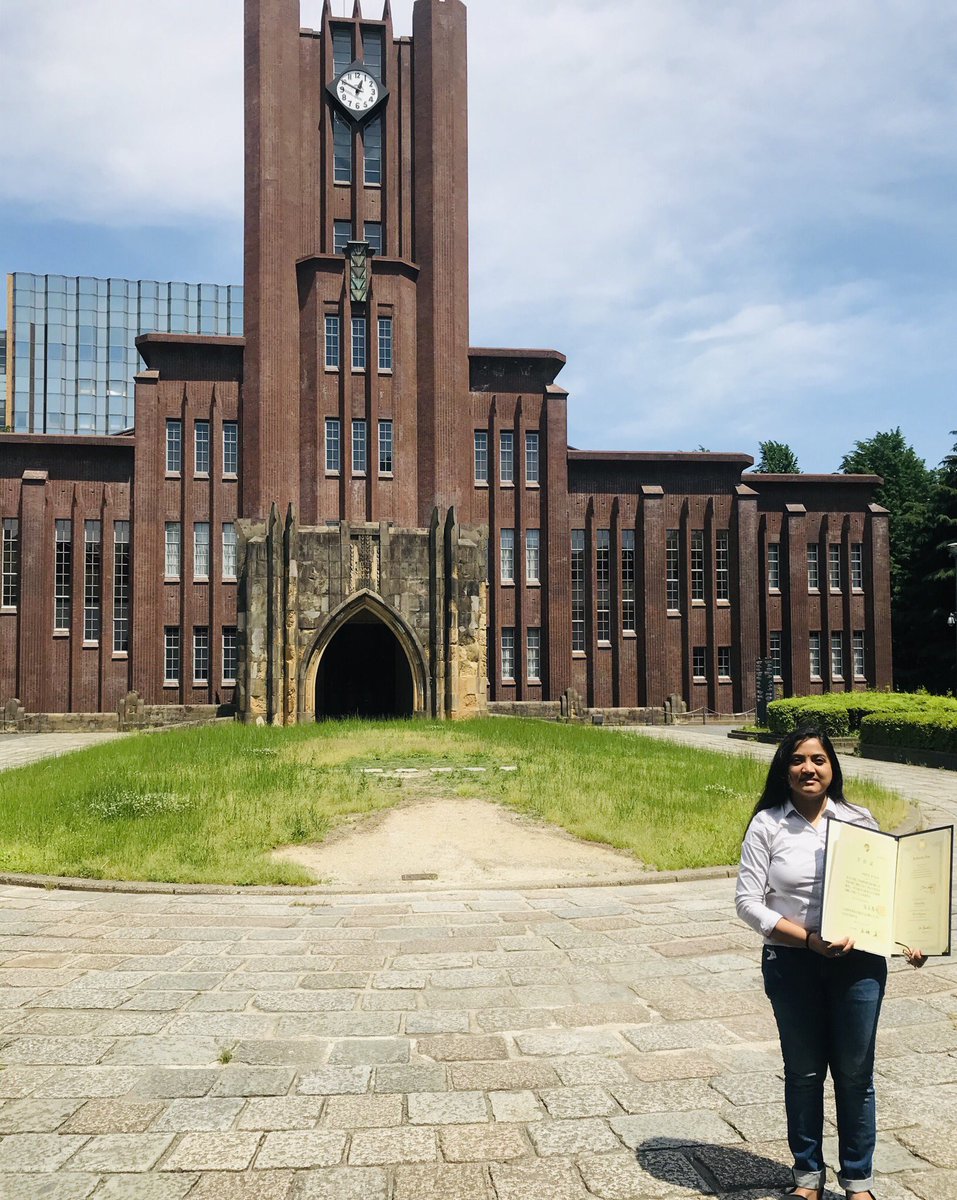
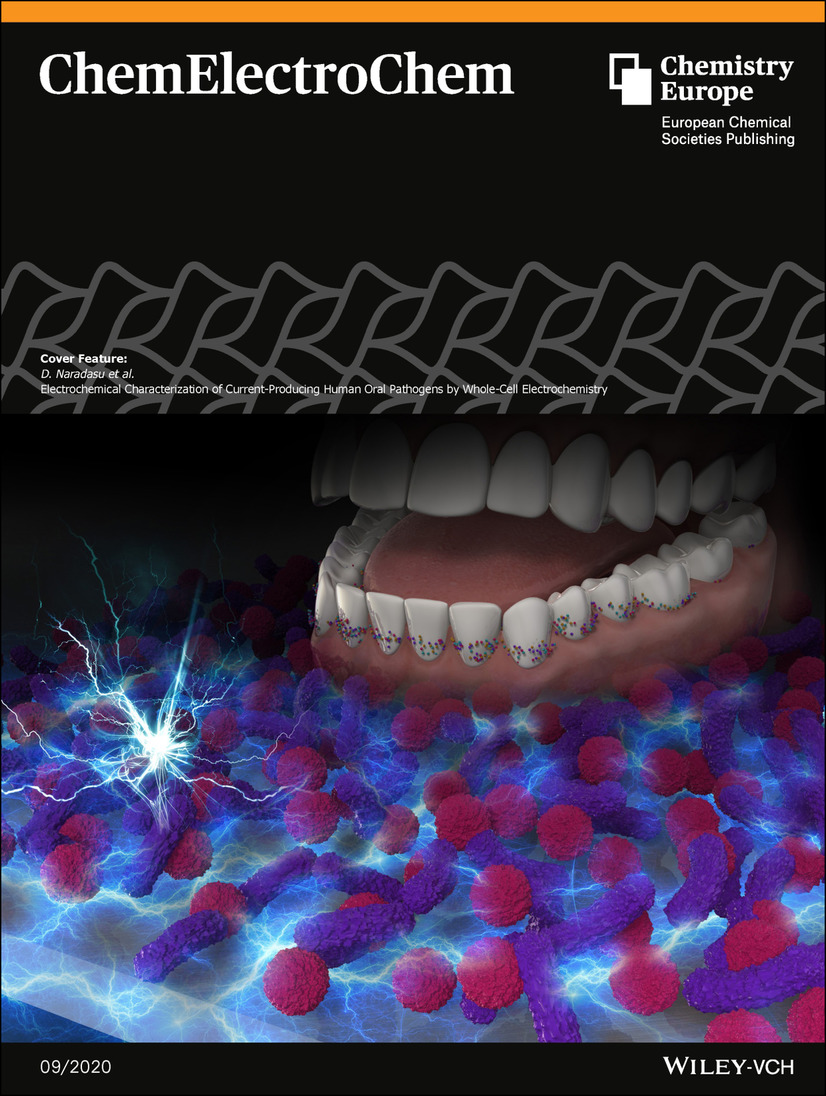
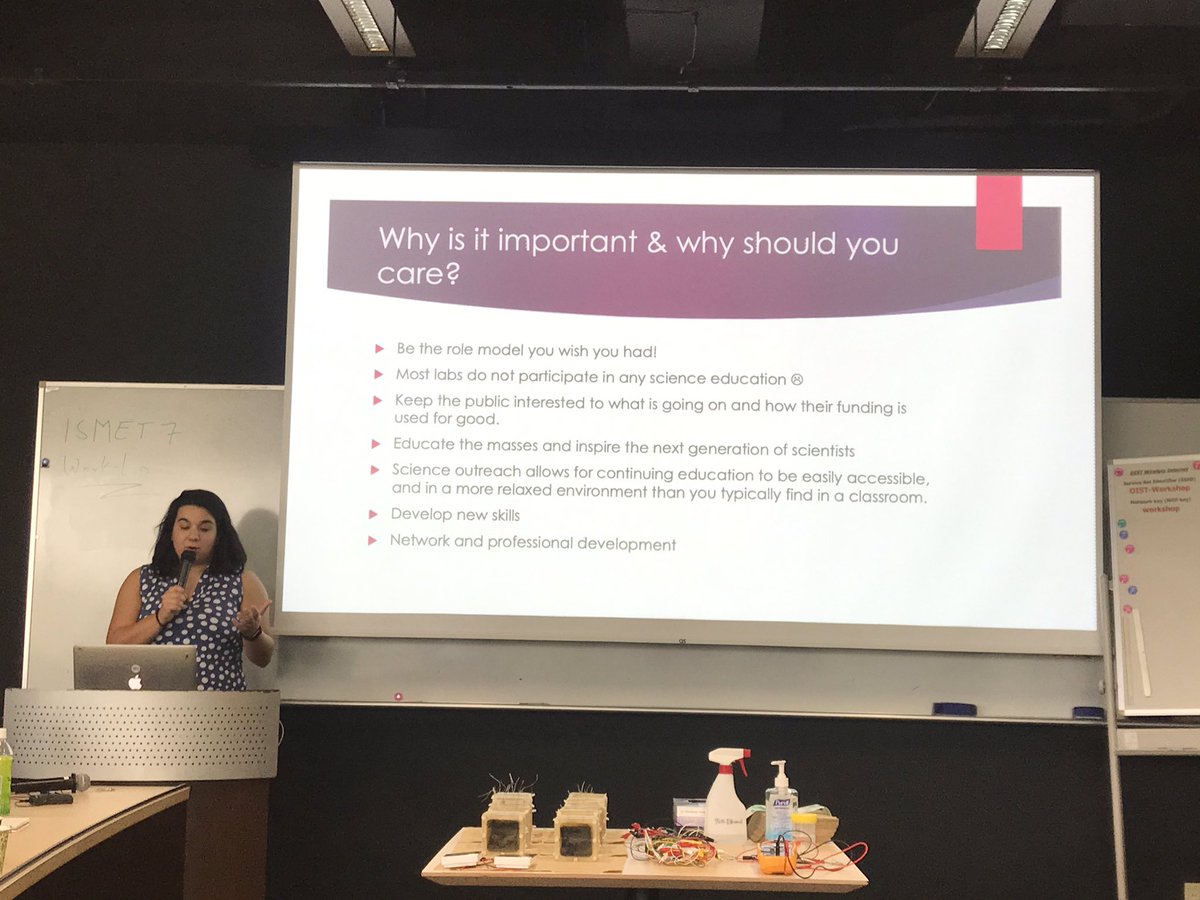
Divya Naradasu retweeted

23 Dec 2024
CRISPR history part 1/24: 1987: Short, unusual DNA repeats are observed in Escherichia coli bacteria by Ishino et al. in Japan. These are later named CRISPR (Clustered Regularly Interspaced Short Palindromic Repeats), but their function is unknown at this point.
4
78
411
65,445
Divya Naradasu retweeted

20 Dec 2024
Fully funded PhD with me & @superstreps for UK Black heritage applicants on combating oral polymicrobial biofilm infections. Deadline is 6/1/2025.!
More info bit.ly/3ARB4pU
@ACRC_UK @BB_STEM @LeadingRoutes @BWiSNetwork @BIGchats @thewisecampaign @Stemettes
@CMMBristol
4
3
462
Divya Naradasu retweeted
21 Nov 2024
Fully funded PhD with me & @superstreps for UK Black heritage applicants on combating oral polymicrobial biofilm infections
More info bit.ly/3ARB4pU
The deadline 6/1/2025
@BristolUni @ukbiofilms @BristolIandI @GW4AMR @GW4Alliance @CMMBristol #PhD #PhDposition
1
6
7
517
Divya Naradasu retweeted

9 Oct 2024
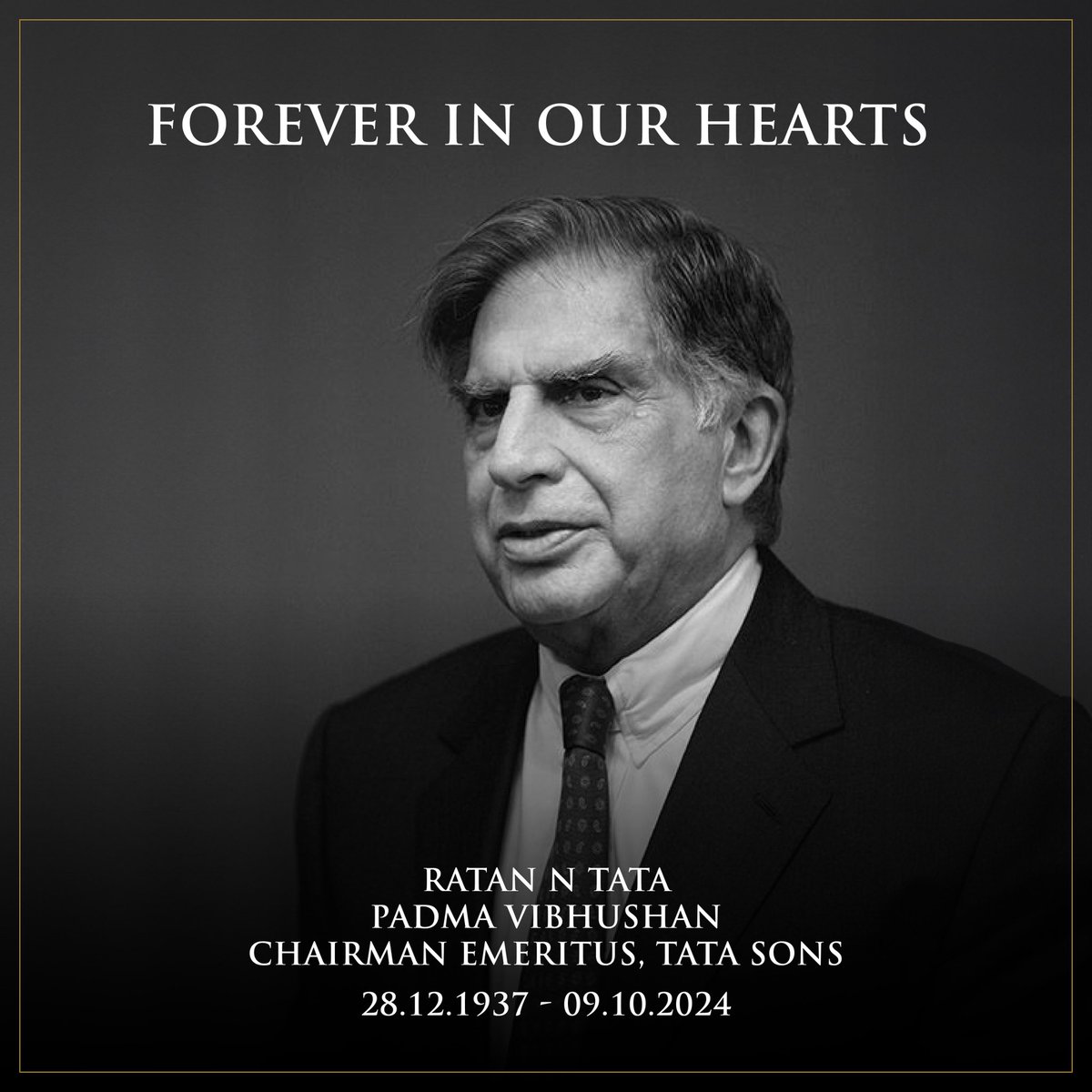
Words fall short today.
Mr. Ratan Tata's
profound humanity and selfless compassion shall always inspire us.
He will forever be remembered as our beloved mentor.
413
3,860
37,505
966,082
Divya Naradasu retweeted

20 Sep 2024
One of the most common bacteria in dental plaque is Corynebacterium matruchotii — and it has a unique form of cell division, splitting into as many 14 cells at a time.
sciencenews.org/article/bact…
2
10
33
14,278

16 Sep 2024
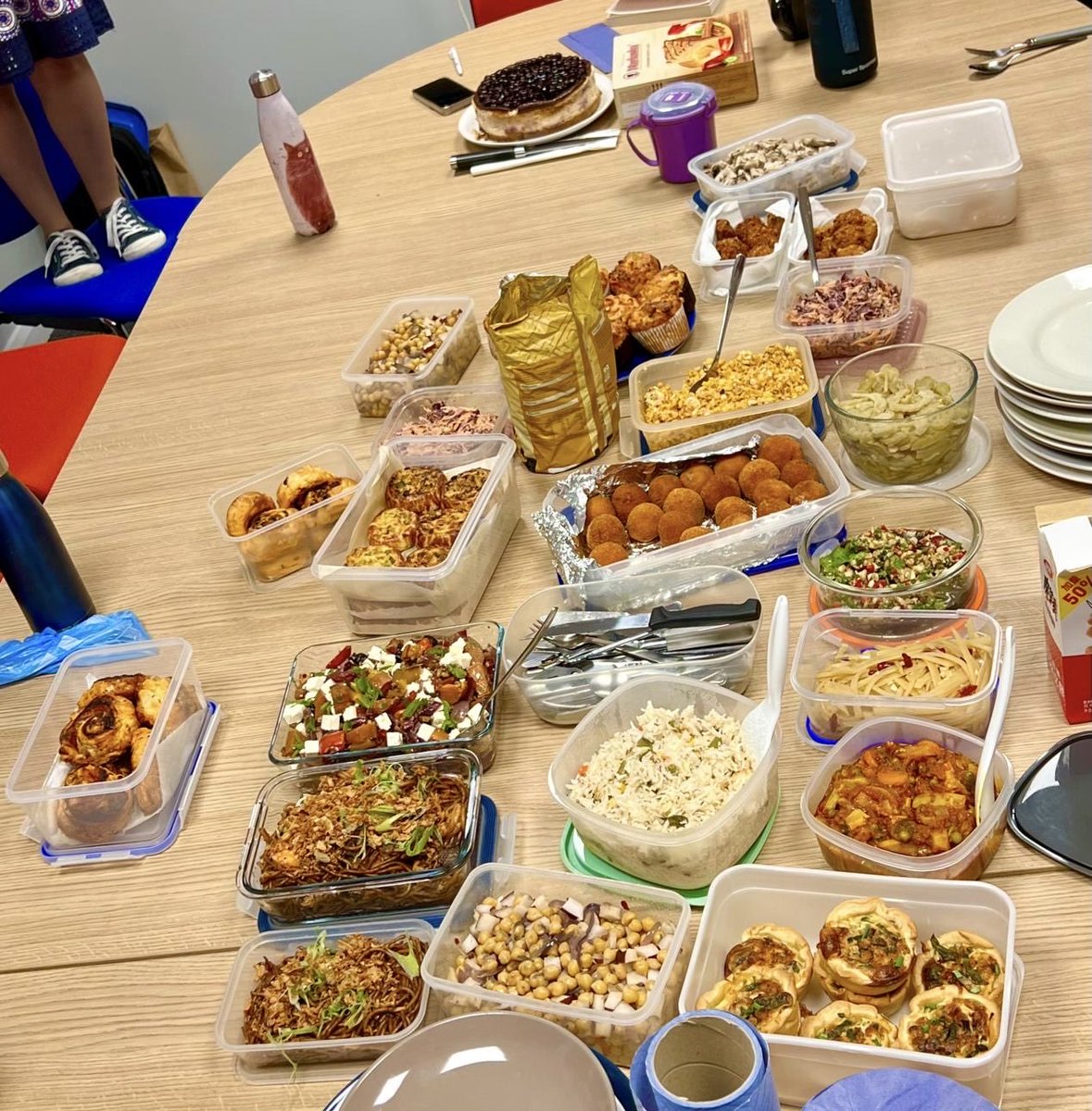
Bring & Share
16 Sep 2024

I’ve said it before, and I’ll say it again, the @BristolUni Oral Microbiology group @Brisdental know how to put on a good spread!
1
2
140
Divya Naradasu retweeted

11 Sep 2024
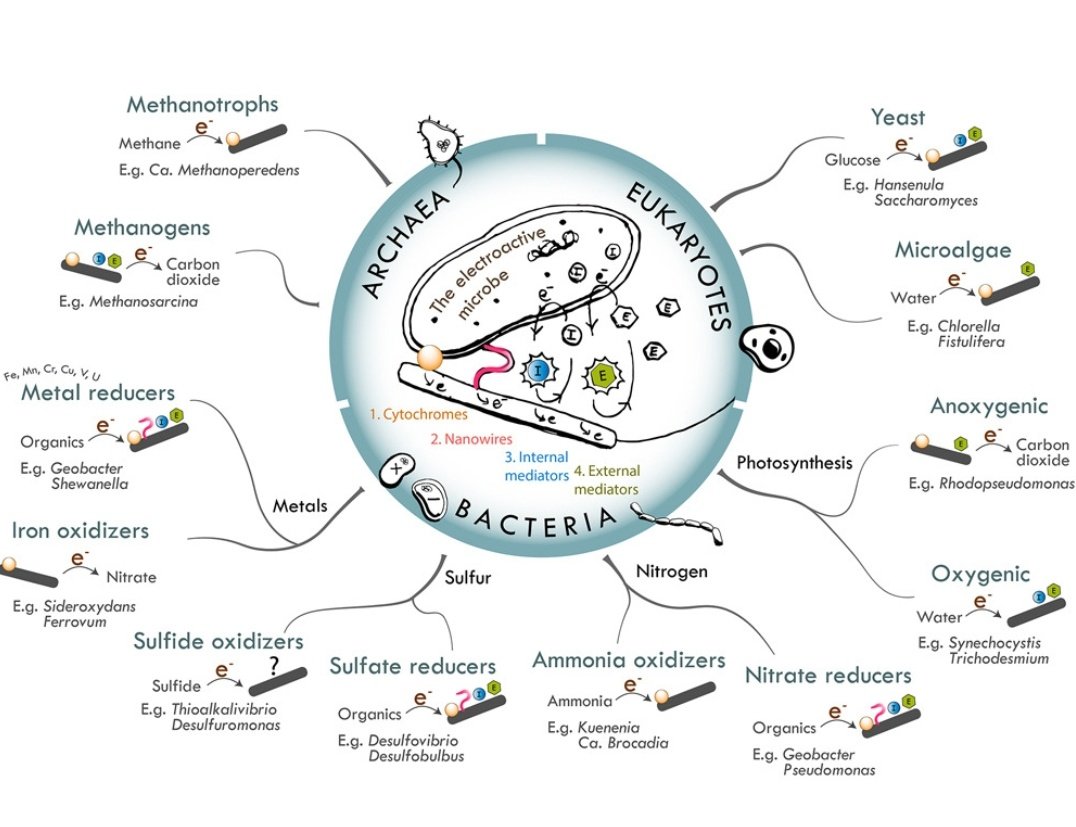
Are all microbes electroactive?
sciencedirect.com/science/ar…
2
28
102
8,711
Divya Naradasu retweeted

30 Jun 2024
Shocking to see this analysis, neatly summarised by @wellcometrust based on data from @royalsociety. International collaboration and team working is critical for high-quality research. The UK will miss out if these massive barriers remain.
29 Jun 2024

New analysis from the @royalsociety shows just how high UK visa costs for researchers are compared to upfront costs for similar visa routes in 13 other countries.
Here, we take a look at how the UK compares to countries in the G7 included in the analysis 🔍⤵️ 1/5
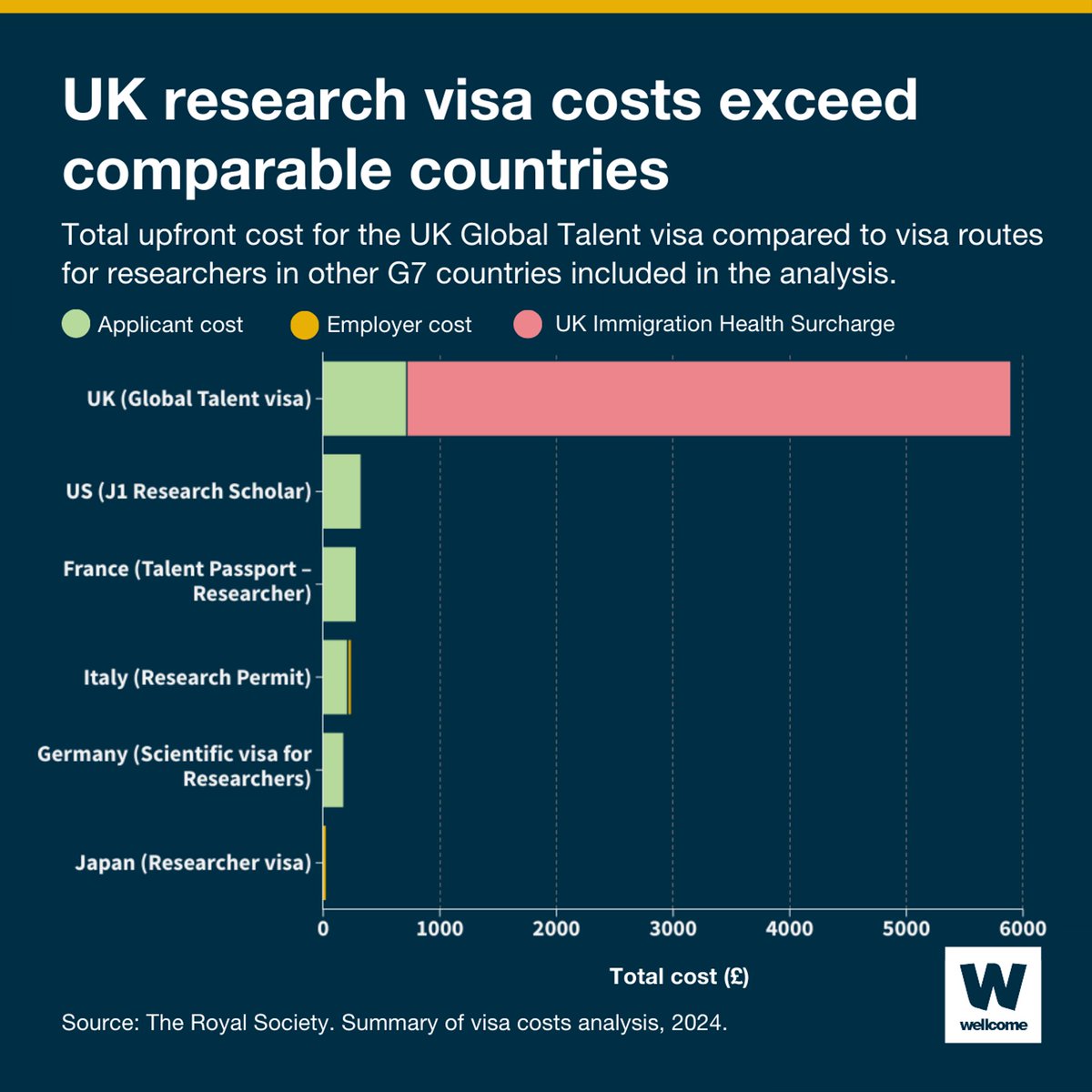
ALT Bar chart shows the upfront costs for similar visa routes for researchers in the UK, US, France, Italy, Germany and Japan. UK costs are multiple times higher than other countries and the biggest factor for this is the Immigration Health Surcharge (IHS).
1
5
369
5 Jun 2024
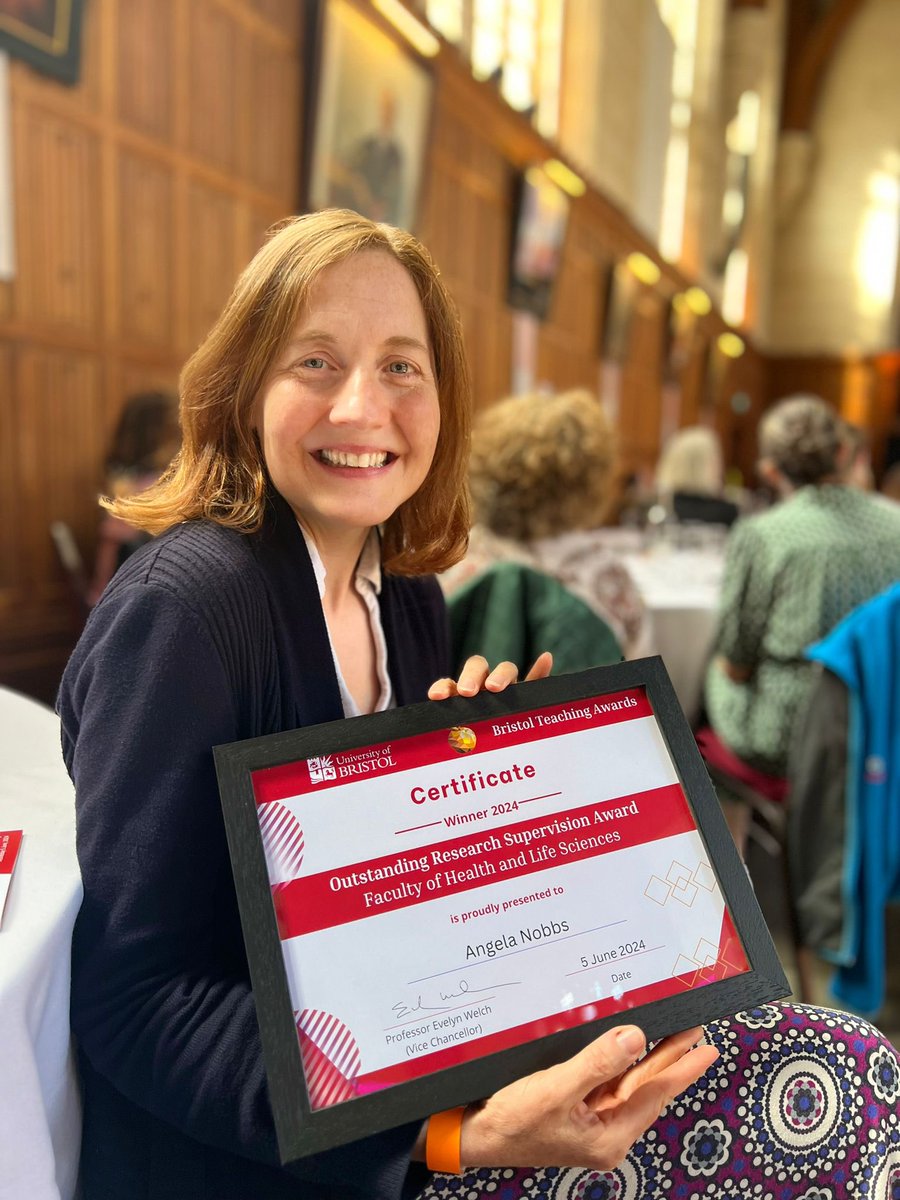
Super proud of my PI. Outstanding Research Supervisor Award!!!.
Very well deserved Angela @superstreps @Brisdental @BristolUni
1
1
8
354
Divya Naradasu retweeted

5 Jun 2024
@superstreps introducing our great external speaker @NickJakubovics from @NewcastleSDS . Hearing about building strong academic careers (and maybe end up editing a leading journal! @JDentRes ) @Brisdental @markgormley_ @bgmain1 @Gormley

6
9
785
5 Jun 2024
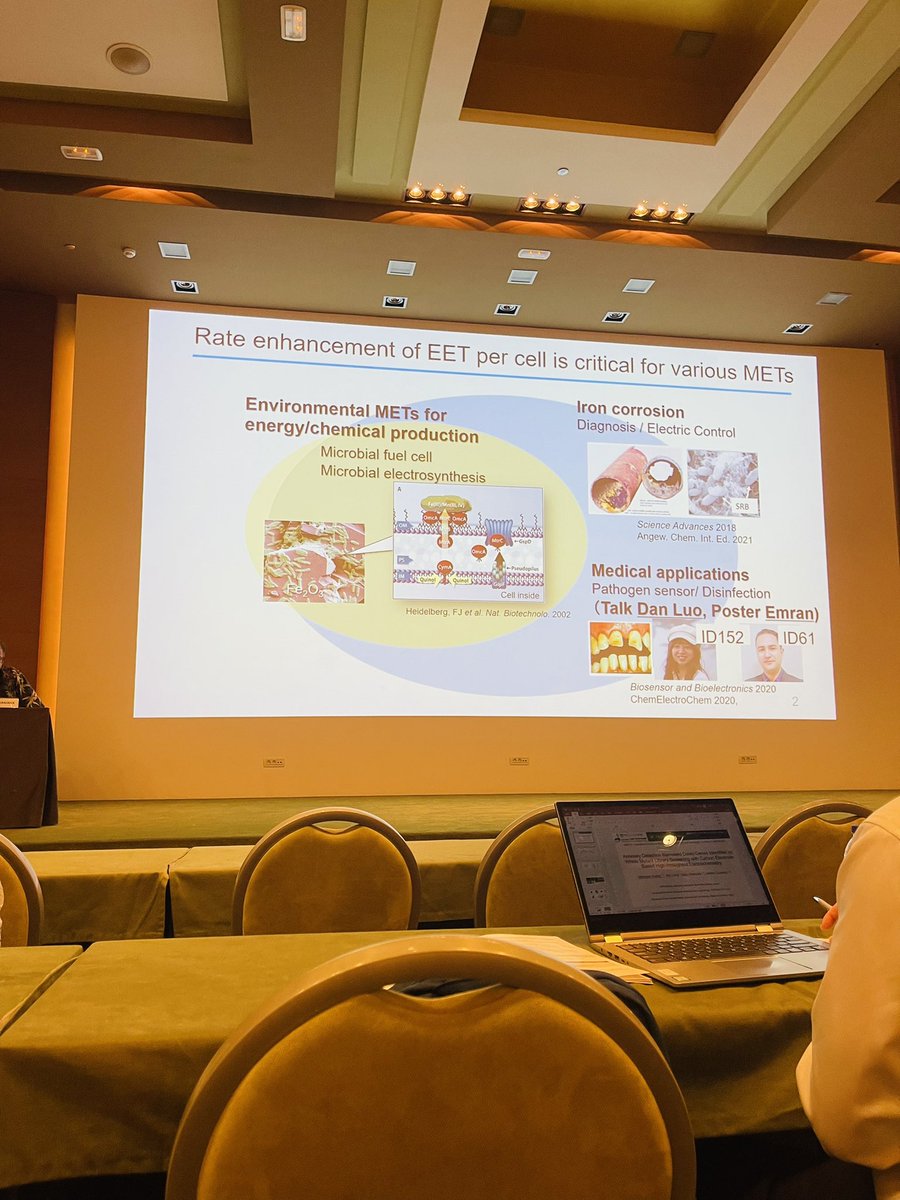
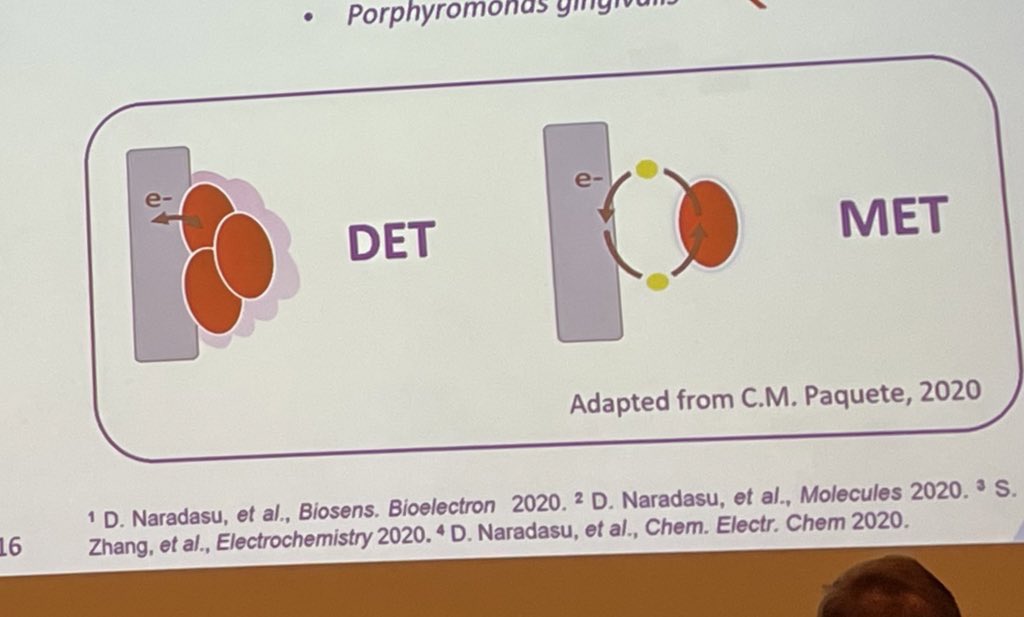
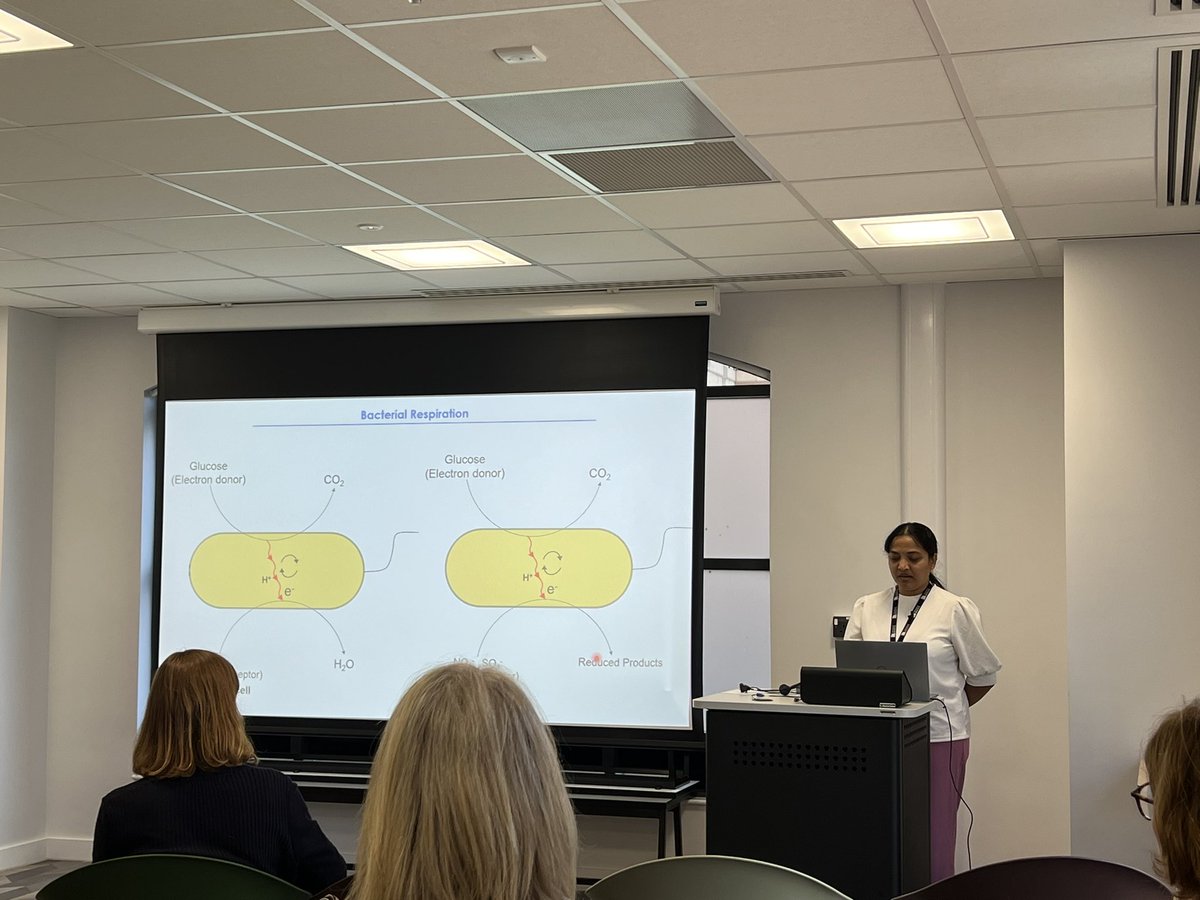
Always fun presenting Oral microbes EET. 🦷⚡️
5 Jun 2024

Metal breathing coral pathogens? Divya Naradasu @Brisdental explains how microbes use metals for energy synthesis .! @BristolUni @BristolIandI @superstreps #BristolDentalResearch #OralMicrobiology
3
158
Divya Naradasu retweeted
5 Jun 2024
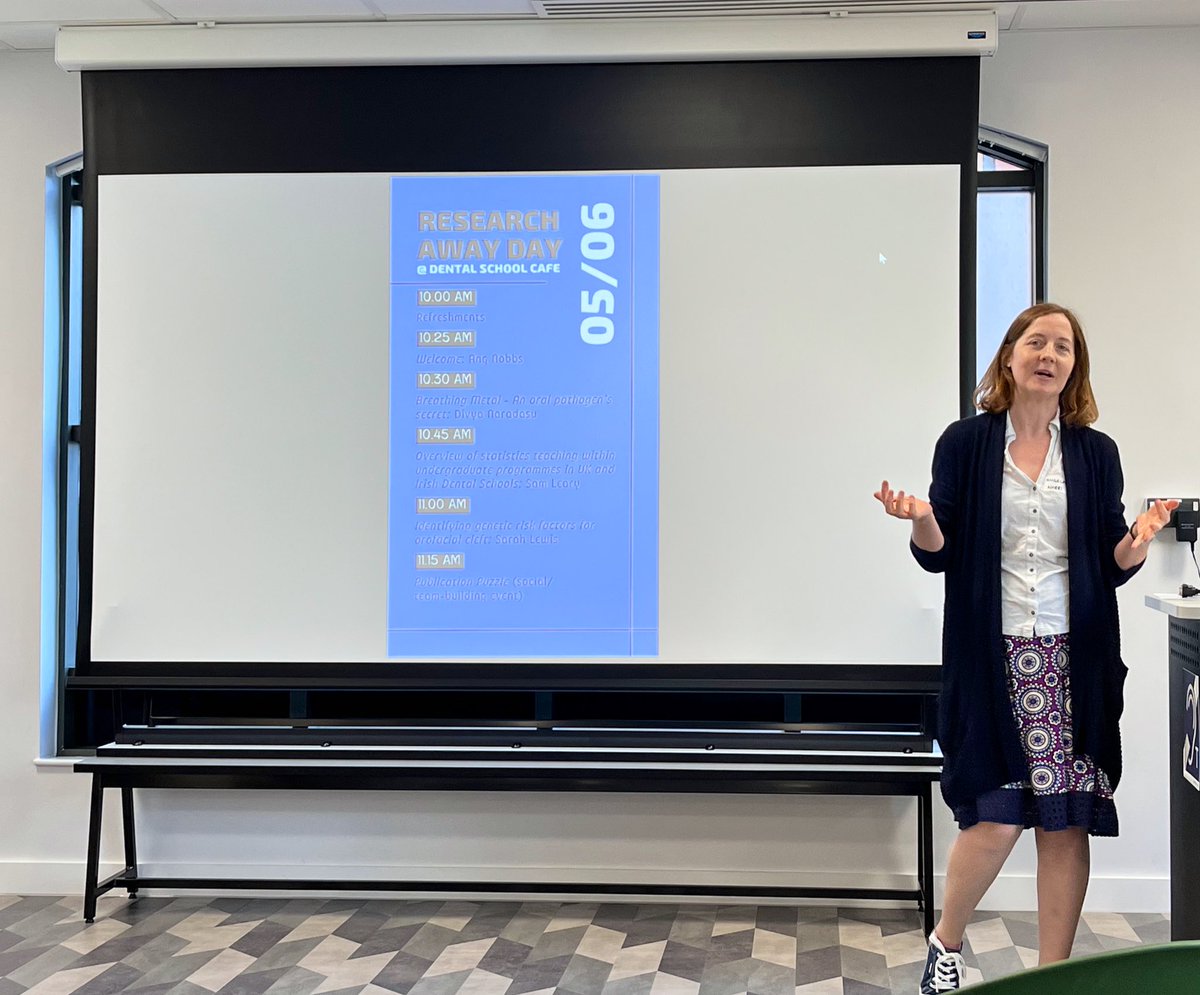
@Brisdental Bristol Dental School Research Away Day being opened by our Research Director Angela Nobbs. A day to showcase the amazing range of research we conduct here in Bristol. @BSODR_UK @IADR @markgormley_ @Gormley @yvonnewren @CleftCollective @bgmain1
4
6
425
Divya Naradasu retweeted
5 Jun 2024
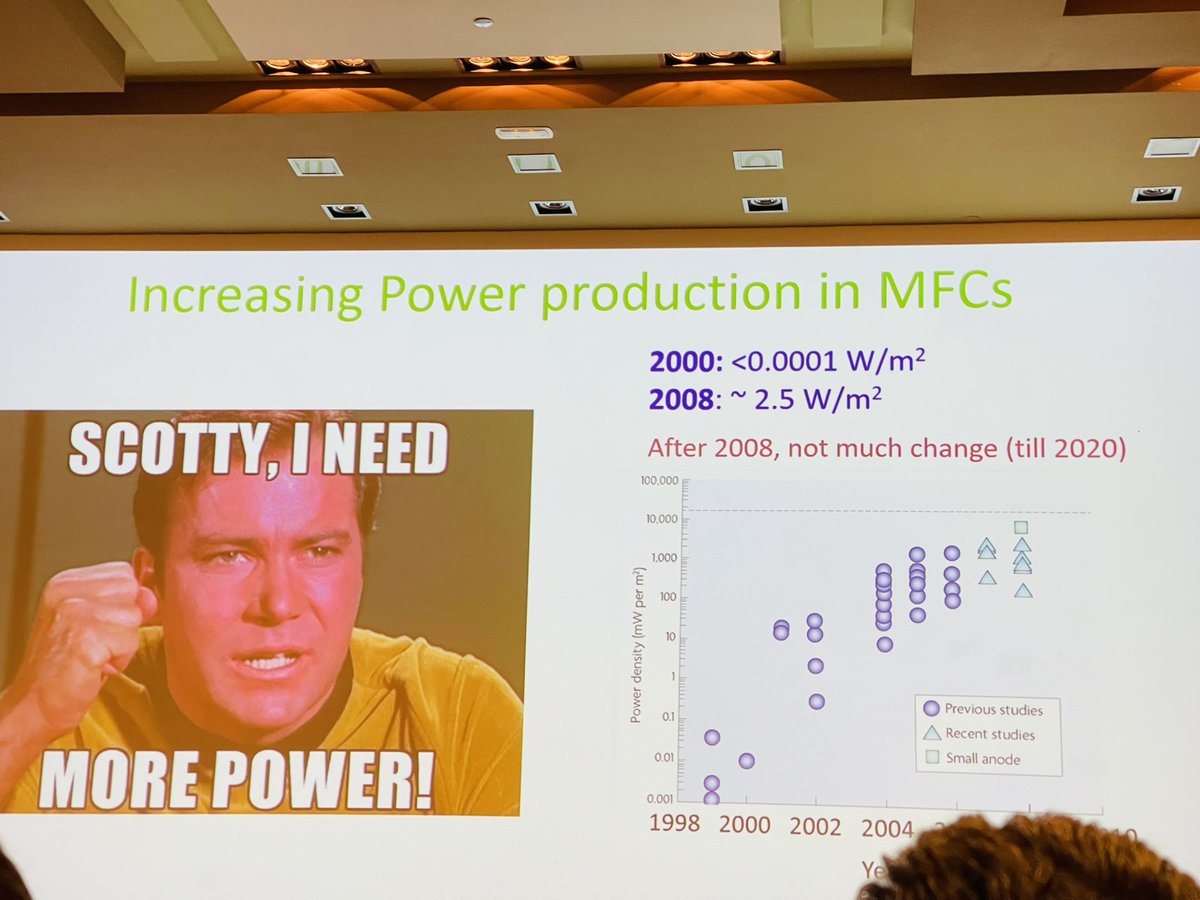
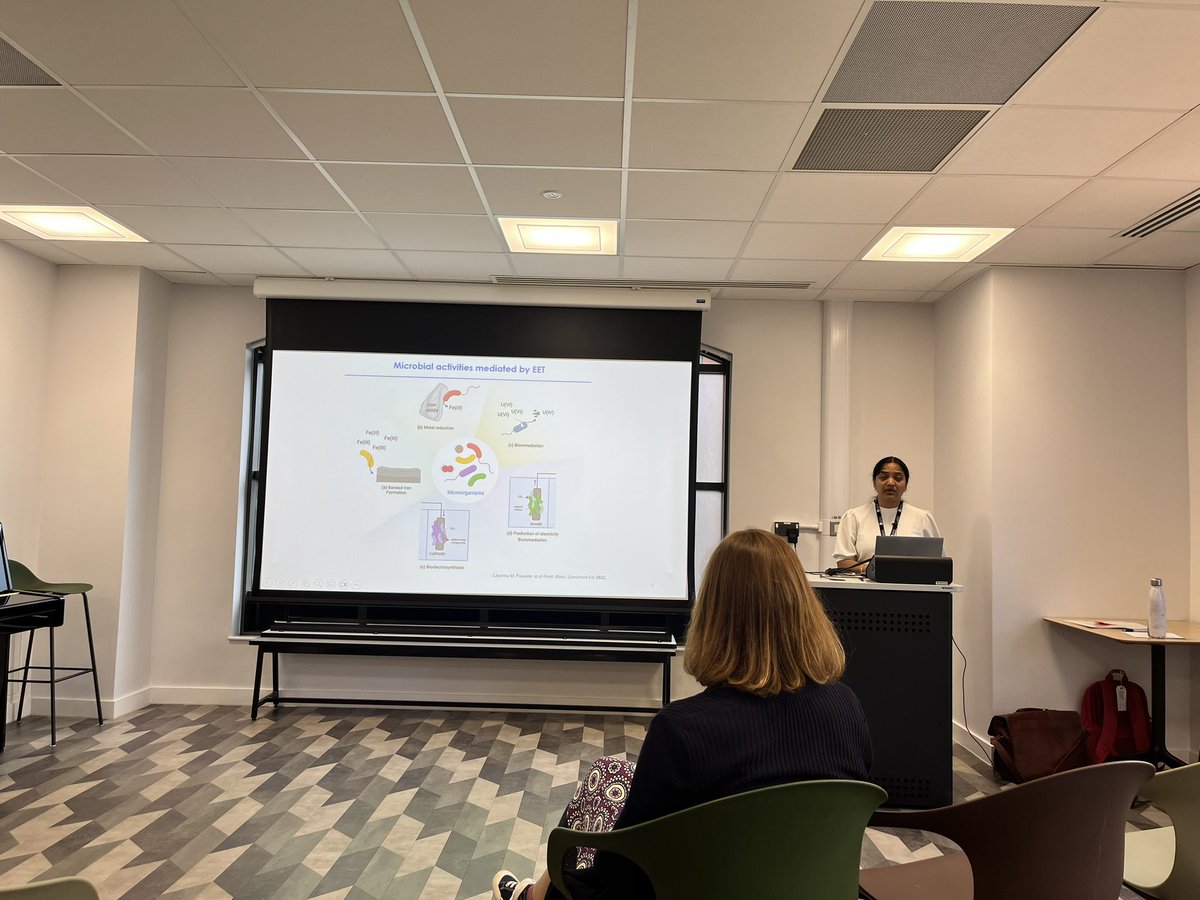
@Brisdental thanks @electricigen for fab talk. Not just dentistry on show here! Hearing about how bacteria can be used to both clean waste water and generate electricity at the same time and uses similar processes that oral biofilms possibly using the to thrive. @BristolUni
2
3
201
Divya Naradasu retweeted

1 Jun 2024
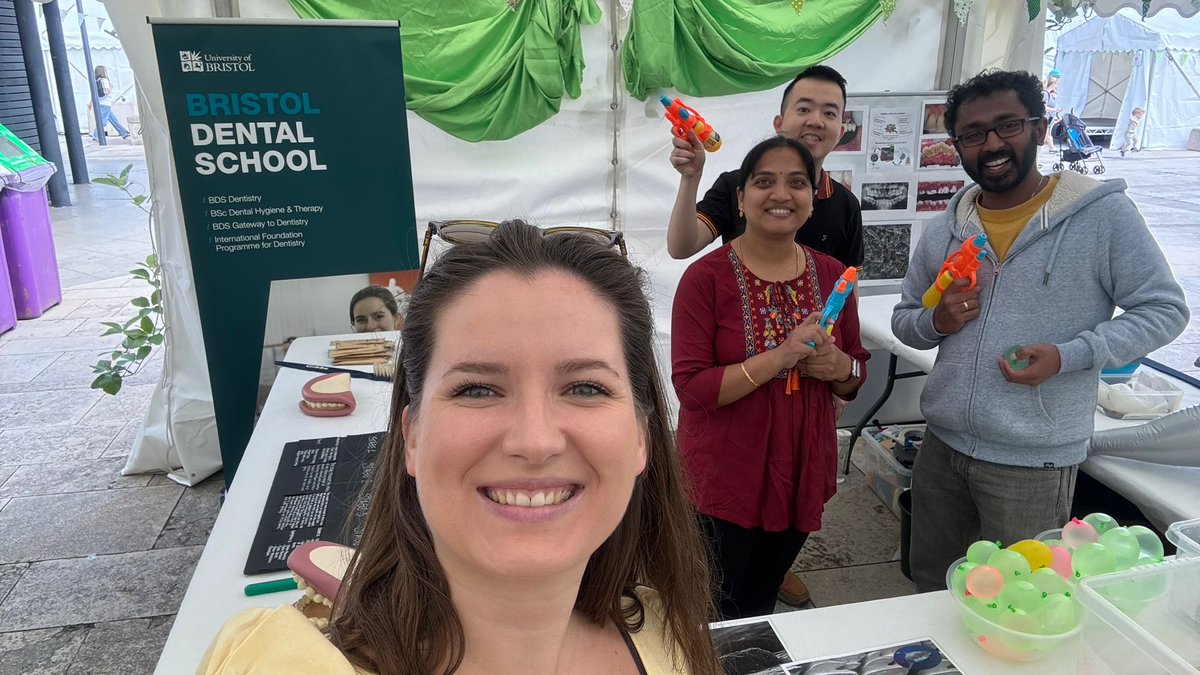
Shout out to our guys @FestofNature showcasing the fabulous research @Brisdental
2
8
450
15 May 2024
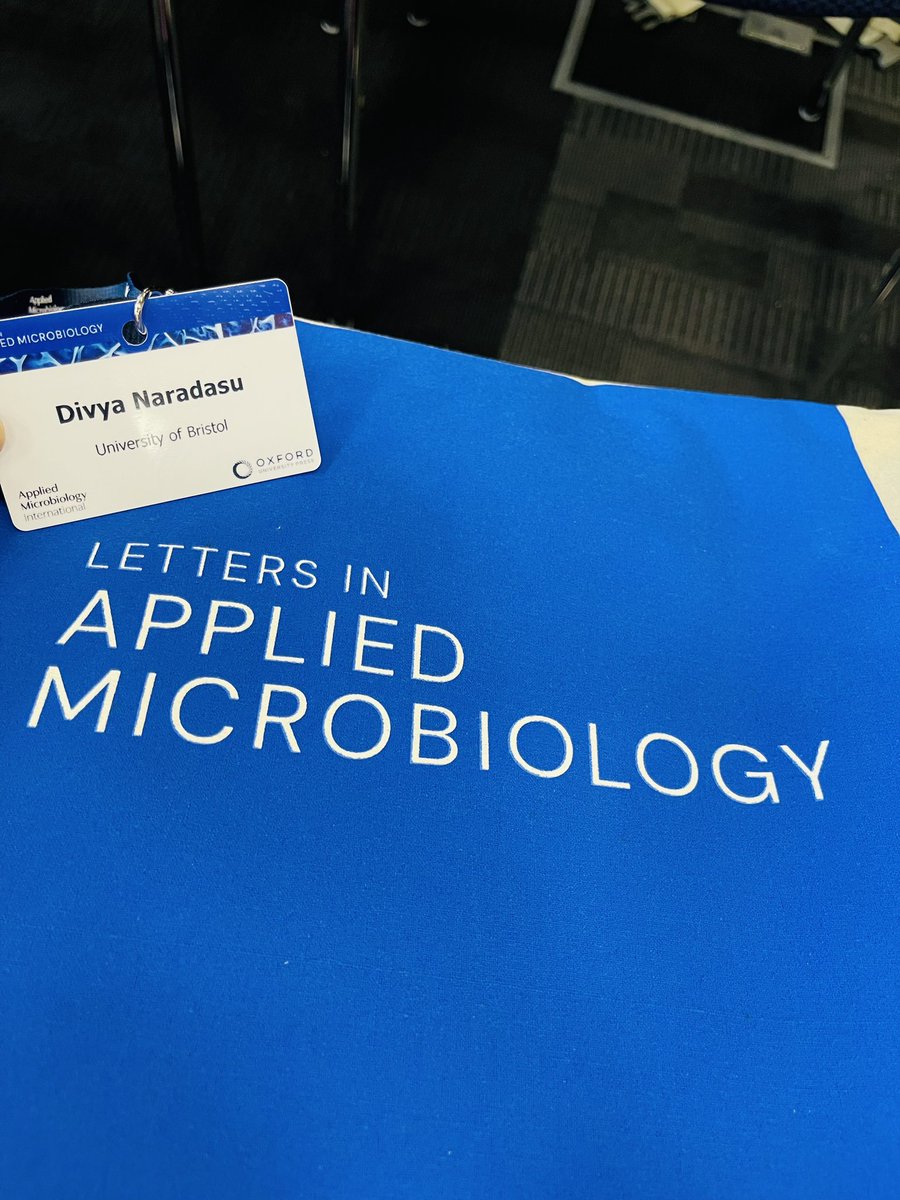
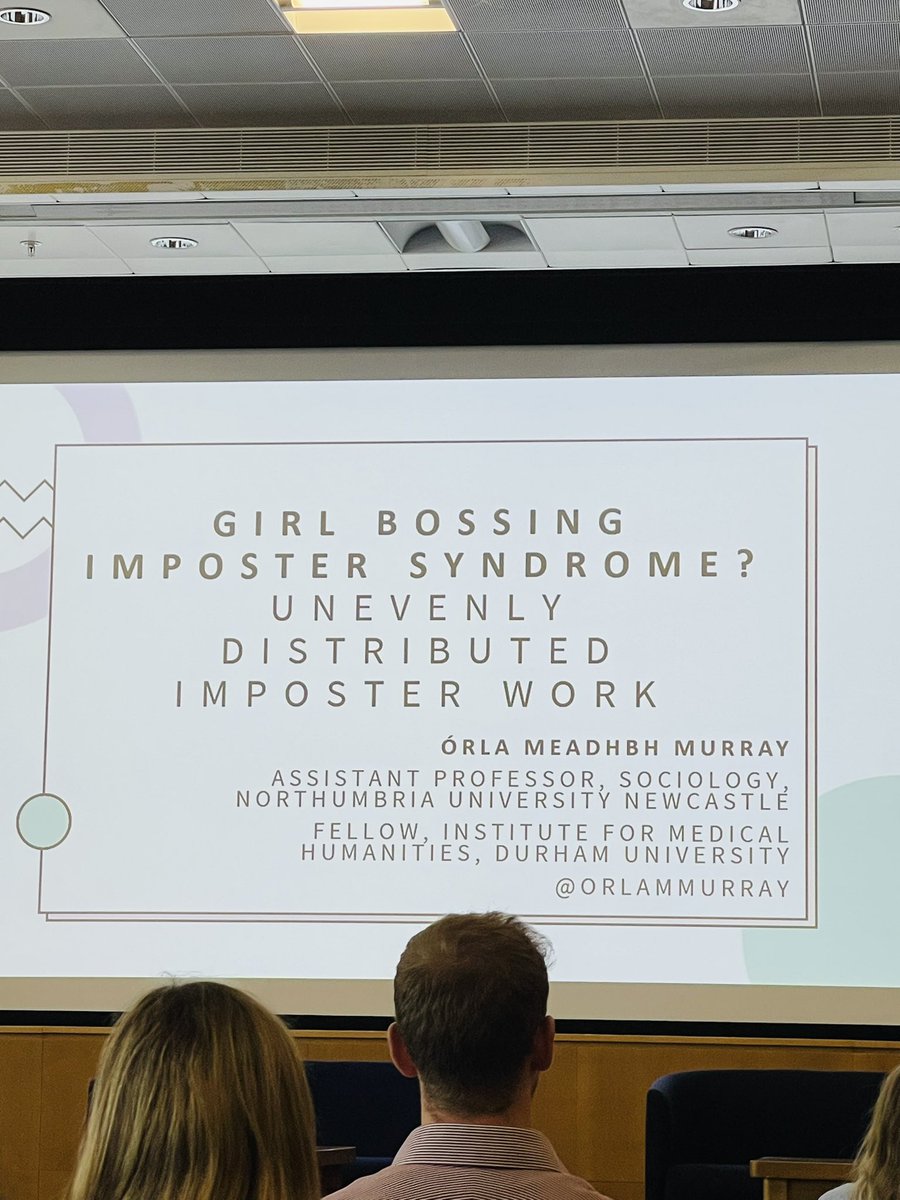
Had great discussions at poster session and a very interesting talk “Girl bossing imposter syndrome”#LAM_ECS2024 @UWEBristol @BristolUni @AMIposts
2
118
Divya Naradasu retweeted

15 May 2024
We are very excited for the LAM ECS Symposium starting shortly #LAM_ECS2024
3
9
1,289
25 Jan 2024
Our work on Electrochemical Characterization of Two Gut Microbial Strains Cooperatively Promoting Multiple Sclerosis Pathogenesis mdpi.com/2653078 #mdpimicroorganisms via @Micro_MDPI
1
5
210
Divya Naradasu retweeted

7 Dec 2023
Here's the thing about AI in biology: it absolutely has revolutionary potential, but any model is only as good as the data it's trained on. And there's a lot we don't know or are simply wrong about in bio.
Want to truly build AI for bio? Invest in basic discovery science.
21
127
738
96,690

Divya Naradasu retweeted
16 Oct 2023
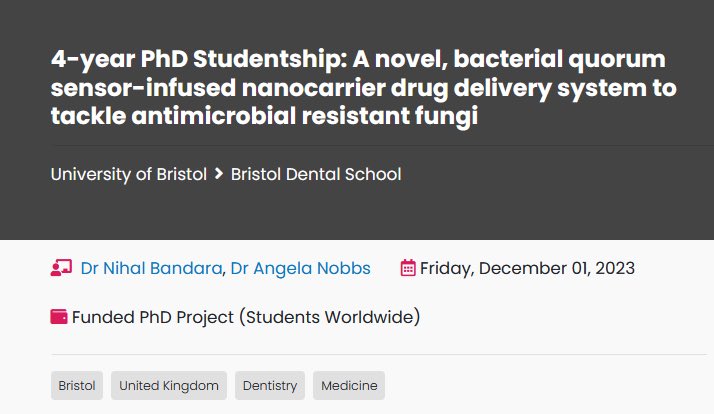
ALERT..! A fully funded #PhD with me @superstreps on developing a novel nano-carrier drug delivery system to tackle Candida auris at @BristolUni . Both UK & international applicants welcome. Apply via bit.ly/3LZvW5q
@BrisHealthSci @BristolIandI @Bristol_AMR @GW4AMR
12
20
4,509