
Chemistry Ph.D. student at the University of Notre Dame|| Stoic. 🇺🇸🇬🇭
Joined November 2018
- Tweets 62,437
- Following 5,059
- Followers 17,769
- Likes 50,221
800 Photos and videos









Mawuli Degbevi retweeted

28 May 2025
unrelated but eating your food in a bowl just slaps harder
394
13,825
120,127
3,887,592

25 May 2025
Check out our recent paper in JACS!!
18 May 2025

Ligand Basicity Modulates Metal Cation Reduction Potentials at Colloidal Cadmium Chalcogenide Quantum Dot Surfaces | Journal of the American Chemical Society @TsuiLabND @NDscience @NotreDame pubs.acs.org/doi/10.1021/jac…
4
391
Mawuli Degbevi retweeted

18 May 2025
Ligand Basicity Modulates Metal Cation Reduction Potentials at Colloidal Cadmium Chalcogenide Quantum Dot Surfaces | Journal of the American Chemical Society @TsuiLabND @NDscience @NotreDame pubs.acs.org/doi/10.1021/jac…
5
19
4,881
Mawuli Degbevi retweeted

1,606
8,370
56,663
3,578,261

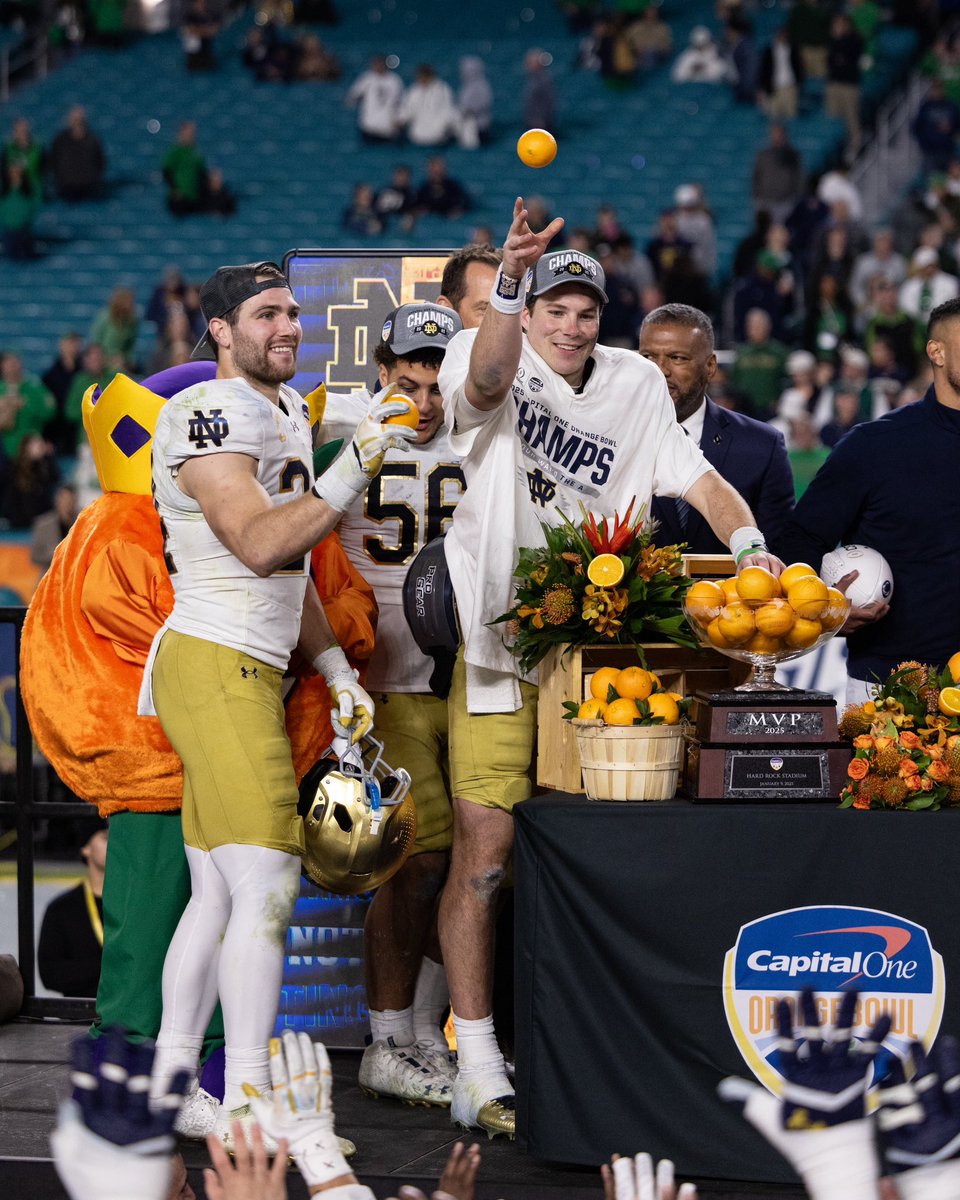
Mawuli Degbevi retweeted

10 Jan 2025
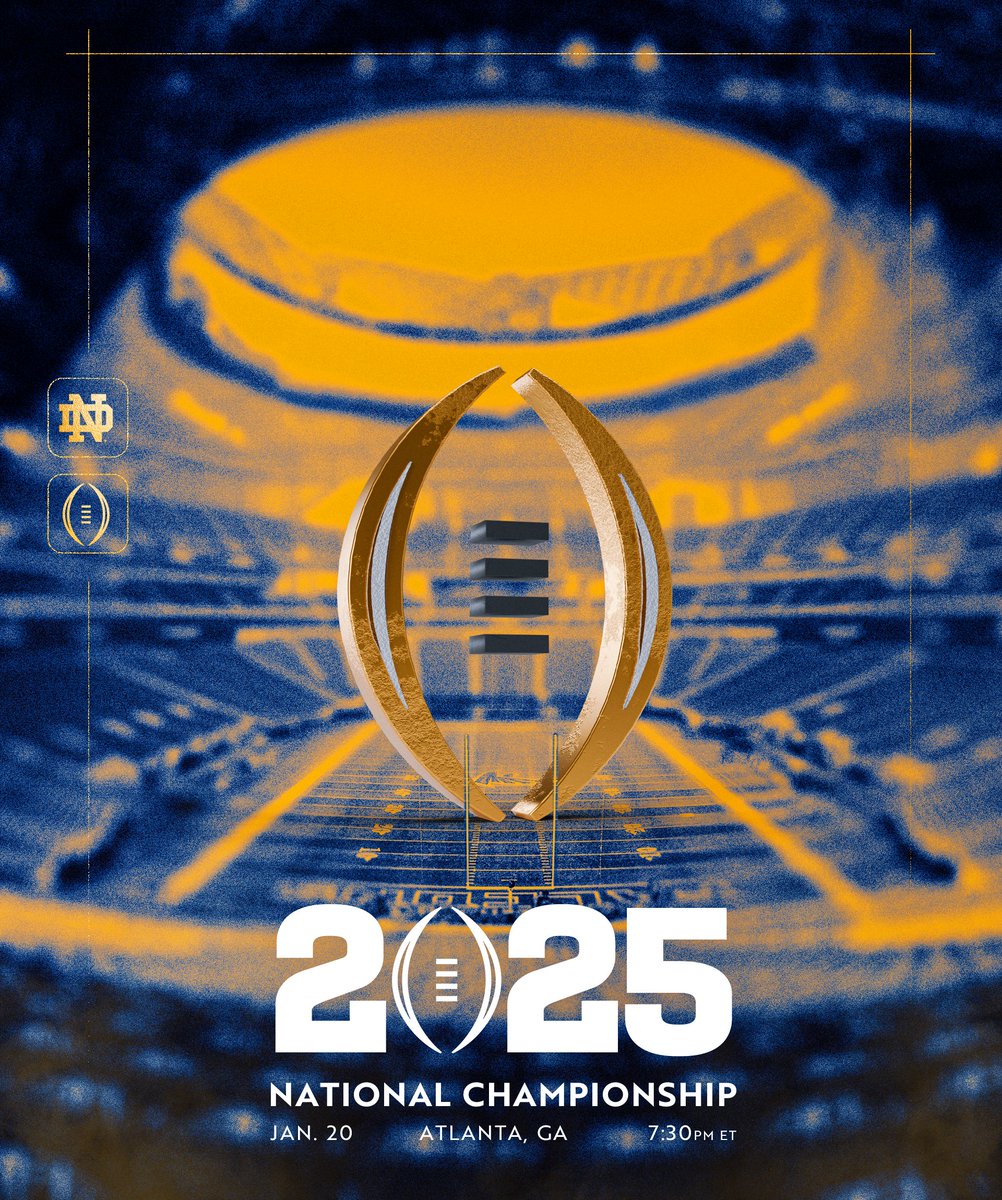
WE ARE HEADED TO THE 2025 COLLEGE FOOTBALL PLAYOFF NATIONAL CHAMPIONSHIP ☘️
SEE YA IN ATLANTA
#GoIrish☘️
321
4,094
19,524
884,365
Mawuli Degbevi retweeted

10 Sep 2024
Over the past few days, the comments made by Richlove Oduro regarding the National Science and Maths Quiz (NSMQ) have stirred considerable debate. Drawing from my experience at a Grade "A" school, I can provide some context that supports her perspective:
Before even setting foot in my prestigious school, I had already covered approximately 70% of the syllabus through self-study or extra coaching/ remedial training/classes. This wasn't an isolated case; many of my peers arrived with a similar academic head start. Despite this, our school's performance was not uniformly stellar, which might seem counterintuitive given our supposed advantages.
The reality was that the legacy of our school's past glory drove an intense academic culture and fear where students often didn't wait for teachers to initiate learning. While we did receive guidance from our educators, the notion that teachers in schools less prominent in NSMQ are somehow inferior is misguided. The truth is, many students in my class were admitted based on exceptional BECE results or, frankly, financial influence. This admission bias is a clear indicator of systemic inequity in Ghana's educational landscape.
As an NSMQ representative for my school, I can attest that while we invested immense personal effort, the role of our teachers in our NSMQ preparation was often minimal. This isn't to undermine their contributions but to highlight that much of the success in such competitions hinges on the students' pre-existing knowledge and dedication.
The NSMQ, while valuable for promoting STEM education, should not be the sole metric by which we measure a school's influence or quality. It's a competition that, by design, favors institutions with historical advantages and students who can afford additional academic resources. This doesn't necessarily reflect the true educational prowess or the holistic development provided by schools across Ghana.
In essence, Richlove's critique isn't about dismissing NSMQ's importance but challenging the narrative that it alone defines academic excellence or a school's worth. The educational system needs to evolve beyond these narrow benchmarks to truly assess and foster comprehensive educational development. Let’s be realistic, the grade A alumni are the ones occupying top positions in governance, so why the “disaster “ in those places ? The focus of schools should not only be about academics but also about grooming people for leadership and imbibing in them ethics far beyond what we are seeing today .

124
390
1,344
188,587
Mawuli Degbevi retweeted

3 Aug 2024
Ahhhh it needs to be rifles.
Got it.


700
19,780
276,803
6,942,093
4 Aug 2024
RT @Koffy_9: Kwame Nkrumah will forever be remembered but you, you’ll be forgotten. And even if you’re not forgotten, anytime your name is…
957
Mawuli Degbevi retweeted

20 Jul 2024
Wenyen Gabriel with the proudest of words after South Sudan’s first-ever game against USA Basketball 🇸🇸
528
7,808
47,529
3,096,195



Mawuli Degbevi retweeted

14 Feb 2024
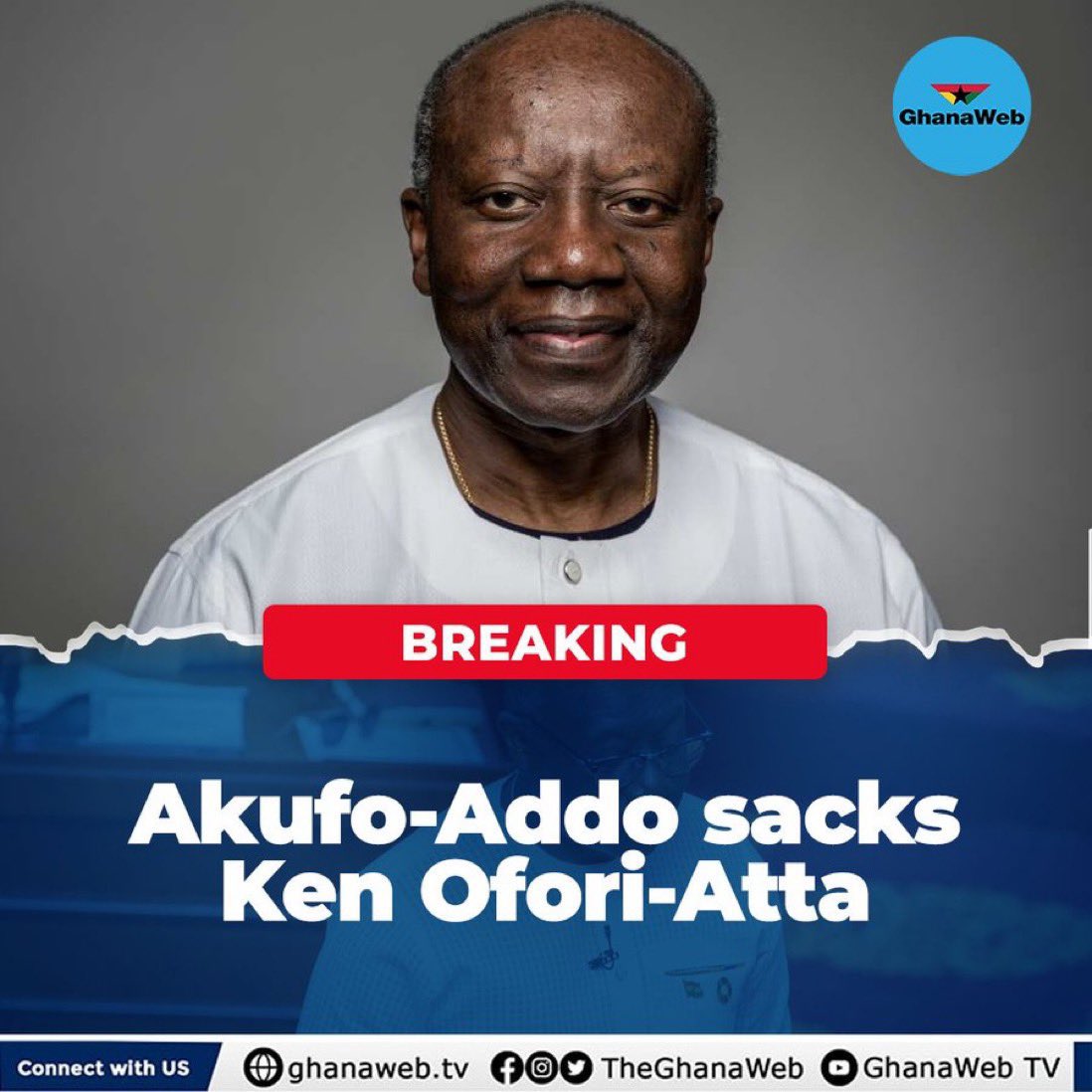
them sub Andre Ayew 88th minute you say good news 😂

318
1,739
5,228
340,818
Mawuli Degbevi retweeted

26 Nov 2023
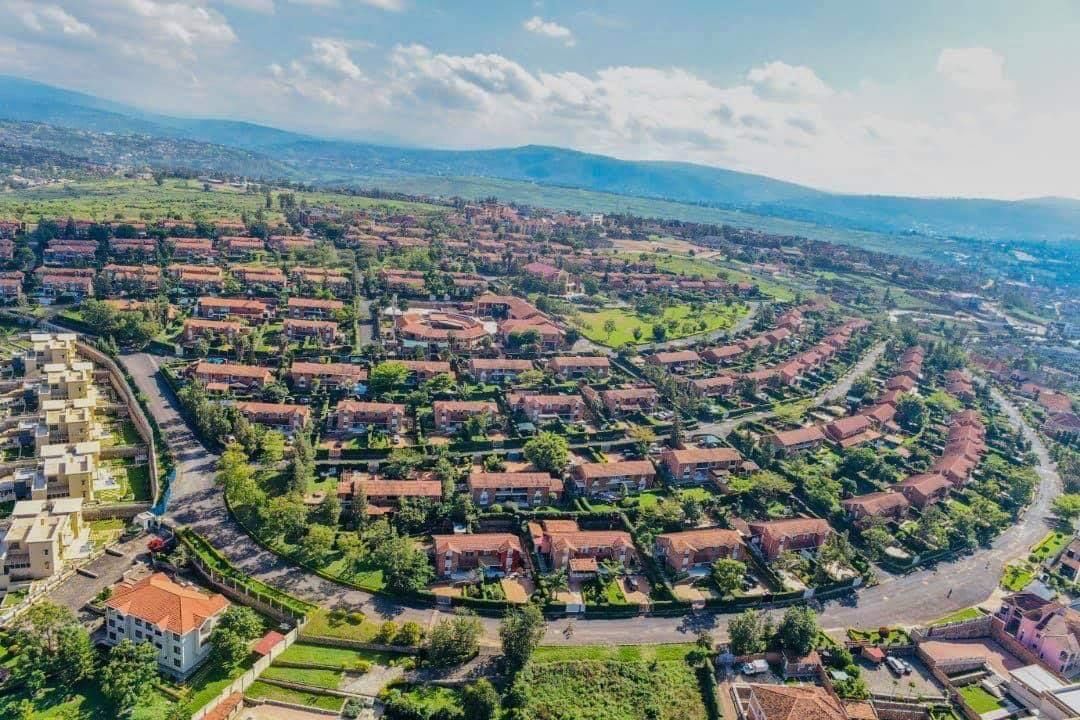
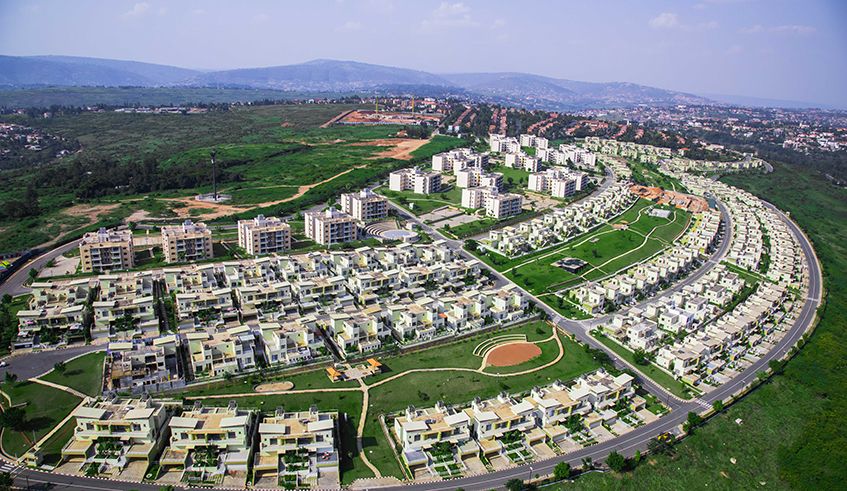
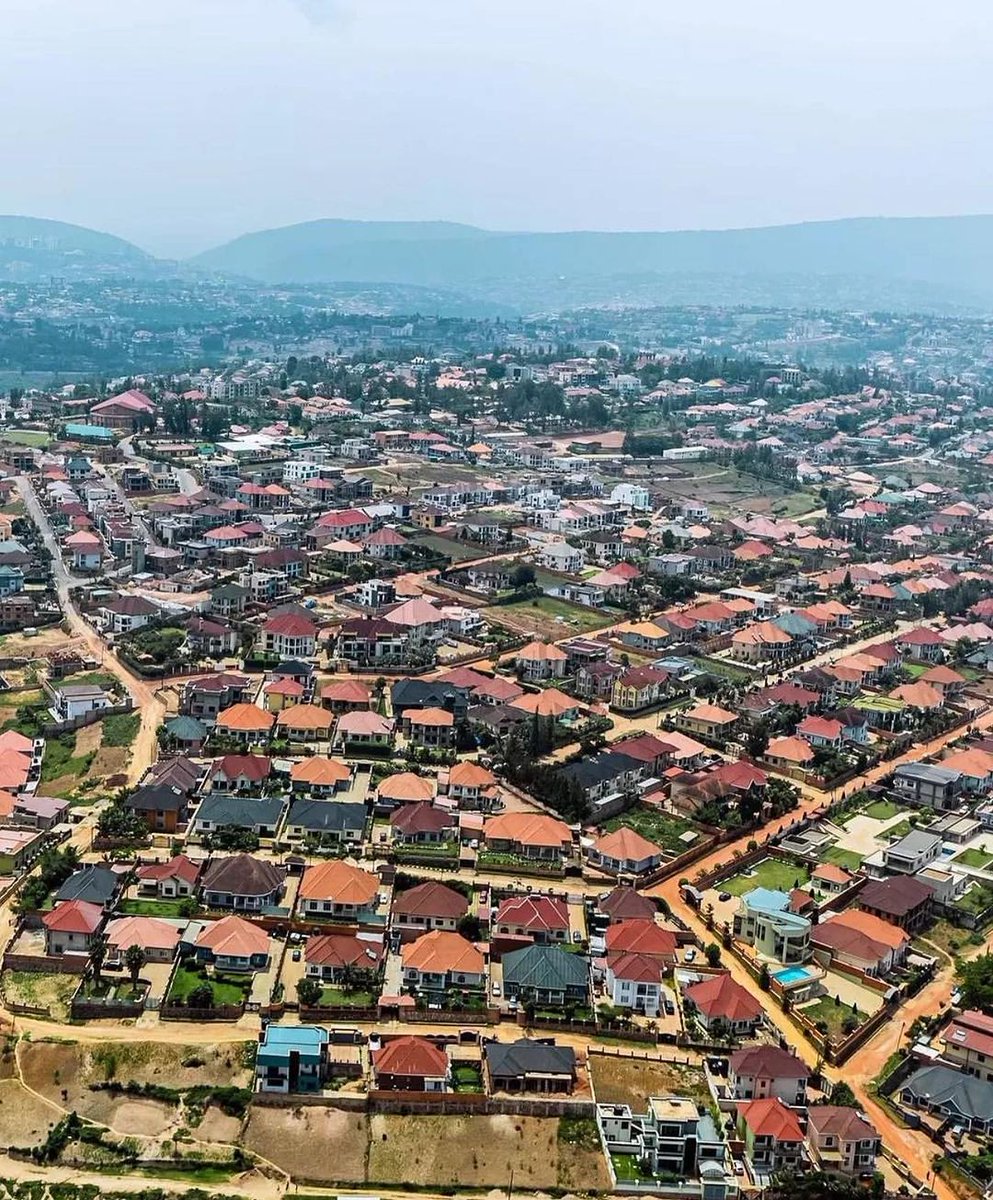
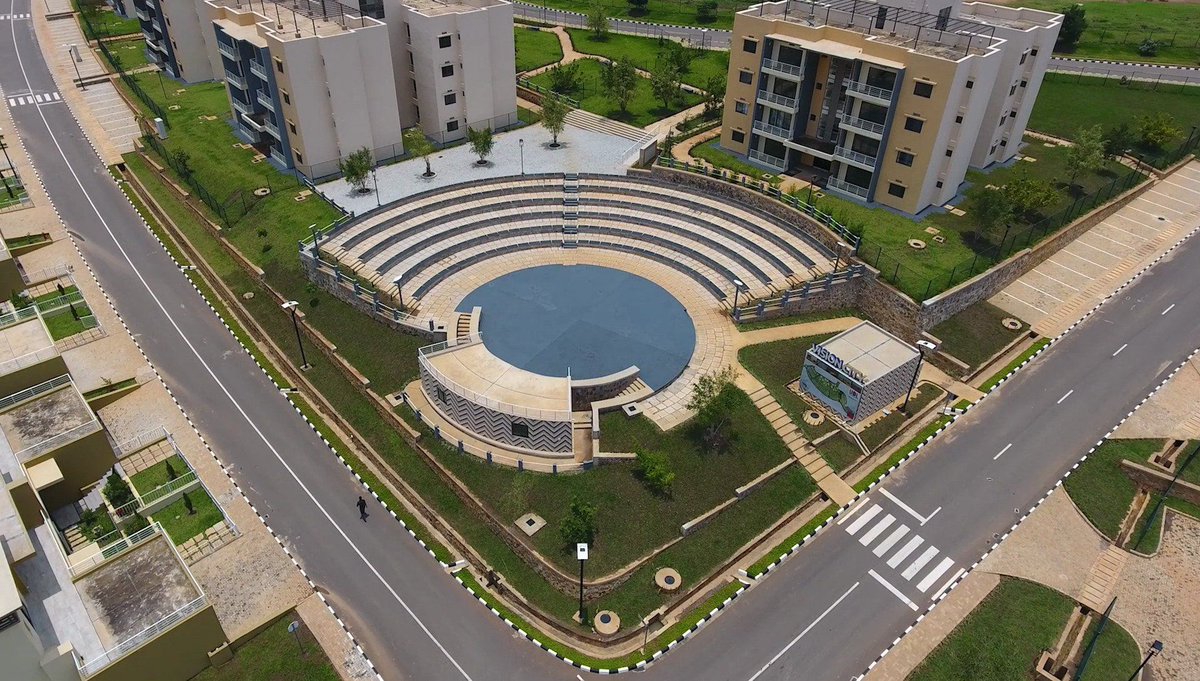
ghana card >>>

53
583
1,548
133,779
Mawuli Degbevi retweeted

5 Nov 2023
Mind you this man has 14 months left in office but his one more task is helping his VP get elected
??????
Wtf??
4 Nov 2023

“I have done my best, but I still have one more task to do, and that is to help the new flagbearer win elections 2024, Ghana cannot afford the return of Former President @JDMahama” - @NakufoAddo #NPPDecides
5
343
439
39,877
3 Nov 2023
PSG’s Kang-in Lee can be as great as he wants. Ball sticks to his feet like he calls it along.
5
680
Mawuli Degbevi retweeted

30 Oct 2023
Imagine being their cousin in a Ghanaian house hold
30 Oct 2023

Selasie Mortey [2019 finalist] and Selinam Mortey [2023 finalist].
Brothers in the final.
#NSMQ2023 #NSMQ30 #NSMQGrandFinale #Primetime


139
696
3,296
373,056
Mawuli Degbevi retweeted

18 Oct 2023
142,229
293,732
1,061,993
193,848,270
18 Oct 2023
Bro, this country was annoying before but that feeling grows exponentially once you go and see things and come back. Ordered 10 Ubers last night and they accept and call you ask if you’re paying with card or cash. None showed up by the way cos my card is linked to my Acc.
2
1
347