
Joined November 2010
- Tweets 2,180
- Following 509
- Followers 497
- Likes 1,368
1,386 Photos and videos

Jun 12
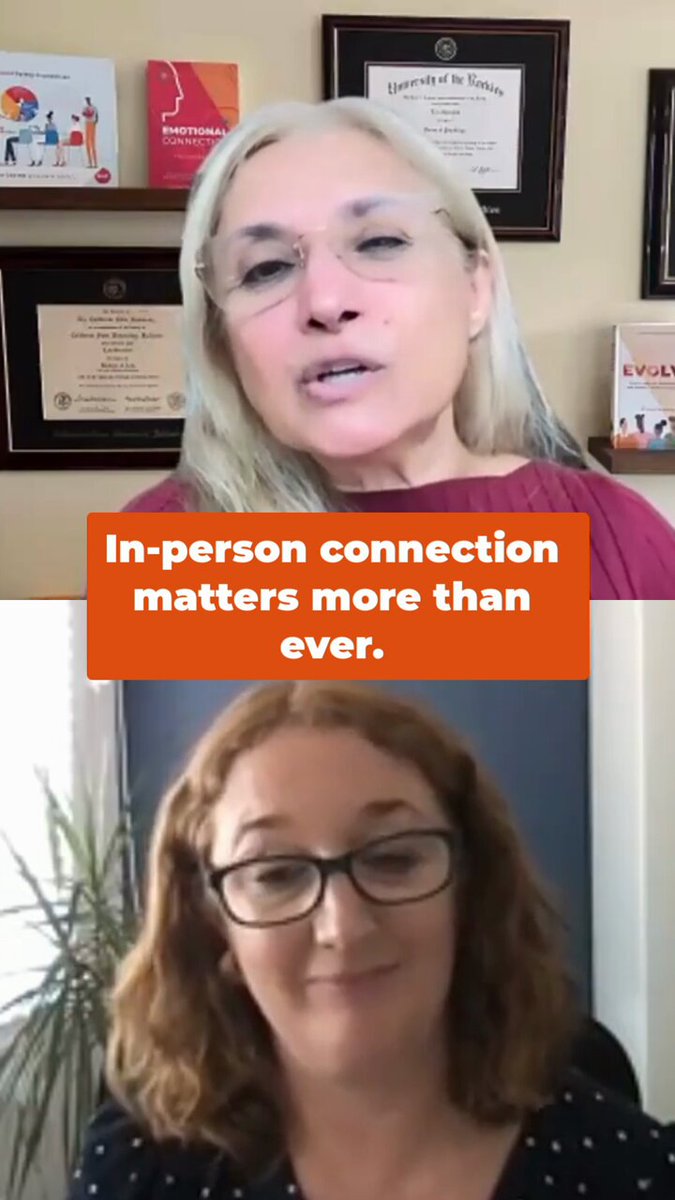
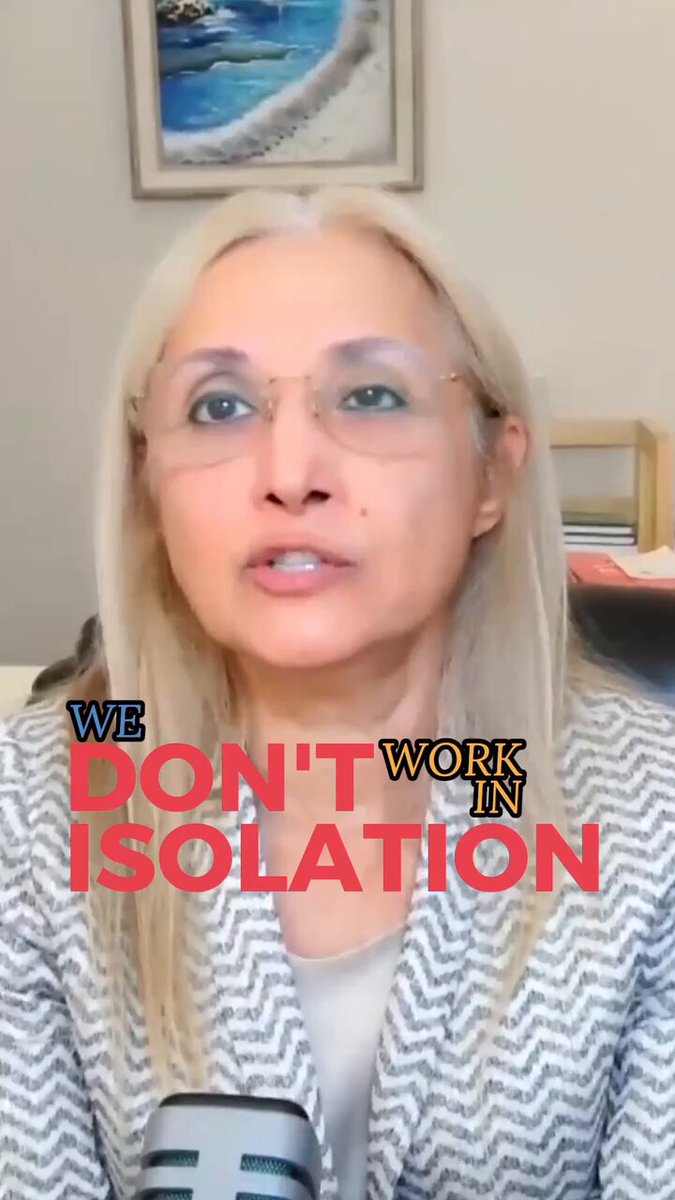
In an age of AI, in-person connection is more vital than ever. Skipping face-to-face interactions diminishes colleague bonds. Being present allows you to truly read expressions, body language, and emotions. #Connection #AI #HumanInteraction
10
Jun 11
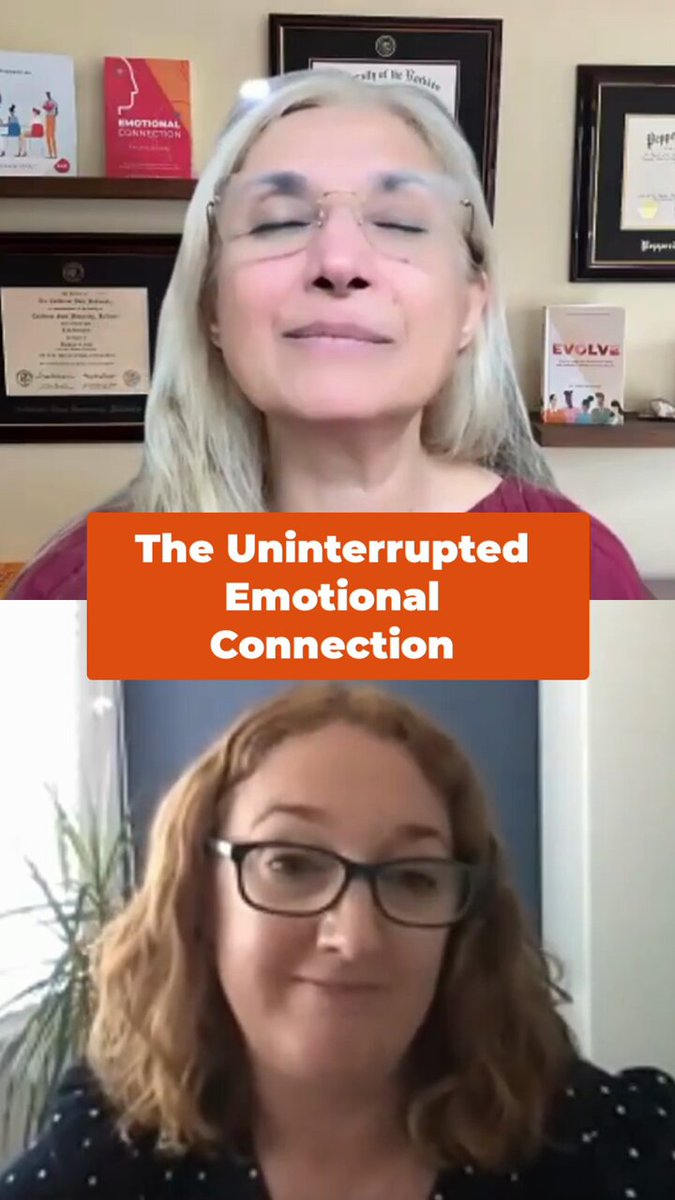
Unexpected interruptions during reconnection forms? No problem! We seamlessly switched focus, answered questions, and then flowed right back into our task, as if nothing happened. Pure emotional flow. #Teamwork #FlowState
12
Jun 11
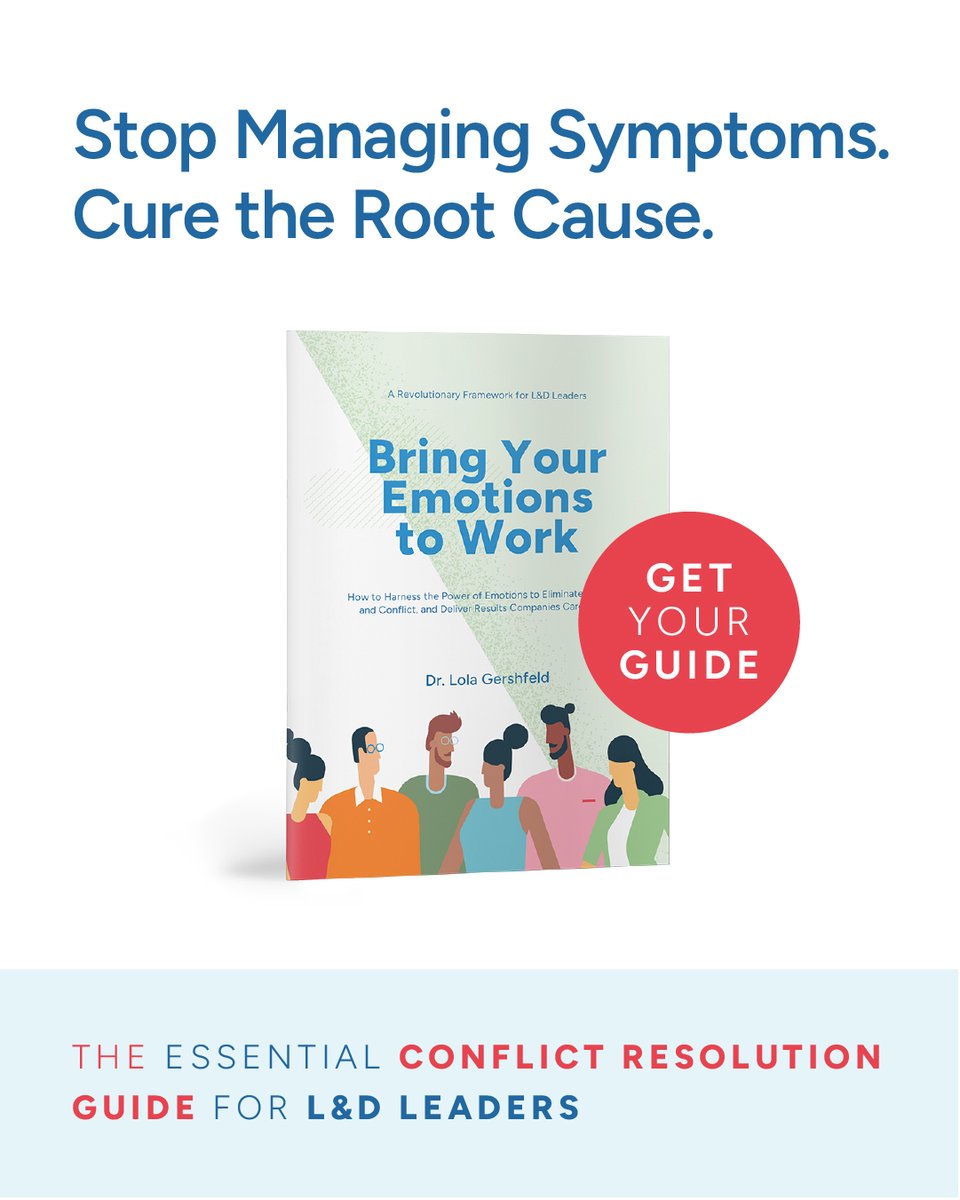
Stop managing symptoms. Start addressing the root cause.
📎 emcleaders.com/ebook
#EMCLeaders #ConflictResolution #LeadershipDevelopment #EmotionalIntelligence #LearningAndDevelopment #WorkplaceCulture #HRLeadership #EmployeeExperience
2
Jun 10
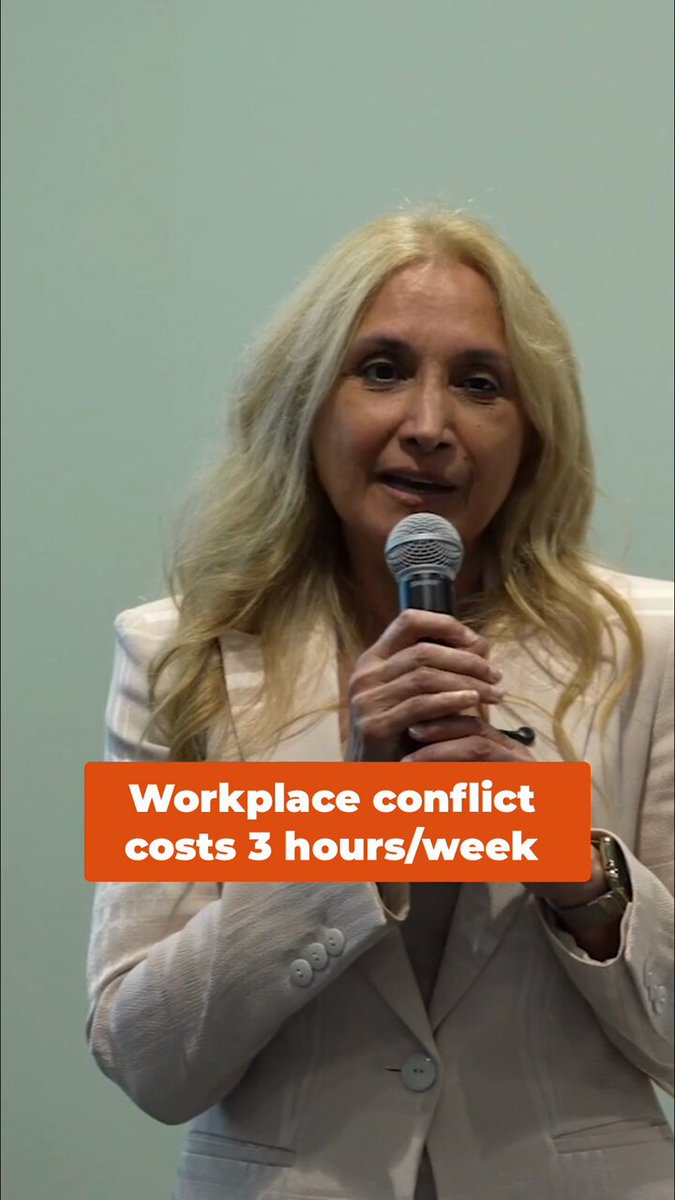
Studies show 3 hours per week, per person, can be lost to conflict. That's time that could be used for actual work. #WorkplaceCulture #ConflictResolution #Productivity
11
Jun 9
Companies struggle when sensitivities aren't shared, leading to repeated triggers. Understanding your sensitivities helps you and your team. Feeling safe and connected repairs them, making you less reactive. #Teamwork #EmotionalIntelligence
1
16
Jun 8
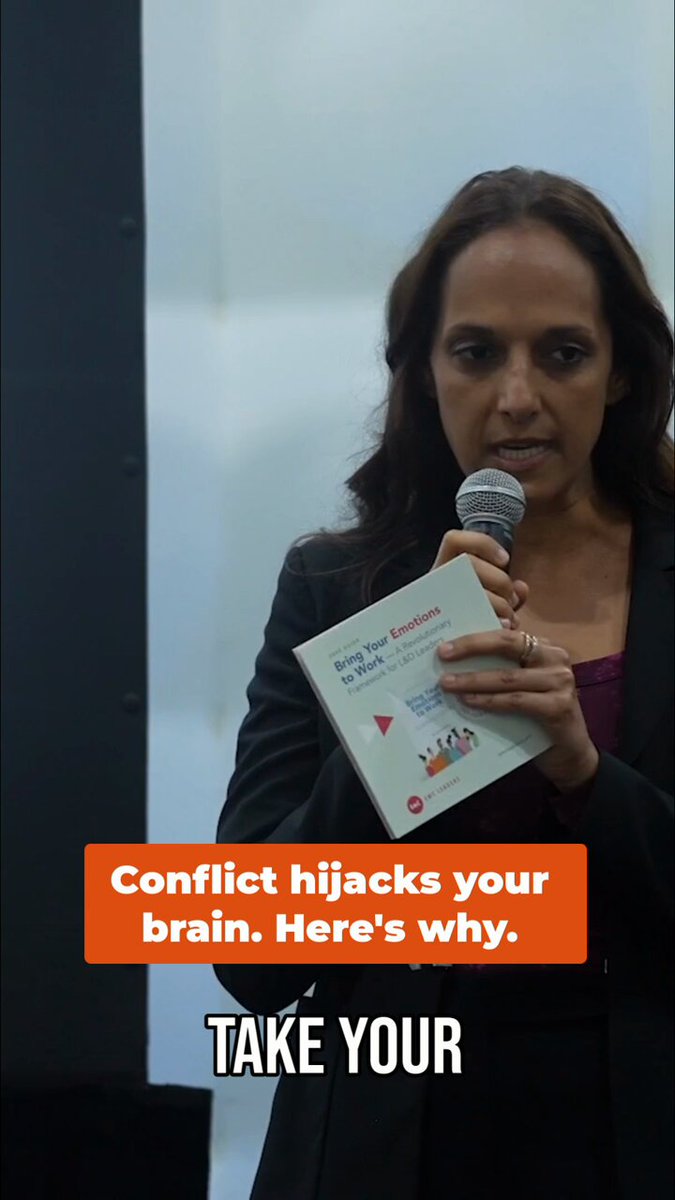
When conflict triggers the amygdala, it hijacks the prefrontal cortex, leading to brain fog and an inability to think clearly or communicate. Understanding underlying emotions is key to managing these reactions and regaining control. #EmotionalIntelligence #BrainScience
1
11
Jun 5
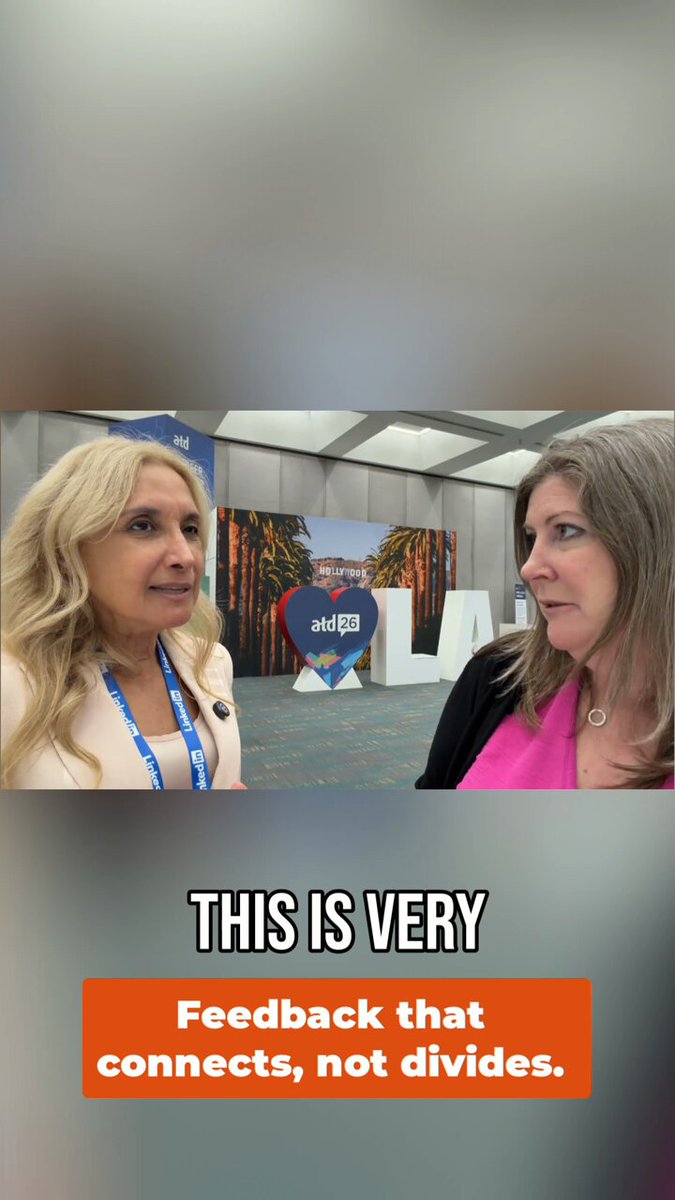
When giving feedback, the goal is to connect, not alienate. Saying "This is distancing me" shows vulnerability and care, because "You matter to me." It's about preserving the relationship. #Communication #Relationships
7
Jun 4
Safe teams don't just follow instructions, they innovate💡!
When your people feel safe, they stop doing the bare minimum and start bringing their best ideas to the table, even after hours. True leadership creates an environment where growth and profit follow naturally.
Level up your leadership culture with EmC Leadership.
Link in bio.
3
Jun 2
When our prefrontal cortex is offline, true mastery emerges from psychological safety. It's the foundation for all capabilities and skills. Prioritize creating that safe space. #PsychologicalSafety #Leadership
4
May 29
The most innovative ideas often emerge during moments of relaxation.
Think about it: showers, walks on the beach, or yoga sessions are frequently where breakthroughs happen. This isn't a coincidence. When we're relaxed, our prefrontal cortex, the hub for creativity and problem-solving, becomes more open and less inhibited by stress.
Allowing yourself downtime isn't just a luxury; it's a strategic imperative for unlocking your best thinking. #Creativity #Innovation #Mindfulness #WorkplaceWellness #ProblemSolving
13
May 28
Genuine enthusiasm sparks from the freedom to express ideas.
It thrives when individuals can think out loud, exploring good ideas, bad ideas, new ideas, and even wrong ideas without fear. This open exchange fosters innovation and unlocks creative potential.
True engagement comes from an environment where all thoughts are welcome. #Innovation #Teamwork #Creativity #WorkplaceCulture #IdeaGeneration
4
May 28
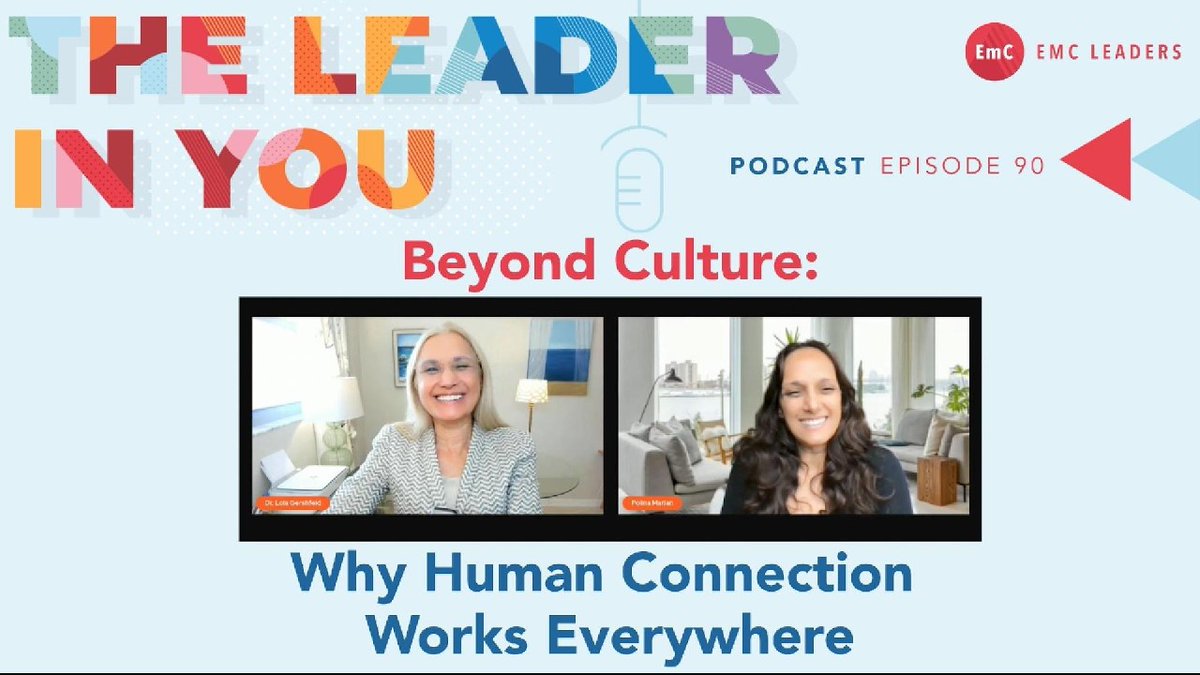
What if workplace conflict isn’t really about culture — but about connection?
In this episode of The Leader in You, we explore a powerful insight from the SIOP Conference:
No matter where people come from, the emotional patterns behind conflict are often the same.
When people feel seen, valued, and emotionally safe, communication and collaboration change.
🎧 Listen here: emcleaders.com/podcasts
🌐 Learn more: emcleaders.com
#LeadershipDevelopment #EmotionalIntelligence #WorkplaceCulture #ConflictResolution #EmotionalConnection
9
May 27
True psychological safety emerges when we can depend on each other, especially during times of pressure, uncertainty, or mistakes.
It's in these vulnerable moments, when things aren't going well, that our need for attachment surfaces. Allowing ourselves and others to admit errors without fear creates a foundation of trust. This sense of security is paramount for effective collaboration and resilience.
How do you foster an environment where vulnerability is seen as a strength? #PsychologicalSafety #Leadership #Teamwork #WorkplaceCulture #Trust
4
May 27
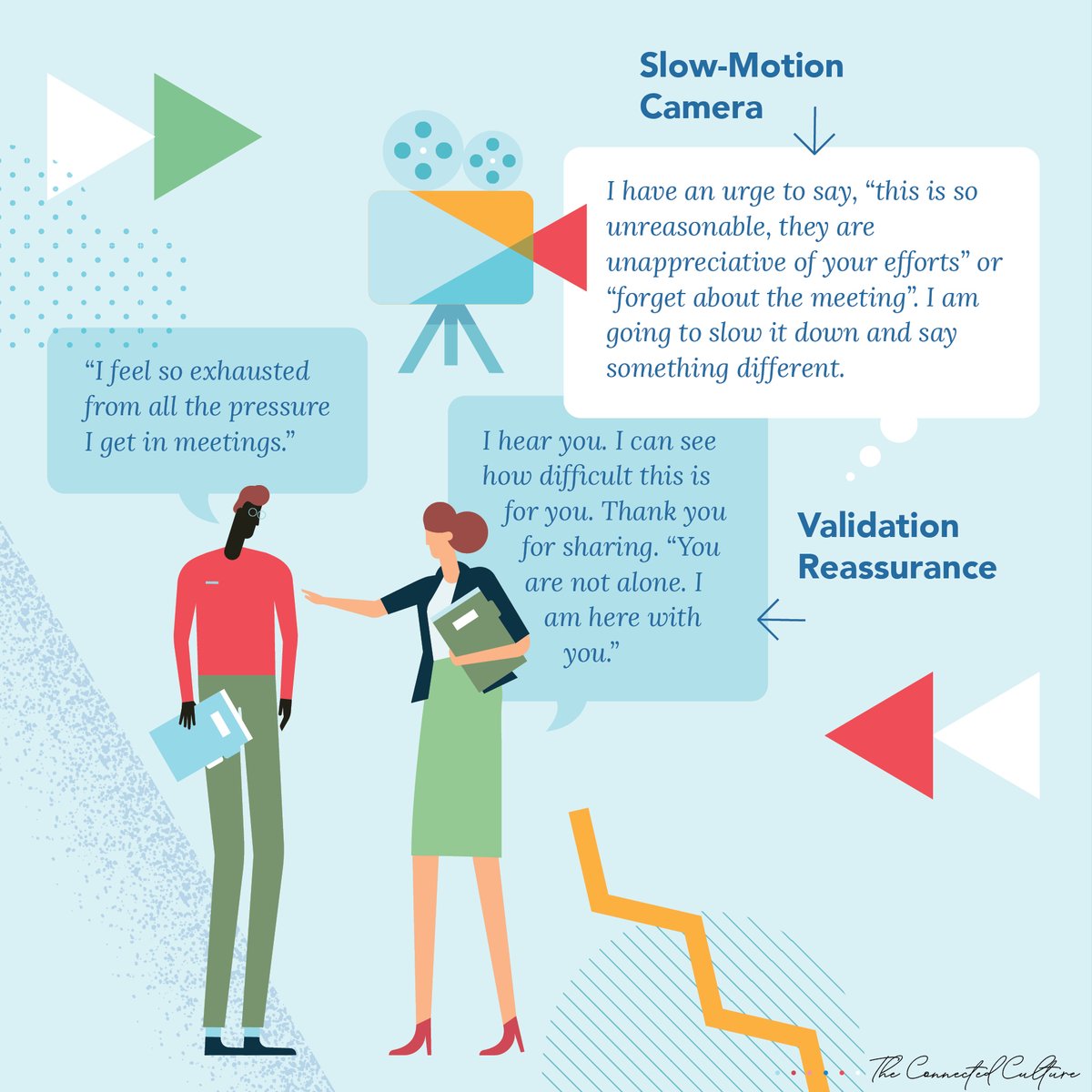
In the workplace, emotions often run high. When a colleague shares frustration—like feeling overwhelmed by meetings—our response shapes trust and connection.
In Connected Culture by Lola Gershfeld, the key idea is to slow down reactions and choose validation over dismissal.
Instead of reacting with judgment or advice, try acknowledging the person’s experience:
“I hear you. I can see this is really hard. Thank you for sharing. I’m here with you.”
This small shift builds psychological safety and stronger team relationships.
How do you practice emotional validation at work?
emcleaders.com/products/the-…
#ConnectedCulture #Leadership #WorkplaceCommunication #EmotionalSafety
3
May 26
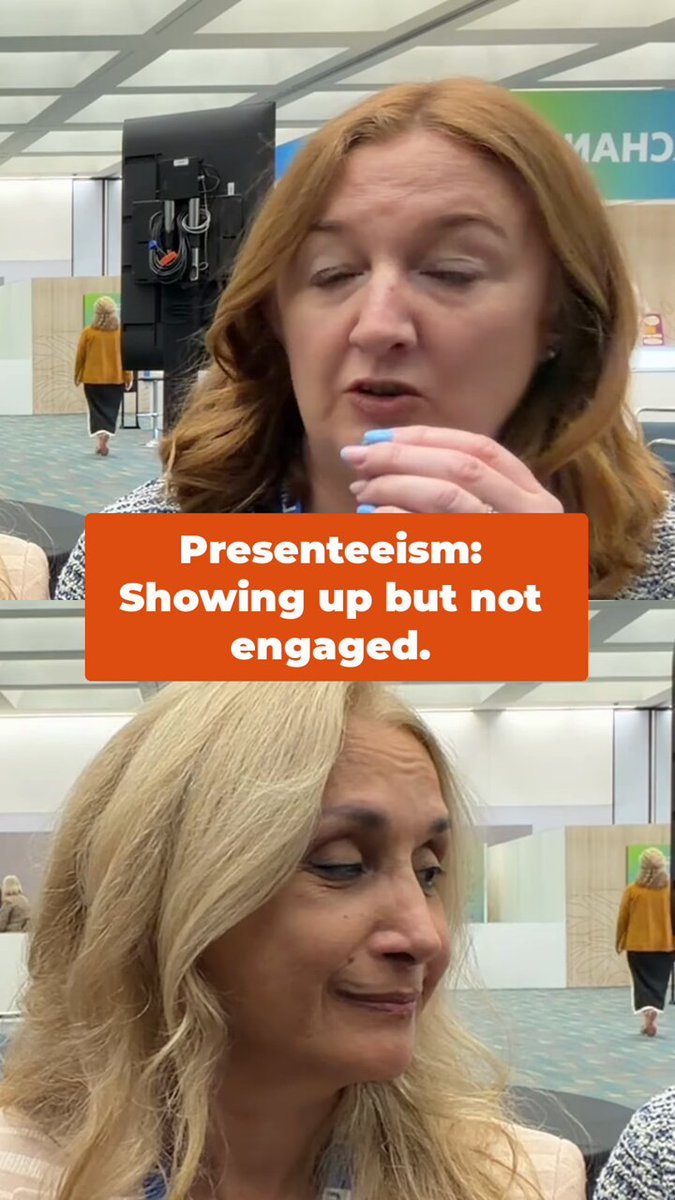
Disengagement isn't just about absenteeism; it's often presenteeism. #EmployeeEngagement #Productivity
2
May 25
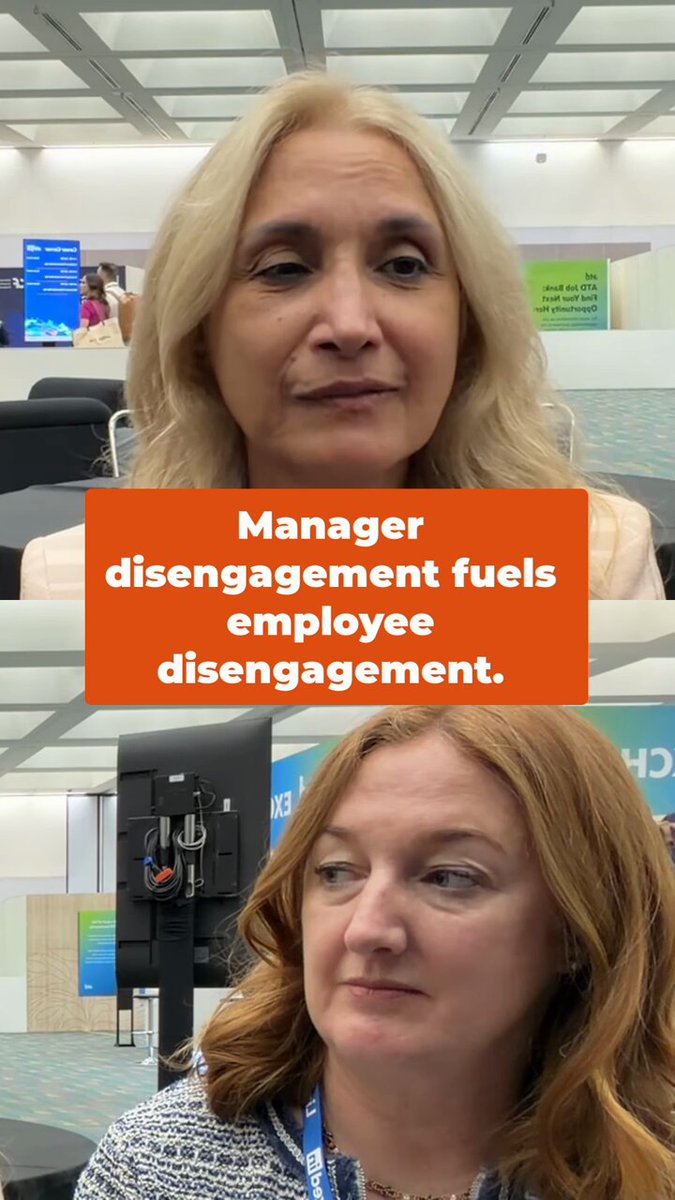
Employee engagement is declining globally, according to Gallup. The study links disengagement to managers who are themselves disengaged. It's a cascading effect on teams. #WorkplaceCulture #Leadership
10
May 25
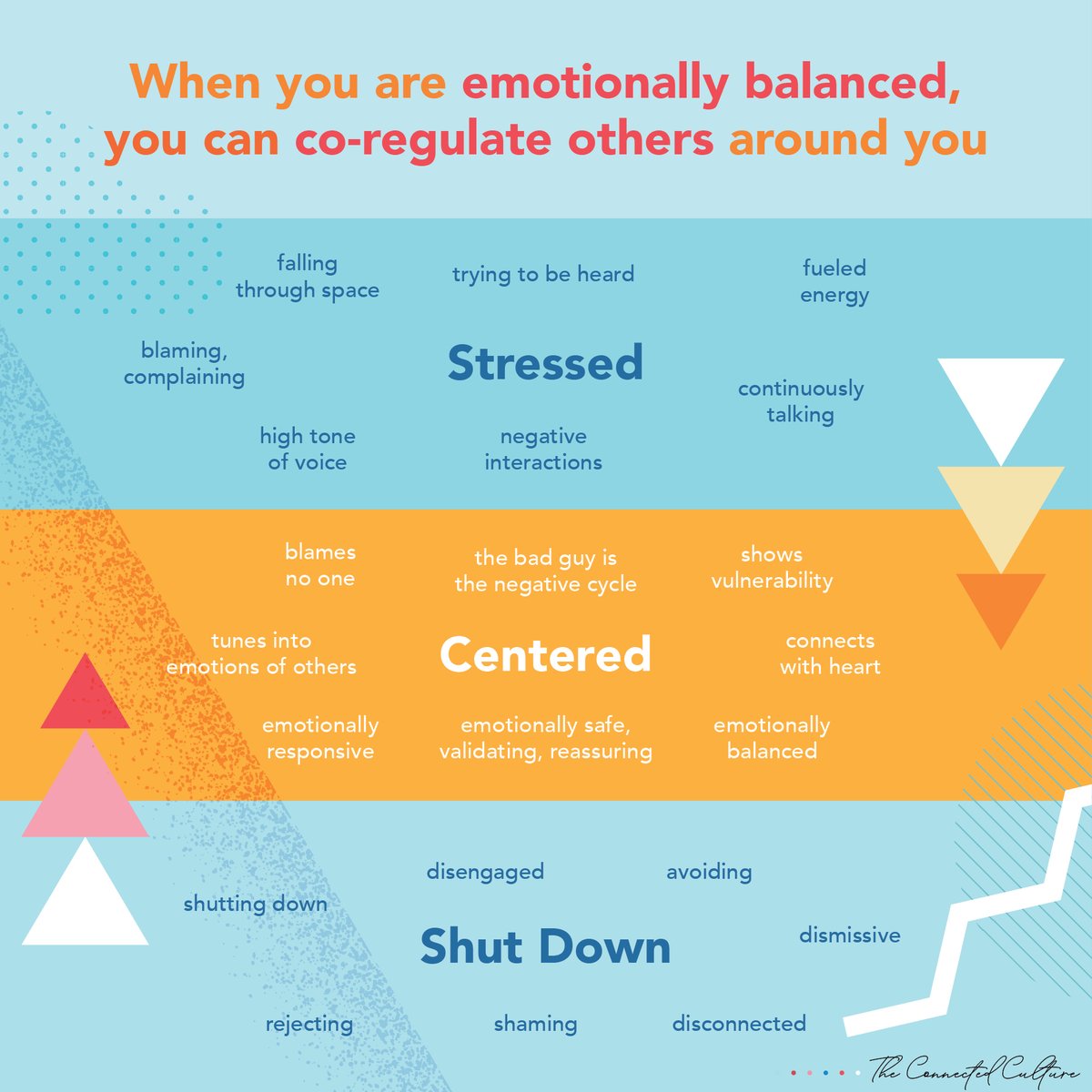
Emotional Balance Shapes Workplace Dynamics
In The Connected Culture Book by Lola Gershfeld, she explains how our emotional state influences those around us. When we are stressed, we engage in negative interactions. When we shut down, we disconnect. But when we are centered, we create safety, trust, and connection.
By staying emotionally balanced, we not only regulate ourselves but also help others feel more secure and engaged. A connected culture starts with emotional awareness.
How do you bring balance to your workplace?
emcleaders.com/products/the-…
#TheConnectedCulture #EmotionalBalance #WorkplaceCulture #PsychologicalSafety #Leadership
4
May 22
Our brains are wired for growth. When we're not developing, we experience anxiety and depression, much like feeling anxious and depressed when not fulfilling our potential at work. It’s an innate need to grow. #PersonalGrowth #Mindset
1
15
May 22
Our brains are wired for growth. When we're not developing, we experience anxiety and depression, much like feeling anxious and depressed when not fulfilling our potential at work. It’s an innate need to grow. #PersonalGrowth #Mindset
1
11
May 22
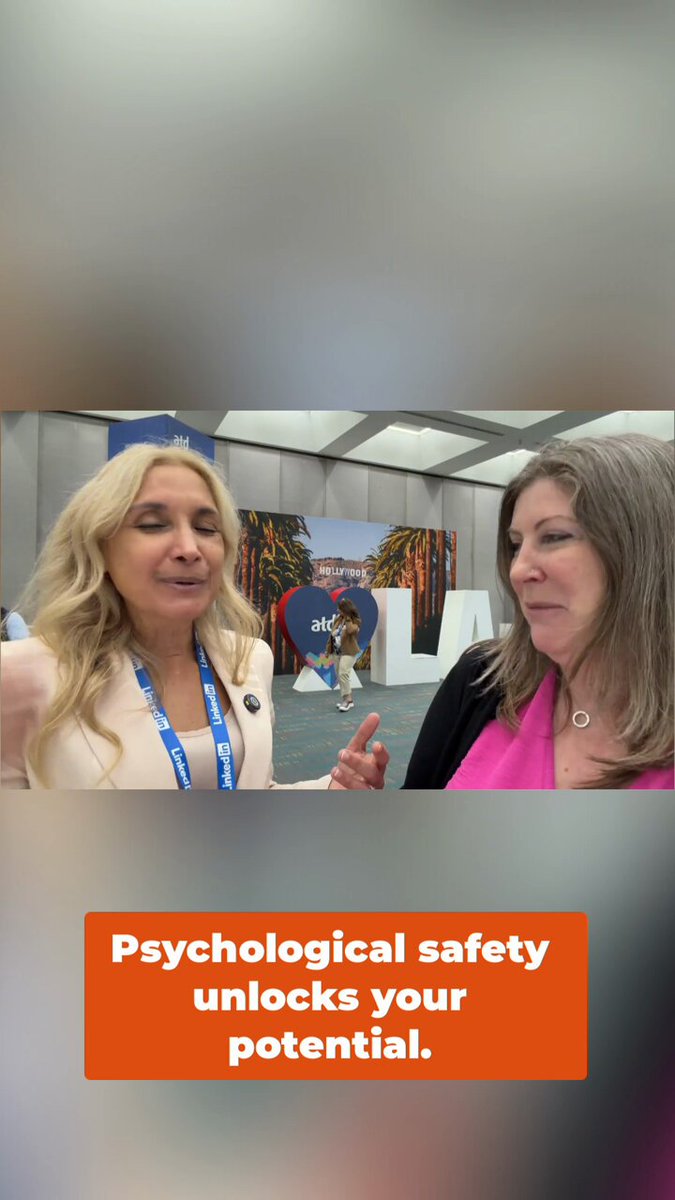
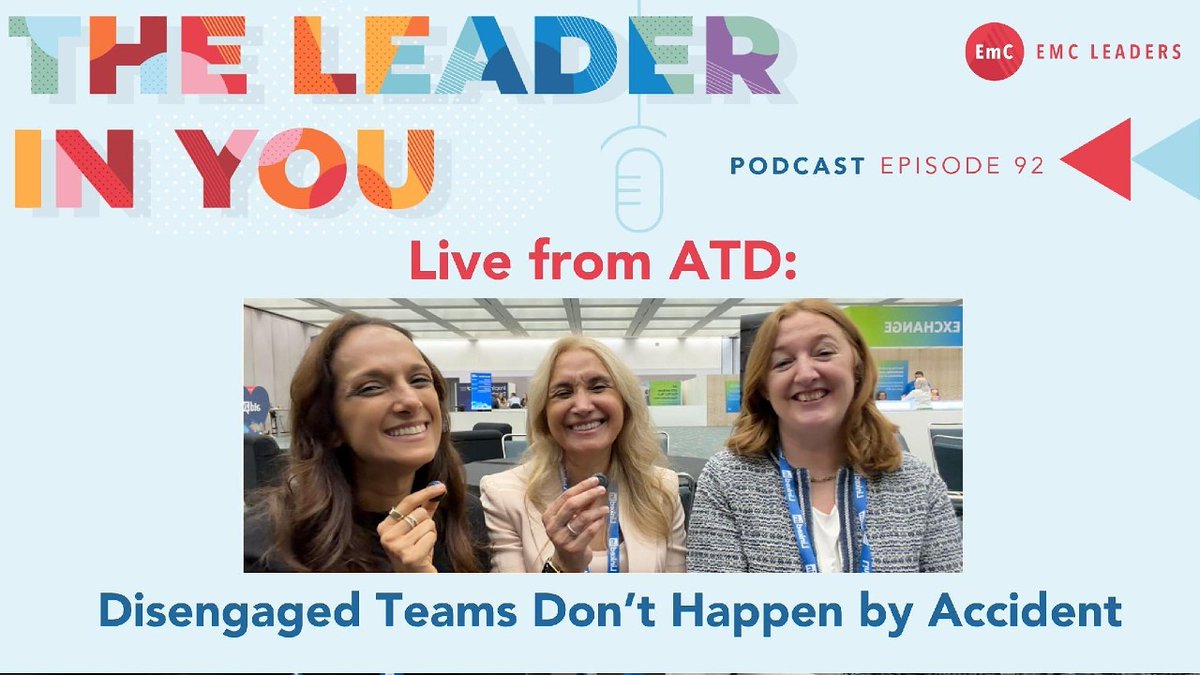
Recorded live at the ATD Conference in Los Angeles, Dr. Lola Gershfeld, Polina Marian, and Niamh Hannan explore the hidden emotional patterns behind workplace disengagement and conflict.
In this episode, we discuss:
✔ Why disengaged managers create disengaged teams
✔ How negative interaction cycles damage connection
✔ Why conflict is about patterns — not “bad people”
✔ How emotional awareness helps leaders stay connected under stress
🎧 Learn more: emcleaders.com/
🎙 Podcasts: emcleaders.com/podcasts
#Leadership #EmployeeEngagement #WorkplaceCulture #EmotionalIntelligence #EmCLeaders
19