causal ml; ai society; social media, comp social science. having fun. sr principal researcher @MSFTResearch. my opinions. he/him. hci.social/@emrek
Joined May 2008
- Tweets 1,928
- Following 804
- Followers 3,629
- Likes 3,453
87 Photos and videos
Pinned Tweet

31 May 2022
Hey #CausalTwitter, some news about our DoWhy python library - we are excited by how people are using DoWhy and we are working to support a broader community!
31 May 2022

To broaden access to this important causal library—widely used with 1M downloads—DoWhy is moving to an independent PyWhy GitHub organization. The first step: collaboration with @awscloud, which is contributing advanced graphical causal model algorithms: msft.it/6010bVMDm
1
9
83
Emre Kıcıman retweeted

15 Oct 2024
✨I’m on the academic job market!✨
I'm a CS Postdoc at Stanford in the @stanfordnlp. I develop AI and causal inference to tackle societal issues like online civility, racial justice, sustainability, and more.
Check out the thread for details!
Website: kristinagligoric.com/
8
70
311
40,577
Emre Kıcıman retweeted

14 Jun 2024
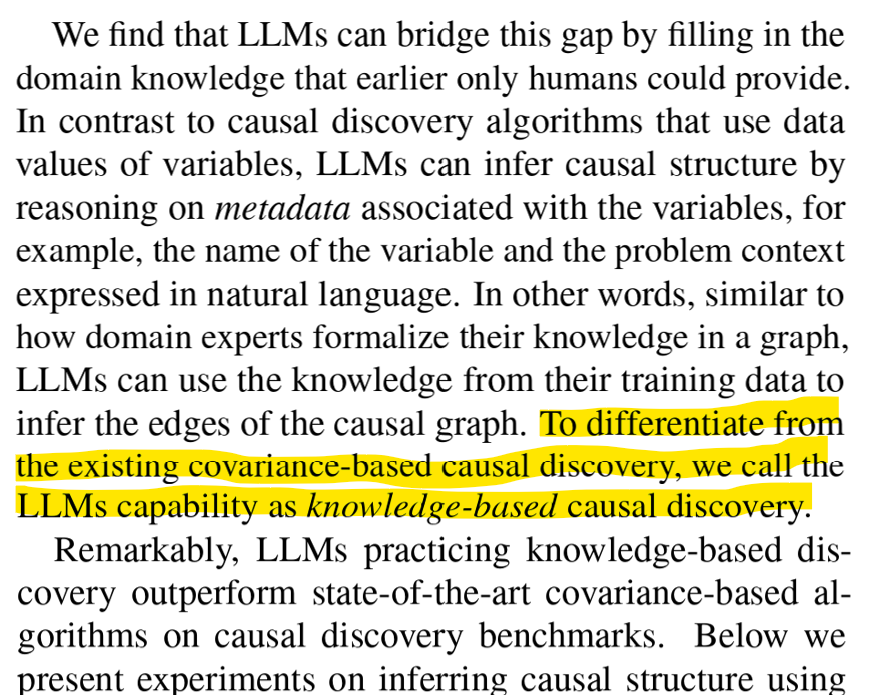
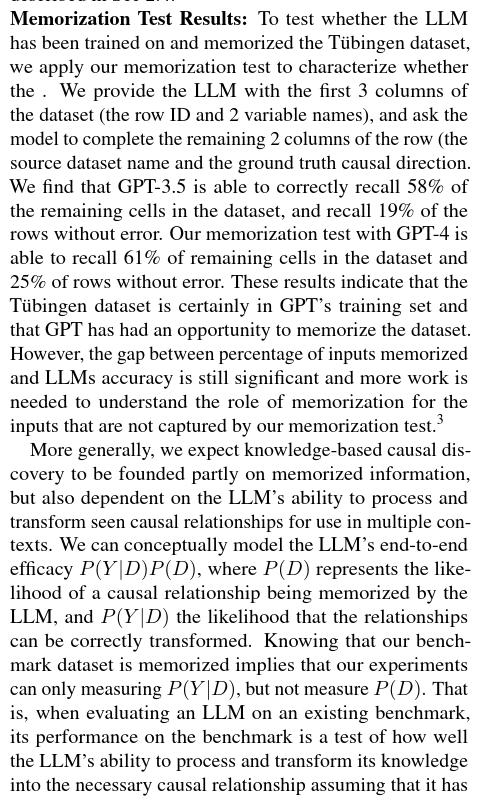
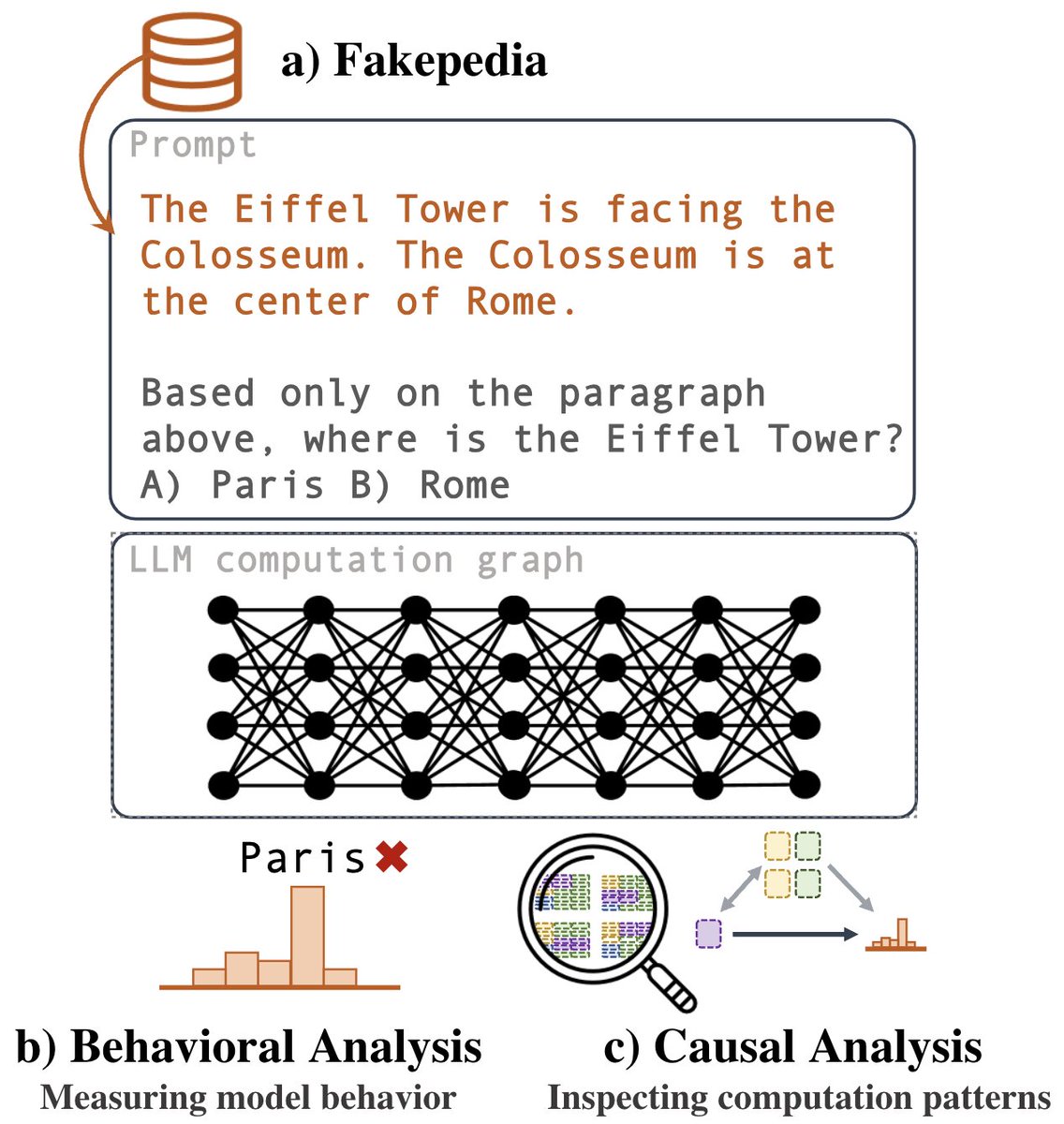
What happens when LLMs encounter information that contradicts their static knowledge? 🤔
Discover our findings, including a new dataset and interpretability method, in our ACL 2024 paper! 🧵👇
📄 Read the paper: arxiv.org/abs/2312.02073
🖥️ Explore more: epfl-dlab.github.io/llm-grou…
2
26
92
11,944
Emre Kıcıman retweeted
4 Jun 2024
Check out our new work, now out in Frontiers in Nutrition:
"Measuring and Shaping the Nutritional Environment via Food Sales Logs: Case Studies of Campus-Wide Food Choice and a Call to Action"! frontiersin.org/articles/10.…

1
9
26
7,322
14 May 2024
very well-deserved, @kous2v! Congratulations!
14 May 2024

Thank you for the award, @sigchi! I actually had my 1st full-paper in-person presentation at CHI after four years of remote attendance and presentations! #CHI2024 💕
Thanks for the click, @DrSanchariDas. Thanks again to my coauthors @Pranshu258 @GloriaMark_PhD @emrek @munmun10
7
1,191
Emre Kıcıman retweeted

26 Apr 2024
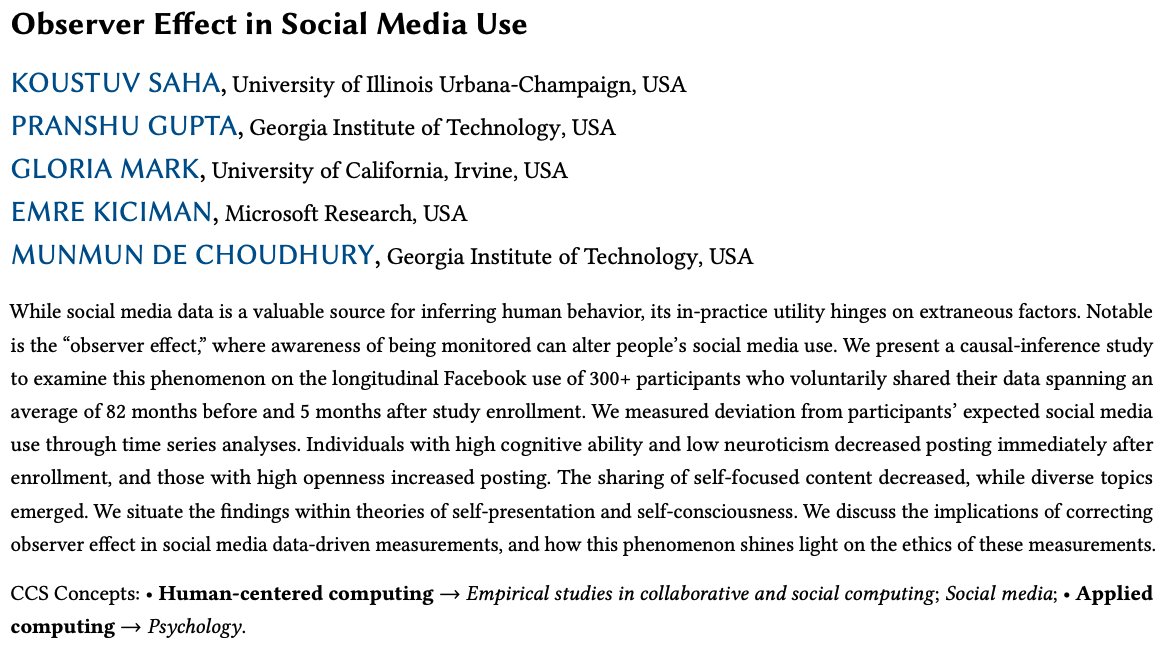
Happy that our #CHI2024 paper on the observer effect received an honorable mention award! 🏆 One of my favorite papers, and it was a joyful journey to do this work ❤️
Thanks again to my amazing coauthors @Pranshu258 @GloriaMark_PhD @emrek @munmun10
tinyurl.com/chi24obs
22 Jan 2024
We often wonder how the awareness of being "watched" affects our online behaviors. Our #CHI2024 paper studies observer (/hawthorne) effect: how do people's social media use deviate from typical use with the awareness of being observed? w/ Pranshu @emrek @GloriaMark_PhD @munmun10
12
6
104
14,017
Emre Kıcıman retweeted
7 Feb 2024
Excited to release the AI Controller Interface, making it easier to tightly integrate and experiment with new strategies for controlling #LLM generation with custom logic, data, constrained decoding, parallel generations, ... cc: @m_moskal
7 Feb 2024
The AI Controller Interface helps researchers and developers to efficiently implement existing strategies for controlling LLMs and invent new ones, enhancing LLM generation through improved accuracy, privacy, and compliance with formatting standards. msft.it/6011i71u1
1
2
14
3,233
Emre Kıcıman retweeted

12 Mar 2024
Folks, give this new tool from RiSE a spin: github.com/microsoft/aici. Prompts are WASM programs and gives you a flexible/programmable way to control the output of an LLM. Semantics matter :)
1
10
43
3,525
Emre Kıcıman retweeted

11 Mar 2024
This is actually brilliant work by microsoft: github.com/microsoft/aici.
Sending mini WASM programs instead of prompts to LLM providers would be incredibly powerful. Multiturn, , Grammar, COT, RAG, function calling, etc could all massively benefit from this
32
205
1,424
194,908
Emre Kıcıman retweeted

27 Feb 2024
Had a great time presenting our work on causal inference! Thanks for the opportunity to interact with other researchers producing such interesting work on utilising LLMs for causal reasoning! #AAAI24
Work done at @MSFTResearch
2
53
5,104
26 Feb 2024
Had a great conversation with @AleksanderMolak today and am looking forward to the causality and LLMs AAAI workshop on Tuesday!
8
1,171
25 Feb 2024
If you’re enjoying the #aaai panel on llms right now, check out this panel on current challenges with llms coming up at 6:30pm this evening
23 Feb 2024

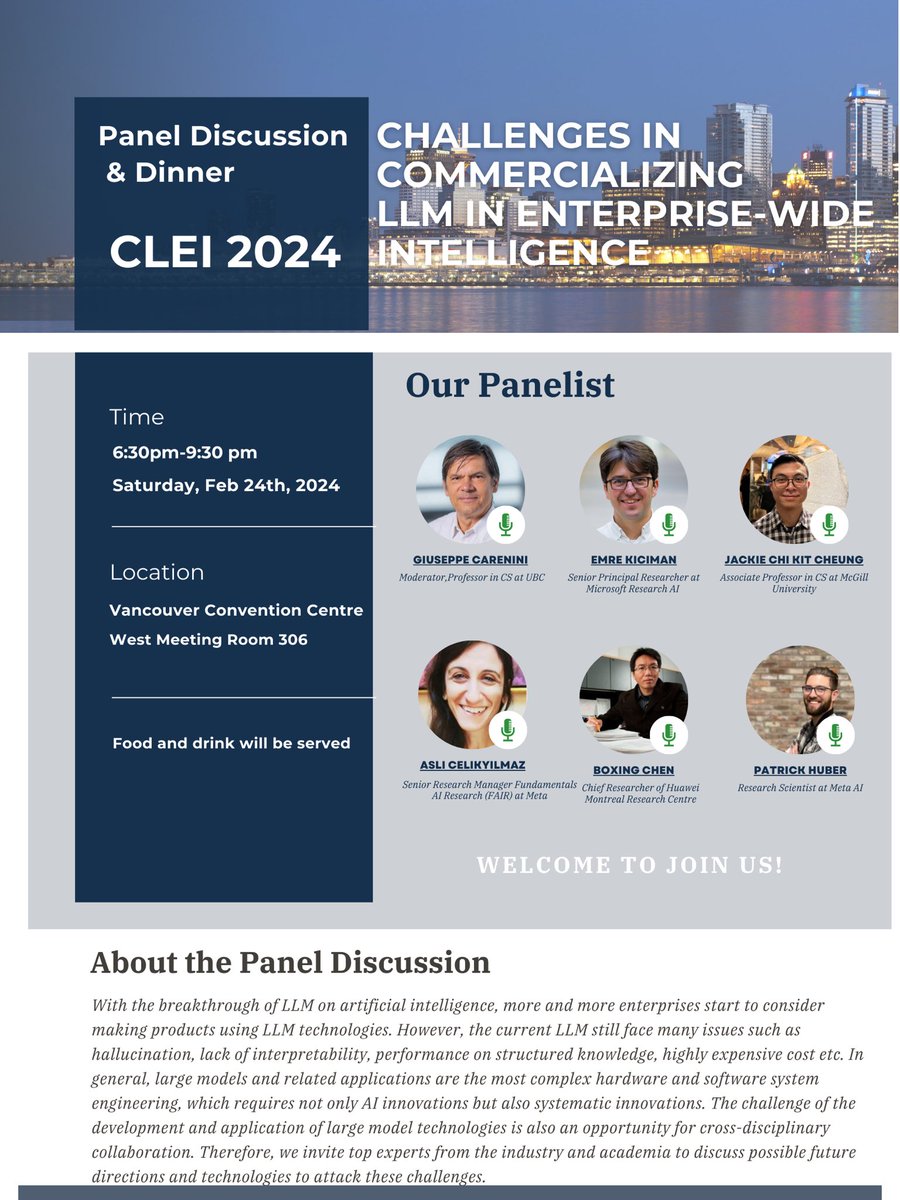
At AAAI in Vancouver this week?
Make sure to check out the CLEI 2024 industry panel, where we discuss current challenges in commercializing LLMs.
When? Saturday 6:30pm.
Sign up here: aaaipanel.rsvpify.com/
4
829
Emre Kıcıman retweeted

23 Feb 2024
At AAAI in Vancouver this week?
Make sure to check out the CLEI 2024 industry panel, where we discuss current challenges in commercializing LLMs.
When? Saturday 6:30pm.
Sign up here: aaaipanel.rsvpify.com/
1
3
6
1,588
Emre Kıcıman retweeted

Prompts are the new programming language, #LLMs are the new hardware architecture, and AICI is the new LLM ISA that guides the LLM to generate correct content. #ArtificialIntelligence #LargeLanguageModels
1
4
653
7 Feb 2024
Excited to release the AI Controller Interface, making it easier to tightly integrate and experiment with new strategies for controlling #LLM generation with custom logic, data, constrained decoding, parallel generations, ... cc: @m_moskal
7 Feb 2024
The AI Controller Interface helps researchers and developers to efficiently implement existing strategies for controlling LLMs and invent new ones, enhancing LLM generation through improved accuracy, privacy, and compliance with formatting standards. msft.it/6011i71u1
1
2
14
3,233
Emre Kıcıman retweeted

7 Feb 2024
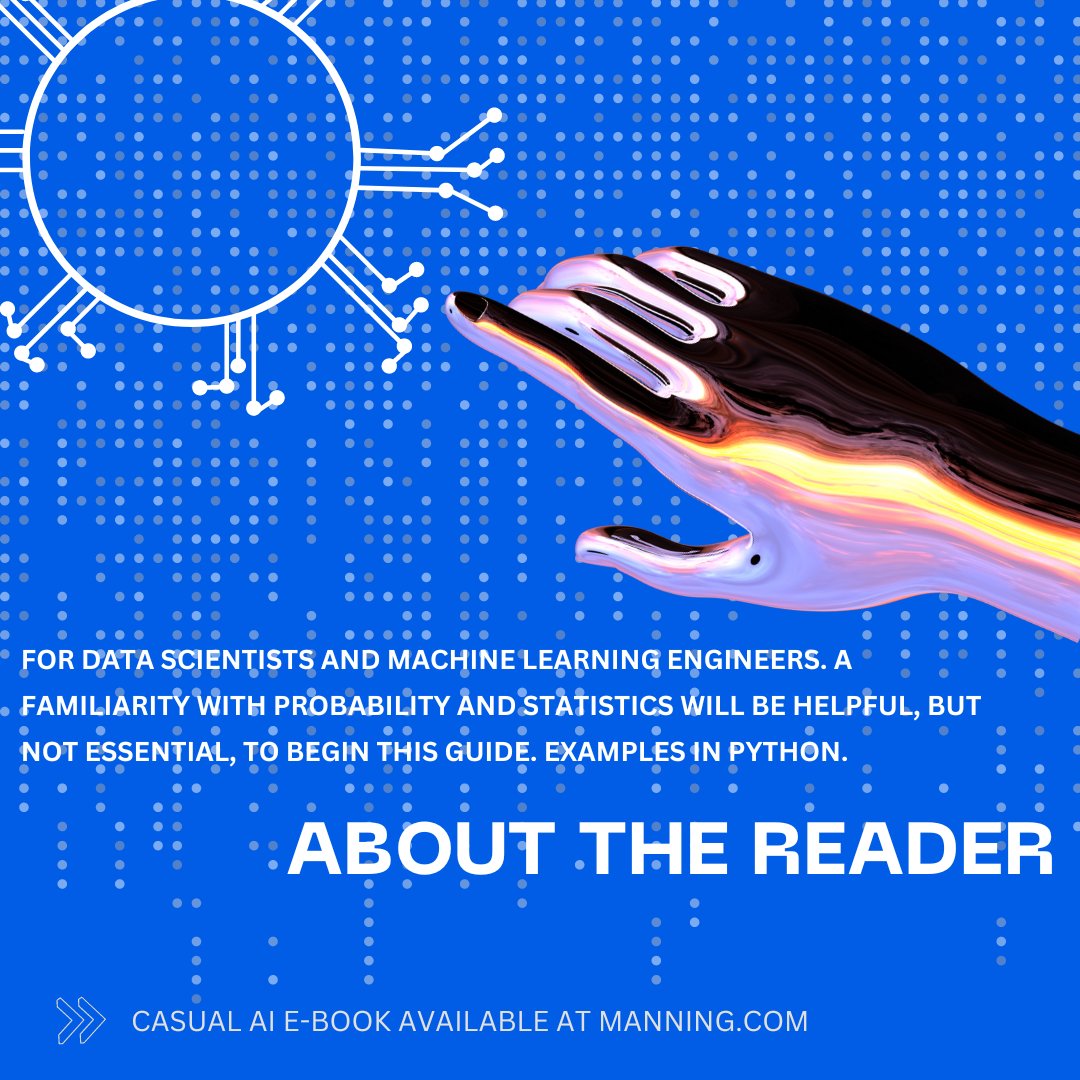
Causal AI is a practical introduction to building AI models that can reason about causality. Author Robert Ness, a leading researcher in causal AI at Microsoft Research, brings his unique expertise to this cutting-edge guide.
Available at manning.com
1
7
640
23 Jan 2024
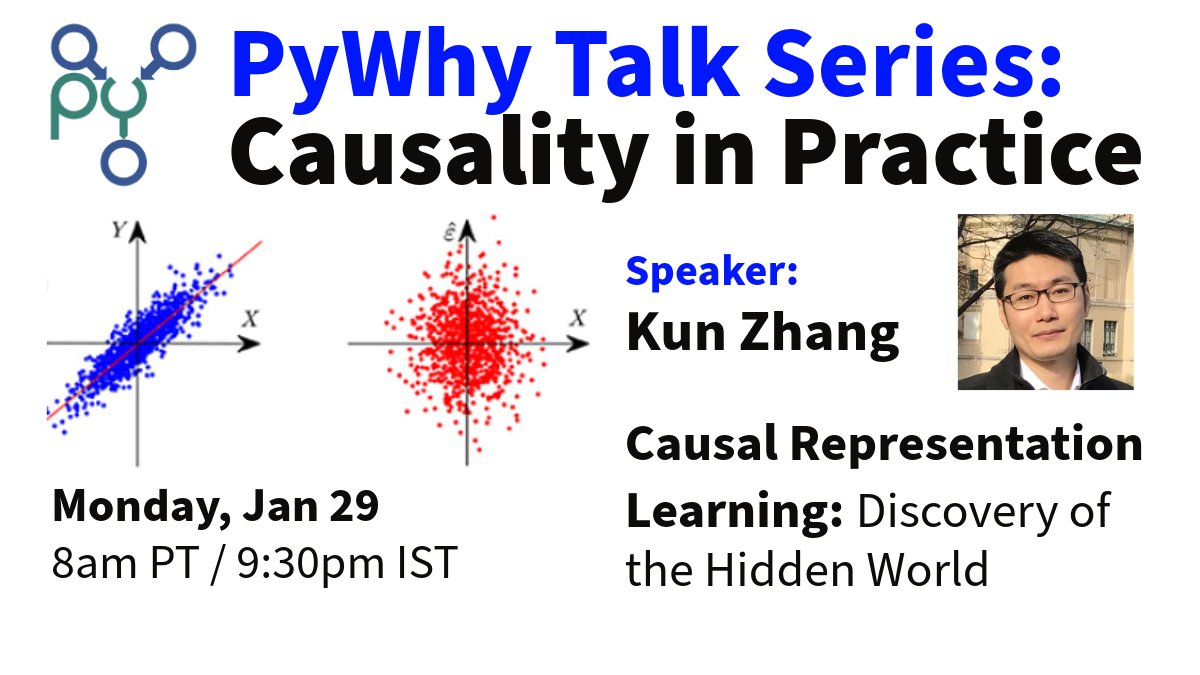
The PyWhy Causality-in-Practice seminar is kicking off next week with a talk by @kunkzhang !
23 Jan 2024

Introducing PyWhy Causality in Practice, a new talk series focused on causal ML and its practical implications. This Monday, @kunkzhang will talk about advances in causal discovery and the associated causal-learn package. Jan 29, 8am PT. Join here: pywhy.org/community/videos.h…
1
14
2,449
Emre Kıcıman retweeted

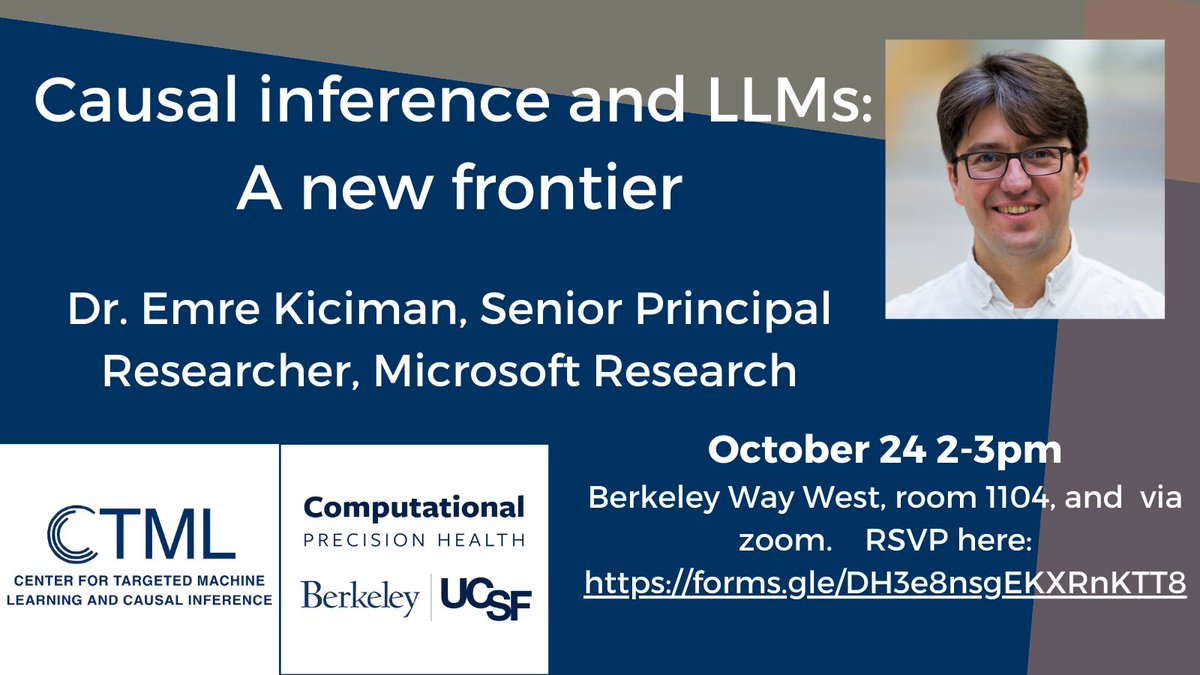
UCSF/UC Berkeley community: join us 10/24 2pm for a seminar by @emrek, Senior Principal Researcher at MSR, on causal capabilities of LLMs in societally impactful domains, including health. Presented by @CTMLofUCB and @UCJointCPH
1
7
23
2,156
Emre Kıcıman retweeted

2 Oct 2023
On 12 October I will be giving an online talk on #causality - the key theoretical basics, & a demo of how to apply the causal data science pipeline to a retail problem in Python with DoWhy.
More details below ⬇️
#causalinference
2
3
12
2,932