
community builder|| AI automator || creator
Joined December 2024
- Tweets 12,785
- Following 985
- Followers 1,290
- Likes 15,648
306 Photos and videos







Pinned Tweet
Good morning to all my internet Amigos.
I’m here to remind you to enjoy life with your loved ones while you can. Life is too short. ❤️
16
18
184
RT @OnyeokoroAfoma: People love to say memecoin trading is a fair game where the smartest traders win.
I don't think that's true.
Here's…
2
RT @OnyeokoroAfoma: A eulogy for BlackBerry Messenger (BBM).
I never thought a messaging app could leave this much nostalgia behind.
Back…
2
encrypt retweeted

Jun 16
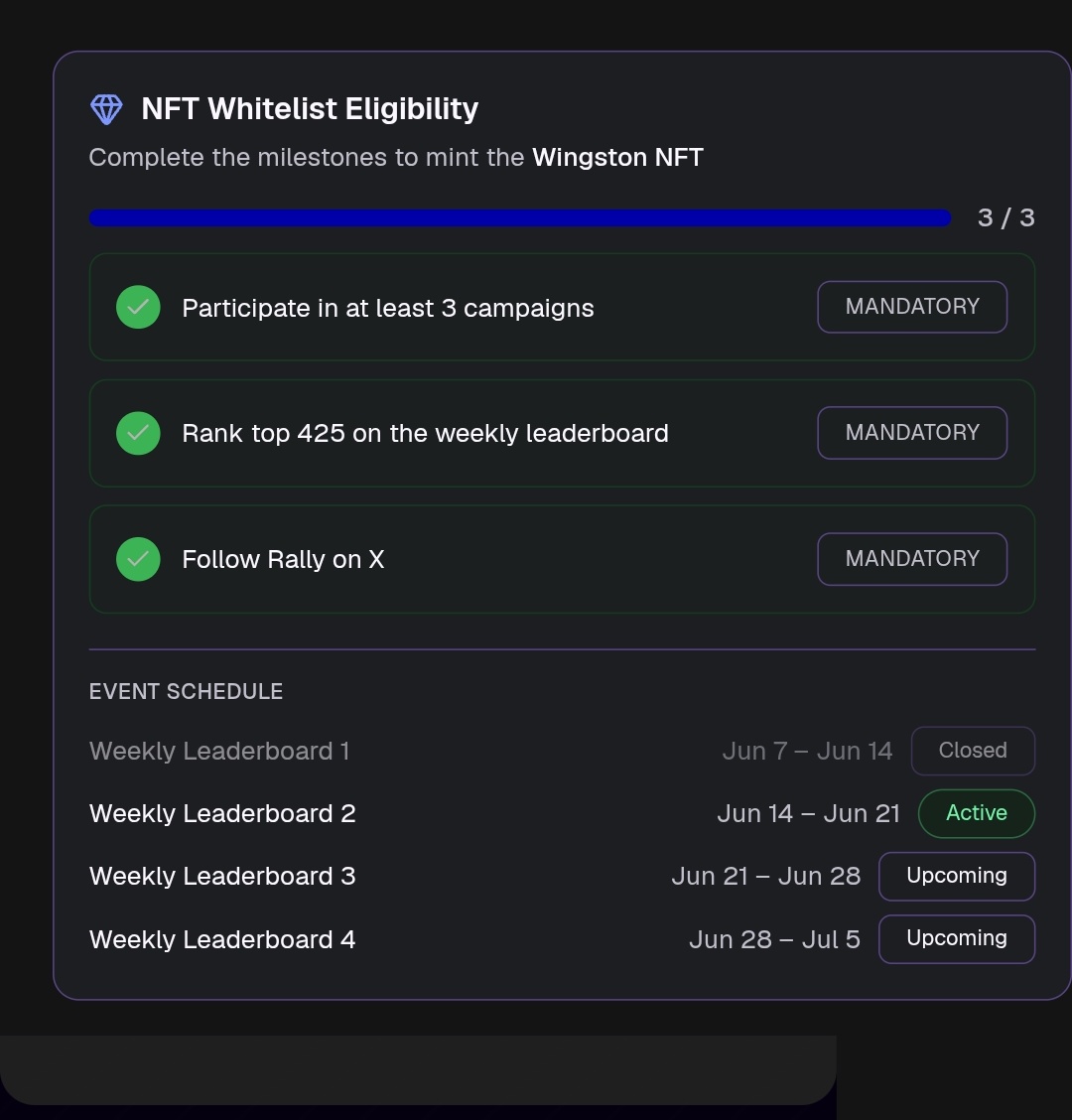
Woke up to see that I've met all the requirements to mint the top-tier Wingston NFT. 😋🤭
The best part? It's a FREE mint with actual utilities.
If you're not whitelisted yet, head to rally.fun/whitelist and see what you need to qualify.
Don't sleep on @RallyOnChain.
GM CT
9
2
20
293
encrypt retweeted

Jun 16
Good morning my internet friends.
Your Peace Of Mind Is Very Important, Please Pay Serious Attention To It. ❤️
14
1
21
176
encrypt retweeted
Jun 15
I entered crypto long before AI became woven into nearly every online workflow.
Even during the early InfoFi wave, AI was already a major part of how I operated. I used it to draft posts, brainstorm ideas, write replies, and maintain a consistent presence across platforms.
At the time, I thought I was being productive.
In reality, I had fallen into a invisible trap.
I wasn't using AI to sharpen my understanding. I was using it to replace the effort of understanding altogether.
My content then looked polished, engagement arrived, and everything appeared to be working. Yet beneath the surface, very little learning was actually happening.
I was involved, but I wasn't developing depth.
That pattern stayed with me until I discovered @GenLayer.
When I first joined Genlayer, I expected the typical Web3 experience: participate in community discussions, spend time in Discord, gradually learn the ecosystem, and contribute when opportunities appeared.
What I encountered was something different.
The first thing that stood out was that meaningful contribution carried real weight.
Progress wasn't driven by activity for activity's sake. Whether through community challenges, GenFren quizzes, or contribution-focused initiatives, there was a constant incentive to understand concepts rather than simply echo them.
Initially, I approached @GenLayer the same way I approached every other project.
That approach failed quickly.
It became obvious that surface-level knowledge wasn't enough if I wanted to contribute meaningfully.
So I started creating content about GenLayer.
Not because I was chasing impressions.
Not because I wanted engagement.
I wrote because I wanted to explain things accurately.
That decision changed everything.
Each article, thread, or post pushed me back into the documentation. I found myself validating claims, revisiting concepts, and checking details I thought I already understood.
The deeper I went, the more I realized how much there was still to learn.
Content creation stopped being the goal.
Learning became the goal.
With every iteration, my knowledge grew stronger than it ever could have through passive consumption alone.
Ironically, my contribution on GenLayer ended up teaching me how to use AI more effectively.
Before, AI acted as a shortcut.
Now, it functions as an extension of my thinking process.
This change didn't stop there.
It also changed how I approached design.
For years, AI-generated graphics were sufficient. If I needed a visual, a prompt usually produced something acceptable within seconds.
But eventually I reached a point where "good enough" wasn't enough.
To contribute at a higher standard, I needed skills that AI alone couldn't provide.
That's when I began learning Photoshop and Canva.
What started as a practical necessity evolved into a valuable creative skill.
Instead of relying entirely on generated outputs, I started building visuals myself, adjusting, refining, and constructing them piece by piece.
That experience taught me something important:
Direct involvement creates deeper understanding.
The more effort you invest in a process, the more connected you become to the outcome.
Yet the most significant transformation wasn't related to content or design.
It was the way I began thinking about the future.
For years, I'd heard discussions around agentic commerce, autonomous systems, and AI agents interacting with one another. The concepts sounded fascinating, but they always felt distant, ideas reserved for the future.
@GenLayer made them feel tangible.
Being immersed in conversations about verification, coordination, trust, and decentralized intelligence gradually changed my perspective.
I started seeing that the next era of AI isn't solely about making systems more capable.
It's about making them trustworthy.
Because if autonomous agents are expected to communicate, transact, negotiate, and make decisions independently, trust becomes the foundation that supports everything else.
How does an agent determine whether information is reliable?
How can systems verify outputs without introducing centralized points of failure?
How do networks coordinate effectively while resisting manipulation?
How can intelligent systems interact safely at scale?
These questions are no longer theoretical.
They're engineering challenges that demand practical solutions.
And that's where GenLayer fundamentally shifted my viewpoint.
It helped me understand that the future of AI isn't defined only by intelligence.
It's defined by trust infrastructure.
Infrastructure that enables humans and machines to collaborate with confidence, reliability, and accountability.
When I look back, the change is clear.
I moved from treating AI as a content factory to treating it as a thinking companion.
I stopped creating simply to publish and started creating to learn.
Somewhere along the journey, understanding became more important than output.
Today, my process follows a different order:
-> Understand first.
-> Build second.
-> Publish last.
That single change has completely reshaped the way I approach AI, Web3, and the emerging agentic economy.
12
3
22
254
encrypt retweeted
Jun 15
New day. New week.
Praying against wasted effort for all of us.
May this week reward our consistency, hard work, and faith. 🙏✨ Amen
Gm CT
Say it back

24
2
34
392
encrypt retweeted
Jun 13
GenLayer just rebranded one of its most popular community challenges!!
The AI & Blockchain Brain Game is officially becoming the GenLayer Brain Game🔥
But this isn't just a name change.
It's a reflection of something much bigger happening inside the GenLayer ecosystem.
8
4
25
389
encrypt retweeted
Jun 14
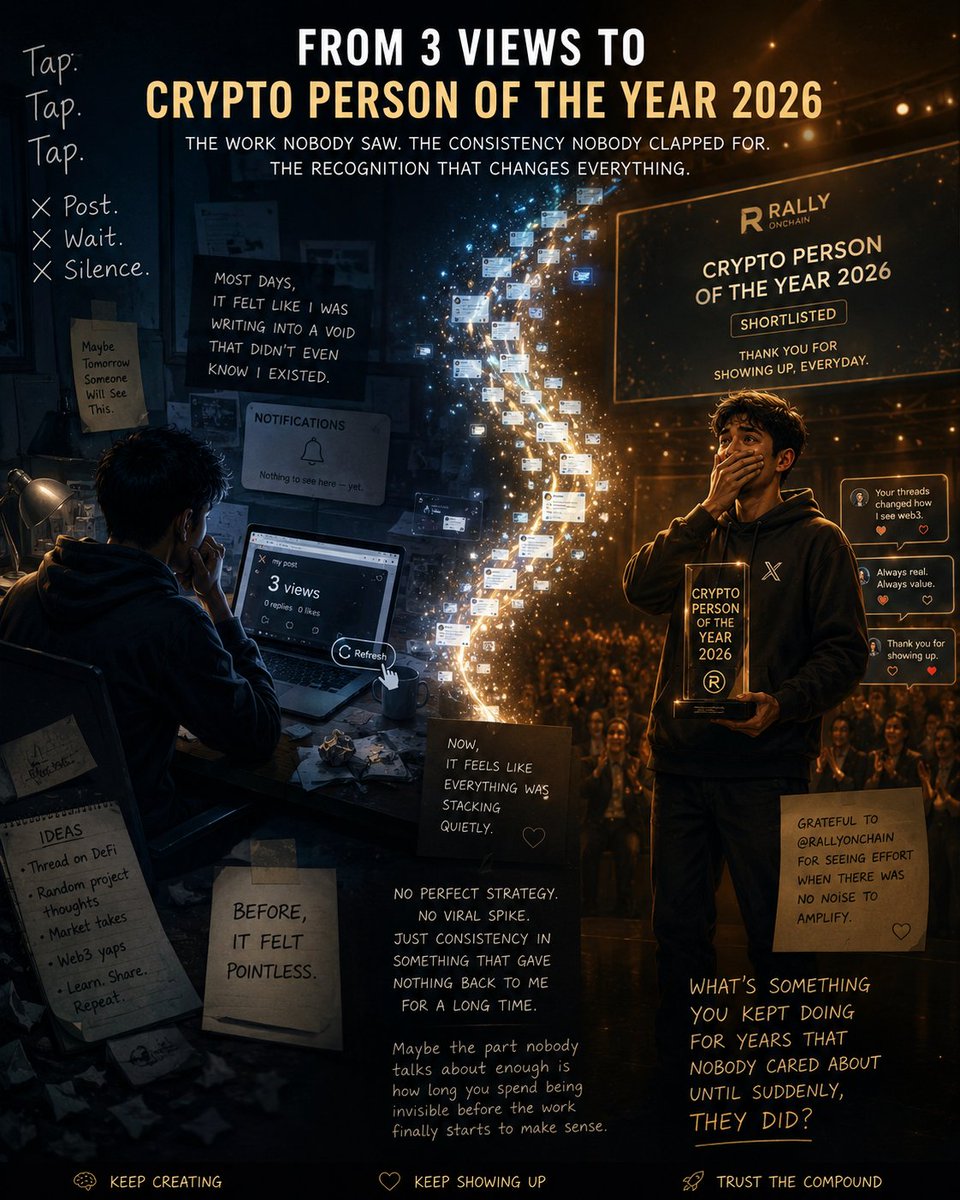
I never thought I’d be here.
Not after the 3-view days.
Not after posting for weeks and refreshing X like something would magically change.
Tap. Tap. Tap. Post. Wait. Silence.
Most days it felt like I was writing into a void that didn’t even know I existed.
When I saw my name shortlisted for Crypto Person of the Year 2026, it didn’t feel real at first. It sounded like something that happens to “other people”, not the person getting 3 views and no replies.
The craziest part is that the same thing I almost quit on.
showing up, writing, yapping about random projects. is exactly what I’m being recognized for now.
Before, it felt pointless.
Now it feels like everything was stacking quietly.
No perfect strategy. No viral spike. Just consistency in something that gave nothing back to me for a long time.
Maybe the part nobody talks about enough is how long you spend being invisible before the work finally starts to make sense.
I’m genuinely grateful to @RallyOnChain for seeing effort when there was no noise to amplify.
What’s something you kept doing for years that nobody cared about until suddenly, they did?
15
3
63
1,248
Jun 14
RT @OnyeokoroAfoma: a take I'd normally only share in a private group chat:
I think crypto has a motivation problem.
too many people have…
3
encrypt retweeted
Jun 12
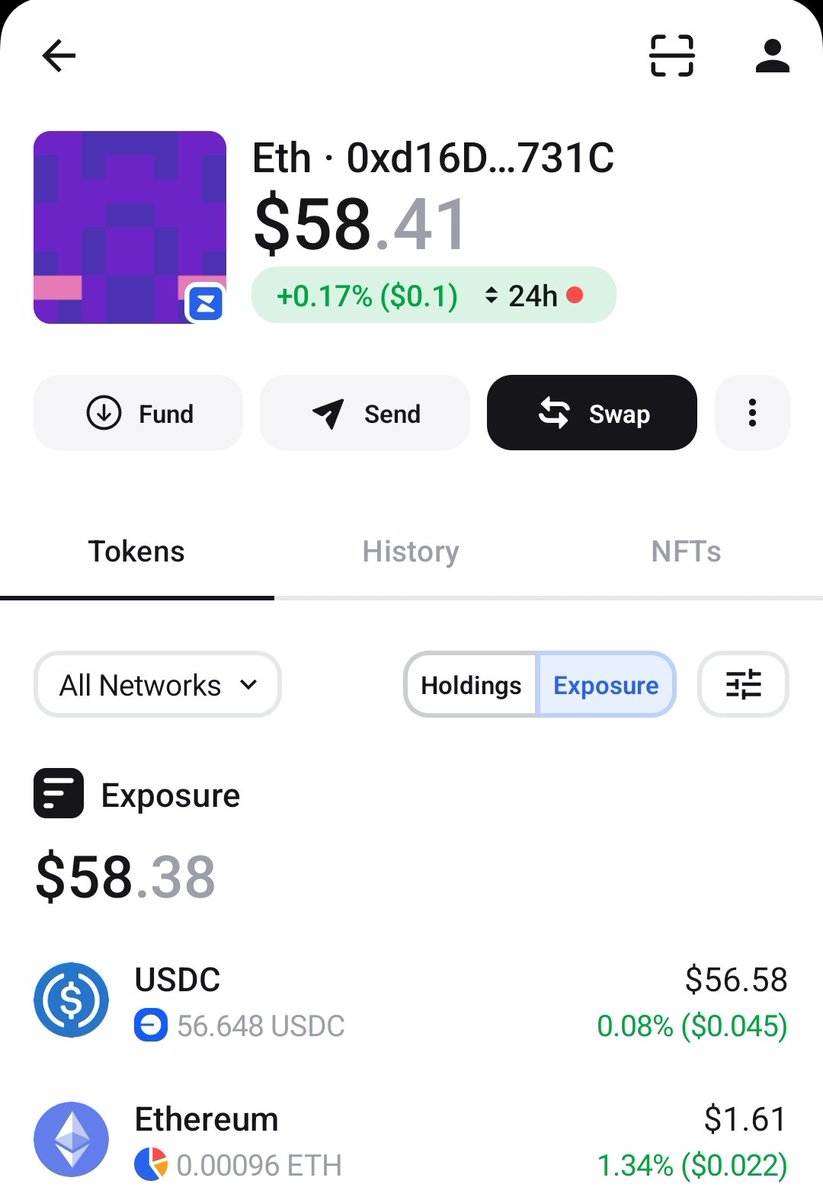
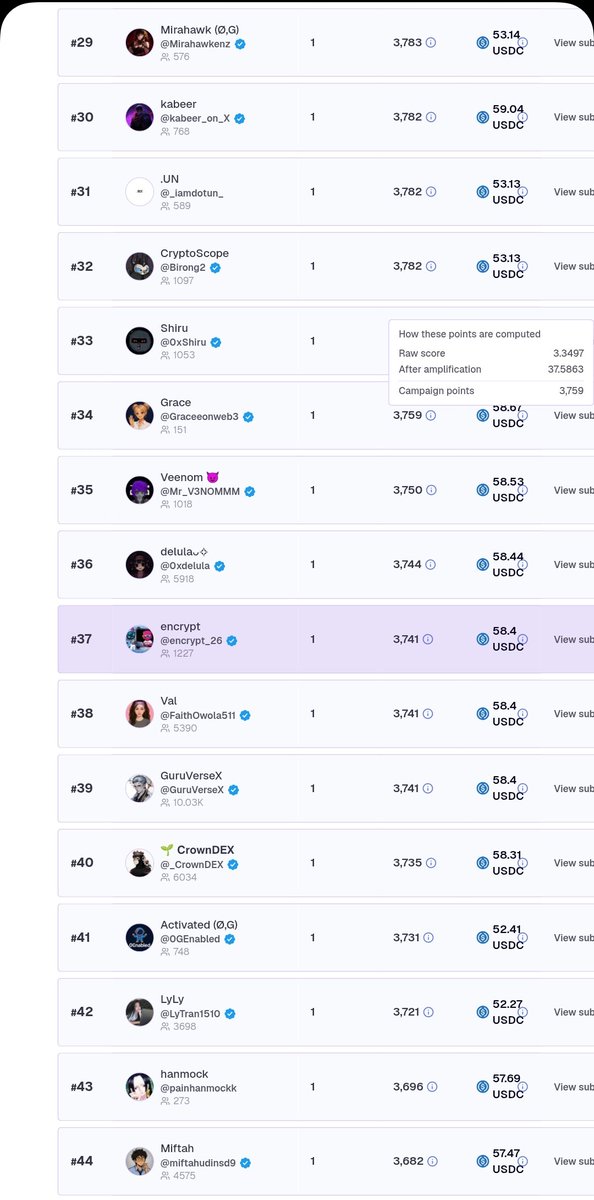
@RallyOnChain thanks for this lunch money 😘
If you are a creator on X, you need to start paying attention to RallyOnChain.
Jun 11

If you're already creating on X, why not put that effort where it can be rewarded?
Creators on @RallyOnChain are actively participating in campaigns and getting recognized for the value they bring.
This isn't a future opportunity, it's happening today.
Your ideas and consistency deserve more than just impressions.
Use my referral link to start your journey on Rally today: waitlist.rally.fun/joinme/en…
8
1
11
149
encrypt retweeted

Jun 12
don't let someone tell you you can't do something, not even me.
you got a dream? you've got to protect it. people can't do something themselves, and they want to tell you you can't do it.
if you want something, go get it period..

Jun 11

people often tend to chase big dreams only to miss the simple and peaceful life they once had.
GenMorning CT ☕

1
5
64
Jun 12
Verifying my wallet for @RallyOnChain: 4eabc700b0a0f4552f85a733027bfe1eee6969add607feb57193a2007ca3b44a
1
2
39

Yesterday @driudor, CEO of @GenLayerFDN, joined @wallet's Finding Alpha livestream to talk about the role of AI in oracles and where the Intelligent Oracle fits as the resolution layer for outcome markets on @XLayerOfficial's Exchange OS.
Full conversation below 👇
Jun 12

🟢 Can Oracles Be Trusted? x.com/i/broadcasts/1MJgNNrqq…
20
13
90
5,864
encrypt retweeted
Jun 12
Gm my Internet friends and happy Friday.
I wish everyone of us a profitable day ahead ❤️
17
1
22
283
encrypt retweeted

Jun 12
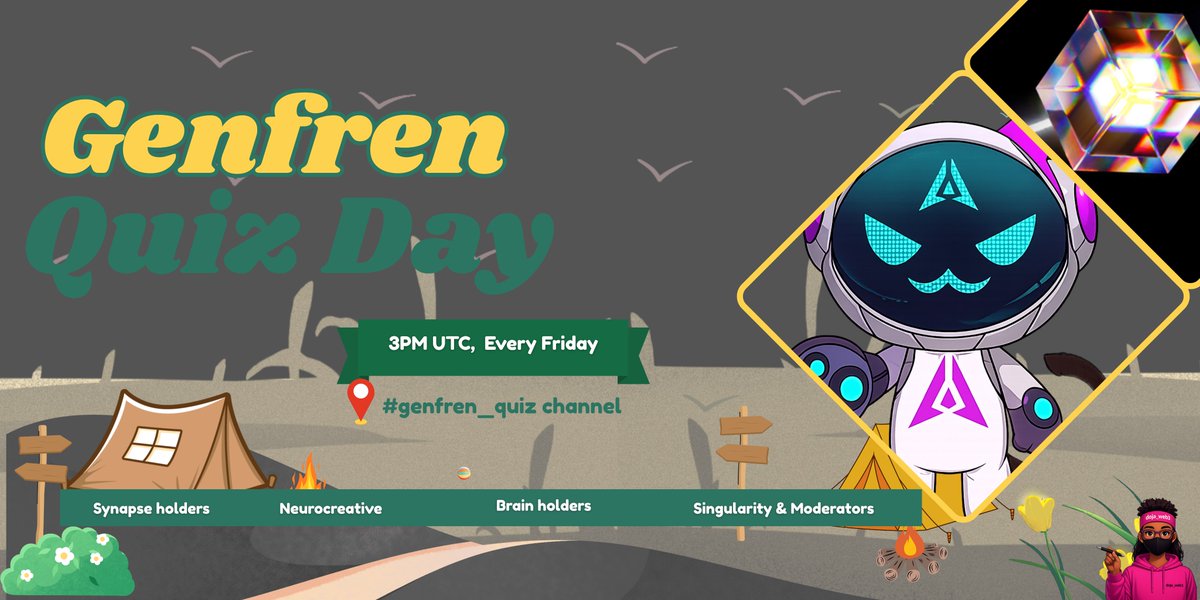
GenFren Quiz Prep Guide Edition 2
Last week's guide helped community members stay updated, and a few quiz questions came from the topics covered. Not every question appeared in the guide, though.
This week's guide is upgraded, but remember to always do your own research as well.
To help everyone prepare, here's a recap of important updates, events, and community highlights across @GenLayer from this week.
Let's dive in 👇
Jun 5

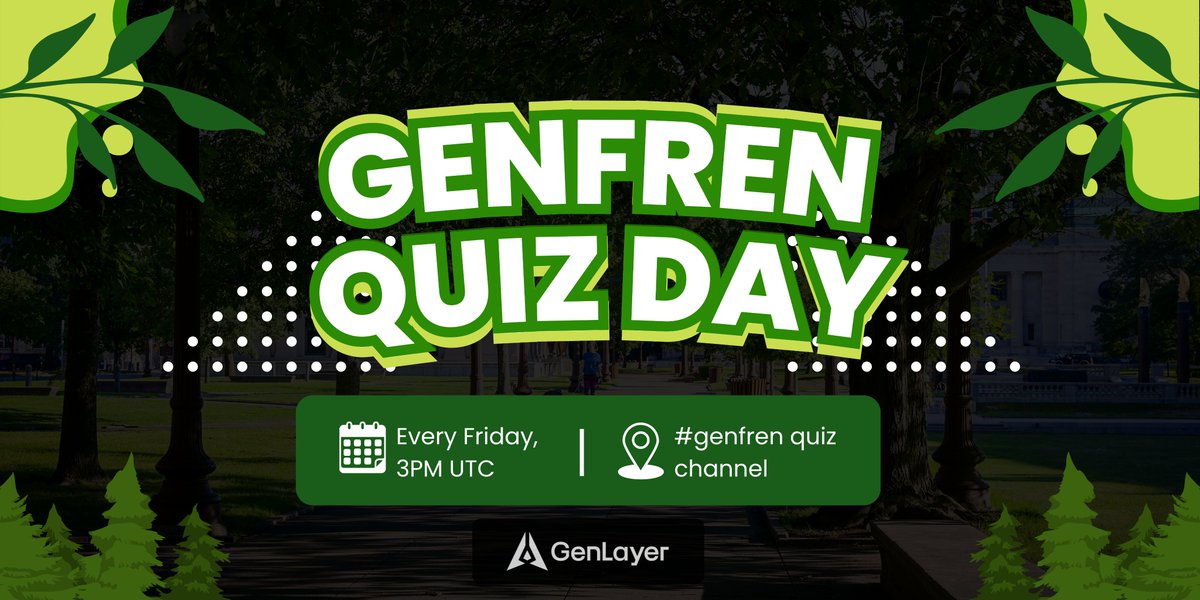
GenFren Quiz Prep Guide
The GenFren Quiz is here!
To help everyone prepare, here’s a recap of important updates, events, and community highlights from the @GenLayer community this week.
Likely quiz questions may come from these topics.
Let’s get into it 👇
34
8
92
2,728