Not paying to provide free content, Mr. Musk. Unfunded media. Trained weather enthusiast. Part time professional. Opinions my own and not always reliable
Joined March 2012
- Tweets 41,218
- Following 1,019
- Followers 4,308
- Likes 103,594
11,915 Photos and videos




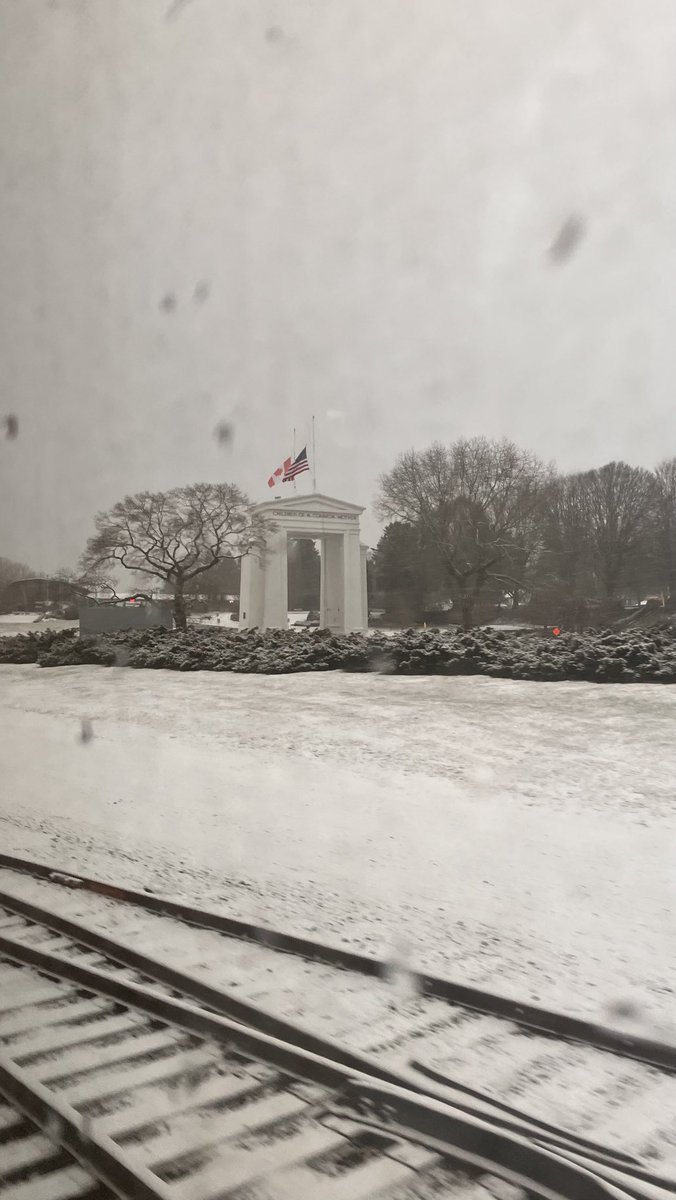

9 Feb 2025
1/2 I have had, for the most part, a good experience on twitter. I love weather and forecasting and have tried to share my fascination with them w/LM folks on this medium for years. But it's become too much of a political cesspool and bot farm, and I can't keep my feed clean.
10
1
55
6,397
9 Feb 2025
So I'm off twitter for the foreseeable future. Thanks for the follows, and thanks to many of you who have shared with me. If you still want to see my take on LM weather #YVR you can find me at @ensembleator.bsky.social
11
2
52
2,597
8 Feb 2025
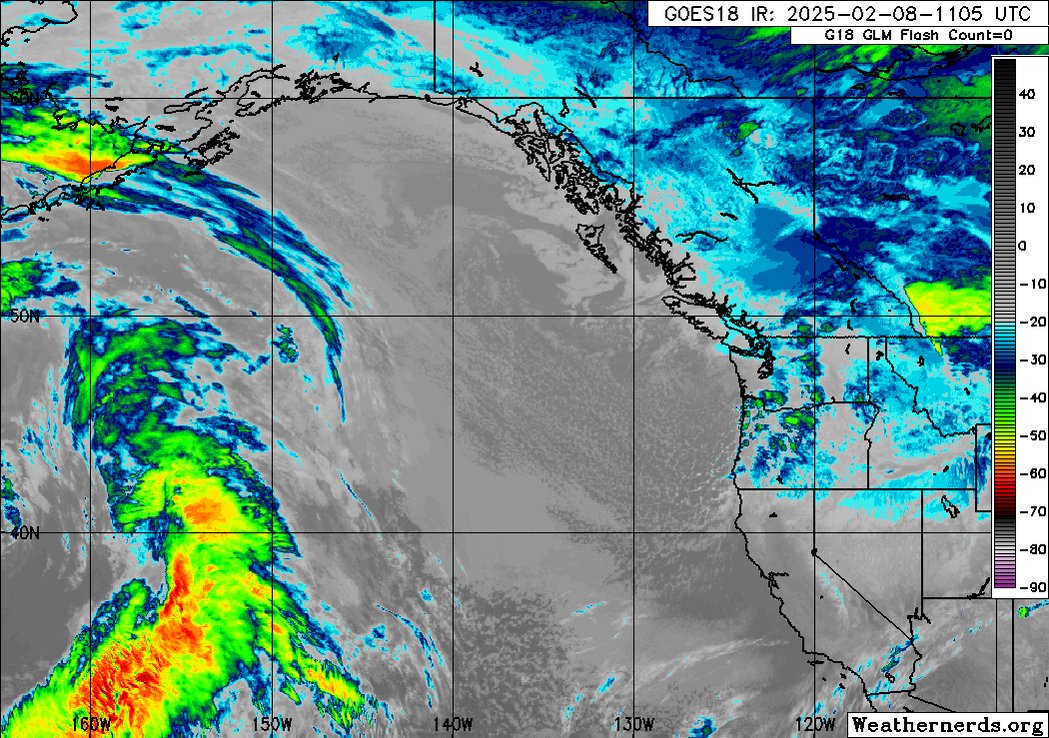
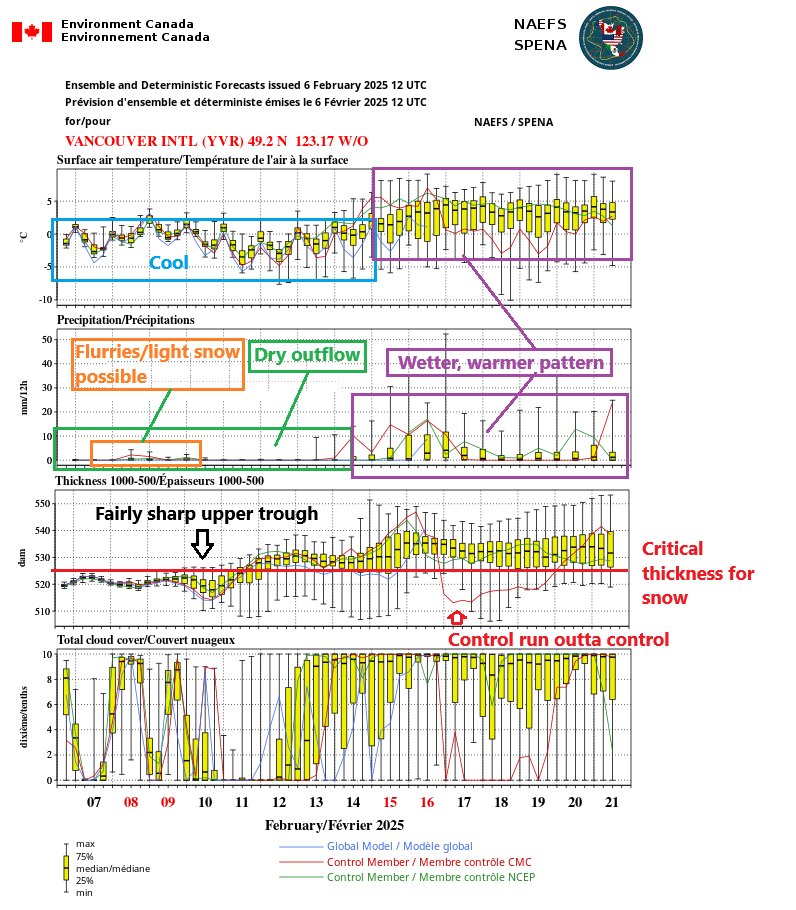
Low lvl convergence ovr the Georgia Basin w/some aid from a digging upr trof generate flurries this AM #YVR; some may be brfly hvy. Weak convergence of NWlys ovr the strait outflow keep chc flurries ovnite/Sun AM then dry, cold outflow thru Wed. Potential wintry WX Thu-Sat AM
30
5,355
7 Feb 2025
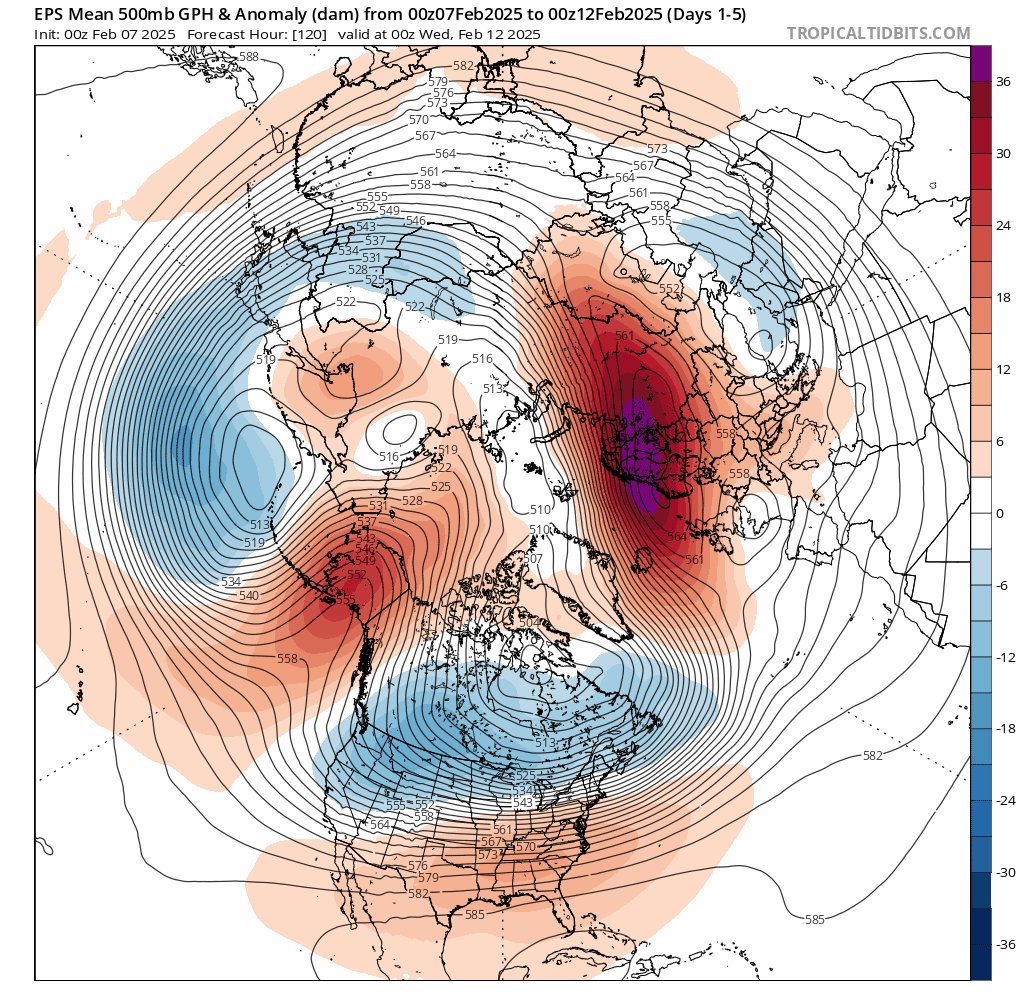
Profoundly Rex-blocked patterns over N America in the ensembles for the next few wks w/a persistent anomalous ridge just S of the N Pole and a trapped low/trough complex over Canada. Notice the BC W coast develops an increasing Wly flow (milder, wetter) in spite of coolness aloft
13
1,348
Chris Doyle retweeted

7 Feb 2025
There’s a lot of misinformation floating around about lithium-ion batteries, so let’s set the record straight. The 18650 cells, which are the same ones used in the 2024 @Tesla Model S and X, use Nickel-Cobalt-Aluminum (NCA) cathode chemistry and are incredibly stable. While failures can happen under extreme conditions, data shows that thermal runaway doesn’t typically begin until approximately 262°C, not 150°C as often claimed. Under normal conditions, these batteries are safe, reliable, and efficient.
In our test video, the 18650 cells used had already undergone significant abuse, including rapid discharge and recharging cycles, physical damage from dropping, and even being hit with a hammer. These cells were also tested without a Battery Management System (BMS), meaning there was no regulation of their temperature or voltage, another layer of safety that is standard in real-world applications. Despite this extreme treatment, thermal runaway only occurred just north of 150°C, further proving how resilient these batteries are under normal use conditions.
Too often, conclusions about lithium-ion safety are based on fear rather than facts. While no energy storage system is risk-free, we need data-driven conclusions, not emotional reactions. This is why we conduct real-world burn tests: to understand the risks factually and improve safety strategies for first responders.
We have forgotten that petroleum-based fuels went through the exact same scrutiny when they were first introduced. The concerns about explosions, handling risks, and overall safety were everywhere, but over time, with rigorous testing and safety advancements, they became the standard. We’re seeing the same process happen with lithium-ion technology today.
Instead of jumping to conclusions, we need to focus on measured analysis, real-world testing, and factual discussions. The industry needs education, not fear-driven narratives. Check out this burn test and see for yourself how these batteries actually behave. Let’s push for better solutions, better safety, and conversations based on science, not speculation.
*This video was taken in CESATs newest research lab while setting up some new heat detection systems. Thank you @CaledonFireES and @OPP_News UCRT team for observing the commission of this new lab.
#BatterySafety #LithiumIon #EnergyStorage #FireSafety #DataDriven #EVSafety #TechEvolution
@fireengineering @canadianfiremag @ONFireMarshal
17
24
87
106,145
7 Feb 2025
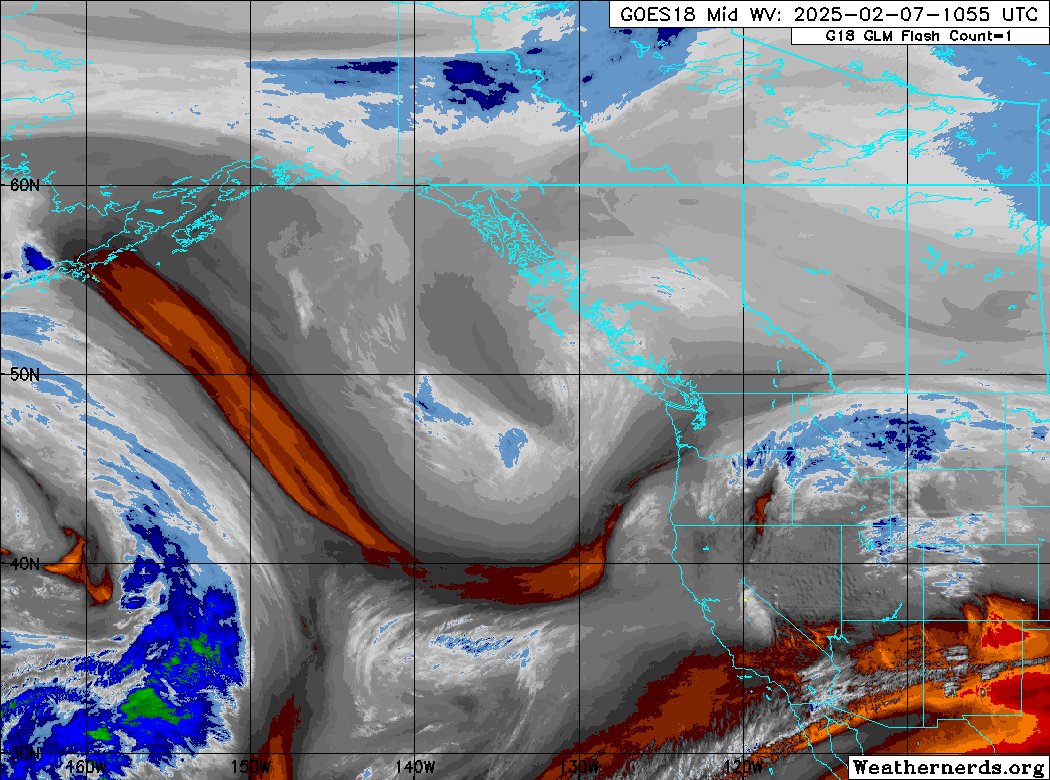
Negatively tilted ridge w/its axis 40N 140W to 60N 160W. Inside slider offshore nr 48N 130.5 W headg ESE. Vortmax NE BC sliding SE. These systems phase for clouds then flurries Sat AM on the front end and Sun AM on the back #YVR. A few cm. Clrg/colder Mon-Wed w/brisk outflow
4
4
29
3,912
7 Feb 2025
Mitts/touque remain on. Wintry with a fairly light touch this wknd #YVR, then some dry/cold outflow to start the workweek on Monday. Cool/cold thru the middle of the month then signs of a pattern switch.
5
1
20
1,998
Chris Doyle retweeted

6 Feb 2025
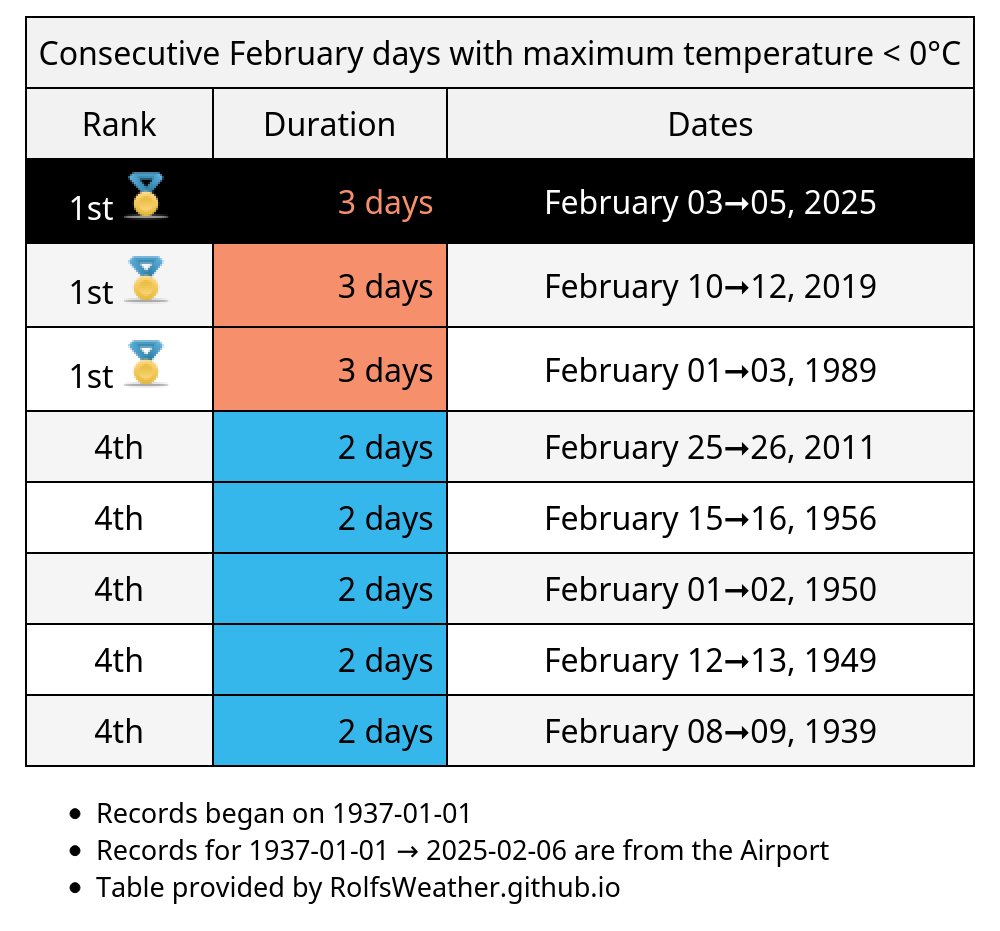
🥇Yesterday was #Vancouver's 3rd consecutive February <0°C day which puts this run in a 3-way tie for 1st place for the longest run on record. #YvrWx #YVR #BCWx
1
12
3,037
5 Feb 2025
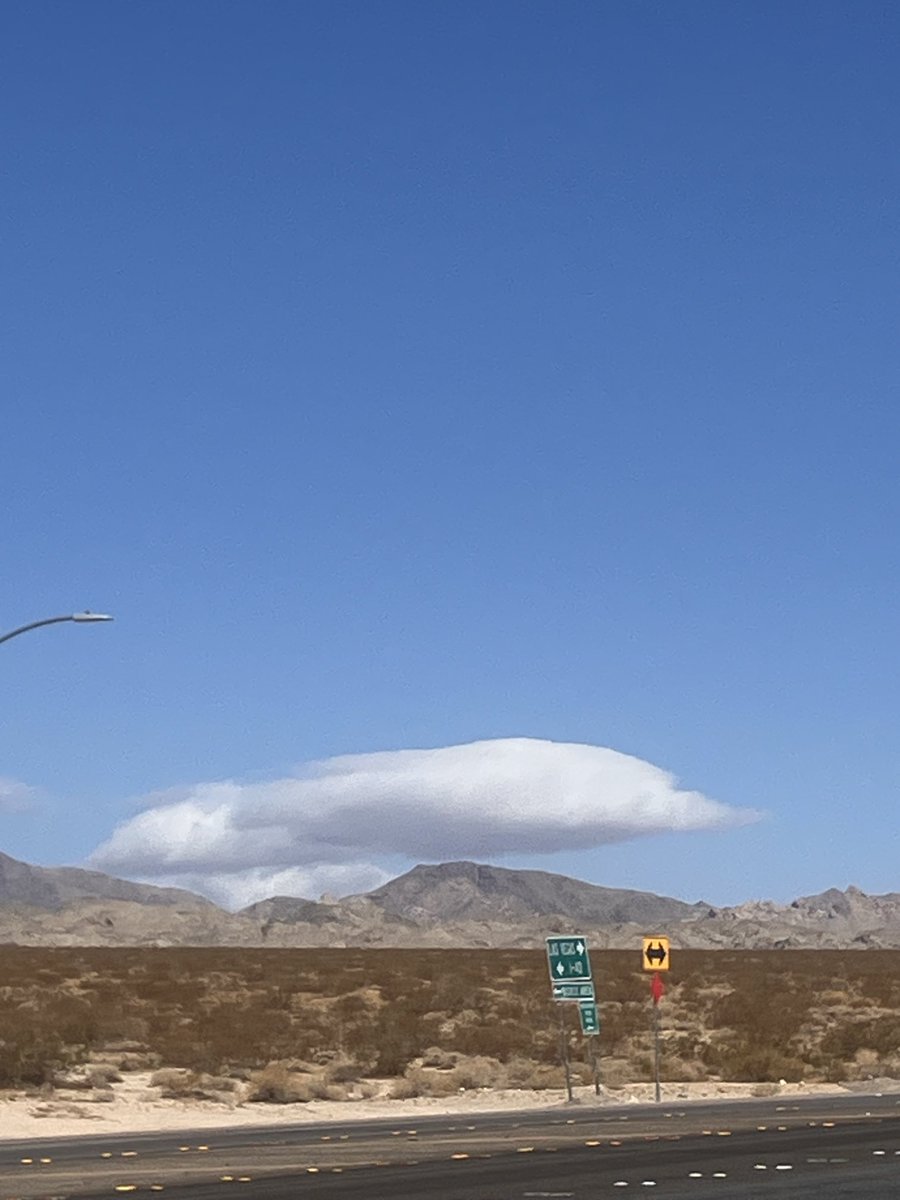
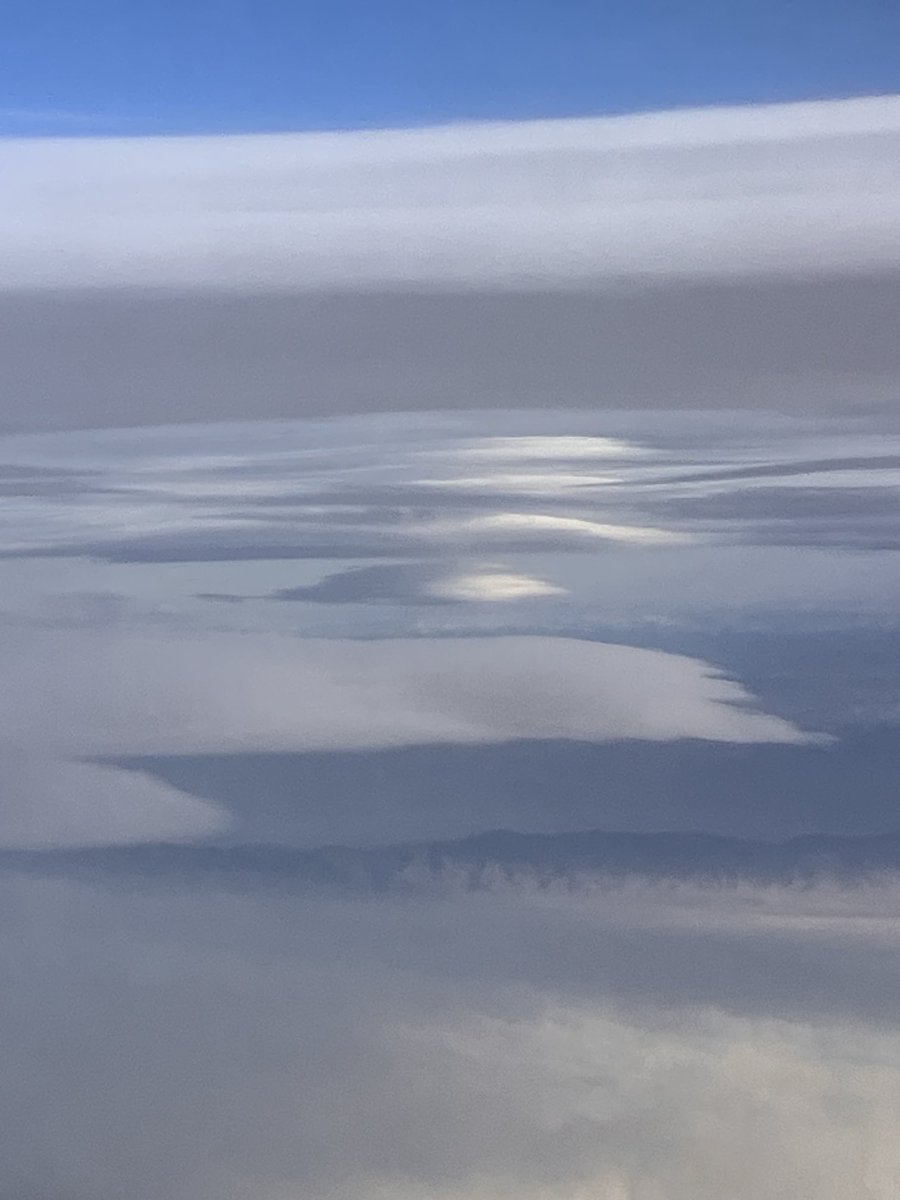
Some AC lenticular cloud to the north this morning, but it’s not very stretched out shape suggests that wind shear is pretty light over far southern Nevada
17
836
5 Feb 2025
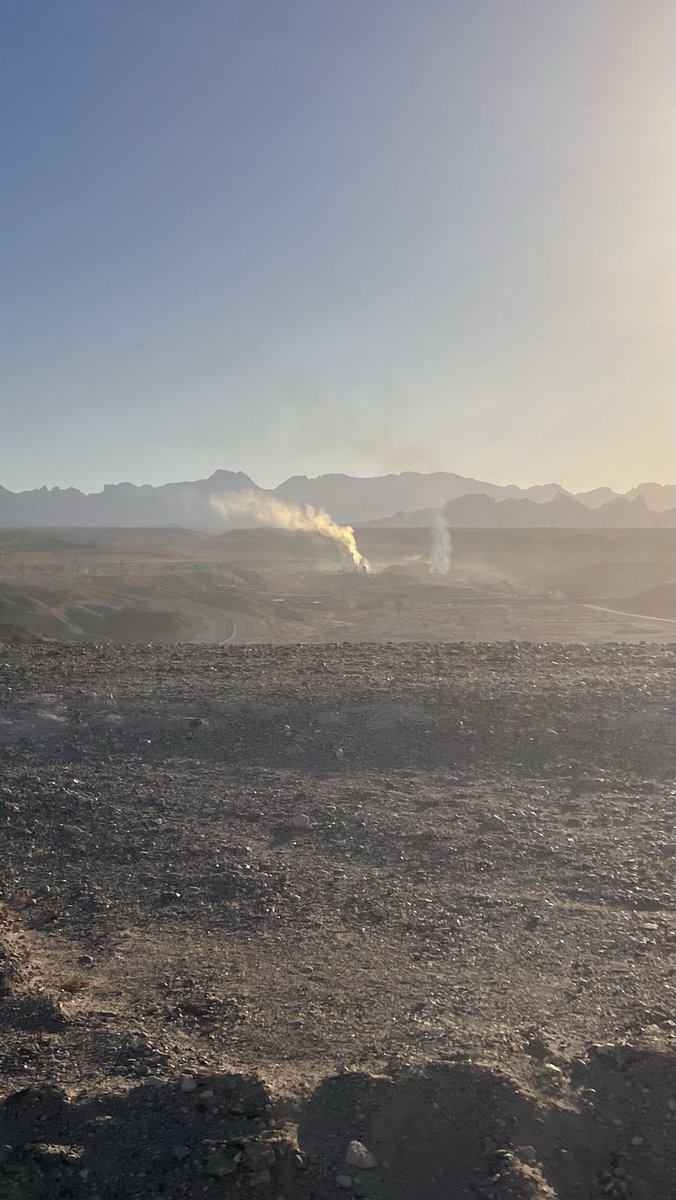
Effect of an inversion on wind and pollution dispersal in the lower Colorado River valley this morning
6
724
4 Feb 2025
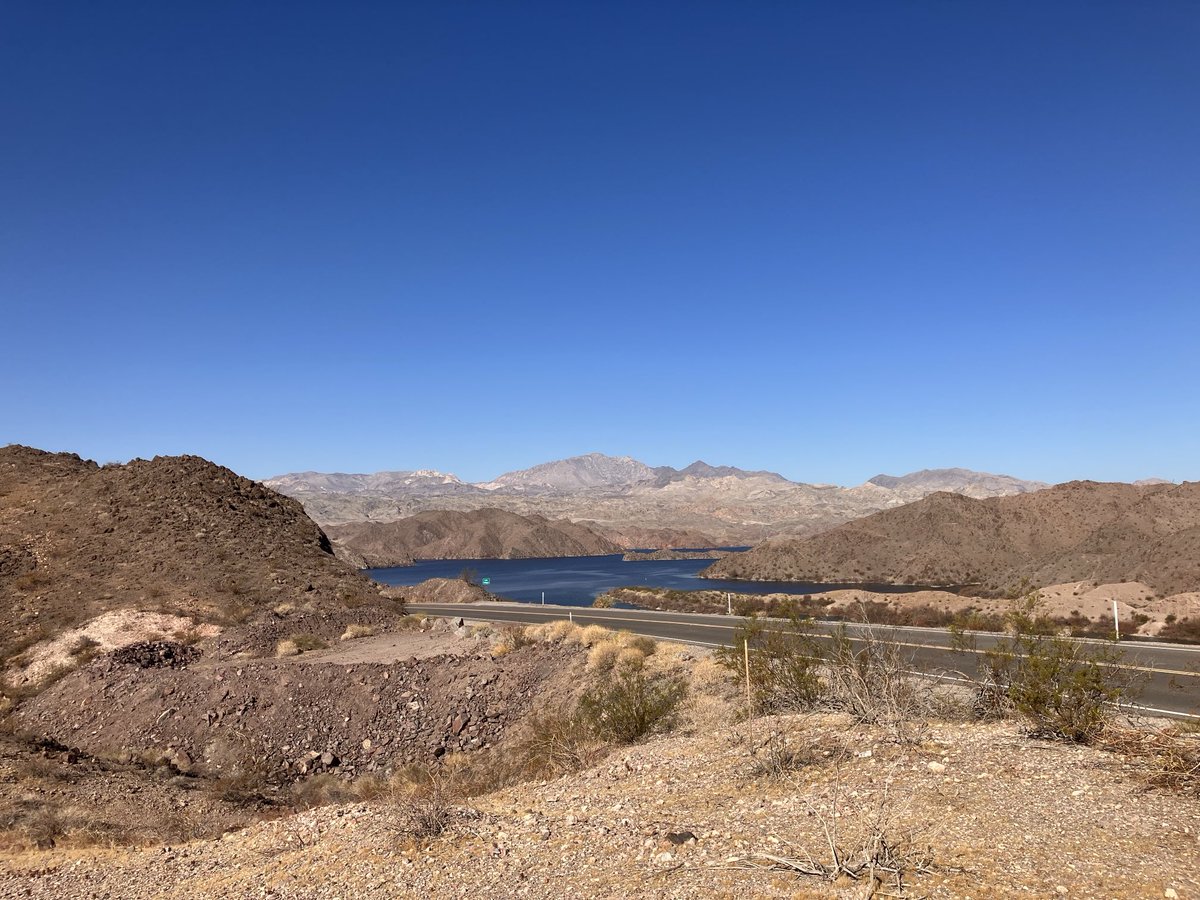
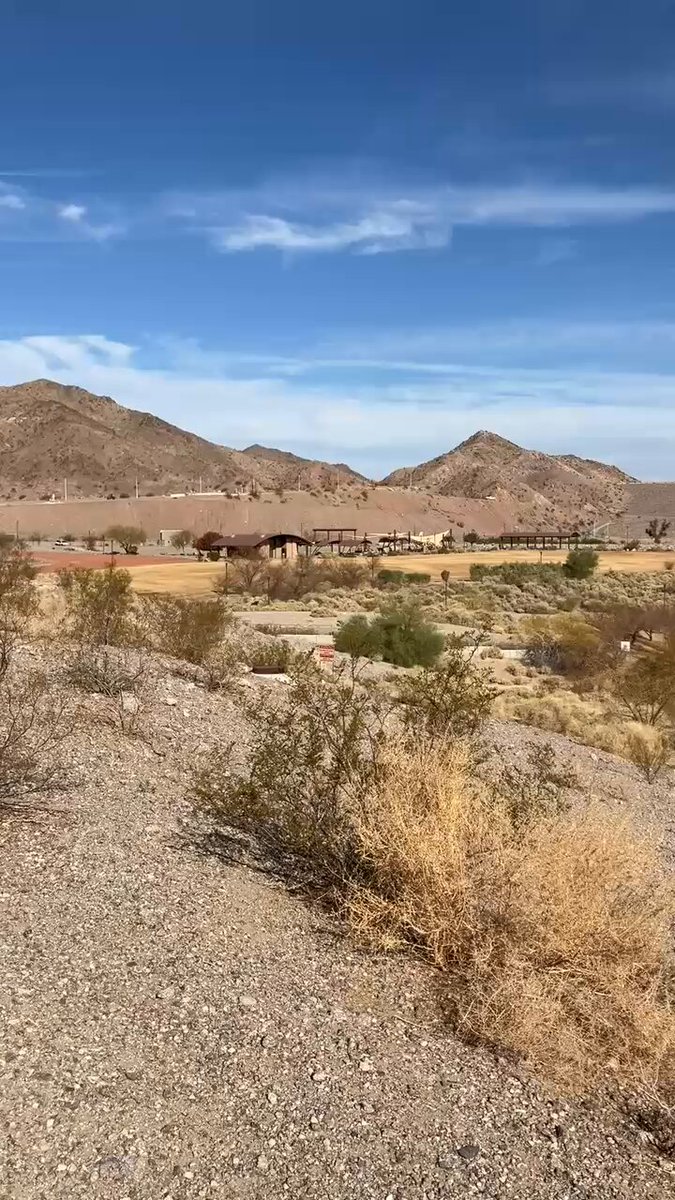
Lake Mead from the Arizona desert. No clouds to report.
1
12
850
4 Feb 2025
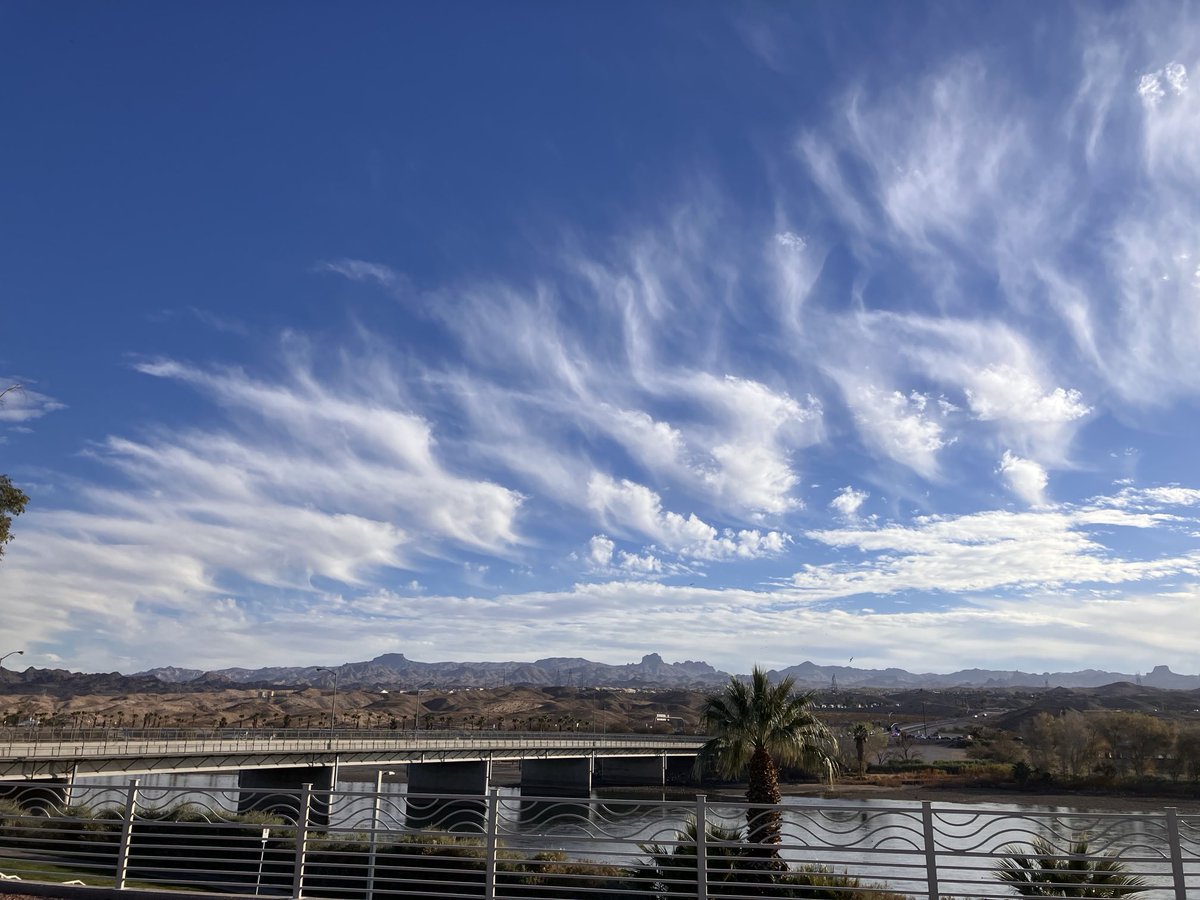
Banded cirrocumulus with Virga over bullhead city AZ this morning
21
976
3 Feb 2025
Davis Dam on the Colorado river between Bullhead city Arizona, and Laughlin, Nevada. Massive spillway, likely rarely used these days.
1
11
1,118
3 Feb 2025
Here’s a nice sunrise. With dry arctic outflow moving through the lower mainland today flurries should come to an end with variable skies. Very cold overnight and Tuesday with the pattern repeating through Thursday. Snow potential returns next Friday.
1
17
951