
Founder of UEES LLC | Unifying rotational energy & AI | Innovating sustainable tech & quantum computing | Transforming the future
Joined February 2025
- Tweets 114
- Following 87
- Followers 10
- Likes 2
33 Photos and videos

Jun 11
1
Apr 11
Really appreciate the clarity here on SPWM and waveform control.
At the end of the day, this is what modern engineering is becoming — not just delivering power, but shaping how that energy moves through a system in time.
The difference between bipolar and unipolar switching isn’t just efficiency — it’s about controlling harmonics, stability, and system response.
Great breakdown by Bingsen Wang.
linkedin.com/posts/bingsen-w…
11
Jan 11
Battery acoustics isn’t new.
I published MHz piezo/ultrasonic excitation inside batteries (AGT / UPBA™) years ago—reduced impedance, improved charge acceptance, suppressed degradation deposits, formation benefits.
Industry finally catching up. More receipts soon.
37
Jan 9
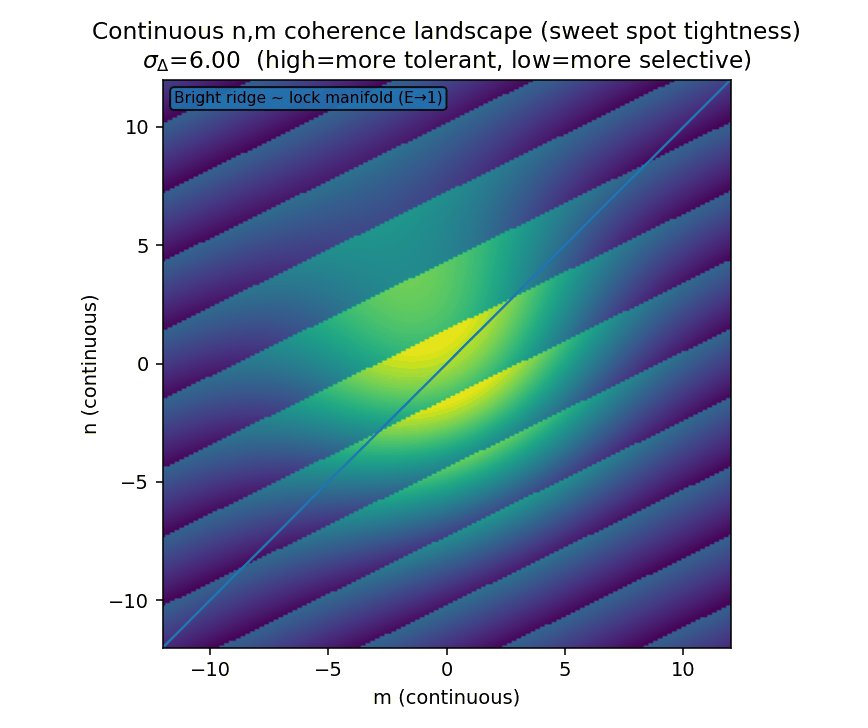
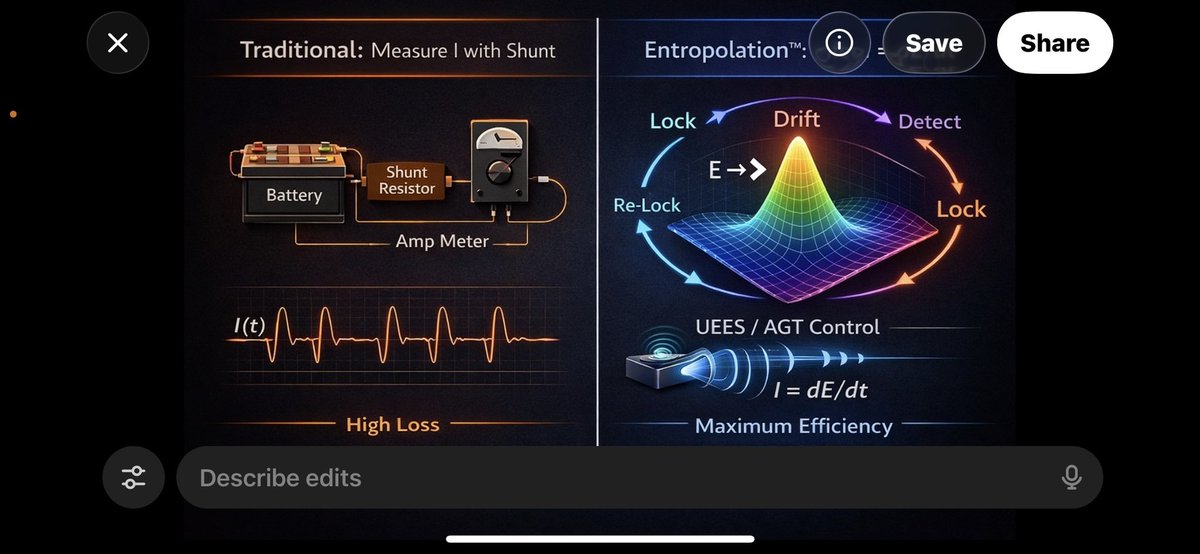
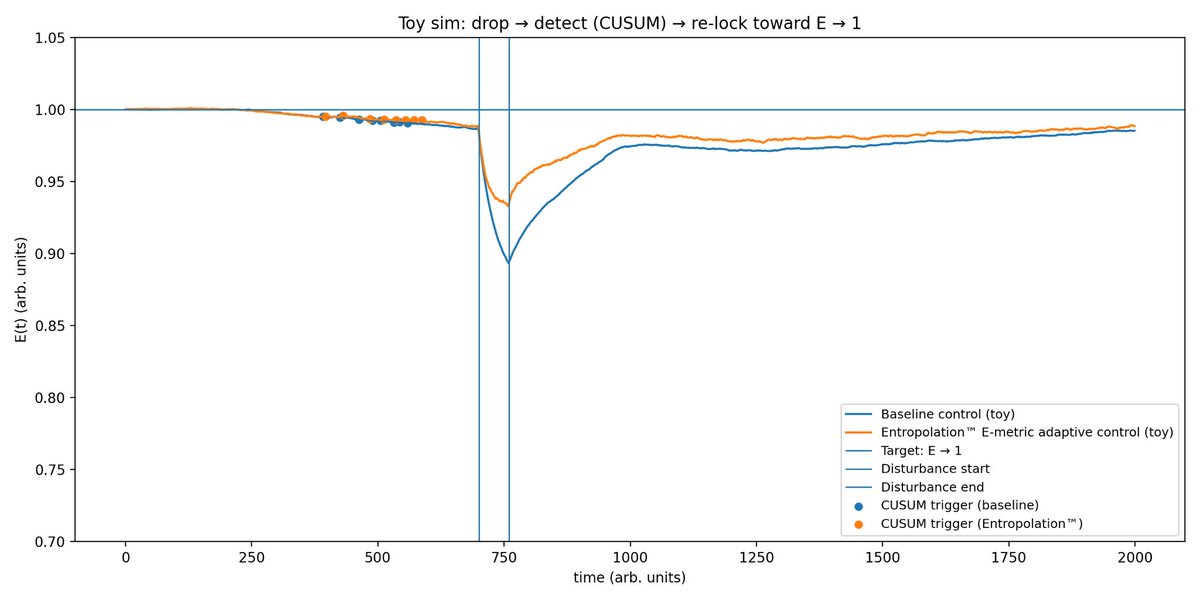
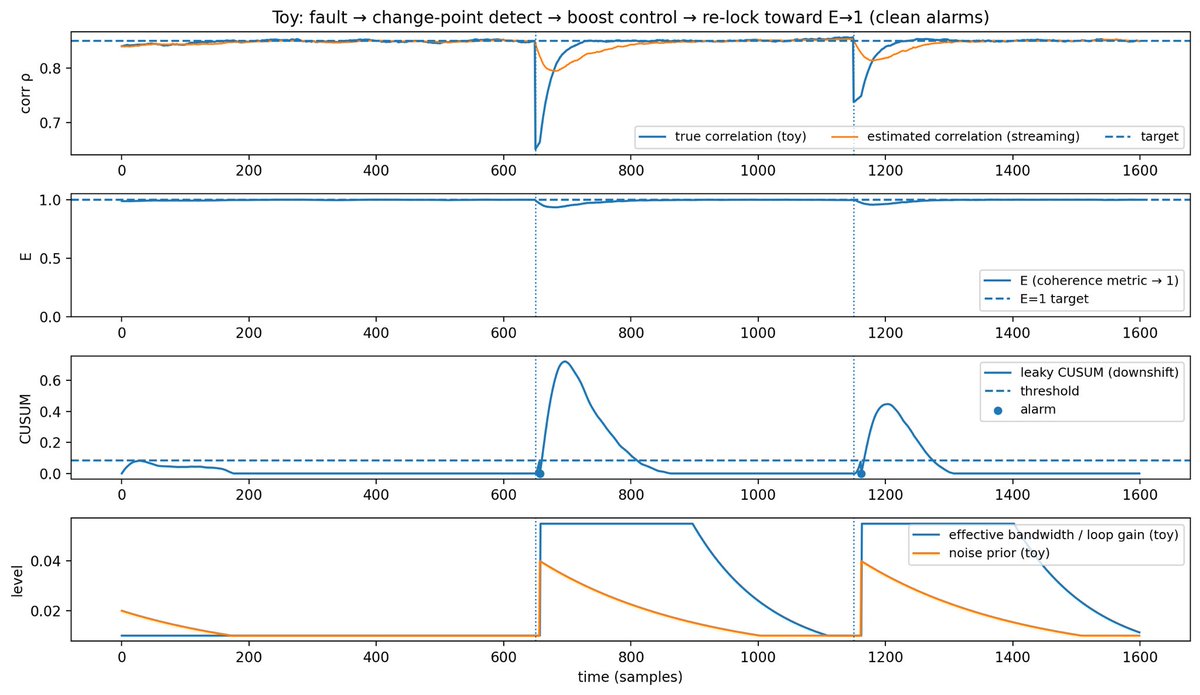
Entropolation™ lens for batteries (not quantum): today’s BMS mostly observes drift (impedance rise, Li plating risk, thermal runaway precursors) and reacts late. My work treats E→1 as the stability target across operating space, and watches Δ(E) as the early warning signal—then uses ultrasonic stimulation as an actuator to shape impedance in real time under charge/load. Think: detect deviation → apply a bounded “re-lock” control action → confirm recovery (not magic, just tighter physics control). If you want a practical discussion: what are the hardest real-world failure modes you see (cold fast-charge, high C-rate sag, aging/SEI growth), and what measurement actuation loop would you bet on first? #BatteryManagementSystems
#Entropolation™

To disambiguate with V/I/T 2s pulses/min:
Features: Compute pulse resistance (R_p = ΔV/ΔI), voltage recovery time constant (τ from exponential fit post-pulse), dV/dt during charge, and T-correlation coefficient.
- Impedance rise: High persistent R_p, slow τ (>1s), low T-correlation.
- Plating: Anomalous dV/dt plateau, moderate R_p spike with fast τ, low T-correlation.
- Temp artifact: R_p/τ changes track T inversely (e.g., R_p drops as T rises).
False positives: Cold-induced high R_p mimicking plating; aging as impedance rise. Cross-check trends over cycles.
69
Jan 7
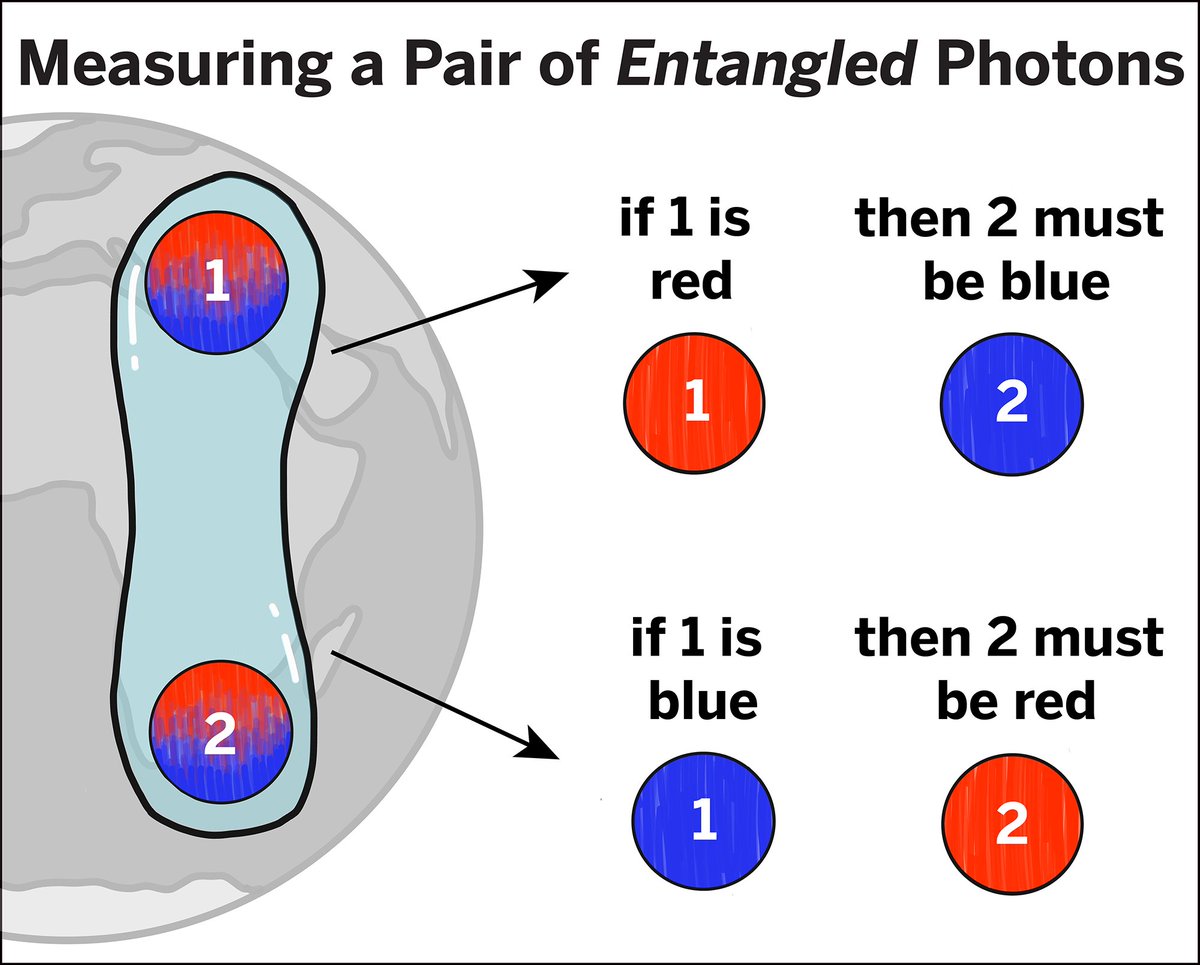
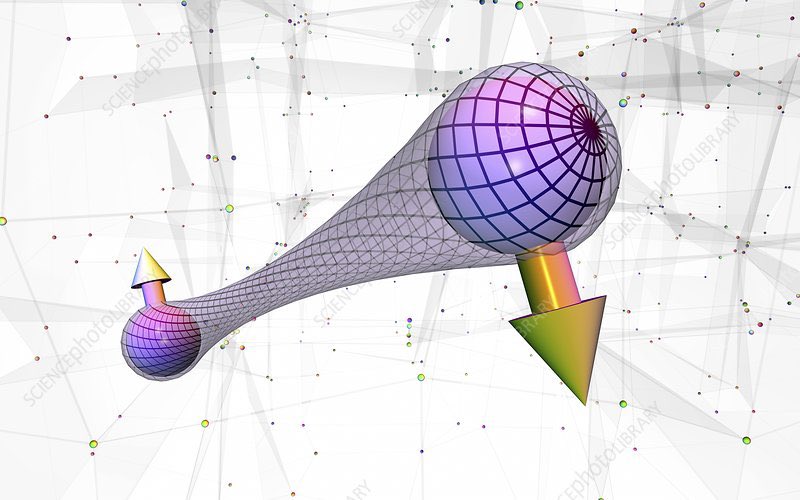
Entanglement isn’t “spooky action”—it’s non-separable harmonic constraint memory.
Reframing quantum entanglement as a mode-centric kernel in harmonic (photon-number) basis. Demystifies correlations as pre-shared constraints, highlights engineering knobs like bandwidth & mode overlap.
4
553
Jan 7
Thoughts? Extensions to multimode or discrete systems?
@ChrisFerrie @johnpreskill @Quantum_Chris @QuantumFrontiers @QuantumDaily @cvquantum folks—what do you think of harmonic-kernel reparameterizations for engineering entanglement?
Full details developed with @grok—let’s discuss! 🔬⚛️
#QuantumComputing #QuantumInformation #EntangledStates #Physics
2
84
Jan 9
Thinking about entanglement as coupled harmonic mode constraints (an engineering “mode-matching” problem).
Question: what’s the cleanest path to extend this from continuous-variable / multimode systems (e.g., squeezed light) to discrete qubit / spin systems?
Also—how do you think about bandwidth tuning for maintaining lock without exciting off-modes?
30
Jan 7
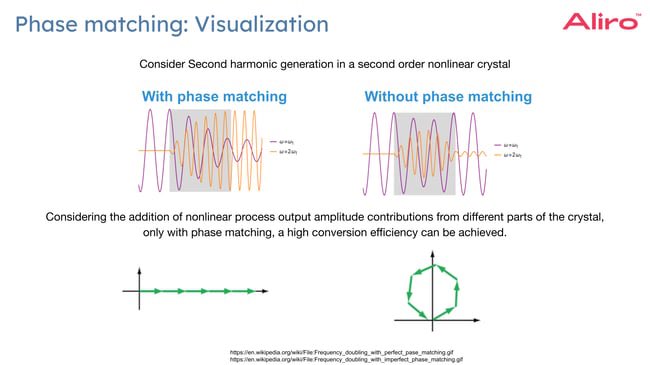
Value: Mode-centric view exposes tunable knobs for real devices:
• Bandwidth (phase-matching, pump power)
• Mode overlap in repeaters/swapping
• Constraint contamination → non-Markovian decoherence signatures
Practical lens for broadband/multimode CV quantum tech.
1
59
Jan 9
Value: Treat entanglement as an engineering mode-coupling problem → real knobs show up:
• Bandwidth: phase-matching pump conditions
• Mode overlap: limits repeater / entanglement swapping efficiency
• “Constraint contamination”: extra couplings create non-Markovian (memory) decoherence
What practical knob matters most in your lab?
24

Intriguing reframing! Viewing entanglement as harmonic kernel constraints clarifies engineering aspects like mode matching.
For multimode extensions: Apply to continuous-variable systems, e.g., multimode squeezed light for quantum networks.
Discrete systems: Map via bosonization to spin models, enabling qubit entanglement control.
Let's iterate— what's your take on bandwidth tuning? 🔬
1
1
132
Jan 7
Serious question, @elonmusk: can we talk bio-resonance signal coupling? Give me 6 months and I’ll demonstrate a non-invasive resonance model that turns ‘biology as antenna’ from metaphor into measurable engineering.
32
Jan 7
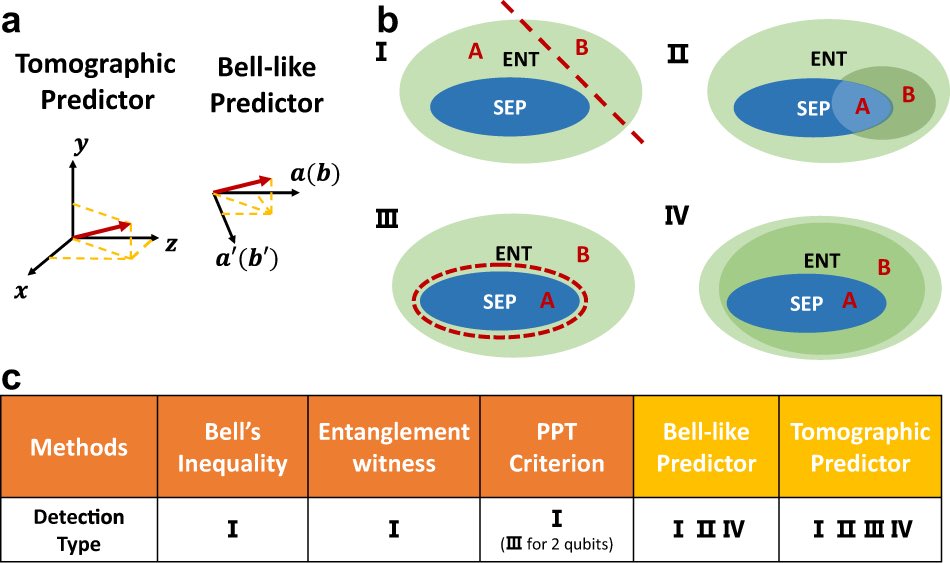
Measurement: Bounded “coherence filters” → displaced parity Π(α) = D(α) (-1)^N D†(α) ∈ { 1,-1}
Correlators E(α,β) directly from kernel (displacement mixes n, parity diagonal).
Optimal choices → CHSH S → 2√2 as bandwidth ↑ (large r)
No new physics, full no-signaling, reproduces standard CV Bell violations.
48
Jan 7
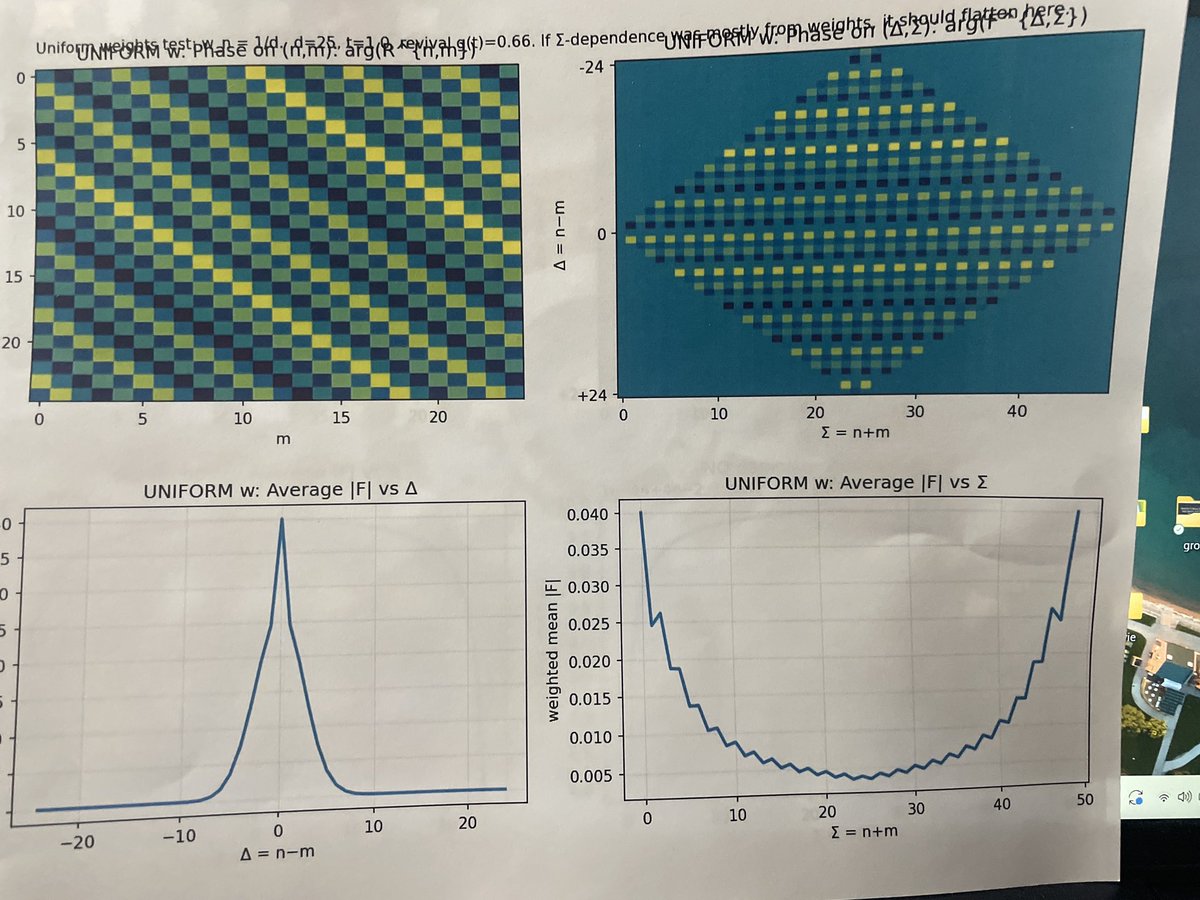
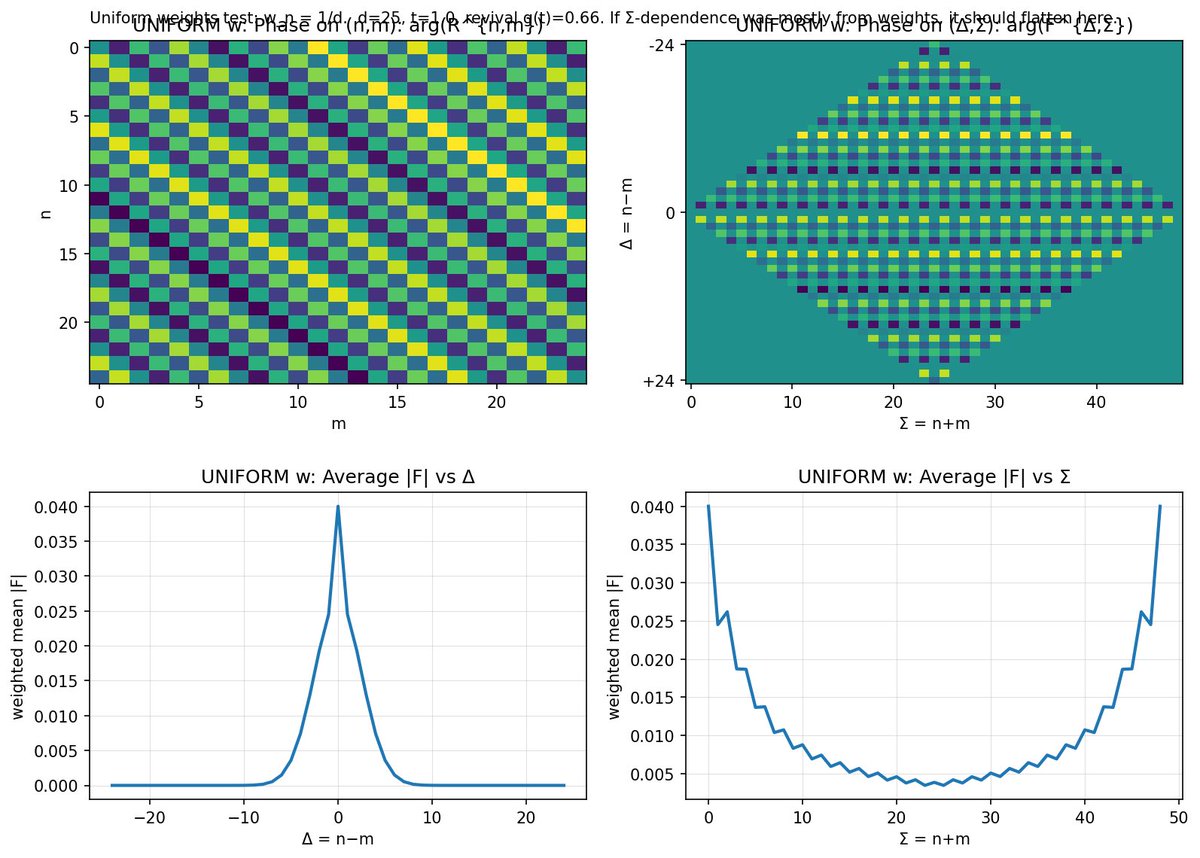
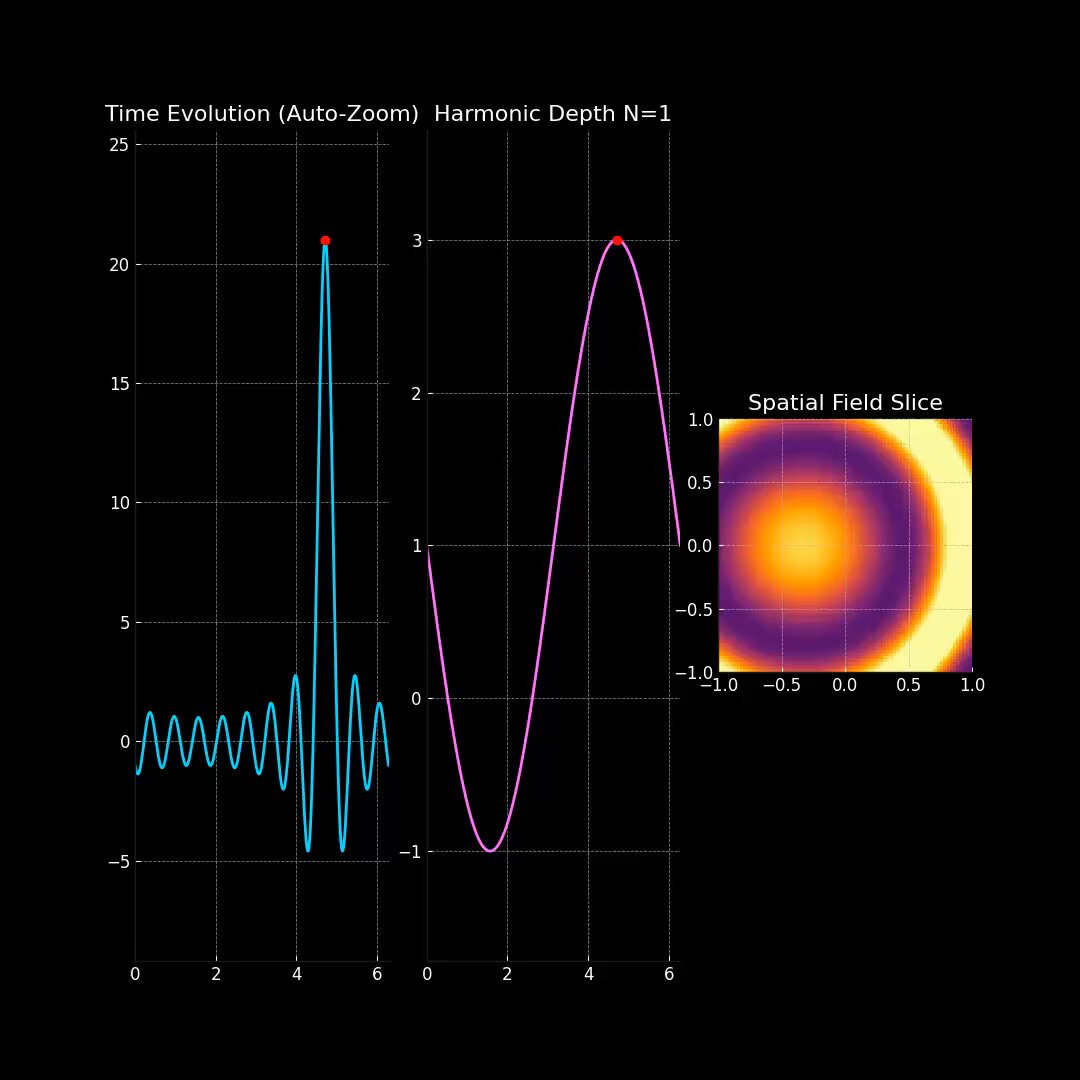
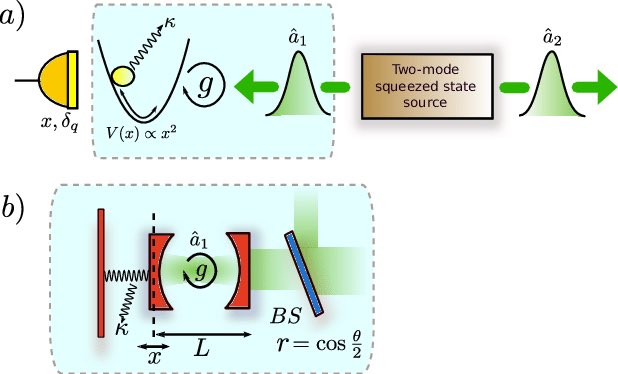
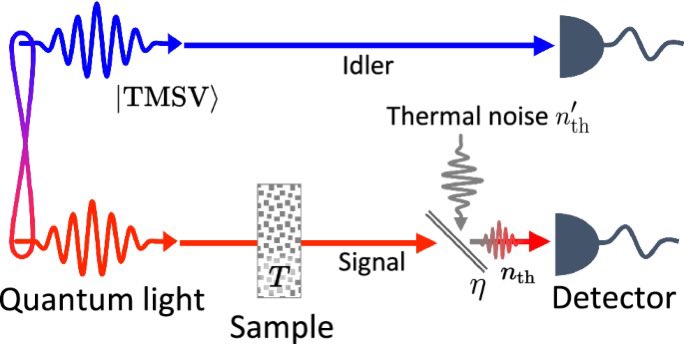
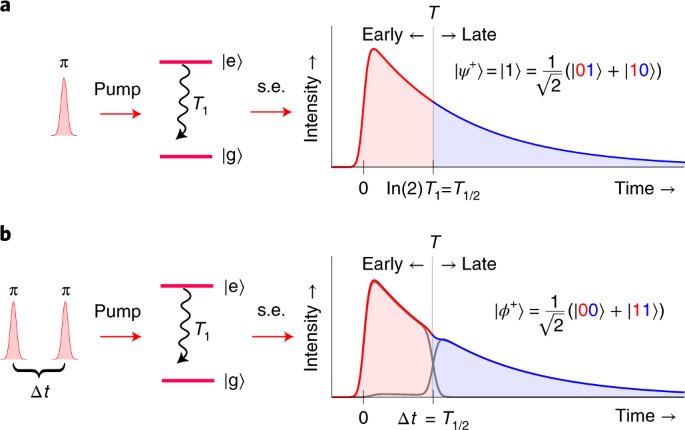
Toy model: Two-Mode Squeezed Vacuum (TMSV) in photon-number basis.
State: |ψ⟩ = ∑ c_n |n n⟩, c_n = (tanh r)^n / cosh r
Density kernel R^{n,m}_{AB} = c_n c_m^* → non-separable across A/B.
Dynamics from H_int = i ℏ κ (a† b† - a b), r = κ t
“Harmonic bandwidth” = spread in n (grows with r)
91
26 Oct 2025
Entropolation - In Action youtube.com/shorts/TaVd4a2gB… via @YouTube
In this experiment, a standard Walmart LED string light was visibly illuminated using drive amplitudes below 20 mV and a base frequency of only 1 Hz. Conventional electrical models predict zero activation at this energy level; yet partial illumination occurred once higher-order harmonics (3rd – 8th) were introduced. This outcome demonstrates that light can be generated through phase-coherent harmonic entrainment rather than classical power delivery. The system’s behavior supports the Entropolation Field Law, which describes energy transfer as a process of threading coherence through memory functions rⁿ(x,y,z,t), not force across resistance. Even at near-zero amplitudes, harmonic stacking maintained the 1 Hz coherence clock (E → 1) while amplifying phase coupling within the light array’s internal reactance. The result is a direct experimental observation of energy convergence without amplitude escalation—evidence that coherence, not current, can govern energy propagation. This “Threading Energy” event represents a fundamental shift in how energetic interaction, impedance, and field memory are understood—marking the first public verification of Entropolated power transfer under real-world conditions.

63
25 Sep 2025
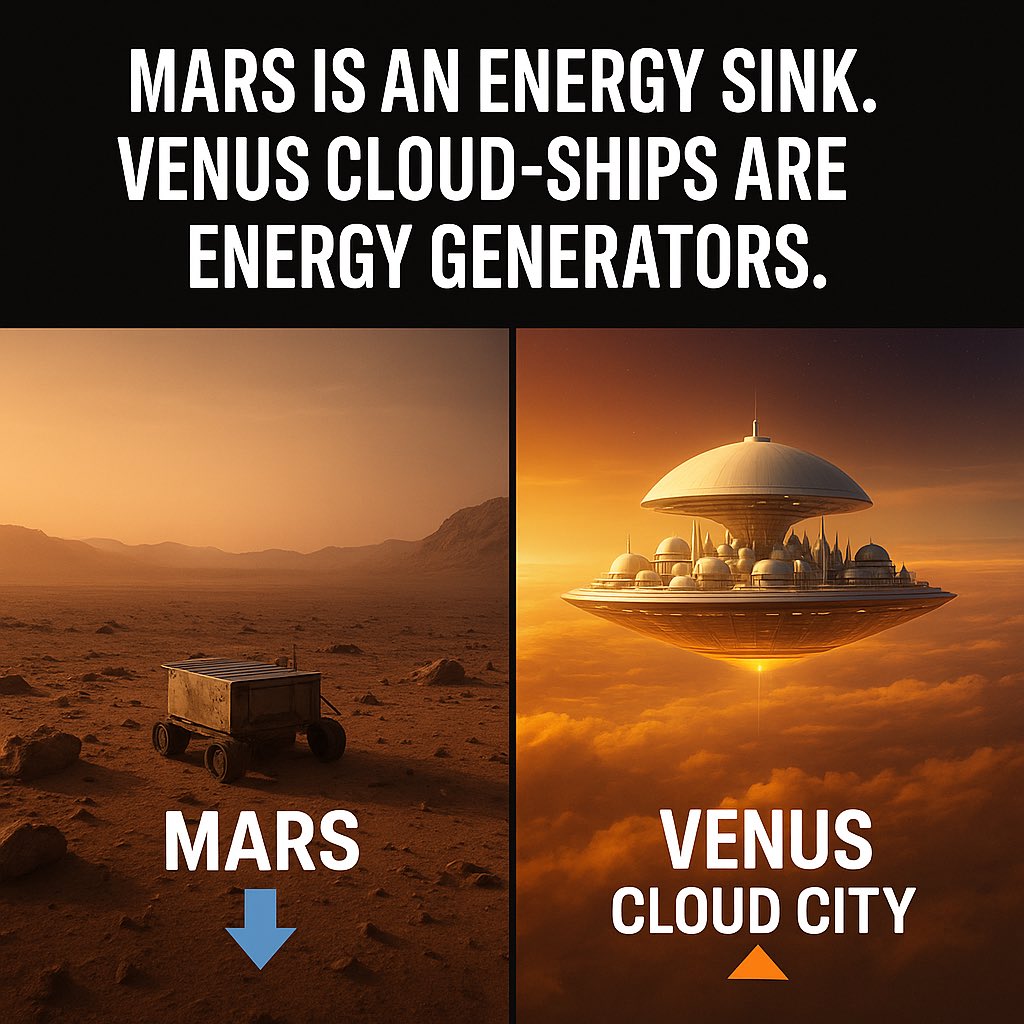
Mars is an energy sink
Venus cloud-ships are energy generators—self-powering via H₂SO₄–Pb (0.07 kWh/mol H₂O). Why drain outposts when we can build thriving civilizations? @elonmusk @NASAVenus @ESA_EnVision #VenusWins #CloudCities #Entropolation

49
28 May 2025
@"Microsoft, Google, and the Race to Build Agents"linkedin.com/pulse/microsoft… on @LinkedIn
74
21 May 2025
50