Cognitive Neuroscience Lab @Penn. We study scene perception, navigation, spatial cognition, and memory.
Joined July 2016
- Tweets 134
- Following 280
- Followers 1,656
- Likes 414
12 Photos and videos
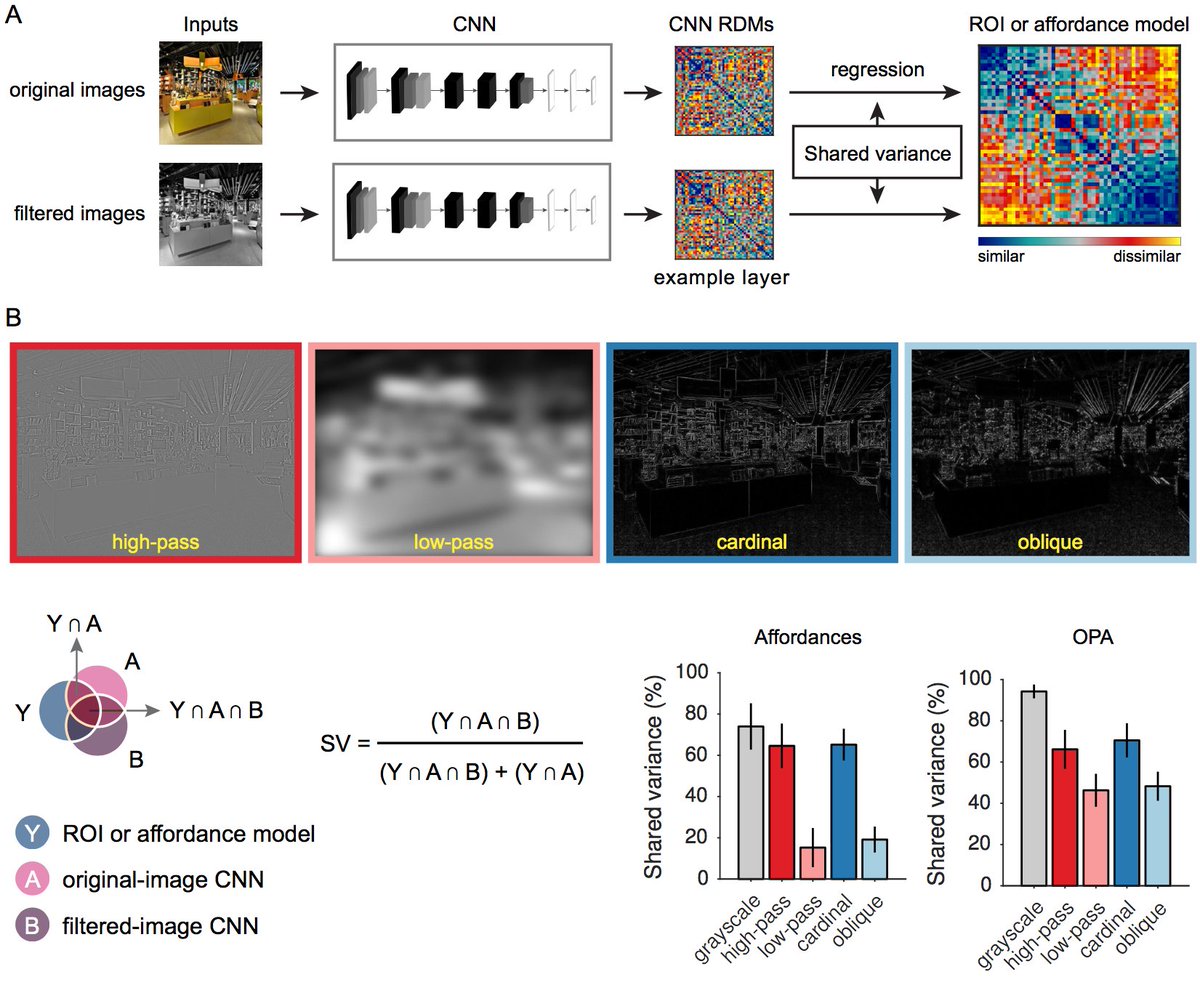
Pinned Tweet

4 Feb 2025
We are no longer posting here. You can find me on bluesky @russellepstein.bsky.social
1
189
29 Jul 2024
We are very excited to welcome two new lab members: postdoc @NathanKong, who joins us from previous sojourns at Stanford and MIT, and lab manager @JidongQ_, a recent graduate of the University of Rochester. Welcome to @Penn and Philly, Nathan and Jidong!
17
1,073
26 Jul 2024
Another awesome and highly deserved honor for our friend and collaborator @NoraNewcombe, who is not only a brilliant scientist, but also a superb colleague and mentor. It's great to see her recognized as a member of the CogSci pantheon.
25 Jul 2024

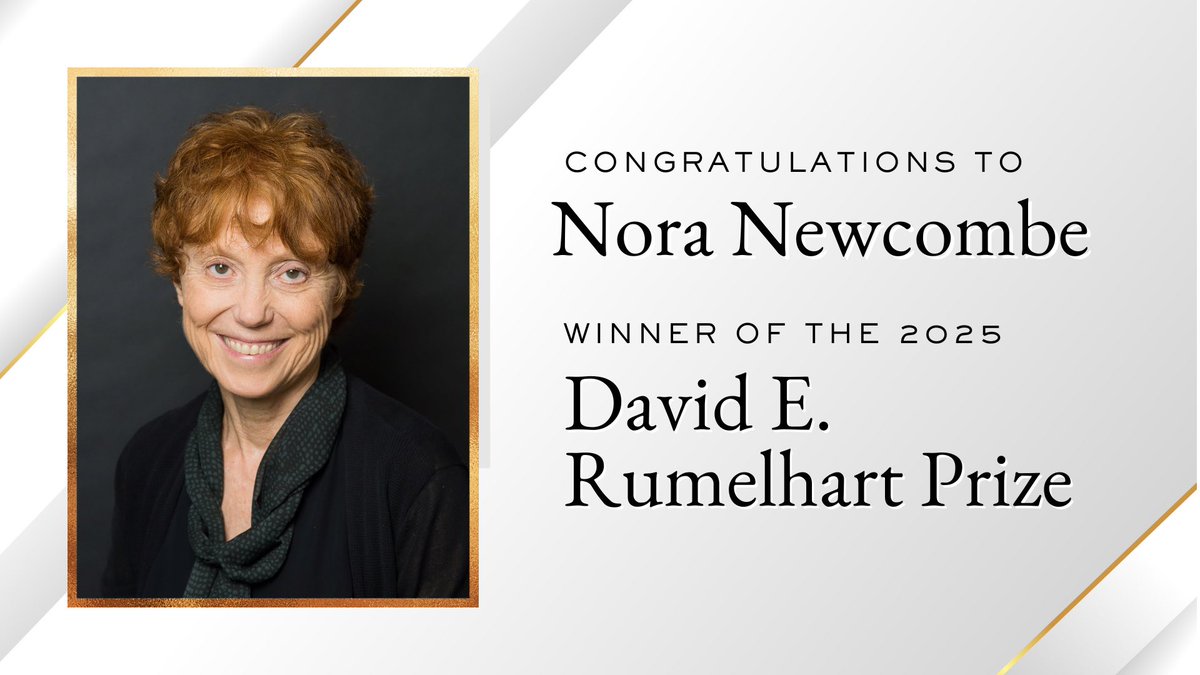
Huge congratulations to the brilliant @NoraNewcombe, recipient of the 2025 David E. Rumelhart Prize! 🏅
Visit the #RumelhartPrize page to learn more cognitivesciencesociety.org/…
1
15
1,176
1 May 2024
Thrilled to congratulate our friend and frequent collaborator @NoraNewcombe for her election to @theNASciences. A very well-deserved honor for this inspiring leader of the fields of spatial cognition & developmental psychology. Hooray, Nora!!!!!
30 Apr 2024

We are thrilled to announce the election of 120 members and 24 international members to the National Academy of Sciences in recognition of their distinguished and continued achievements in original research.
Congratulations to our new #NASmembers and welcome to the Academy!
1
28
1,715
29 Mar 2024
We are super-excited to share the news that @ainsley_bonin has accepted @Penn's offer to enter the Psychology PhD program, and will be joining the lab in the fall. Ainsley is currently a senior @ColbyCollege, majoring in Computational Psychology. Welcome Ainsley!!!!
15
2,803
29 Mar 2024
Congratulations to our own @ashaferskelton, who just got the NOA for her F32 postdoc fellowship. GO ANNA!!!! (If you want to join Anna, and other brilliant and nice folks like @cgahnstrom, @LinfengHan4, and @NathanKong, we still have positions available...)
2
4
32
2,697
26 Feb 2024
The Epstein Lab @Penn is looking for new postdocs!!! NIH funded project to investigate spatial and nonspatial cognitive maps in humans. Collaboration with @NoraNewcombe. More info at the link (please RT): psych.upenn.edu/epsteinlab/a…
33
50
8,753
26 Feb 2024
We're looking to hire a new full-time lab manager! This would be an excellent position for a graduating senior who wishes to expand their research experience before continuing on to postgraduate study. Info and application link below (please RT!): psych.upenn.edu/epsteinlab/a…
1
7
11
3,130
26 Feb 2024
Research in the lab focuses on the neural systems underlying high-level vision, spatial navigation, and memory, using fMRI and other methods. Previous holders of this position have gone on to study in top graduate programs.
1
1
457
The Epstein Lab retweeted

26 Dec 2023
How armadillos gather foliage for their nests
239
3,501
36,078
5,577,464
8 Oct 2023
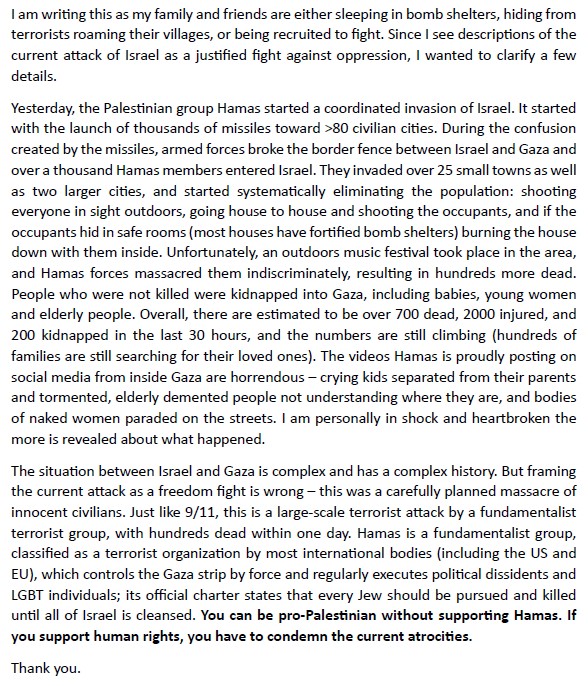
From lab member @michael_peer_. I (RAE) fully agree with Michael.
8 Oct 2023

I usually don’t write political posts on Twitter, but I wanted to clarify a few things about the situation in Israel.
1
8
3,459
The Epstein Lab retweeted

28 Jun 2023
We're hiring a Director for our new MindCORE Neuroimaging Facility opening at @PennovationWork this fall.
The Director will be responsible for operations, maintenance, financial management, and training and support for our community of users.
Pls RT!
wd1.myworkdaysite.com/en-US/…

8
11
3,230
5 Jun 2023
Our postdoc positions @Penn are still open! This is a great opportunity if you're interested in spatial/episodic/semantic memory, cognitive maps, hippocampus/retrosplenial, navigation, fMRI.
Ad here: tinyurl.com/3x3ee4pc. Lab website here: tinyurl.com/mrxuary5
42
55
12,744
27 Apr 2023
PLEASE RT!!
Come join us in Philly! @epstein_lab @Penn has postdoc openings!! Ad here: tinyurl.com/3x3ee4pc. Lab website here: tinyurl.com/mrxuary5
Our lab studies the neural basis of spatial cognition and visually-guided navigation in humans, using fMRI and other methods.
2
39
42
15,761
27 Apr 2023
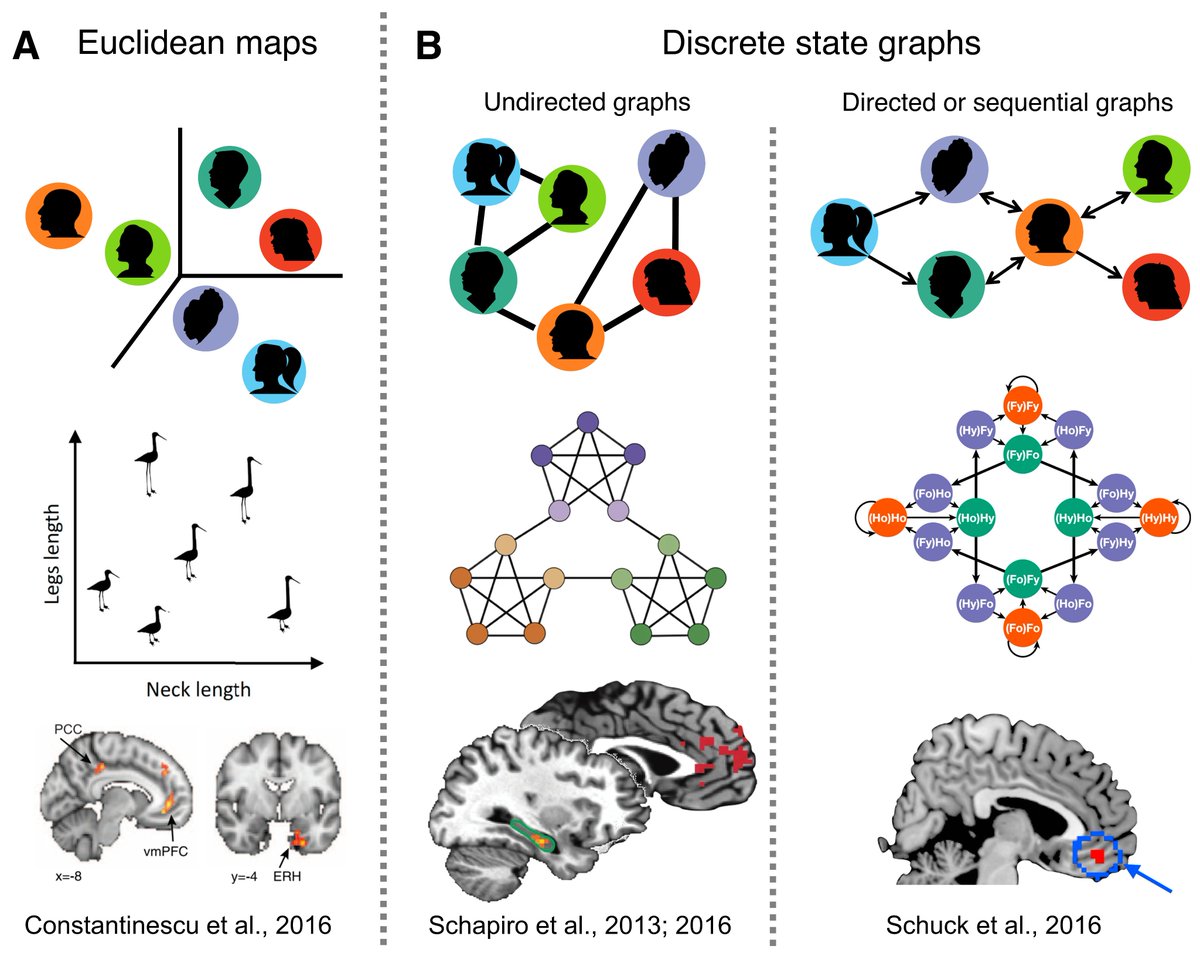
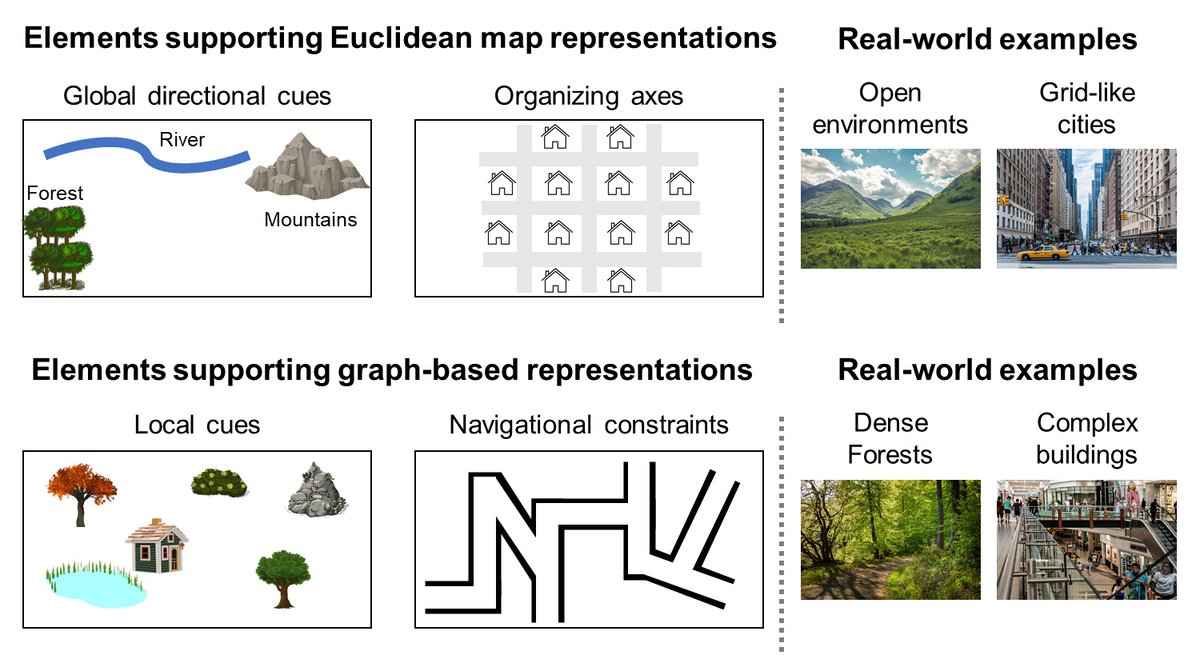
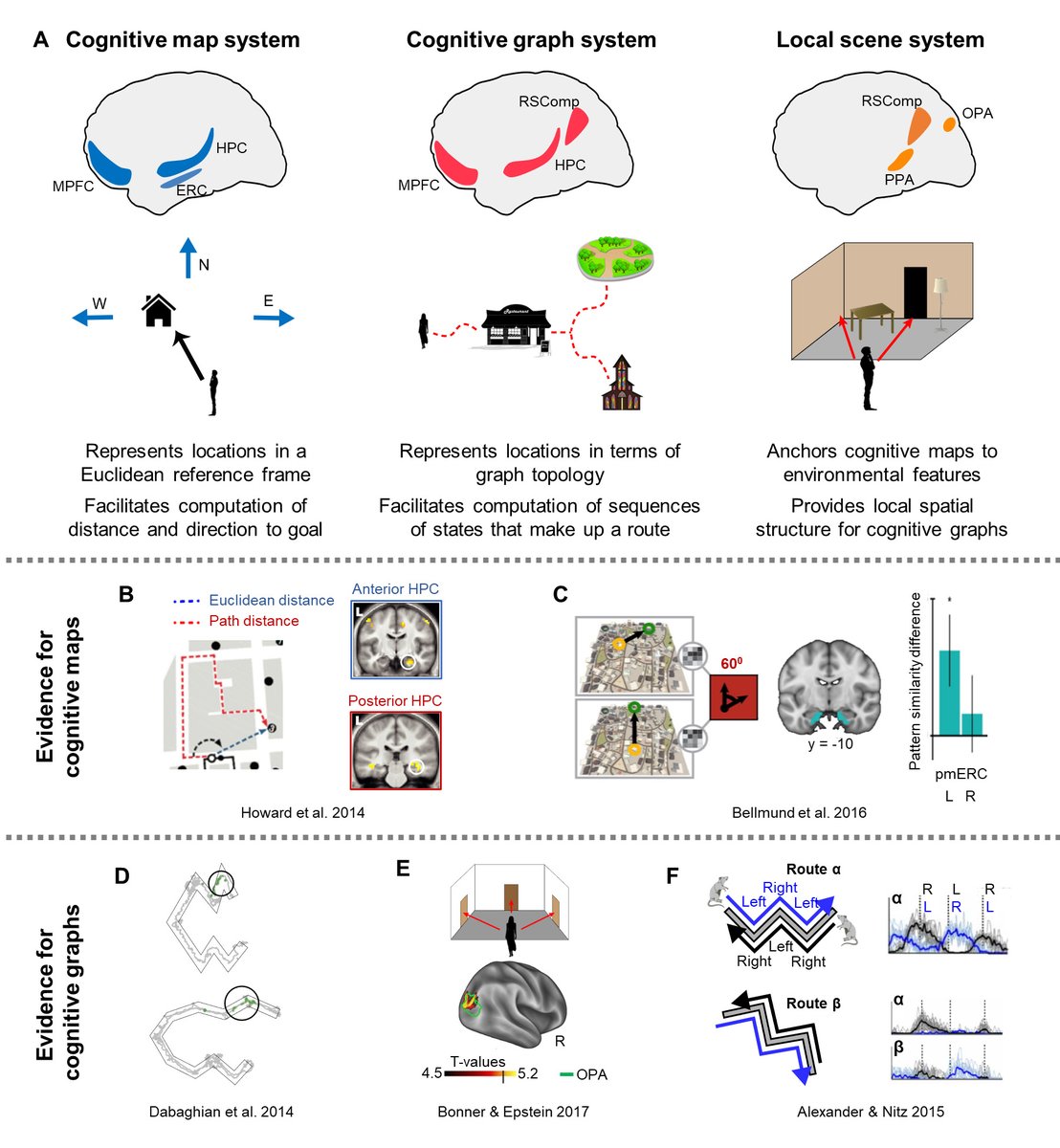
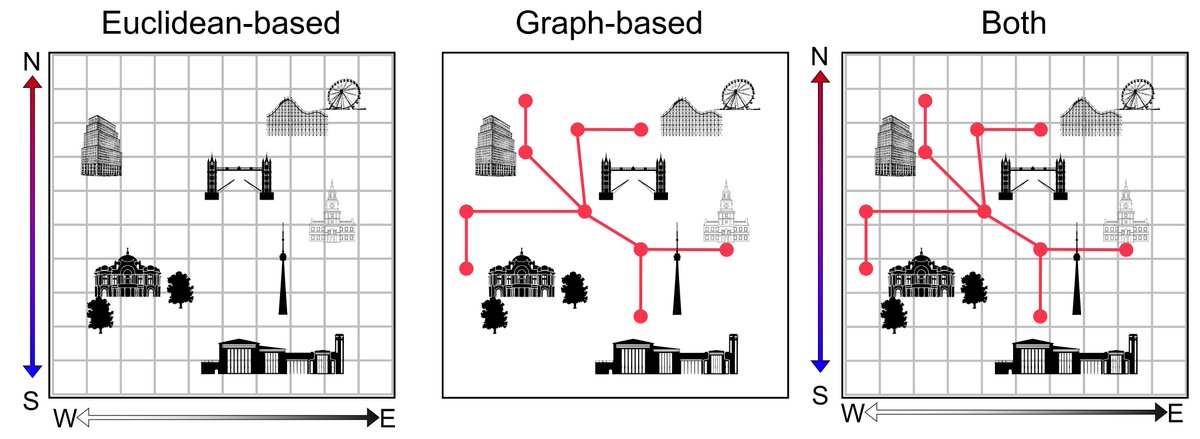
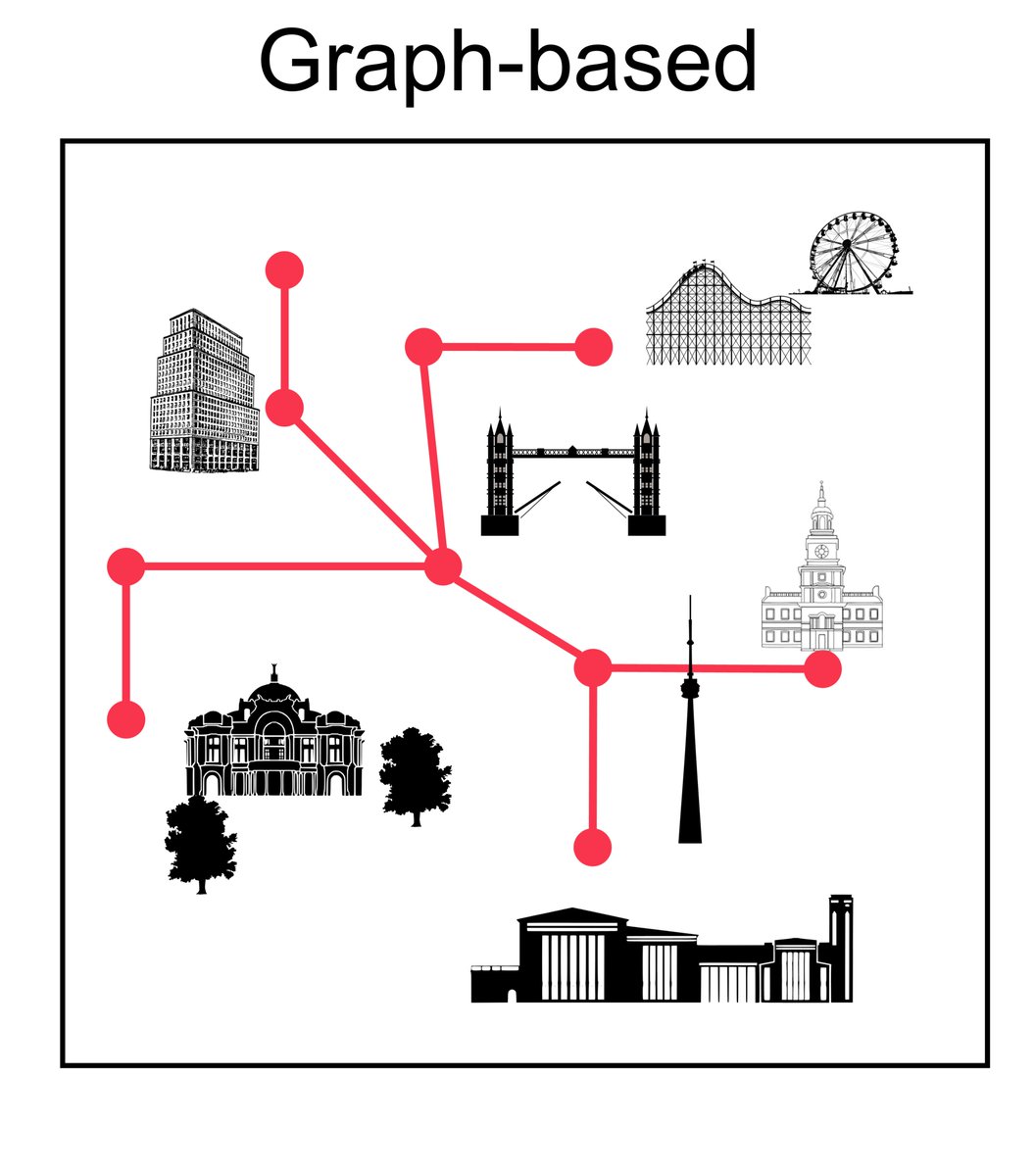
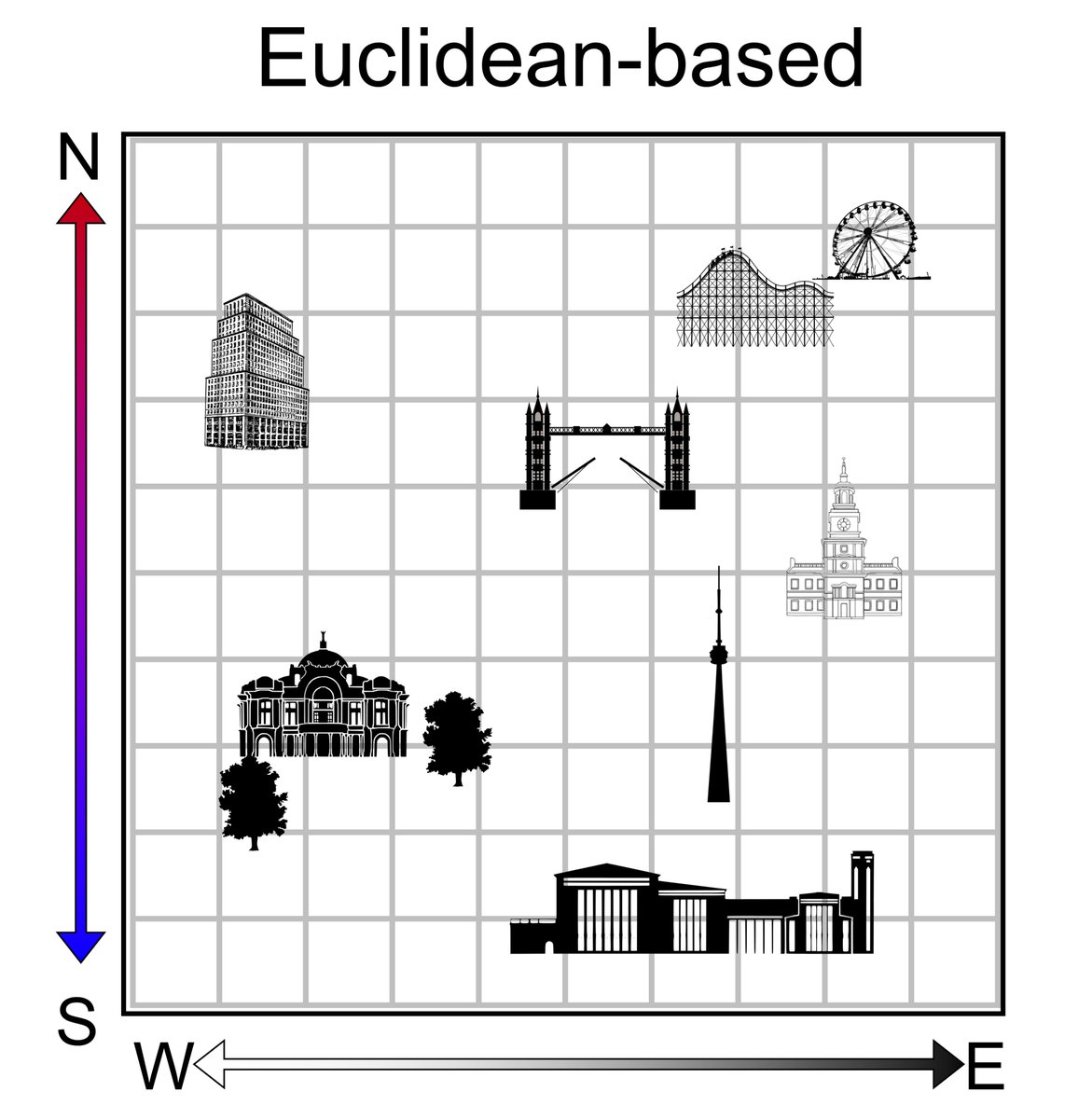
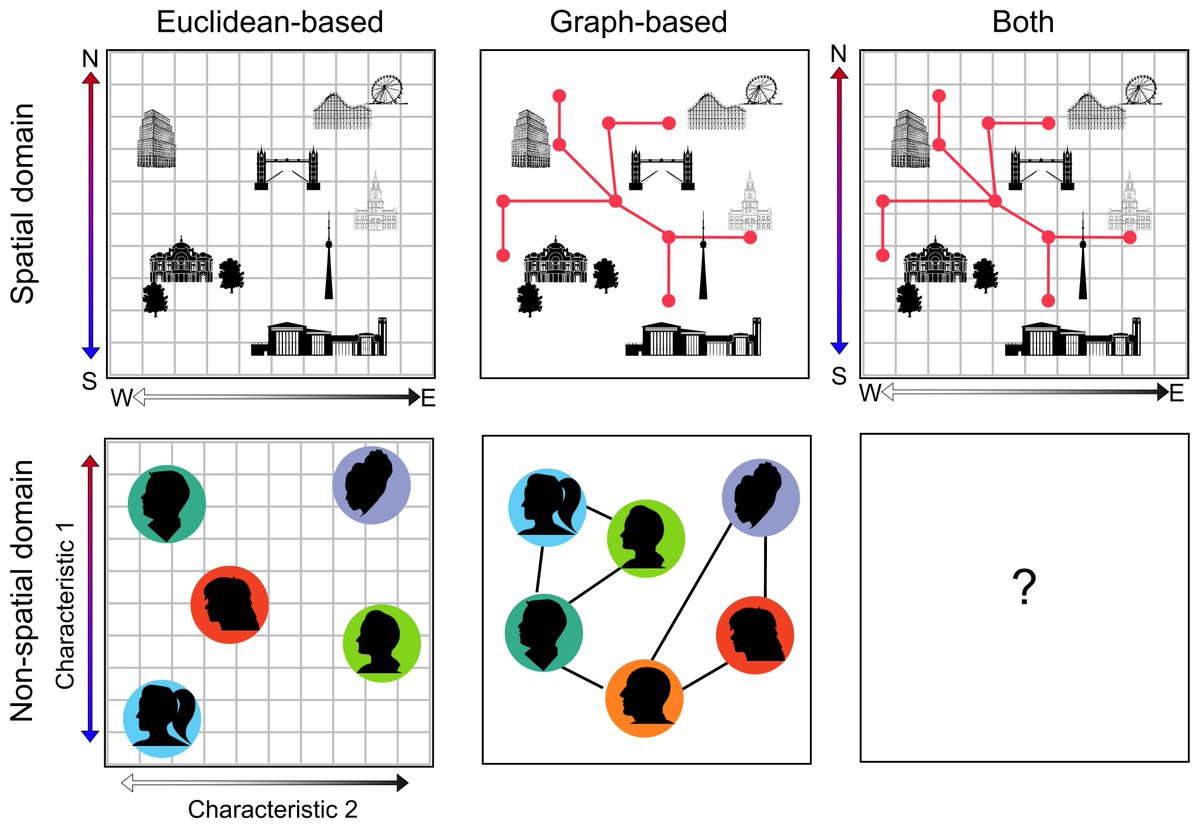
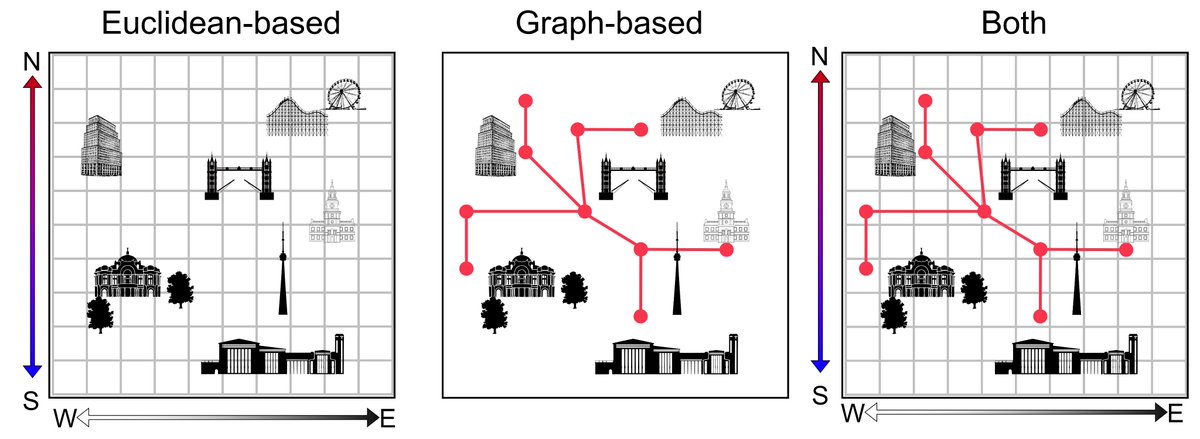
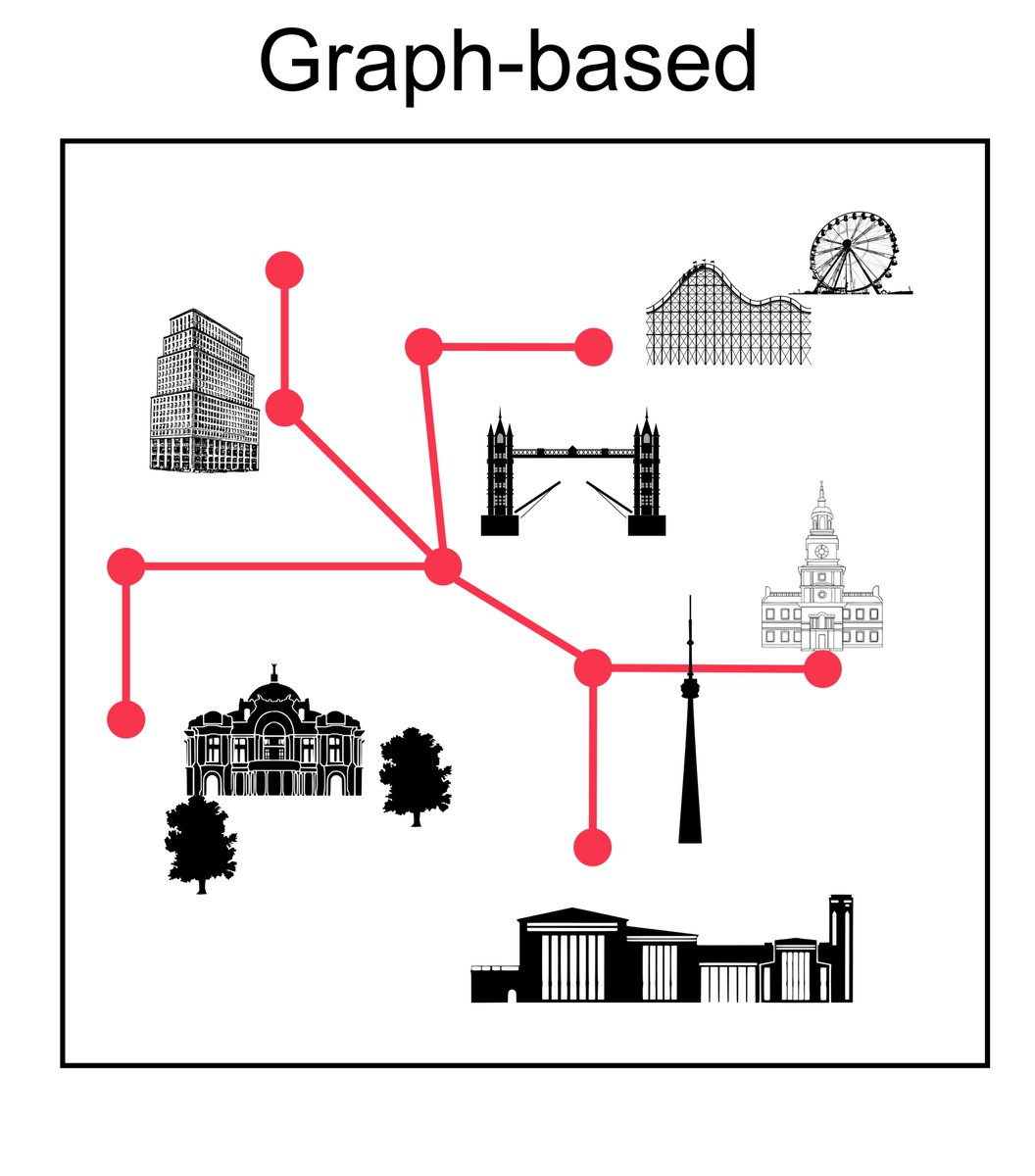
These opening are on an NIH-supported project investigating the knowledge structures (e.g. cog maps, cog graphs) underlying spatial navigation and how they might underlie memory and cognition more generally. Broad opportunity to develop research ideas under this general umbrella
1
5
888
27 Apr 2023
Philadelphia is a great place to live: walkable, affordable, and @Penn has recently enhanced postdoc salaries to above NIH standard rates.
4
687
5 Apr 2023
Come join us in Philly! @epstein_lab @Penn has postdoc openings on NIH-funded projects that use advanced fMRI methods to investigate the neural basis of cognitive maps (broadly defined), spatial navigation, and spatial/nonspatial memory in humans. Collaboration with @NoraNewcombe
1
26
37
11,043
5 Apr 2023
Queries by email to Russell Epstein. To apply, send CV, statement of interest, and contact info for 3 references. Information about our lab is here: psych.upenn.edu/epsteinlab/
PLEASE RT!!
766
13 Jan 2023
Gearing up to teach Advanced fMRI data analysis, which I last offered in 2018. What's new over the past 4 years? What's hot? What is the analysis method that everyone needs to know?
6
3
35
11,298
13 Jan 2023
Here's what we covered in 2018:
MVPA/RSA
fMRI Adaptation
Hyperalignment and Intersubject Correlation
Optimal experimental design
PRFs Encoding Models
Model-Based Analyses
Double dipping and unexpected confounds
Reverse Inference and Power Issues
2
8
1,318