
Father | Cuban 🇨🇺 | Servant Leader | Executive Director HISD
Joined August 2020
- Tweets 359
- Following 230
- Followers 314
- Likes 682
103 Photos and videos




Enrique Rodriguez retweeted

23 Aug 2025
The Paradox of Memory: Why Forgetting Makes Learning Possible. ⬇️🧵
6
48
160
25,585

6 Aug 2025
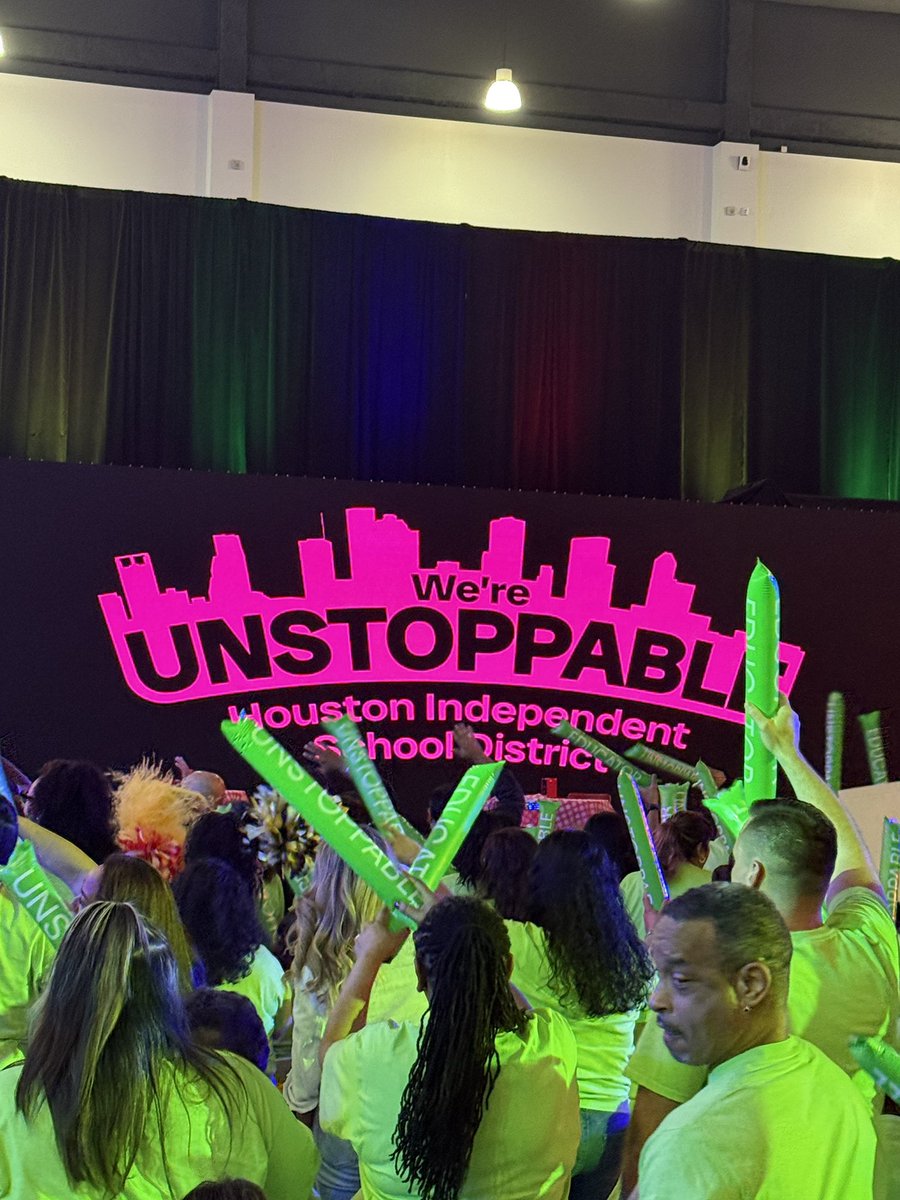
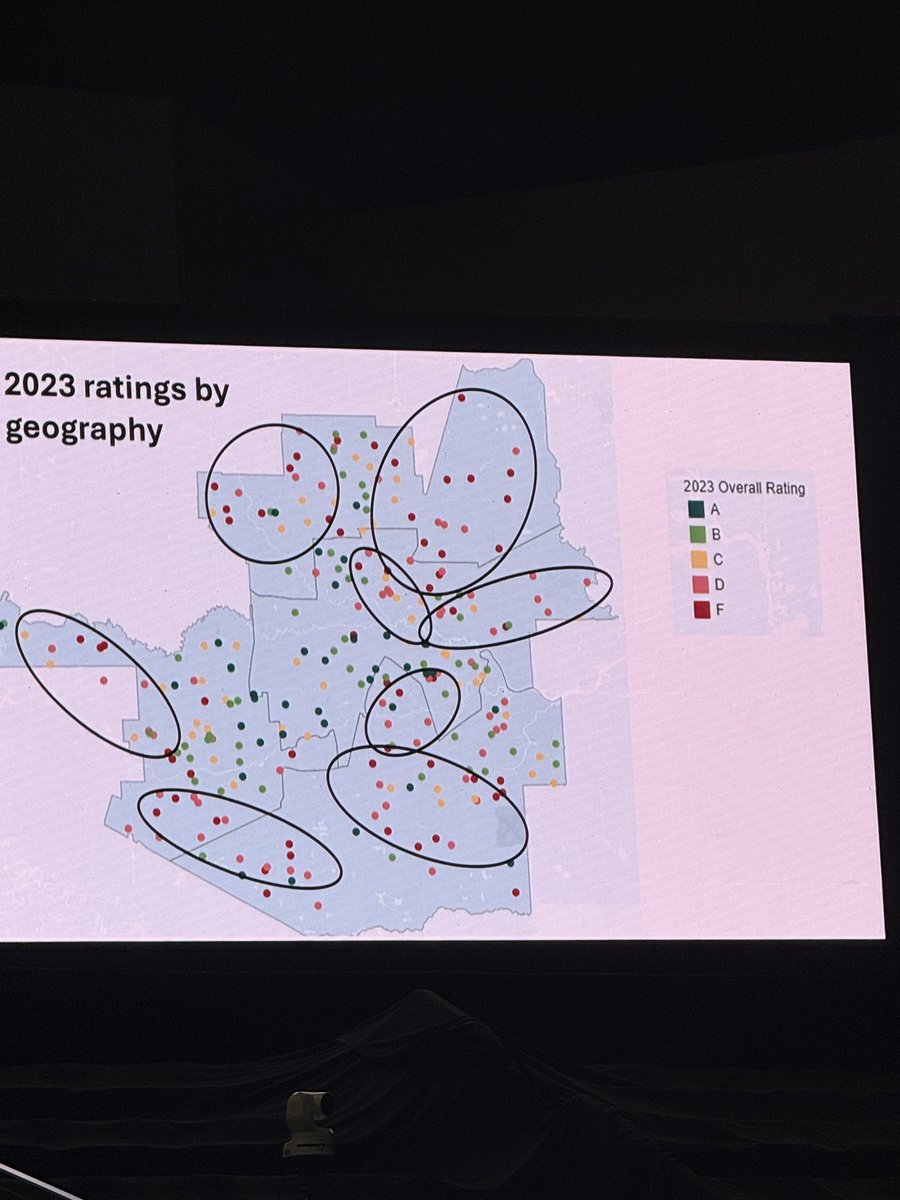
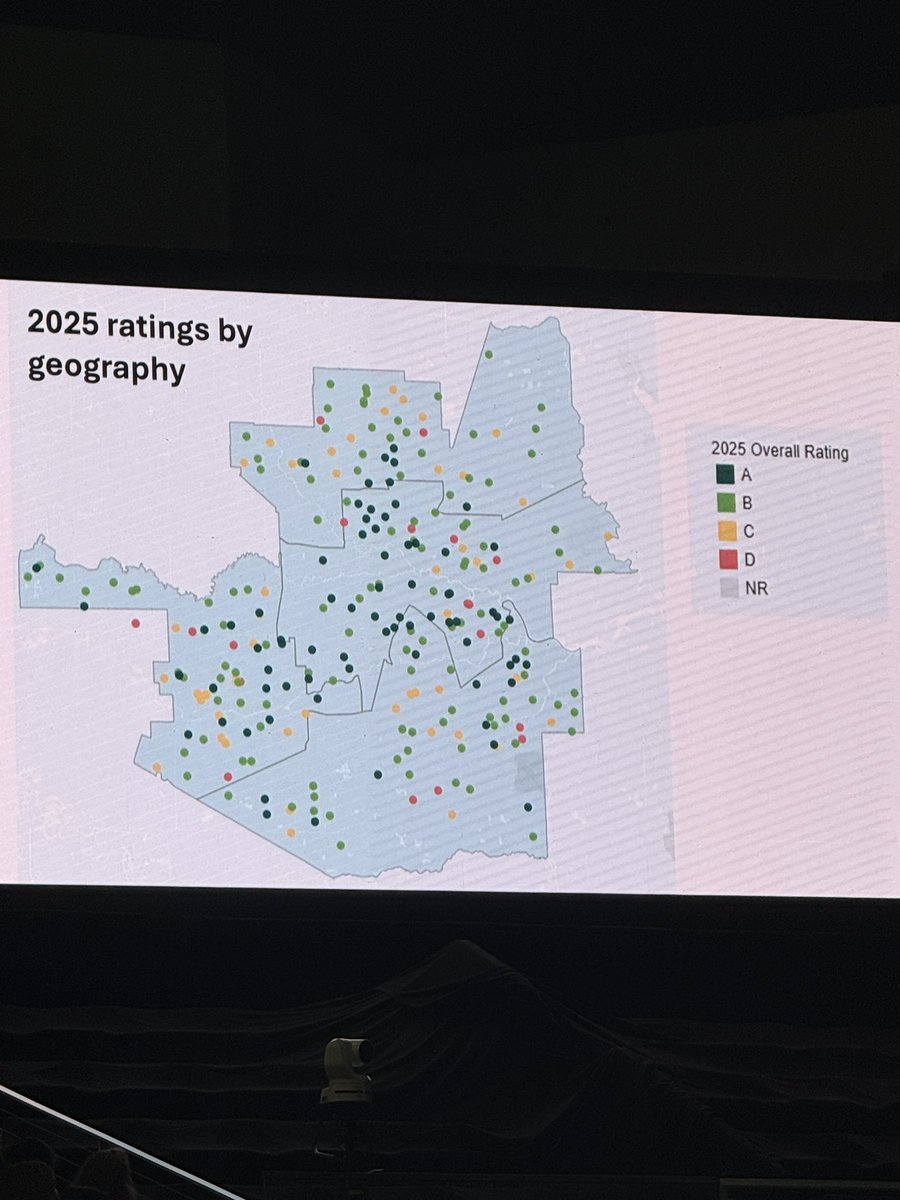
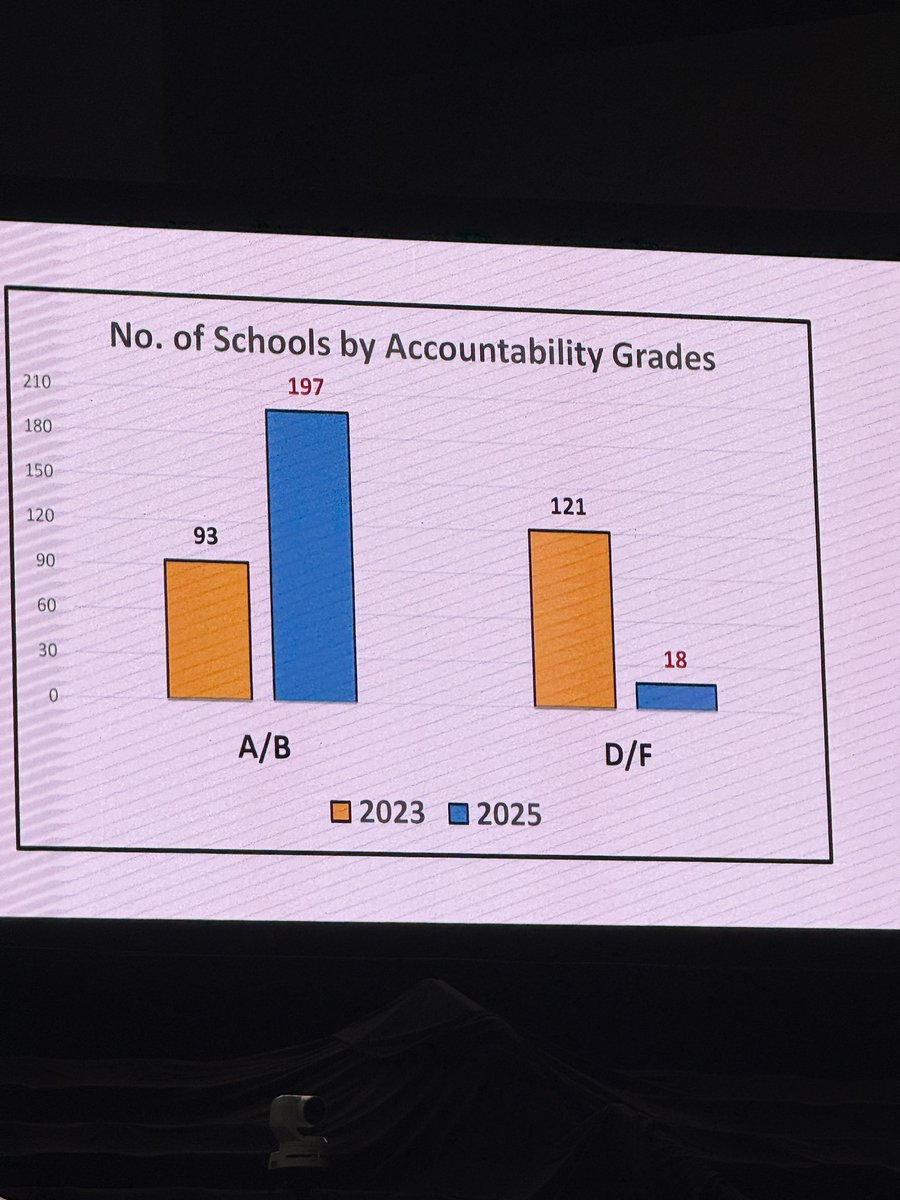
From 121 D/F-rated campuses to ZERO F-rated in just two years—proof that a zip code does not define the quality of instruction and that direct instruction works. Proud to have led this work since Day 1. Houston ISD Transformation—Year 3, let’s go!
1
6
534
24 Apr 2025
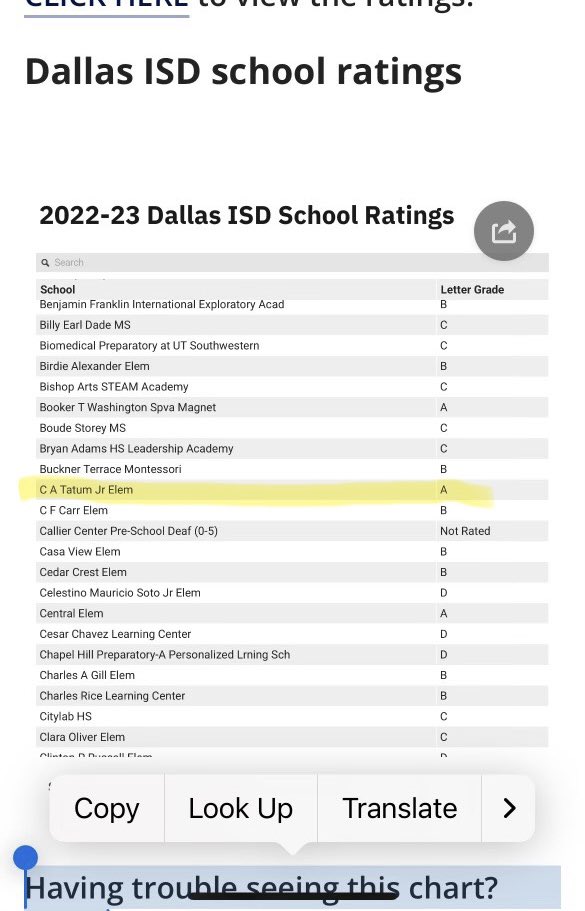
Proof that ALL students can achieve—regardless of background, language, or income.
THIS will always be the proudest moment of my career.
All credit goes to the teachers who believed, who showed up, and who never stopped pushing.
A promise made- a promise kept!
#TatumTitans💪🏼.
#DallasISD proud!
@MRamirezDISD @DallasISDSupt @reveras11 #@NormanMcNeal #@ OmarSolis
7
1
23
1,379
13 Oct 2024
Que mostró! 🤯

2
906

Great speech by @nayibbukele!
7,538
68,906
338,060
57,752,742
Enrique Rodriguez retweeted
19 Aug 2024
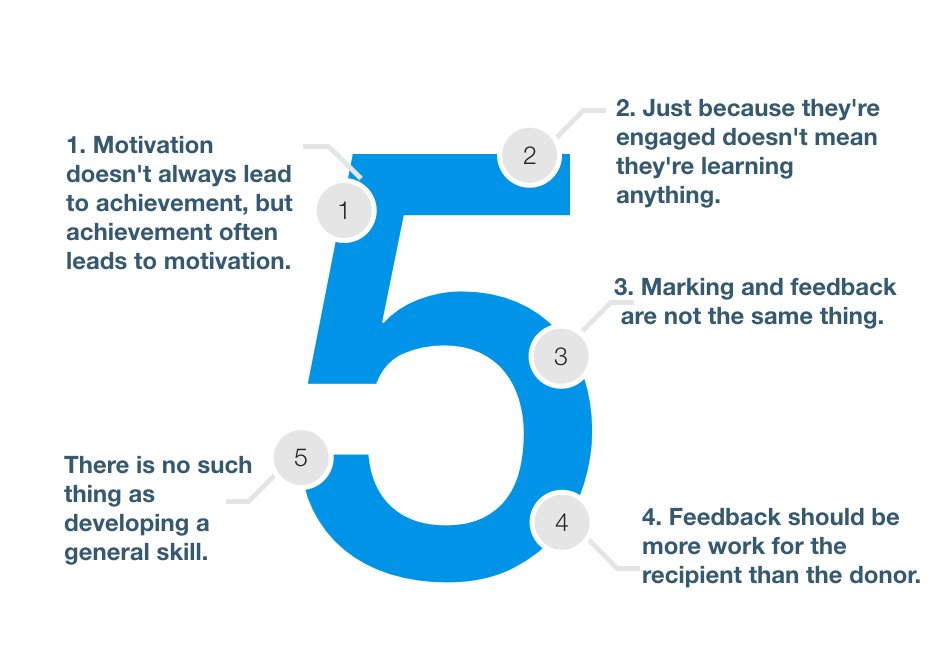
For any new teachers: Five Things I Wish I Knew When I Started Teaching carlhendrick.com/2017/05/06/…
4
76
219
38,474
Enrique Rodriguez retweeted
23 Jul 2024
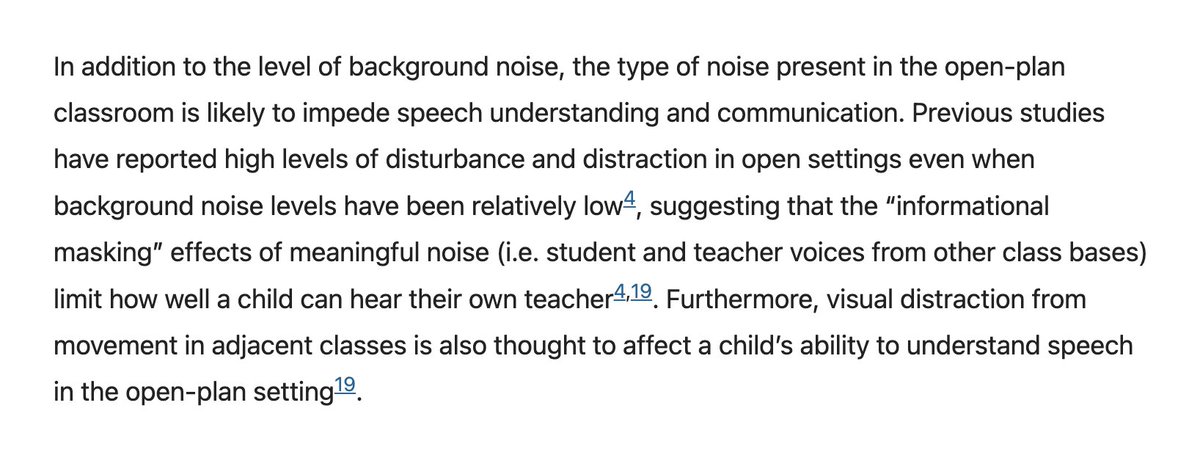
So it seems that noisy classrooms are bad for learning but especially bad for young children and worse still, they are bad for young children with learning difficulties with one study finding that extraneous noise can cause repetitive behaviours in autistic children, but why is this exactly? Well younger students will have to expend a great deal more cognitive effort to simply listen to their teacher and peers. In another study where classrooms with partitions removed were studied, children who had the greatest difficulty understanding speech in noisy environments or who had the weakest attention abilities were significantly affected in the open plan sessions. nature.com/articles/s41539-0…
2
8
35
7,516
Enrique Rodriguez retweeted
9 Mar 2024
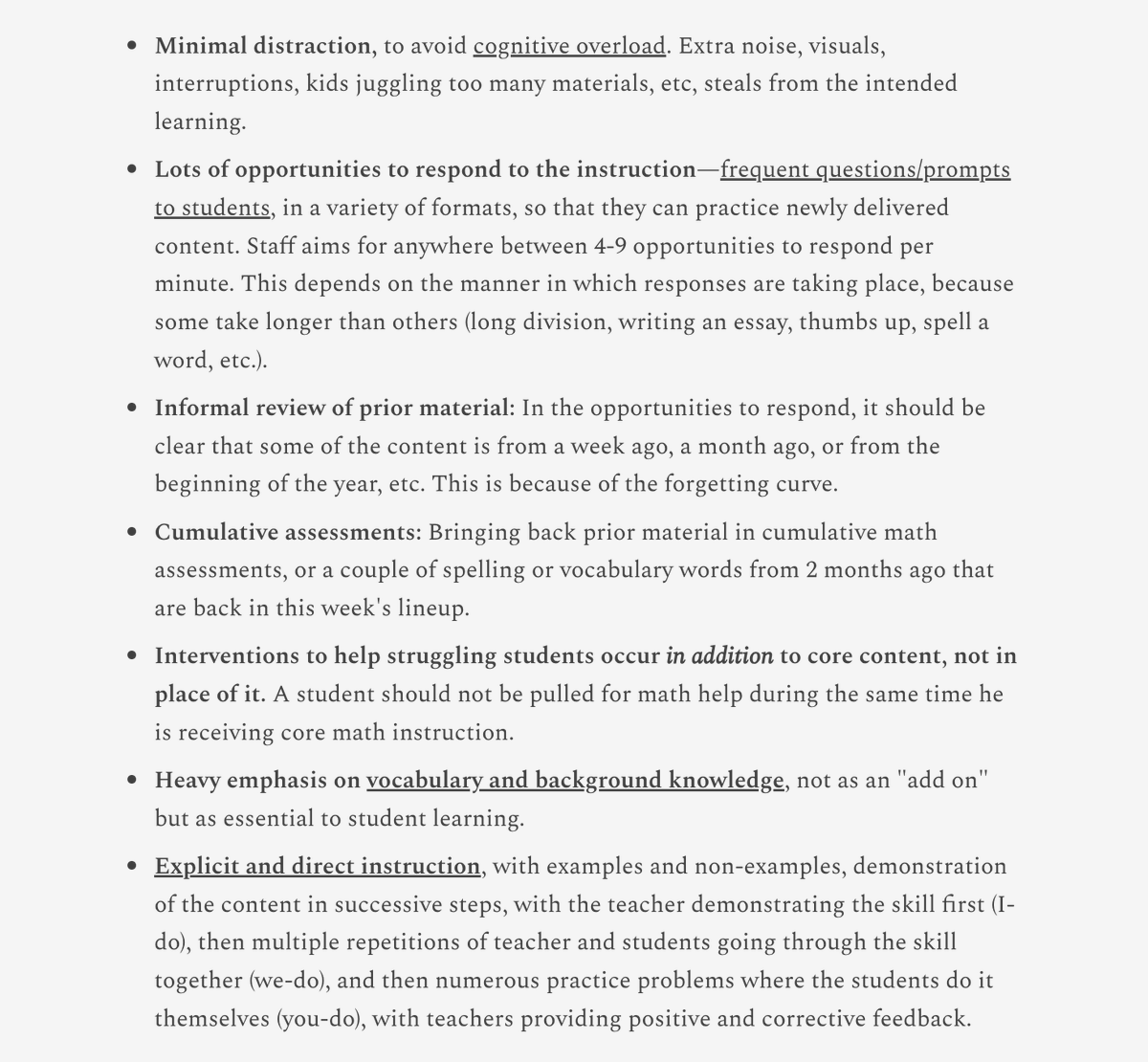
Great example of a school using evidence: not using strategies in isolation but rather combining several strategies to create real impact on learning ⬇️
"With our commitment to the science of learning, we are seeing a steady increase that goes up and to the right for everybody, with more kids reaching advanced levels on our state assessment."
hollykorbey.substack.com/p/f…
1
5
13
3,310
Enrique Rodriguez retweeted
8 Mar 2024
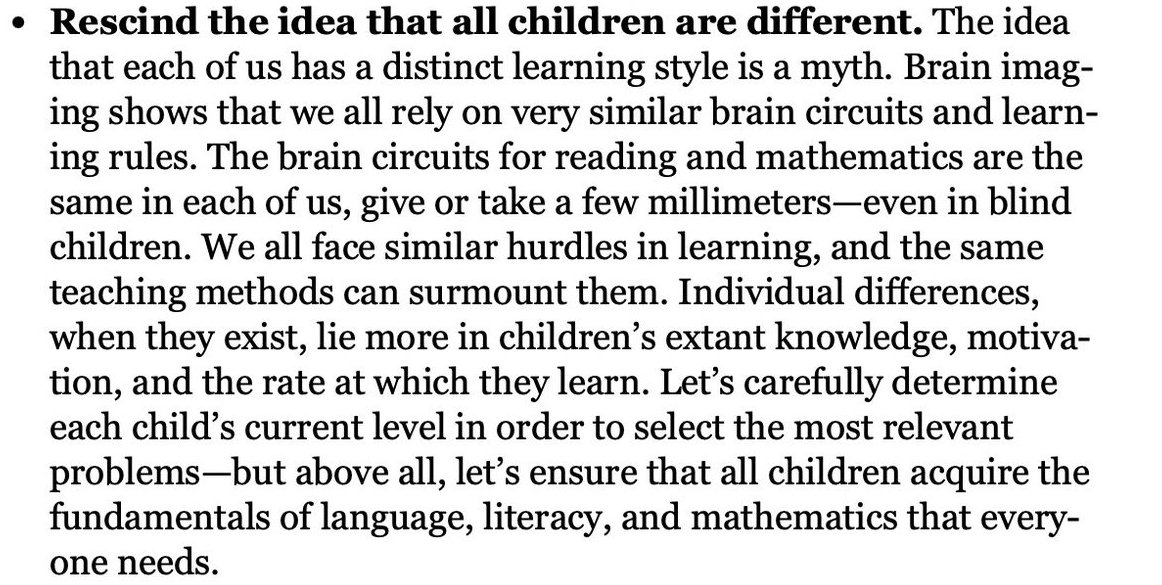
I feel these are three things every teacher and school leader should know:
1. We are more similar than dissimilar in how we learn.
2. This has major implications for designing curriculum, instruction and assessment.
3. Expecting teachers to differentiate their teaching for 30 different kids who all 'learn differently' is one reason the job has been completely unsustainable for so many.
(Quote from Stanislas Dehaene's book 'How We Learn')
25
101
398
62,483
3 Mar 2024
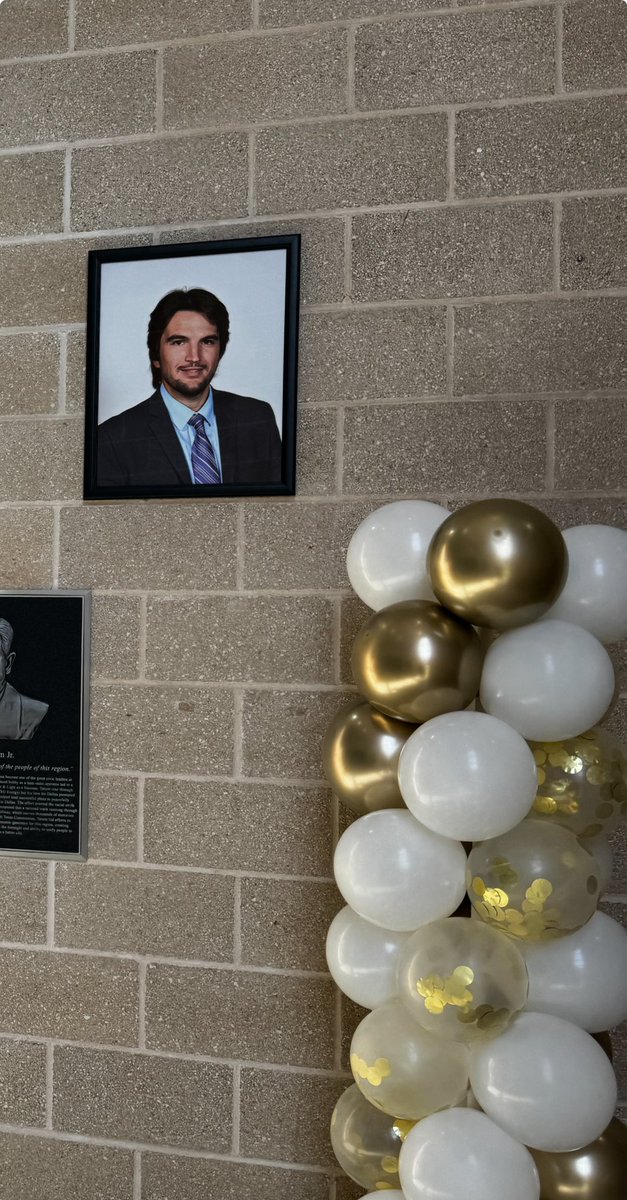
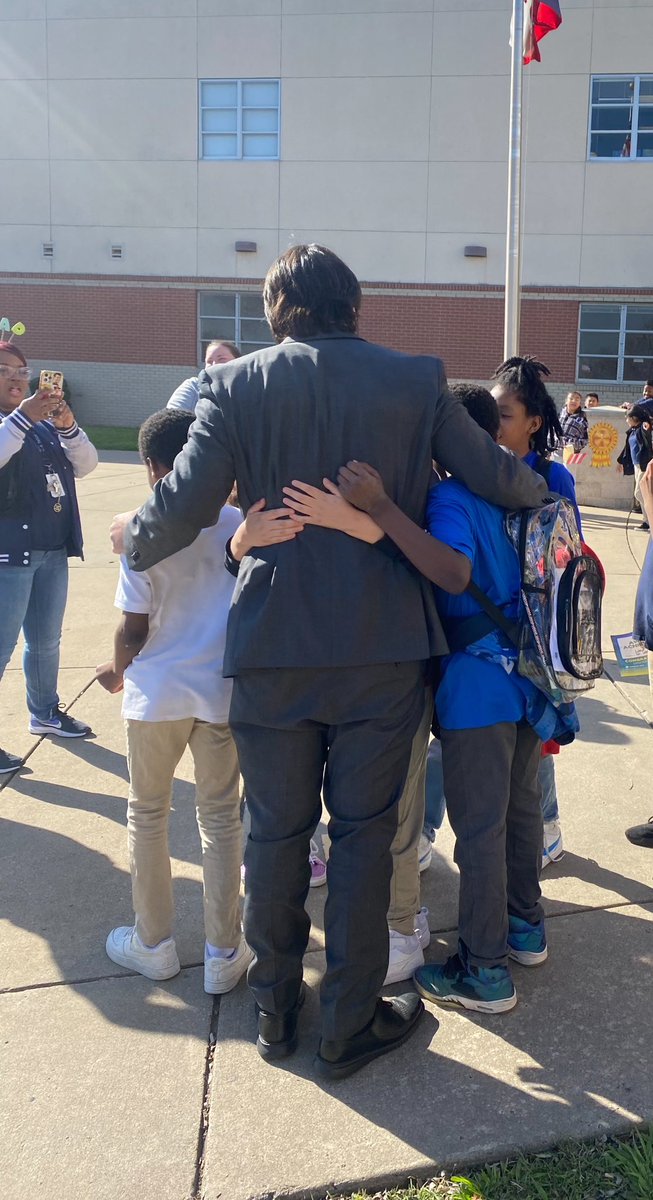
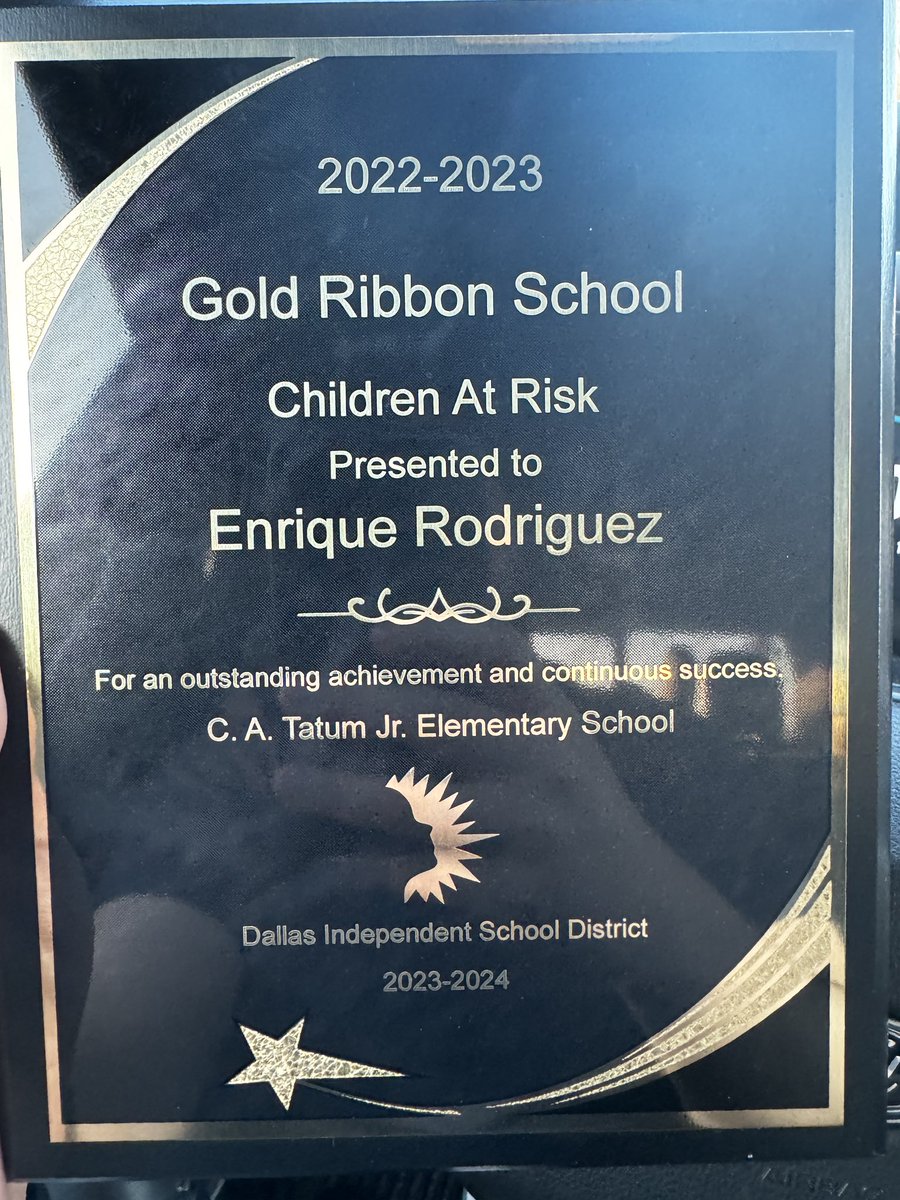
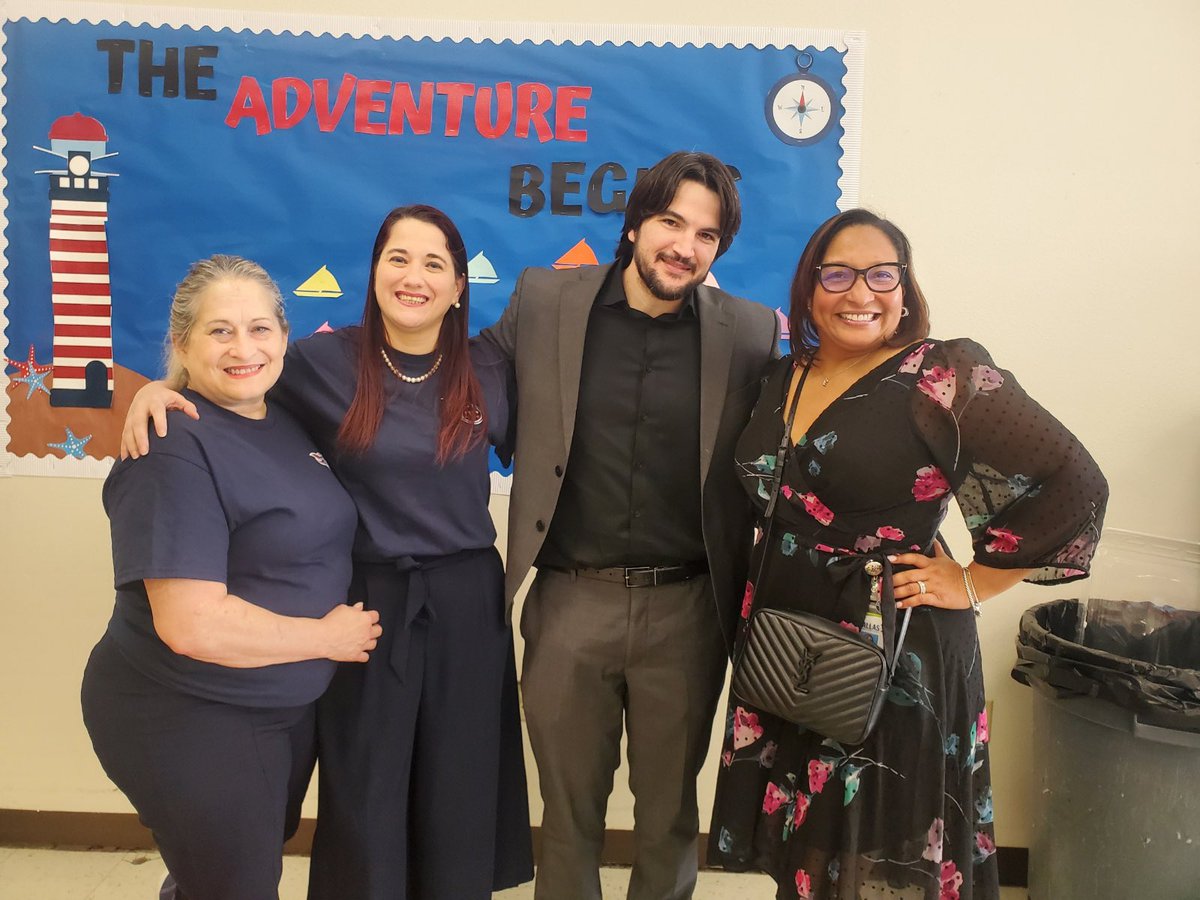
This feeling can’t be described. 5 years of collective hard work to make it happen. I kept my promise to @DallasISDSupt and my kids! B Rated campus and Gold Ribbon award. Thank you to everyone who was part of the journey. We are Titans!! 💪🏻 @REHdz79 @DallasISDSupt @reveras11
7
4
54
3,762
11 Jan 2024
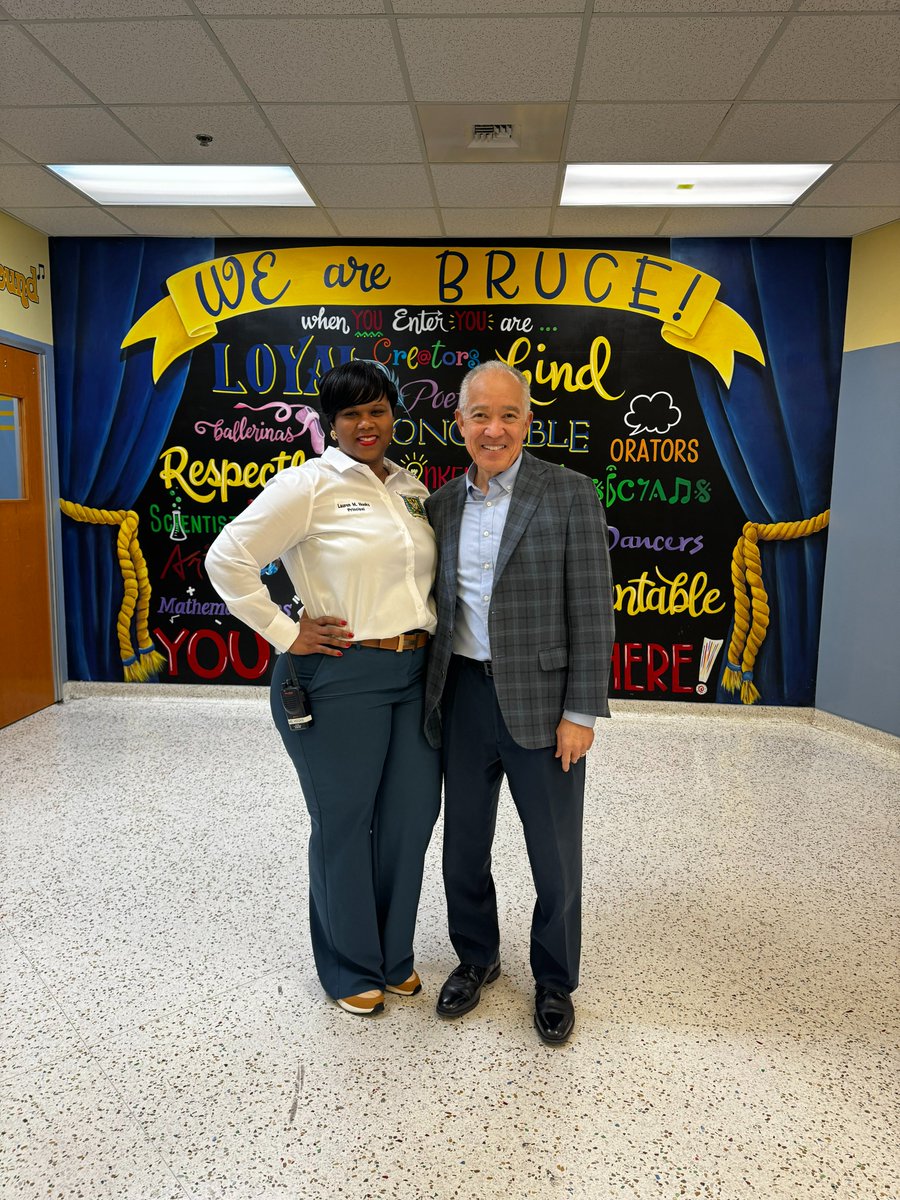
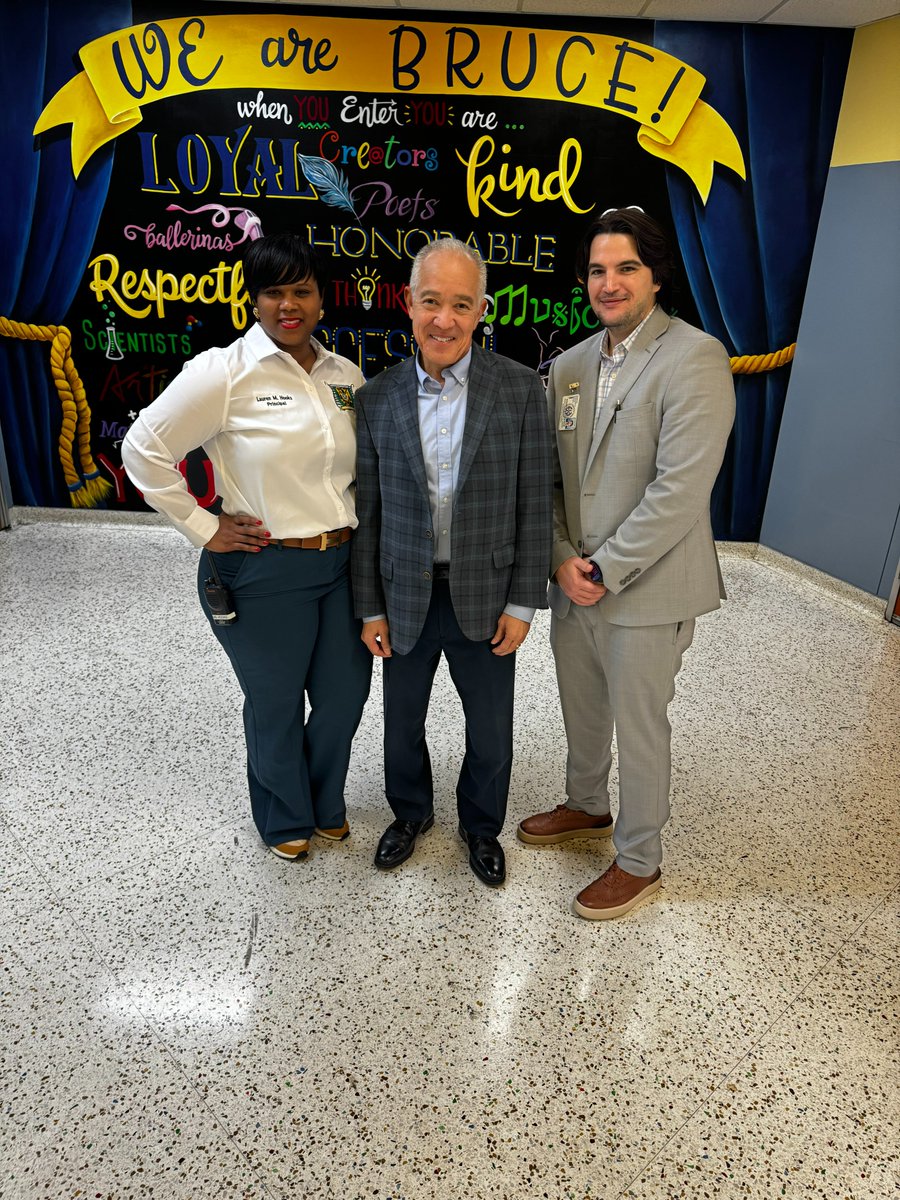
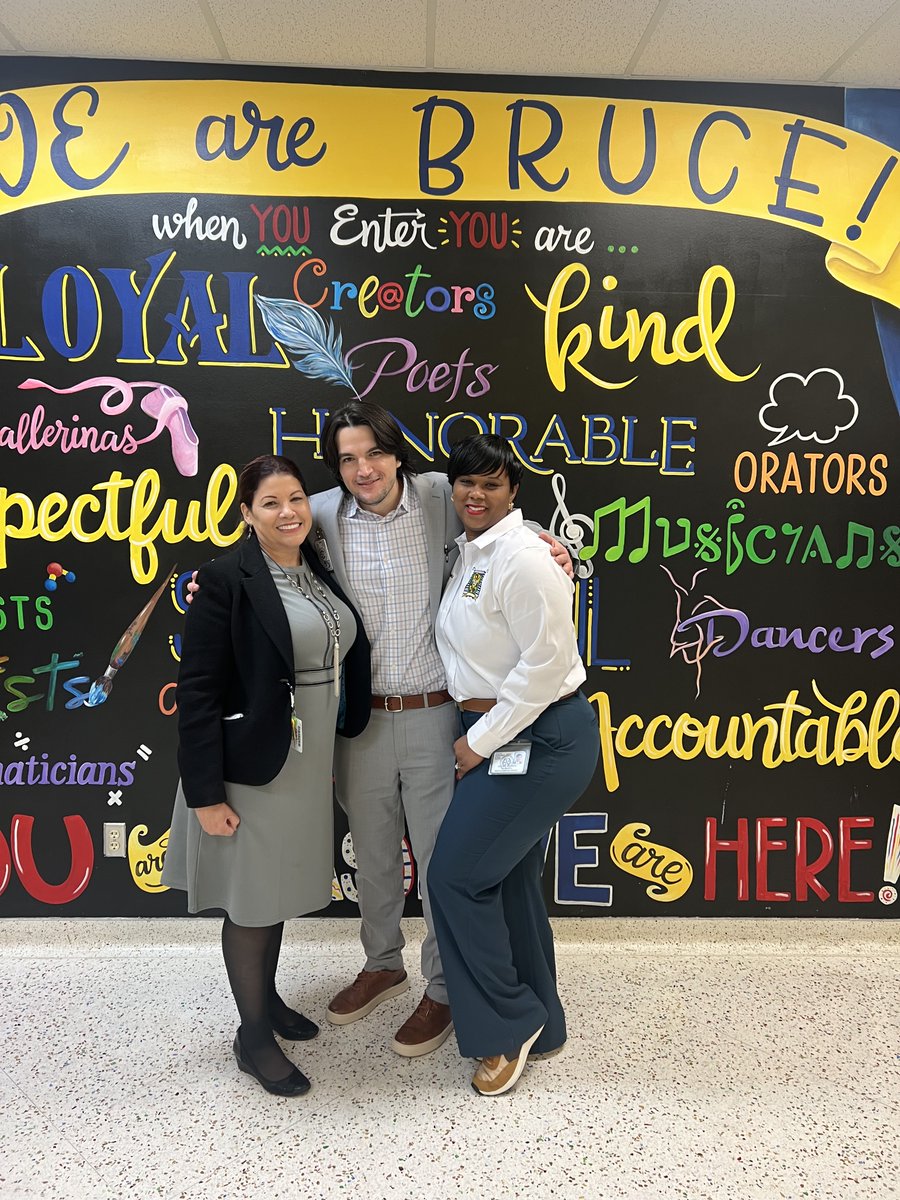
One mission: Student success! 👏🏼👏🏼👏🏼 @DrLuzMMartinez1 @HISD_Central @BruceElementary
11 Jan 2024

The campus visit with Superintendent Miles and Dr. Martinez was truly exceptional! I want to express my sincere gratitude to the Bruce Faculty and Staff for your tireless efforts and dedication. Your commitment to our school was clear during today's visit. @HISDCentral
1
14
1,850
Enrique Rodriguez retweeted

24 Dec 2023
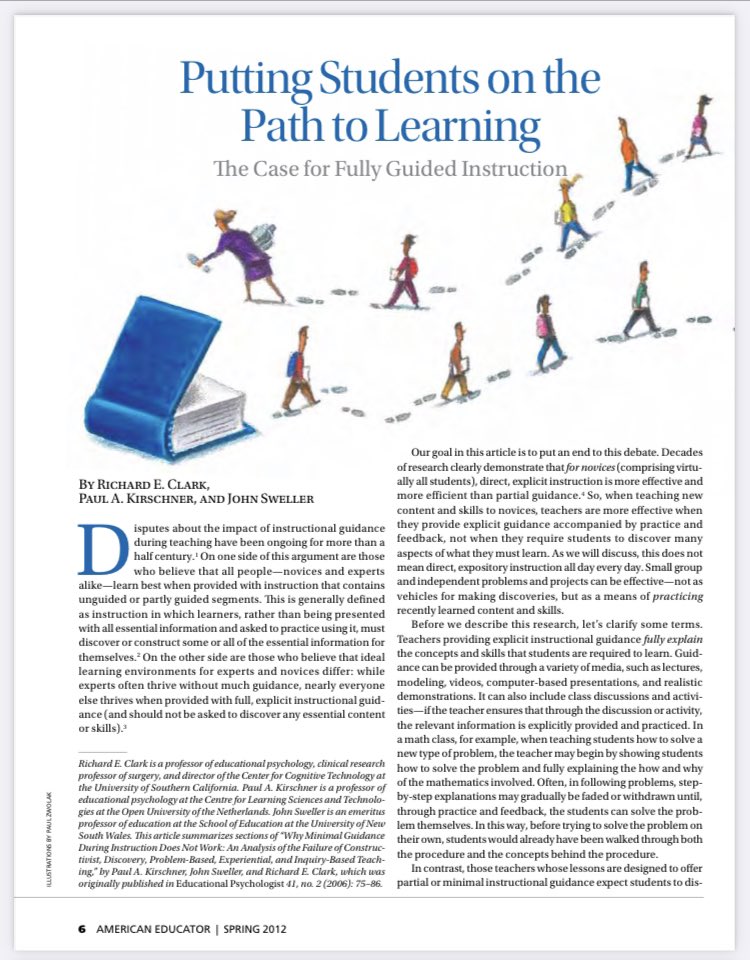
The article "Putting Students on the Path to Learning: The Case for Fully Guided Instruction" by Richard E. Clark, Paul A. Kirschner, and John Sweller argues for fully guided explicit instruction over minimally guided approaches like pure discovery learning.
The authors present extensive research evidence supporting guided instructional techniques as more effective for novice learners. This includes Mayer's review finding unguided discovery techniques less effective than guided approaches for novices across studies from the 1950s to 1980s. Each cycle a new term like discovery learning was replaced by problem-based learning, but the techniques fared poorly. Controlled experiments by Klahr & Nigam also found direct instruction better than discovery learning for science topics. Tuovinen & Sweller demonstrated worked examples led to better learning outcomes than discovery.
Additional evidence includes the worked example effect showing novices learn better from studying worked examples than solving equivalent problems themselves. This has been replicated across many domains. However, the expertise reversal effect shows that as experience grows, problem solving becomes better than worked examples. The authors argue minimally guided techniques can lead to novice frustration, incorrect discoveries requiring reteaching, and are generally less efficient, requiring more time to learn the same material. Research also shows less skilled learners benefit more from explicit guidance.
The extensive research presented by Clark, Kirschner, and Sweller clearly supports their position that direct instructional guidance is more effective and efficient for teaching new information and skills to novice learners across contexts. The authors build a compelling case through decades of empirical evidence favoring guided approaches for novices.
aft.org/sites/default/files/…
12
153
470
63,342
4 Nov 2023
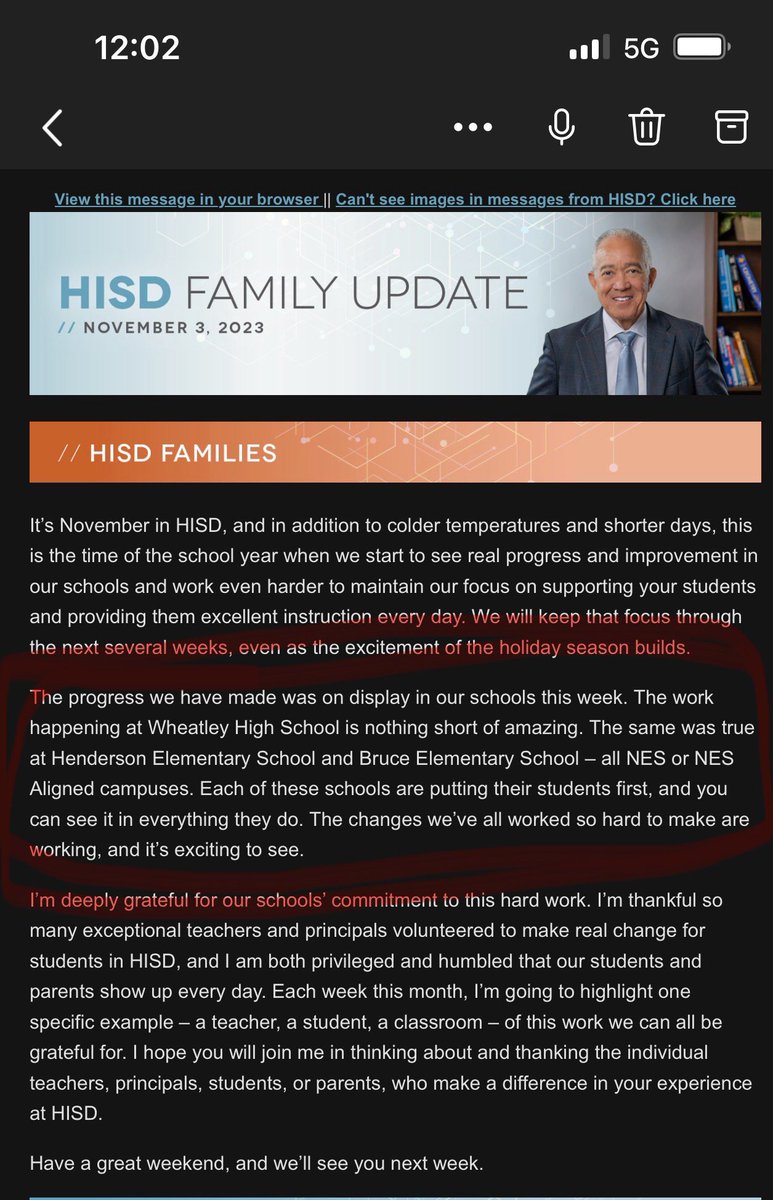
Two of my schools highlighted by our Supt.!! I got to walk and visit classrooms with him 💪🏻💪🏻 #proudtolead @HISD_Central @BruceElementary @HISDSupe
2
5
34
4,614
3 Nov 2023
Double Congratulations! on your new promotion in less than a week! Well deserved. 💪🏻
1
1
8
3,175