
Neuro @ Stanford
Joined April 2022
- Tweets 7
- Following 1,412
- Followers 131
- Likes 354
Photos and videos
Daniil Eskoskin retweeted

May 19
Some takes about RSI from discussions with many smart researchers & thinkers:
1. Many RSI (or automated AI R&D) debates converge to similar cruxes: is a 1000x sample efficiency improvement possible, can you just simulate reality and train on it with no sim2real gap, can we easily make models good at "fuzzy" tasks? People like to assume that automated research agents will find such breakthroughs specifically *because* without them, progress could be heavily bottlenecked on data or continued compute scale-ups.
2. The Yudkowsky "genius brain in a box" framing of ASI has latent influence on many researcher views even though people may not be aware of it. A common move is to "flip" predictions, as they go further out, from assuming LLM or deep learning-specific properties of future AI to assuming "von Neumann x1000", human brain-like properties. I'd like to see more thought-out reasoning of why this flip should occur at any particular point (eg pre or post automated AI R&D)—this question is a crux behind many predictions like AI 2027.
3. There are some cracks in this worldview beginning to show: predictions from a few years ago that models would be less jagged now than they are, or that they would be more deceptive, synthetic data would work better, etc. Many of these seem like prediction errors from imagining future models as a "human brain in a box", but LLMs are empirically a different kind of intelligence. Most models of software-only intelligence explosion are also coarse enough to mostly ignore properties of LLMs.
4. Views about fast RSI progress seem to be correlated with (a) belief that synthetic data is all you need (b) belief in very high GDP growth and an industrial explosion because of automated firms (c) having worked only in AI research or in small organizations.
5. Key technical things to track over the next 1-2 years: does RL increase in its generalization, AI lab data spend, can we automate synthetic RL env construction, best practices for FDEs deploying AI into large enterprises, coherency of AI personas, how powerful will multi-agent scaling of test-time compute be, and continual learning.
6. Overall I think the "RSI leading to *fast* takeoff" frame had huge alpha in 2022, moderate in 2024, and potentially is of neutral usefulness in 2026 for predicting the future.
13
31
282
23,770

Daniil Eskoskin retweeted

18 Oct 2025
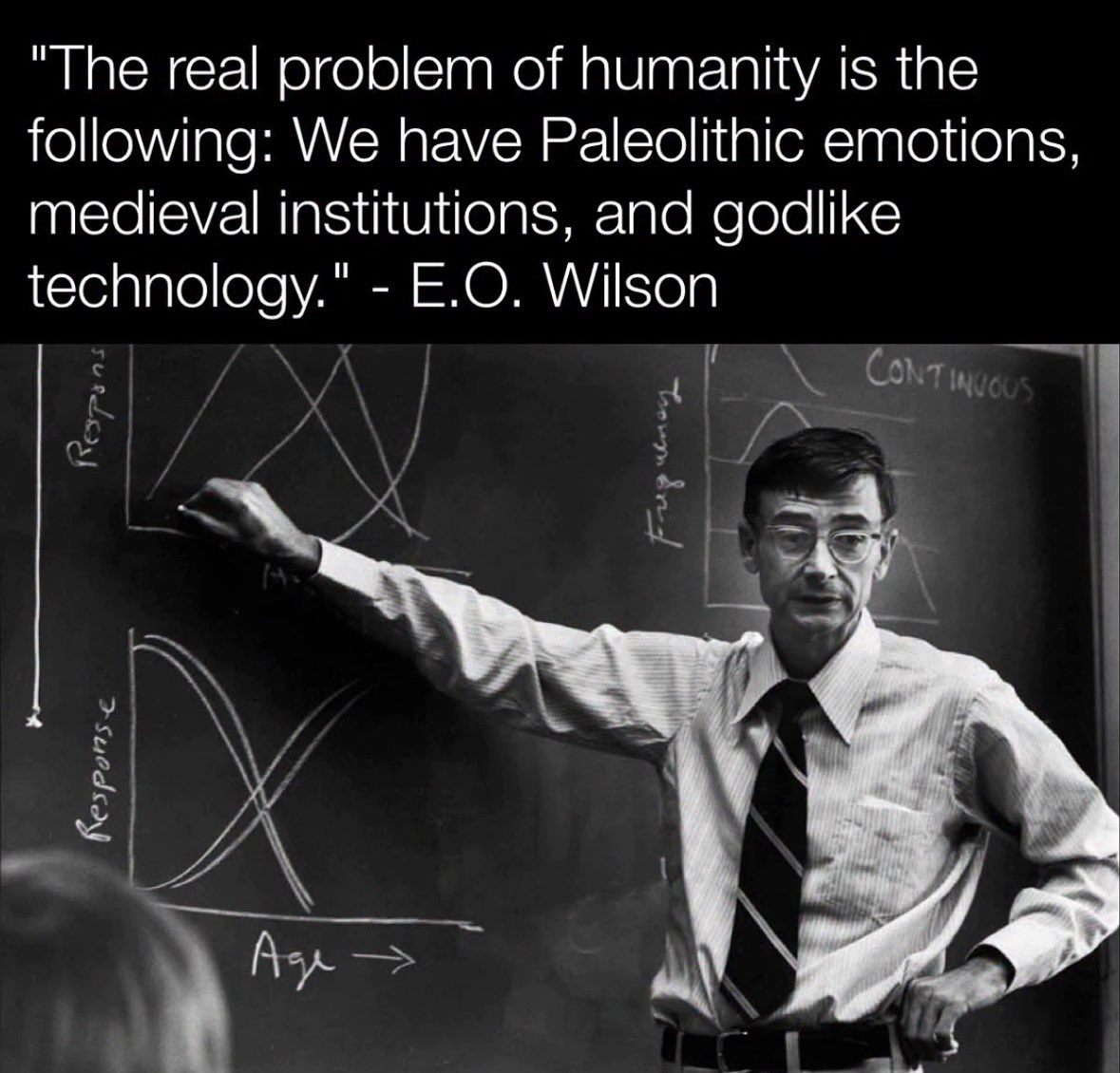
does anyone out there believe that simple minds can do things that more complex minds cannot do? If so, can you help me figure out, what are examples of those things?
377
20
649
824,326

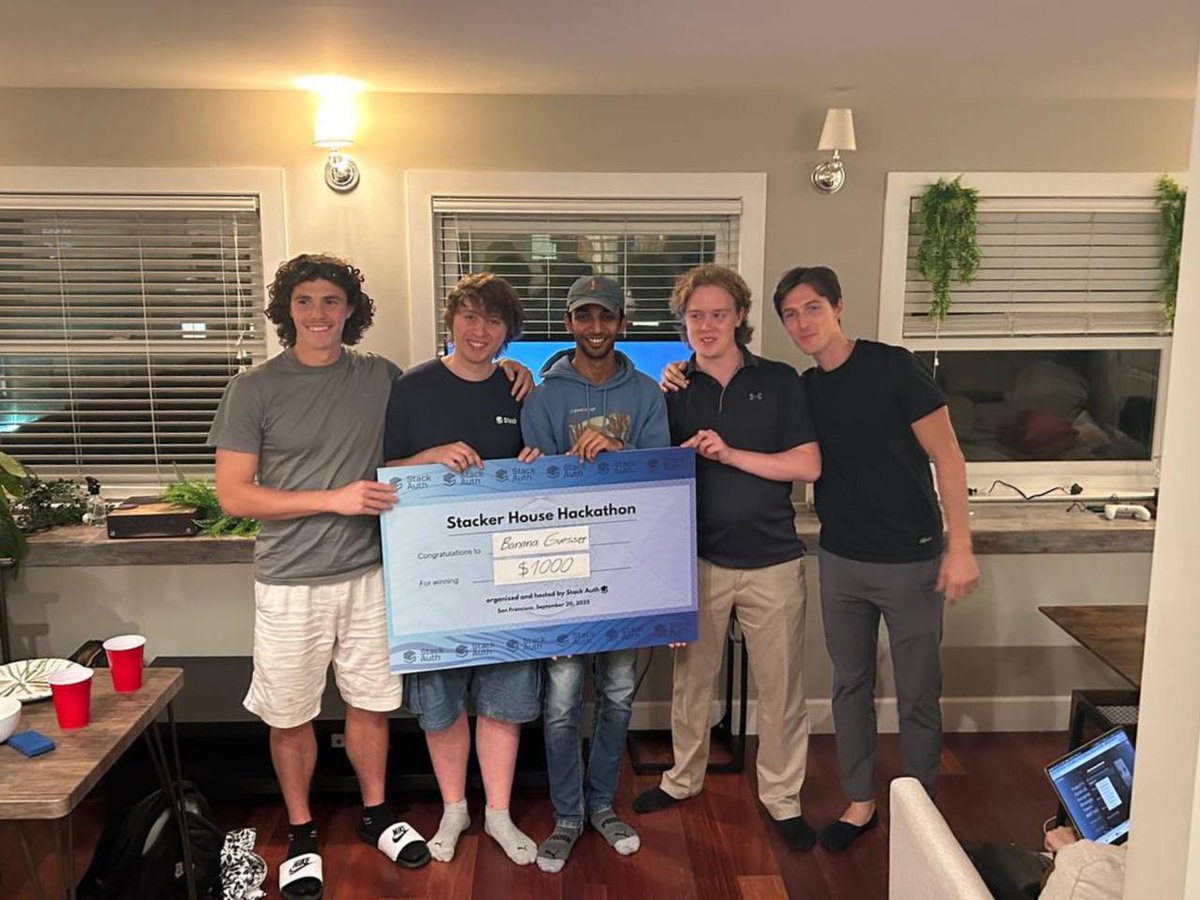
Big W for @alessandroduico, @eskoskin, and @MundadaM for building this insanely creative and polished game using our new payment feature. 🔥👏
2
3
10
807
🏆 Massive shoutout to our hackathon winners!
🥇 Banana Guesser — @alessandroduico @eskoskin @MundadaM
🥈 Team Orbit — @deviamar622 @jeewoo_meche @GTanvi_
🥉 BlaBlah VC — @RVAClassic @BeomsooSon @selenemiyu
A big thank you to all teams who participated — we loved the energy, the creativity, and finally meeting our community in SF.
Can’t wait to meet more of you soon. 🚀
3
7
21
3,938
Daniil Eskoskin retweeted

14 Dec 2024
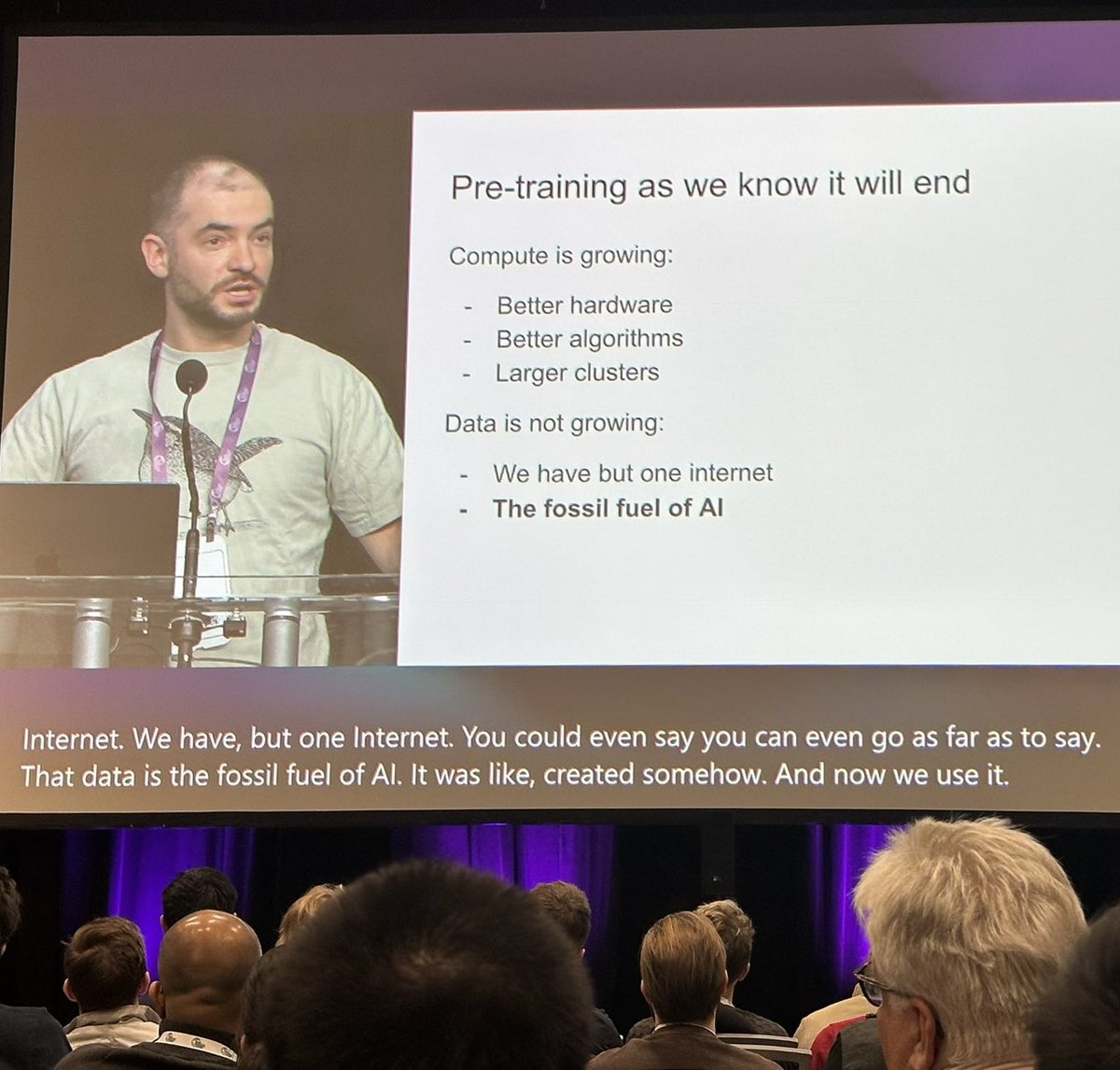
🚨Ilya Sutskever finally confirmed
> scaling LLMs at the pre-training stage plateaued
> the compute is scaling but data isn’t and new or synthetic data isn’t moving the needle
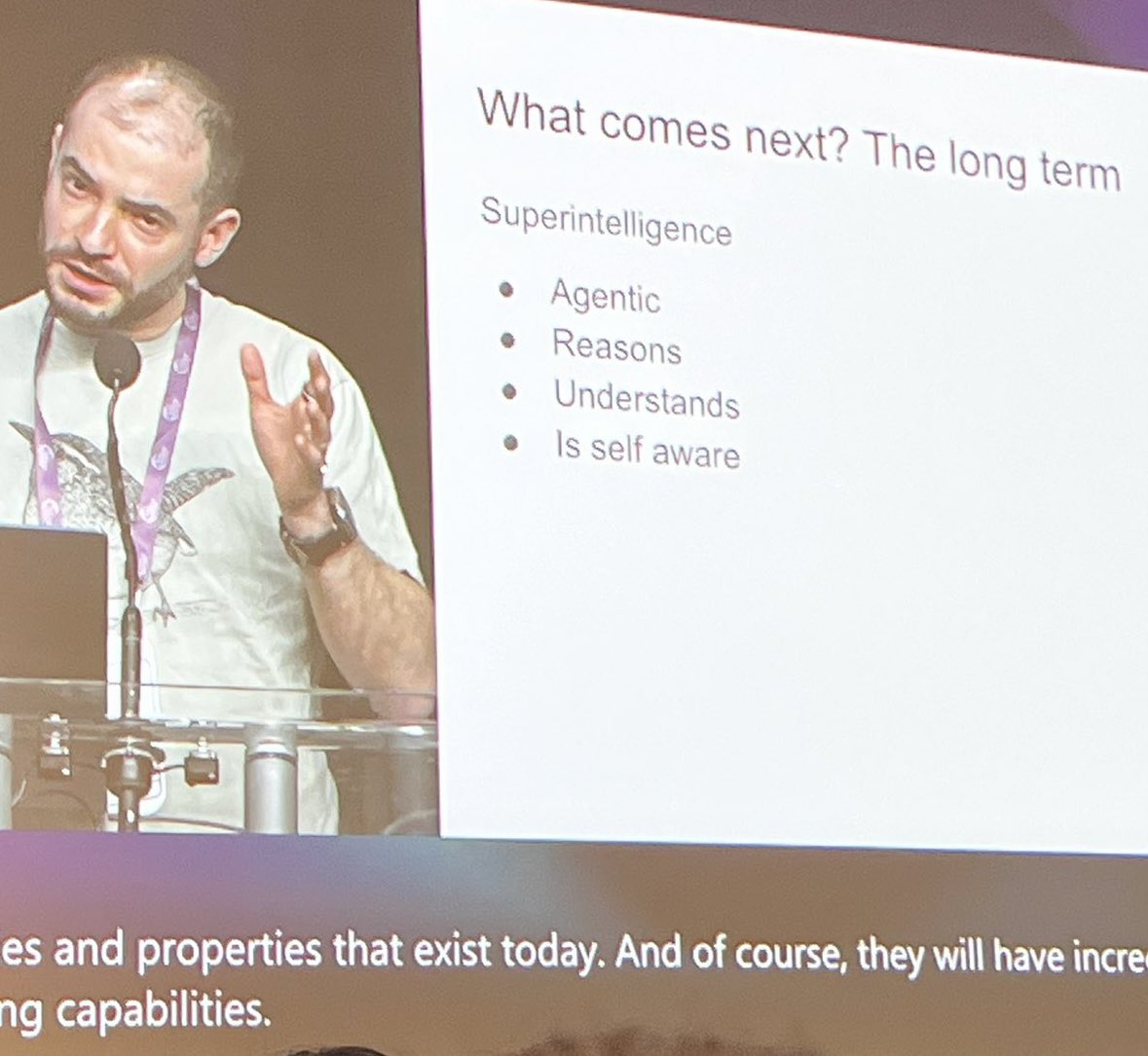
What’s next
> same as human brain, stopped growing in size but humanity kept advancing, the agents and tools on top of LLMs will fuel the progress
> sequence to sequence learning
> agentic behavior
> teach self awareness
Think of it as the “iPhone”, which kept getting bigger and more useful from hardware point, but plateaued and the while focused shifted to applications.
2025 will be the year of Agents!
> @Replit for coding
> @seobotai for content
> @crewAIInc for the rest
206
895
7,740
1,153,137

8 Jul 2024
Prioritization is a must
8 Jul 2024

First-time founders: push back date night to work on their startup
Second-time founders: prioritize ruthlessly so they don’t miss date night
I made up for a lack of focus as a first-time founder with sheer hours. I worked every waking hour, basically.
Now...
(🧵)
2
230