
Joined October 2022
- Tweets 22,908
- Following 756
- Followers 727
- Likes 30,168
910 Photos and videos





Pinned Tweet

16 Jul 2024
Nation of my own
15 Jul 2024

A nation of our own. Something the original panthers put on the back burner for a rainbow coalition, tenure at universities and white girlfriends 👎🏾trash.
Forever Thank the ancestors for Dr.Khalid for holding the line and making the end goal clear. A NATION of our own.
11
5
44
36,213
esutadele 𓂋𓍯𓇋𓇋𓈖𓆎𓅓𓏏𓀀 retweeted

Pan African it’s the only way forward.
4
14
53
668
esutadele 𓂋𓍯𓇋𓇋𓈖𓆎𓅓𓏏𓀀 retweeted

21h
3
3
103
esutadele 𓂋𓍯𓇋𓇋𓈖𓆎𓅓𓏏𓀀 retweeted

Jun 15
The Walia Ibex climbs where nothing else dares to go.
So do African AI creators.
We built a marketplace for exactly that kind of talent.
Free to join. Yours to own.
thewaliaibex.com/
1
2
119

5
1
1
394
esutadele 𓂋𓍯𓇋𓇋𓈖𓆎𓅓𓏏𓀀 retweeted

Jun 13
UJUMBE FAM!!!
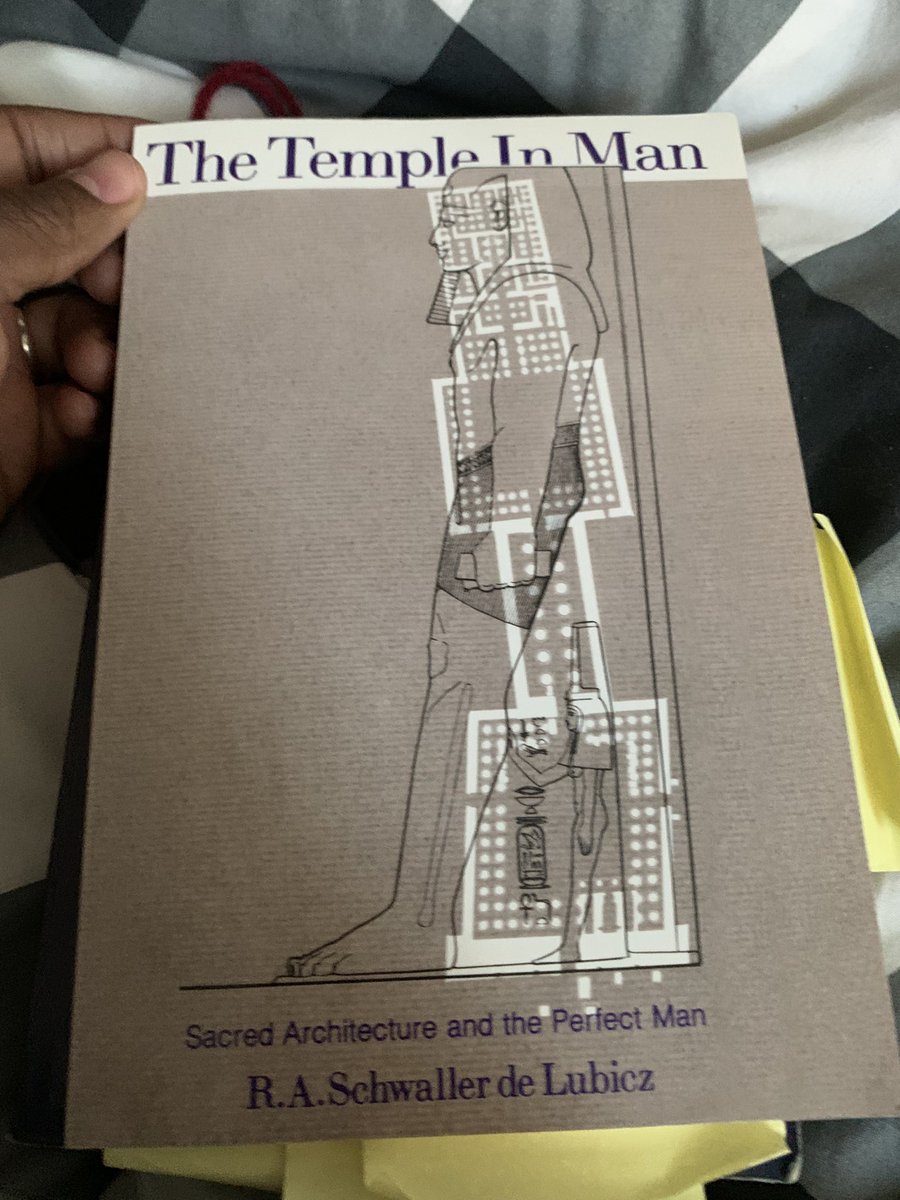
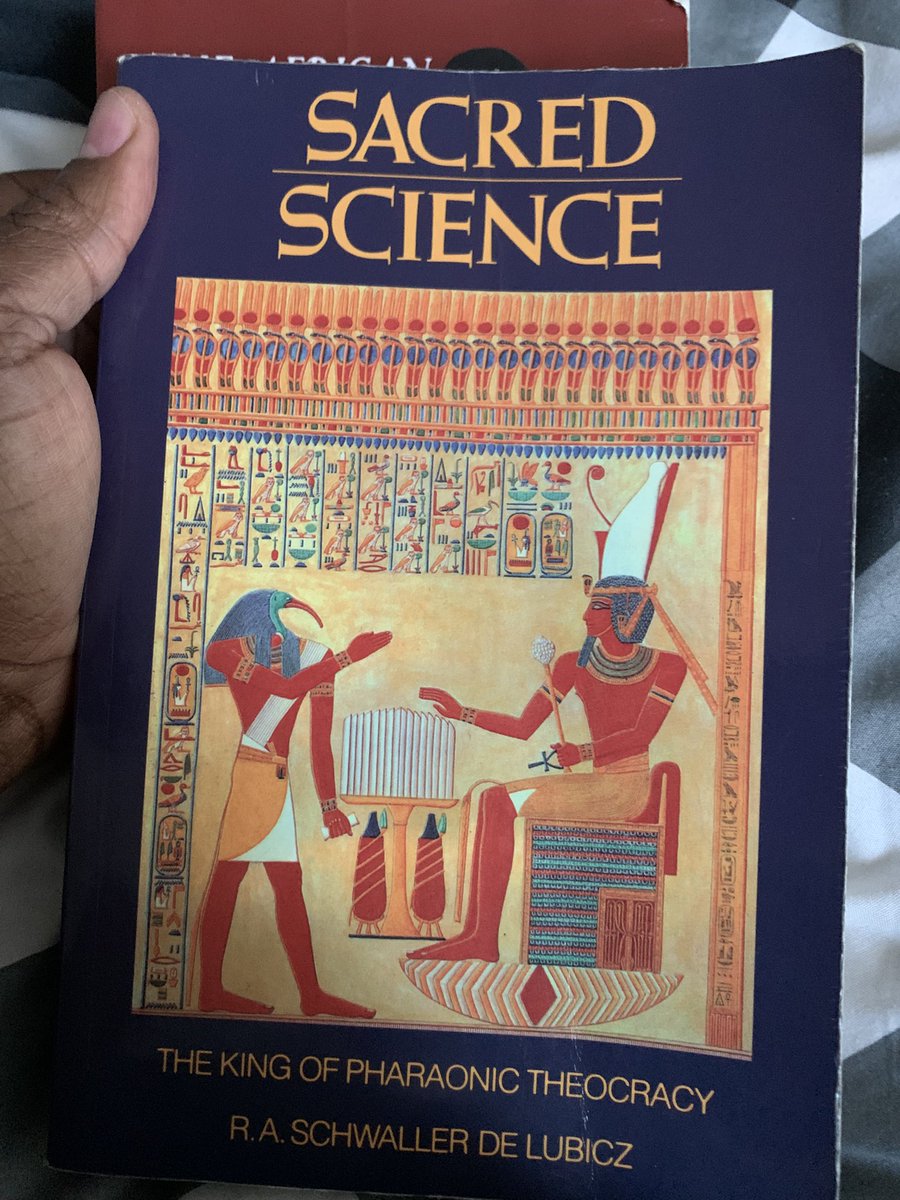
New book study this summer!!!
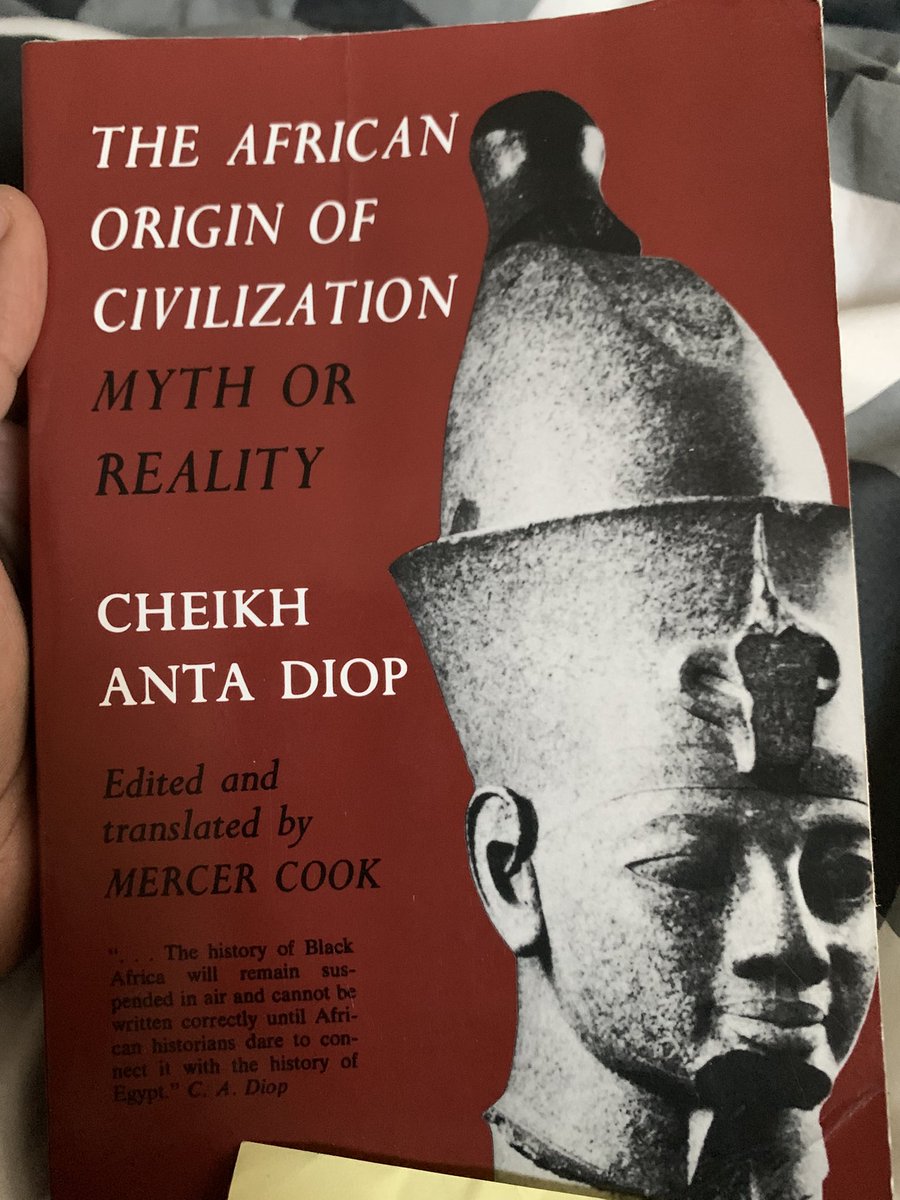
We will finish Temple in Man tomorrow night! Then we will move on to Sacred Science and we’ll have a few bonus episodes on The African Origin of Civilization!
Middle Kingdom Era this Fall!!!
Let’s get it!!!
1
5
15
356
So, my 🛞 Blown out 3 times with in a month. Tf is going on
1
119
esutadele 𓂋𓍯𓇋𓇋𓈖𓆎𓅓𓏏𓀀 retweeted

May 28
THE VICTORIA NYANZA
Chapter One
The Lake That Never Needed Discovering.
The German officer's ink spilled across the page, declaring the Victoria Nyanza "rediscovered" by men like Speke and Stanley, as if the lake's every mood had not been known long before their sails appeared on the horizon.
He wrote of Ptolemy's "Mountains of the Moon" like a riddle solved, but the waters had names older than any queen they were now baptised after.
When the book boasted of German expeditions and British steamers, it forgot the year their boats sank near Bukoba, how the lake herself seemed to spit them out.
The Europeans measured depths and currents, but they would never understand how Nnalubaale breathed, how her storms rose sudden as a warrior's rage.
They mapped the Kagera as a "source of the Nile," arguing over which white man got to claim it.
But to those who lived along its banks, the river was life itself, the water their children drank, the reeds where they hid when the slavers came.
The book called the islands "charming," yet marked the Ssesse people as cannibals with the same ease it described seagulls.
How casually they turned men into beasts!!
Their scientists sketched papyrus swamps as "foetid," but those were the places where mothers taught daughters to weave baskets, where boys learned to spear fish.
Even the crocodiles they feared were ancestors, watching.
The Germans marvelled at the lake's "emerald green" hue in storms, but they did not hear the warnings in that colour.
When the water turned milky, the spirits were stirring.
They recorded daily tides like curiosities, but lives had been built around them, when to fish, when to flee.
Their charts showed bays and anchorages, but not the secret inlets where canoes were dragged to safety when the tax collectors came.
They listed fish species in Latin, yet ignored the nets woven over generations, the songs sung to call the catch.
The chapter dismissed geology as "not within the compass of our work," but the rocks had been chipped at, pocketed like souvenirs.
They called the western shores "more fertile," and already the hunger to come could be tasted.
Fertile land was stolen land.
When they praised the "dense dark green" of Ukerewe's forests, axes waited in German hands.
Even now, their steamers rusted in the shallows, but the book still dreamed of more, more boats, more maps, more of the lake cut into parcels for their kings.
The officer ended with false humility:
"I am but a layman."
Yet his words were weapons.
Every measurement was a claim, every description a cage.
Let them write their chapters.
The lake's true story lived in the storms that drowned their boats, in the depths that swallowed their soundings, in the children who would one day tear those pages to kindling.
The Victoria Nyanza was never lost.
She remembered her name.
The Victoria Nyanza.
Part 2:
Chapter One
The Lake That Never Needed Discovering.
#Ughistory #LakeVictoria #Buganda #Karagwe
1
7
14
2,171
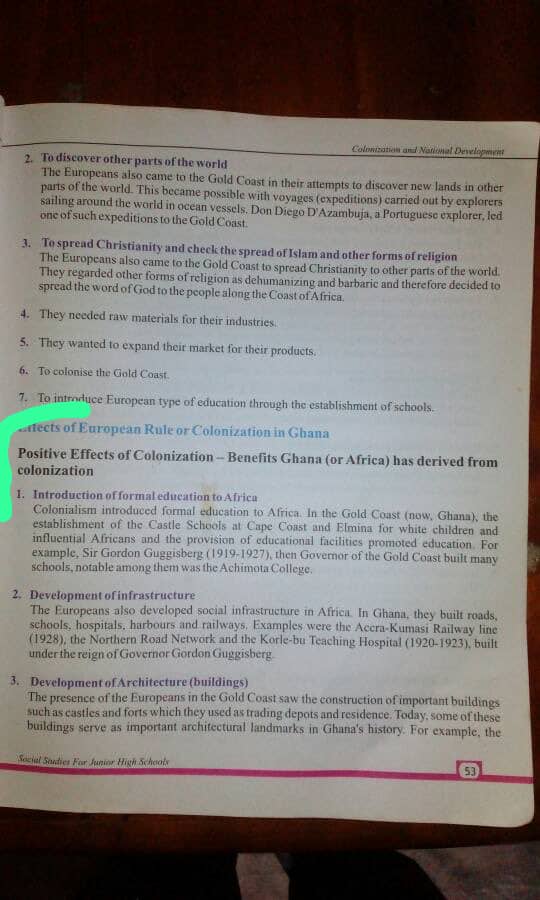
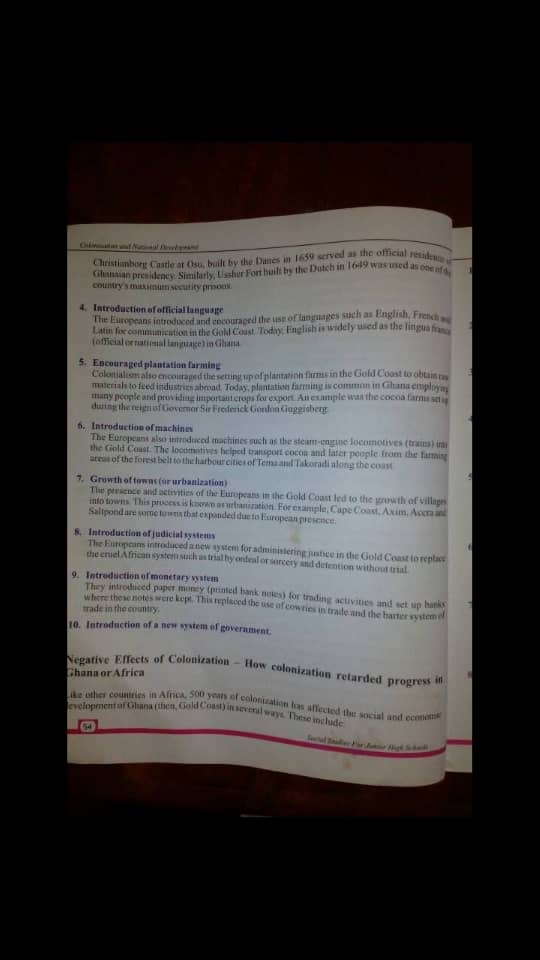
The 10 benefits of colonialism are actually the core problems of Africa.

1
2
2
191
esutadele 𓂋𓍯𓇋𓇋𓈖𓆎𓅓𓏏𓀀 retweeted

Positive Effects of Colonization
Jun 6

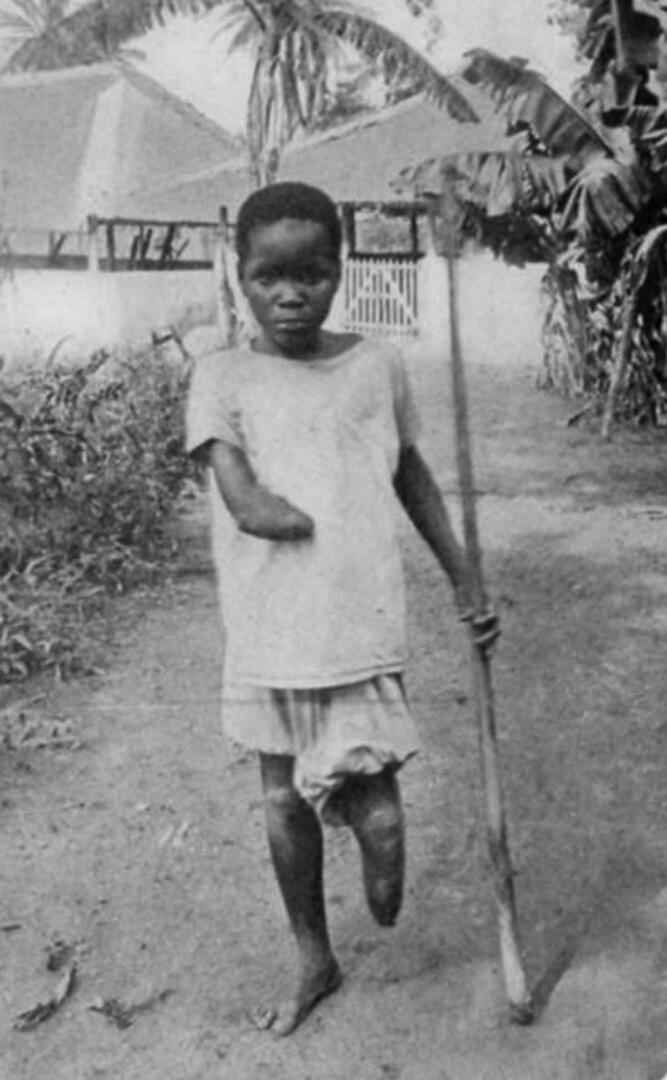
A Congolese child amputated for not meeting quota - Congo-Leopoldville, 1904
5
13
32
1,114
🚨 ALERT: Pan-African Warriors, Wake Up! Prospera “Africa” is Neo-Colonial Poison Disguised as “Prosperity”
This is not development. This is a brazen land grab and sovereignty sell-out by libertarian billionaires and their local enablers trying to carve out autonomous enclaves in Africa where they write their own laws, pay peanuts in taxes, and exploit our people like modern-day company towns.
Look at Honduras – their failed experiment in Roatán (Próspera ZEDE):
•They promised jobs and growth. Instead, they strain local resources, ignore neighboring communities, and face massive backlash.
•When the Honduran people and government tried to reclaim sovereignty and repeal the special zone law, these foreign entities sued Honduras for $11 BILLION that’s a huge chunk of the country’s entire economy. Pure economic terrorism to bully a sovereign nation!
•Worker deaths on sites with lax rules, land fears for locals, environmental strain, and zero real benefit trickling to the people. It’s neo-colonialism with crypto and tech bros instead of guns.
Now they’re bringing this disaster to Africa via Prospera Africa.
We cannot allow foreign-funded “autonomous cities” to become states within states immune to our laws, sucking our resources, experimenting on our youth, and undermining African unity. This is not Pan-African progress; it’s fragmentation and recolonization!
Tag the key players:
@magattew (the woman pushing this)
@elonmusk (your libertarian circle and Starlink enable this vision)
@_AfricanUnion ( the decayed organization
And all the funders/backers (Peter Thiel, Marc Andreessen/Pronomos Capital, and the rest of the Silicon Valley “effective accelerationist” crew profiting off our continent).
Africa’s future must be built by Africans, for Africans strong sovereign states, intra-African trade, and real economic sovereignty. Not private fiefdoms for expats and billionaires.
Reject Prospera Africa! Defend the Motherland
#PanAfricanism #AfricaIsNotForSale #NoToNeoColonialism #HandsOffAfrica #ProsperaIsDanger
@ali_naka
@africa1896 @ScionofCulture @PanAfricanWrld
1
1
2
194
Prospera autonomous city agent @magattew had it again. She’s now comparing apples and oranges by comparing Ethiopia and Vietnam. She’s a tool for the new era of tech owners colonialism of African, prospera is funded by Sam Altman and Peter Thiel go figure. Here is she talking about Honduras before getting sued. My ppl the enemy is from within now. open.substack.com/pub/magatt…
1
66
ጨካኝ እውነት
ኢትዮጵያ ከውስጥ እየተጠፋች ነው። በውጭ ሴራ ብቻ ሳይሆን፣ በድርድር ሳይሆን ጦርነት በእርዳታ ሳይሆን ከበባ በሕዝብ ሳይሆን በሥልጣን የመረጠ መንግሥት። የሞቱት ይጮኻሉ ልጆቻቸውን በረሃብ የቀበሩ የትግራይ እናቶችበቦምብ የተደበደቡ የአማራ መንደሮች የጠፉ የኦሮሞ ወጣቶች ምርታቸውን የተዘረፉ ገበሬዎች። ከ20 ሚሊዮን በላይ ሰዎች አጣዳፊ የምግብ እጥረት ውስጥ ናቸው። መሠረተ ልማት ፍርስራሽ ሆኗል። ወጣቶች ይሸሻሉ ወይም ወደ ሚሊሻ ይቀላቀላሉ። ይህ ታሪክ ነው።
ጥይቱ ቀድሞ ተጠቅሟል በሕዝብ ላይ። አሁን መንግሥት የድምጽ ወረቀትን እንደ ይቅርታ ያቀርባል ግን ደሙን አያጥበውም።
ኢትዮጵያውያን እውነተኛ ምርጫ መጠየቅ አለባቸው፡ ልዩነትን የሚያከብር እውነተኛ ፌዴራሊዝም፣ ለጦርነት ወንጀሎች ተጠያቂነት (ሁሉም ወገኖች) እና አካታች ውይይት።አንድነትን በታንክና ድሮን መጫን አይቻልም፤ በፍትህ መገንባት አለበት። @_AfricanUnion @AbiyAhmedAli @ali_naka
74
esutadele 𓂋𓍯𓇋𓇋𓈖𓆎𓅓𓏏𓀀 retweeted

Ballots were cast like this by cadres across Ethiopia last night. I hope the African Union team was at such scenes to observe the process. They were filling the ballot box on the even the election before the polls opened.
89
272
538
54,852
esutadele 𓂋𓍯𓇋𓇋𓈖𓆎𓅓𓏏𓀀 retweeted
May 30
What has Christ-insanity, Mohammedanism and Judaism ever done for Black folks except take our money fool.
2
10
264
May 29
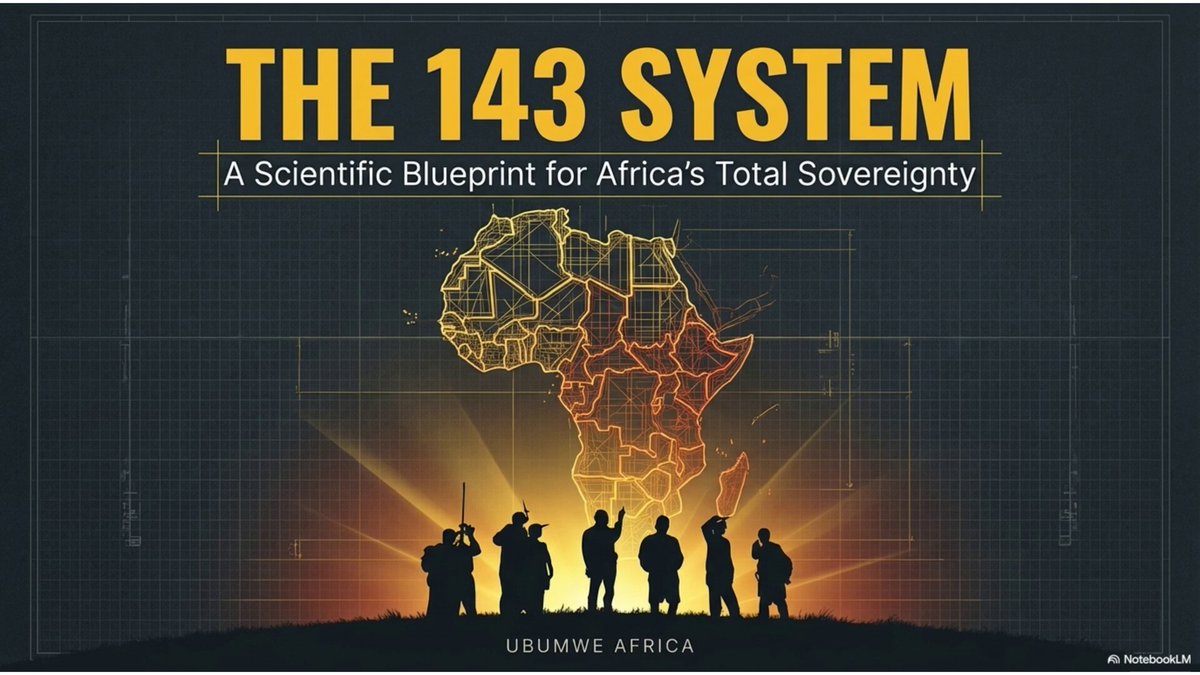
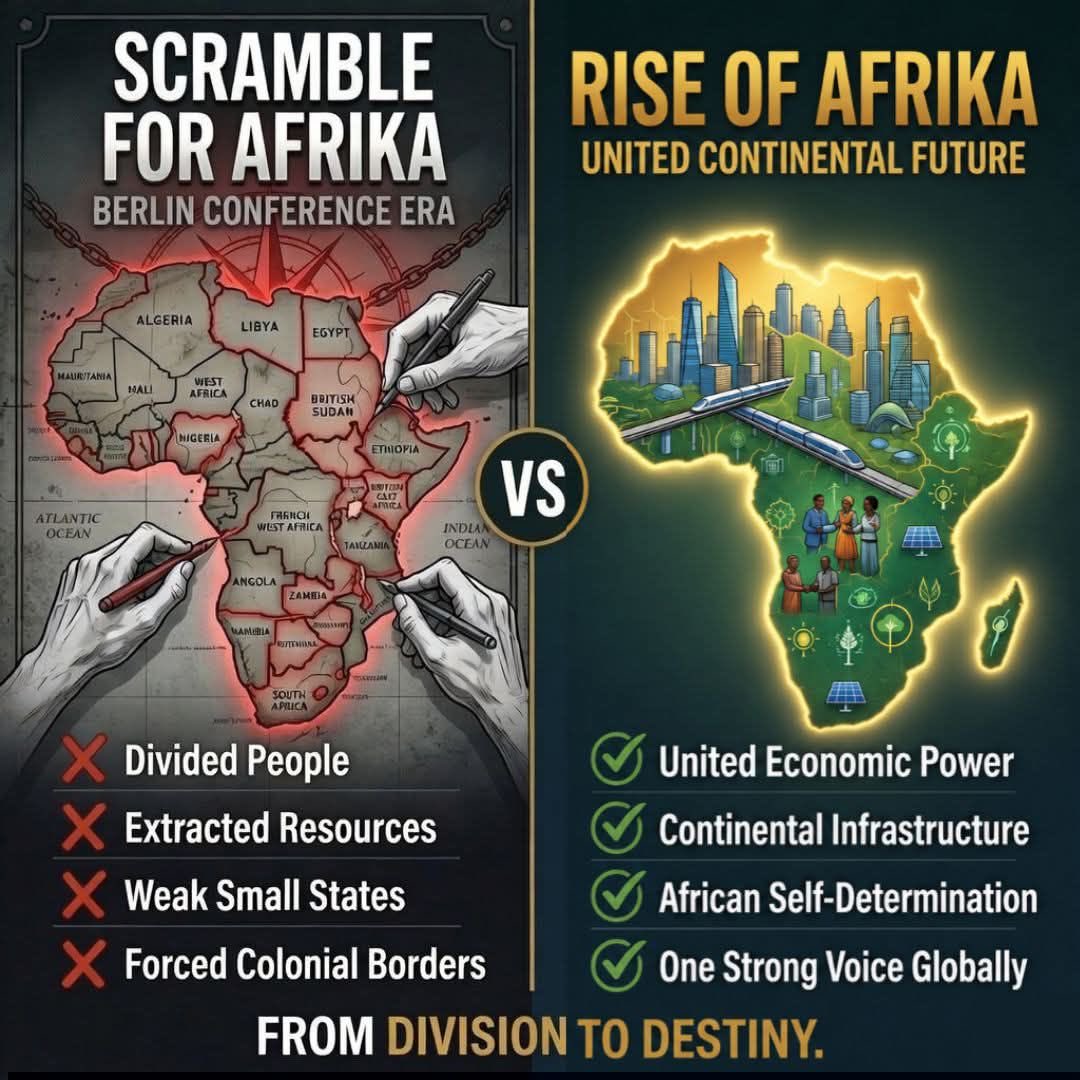
The transition from a system of power based on control to one based on service marks the fundamental shift required to realize the Ubumwe Afrika: 143 System. Modern nation-states, largely inherited from colonial administrative frameworks, derive their power from centralized coercion, military force, and the suppression of local autonomy to extract and funnel wealth to a central capital. This "power-over" model is inherently fragile and expensive, as it requires the constant expenditure of political and economic capital to manage the friction created by forcing diverse communities into artificial, rigid structures.
In stark contrast, the 143 System adopts the "Service-Hub" philosophy that defined the most successful decentralized powers of 12th and 13th-century Africa. In these ancient confederations, leadership was an exercise in mediation and the provision of essential collective goods such as secure trade routes, fair market arbitration, and cultural cohesion that individual local nodes could not easily secure on their own. By focusing on providing high-utility infrastructure, these empires derived their authority from their usefulness to the population, creating a resilient network where regions voluntarily aligned with the center because it directly enhanced their own prosperity and security.
The 143 System functions as a high-tech "Version 2.0" of this ancient architecture, utilizing modern tools to institutionalize this service-based mandate. Through the "Economic Sword," represented by the Mineral Cartel, and the intellectual foundation of the CLI Temples, the federation provides clear, measurable value that empowers local nodes while ensuring collective continental strength. This framework is protected by the "80% Eternal Sovereignty" rule, a constitutional firewall that prevents the central council from ever reverting to the extractive, coercive habits of the modern nation-state.
Ultimately, the shift from control to service is a moral and strategic imperative for the Ubumwe Afrika movement. By returning to the definition of a state as a weapon of service, the 143 System eliminates the internal friction that has plagued African politics for a century and replaces it with a voluntary, high-efficiency federation. This is not merely an improvement on existing models; it is a fundamental reclamation of an ancestral governance philosophy, retrofitted to serve as the foundation for a unified, sovereign, and prosperous continent.
1
1
93
May 29
La transition d'un système de puissance basé sur le contrôle à un système basé sur le service marque le changement fondamental nécessaire pour réaliser le système Ubumwe Afrika : 143. Les États-nations modernes, largement hérités des cadres administratifs coloniaux, tirent leur pouvoir de la coercition centralisée, de la force militaire et de la suppression de l'autonomie locale pour extraire et canaliser la richesse vers une capitale centrale. Ce modèle de "power-over" est intrinsèquement fragile et coûteux, car il nécessite la dépense constante de capital politique et économique pour gérer les frictions créées en forçant diverses communautés à des structures artificielles et rigides.
En contraste frappant, le système 143 adopte la philosophie "Service-Hub" qui a défini les puissances décentralisées les plus prospères de l'Afrique des XIIe et XIIIe siècles. Dans ces anciennes confédérations, le leadership était un exercice de médiation et de fourniture de biens collectifs essentiels tels que des routes commerciales sécurisées, l'arbitrage sur le marché équitable et la cohésion culturelle que les nœuds locaux individuels ne pouvaient pas facilement obtenir par eux-mêmes. En se concentrant sur la fourniture d'infrastructures à haute utilité, ces empires ont tiré leur autorité de leur utilité pour la population, créant un réseau résilient où les régions s'alignaient volontairement avec le centre parce qu'il améliorait directement leur propre prospérité et sécurité.
Le système 143 fonctionne comme une "version 2.0" de haute technologie de cette architecture ancienne, utilisant des outils modernes pour institutionnaliser ce mandat basé sur les services. Grâce à l'"épée économique", représentée par le cartel des minéraux, et à la fondation intellectuelle des temples CLI, la fédération fournit une valeur claire et mesurable qui responsabilise les nœuds locaux tout en assurant la force continentale collective. Ce cadre est protégé par la règle "80 % de souveraineté éternelle", un pare-feu constitutionnel qui empêche le conseil central de revenir aux habitudes extractives et coercitives de l'État-nation moderne.
En fin de compte, le passage du contrôle au service est un impératif moral et stratégique pour le mouvement Ubumwe Afrika. En revenant à la définition d'un État en tant qu'arme de service, le système 143 élimine les frictions internes qui affligent la politique africaine depuis un siècle et la remplace par une fédération volontaire à haute efficacité. Il ne s'agit pas simplement d'une amélioration des modèles existants ; il s'agit d'une remise en état fondamentale d'une philosophie de gouvernance ancestrale, adaptée pour servir de fondement à un continent unifié, souverain et prospère.
71
esutadele 𓂋𓍯𓇋𓇋𓈖𓆎𓅓𓏏𓀀 retweeted
May 28
Good evening my friends
After the 48 nonstop hours I had.
Driving 15 hours straight from Texas to Indiana for my eldest son’s internship
Staying at the airport overnight
I made it home
Attended a meeting for staff and parents
Now it’s time to sleep

1
1
5
183
esutadele 𓂋𓍯𓇋𓇋𓈖𓆎𓅓𓏏𓀀 retweeted

May 25
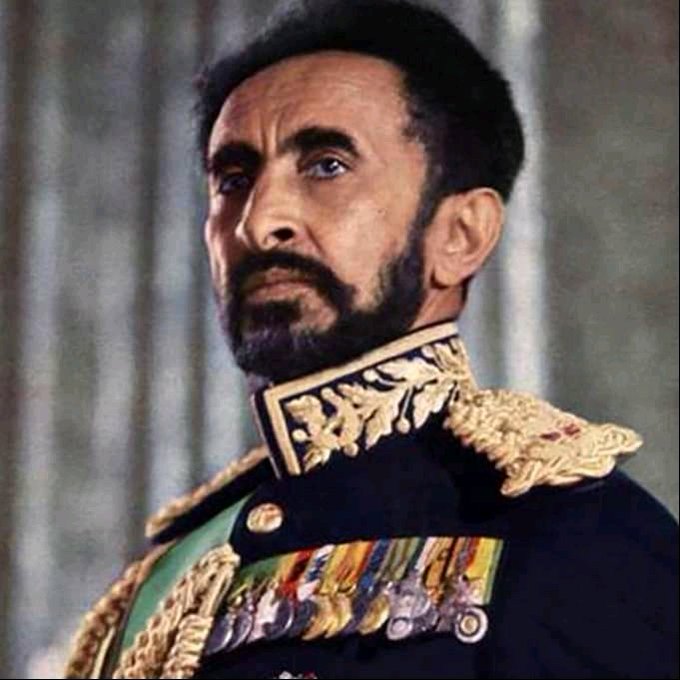
“Until the philosophy which holds one race superior and another inferior is finally and permanently discredited and abandoned, everywhere is war.”
11
137
410
4,895