
The Nightlife Vending Guy | $6,000,000 in vending sales | Now recruiting operators for @podplugvending | Launch in your city 👇
Joined July 2018
- Tweets 9,609
- Following 651
- Followers 2,640
- Likes 7,092
1,026 Photos and videos
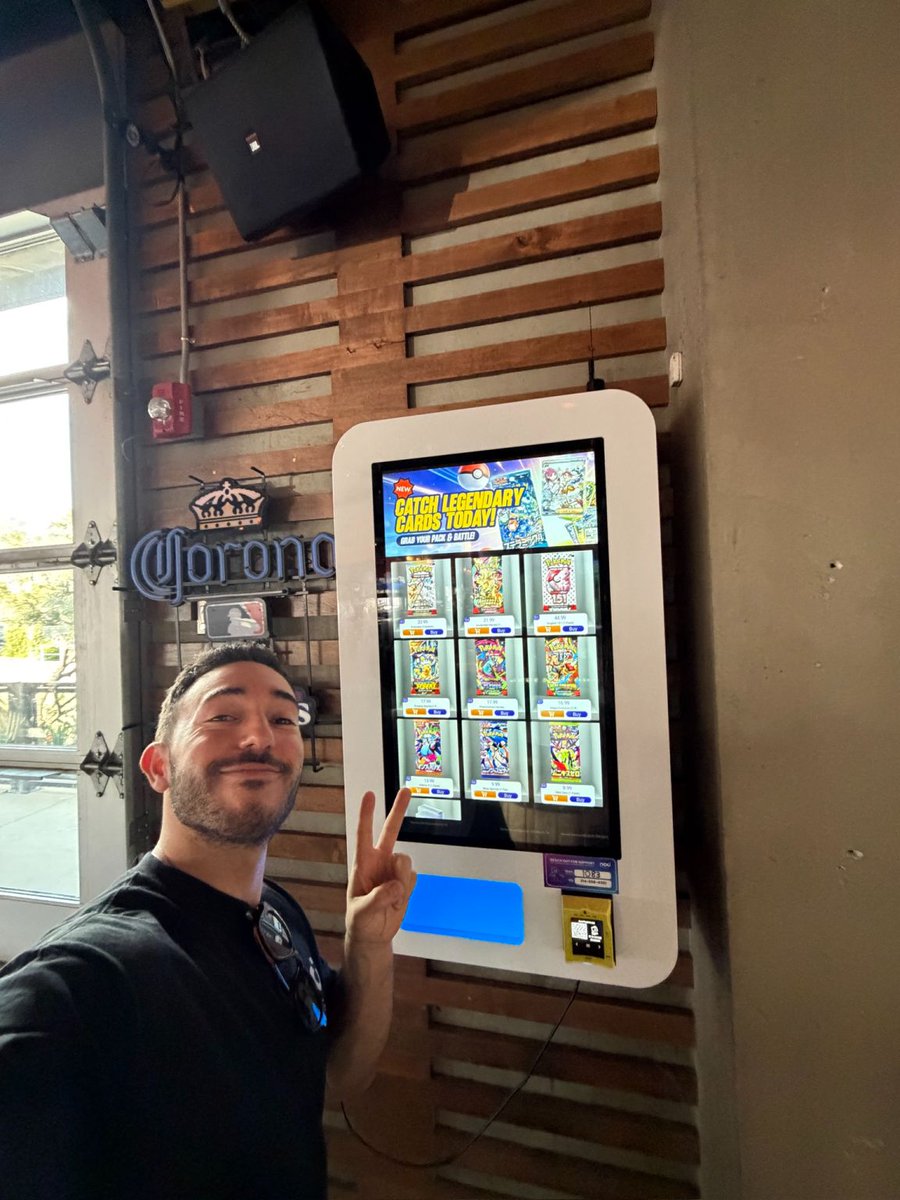

Pinned Tweet

24 Nov 2025
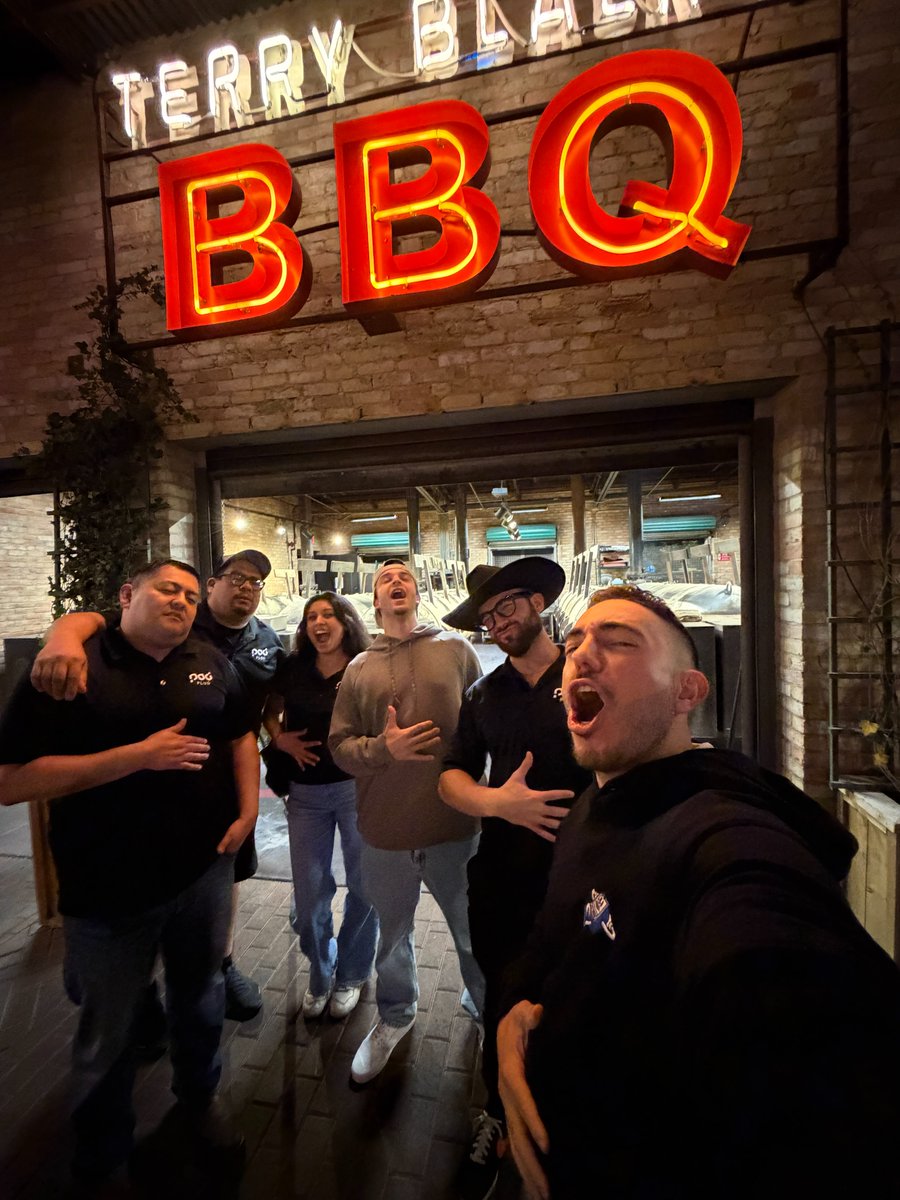
Just signed our 10th franchisee!!! 🎉
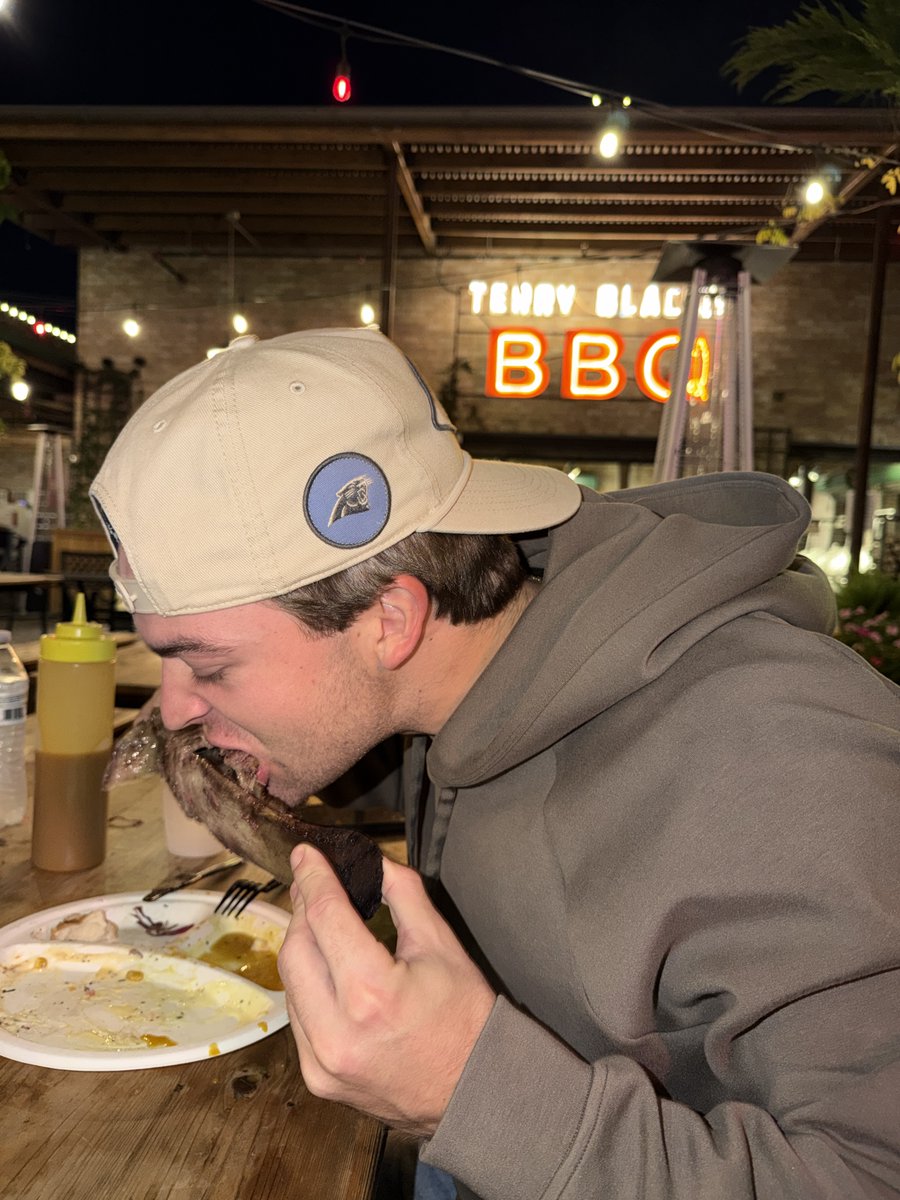
Hayden, 23 years old (and our youngest franchisee), is based in Charlotte, NC and crushing it in real estate wholesaling.
Now he's adding vending as a complimentary business he can actually scale.
His plan is to scale to 20 machines in year 1, hire an operator to run those locations, then focus purely on sales and growth while the cash flow compounds.
Rooting for you Hayden. Let's get it man!!!!!
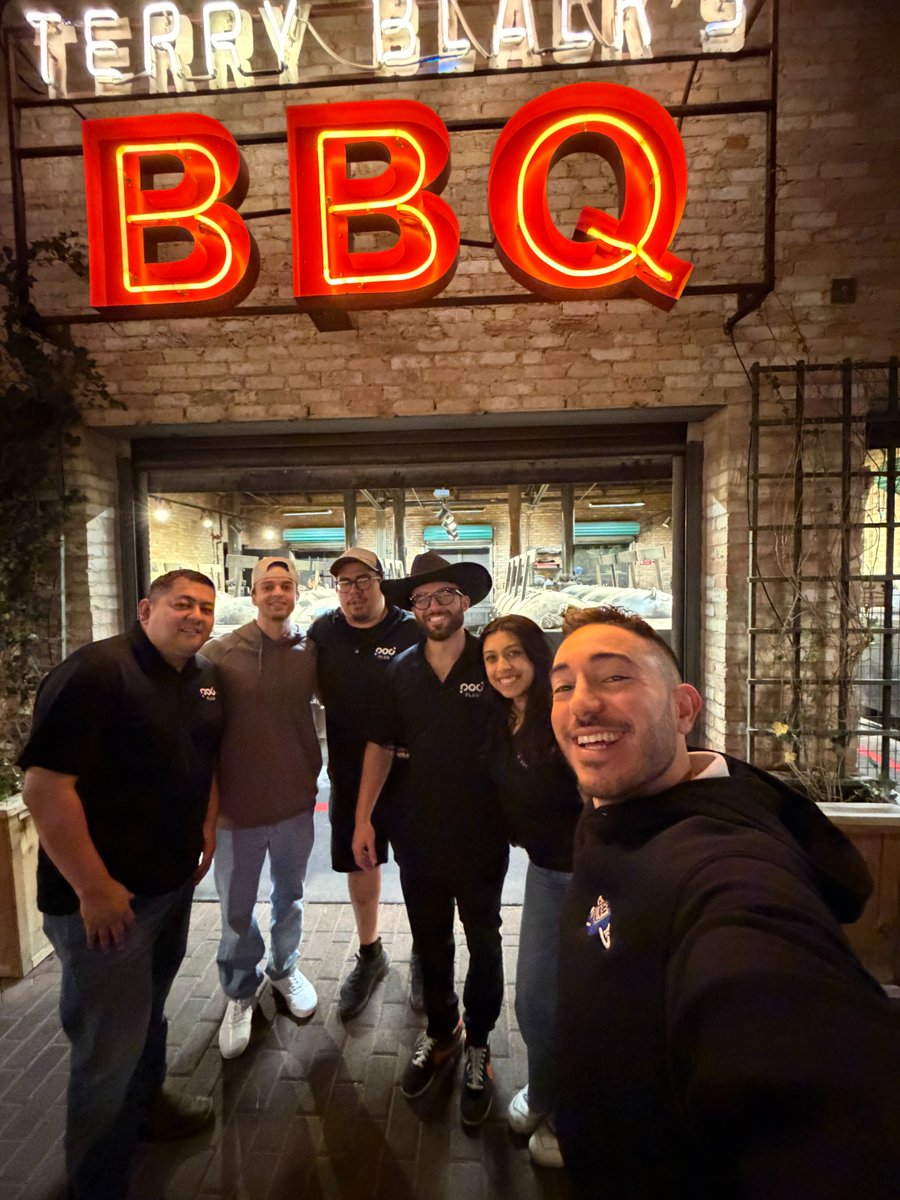
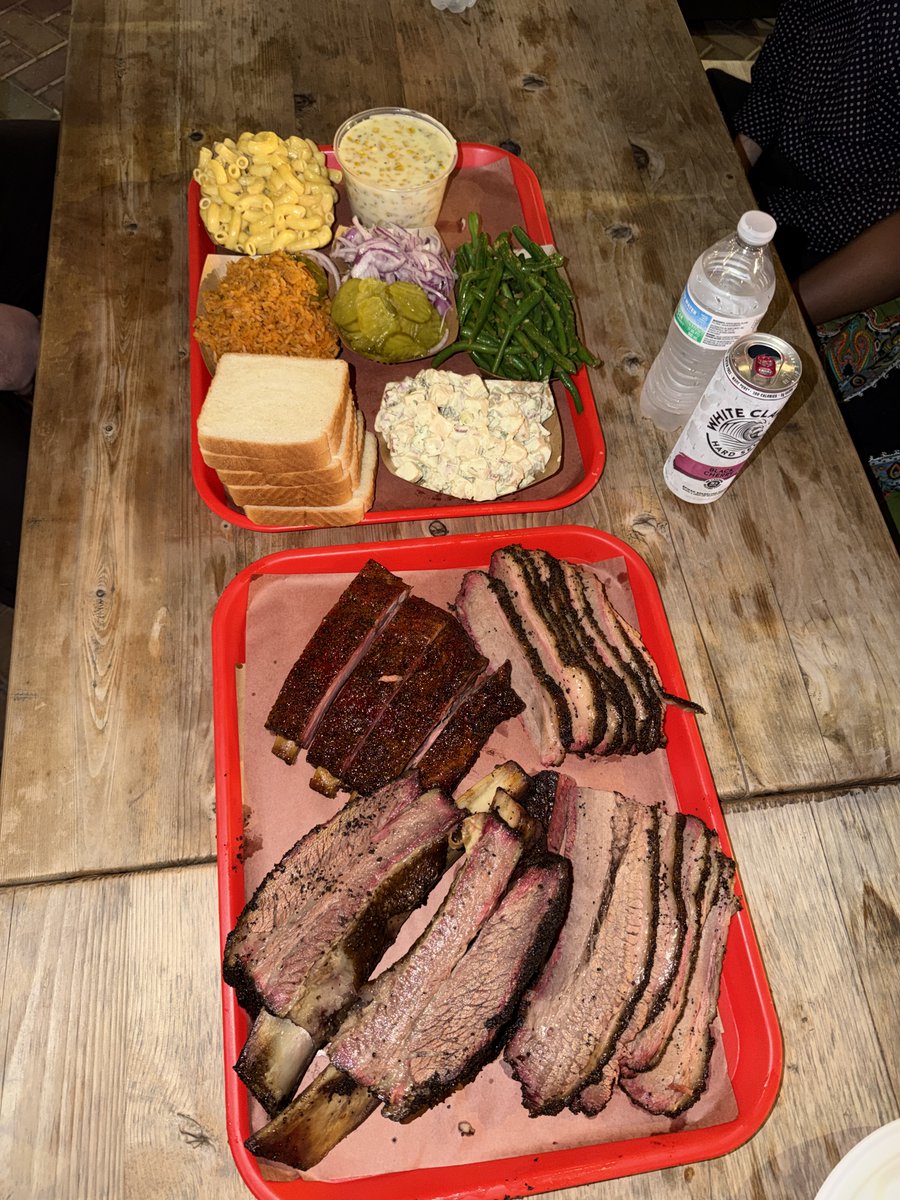
P.S. looks like someone really enjoyed his Terry Black's 😂🥩
4
49
21,036
lesson i learned the hard way:
in TCG vending, saying yes too fast costs you money. this is true 9 times out of 10.
be careful taking the first price a supplier gives you. i did. i paid too much and made less on every pack.
be careful only stocking Pokémon. One Piece, Magic the Gathering, and sports cards sell just as well.
be careful giving a machine to every spot that asks. i'm now pulling machines out of slow locations and looking for new homes.
do push back on price. even a small discount adds up across hundreds of packs.
do stock what collectors actually buy, not just the big name.
do wait for the busy location, even if it takes another month.
tl;dr the slow yes beats the fast yes.
43
Jun 15
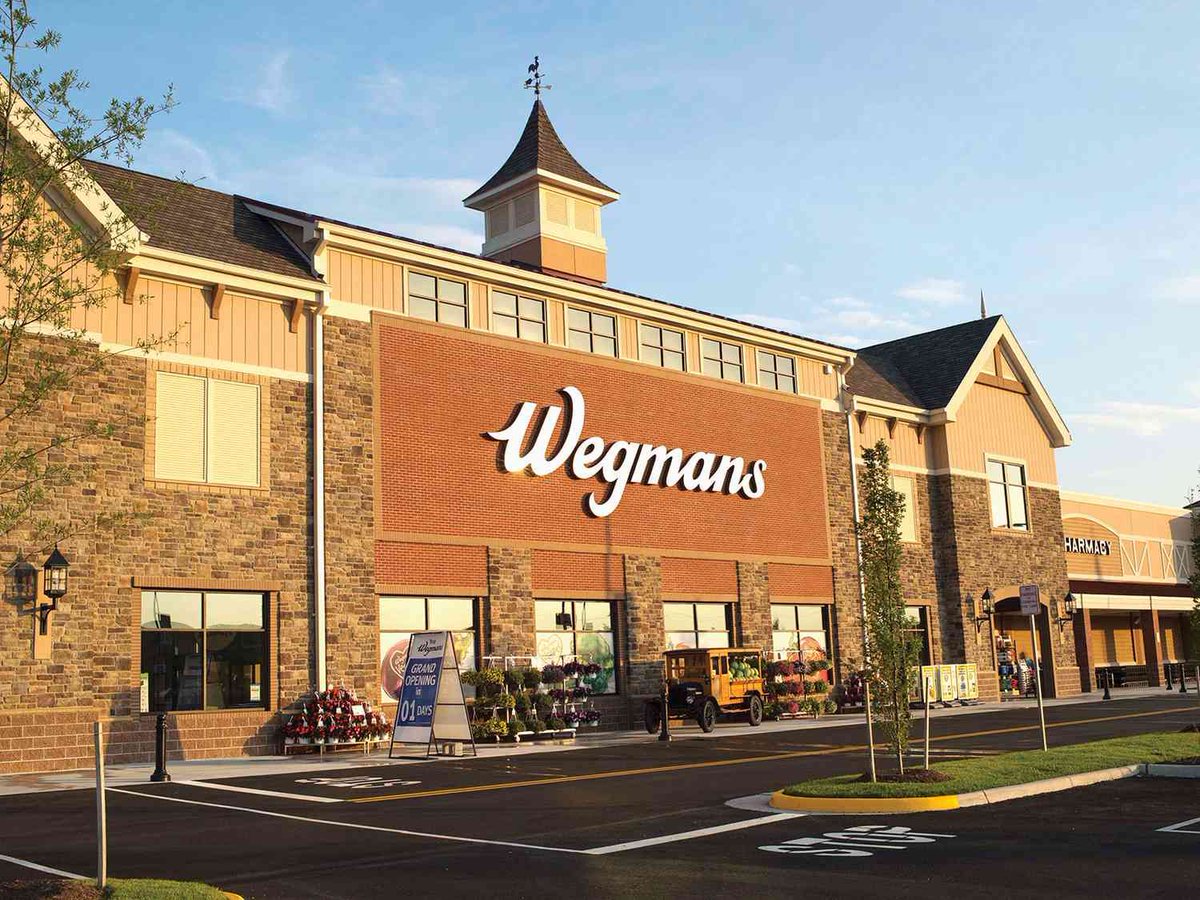
Wegmans is a regional grocery giant. over the past 50 years, they have:
• built over 110 stores
• hit $14B in annual revenue
• achieved a 27-minute average dwell time (one of the highest in grocery)
• been ranked #1 supermarket in America for customer experience
but they're leaving a lot of money (and basket lift) on the table. Let me explain:
take a look at their non-merch revenue stack:
• delivery fees
• in-store commercial leases
• flu shots and screenings at the pharmacy
did you notice what I noticed? No trading card machines. and cards are a $7B/year market.
every other big grocery chain is in. Kroger, Safeway, Albertsons, H-E-B. They have 1,400 Pokemon card machines across their stores. Wegmans has zero.
here's why I think that is: Wegmans tried to run cards on-shelf, but it caused significant issues for store operations. Cards stolen, boxes ripped open, product locked behind the Customer Service desk.
Wegmans built a brand on store experience. letting ppl camp and fight over cards isn't on brand.
here's the twist. the Pokemon Company is pulling their own machines out right now because of scalper chaos.
it's slow, not a clean reversal, but the direction is clear. chasing the official Pokemon deal probably isn't the smart move for Wegmans.
but there's still a clean way in. and it's a model Wegmans is already great at.
Wegmans rents floor space to banks and clinics. A trading card machine fits the same model. 9 sq ft. a monthly rent check tied to sales. nobody on the Wegmans team lifts a finger.
3 things they could do to make it work:
1/ start with the 5 highest-traffic stores:
• 675 Alberta Dr, Amherst NY (3.2M visits/yr)
• 650 Harry L Dr, Johnson City NY (2.9M)
• 6789 E Genesee St, Fayetteville NY (2.7M)
• 6600 Pittsford Palmyra Rd, Fairport NY (2.6M)
• 3740 McKinley Pkwy, Buffalo NY (2.6M)
14M visits combined. if 1% of those visits convert at a $12 average sale, and the operator pays 5% as rent, that's about $84K a year. zero work on Wegmans' side.
2/ stock everything ppl actually want. Sports cards. Yu-Gi-Oh. Magic the Gathering. Needohs. and more. no scalpers and no theft (cus you can't get a pack without swiping a card).
3/ place the machine 50 feet from the Market Café. ppl who buy a $12 booster want to open it right away. so they sit down. and they buy food while they open. if each one spends $5 more at the café, that's around $700K a year in extra food sales across 5 stores.
this fits Wegmans because everything they usually push back on doesn't apply. no price changes, shelf fights, demos, and extra labor. just rent.
if you shop at @Wegmans, what category do you wish they ran better?
189
Jun 14
i'm 7 years into my vending journey.
i started because i lost $20K on sports betting and needed a way to dig myself out. vending machines were that way out.
the plan kept evolving:
- Phase 1: build the first nightlife vending machine company in America
- Phase 2: franchise it and scale with other people's hustle
- Phase 3: pause franchising and recruit local operators instead
- Phase 4: launch a specialty vending business. right now that means trading cards (Pokemon & sports cards), NeeDoh, the viral squishy dumplings, and whatever the next viral item turns out to be.
i had doubts at every phase.
1) building something great requires maniacal focus. four business models in 7 years looks like the opposite.
2) i had an early win with nightlife vending, but i wasn't sure if i was lucky or actually good.
3) it was unclear if businesses would trust a vending machine they'd never seen before.
it's still early innings, but the signs are strong.
quick case study...
business: @podplugvending
description: America's top specialty vending company
i started with nightlife machines, franchised the model, then paused franchising to recruit local operators instead. people with real relationships who close locations fast. since then: $6,000,000 in annual vending sales, 500 machines across 38 states, 58% gross margins, and not a single dollar spent on ads. now i'm going all in on specialty vending, starting with trading cards & TikTok viral novelties.
so some positive signals, but also a shit ton of lessons learned thus far...
first, picking the right operator is everything. you can only scale a vending company if you trust the person on the ground to close locations & run their route without you.
second, zero work has to mean zero work. the businesses that host my machines don't stock, fix, or touch anything. a local operator handles it all. the day a machine becomes the owner's problem is the day it gets unplugged.
third, the machine has to earn its spot. every machine has numbers to hit. if it underperforms, i pull it and find it a better home. businesses respect that more than any pitch.
fourth, sell what people already line up for. i spent years convincing venues they needed vending. with trading cards, the demand is already there. Pokémon, One Piece, sports cards. collectors drive across town for a machine, and they buy something else while they're in your store.
fifth, pivoting is the rule, not the exception. nightlife to trading cards. the odds you nail the first model from the jump are almost 0%. your ability to read the data and shift course at the right time is underrated.
sixth, a vending machine shouldn't be decoration. it should be the solution to a problem.
my problem: businesses want more foot traffic without more work my solution: a machine that sells what's hot right now (before it's not)
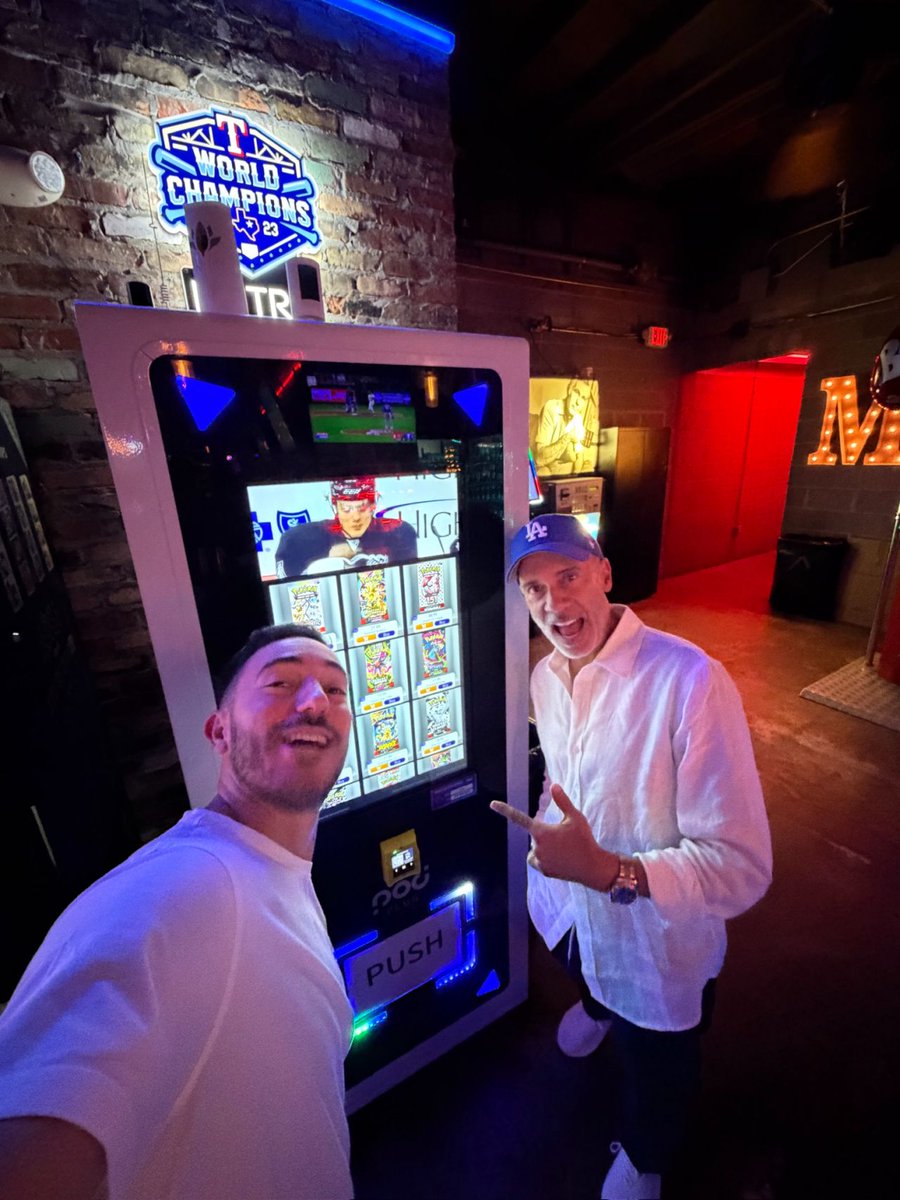
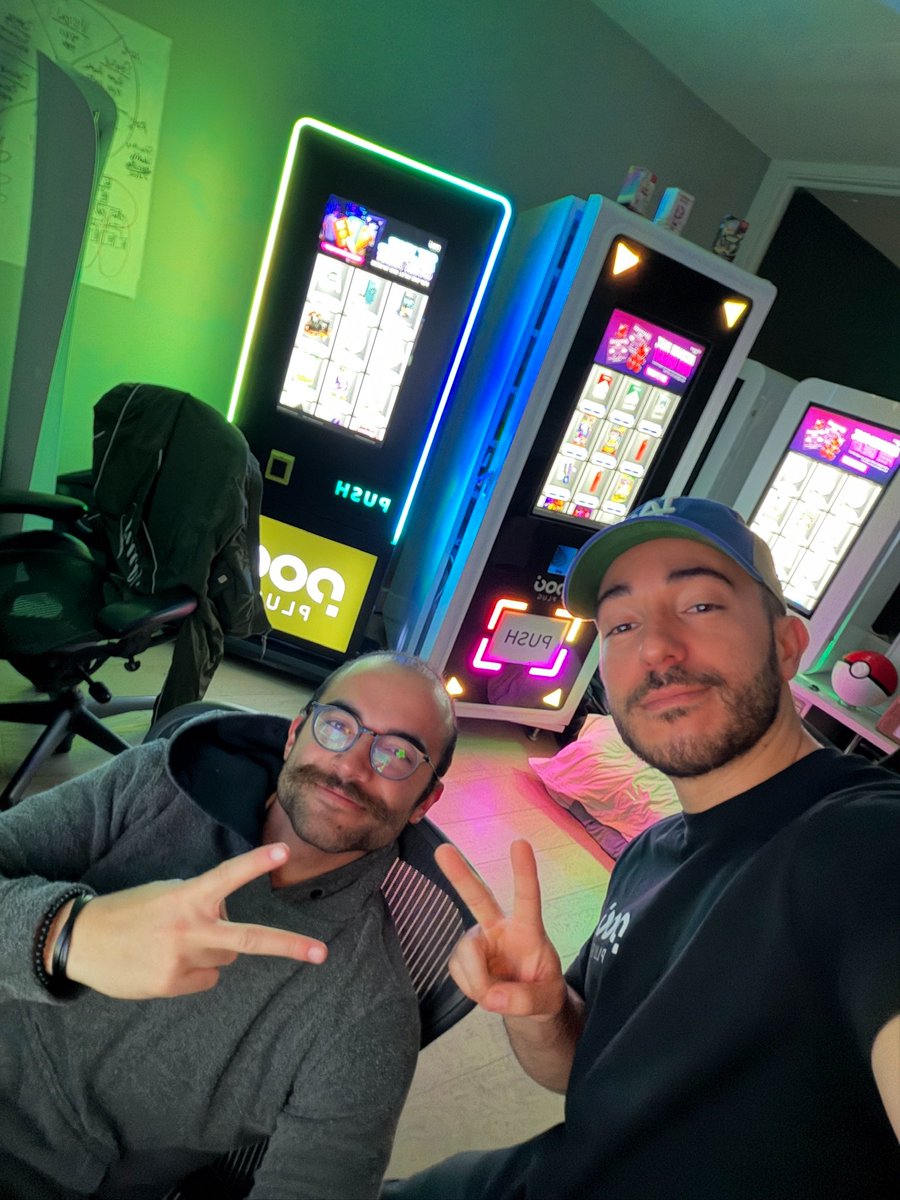
P.S. yes, that's a selfie with me and my dad at one of our machines in Texas.
319
Jun 13
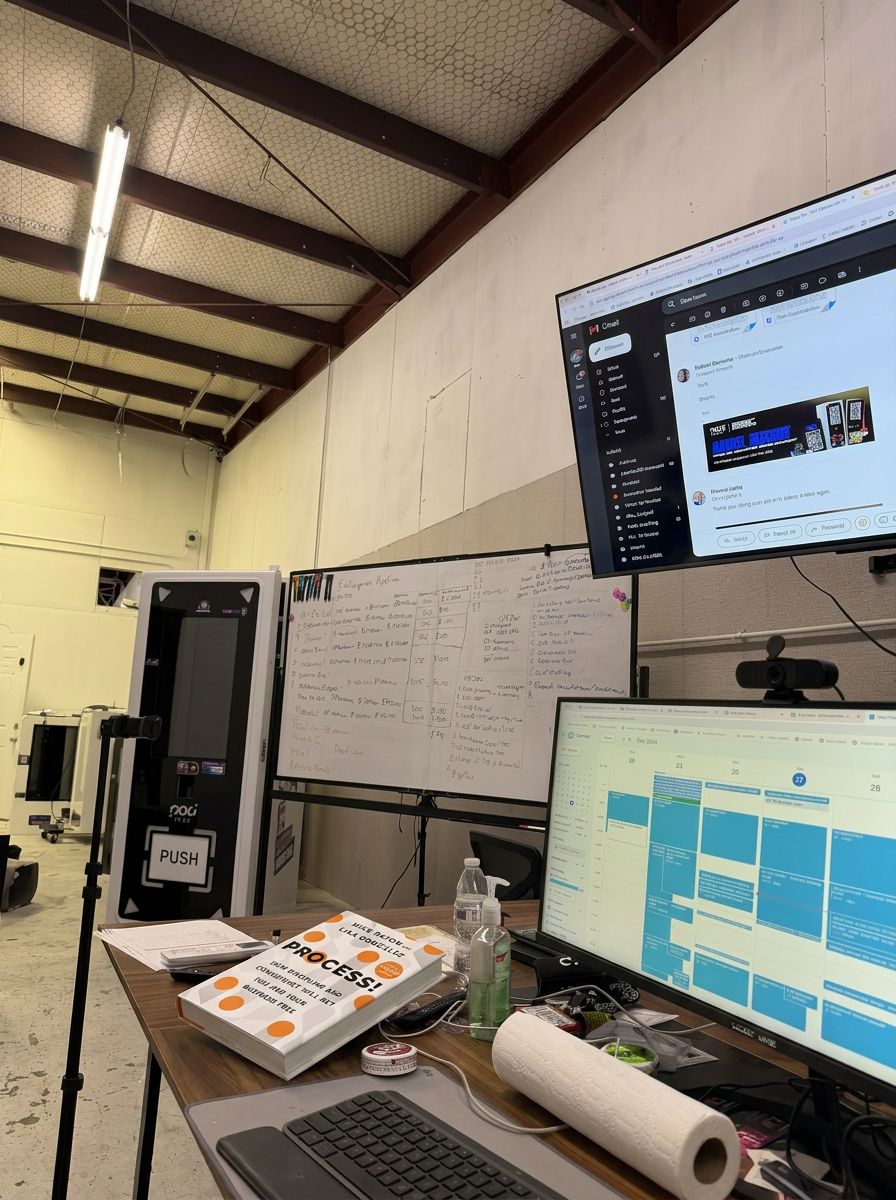
I made my whole team read a business book before our quarterly review next week.
half of them probably think I lost it.
the book is "Process!" by Mike Paton.
most founders are addicted to chaos. lots of people use the term "scrappy,” "move fast and break things," or “founder mode.”
what it actually means: nothing is written down, and the founder is the bottleneck on every decision.
here's the one line that hit me:
freedom isn't doing whatever you want, whenever you want. freedom is building a system so good the business runs without you in the room.
and that’s exactly what these next 2 months will be for me. I need to lock in and focus.
1
63
Jun 12
3 things The Pokemon Company got wrong about vending machines:
1) they priced cards at retail.
a $30 booster box that flips for $100 the same day is irresistible to professional resellers. Pokemon's pricing created an instant 3-5x resale margin on every pack. that single decision built the scalper economy around their kiosks. the lines, the camping, the fights. all of it started with math.
2) they had no one on the ground.
Pokemon shipped kiosks to retailers and hoped the retailer would protect them. a vending machine isn't a "ship and forget" business. without an operator monitoring the venue, the machine becomes a liability.
3) they left it open to anyone walking by.
Pokemon kiosks had no friction at the point of purchase. that meant theft, overrides, and chaos went unchecked. open-shelf TCG retail averages 25% shrink. Pokemon's kiosks ran on the same assumption: trust the customer. the customers proved they couldn't be trusted.
now Pokemon is removing their kiosks.
the lesson isn't that vending is broken. it's that high-value-product vending needs a different playbook than brand-driven retail.
our setup flips all three. we price just slightly above market, so the resale arbitrage scalpers chase disappears. a City Launcher (our operators) manages every machine on the ground. and every transaction is a credit card swipe, which keeps theft at 0%.
at locations that already partner with Pokemon directly, we don't even compete. we bring One Piece, Lorcana, Magic, Yu-Gi-Oh, sports cards, and Mystery Slabs instead.
500 machines across 31 states. zero pulled.
so far so good.
1
271
Jun 11
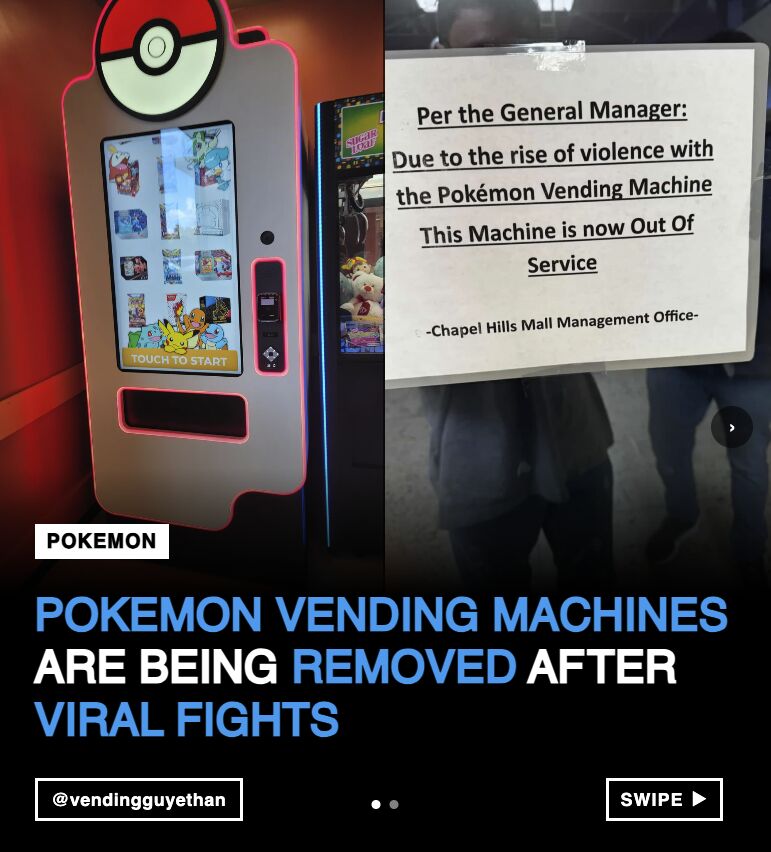
when Pokemon launched their vending machines in grocery stores: collectors celebrated.
within months: scalpers started camping at the machines.
now every day: viral videos of fistfights are happening.
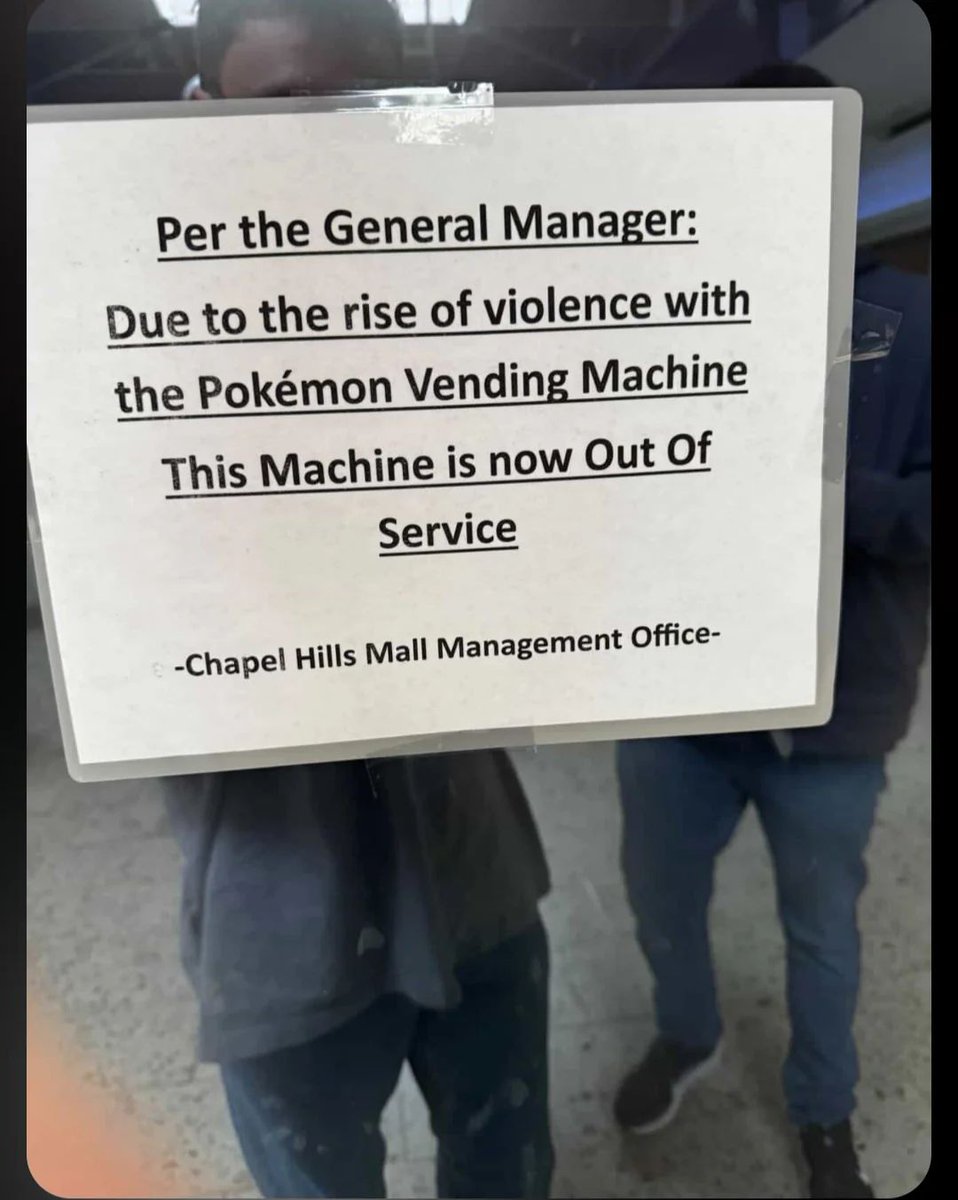
last month: stores began posting "out of service due to violence" signs.
this month: Pokemon confirms the machines are being pulled from select retail locations.
a multi-million dollar distribution program rolled out, scaled, and is unwinding in front of everyone.
the root causes were all design decisions Pokemon made up front:
- they priced cards at MSRP. that gave scalpers instant 3-5x resale arbitrage.
- they placed machines in big-box grocery stores (Kroger & Albertsons). foot traffic = scalper attention.
- they had no operator on the ground to manage the location and their relationships.
i started running Pokemon vending machines this year, with the opposite goal: cards priced above market prices (no resale arbitrage), smaller locations (no scalper magnets), and a local operator on site. 100 machines across 12 cities. zero pulled.
the smartest brand in the world can fail in a year if the unit economics aren't designed for the channel.
1
256
Jun 10
7-Eleven is awesome. (the signage, i mean.)
that's because 7-Eleven figured out that putting their green-and-orange logo on a gas station does more selling than the gas itself.
drivers don't pull in for the Shell or the Exxon. they pull in for the restroom, the coffee, the snacks. the 7-Eleven logo on the pole is the whole reason.
the only problem is… you're not 7-Eleven.
so the better idea is:
skip the whole convenience store. drop one vending machine inside one gas station. put your sign on the pole next to theirs.
that's exactly what we did with Pod Plug.
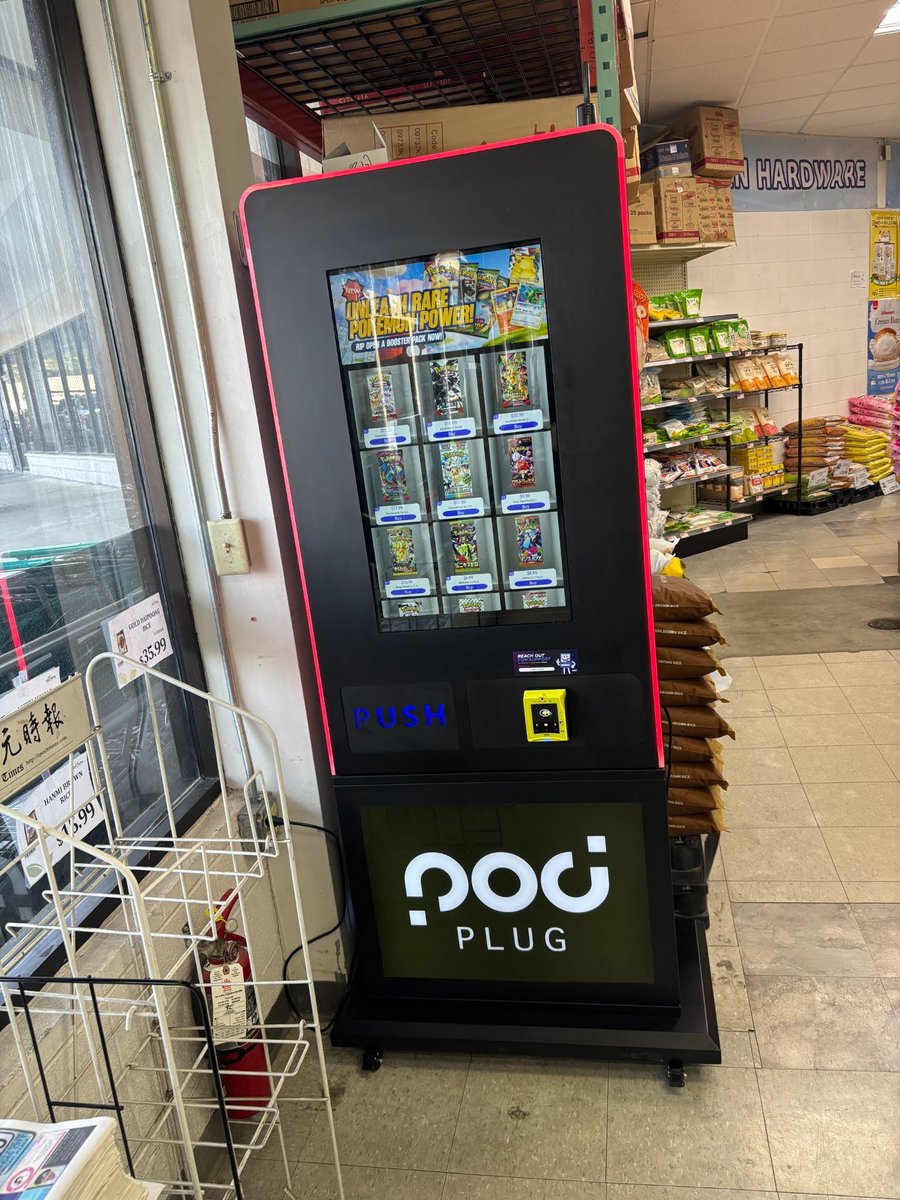
we sell Pokemon cards through vending machines. instead of opening a card shop, we drop our machines inside places that ALREADY have foot traffic. gas stations. smoke shops. convenience stores. the machine handles the sale. the signage handles the discovery.
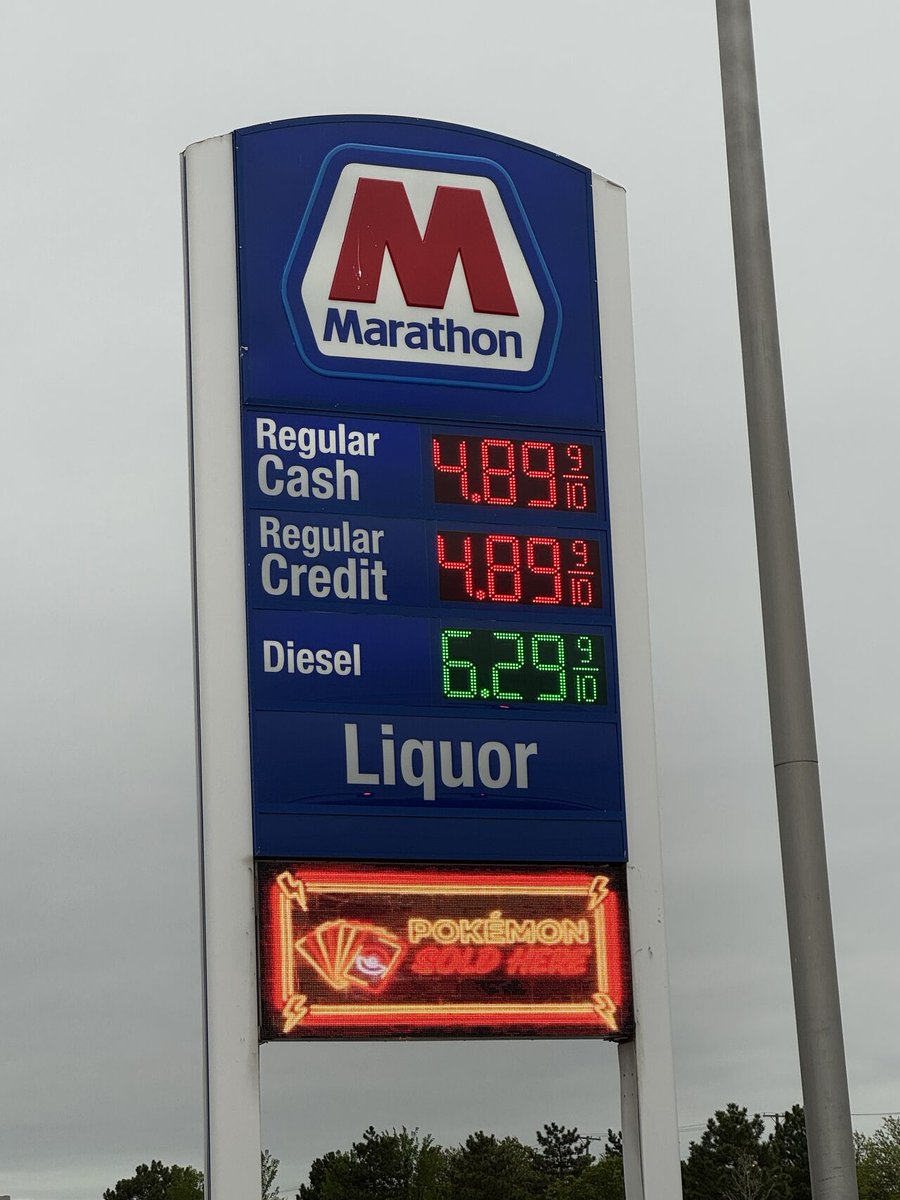
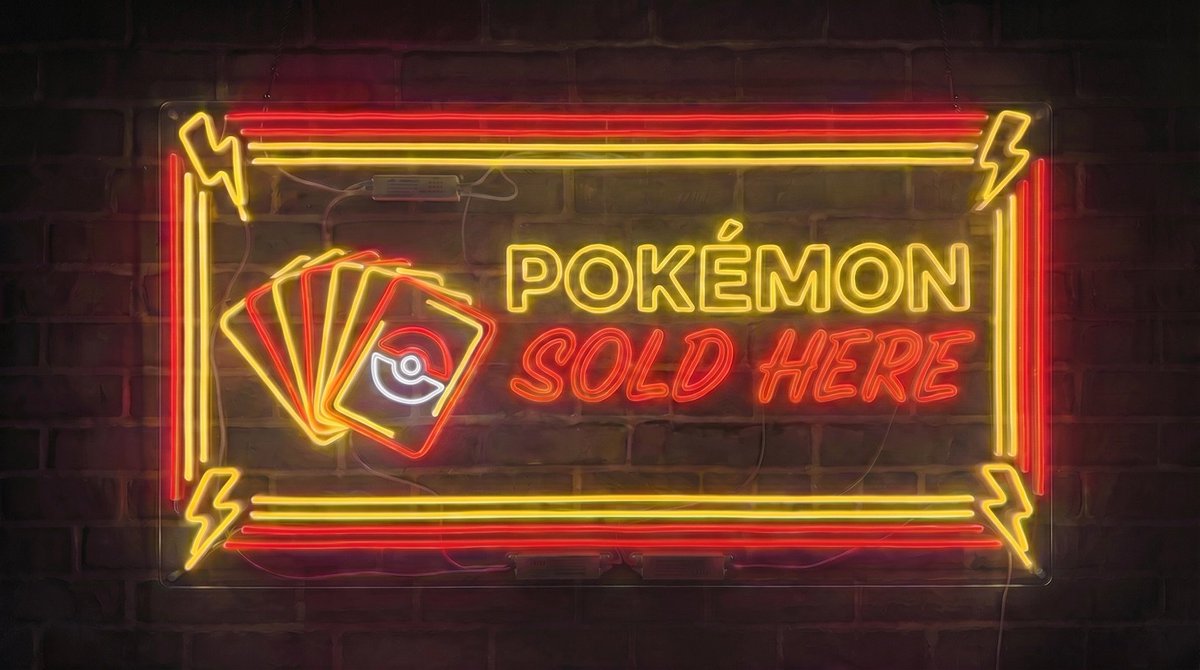
this is one of ours at a Marathon gas station in Detroit. big red LED sign on their pole: "POKEMON SOLD HERE."
it works like clockwork, because every car that drives past now knows they can buy Pokemon cards inside. before the sign, the machine was hidden. after the sign, the gas station became a Pokemon destination.
and every single part of co-branded retail has already been figured out:
- pick a location with existing foot traffic (skip the lease)
- pick a product the foot traffic already wants (skip the brand-building)
- put up a sign that does the discovery (skip the ad spend)
- use the product's brand colors, not the location's
- make the message legible from a moving car
👇
if you'd like to run one of these machines in your city:
send me a connection request with the word "POKEMON".
1
210
Ethan Kohan 🍫 retweeted
May 11
lessons learned placing trading card vending in Asian grocery markets:
1. one Asian grocery store i operate in does 70% of its total machine sales from a single anime trading card line (One Piece).
2. Pokemon vending in any Asian market is a no-brainer. the customer base, foot traffic, and cultural relevance all line up.
3. some stores look similar at first glance but the income demographics don't support trading cards. we've learned to pull those from our pilot list early.
4. the chains that work best have two things in common: high customer loyalty AND favorable income demographics. that combination is rarer than it sounds.
5. the biggest unlock is realizing some regional chains share parent companies. one corporate door can open 3 chains with tens of locations.
6. customer loyalty income cultural fit is the actual category management equation. not "what's hot on TikTok this week."
finally, every win we've had in retail came from a category manager who saw what was coming before everyone else. the unsung heroes of this whole category.
1
1
1
358
May 14
2 months ago, i was second-guessing, directionless, and impatient.
i had just paused our franchise program. i didn't know what was next. i questioned my judgment.
today, i'm running a specialty vending company that pivoted from franchising to a City Launcher operating model and is now diving headfirst into trading card vending.
quick recap:
• 1,237 applications
• $0 spent on paid ads
• entered 31 new cities
• awarding another 12 cities this month
• growing at a rate of 20 new installations per month
• avg machine is generating $2,000/month in revenue
here are 5 decisions, big and small, that compounded into the company we are now:
1. pausing is a strategy
for 12 months we were a franchise business with real momentum. applications were flying in.
but we weren't building the company we wanted to build.
in March, i paused franchising to focus on a different operating model. people thought i was crazy.
the pause wasn't a step backward. it was a chance to look at the next 5 years instead of the next 5 weeks.
if something works today but doesn't fit the future you want, pausing it isn't quitting. it's clarity.
2. the operating model is the competitive advantage
most vending companies recruit operators. we're building something different.
the City Launcher model gives operators 25% profit share (we buy the machines & inventory, they don't), full ops support, and a path to building a real business in their cities.
franchises attract people with capital. City Launchers attract people with relationships.
3. build new channels before old ones get stale
every channel i've built peaks eventually.
my organic videos peaked at 1M views. they'll cap. and my founder-led DMs scale only as far as my hands can type.
the discipline isn't "find the perfect channel." it's adding new ones before the current ones run out.
in the last 2 months we've added: a Strategic Growth Advisor with national accounts experience, a partner program with 5% revenue share for each location locked down for 24 months, and a category-management content arm targeting category managers at grocery chains.
4. niche always wins (riches are in the niches)
most vending companies stock the same things in every machine. snacks. drinks.
we picked specialty: nightlife products first, then Pokemon, then trading cards more broadly, now TikTok viral NeeDoh squishies.
each one is a category most operators dismiss as a niche.
going broad looks safe. but in my eyes it's actually the most competitive category in retail…AND you become a commodity.
5. the boring middle is the moat
every viral product fails one of three tests: wholesale availability, machine coil fit, or demographic mismatch.
right now we're chasing NeeDoh squishies from TikTok. we're measuring new SKUs against our different coil sizes. we're pulling machines from locations that don't fit the demographic.
this is the boring middle. the work most operators won't do.
it's also the only work that compounds.
1
5
308
May 13
holy shit, Alfred (my new AI assistant) has solved over 1,000 issues for my team since we launched him this week.
quick recap, some new features, and a few learnings:
i needed an AI that could actually fix itself when it broke.
so my team built Alfred.
the idea was simple: build an AI assistant that doesn't just do the work, but flags what it can't do and gets the feature built.
my team built and refined Alfred in 3 days with 3 steps:
1. built a system that lets Alfred flag what he can't do and file the engineering ticket himself.
2. built a notification loop so Alfred pings the team the second a fix is live.
3. set Alfred up to switch between AI models for different tasks (ex: Kimi 2.6 for simple tasks, Claude Opus 4.7 for coding, etc.)
since launching, Alfred has shipped a few features i didn't expect to use this often:
1. notify the team when a card reader isn't communicating
2. detect inventory theft across our operators
3. generate P&L reports
now a few lessons:
• the most useful AI agent is the one that lives where your team already works. Alfred runs in Google Chat because that's where my team already is all day.
• self-improving beats fully-featured. Alfred files his own tickets when he hits a gap. that feedback loop has been more valuable than any feature we planned upfront.
• always have a backup AI model. we hit a credit limit on one provider mid-week and switched to another in minutes.
what's the most useful AI agent your team has built?
drop it below. genuinely curious what people are running.
2
161
May 12
literally every vending operator i speak with is talking about getting into specialty vending.
it's a fascinating shift from a category that's been snack-and-soda for the last 30 years.
389
May 10
i stole this idea and now use it on every vending location pitch.
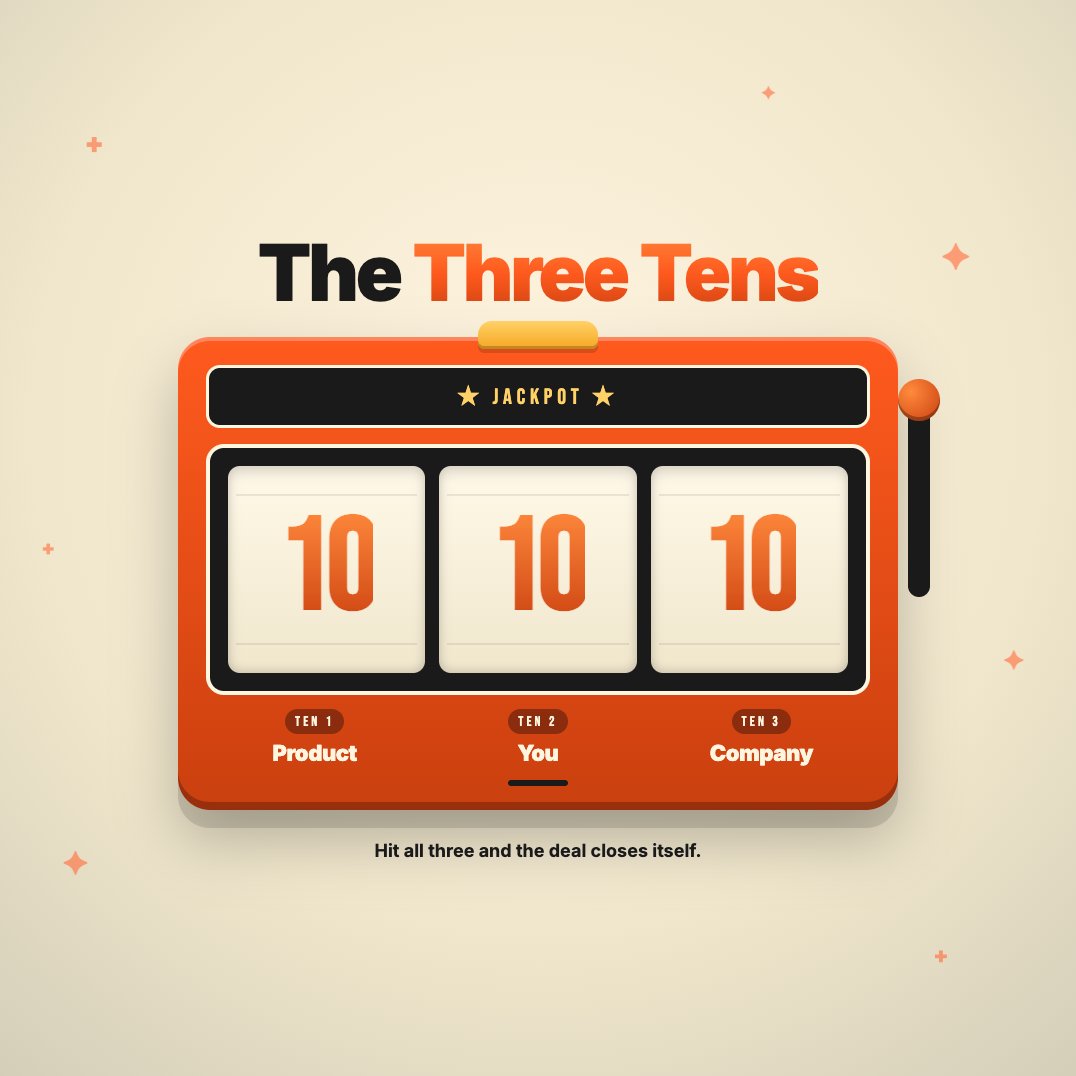
it's called the Three Tens.
the idea is simple. a prospect needs to be at a 10 out of 10 on certainty for three specific factors before they'll sign a deal.
Ten 1: the product
does the decision maker believe a Pokemon vending machine will actually work in their business? you earn this with visuals, real sales data, and foot traffic stats.
Ten 2: you
does the prospect think you're legitimate and reliable? you build this by showing up prepared with technical specs, wearing branded gear, and doing your research on the venue before you walk in.
Ten 3: Pod Plug (company)
does the customer believe the company behind you is real and established? you prove this with total machine count, real sales numbers, and how long you've been in business.
using this framework, here's what i tell every new operator.
if your prospect isn't at least an 8/10 on all three Tens, they're not going to do business with you. walk away or work the score up.
plz feel free to steal it as well.
123
May 9
i'm currently chasing the next viral product for my vending machines.
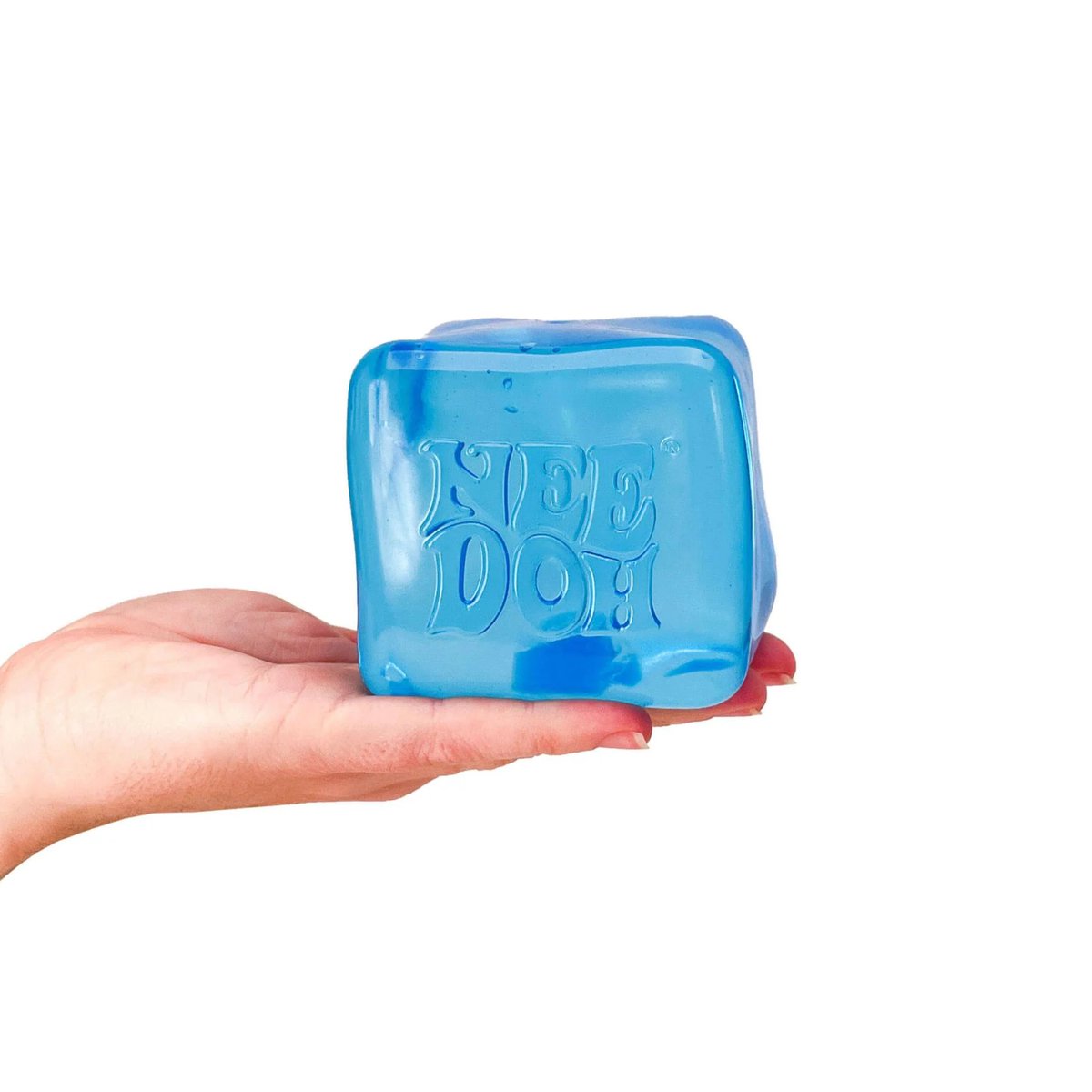
it's called NeeDoh.
they're squishy stress-ball toys that have completely taken over TikTok.
vote in the comments:
A) NeeDoh is the next Pokemon
B) NeeDoh is the next fidget spinner
1
318
May 7
7-Eleven just quietly moved every Pokemon card pack behind the counter and i think it's a GENIUS short-term move. let me explain:
in the past, you walked into any store, grabbed a $5 Pokemon pack, and rang it up like a candy bar.
the result? $16K stolen in one smash-and-grab robbery. bigger heists clearing $100K. thieves literally tunneled through a wall for a $180,000 payday.
so a few weeks ago, 7-Eleven began locking single packs and booster boxes behind counters in test markets. you ask the cashier. they unlock. you buy.
then they paired it with purchase limits of 2-5 packs per customer (a tactic Target and Walmart are running too).
that second part is the genius move.
because by adding that limit, they did three things at once:
• reduced theft by 40-50% (locked product)
• increased average ticket size (cashier upsell)
• filtered out scalpers who hate the friction of asking a cashier
interesting, right?
now, here's where it gets relevant for every category manager reading this.
locking the product is the easy part. the hard part is the system behind the lock. most retailers will copy the lock and skip the system. impulse purchases will drop ~25% in those stores.
the retailers who copy the system (lock purchase limit steady restocking) will turn Pokemon into a protected high-margin category instead of a shrink liability.
so if you manage a viral category and you're getting killed on shrink, spend some time thinking about the system, not just the lock.
you're welcome 😁
219
May 5
i love organic content.
it feels like the unsexy cousin of paid ads, but i actually think it's the only marketing that prints long-term.
i use it to drive 100% of my applications for people who want to launch our machines in their cities, and i now require my team to ship daily content over running paid campaigns.
especially for bootstrapped founders (where every dollar matters), having a flywheel that compounds for free vs paying for clicks that don't convert is incredible.
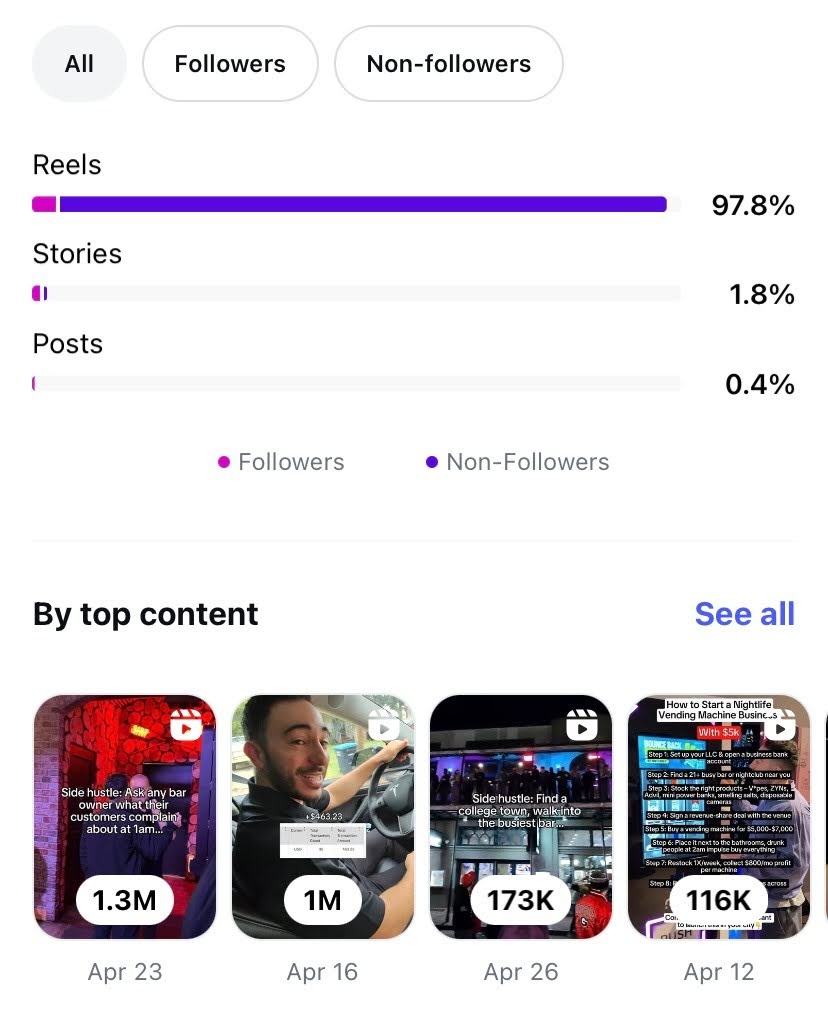
last week, two videos did 1.3M views on Facebook and 1M on Instagram and brought me 372 inbound leads (and counting).
zero dollars spent.
142
May 4
if you're 22 and looking for a quick way to get rich, don't start a vending business.
if you're 22 and looking to build something you'll actually be proud of in 10 years, start a vending business.
1
150
May 3
i love Placer.ai.
it feels like a tool meant for big real estate companies & retail chains, but it's actually amazing for small operators too.
i use it at my vending company to qualify every single location before we pitch them, and i now require my operators to use it before any cold call/email/in-person visit.
especially for vending machine owners (where location traffic = revenue), having data-grounded sales calls vs. cold knocking and hoping is incredible.
i'm not paid by them, but Placer.ai has made me a far better operator. i recommend it any chance i get.

148
May 2
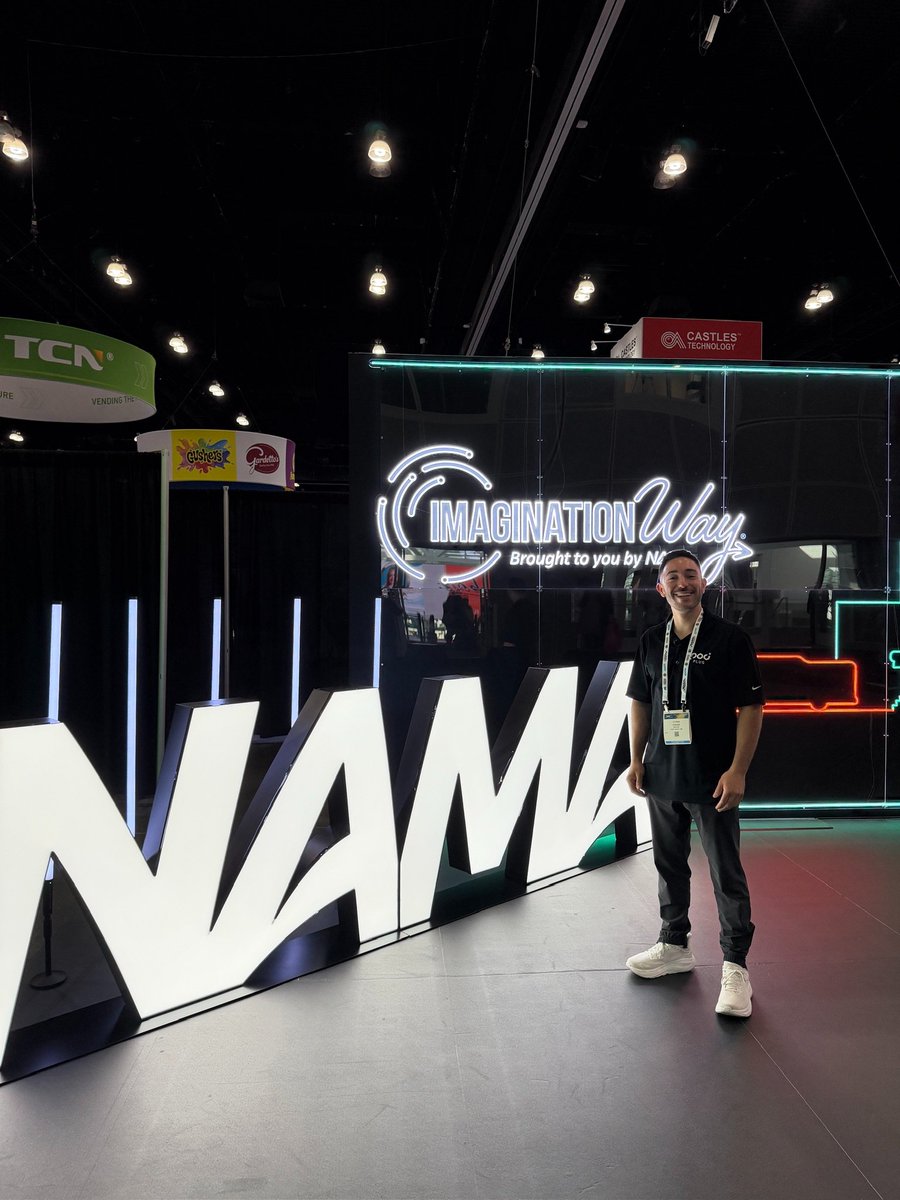
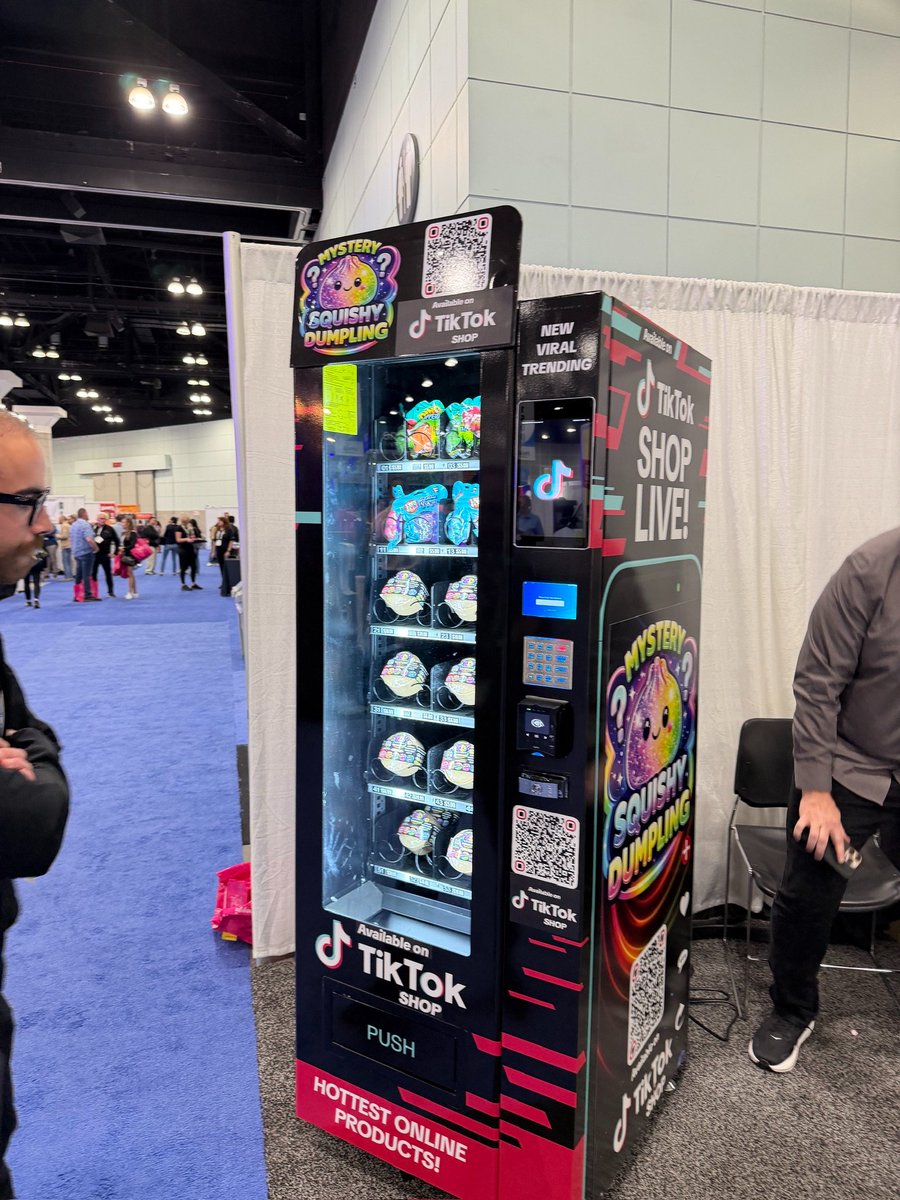
4 things i saw at the largest vending machine convention of the year (NAMA) that will reshape vending in 24 months:
1. a beer vending machine using ID facial recognition to verify the buyer. doing $2,000 per game night at Dodger Stadium. targeting $15K/month. age-verified products no longer need a cashier.
2. a "Mystery Squishy Dumpling" machine. TikTok-viral. it's practically a NeeDoh competitor. the owner told me he's absolutely killing it.
3. a flower vending machine. yes, fresh flowers. with built-in refrigeration. the execution was beautiful.
4. Toppers. 8-inch mini signs that sit on top of any machine. cost $30. foot traffic conversion is massive.
the vending industry i walked into 7 years ago doesn't exist anymore.
1
4
342
May 1
i've done $7M in vending sales over the past 6 years.
but if i showed you my pitch deck... 😅
you'd think i'm joking.
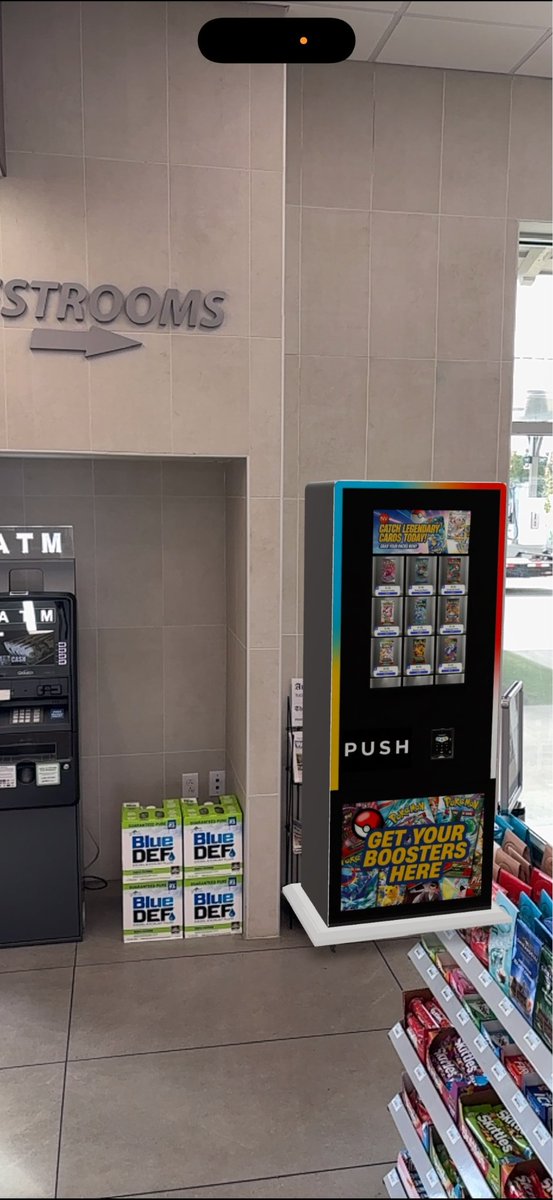
because i don't have one.
i close deals with an AR demo. i point my phone at the floor/wall and see exactly what a Pokemon machine would look like in their space.
that's it.
3
500