
Joined June 2009
- Tweets 8,197
- Following 383
- Followers 12,372
- Likes 2,258
3,318 Photos and videos

Pinned Tweet

23 Nov 2023
My interview for @syriawise. We discuss the current war in #Gaza, my views regarding intern'l politics & a lot more. #Syriawise is an independent outlet aiming to expose the lies & propaganda on what has been happening in #Syria. Honoured to be part of it.
syriawise.com/koulouriotis-a…
4
4
80
66,413
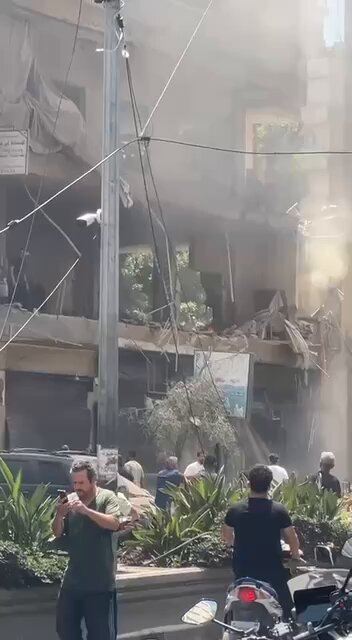
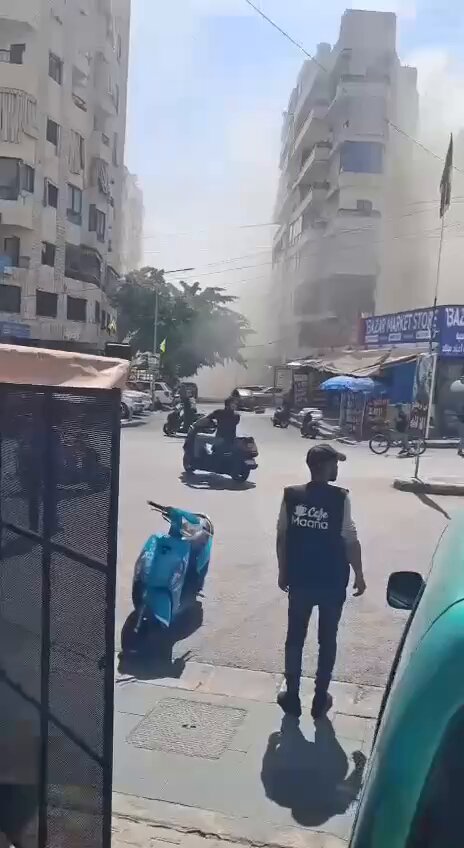
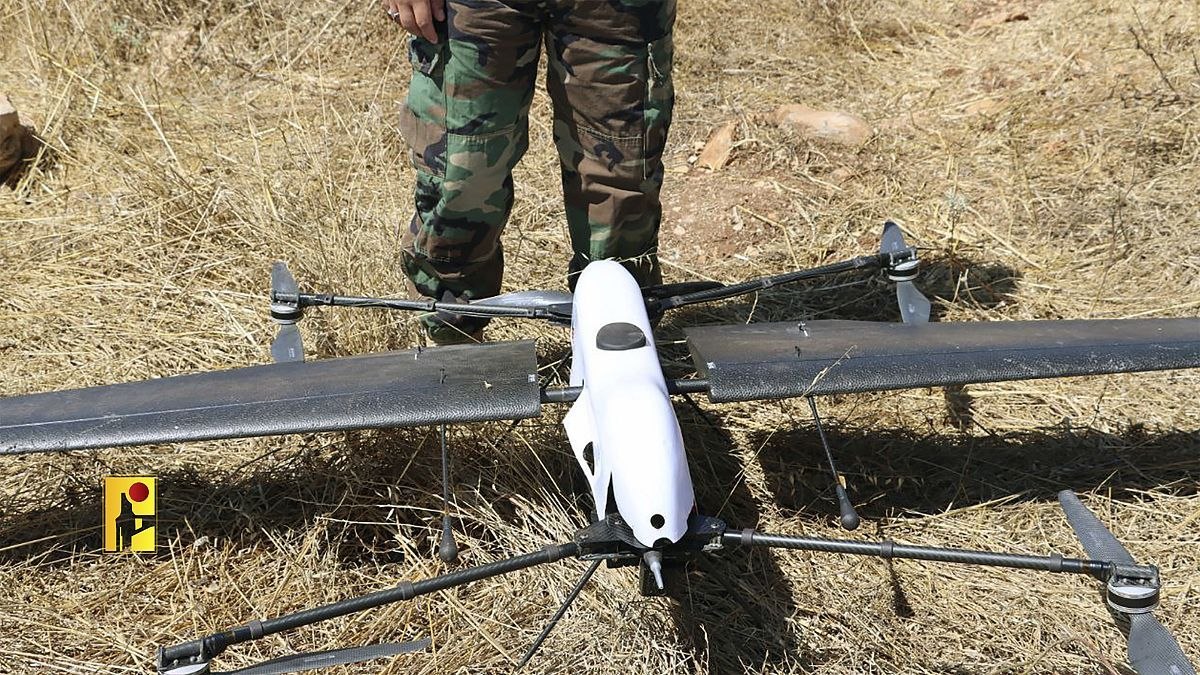
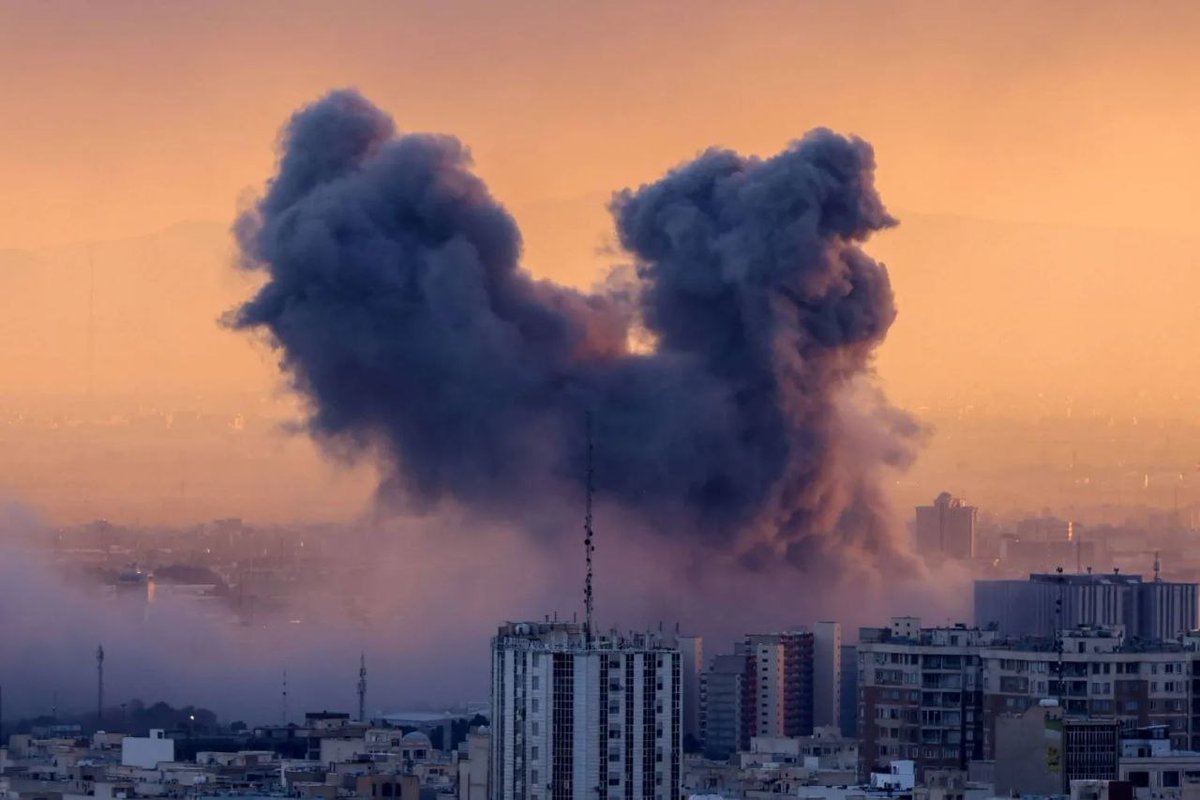
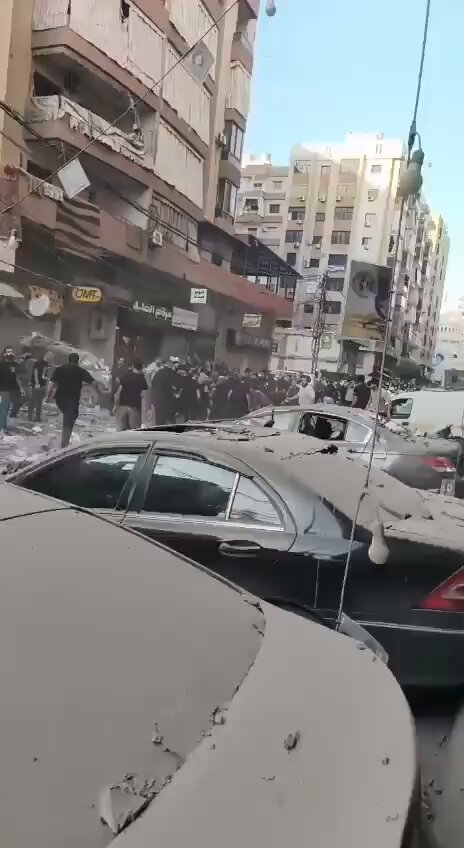
Following Hezbollah's targeting of northern Israel with two suicide drones, the Israeli Defense Forces (IDF) have just targeted a building in Beirut's southern suburbs. This attack is part of an equation established by the Israeli government: any Hezbollah attack on northern Israel will be met with a bombardment of Beirut's southern suburbs. The ball is now in Iran's court, which has vowed that any attack on Beirut will be met with Iranian strikes against Israel.
1
1
8
643
The dilemma now is similar to what happened a few days ago. I think it is important to go through this thread to understand the situation better.
x.com/evacool_/status/206366…

🧵Thread
A few hours ago, Israeli warplanes struck a building in the southern suburbs of the Lebanese capital, Beirut. According to a statement from the Israeli military, the attack targeted a command and control centre belonging to Hezbollah and came as a response to the militia's continued attacks on northern Israel. Although Lebanese media sources reported that the attack did not kill any Hezbollah commanders, the very fact that it was carried in Beirut's southern suburbs represents a dangerous escalation that could have wider regional repercussions. This analysis examines the details of this attack and its potential ramifications. 1/
3
508
Iran under attack.
The bottom line: The coming hours are likely to be difficult as the region awaits Iran's response. Will Tehran launch a combined missile and drone attack towards northern Israel, or will it choose to target American interests in the Gulf? Or will it reserve the right to respond at a later time? Conversely, if Tehran adopts escalation and launches an attack against Israeli territory, will Netanyahu's government respond to this Iranian attack, or will it refrain from doing so due to American pressure? The entire Middle East is at a dangerous crossroads, and any miscalculation by any party will lead to a broader escalation and potentially ignite a new war. 🧵
2
8
955
Eva J. Koulouriotis | إيفا كولوريوتي retweeted
🧵Thread
A few hours ago, Israeli warplanes struck a building in the southern suburbs of the Lebanese capital, Beirut. According to a statement from the Israeli military, the attack targeted a command and control centre belonging to Hezbollah and came as a response to the militia's continued attacks on northern Israel. Although Lebanese media sources reported that the attack did not kill any Hezbollah commanders, the very fact that it was carried in Beirut's southern suburbs represents a dangerous escalation that could have wider regional repercussions. This analysis examines the details of this attack and its potential ramifications. 1/
2
2
6
2,143
🧵Thread
A few hours ago, Israeli warplanes struck a building in the southern suburbs of the Lebanese capital, Beirut. According to a statement from the Israeli military, the attack targeted a command and control centre belonging to Hezbollah and came as a response to the militia's continued attacks on northern Israel. Although Lebanese media sources reported that the attack did not kill any Hezbollah commanders, the very fact that it was carried in Beirut's southern suburbs represents a dangerous escalation that could have wider regional repercussions. This analysis examines the details of this attack and its potential ramifications. 1/
2
2
6
2,143
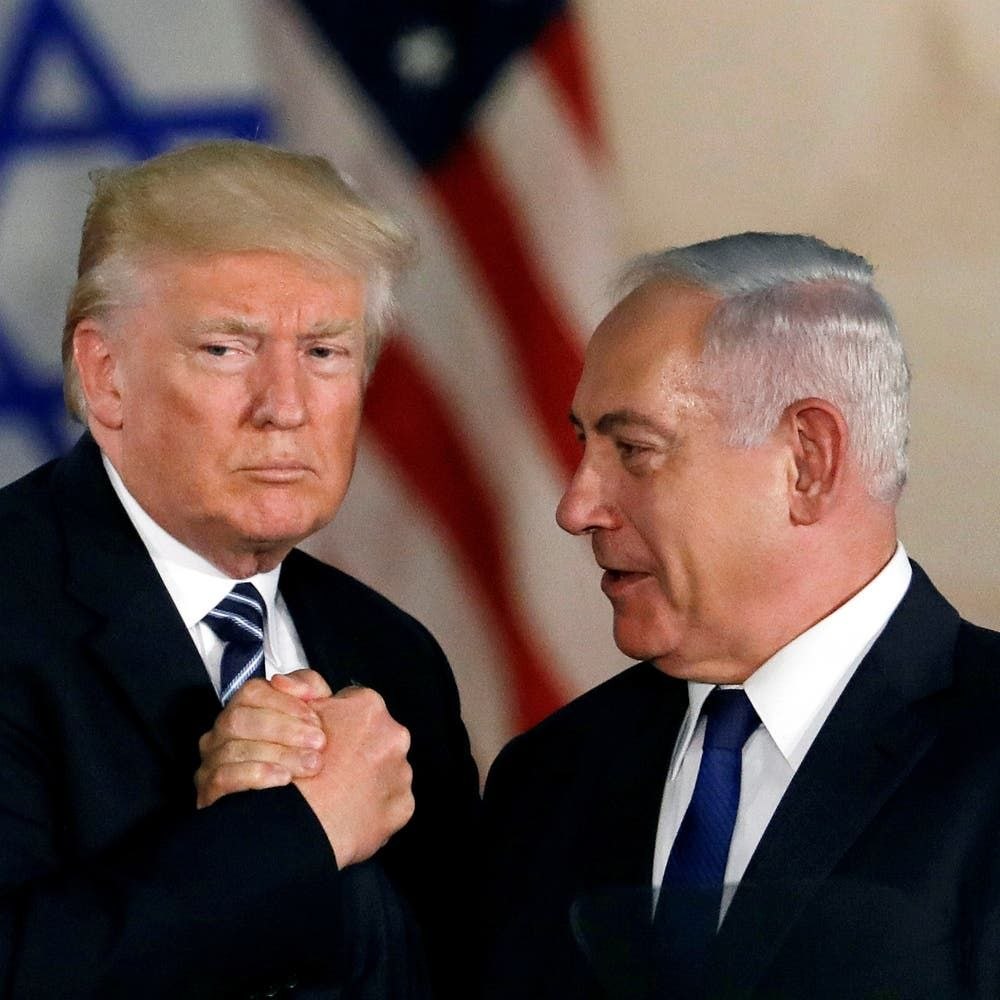
From the American side, as Trump personally stated, the Lebanese issue was the reason for a tense phone call he had with Netanyahu a few days ago. Trump wants the ceasefire with Tehran to continue, and he knows that Lebanon could be the spark for a return to war. For that reason, Washington wants to keep the Israeli military operation in Lebanon confined to southern Lebanon. This desire was translated into Trump's announcement of reaching a ceasefire agreement between the Israeli and Lebanese governments, an agreement that Hezbollah rejected and which was not implemented on the ground. Today, Washington is monitoring both Lebanon and Iran, and it is likely that the Trump administration will work to send a message to Tehran urging it to refrain from escalating towards Israel. However, if this step does not succeed and the IRGC launches an attack on Israeli territory, it is likely that Trump will put exert pressure on Netanyahu to refrain from responding to the Iranian attack, in order to contain the current escalation within its present limits. 6/
1
5
478
The bottom line: The coming hours are likely to be difficult as the region awaits Iran's response. Will Tehran launch a combined missile and drone attack towards northern Israel, or will it choose to target American interests in the Gulf? Or will it reserve the right to respond at a later time? Conversely, if Tehran adopts escalation and launches an attack against Israeli territory, will Netanyahu's government respond to this Iranian attack, or will it refrain from doing so due to American pressure? The entire Middle East is at a dangerous crossroads, and any miscalculation by any party will lead to a broader escalation and potentially ignite a new war. 🧵
2
1
6
1,467
Eva J. Koulouriotis | إيفا كولوريوتي retweeted
🧵Thread
There is no new development in the negotiations between Washington and Tehran. Meanwhile, as military operations intensify along the Israeli-Lebanese border, the situation becomes more complex. Trump is unpredictable, and Netanyahu is watching the unresolved regional landscape while anxiety about the upcoming Knesset elections and his political future is growing. On the other side, Hezbollah is retreating on the ground but increasing the scope of its attacks towards northern Israel. In Iran, the negotiators appear calmer and more confident that the war Trump has repeatedly avoided is becoming more distant, making this an opportune time to achieve a victory at the negotiating table. This is a summary of the situation that may not please many, but it is the reality. A concise reading of the political and military arenas on the Hormuz and Litani fronts. 1/
1
6
15
1,632
🧵Thread
There is no new development in the negotiations between Washington and Tehran. Meanwhile, as military operations intensify along the Israeli-Lebanese border, the situation becomes more complex. Trump is unpredictable, and Netanyahu is watching the unresolved regional landscape while anxiety about the upcoming Knesset elections and his political future is growing. On the other side, Hezbollah is retreating on the ground but increasing the scope of its attacks towards northern Israel. In Iran, the negotiators appear calmer and more confident that the war Trump has repeatedly avoided is becoming more distant, making this an opportune time to achieve a victory at the negotiating table. This is a summary of the situation that may not please many, but it is the reality. A concise reading of the political and military arenas on the Hormuz and Litani fronts. 1/
1
6
15
1,632
The bottom line: The Israeli military operation in southern Lebanon is achieving significant gains on the ground. Israeli forces are now only a few kilometers from the strategic city of Nabatieh, and Hezbollah's ability to launch attacks on northern Israel has diminished. (Of course, the militia still possesses several hundred medium-range missiles, which it reserves for use in the event that a U.S.-Iran war resumes.) Meanwhile, the fruitless Israeli-Lebanese negotiations continue. In the Strait of Hormuz, Trump is losing ground in negotiations and granting Iran a victory it never dreamed of. This victory will translate into control of the Strait of Hormuz, and this achievement will then extend to influence throughout the Middle East. Some have begun writing in American and European newspapers that the US war is a strategic mistake and will end in defeat. However, in my opinion, the US-Israeli war was the only option and achieved some of its objectives. Trump's presence in the White House is what has squandered these gains, and by continuing on the current path, he is handing the Middle East to Iran on a golden dish, just as Obama did on a silver one through the GCPOA and its aftermath. 🧵
1
1
12
466
The US Treasury Department has issued a decision to place nine individuals in Lebanon on its sanctions list for obstructing the peace process in Lebanon and hindering the disarmament of Hezbollah. These officials, loyal to Hezbollah, include individuals deeply embedded in the Lebanese parliament, army, and security services. This unprecedented decision includes officers in the Lebanese army, a move many observers see as a blow to relations between Washington and the Lebanese army, which have long enjoyed positive ties. The US provide the Lebanese army with financial and military aid almost annually. However, in my personal opinion, this decision is long overdue, as the Lebanese army, or at least a portion of its officers, has transformed over the past two decades into a tool for protecting and covering up the activities of the Hezbollah militia in Lebanon. I have previously insinuated the army's relationship with Hezbollah in several threads, some of which I will share below this tweet.
x.com/i/status/2037259276692…
Today, Lebanon stands at an extremely dangerous crossroads. Neither Israel nor the US will accept the continued existence of Hezbollah's military wing in Lebanon after the current war. This leaves two main paths: The first is the military option This could involve expanding Israeli and American ground operations to reach the Lebanese capital, Beirut, and the Bekaa Valley. However, this is highly complex. Washington is unlikely to directly participate in such a move, and even on the Israeli side, advancing north of the Litani River would require far more preparation and careful consideration. Another military scenario would involve the US and the international community pressuring the Lebanese state to take more active role in disarming Hezbollah. Yet, it is clear that the Lebanese army, with its current leadership, is not ready for this step. There are leaks about threats from some Shiite officers within the Lebanese army to the army leadership, warning that they will defect if a confrontation occurred between the state and Hezbollah. Additionally, officials in the Amal Movement, led by the Speaker of the Lebanese Parliament, Nabih Berri, have also threatened that they will stand with Hezbollah in the event of any Lebanese move to disarm the militia militarily. The second path is diplomatic. This would involve imposing American and international economic pressures on the Lebanese state, in order to reach an agreement with Hezbollah to end its military wing while retaining a political role. In my opinion, this is option is impossible at the present stage in light of the militia leadership’s refusal of any discussion about its weapons inside Lebanon. Therefore, ending Hezbollah as a threat to the Middle East is still something that requires decisive actions otherwise Lebanon might head to a new civil war. Some western officials already started to think about Damascus as a potential player in the Lebanese arena. 5/
1
1
3
803
With the resignation of General Joseph Aoun from his position as the head of the Lebanese Army, General Rodolphe Hekel took over the role. Hekel had previously served as the head of the Southern Region Command in the Lebanese Army, meaning he was responsible for an area that was practically under Hezbollah’s security and military control, while the Lebanese Army had no significant role other than facilitating the militia’s operations. Here, some may see that Hekel may not be the right person to bring about a security and military change in the Lebanese reality. In practical terms, the army announced that it had managed to assert 85% control over the area south of the Litani river, claiming to have ended Hezbollah’s presence there. But is this claim true? Unfortunately, no. The Lebanese army does not have accurate information about all of Hezbollah's locations and infrastructure in this area. Furthermore, the army has not requested Hezbollah to hand over maps of these locations, and therefore, the army cannot confirm the extent of the militia's control over the area south of the Litani River. Secondly, the destruction of discovered Hezbollah infrastructure is always carried out in coordination with the militia. As for the areas north of the Litani River, the Lebanese army remains unconcerned with Hezbollah's weapons or even with controlling the border with Syria. On many occasions, the Syrian army is forced to deal with smugglers affiliated with Hezbollah itself, while the Lebanese army remains neutral. Of course, the army command justifies this lenient policy toward Hezbollah by claiming that they do not want any military confrontation that could harm Lebanon’s internal peace. However, in practice, this very policy has encouraged Hezbollah to maintain its weapons and allowed it to rebuild its military capabilities. Even when the Lebanese government approved a decision on August 5th to restrict weapons to the Lebanese state, the army reversed this decision on September 5th by developing a plan that only covers the areas south of the Litani river. As for President Joseph Aoun, his stance has always supported this decision of the army leadership. Aoun sees himself as a mediator between two opposing sides: one is represented by the governmental and parliamentary majority, which desires change in Lebanon, the first step being the monopolization of arms by the Lebanese state, and the second is Hezbollah and its ally and political protector, Speaker of Parliament and leader of the Amal Movement and militia, Nabih Berri. Here it is worth noting that the Amal militia participated in the recent escalation and war against the Israeli forces, resulting in dozens of casualties among their members. Anyone familiar with the field situation in southern Lebanon knows that there is ongoing security and military coordination between Hezbollah and Amal.
6/
1
452