
Joined February 2022
- Tweets 24,314
- Following 1,652
- Followers 3,858
- Likes 35,183
843 Photos and videos











I'd pay a handsome fee to adjust my LinkedIn algorithm to never see another post of other freaking designers & developers shouting into the void at other designers & developers about stuff.
The whole social media scene for being in an industry sucks when it switches to peer vs peer. I don't get how that serves anyone... unless you go all the way down into trying to monetize creating content FOR your peers and competitors (and most of these folks aren't, they're just fed be the easy algo dopamine hits of having people argue with them about a particular CMS, builder or plugin).
2
5
207
EZ Smith retweeted

Jun 11
Nobody warns you that entrepreneurship is just a 9-5 with endless overtime, where the boss is clinically insane and you can't quit.
18
7
140
9,653

May 26
First stopped posting hardly at all other than a reply here and there, and then took a legit break outright, and finally took a full week off from actual work for the first time in a LONG time.
Mentally feeling the best I have in years from it too.
It's so easy to get caught up in the stream without ever sticking your head up for air.
There's something to be said about regrouping even when you're running full speed already.
2
10
304
Apr 23
Who do I know here who does PERN stack development? (Postgres, Express, React, Node)
Got a connection who's looking to build a custom frontend on top of a Python backend layer.
Comment if that's your wheelhouse
2
586
Apr 21
"blank is dead..."
Can we get some new half-brained slop posting formats please?
The mass hypnosis that makes everyone write and post the same endlessly makes it hard to even be active here (it was awesome in years leading up to the AI boom)
4
9
767
Apr 20
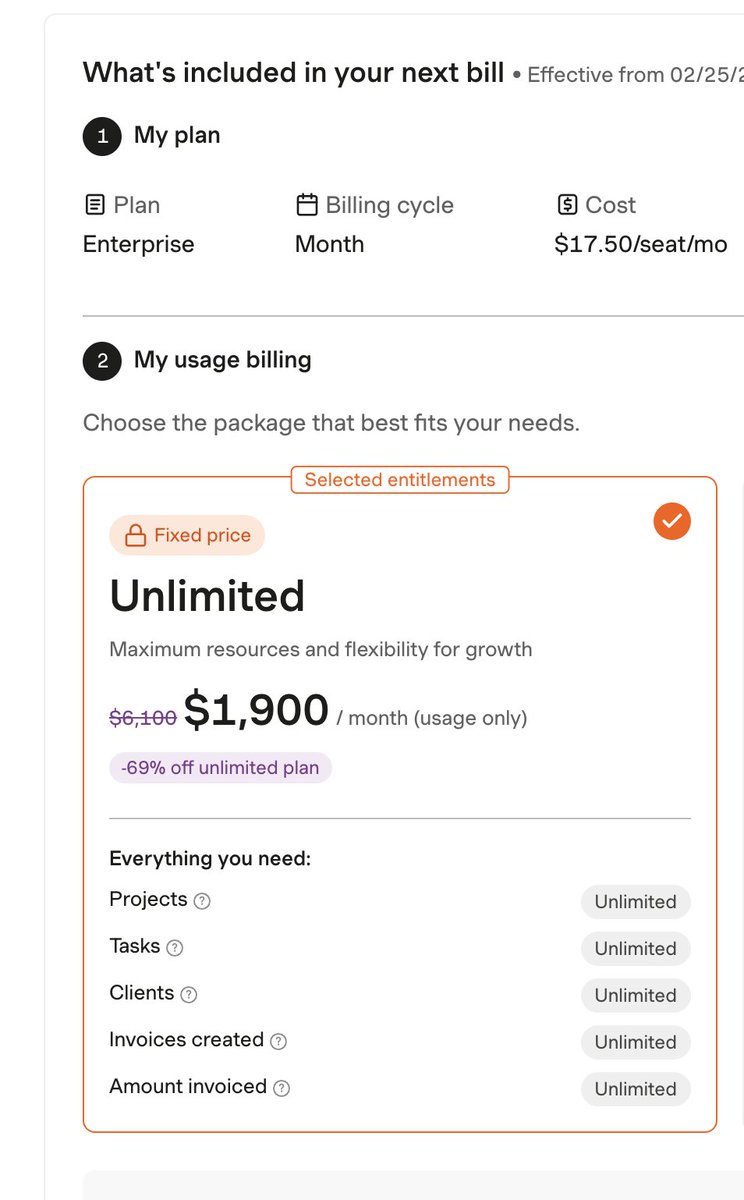
Spent 10 seconds this morning thinking about claude coding a replacement for the time tracking software I use... And then remember it's $100/mo and I make way more by focusing on the business rather than going down the rabbit holes that are endless these days
Apr 20

I just vibecoded a replacement to a $99/mo SaaS we pay for.
It took 15 hours, still has a few bugs I can't get rid of, and will cost us $80/mo in usage.
This is the future.
4
15
1,337
Apr 16
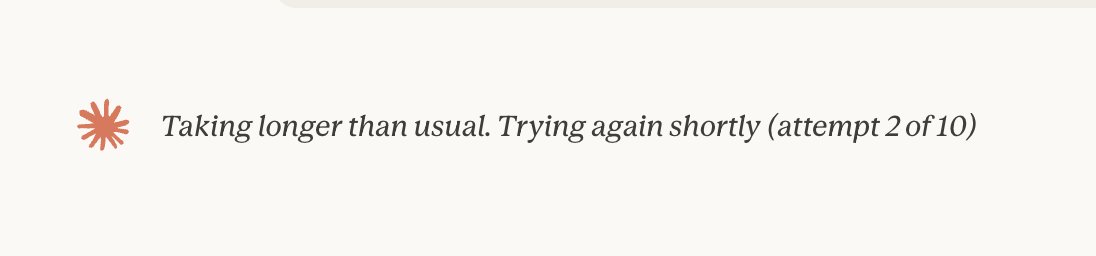
Trying to schedule an eye exam to get new glasses... Select time and go to schedule and get hit with this 😆
Didn't know we were doing in office / remote eye exams now 🤣🤣🤣
3
3
427
Apr 10
Clicking into one post, does not mean I want to see that same post quoted 3 times in a row on the feed after... And it also does not mean I want my entire feed to be about primarily that thing.
5
8
560
EZ Smith retweeted

Apr 5
Jesus is greater.
Happy Easter everyone!
1
1
15
571
Apr 5
My old dog peed all over the floor right after I hit post.
Lesson in there about bragging instead of being humble 😆
Apr 5

Name brand oreos and some cold milk just hits different after a long day.
Might even go wild and read a newspaper.
Old man arc settling in.
1
4
480
Apr 5
Name brand oreos and some cold milk just hits different after a long day.
Might even go wild and read a newspaper.
Old man arc settling in.
3
689
Apr 2
I texted an old friend earlier who's been a developer for many years.
He asked me if I was riding the AI wave.
Told him nah, just standing on the shore letting it splash up on my feet a little bit.
He laughed. I laughed. Claude laughed.
5
26
1,310
Apr 2
Since WordPress is completely dead, please kindly send me all your WP clients who haven't accepted their zombie fate yet. Got mouths to feed.
31
4
161
10,726
EZ Smith retweeted

Apr 1
Nothing. Read it. Cool. Move on.
WordPress people are rooted in workflows.
Shiny new toy syndrome is a distraction that disrupts efficiency.
1
8
507
Mar 27
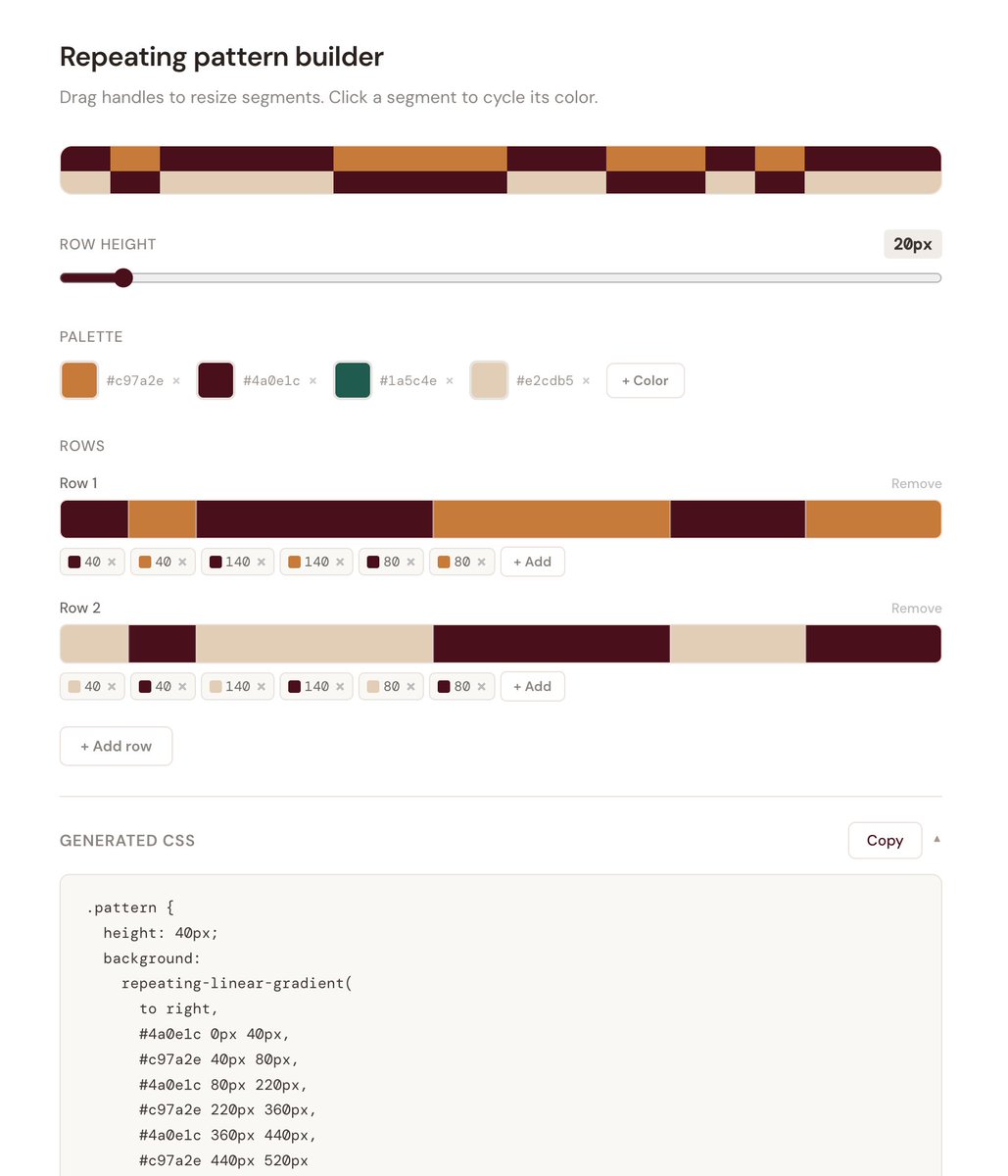
Being able to create custom CSS tools like this is a killer example of AI-enhancement (rather than replacement) in web design & development workflows
1
7
379
Mar 16
Just gonna fix this quick site issue for a client...
2 days and over 5hrs later... still debugging.
(with Claude's help at that)
3
8
552
EZ Smith retweeted

Mar 9
Turning your full work output over to AI is a massive gamble, for multiple reasons.
One, there's no guarantee that it can do everything you need it to be able to do, especially in its current state.
Two, there's no guarantee that you won't get stuck in a situation that it can't fulfill, leaving you powerless to step in because it's done too much of the project already and you have no idea how things work under the hood.
For skilled devs, the ONLY guaranteed outcome right now is that you'll get far dumber, and you'll lose all the dev skills, abilities, and experience you've worked so hard to acquire up to this point.
That is a 100% guaranteed fact. Removing yourself from the practice of dev makes you progressively more irrelevant each day that goes by.
In fact, this actually might be the first time in human history where an entire industry of highly technical people willingly raced from the top of the skill ladder to the bottom of the skill ladder.
They seem to be doing this because they believe in a world where AI progresses to the point of being autonomous and nearly flawless. But in that world, they're no longer really needed anyway, so what's the point?
They also seem to believe that the costs won't skyrocket, which is a third gamble.
What happens if costs do increase frantically, though (knowing that all the AI companies are currently taking massive losses)?
If AI doesn't pan out exactly the way people hope and we find ourselves in a world where the best (and most affordable) approach is actually a hybrid, AI-assist approach to development, what will all the people who turned their entire workload over to AI do at that point?
And how will all the products built by cheap AI get maintained in a world where AI is now far more expensive?
Conclusion 1: Going full-AI undoubtedly retards your actual skills. That's a huge PERSONAL risk that relies on some big gambles.
Conclusion 2: Building and selling products where iteration and maintenance require agents at the currently untenable cost structures is a huge risk to you and everyone you sell to.
Conclusion 3: The most responsible thing is to remain in command of the code. Take a hybrid approach. Stay engaged with the practice of development. Maintain your skills. Engineer your products properly.
For the people who didn't have many skills to begin with, we see why you're so hyped. You couldn't do something before, but you can seemingly do it now. You feel a newfound sense of empowerment and like you cheated the process of having to learn.
That's great. Have fun. But stop trying to convince people who have acquired tremendous skill to abandon those skills when the actual consequences and outcomes of that decision are completely unknown and terribly risky.
And remember, a lack of skill in the thing AI is doing means the person also lacks the skills to assess whether the AI is truly capable of it.
Right now we have a lot of people who aren't very skilled trying to assess the skills and abilities of AI. Dunning-Kruger is still a very real thing.
Be careful out there.
15
1
49
2,311
Mar 8
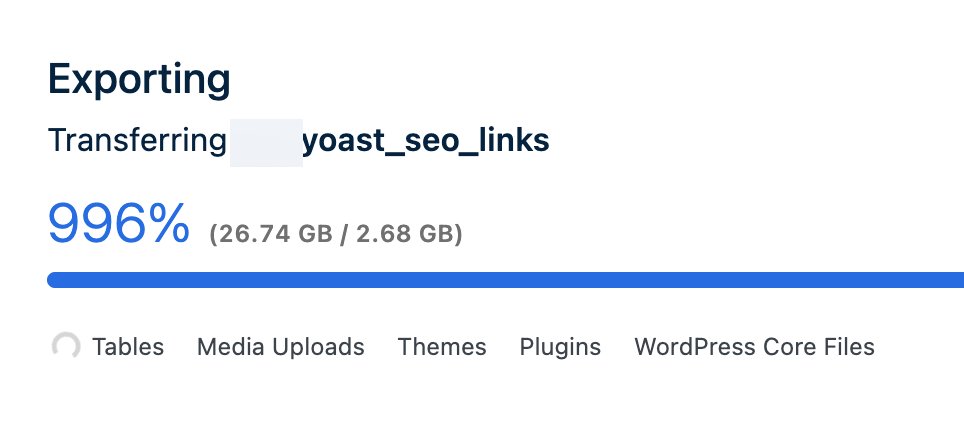
Every time I go toe to toe battle with levels of caching issues while updating a website, it makes me rethink my life choices 😆
2
12
538
Feb 27
The insane AI wave has got to be highest engagement driving time in Twitter/X history...
Being off for a couple hours feels like you miss weeks or months worth of "news" now compared to the past.
1
319