
Joined June 2025
- Tweets 85
- Following 59
- Followers 45
- Likes 9
28 Photos and videos


Pinned Tweet

Mar 18
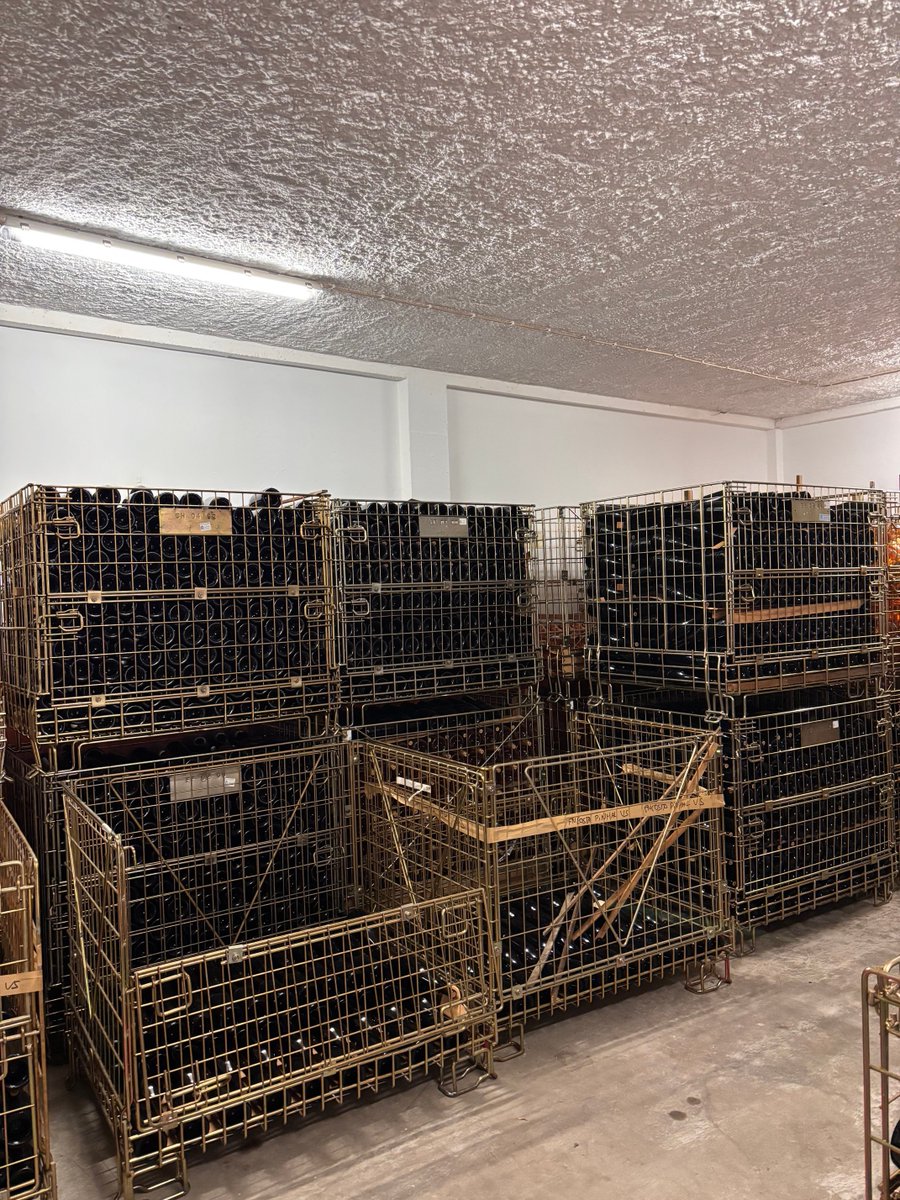
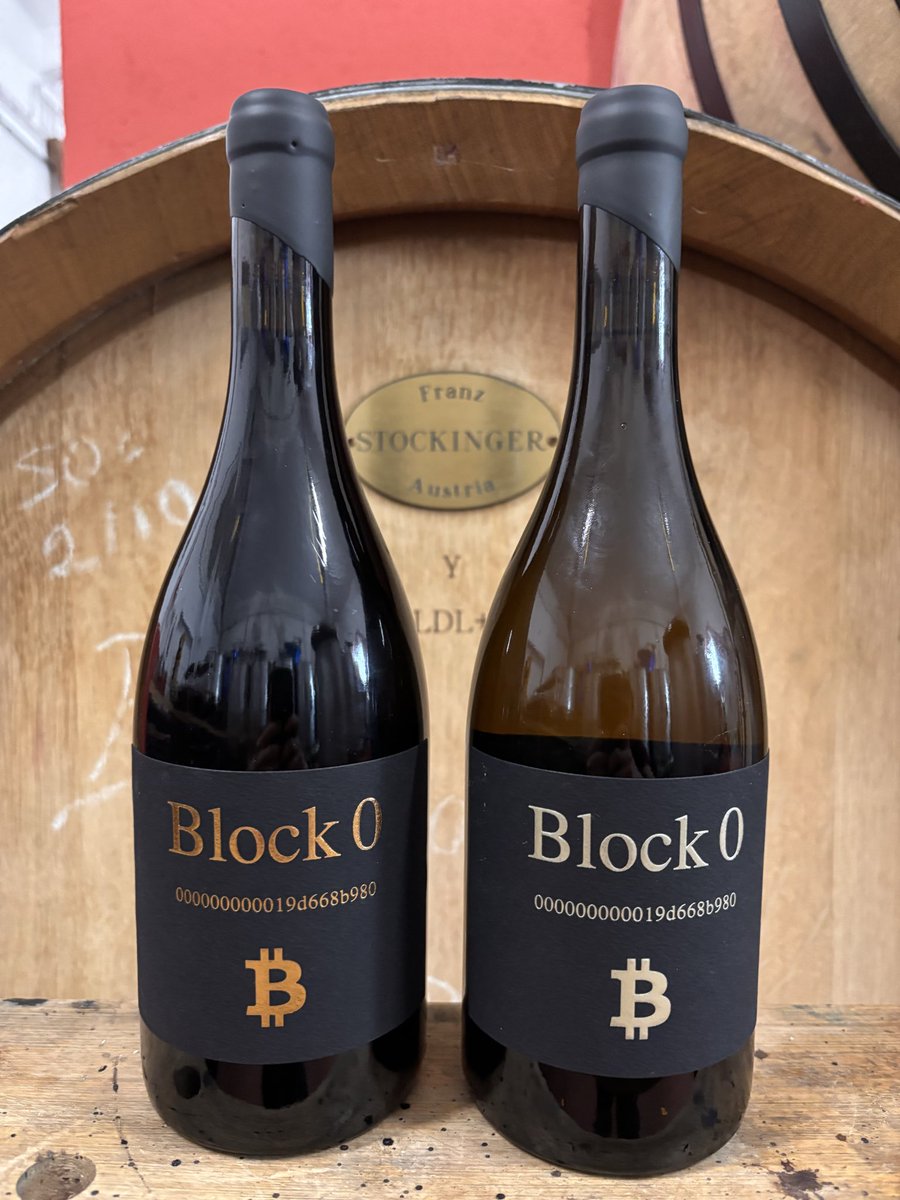
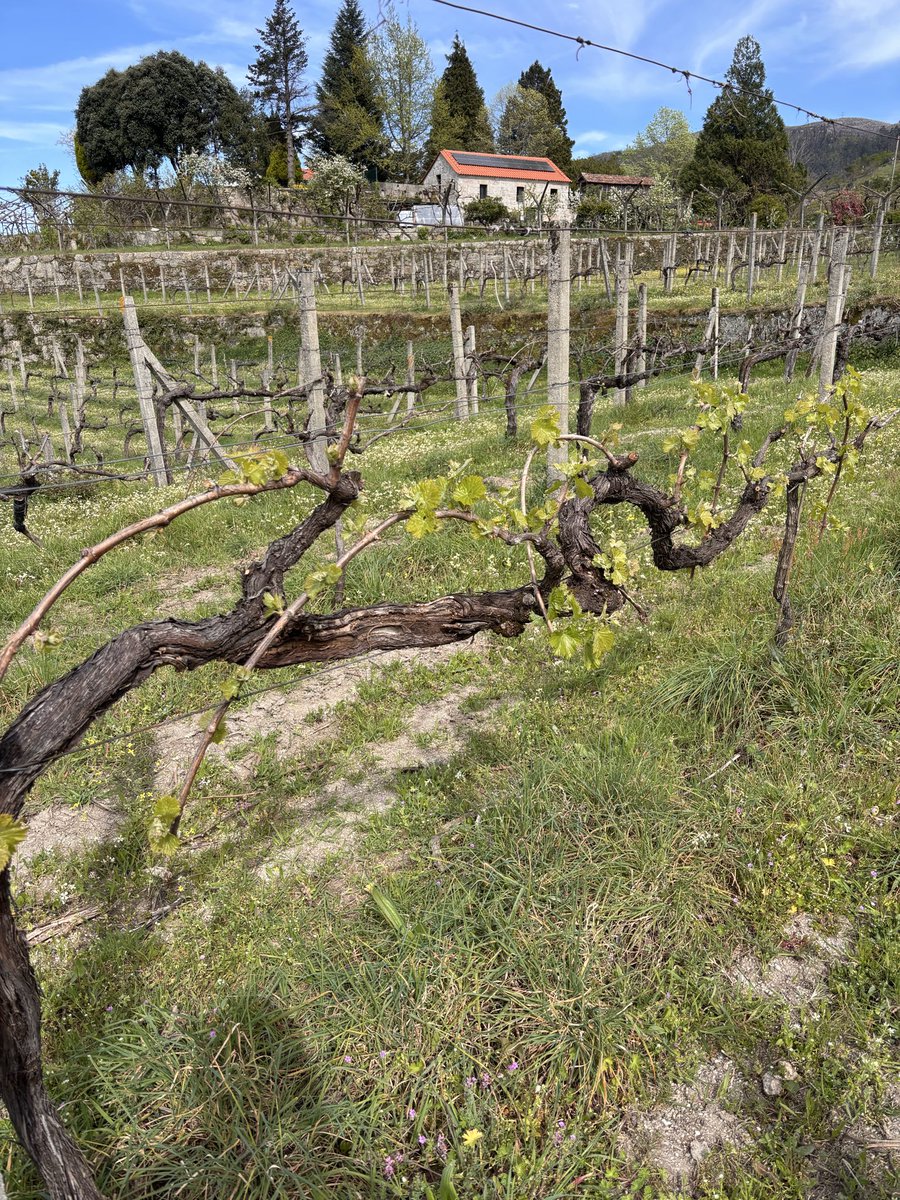
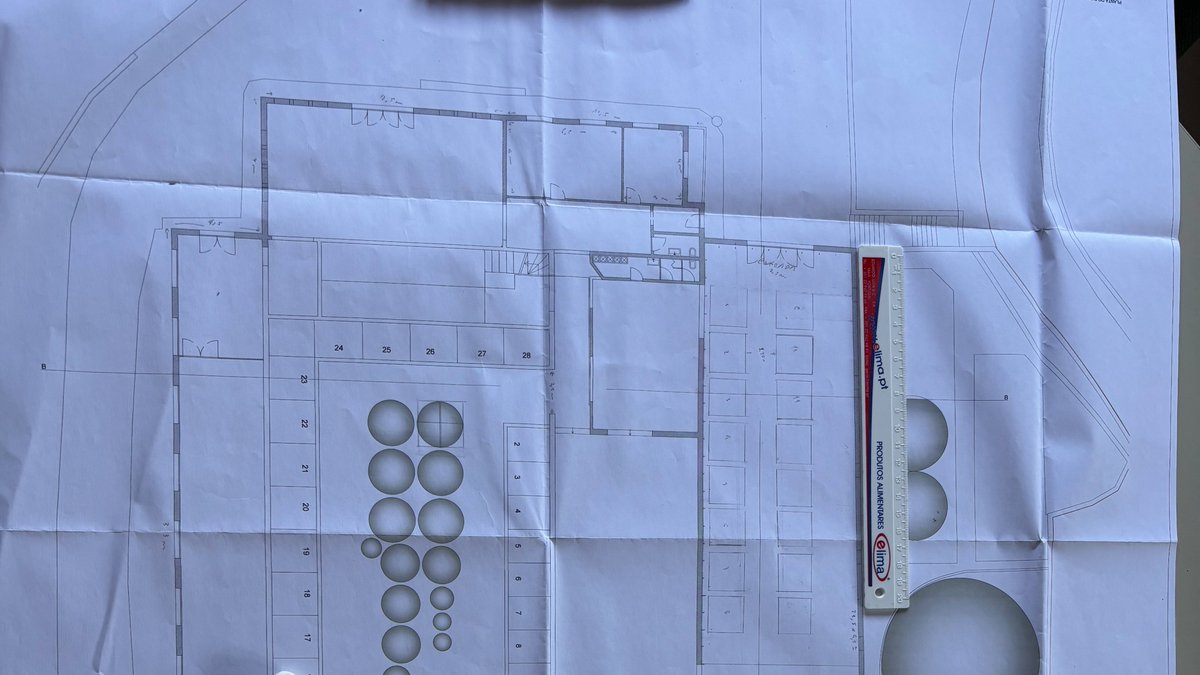
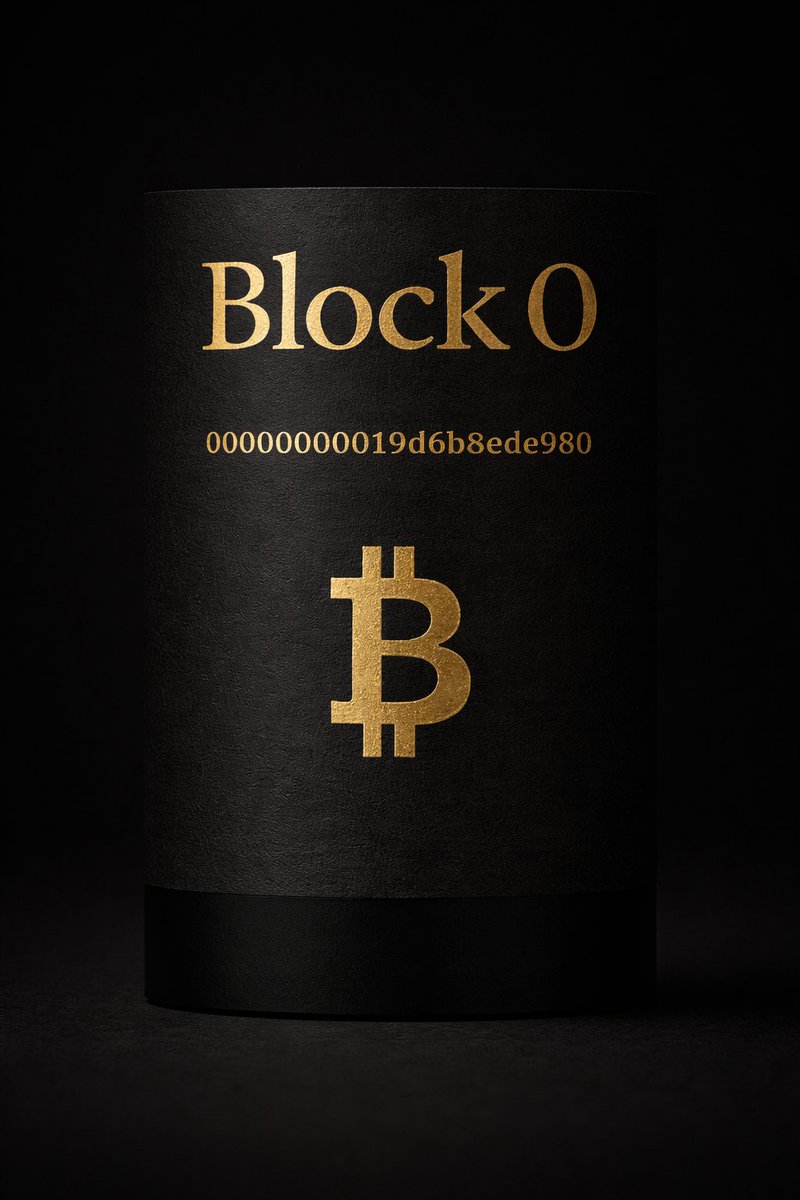
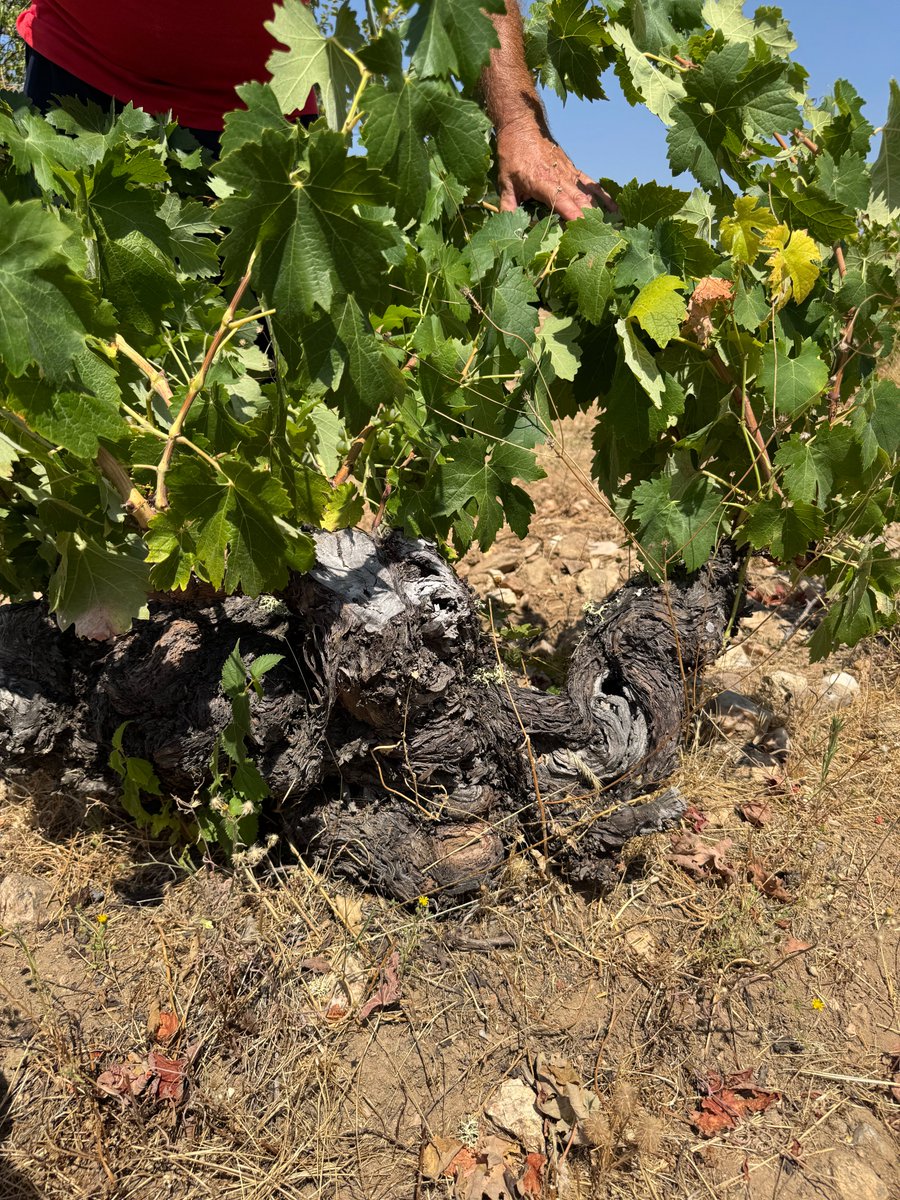
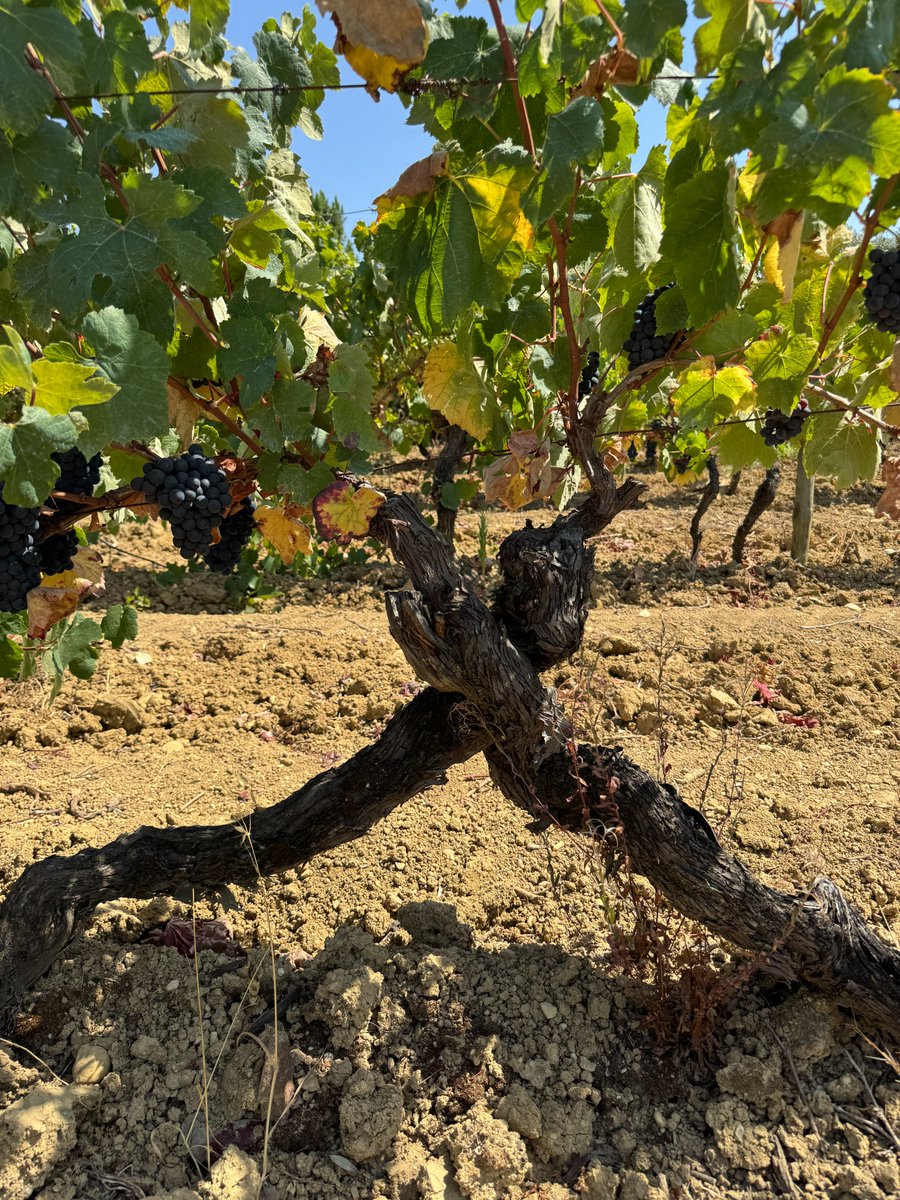
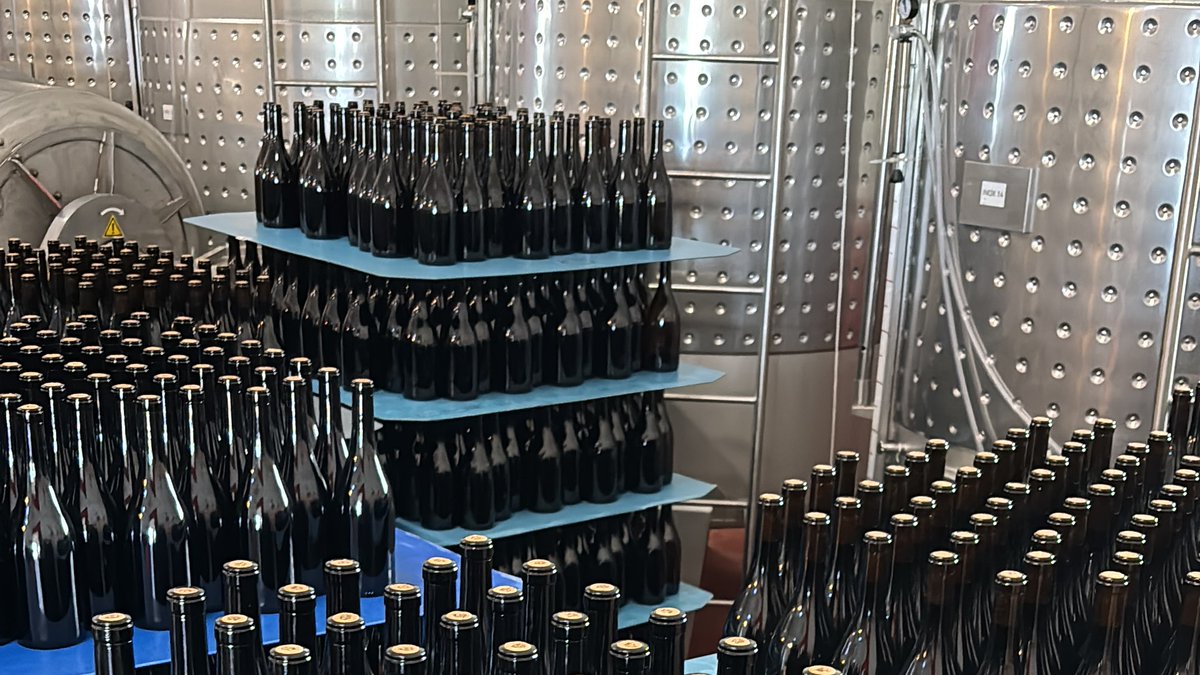
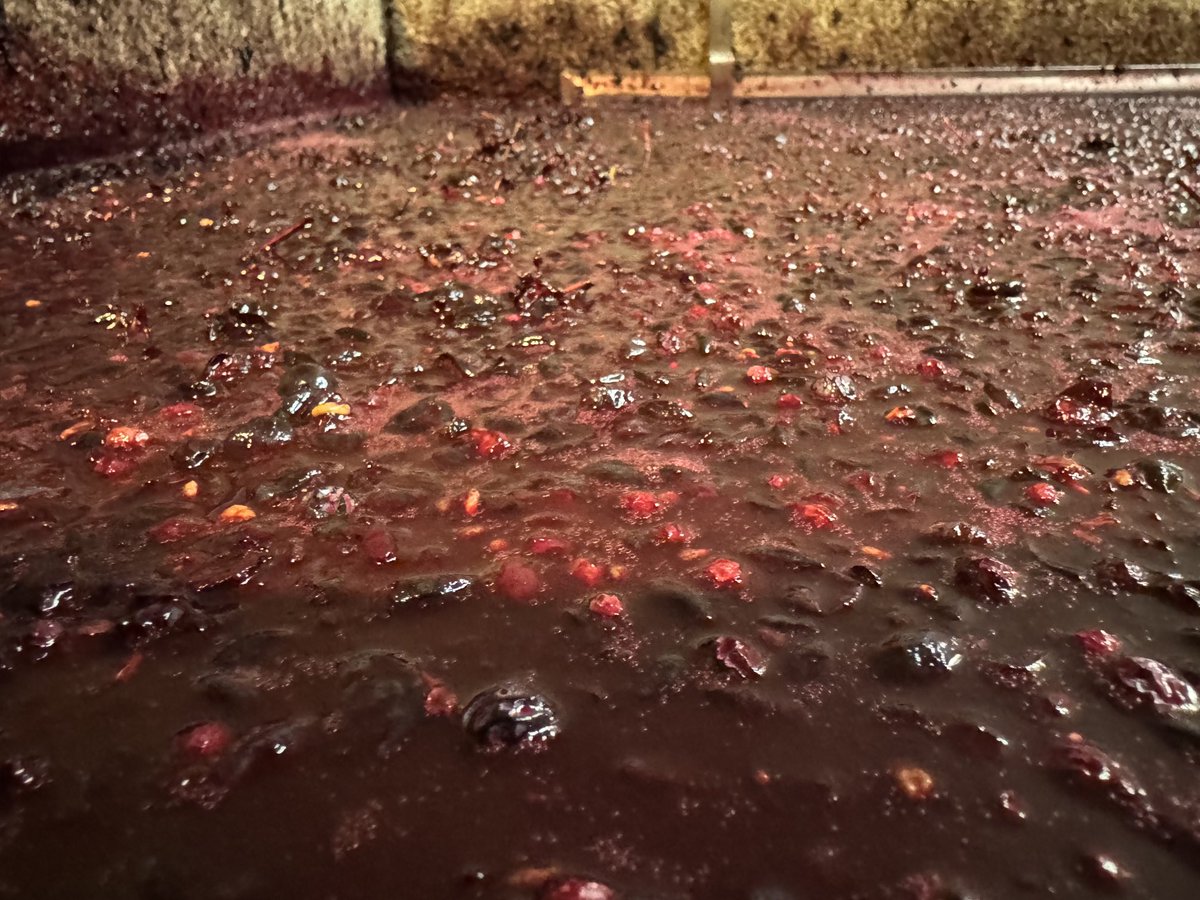
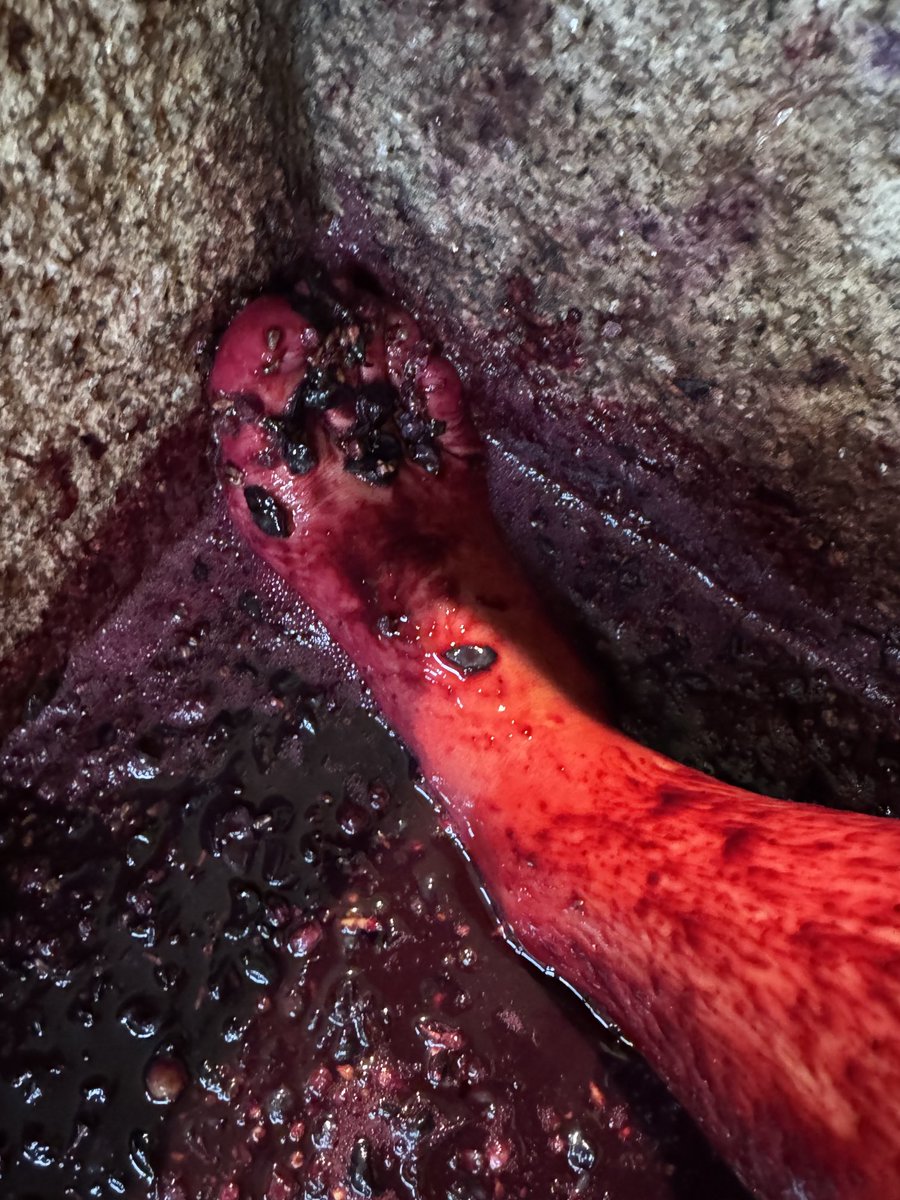
Wine and Bitcoin share something unusual: both become more valuable as supply disappears.
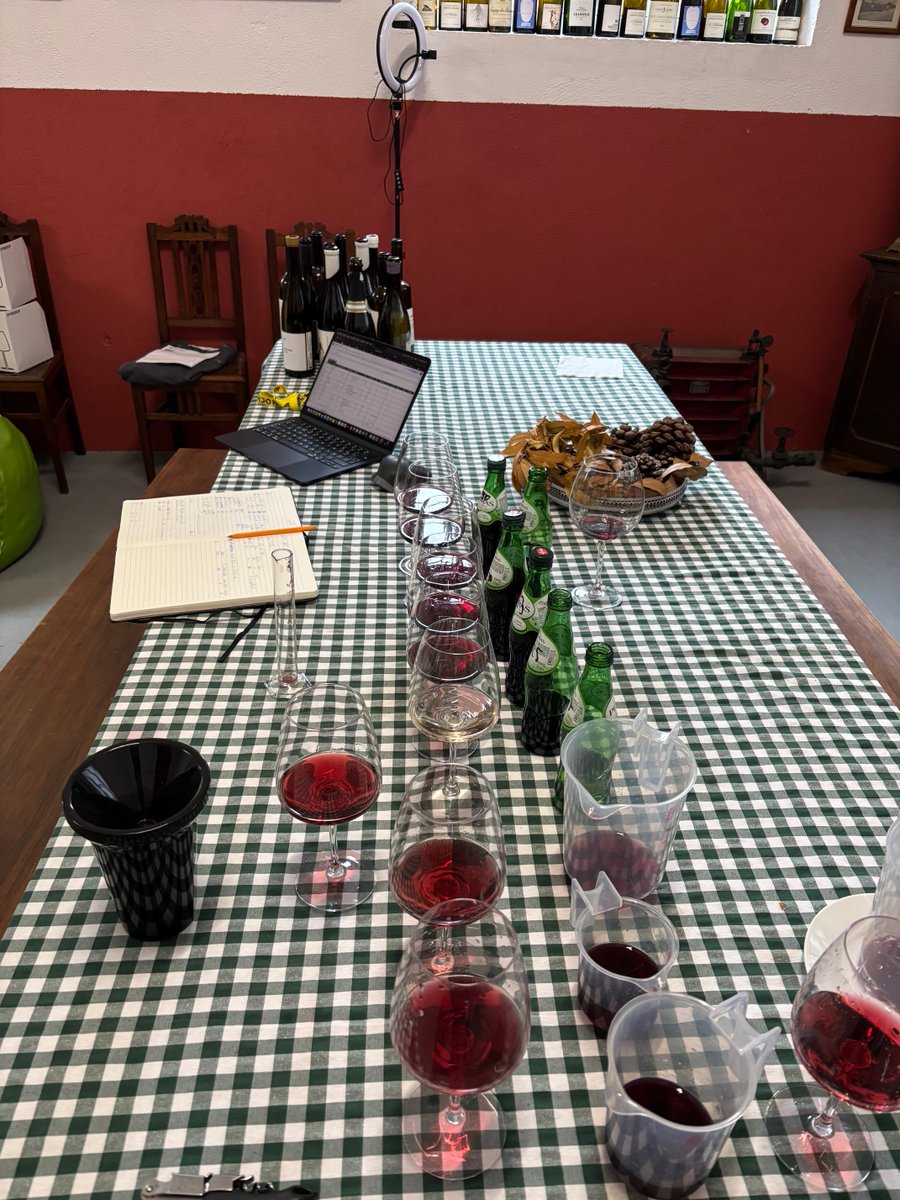
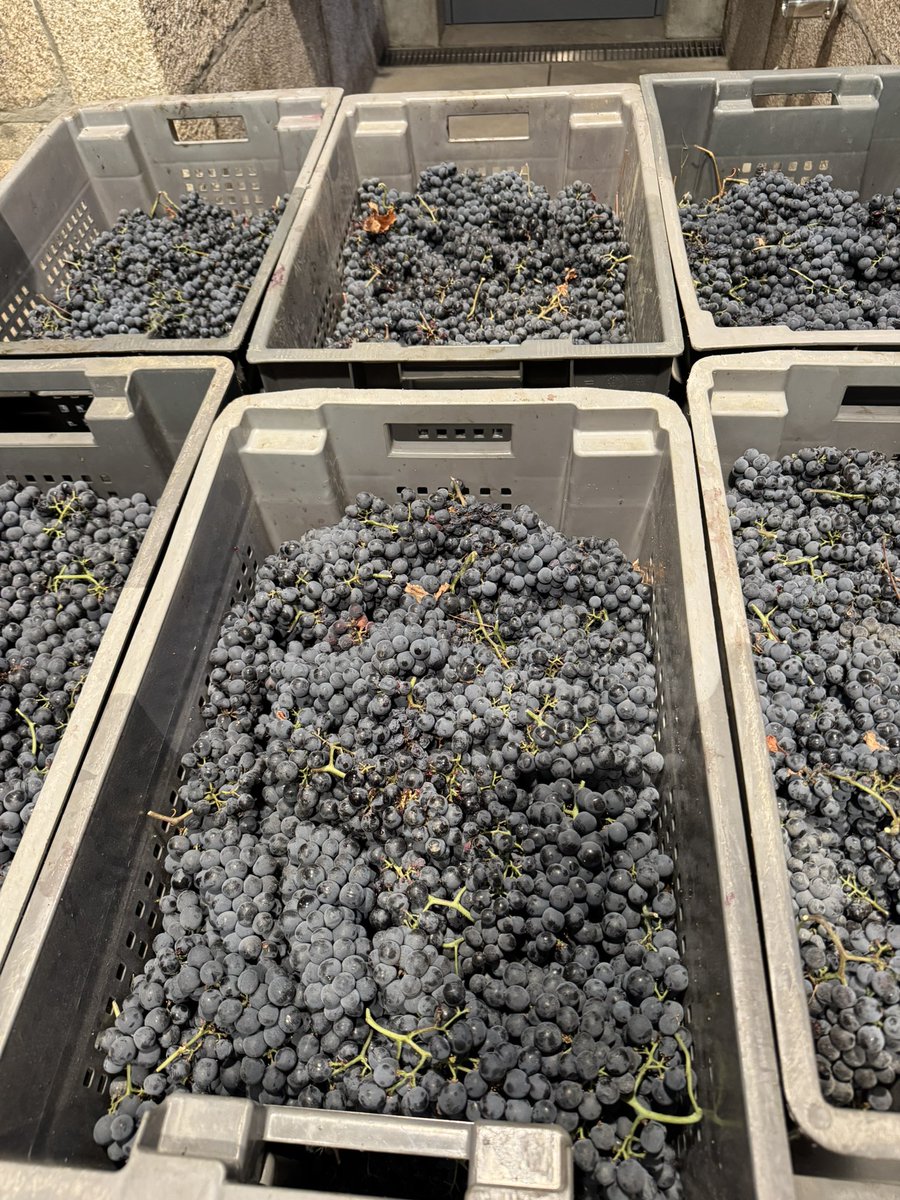
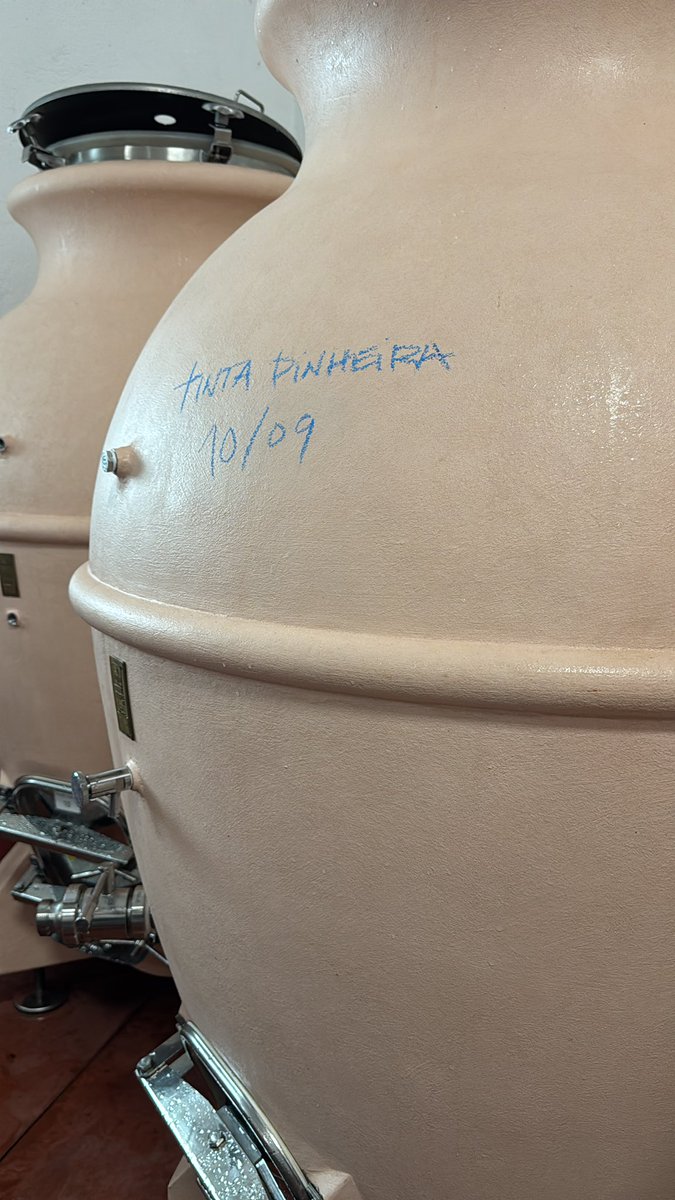
A short thread on time, scarcity, and a small winery in Portugal. 🧵
1
1
60
Jun 11
The Economy of Slow Things — can we help fix Web3?
Everyone's writing the obituary for NFTs. The market crashed, the JPEGs went to zero.
They're half right. What died deserved to die. But the idea underneath it didn't.
Three parts: the problem, a theory, a working implementation. A thesis in a 🧵
3
1
9
Jun 11
@RaoulGMI and @RealVision community: A miserable Spaniard with worse food, (AKA a Portuguese), wrote a theory of why NFTs died and how slow, handcrafted things might fix them.
It involves the wine you already know, a Bitcoin treasury, and paying people to be patient.
The Economy of Slow Things 👇 Tell me where I'm wrong.
1
21
Jun 11
Second: a common problem nowadays: a rebate paid over a decade is a long liability, and a long liability held in melting currency is a hard wall to climb over.
So the reserve must be denominated in the hardest, scarcest asset available: Bitcoin. Not as a bet. As a hedge: a slow liability matched with an asset that cannot be debased.
1
1
17
Jun 11
Hold the full 10 years: you've been rebated ~100% of what you paid, and the bottle still arrives. Perfectle aged,a decade deeper, a decade better.
Funded by the spread we unlocked, not by the next buyer. No debt, ever.
And the reserve: on day one, before a single bottle was sold, the founders put 1 BTC on the balance sheet from their own funds. From there, half of all revenue flows into the Bitcoin treasury.
The reserve preceded the first customer. Every bottle sold only hardens it.
1
1
11
Jun 11
So — can we help fix Web3?
Not all of it. Not everything deserves a token. But where hands make things out of time, the economy of slow things, tokens can finally do what JPEGs pretended to: unlock hidden value, and pay people to be patient.
Wine was our way in. The door is open. 🍷
1
6
Jun 11
But here's the trap — where most "RWA" projects quietly fail.
Stop at these two, and the token adds nothing. A bottle plus an NFT is just… a bottle, plus a picture. The token free-rides on utility the object already had. That's not innovation. It's plumbing. Good for facilitating liquidity in blue chip goods (and that's useful) but again, the brand must already be strong, so what about high value low visibility newcomers?
1
5
Jun 11
Two more tests of honesty.
First: the reserve backing those rebates must exist before the first sale (ideally seeded by the maker's own capital). Skin in the game isn't a slogan; it's the opening entry on the balance sheet.
1
1
8
Jun 11
Notice the inversion. The principal is never returned in cash, the principal IS the object, redeemed at the end, better than when it was bought.
Each sale funds its own rebate from its own margin. No buyer ever pays for another. Time flips sign: from a cost the maker eats to the very thing the holder is paid for.
1
1
8
Jun 11
Be precise about where the spread lives. It's not a just property of handcraft.
Small makers have no leverage against distribution. The layers swallow their margin precisely because they're small. That trapped spread (the difference between what the buyer pays and what the maker keeps) is the wasted value waiting to be unlocked.
Sell direct, on-chain, maker to holder, and the spread is captured. But captured spread alone is just a discount.
Slowness is what turns it into something more: returned to the holder over time, as a rebate of the price they paid, while the object ages in the maker's custody. Not a yield on speculation. Their own money, coming back, as compensation for patience.
1
1
5
Jun 11
So, enter property three: financial utility. The token must do something the naked object cannot.
And now the hard question every honest reader should ask: where does that utility come from? Who pays for it?
If the answer is "the next buyer" congratulations (!), you've rebuilt the pyramid with extra steps.
Here is the one law that separates a real model from a scheme:
A token's financial utility must be funded by a real economic spread the token unlocks — value that already existed but was being wasted — never by new entrants.
No unlocked spread, no honest utility, full stop.
1
5
Jun 11
PART II — THE THEORY
Thesis: a token deserves to exist only when it carries three properties at once and obeys one law about where its value comes from.
Property one: scarcity. Not manufactured ("only 10,000 avatars"), but inherited. The token points to something that cannot be re-made: one place, one season, one set of hands. The chain doesn't create scarcity; it certifies it.
1
5
Jun 11
Property two: real-world utility. The token must redeem for an object you'd want even if blockchains never existed. Not membership, not access, not a story, not someone else's oppinion of it . A thing that exists and has some sort of use.
This gives the token a floor: it can never be worth less than what it redeems for.
1
2
Jun 11
Add the cruelest part: the best of these goods need time. Aging, storage, patience. Think wine, great ham, great cheese! But time ties up capital, and inflation eats the stock while it sleeps.
So makers sell too young, too cheap, too fast. Time, the very thing that creates the value, is treated as the enemy.
1
4
Jun 11
And artisans are seldom distribution savvy... Between maker and consumer sits the machine: 4–5 layers of distribution, each taking a markup. Retail ends up several times the workshop price.
The buyer overpays. The maker keeps a sliver. The spread is swallowed by people who neither made the thing nor love it...
1
7
Jun 11
Meanwhile, in the physical world, a mirror-image problem.
Artisanal producers some good like wine, whisky, watches, small-edition art make scarce, crafted, slow things. And they either spend 3 generations creating a brand out of quality and consistency or the market prices them against commodities from the same category, same craft, same region.
1
5
Jun 11
The value is real but illegible. A handmade object and an industrial one can look identical on a shelf. The difference is in the making, the time, the constraint, none of which the buyer can see, especially in new projects.
Real but value. The artisan's curse.
1
3