
built tools ai infra
Joined March 2010
- Tweets 6,227
- Following 279
- Followers 205
- Likes 305
200 Photos and videos



2h
Everyone is racing to build smarter AI.
I'm more interested in AI that knows when it's wrong.
A model that gets 95% right sounds impressive.
Until you realize the other 5% can quietly destroy trust.
The next frontier isn't intelligence.
It's calibrated uncertainty.
11
3h
The most valuable skill in software used to be coding.
Then it became product thinking.
With AI agents, it might become delegation.
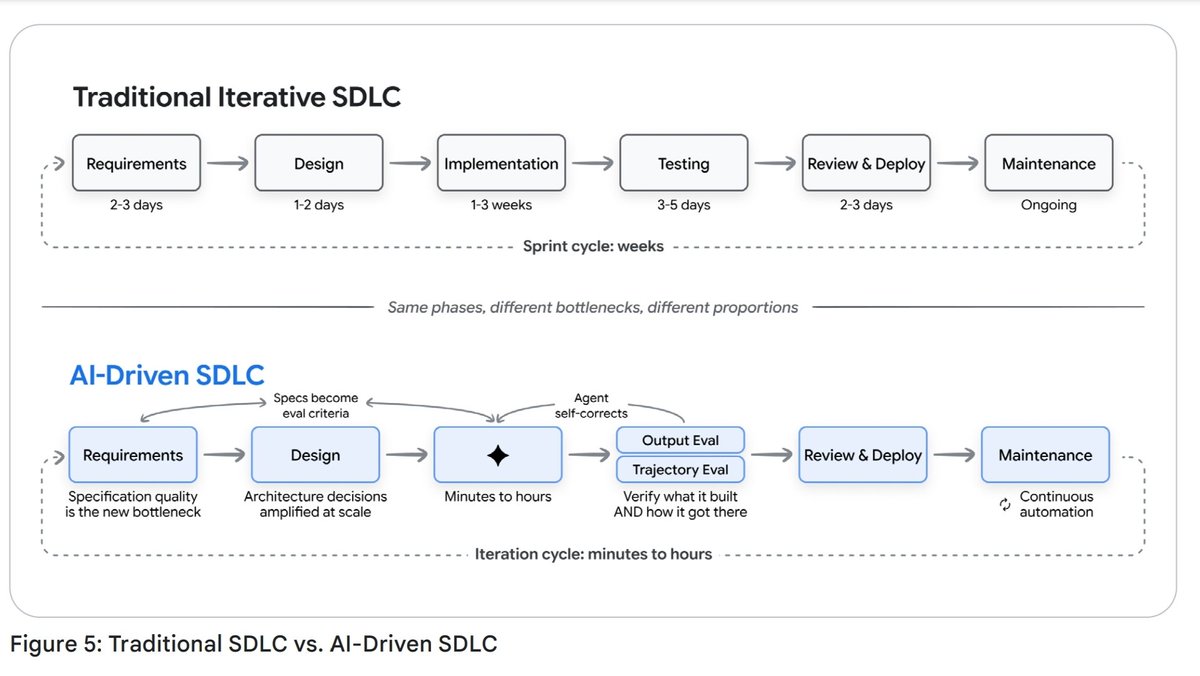
Because the bottleneck is no longer:
"Can we build this?"
It's becoming:
"Can we clearly define what success looks like?"
Bad instructions create bad employees.
Bad goals create bad agents.
9
3h
I think people are underestimating what AI agents will kill.
Not jobs.
Interfaces.
Why open 12 tabs, fill 7 forms, and click 30 buttons...
when an agent can do it for you?
The biggest losers of the agent era may not be workers.
They may be software designed for humans.
12
3h
Context window makin besar.
Tapi agent tetap bisa lupa kenapa dia melakukan sesuatu.
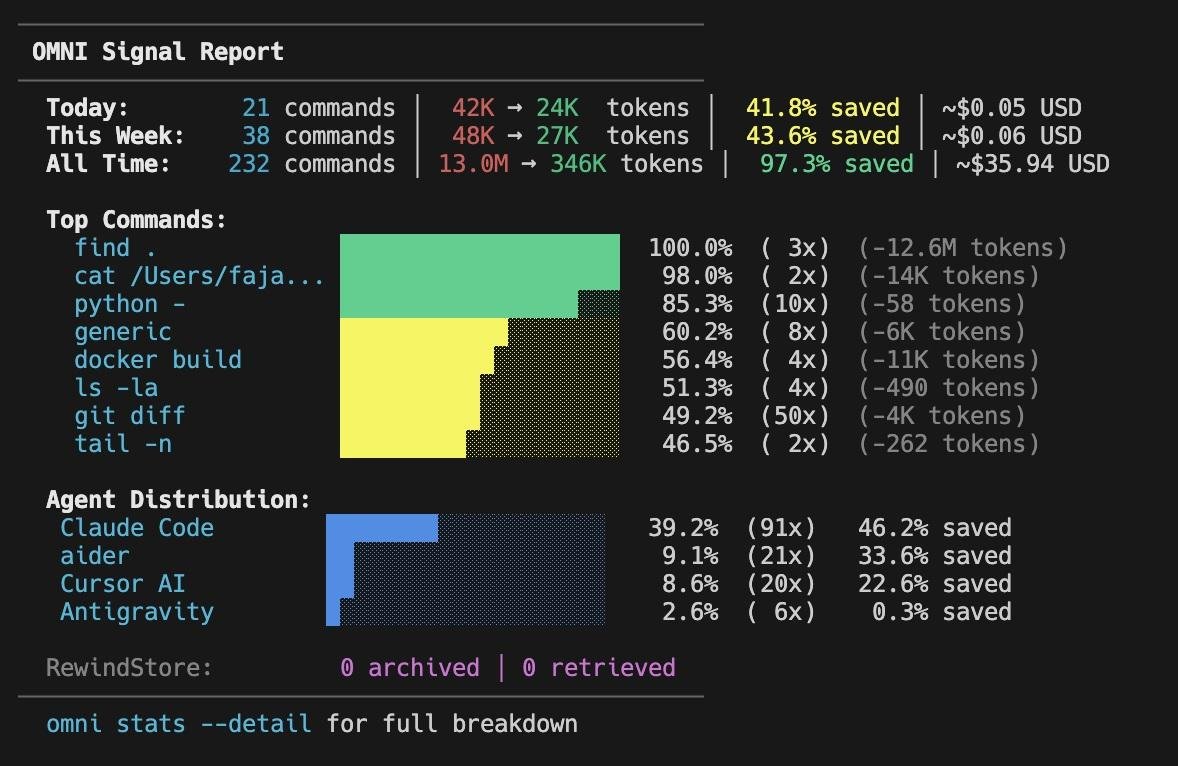
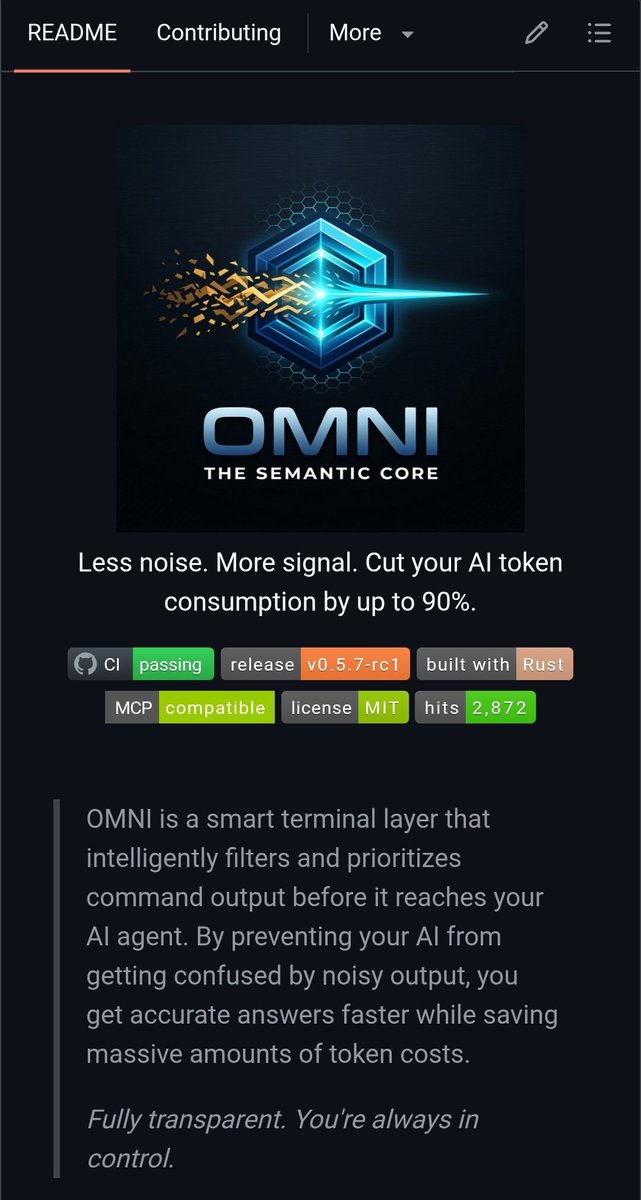
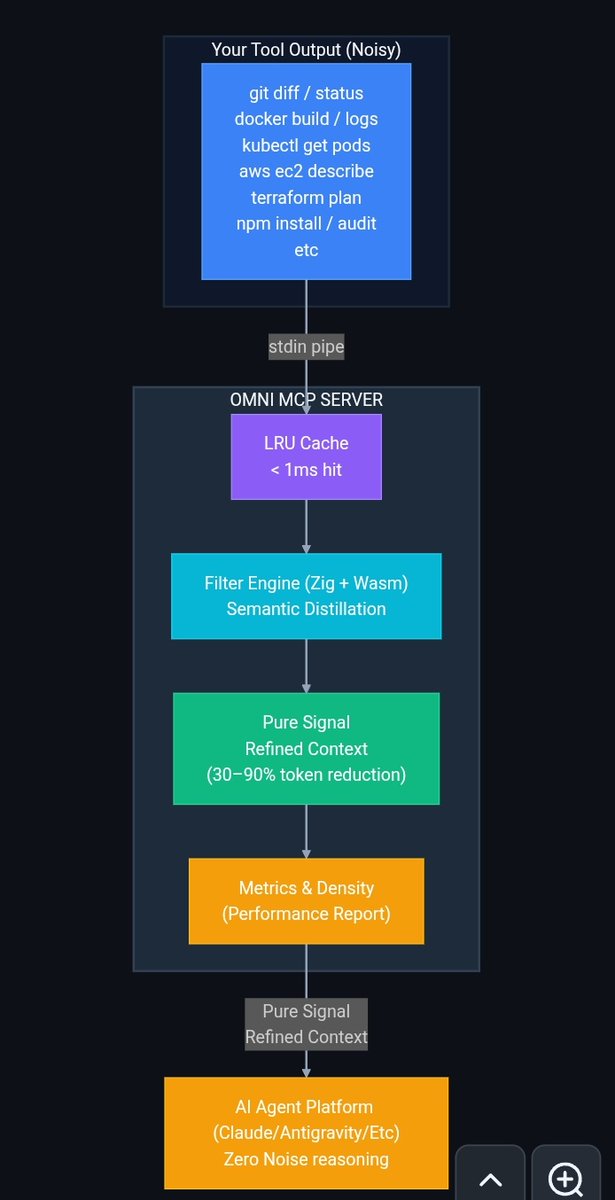
OMNI bukan mencoba memberi agent lebih banyak memori.
OMNI mencoba menjaga agar informasi yang paling penting tetap berada di working memory.
github.com/fajarhide/omni
13
3h
Developers!
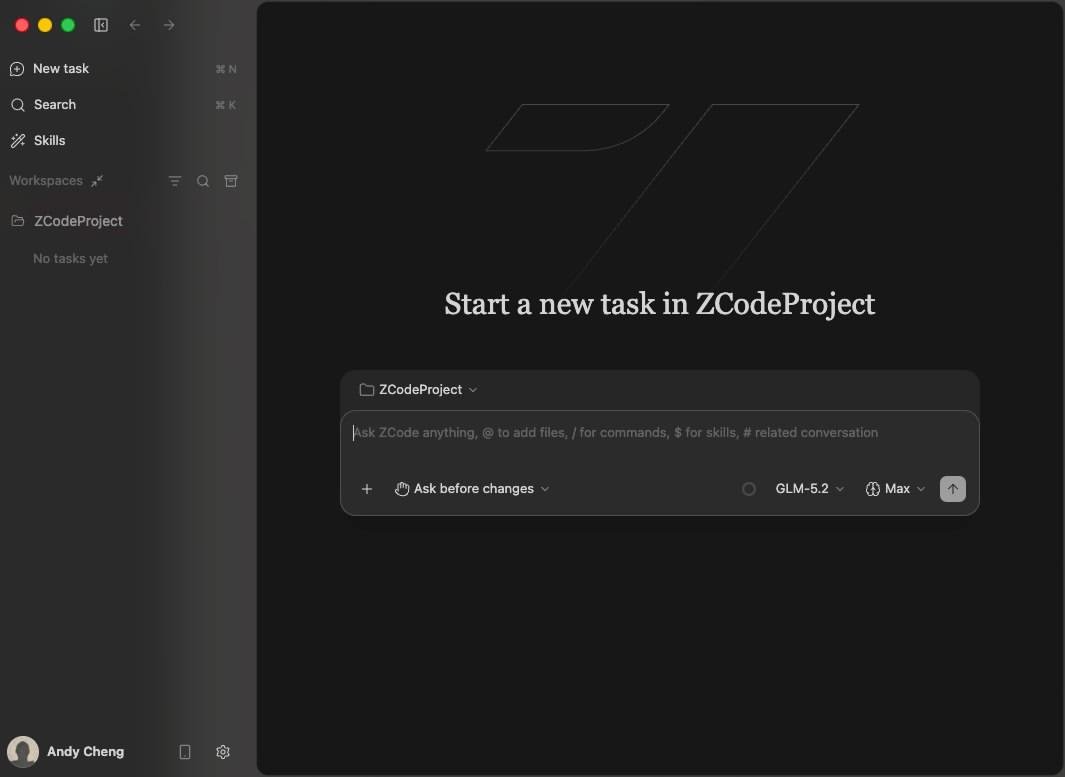
Z AI just dropped GLM-5.2 Max and it's free to try until June 19. They also shipped ZCode, inspired by Codex 😉.
Go ahead and try it now!
zcode.z.ai/en
#zai #agentAI
53
4h
长上下文 ≠ 好记忆。
我发现很多 Agent 在 Context 使用到 60%-70% 时就开始变笨。
不是 Token 用完了。
而是重要信息被噪声稀释了。
Agent 其实还“记得”。
只是已经不知道什么最重要了。
Omni 正在尝试解决这个问题。
#ai #contextmanagement #AIagent
github.com/fajarhide/omni
16
10h
Dulu bottleneck software development itu coding.
Sekarang?
Kadang malah mikir requirement-nya lebih lama daripada bikin fiturnya. 😅
AI bisa generate ribuan baris kode dalam beberapa menit.
Tapi AI masih gak tau soal..
- problem mana yang penting
- trade-off mana yang harus dipilih
- hasilnya udah cukup bagus atau belum
Jadi makin ke sini saya ngerasa coding bukan lagi skill yang paling langka.
Yang makin langka justru judgment.
16
10h
Something clicked for me recently.
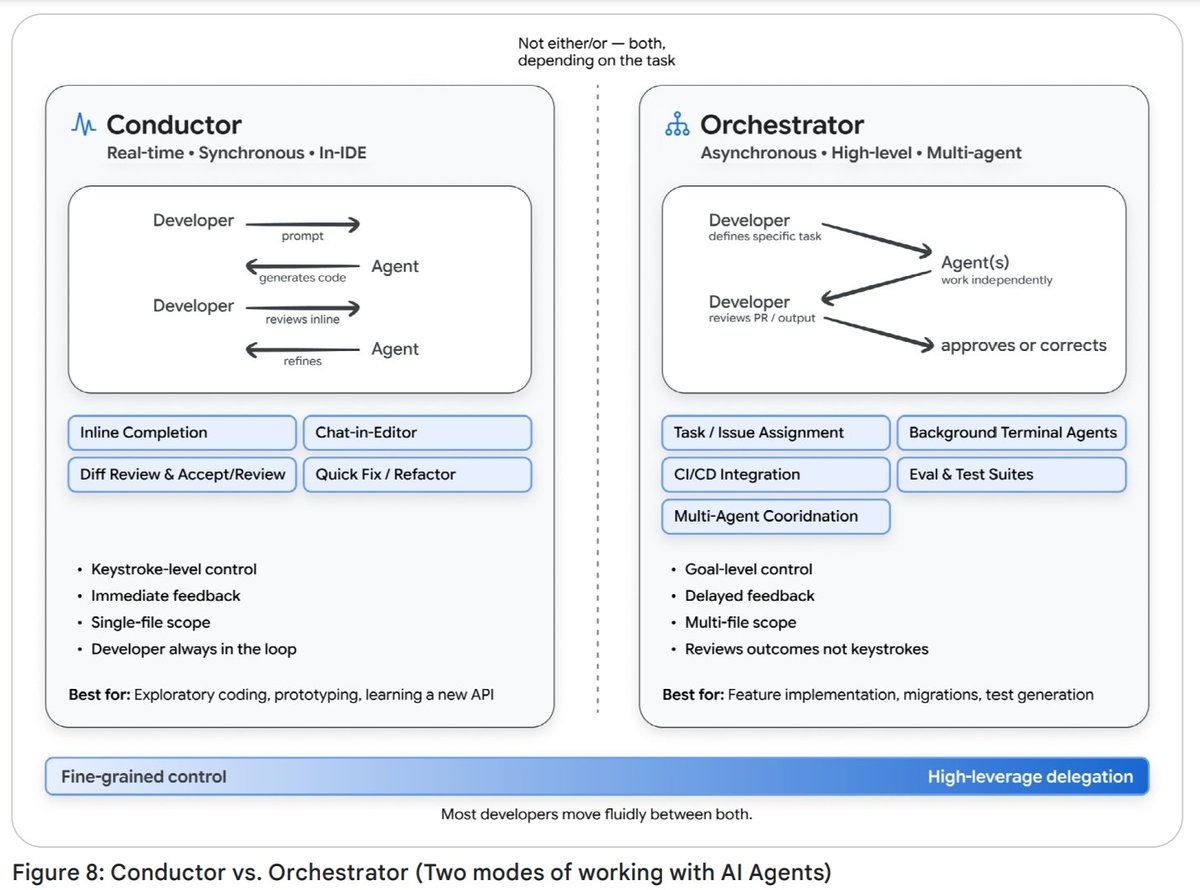
When coding manually, I review every line.
When using AI agents, I review outcomes.
That's a completely different job.
Less:
"How should I implement this?"
More:
"Did we solve the right problem?"
The bottleneck keeps moving up the stack.
1
13
10h
Bayangin 100 org dikasih tools yg sama.
Claude.
Codex.
Cursor.
Bahkan token unlimited.
Kira-kira hasilnya sama?
Enggak.
Ada yg bikin bisnis.
Ada yg bikin side project.
Ada yg bikin fitur yg gak ada yg pake.
Disitu gw sadar.
Masalahnya bukan siapa yg bisa build.
Tapi siapa yg tau apa yg worth dibuild.
Karena di dunia dimana semua org bisa ngoding,
judgment jadi skill paling langka.
32
10h
A few years ago, being technical was a huge founder advantage.
You could build what others could only imagine.
Today?
A solo founder with Claude/Codex can build in a weekend what used to take a team months.
Which raises an uncomfortable question:
If everyone has access to the same AI engineers...
What actually makes you a founder?
Maybe it was never coding.
Maybe it was judgment all along.
27
10h
If Claude/Codex writes everyone's code,
the bottleneck shifts.
From:
"Can you build it?"
To:
"Should you build it?"
That's where founders are made.
Not in code generation.
In judgment, taste, and direction.
1
30
10h
The new startup ecosystem isn't in Silicon Valley.
It's in random comment sections.
Looking to connect with:
→ Founders building
→ AI builders
→ Vibe coders
→ UI/UX designers
→ Anyone shipping faster than they were 6 months ago
If you're building something with AI, drop it below.
Curious what everyone is creating 👇
1
29
11h
Let's connect with people build project OSS to make other people's work easier
13
11h
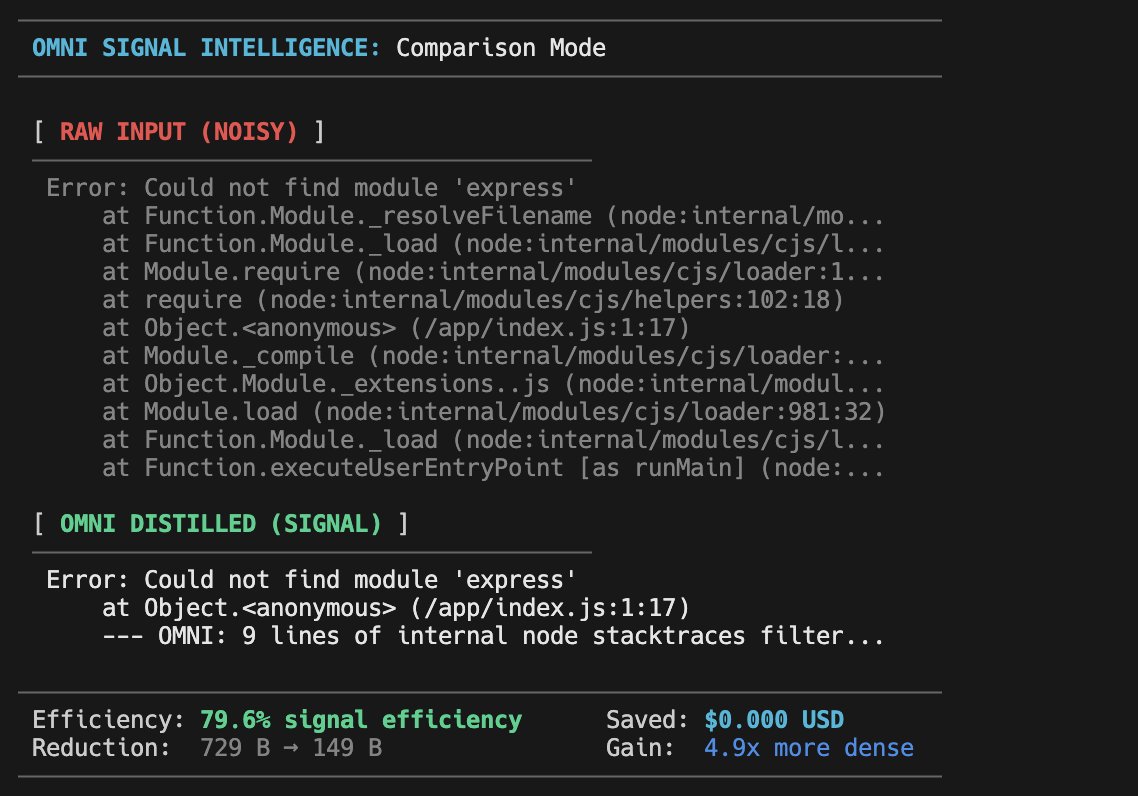
自主 AI Agent 的 Context OS。
将杂乱的终端日志提炼为纯净的语义信号。
减少上下文噪音,降低 Agent 幻觉(Hallucination),
并将 Token 成本最高降低 90%。 🚀
让 AI 不再被海量日志淹没, 而是真正理解什么信息最重要。
#人工智能 #大模型 #软件开发
github.com/fajarhide/omni
23

17h
Long-context isn't the same as good memory.
An AI agent can still "know" the goal, previous decisions, and resolved bugs, yet perform worse because signal gets buried under logs, tool output, and reasoning traces.
Working memory > context size.
@karpathy @bcherny @AndrewYNg
25
18h
Could you help me boost my GitHub project a little? Just open the link and give it a quick star 🙏
githubstarmate.com/u/fajarhi…
1
29

