
Joined April 2023
- Tweets 302
- Following 154
- Followers 507
- Likes 126
181 Photos and videos



FBOXCooling retweeted

Compute is no longer constrained by chips alone. Access to power is dominating the conversation but securing megawatts is not the finish line. The industry has moved from asking who controls the power to asking who can convert it into operational compute capacity
@fboxdata
1
1
1
77

May 21
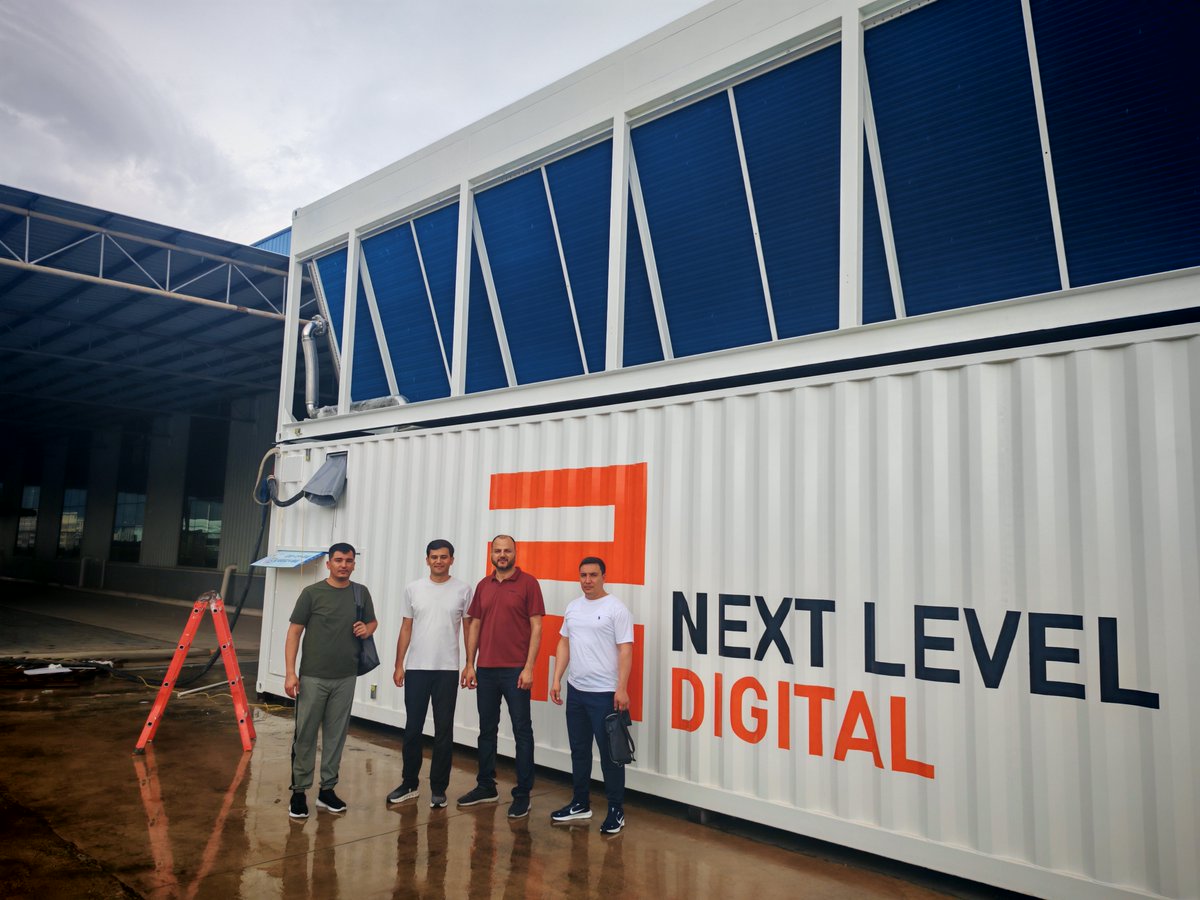
Another H40 Plus 2.4MW deployment is now live in Turkmenistan✌️
FBOX's liquid-cooling solution continues supporting global mining projects with scalable deployment, intelligent management, and reliable performance in harsh environments.
Thanks to our customers for the continued trust and support.
#BitcoinMining #LiquidCooling #MiningInfrastructure #H40Plus
1
69
May 20
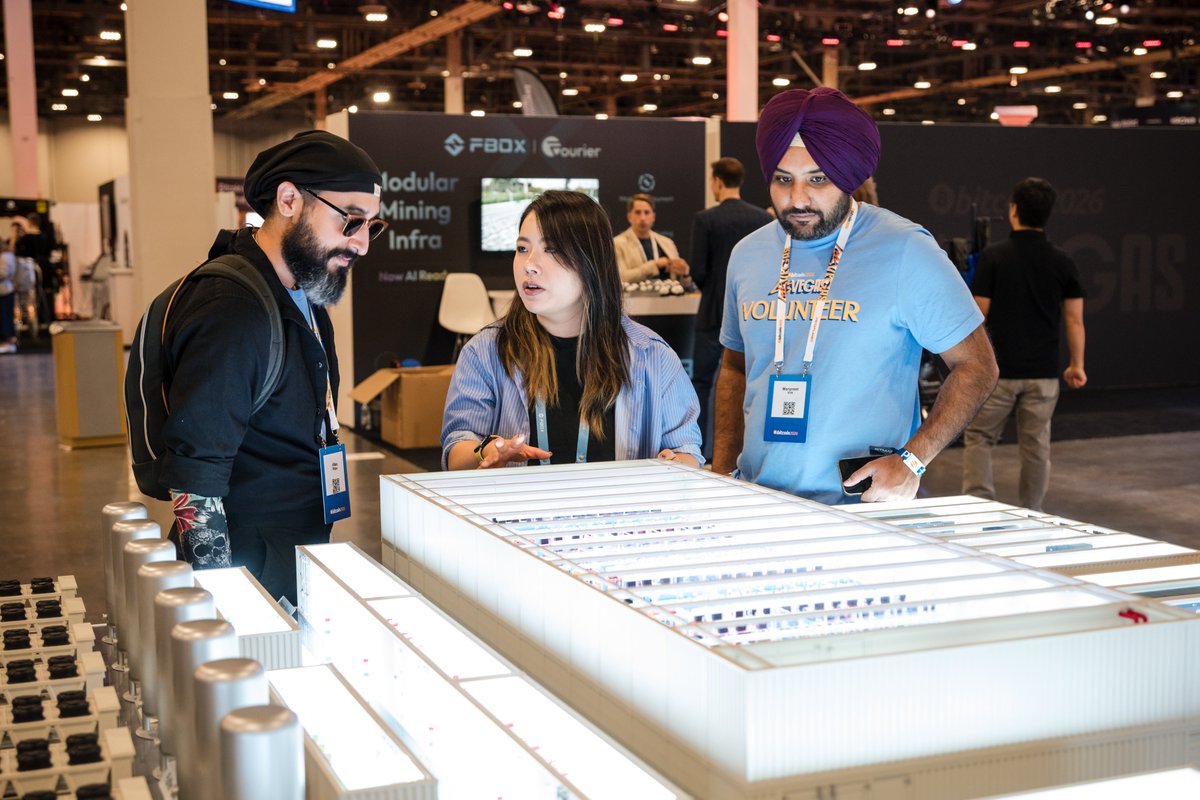
Bitcoin 2026 recap 📸
Thank you to everyone who connected with the FBOX team during the event.
FBOX is opening the possibilities of modular infrastructure at scale for both mining operations and AI data centers.
We look forward to what lies ahead.
#Bitcoin2026 #AIInfrastructure #HPC #DataCenters #CryptoMining #CoolingSolution #EventRecap
youtu.be/GqwTsM47VLE
82
May 8
Bitcoin 2026 — a quick look back📸
Great conversations and strong interest in FBOX and Fourier’s cluster solutions throughout the event.
From mining optimization to AI-ready infrastructure, modular design and efficient cooling were front and center.
Thanks to everyone who stopped by.
#Bitcoin2026 #AIInfrastructure #HPC #ModularDataCenter #CryptoMining #CoolingSolution #IndustryInsights
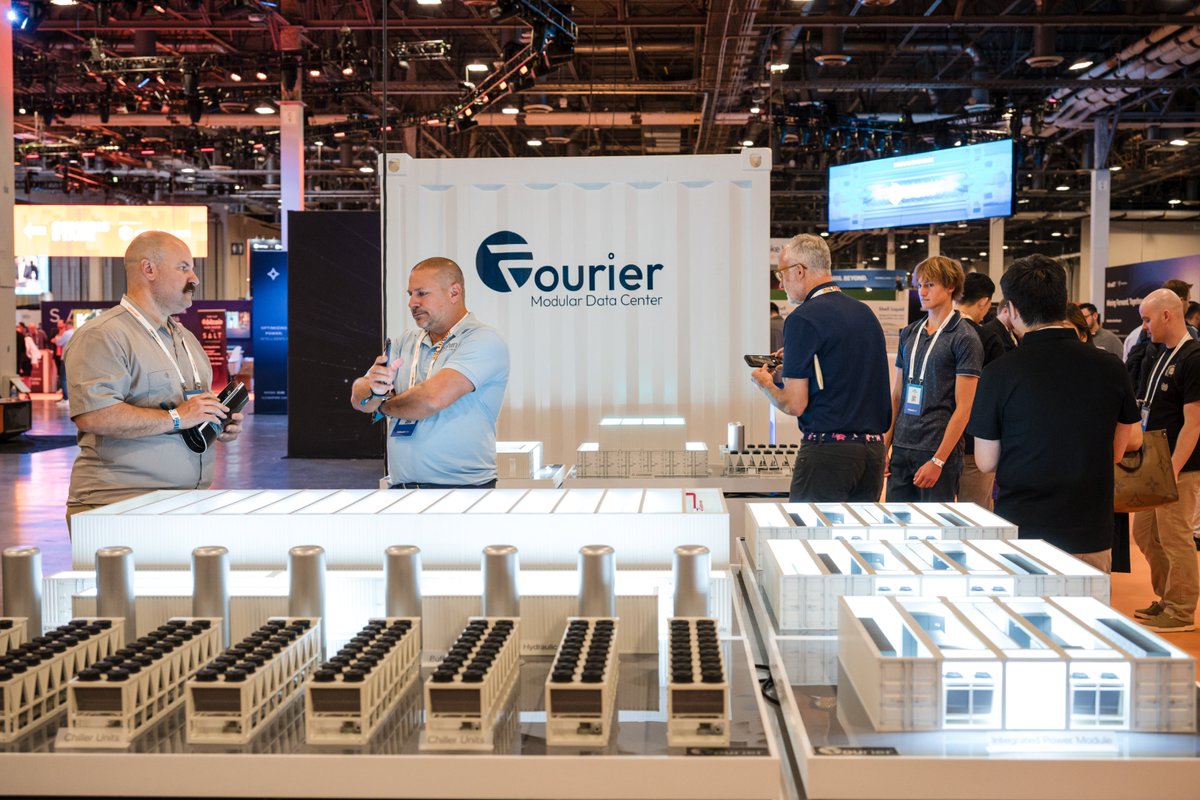
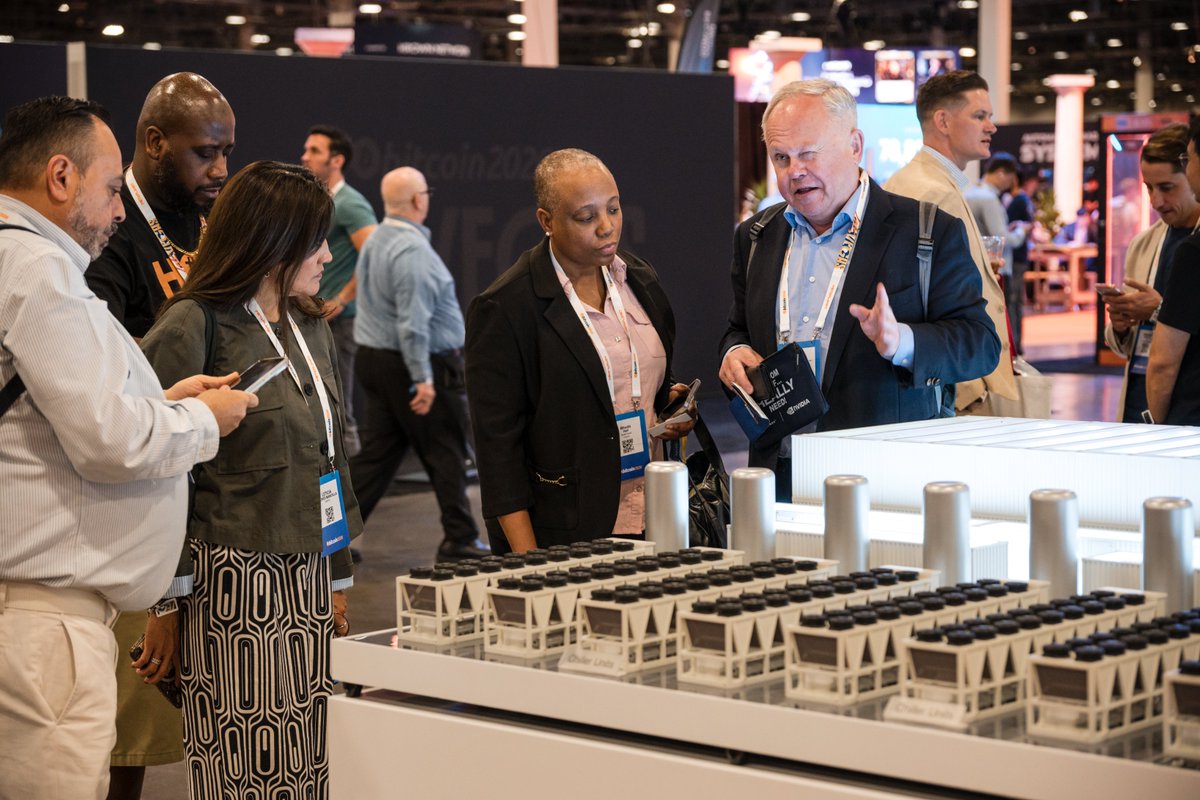
2
92
Apr 29
FBOX and Fourier deliver innovative modular solutions built on 800 MW of global deployment and a 99% uptime record. From mining infra to AI data center, we continue to push the boundary. Thanks for recognition, thrilled to be here!
Apr 29

今年拉斯维加斯的比特币大会确实很凉
唯一看到的亮点就是这个模块化AI数据中心
不得不说华人在产品创新上还是蛮厉害的
如果延续韬光养晦到今天……不敢想
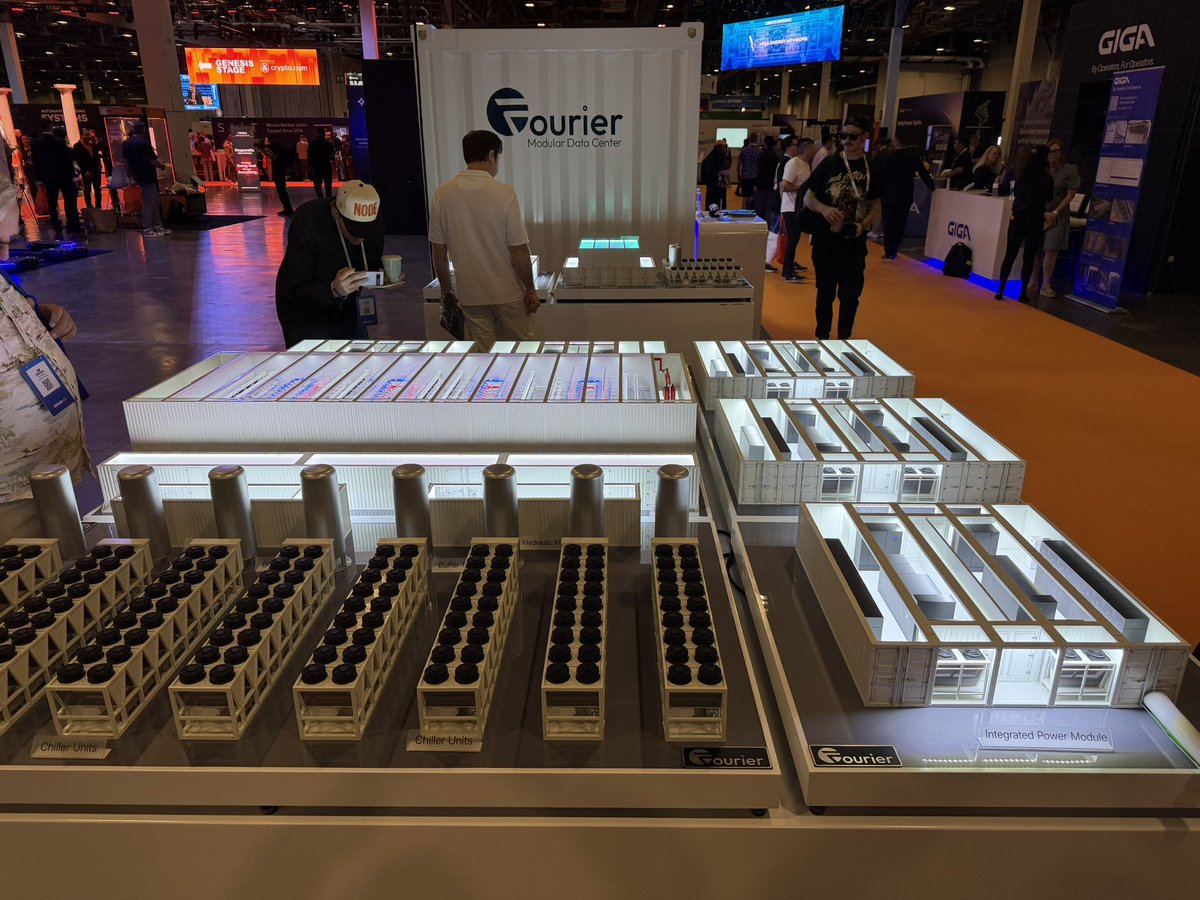
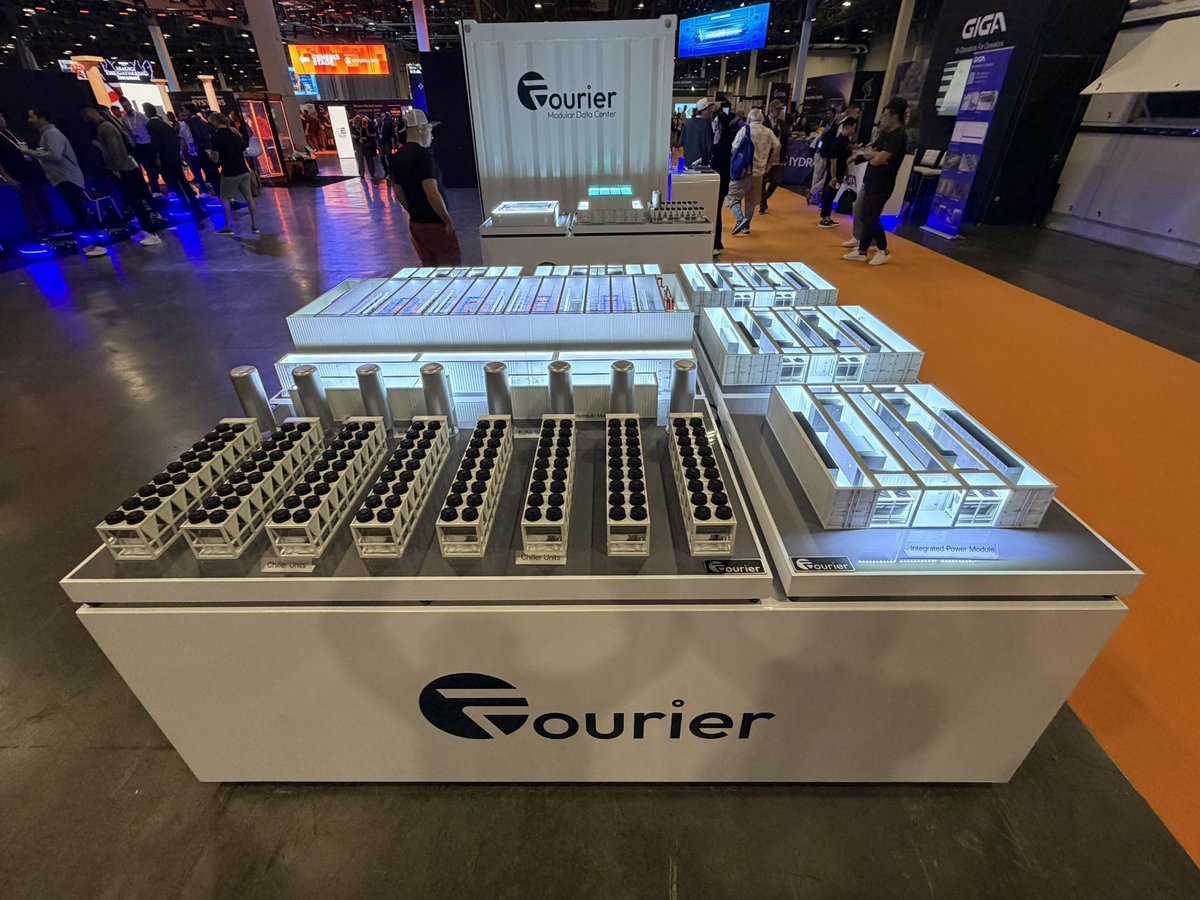
171
Apr 27
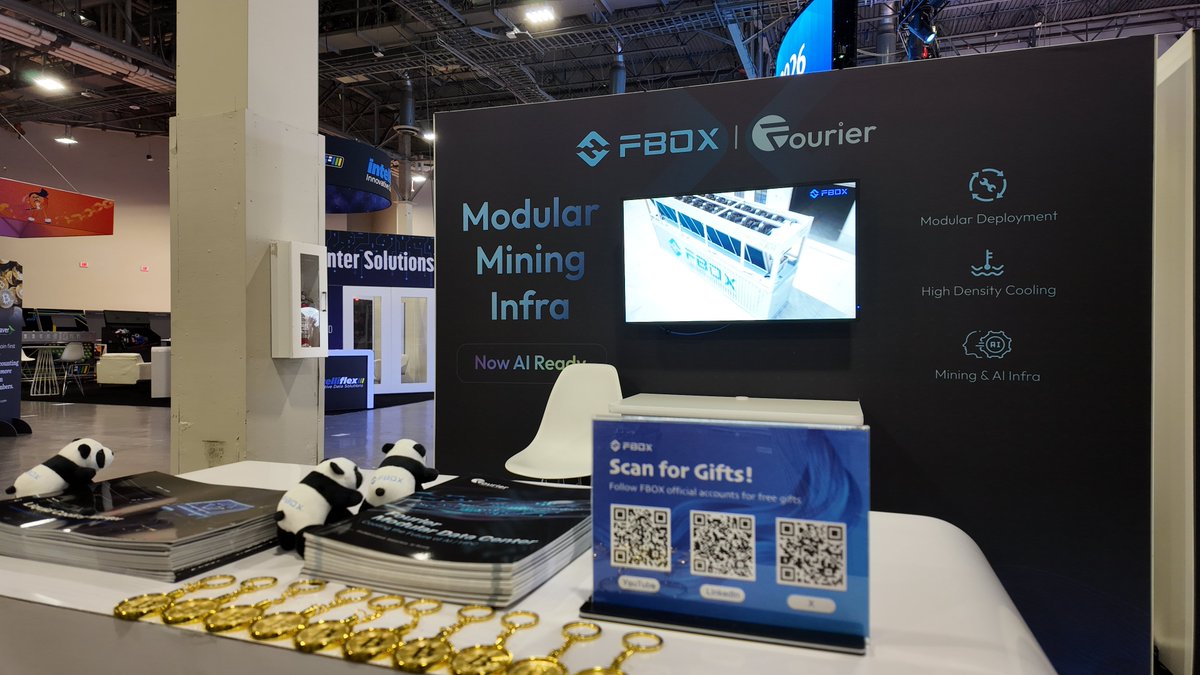
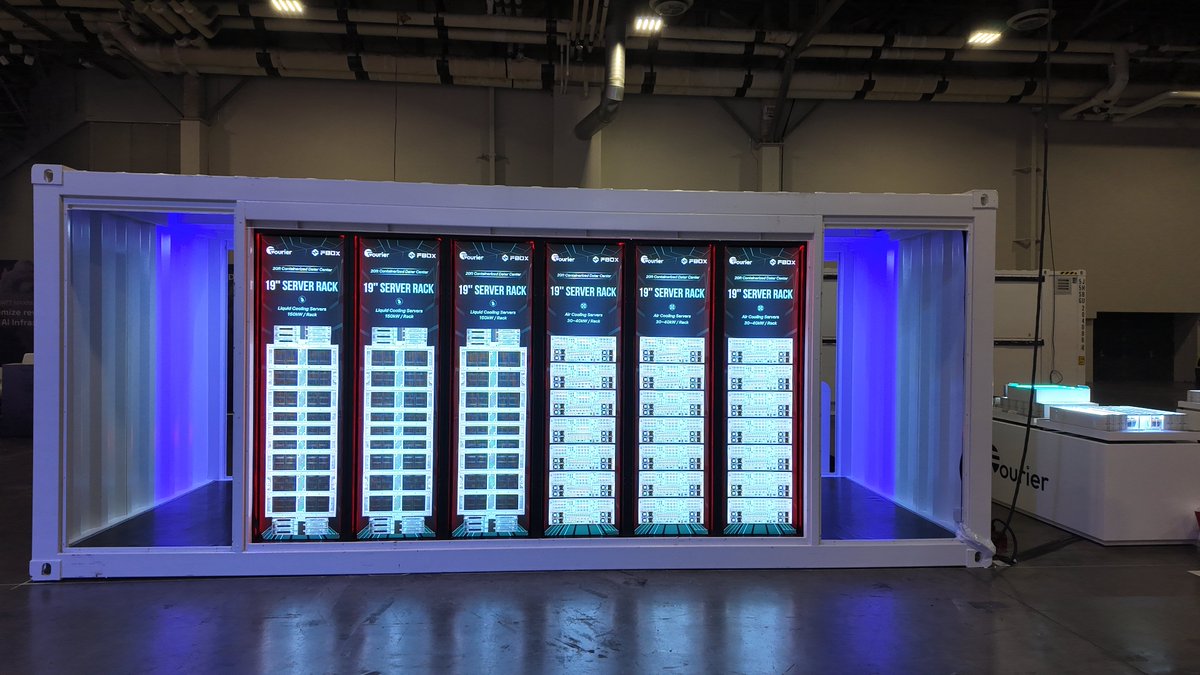
Booth #528 is ready🔥
Everything is in place, from FBOX cluster models to the IT module.
Ready to talk about how modular infrastructure supports the next phase beyond mining.
See you tomorrow.
#Bitcoin2026 #AIInfrastructure #HPC #DataCenters #CryptoMining #CoolingSolution
1
312
Apr 13
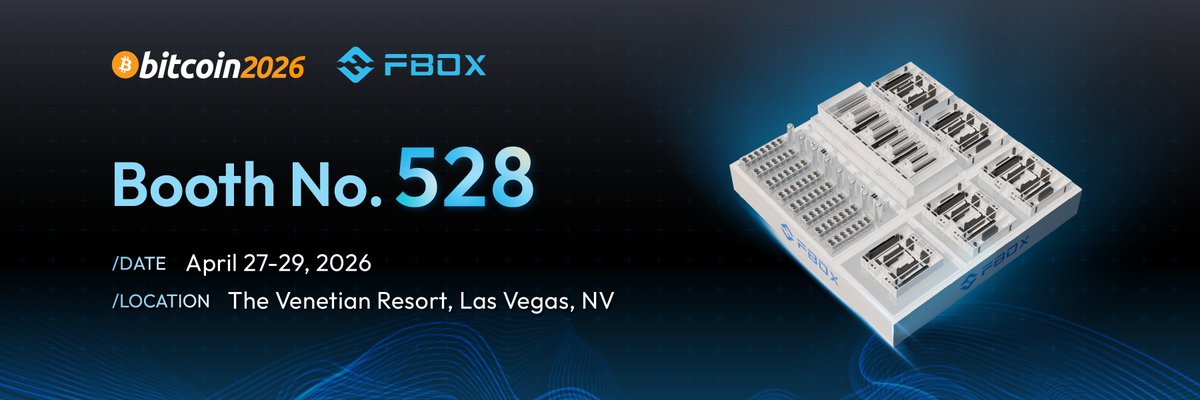
FBOX is heading to @TheBitcoinConf 🚀
📍 Booth #528
Powering modular mining and AI infrastructure with efficient cooling solutions.
Showcasing 10MW & 1.25MW data center cluster models, plus a 20ft IT module.
See you there.
#Bitcoin2026 #AIInfrastructure #HPC #ModularDataCenters #CryptoMining #CoolingSolution
1
191

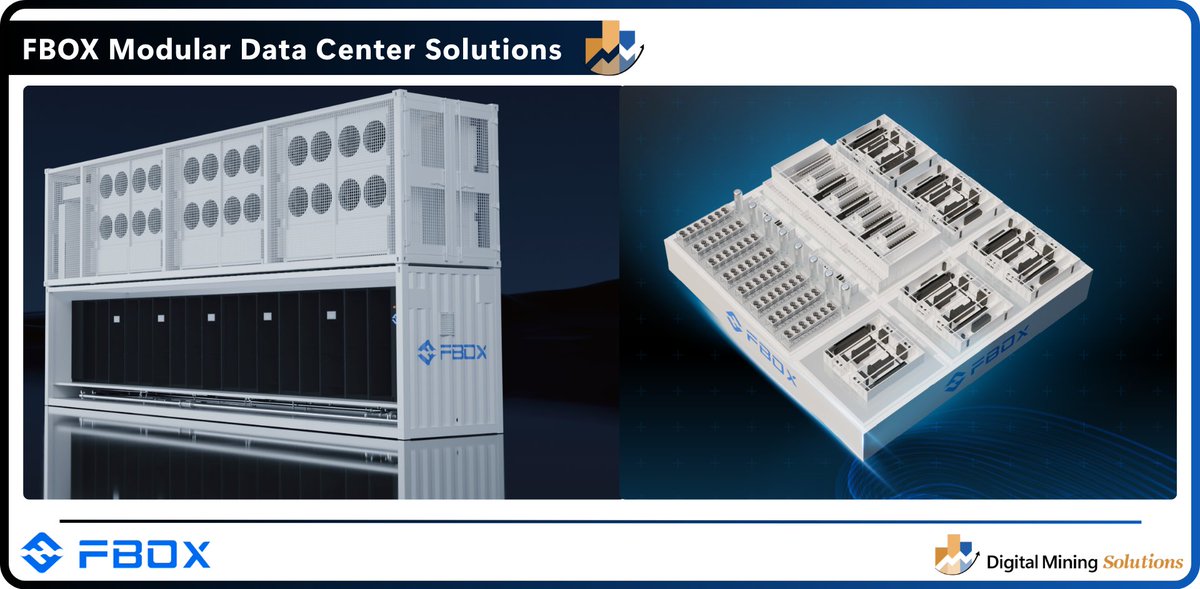
For many Bitcoin mining operators, the real challenge in AI infrastructure is not demand.
It is capital efficiency.
Traditional data center development is CapEx heavy, slow, and inflexible.
Large upfront investments. Multi-year build cycles. Limited room to adjust once deployed.
Modular HPC infrastructure flips that model.
➡️ Capital is deployed in phases, not all upfront
➡️ Capacity scales with real demand, not forecasts
➡️ Time-to-revenue compresses from years into months
➡️ Stranded capital risk drops significantly
Instead of making one large bet, operators can allocate capital step by step and adapt as conditions evolve.
What makes modular deployments powerful is not just speed. It is how they are designed. Containerized, repeatable deployment units. Scalable without large, irreversible commitments.
Infrastructure is no longer a fixed asset. It becomes a system that evolves with the market.
And importantly, this is not a hyperscaler-only game.
The narrative is dominated by massive AI campuses. But the real shift is happening at the edge. Inference workloads are driving demand.
This is where 5–20MW deployments become highly relevant.
And that is exactly where many mining operators already operate today.
Competing in AI infrastructure is not about size. It is about positioning compute where it creates the most value.
Modular deployments turn infrastructure into a capital efficiency engine.
Not by reducing ambition but by aligning capital with reality.
3
2
3
322
Mar 27
21 acres.
2000MW capacity.
One super factory built for mining at scale.
From sheet metal fabrication to full system assembly, FBOX delivers end-to-end cooling solutions.
Watch how it all comes together.
#FBOX #HydroCooling #CryptoMining #H40Plus #Factory
youtu.be/hBGX7dKnqsA
1
127
⚡AI infrastructure is not just a hyperscale game.
One of the biggest misconceptions right now: AI = massive campuses, hyperscalers, billion-dollar builds.
That’s only part of the story.
As AI adoption accelerates, inference is becoming the dominant workload. This is the phase where trained AI models are used to generate real-time outputs.
Inference needs:
🔸 Low latency
🔸 Consistent performance
🔸 Proximity to the end user
This naturally shifts the advantage toward smaller, distributed deployments, not centralized megaprojects.
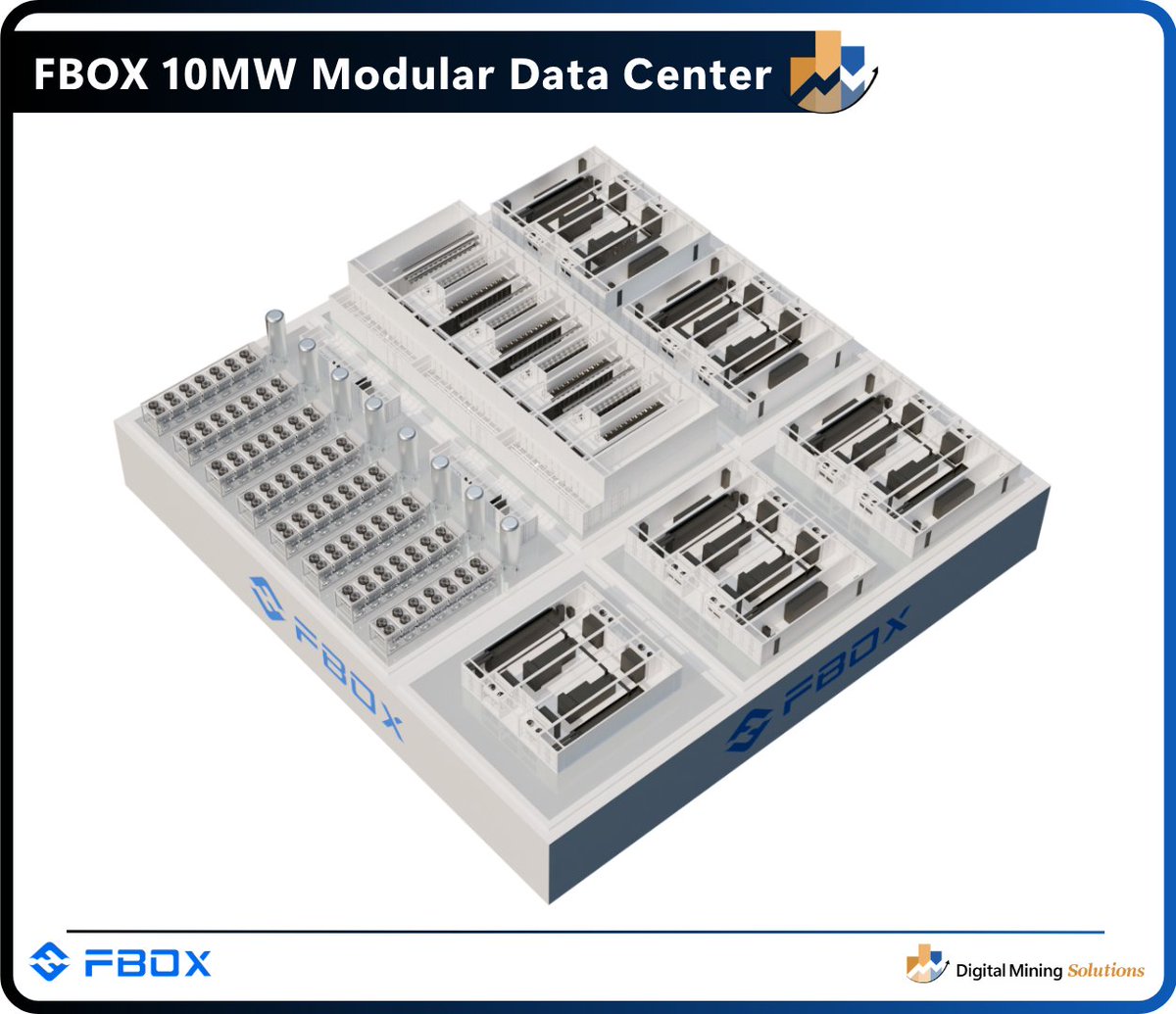
💡 A new model is emerging. Micro data centers in the 5–20 MW range, often:
➡️ Built near existing substations
➡️ Leveraging available grid capacity
➡️ Faster to deploy
➡️ Less constrained by transmission bottlenecks
For mining operators, this is a big unlock. Many existing mining sites already sit in this exact range.
Competing in AI infrastructure is not about size. It’s about placing compute where it creates the most value.
Traditional data centers are capital intensive, slow to build and rigid once deployed.
Modular HPC flips that model as it can be deployed in phases, aligns CapEx with demand, has shorter time-to-revenue and lowers risk of stranded capital.
This creates strategic optionality for miners.
Instead of allocating all capital to ASICs, operators can maintain Bitcoin exposure (baseline cash flow), layer in AI/HPC revenue streams and dynamically allocate capital across compute markets.
Infrastructure is evolving from static to adaptive. So instead of committing all capital upfront, you scale as demand materializes.
It’s a shift in how infrastructure is financed, deployed, and monetized. And it’s opening the door for a new class of operators to compete.
Curious how mining sites can actually transition into this model?
Check out the latest article by @DigMinSolutions, brought to you by @fboxdata 🤝
🔗digitalminingsolutions.tech/…
2
3
234
Curious how @fboxdata solves this challenge? Check out our latest article 🔗digitalminingsolutions.tech/…
2
2
213
Bitcoin mining has become the gateway to AI and high-performance computing, yet this shift is creating one of the biggest infrastructure challenges the industry has faced.
For over a decade, miners have learned how to secure power, deploy modular infrastructure fast, and operate energy-intensive systems under volatile market conditions.
Now AI is colliding with that infrastructure.
As AI and HPC workloads accelerate global demand for compute, many mining operators are evolving into multi-purpose compute providers.
Mining is no longer just about securing the Bitcoin network. It is becoming the entry point into a broader digital infrastructure stack.
👉 🧩 And this is where the real challenge begins.
Bitcoin mining is uniquely positioned as an entry layer into digital infrastructure because it tolerates imperfection.
It can run where power quality fluctuates, connectivity is limited, and cooling is basic but scalable.
That flexibility is exactly why mining thrives in stranded energy regions.
In infrastructure terms, mining is the gateway compute layer: fast to deploy, modular by design, and forgiving by nature.
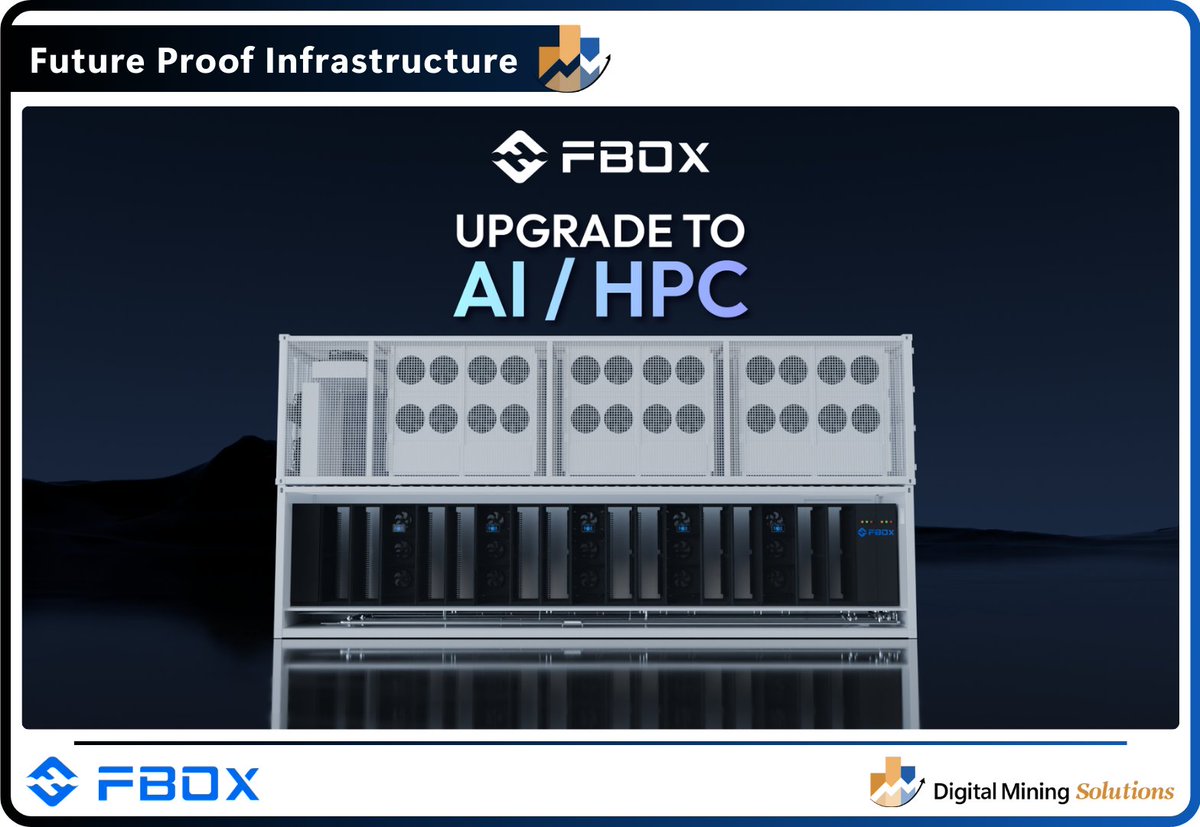
🚨 But not every mining site is ready to upgrade to AI/HPC.
One of the biggest misconceptions in the market is that any mining facility can simply be “converted” into AI or HPC infrastructure.
In reality, most sites were never designed for GPU-dense workloads.
Operators quickly run into hard limits: inadequate cooling systems, power distribution without redundancy, networking that was never built for low-latency workloads, and containers optimized only for ASIC form factors.
At that point, the choice is brutal: tear down and rebuild, or accept inefficiencies that kill AI economics.
💡 This is why the conversation is shifting from conversion to design foresight.
The most competitive operators are not asking if they will pivot into AI/HPC. They are asking how early they should design for it.
The winning strategy is not replacing mining. It is embedding optionality from day one:
🔸 Power systems that can scale from ASIC loads to GPU clusters
🔸 Adaptable cooling architectures
🔸 Containers that support multiple types of compute, and modular designs that preserve future density.
The convergence of Bitcoin mining and AI/HPC is not a temporary narrative.
It is a structural shift in how digital infrastructure is built and monetized. The infrastructure decisions operators make today will define their optionality tomorrow.
@fboxdata @DigMinSolutions
1
2
2
251
Feb 10
AI workloads are reshaping compute infrastructure. Flexibility matters.
FBOX empowers operators to develop existing crypto mining sites into AI/HPC clusters or to deploy mining sites with a clear path to AI expansion. Flexible and scalable, FBOX solutions unlock long-term value by enabling mining sites to evolve into strategic AI/HPC data centers for future AI demand.
#FBOX #AI #HPC #DataCenter #ModularDesign
1
148

Jan 9
🚀FBOX has launched the Online Work Order feature!
Customers can now submit work orders on the FBOX website to report issues, request assistance, and track progress — all in one centralized system.
👉Get started here:
fbox.tech/workOrder
#FBOX #WorkOrder #AfterSalesService
111
25 Dec 2025
Merry Christmas🎅
We extend our heartfelt gratitude to all our valued clients and partners. Your trust and collaboration made this year truly special.
FBOX is ready for a 2026 filled with new possibilities.
Wish everyone a New Year marked by growth, happiness, and success!
2
120
16 Dec 2025
Client support drives our continued progress.
Our A40 Air Cooling Containers perform reliably in harsh weather conditions. ❄️
FBOX adapts while you keep hashing.
#AirCooling #A40 #Bitcoin #Mining
1
153
FBOXCooling retweeted

2 Dec 2025
𝑴𝑬𝑴𝑩𝑬𝑹 𝑬𝑿𝑪𝑳𝑼𝑺𝑰𝑽𝑬: @fboxdata, @foremanmining, and @THIENERGY are briefing TBC members today on the technology shaping the next wave of energy infrastructure.
Become a member and join the call → texasblockchaincouncil.org/m…

1
292