A platform for illuminating academic papers. We annotate and share a paper every week. Save, annotate and share papers with anyone: fermatslibrary.com/margins
Joined September 2015
- Tweets 3,854
- Following 4
- Followers 790,804
- Likes 172
3,347 Photos and videos
Pinned Tweet

28 Sep 2018
We launched Margins
A free online repository where you can
📝 Save and annotate your papers
🗣 Share papers and collaborate with anyone
💻 Annotate using LaTeX, Code, Markdown and more
fermatslibrary.com/margins
369
1,031
4,729
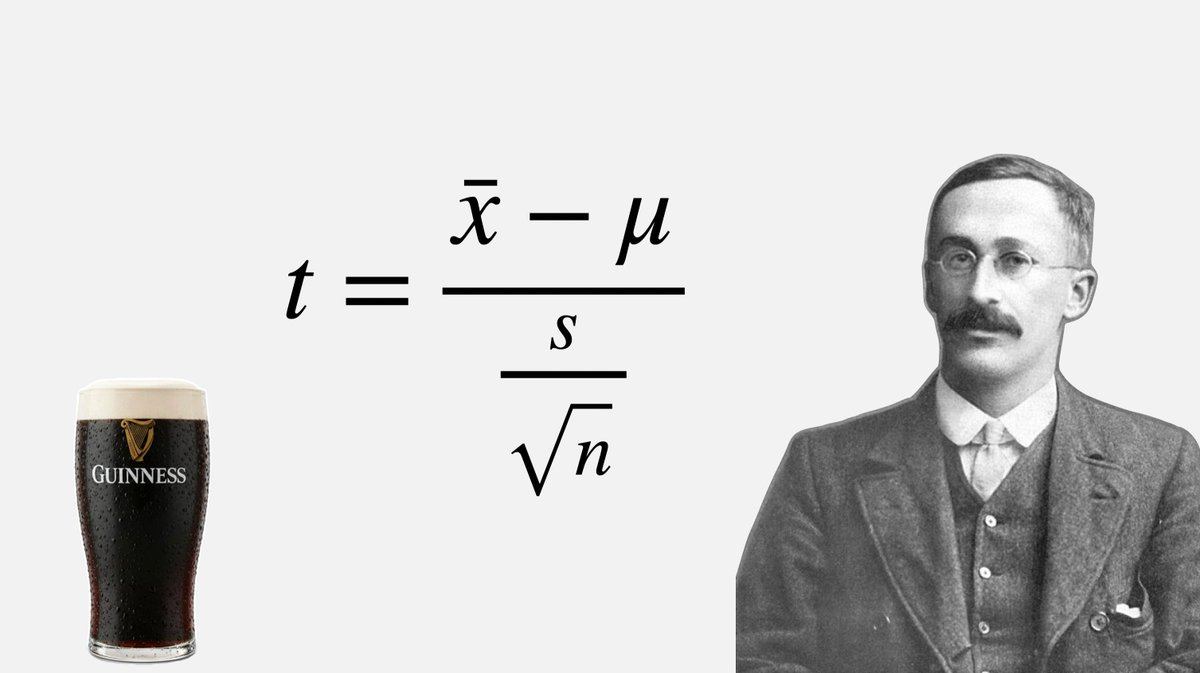
On this day 150 years ago William Sealy Gosset was born. He spent his whole career as a brewer at Guinness, working on a problem the textbooks ignored: how to draw conclusions from tiny samples, like four plots of barley or a handful of hops. The statistics of the day assumed large samples so Gosset invented the statistics of small ones.
Guinness barred its employees from publishing after one of them leaked trade secrets, and did not want competitors knowing it used science to brew beer so when Gosset published his method in 1908 he signed it with a pseudonym: Student.
Every clinical trial, lab experiment and A/B test that runs a t-test today is using the work of Student. The most famous name in statistics is a fake one.
9
135
630
45,212
Jun 12
FUN FACT
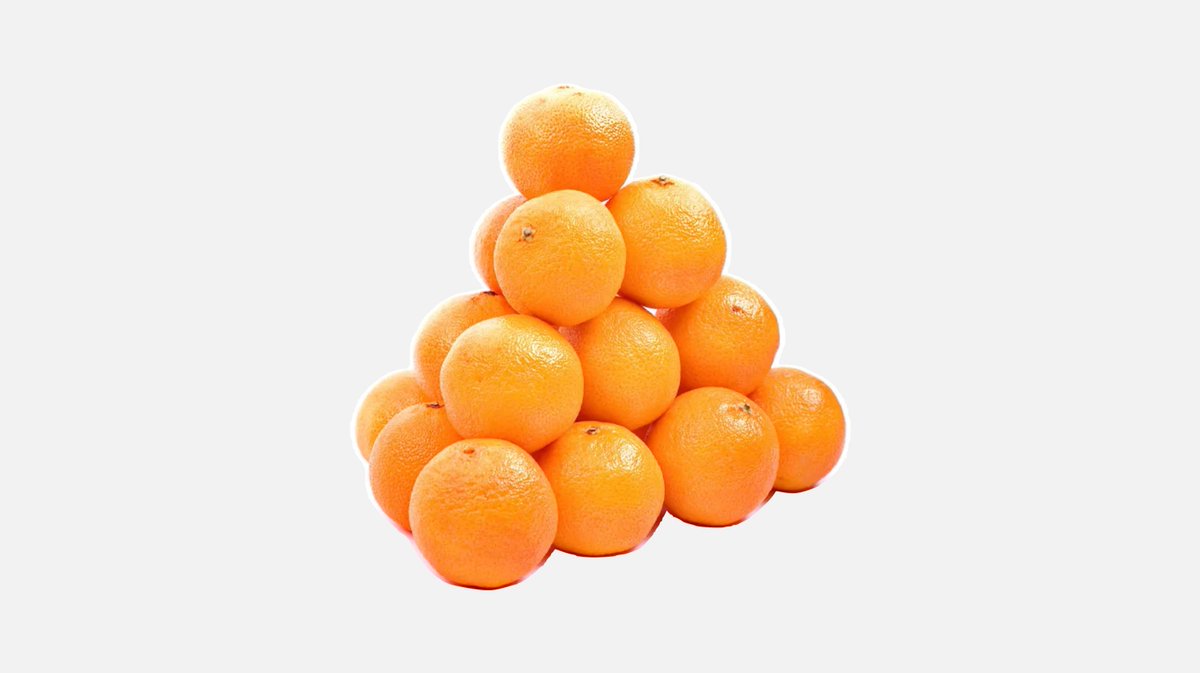
In 1611 Kepler conjectured that the densest way to stack spheres is the pyramid arrangement greengrocers use for oranges.
It took 387 years to prove. Thomas Hales' 1998 proof was so massive that referees spent 4 years on it and could only certify they were "99% certain" it was correct. Hales spent the next decade building a formal proof, machine-verified line by line. It finished in 2014.
10
86
650
46,575
Jun 12
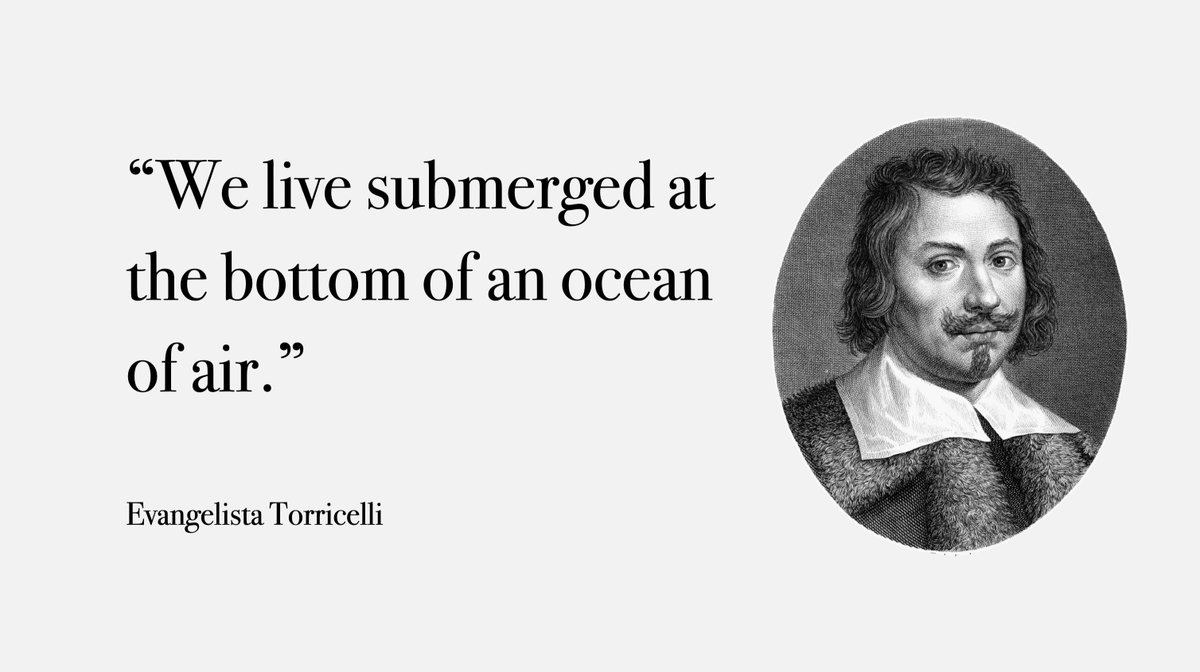
On this day 382 years ago Evangelista Torricelli described an experiment in a letter to a friend. Fill a meter-long glass tube with mercury, close it, flip it into a basin of mercury. The column falls to 76 cm. Always 76 cm. The gap above the mercury was the first vacuum ever made, something Aristotle had called impossible. Torricelli explained what holds the column up:
"We live submerged at the bottom of an ocean of the element air, which by unquestioned experiments is known to have weight."
The mercury is not pulled from above. It is pushed from below by the weight of the atmosphere on the basin. One page, two revolutions: vacuums exist, and air is an ocean with us at the bottom. Four years later Pascal had a barometer carried up a mountain and watched the column drop.
12
106
662
36,993
Jun 11
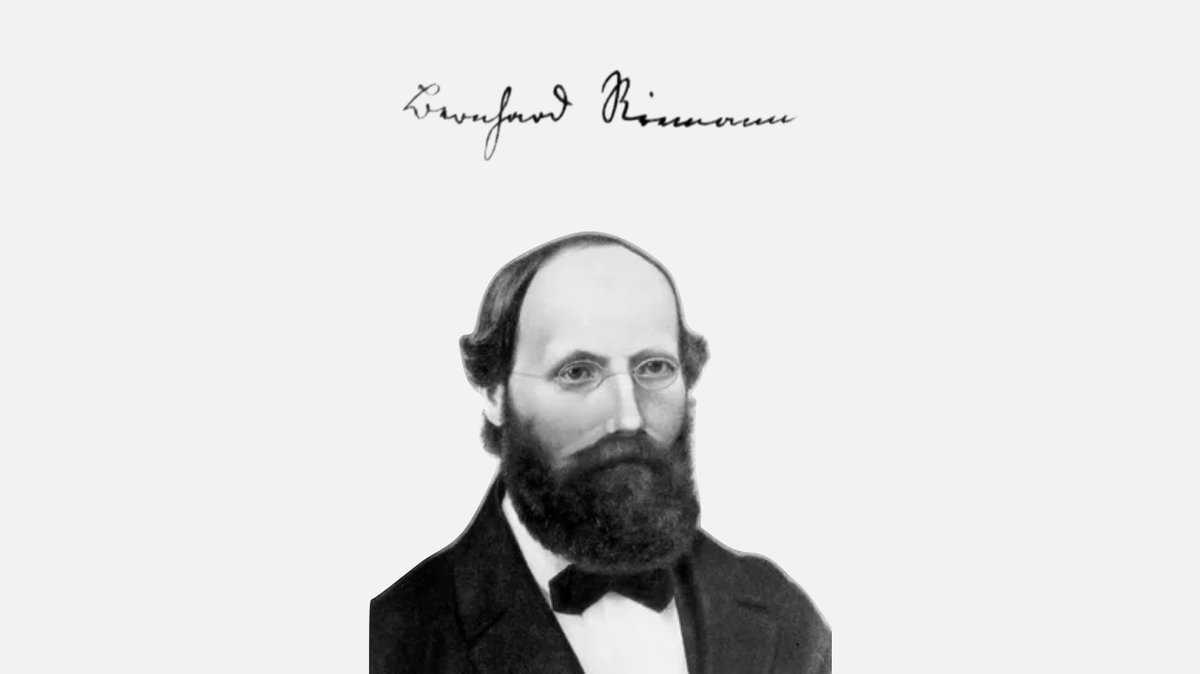
In 1854, 27-year-old Riemann had to give a public lecture to qualify as a professor at Göttingen.
Custom was to propose three topics; examiners almost always chose the first. His examiner was Gauss, who broke convention and picked the third - the one Riemann had barely prepared: the foundations of geometry.
The audience was the philosophy faculty, so Riemann used almost no formulas. In plain prose, he argued that the geometry of space is not given in advance - space could be curved, and only measurement can decide.
Gauss, famously impossible to impress, walked home praising the lecture. It was published only after Riemann's death at 39. Sixty-one years after the lecture, Einstein needed exactly that mathematics to write general relativity.
28
127
985
57,273
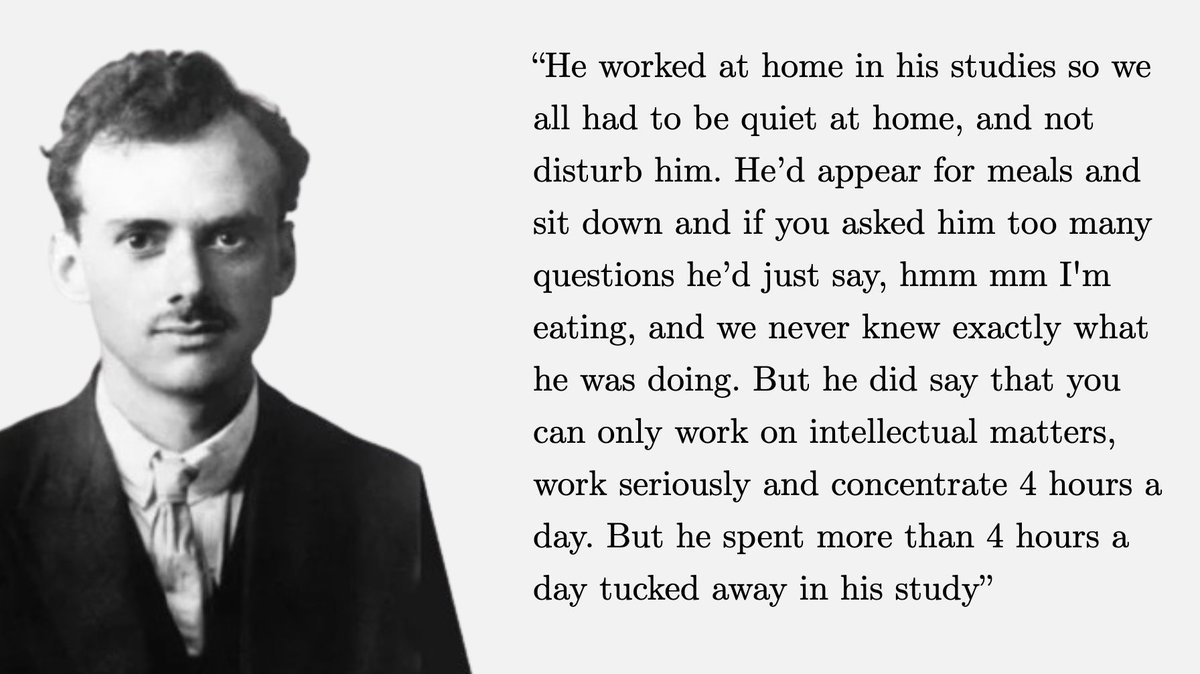
Paul Dirac’s daughter on his working schedule
15
98
1,122
88,363
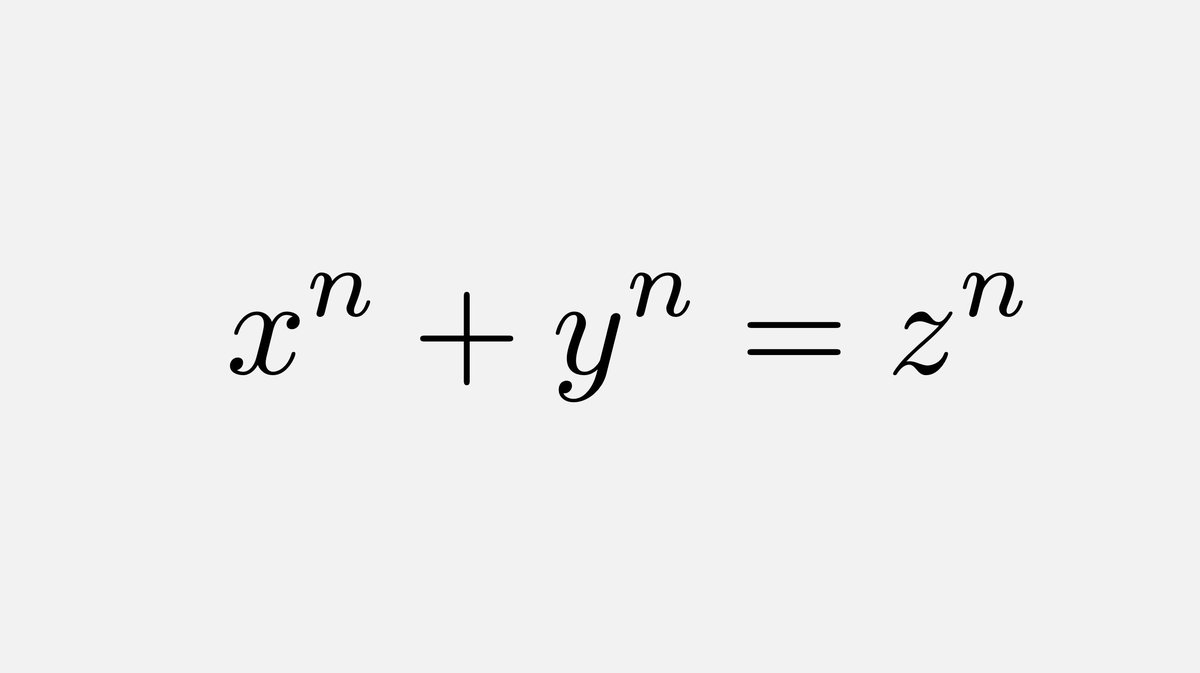
Fermat dies in 1665 - his last theorem is unsolved
↓
⏳88 y
↓
Euler proves it for n=3
↓
⏳72 y
↓
Legendre & Dirichlet prove it for n=5
↓
⏳14 y
↓
Lamé proves it for n=7
↓
⏳69 y
↓
Wolfskehl offers prize for solution in the next 100 years
↓
⏳86 y
↓
Wiles proves it 🎉
15
51
396
45,288
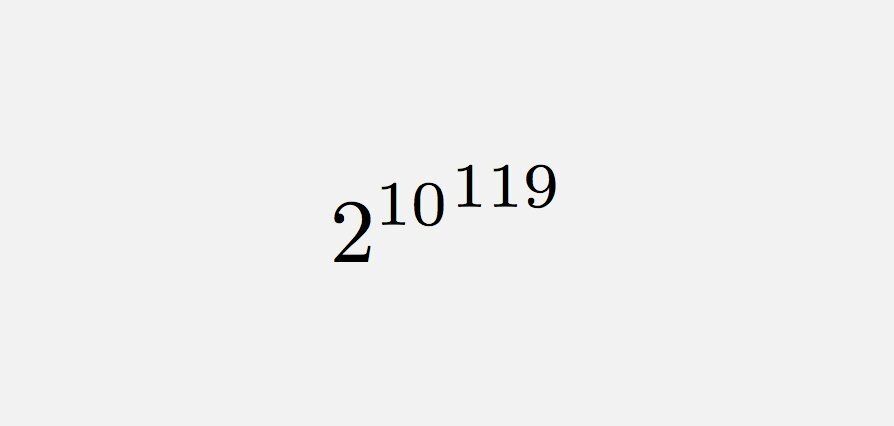
This is one of the biggest numbers you can find in a physics paper. It's the expected distance one would travel before encountering another visible-universe-sized region of space with an identical quantum state as ours.
65
27
297
33,833
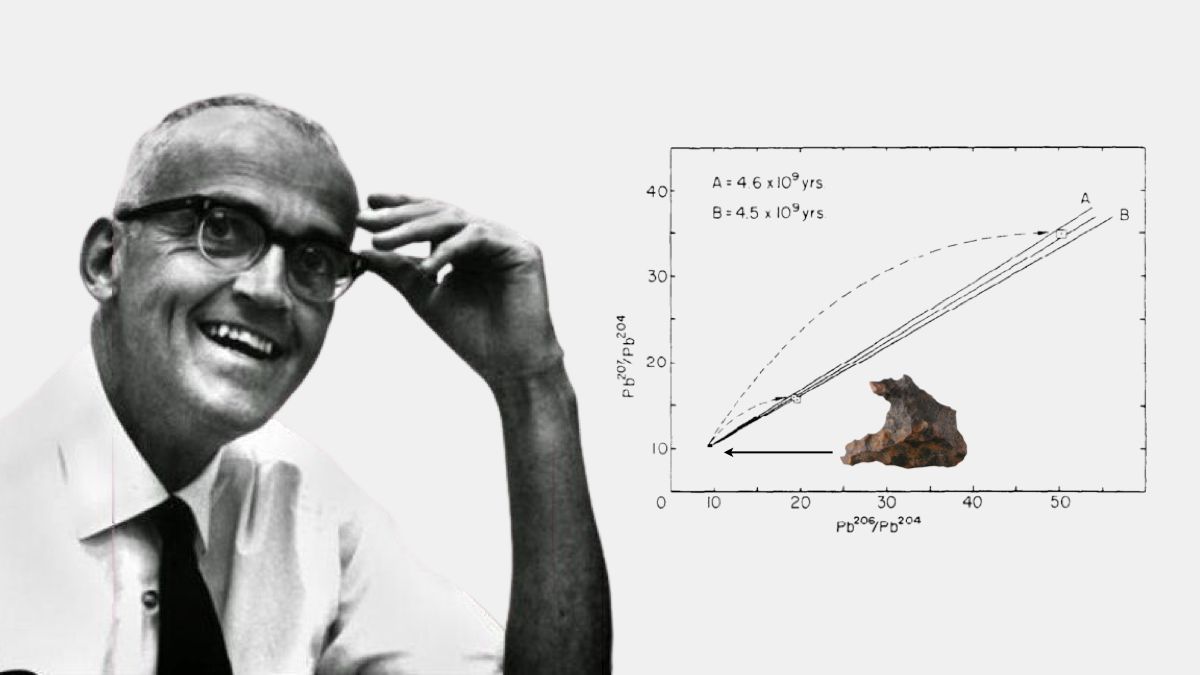
In 1956, Caltech scientist Clair Patterson determined the age of the Earth: 4.55 billion years
To do it, he used five meteorites and a sample from the ocean floor
Learn how in this week's paper
4
37
239
24,313
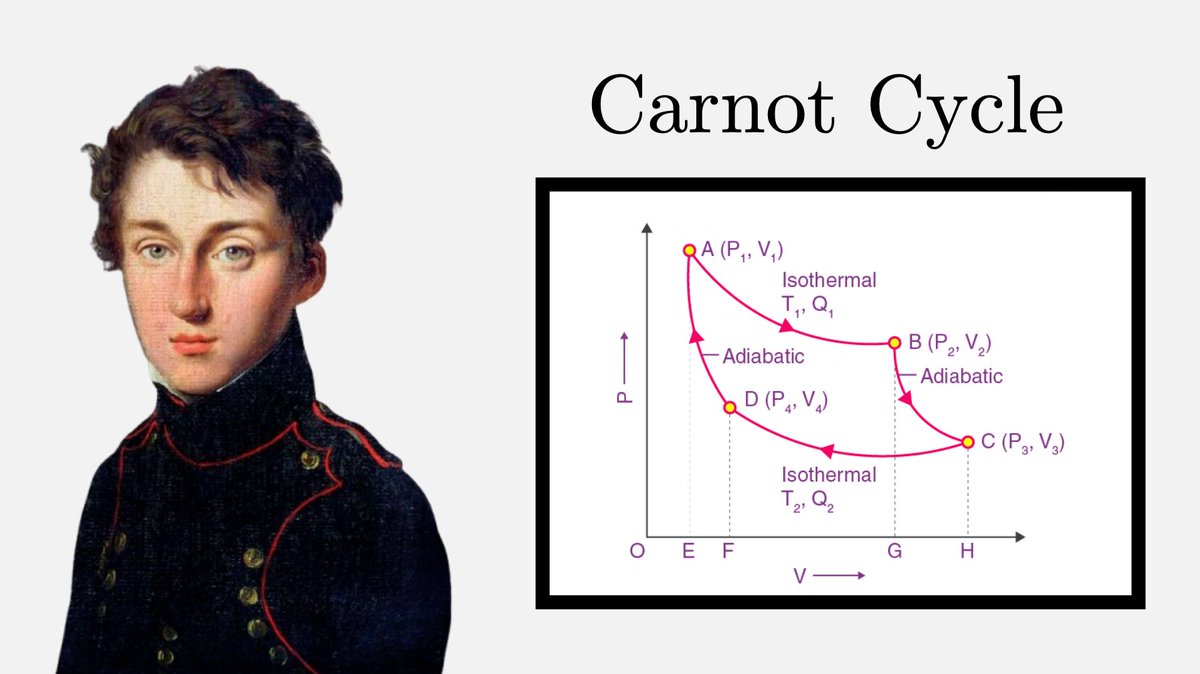
Sadi Carnot was born 230 years ago today.
In 1824, while studying steam engines, he discovered a limit that no technology can overcome:
No engine can convert all heat into useful work.
This insight became the foundation of thermodynamics and understanding of energy. Carnot died in 1832 at just 36 years old.
40
286
1,529
72,104
May 30
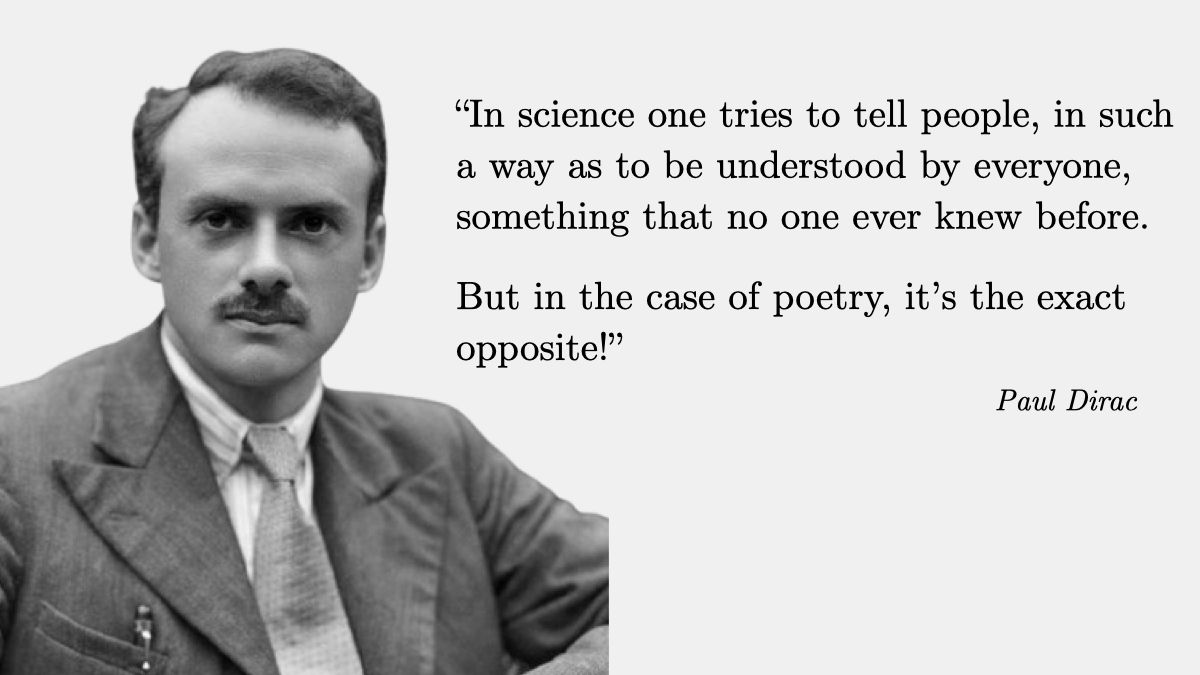
Paul Dirac on the difference between science and poetry
17
88
523
38,645
May 29
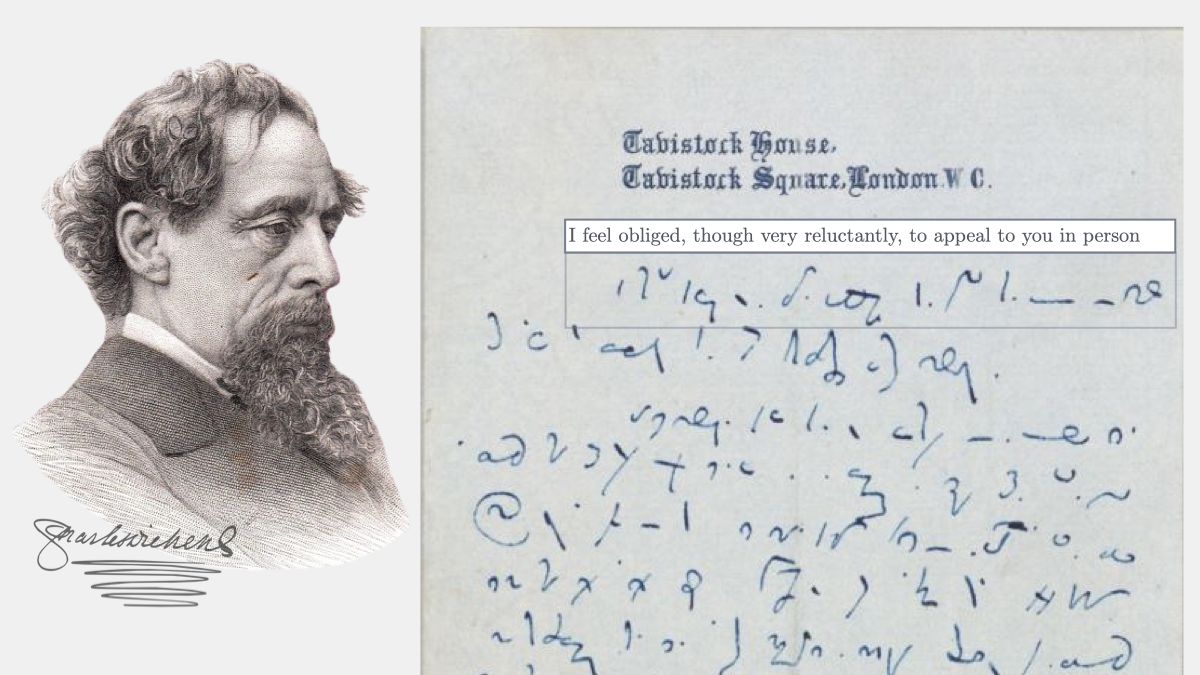
Charles Dickens often wrote in brachygraphy - a Victorian shorthand optimized for speed, which he learned as a young parliamentary reporter
This letter, known as the Tavistock Letter, sat undeciphered for more than 160 years until a crowdsourced effort finally cracked it
14
69
746
64,089
May 29
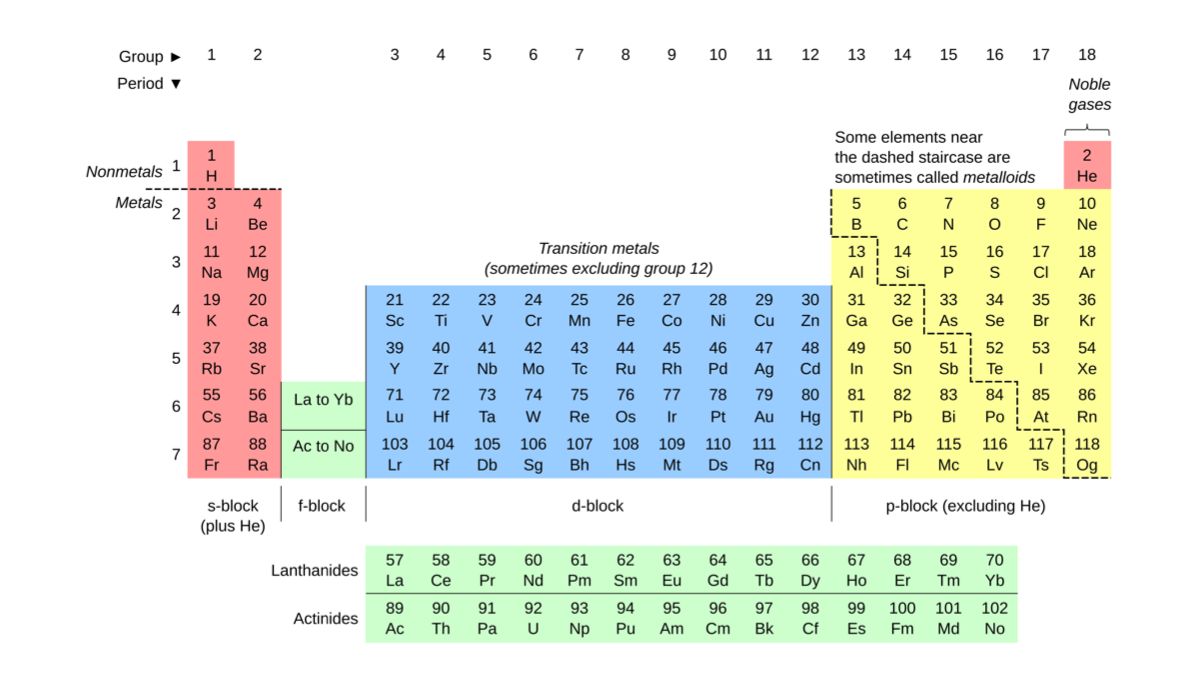
J is the only letter that has never appeared in the periodic table
28
41
261
30,406
May 27
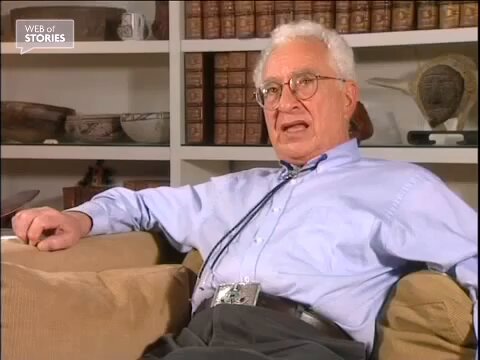
Murray Gell-Mann, the Nobel prize-winning physicist, on contemplating suicide at 18 after getting into graduate school at MIT
26
90
948
147,591
May 26
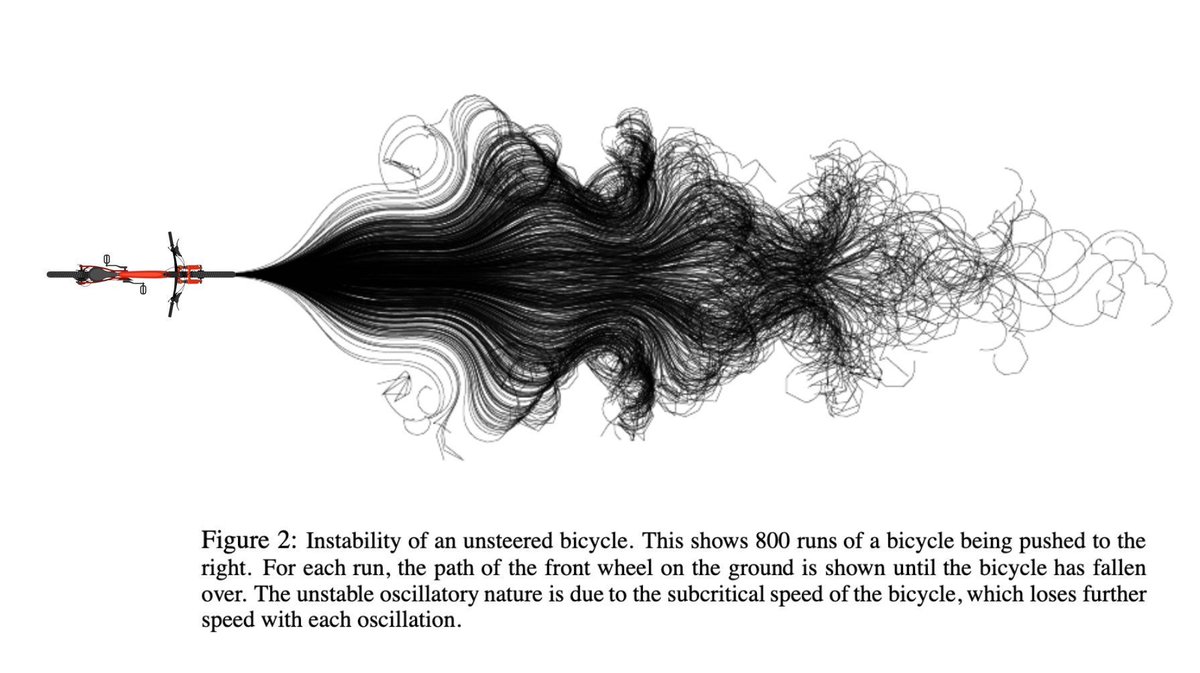
It takes 2 neurons to ride a bike
In this week’s paper, Matthew Cook asks how a computer can control a bicycle without solving the full nonlinear equations of motion, or spending an inordinate amount of time learning through reinforcement learning. Humans seem to learn in a different way: not by deriving equations, and not by crashing thousands of times.
Cook presents a two-neuron network that can ride a simulated bicycle in a desired direction.
Read the annotated version here: fermatslibrary.com/s/it-take…
33
269
2,445
171,770
May 25
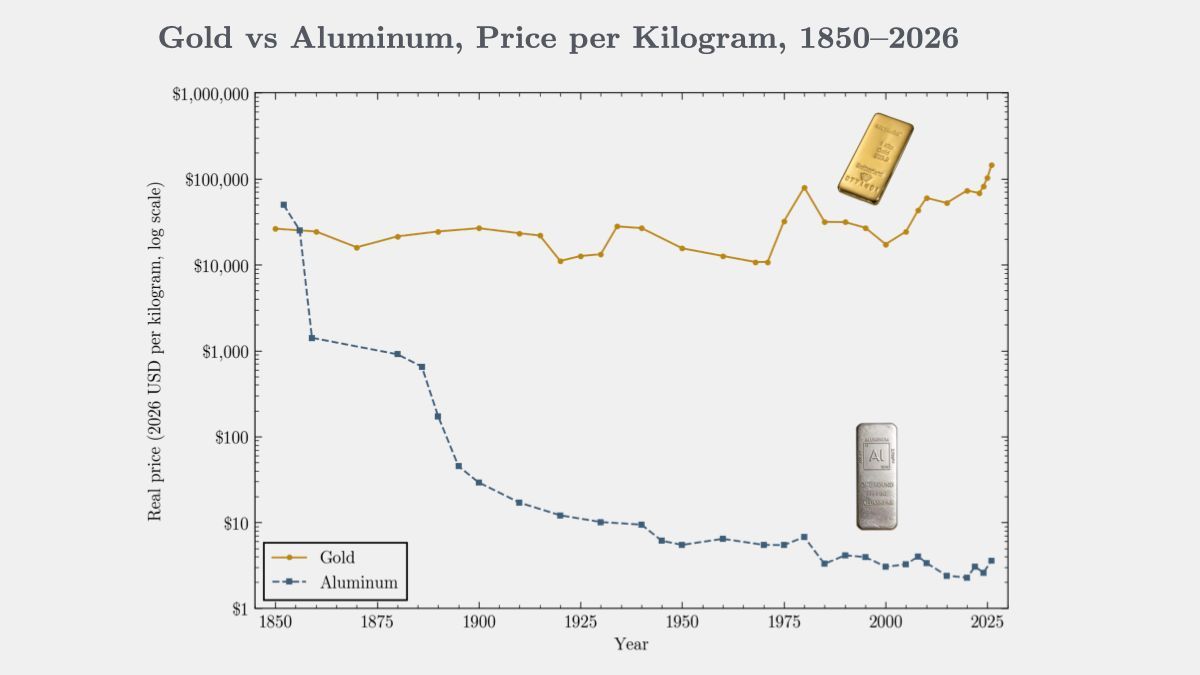
Aluminium was once the most expensive metal on Earth - costlier than gold
Not because it was rare (it's the most abundant metal in Earth's crust, ~8% of it), but because extracting it from its ore was incredibly difficult
The Hall–Héroult process, invented in 1886 by two 22-year-olds, changed that — and with it, aluminium went from a luxury metal to something you wrap your sandwich in
22
127
775
60,784
May 24
American physicist Edward Witten explains why it wasn’t until Einstein's work that we fully understand the reason behind the inverse square law, and why it's specifically a square rather than some arbitrary decimal
1 / distance² vs. 1 / distance¹·⁷⁴⁸²²⋅⋅⋅
84
265
2,313
388,893
May 22
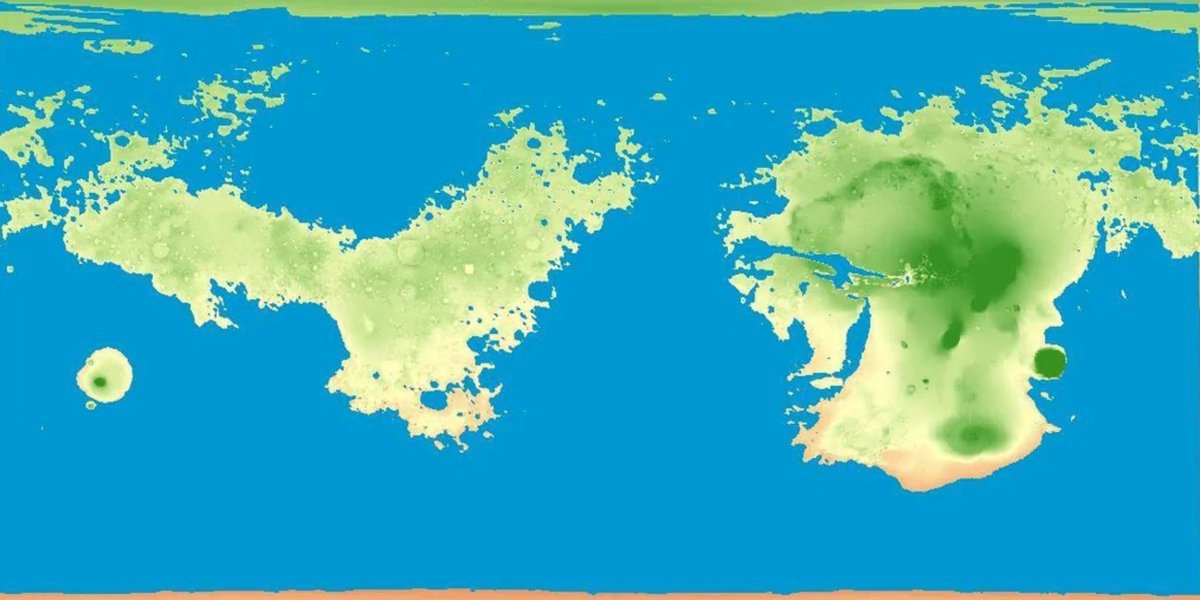
Here's a map of Mars if, like Earth, it were covered by water on 71% of its surface.
568
1,460
24,004
18,222,920
May 21
96% of the world’s languages are spoken by 3% of the world’s people
25
40
589
83,439