
Accidental Economist. Prof at @warwickecon and @unibonn. Visiting Prof @GRI_LSE. Fellow @STICERD_LSE. ERC STG. CEPR @cepr_org & Associate Editor @EJ_RES.
Joined August 2009
- Tweets 13,413
- Following 6,220
- Followers 12,848
- Likes 13,761
2,122 Photos and videos
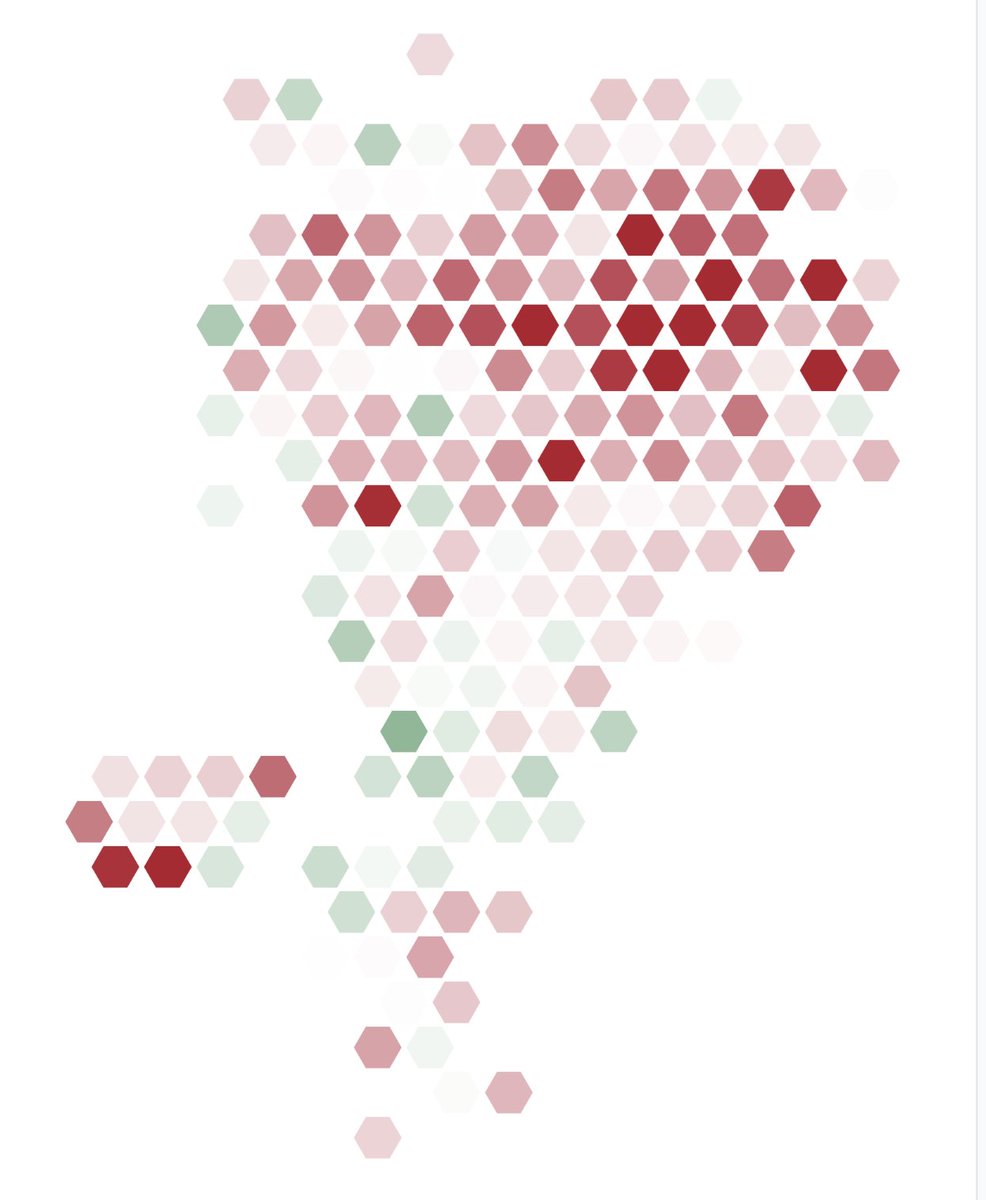


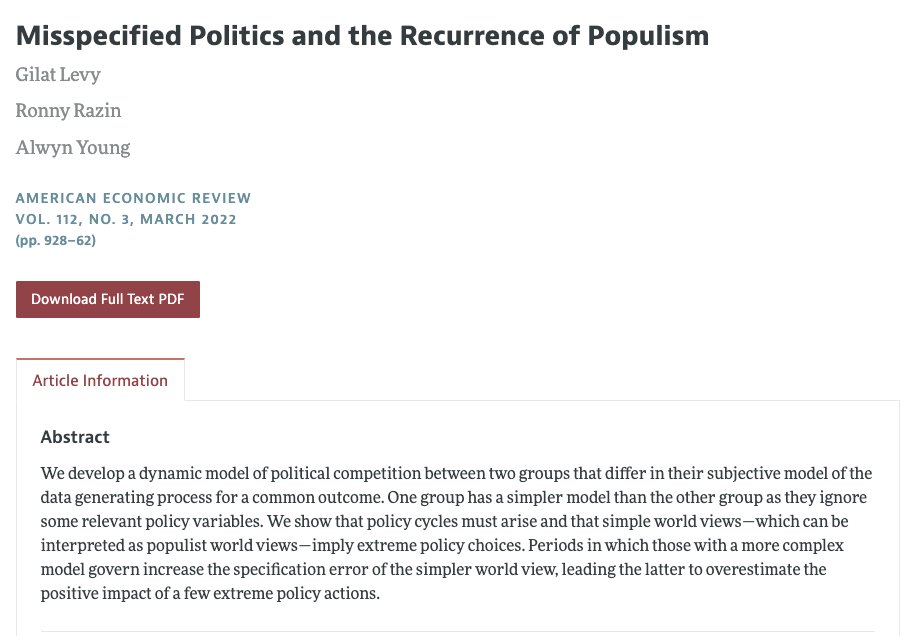
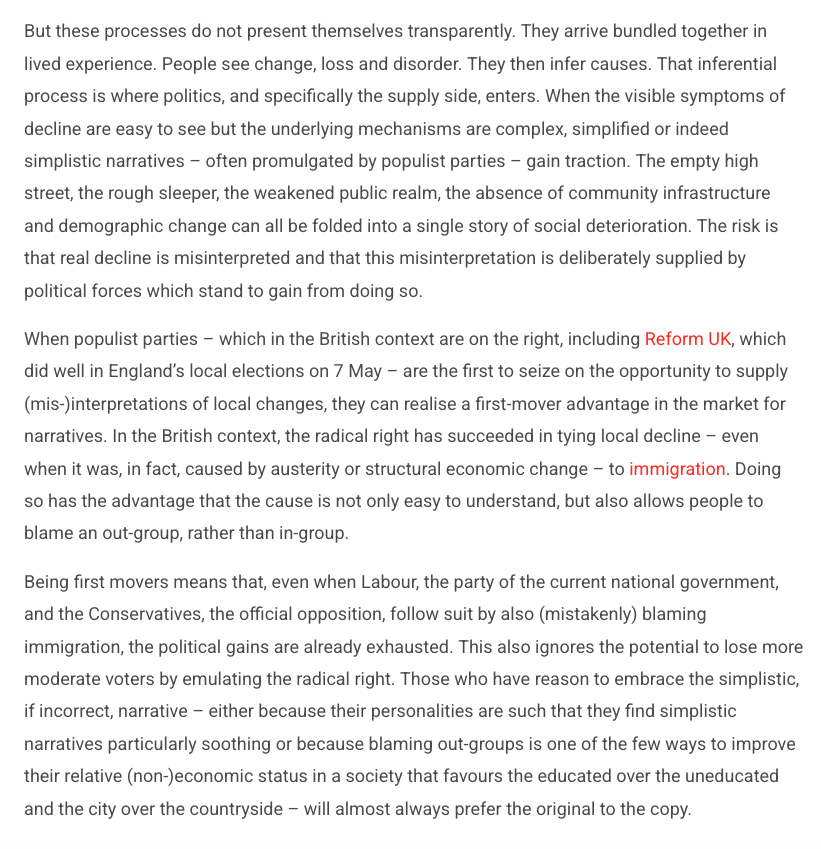



This is not an upside down checkered rabbit...
162
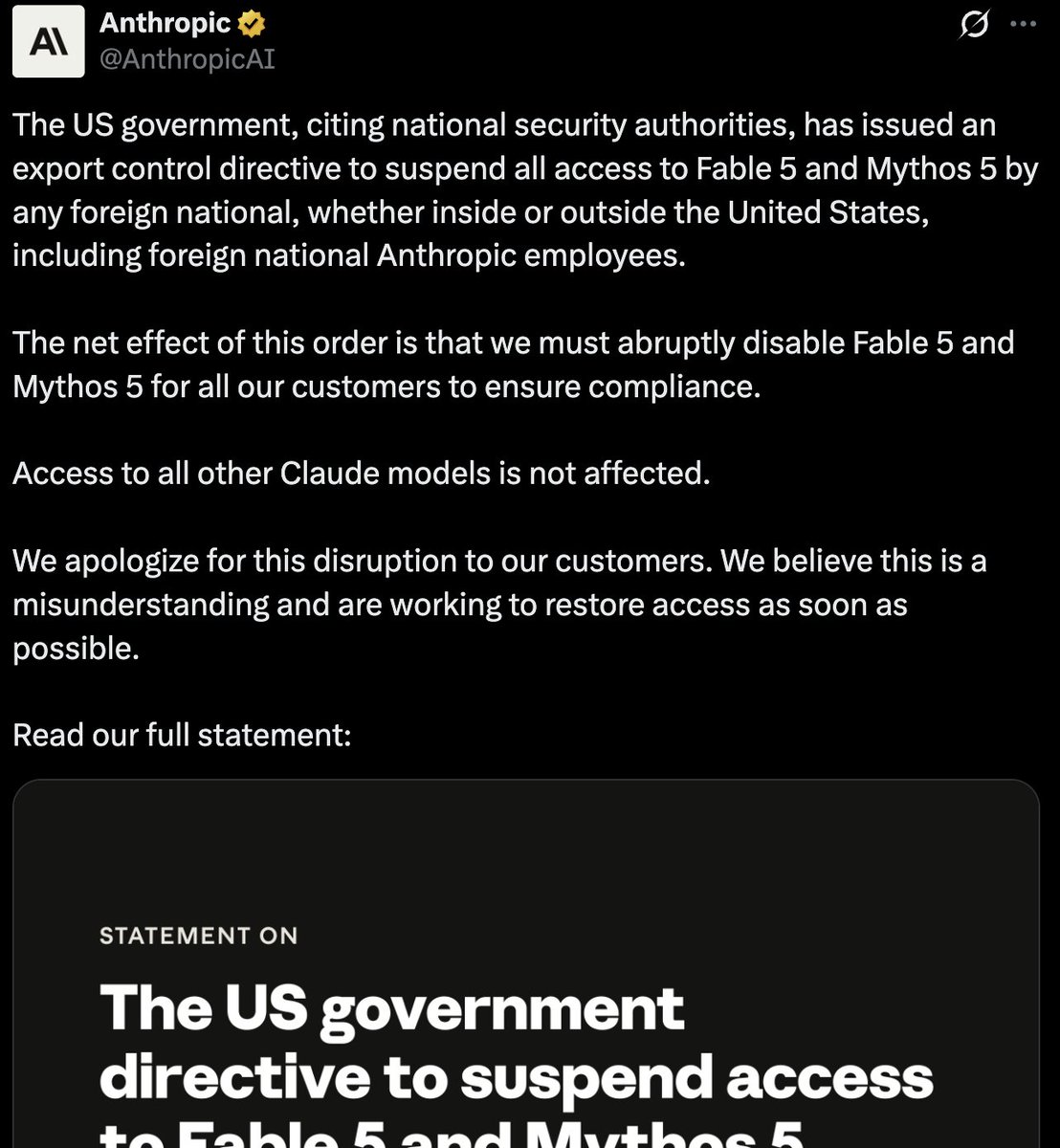
Now, the obvious question one should ask oneself is? HOW is this export control being enforced? It must be through a combination of digital ID (how you "log in"), payment rails (how you "pay") & possibly direct or indirect information on your whereabouts (where you "are")...
1
1,233
Back in 2023, I noticed strange patterns that pointed to the roll out of digital ID by stealth. The very concept of sovereignty is at disposal in an AI mediated world and with absence of data localization. x.com/fetzert/status/1740276…
28 Dec 2023

Cryptic tweet: the world is being fiscalized as we speak -- but on American terms.
1
1,775
of course, we may guess Anthropic has priors, their current choice is to shut it out "for all our customers to ensure compliance." That is obfuscating choice but amplifies the point even further. Could or should such a ban be enforceable? What would it take?
254
Thiemo Fetzer 🇪🇺🇺🇦 - same handle elsewhere retweeted

26 Feb 2025
Great to see the New York Times Interpreter column by @amandataub picking up from our conversation. Let me try to offer a few additional thoughts that did not make it into the column.
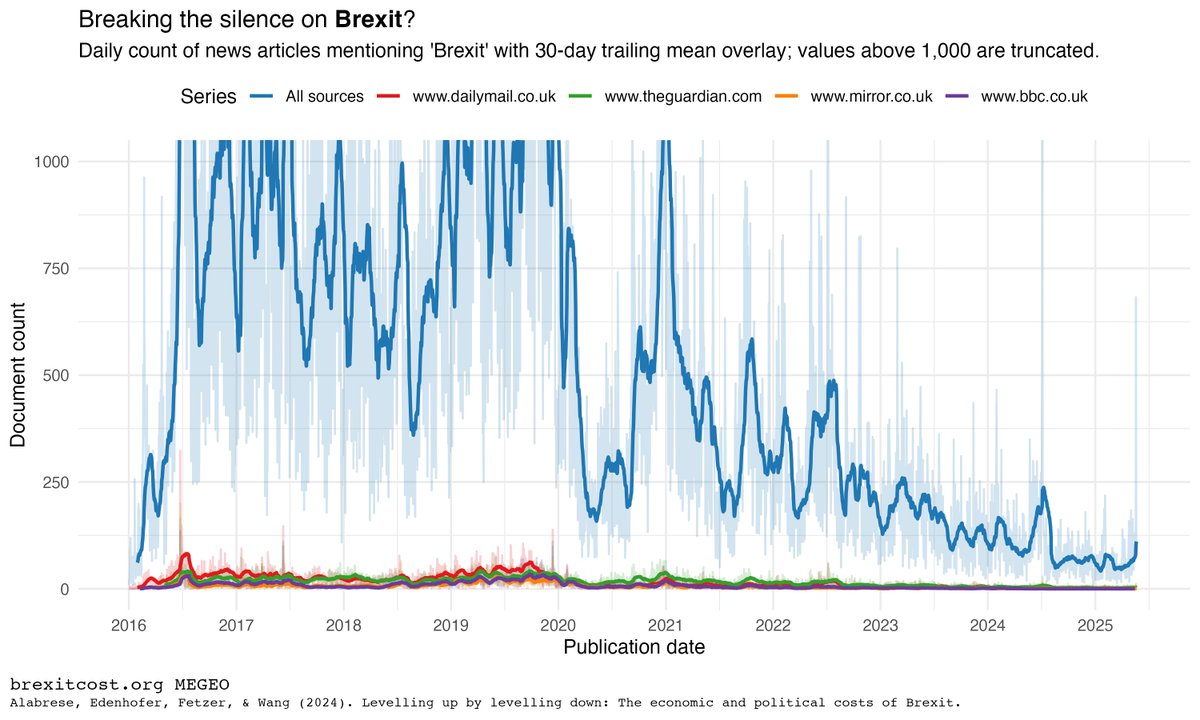
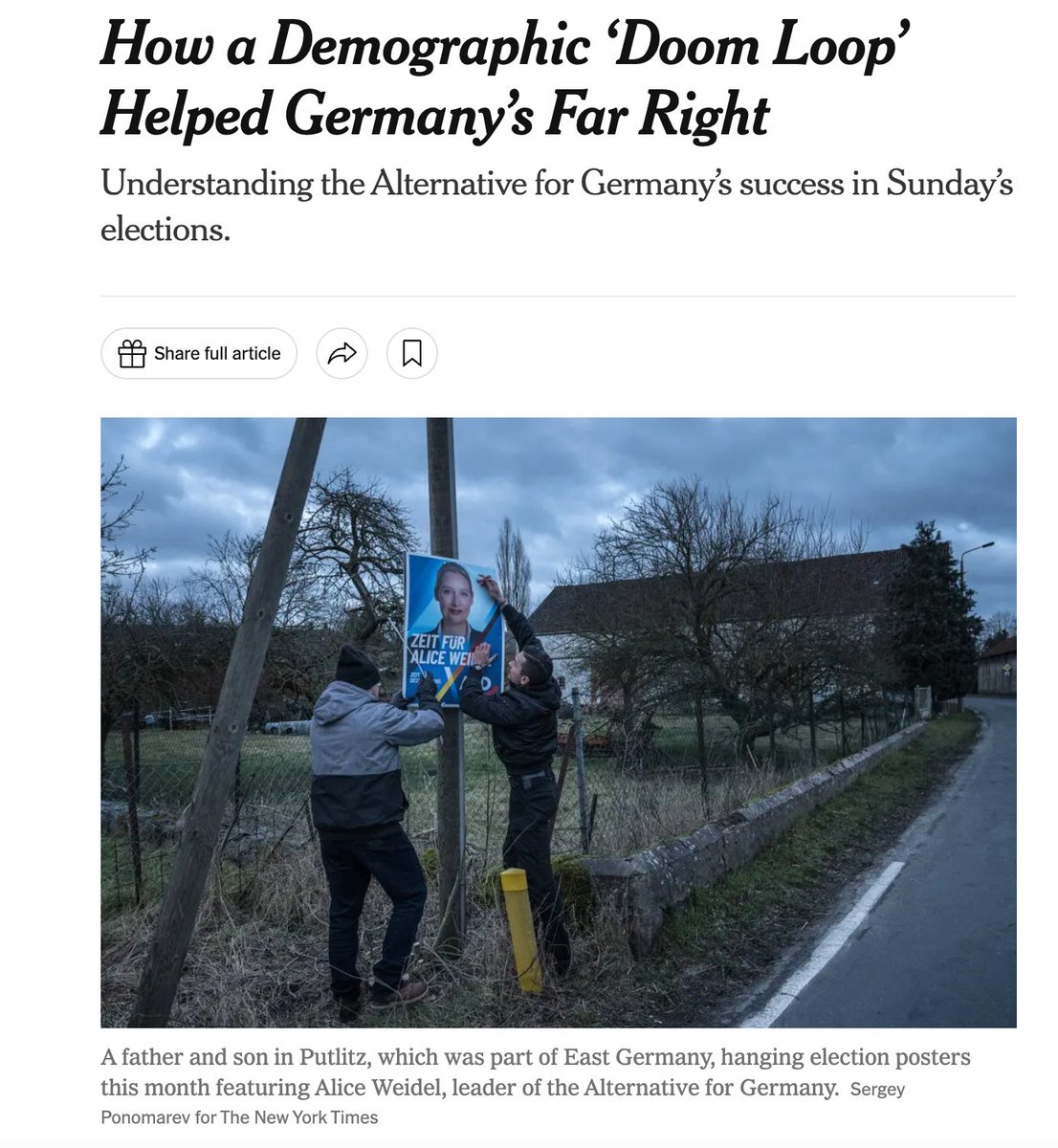
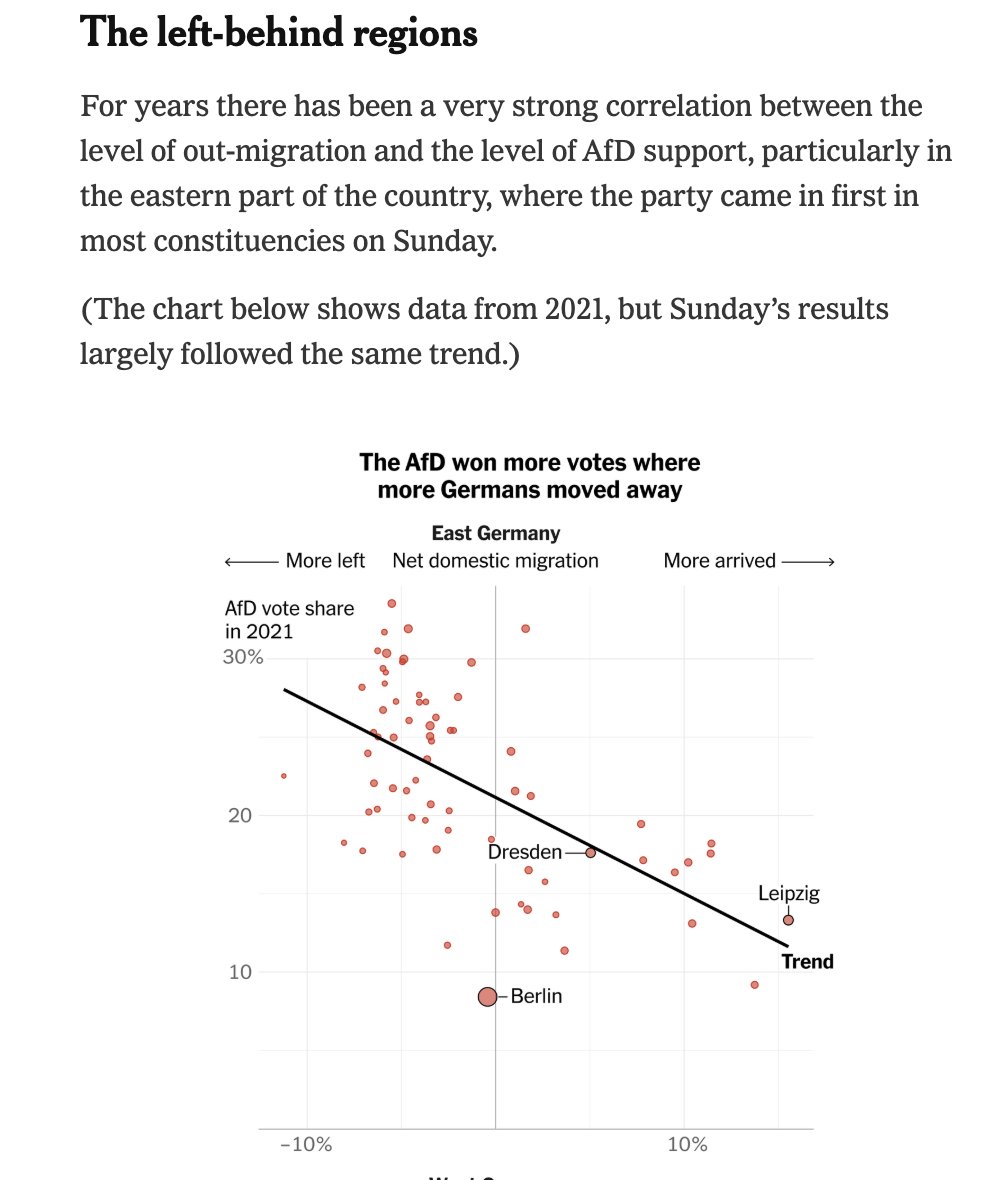
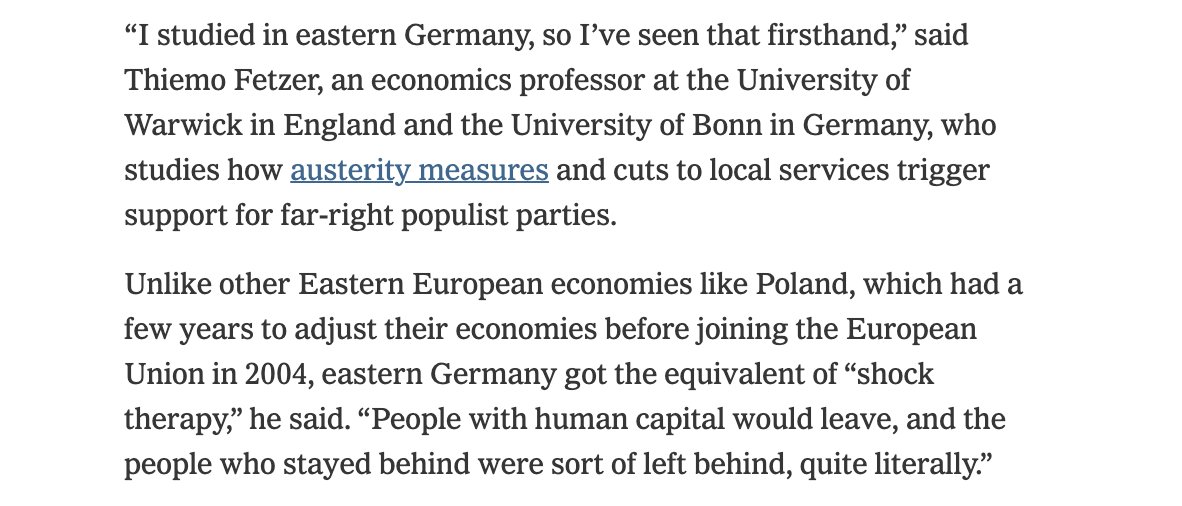
A key observation from Amanda's scatter plots is that the pattern of rural versus urban population consolidation is a correlate of populist support both in East- and West Germany. But, as with Brexit and the UK (see here: x.com/fetzert/status/1808156…) the populist narrative around immigration has hardly any bearing on net foreign migration as most rural areas hardly see any absolute immigration. But, they very much are exposed to politicians channeling of populist narratives on immigration, aided by appalling terror attacks and a changing media multiplier thanks to social media (direct.mit.edu/rest/article/…).
The climate crisis, aging populations, along with often deep geographic attachments (think: care relationships, family) make it vital for societies to consider strategies for spatial consolidation that create a broad coalition of support.
This spatial consolidation is happening, as in particular young, healthy and educated folks move to larger cities. In the receiving cities it creates insider- outsider conflicts as insiders are quite happy to benefit from rising rents and property prices, creating a conflict dimension there (see academic.oup.com/jeea/articl… and warwick.ac.uk/fac/soc/econom…).
But equally smaller towns and rural areas seeing declines experience the doom-loop breed discontent. It is exactly here where working from home is a vital vector to expand the reach of agglomeration. Good and affordable physical transportation and digital connectivity are crucial enablers.
But this creates another feedback mechanism whereby invested city folk, financial institutions and the traditional monetary system may struggle with the pace of rapid structural change (think: offices warwick.ac.uk/fac/soc/econom…).
The conflict in Ukraine, the escalating climate crisis and the implications this has more broadly are putting these tensions into context. Climate action through decentralized energy provision (think: solar and wind) can benefit smaller communities through revenue sharing. Working-from-home can help expand the reach of cities and benefit broader agglomeration. Digitization and AI can speed up slow bureaucracies and reconfigure the state, slow down some of the rural-urban migration dynamic as AI will replace many high skill service jobs in cities and increased defense spending may, as has been the case more traditionally, benefit more rural communities and come with more infrastructure investment.
Globally, it is imperative to work towards new governance of the global trading system given the many escalations and this will have to come with rethinking services and service sector trade to ensure climate action becomes an economic and social win-win. All the necessary conditions are there.
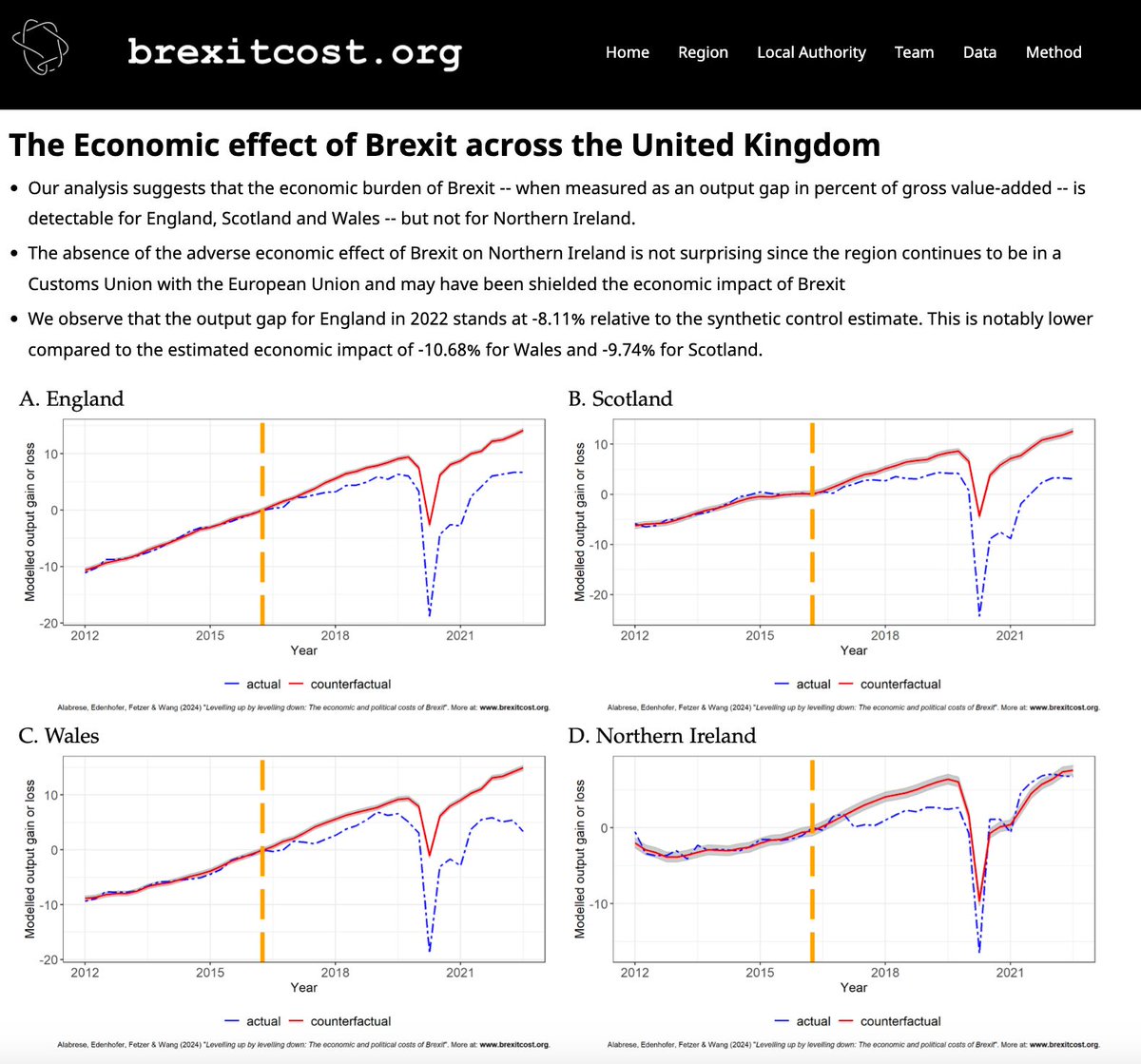
In 2015, a consequential election delivered a majority for Brexit. In 2024, we can now study the economic impact of Brexit with data up to 2022. This is a thread in which I try to go full circle back to the origins of Brexit. But let me comment before on what we observe so far:
5
6
1,290
Thiemo Fetzer 🇪🇺🇺🇦 - same handle elsewhere retweeted

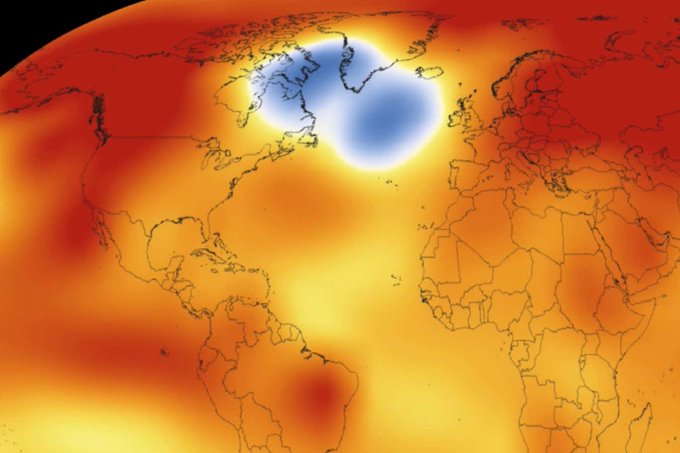
Mysterious ‘cold blob’ in the Atlantic suggests the AMOC is weakening
A patch of ocean south-east of Greenland is the only place on Earth that is cooling, and it could be a sign that the warm water “conveyor belt” in the Atlantic is slowing down
newscientist.com/article/252…
docs.google.com/document/d/1…
495
1,804
7,644
17,416,064
Thiemo Fetzer 🇪🇺🇺🇦 - same handle elsewhere retweeted

May 26
For those interested: GameChanger interviewed me about my work with Max Mihm and Lucas Siga on zero-sum thinking:
podcasts.apple.com/us/podcas…
This podcast series is aimed at non-specialists, and I have learned a fair bit from the other episodes.
9
24
2,913
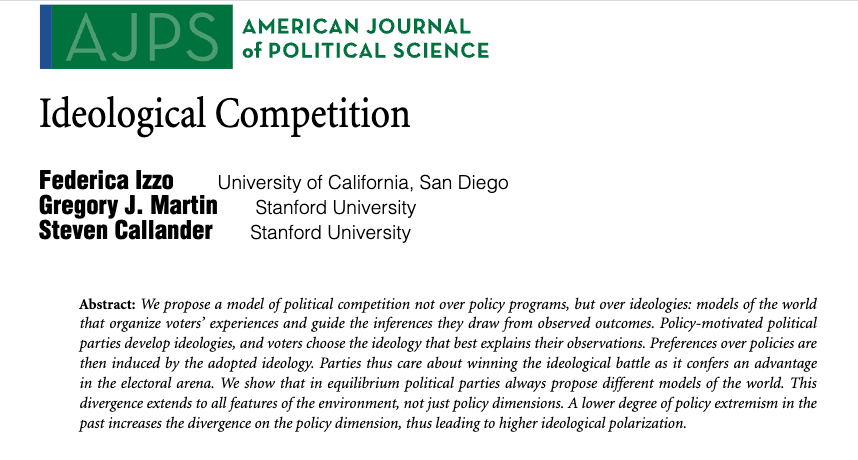
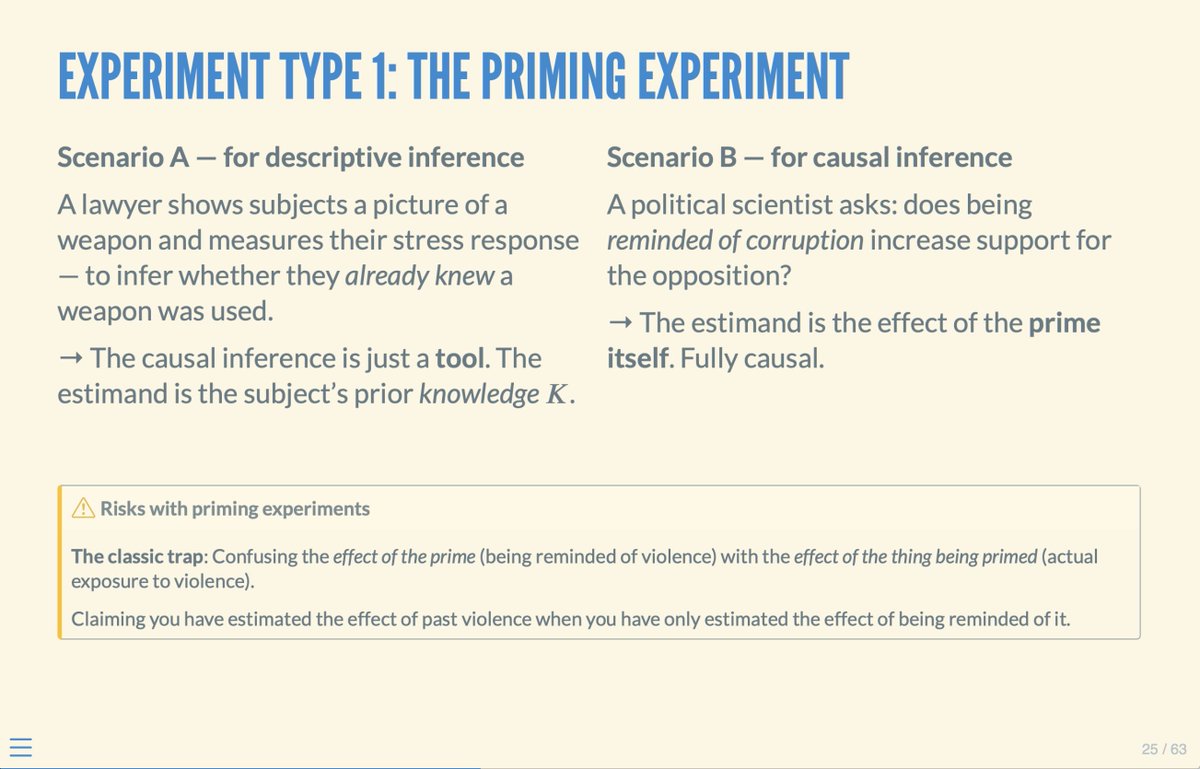
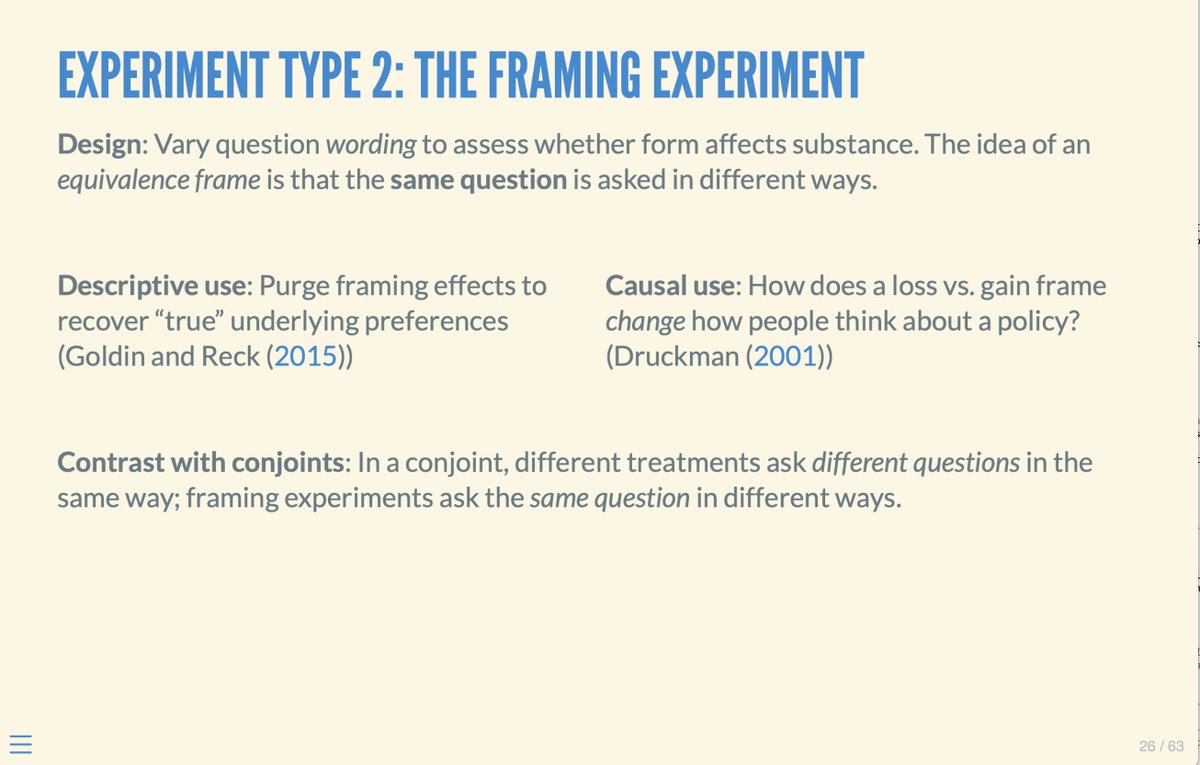
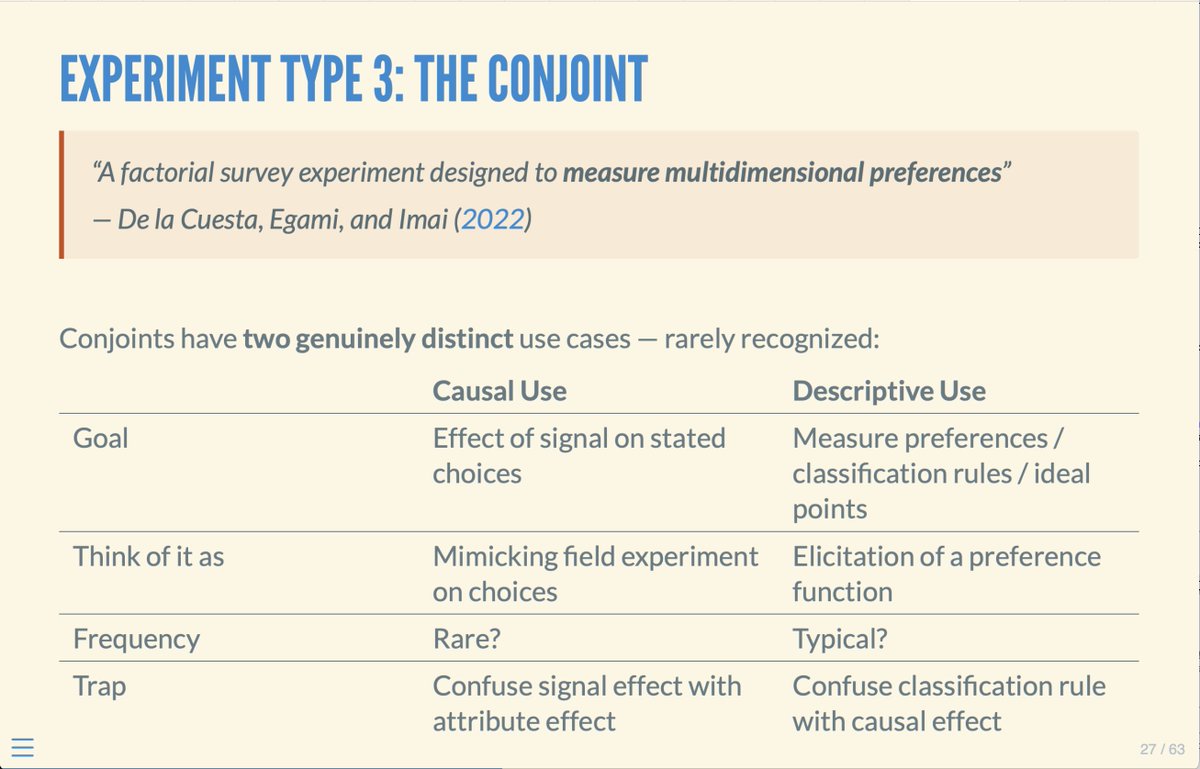
Useful set of slides. I'd add that survey experiments are often also used for policy advice in ways that overlook the general political equilibrium. The two main issues are that (i) people self-select into the messages they receive (whereas in the experiment they are forced to engage with the message) and (ii) there is counter-framing in the real world (which requires us to understand how people deal with conflicting cues/messages). It may well be that a message produces some desired effect in an experiment, but fails to do so in the real world because the GE effects trump the partial equilibrium effect.
For a basic explainer, see also: github.com/jacob-edenhofer/P…
May 29

i learned a lot from reading this, found the screenshotted point to be particularly insightful
macartan.github.io/slides/po…
2
6
1,455
Very helpful thread

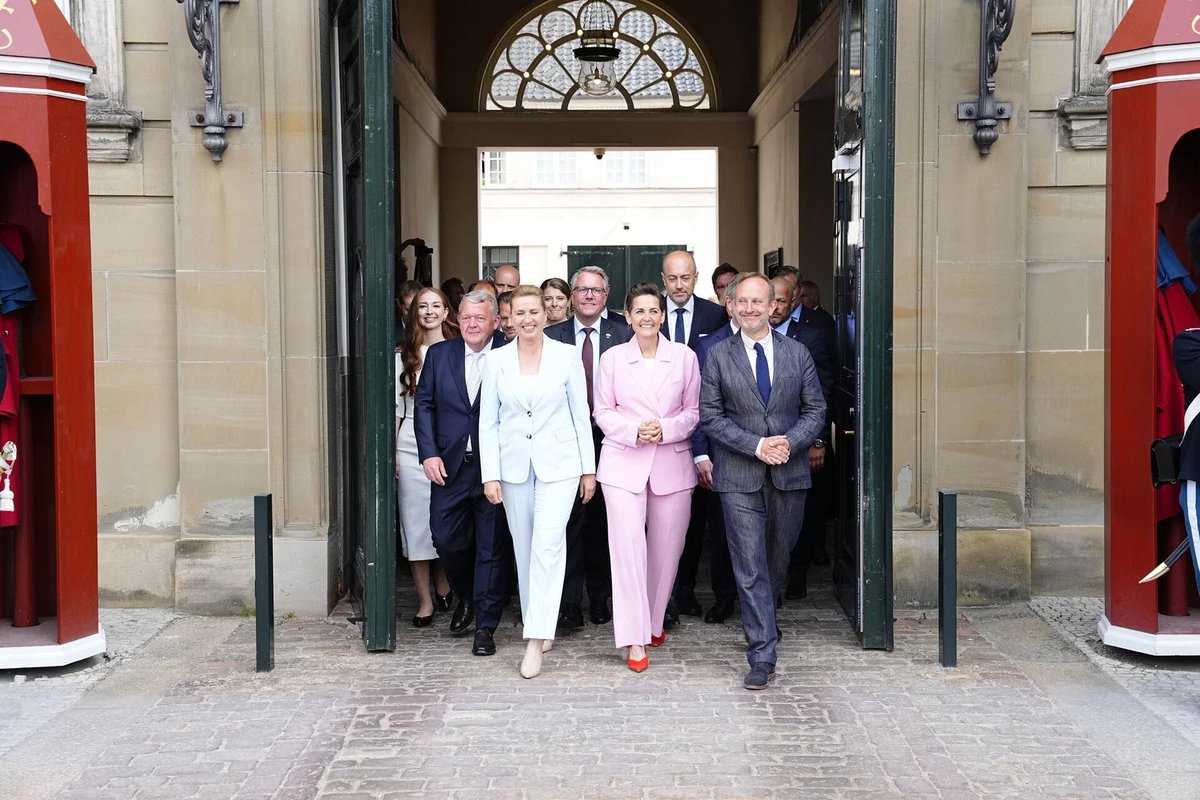
NEW DANISH GOVERNMENT IS (FINALLY) FORMED
- Who are they?
- What's the agenda?
- What does this mean for European politics?
1
1
2
1,555
Thiemo Fetzer 🇪🇺🇺🇦 - same handle elsewhere retweeted

I'd argue that pushing for degrowth will likely have corrosive effects on broad public suppport for stringent climate policy. Given that degrowth is essentially one big device for turning ever more policy domains into zero- or even negative-sum games, the room for Pareto-
Jun 4

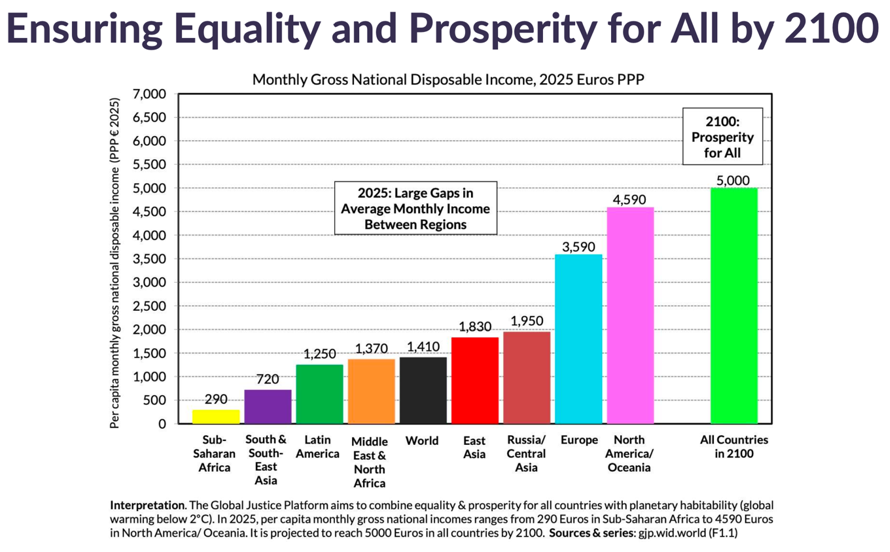
The world today is characterized by large-scale inequalities. And a climate crisis is looming over us.
We urgently need a new vision for global progress in the 21st Century. One that grounds human development and equality in planetary habitability.
What would it take to achieve high prosperity and equality while remaining within planetary boundaries?
The World Inequality Lab is very excited to launch the #GlobalJusticeReport.
[1/7]
4
22
94
26,114
⤵️
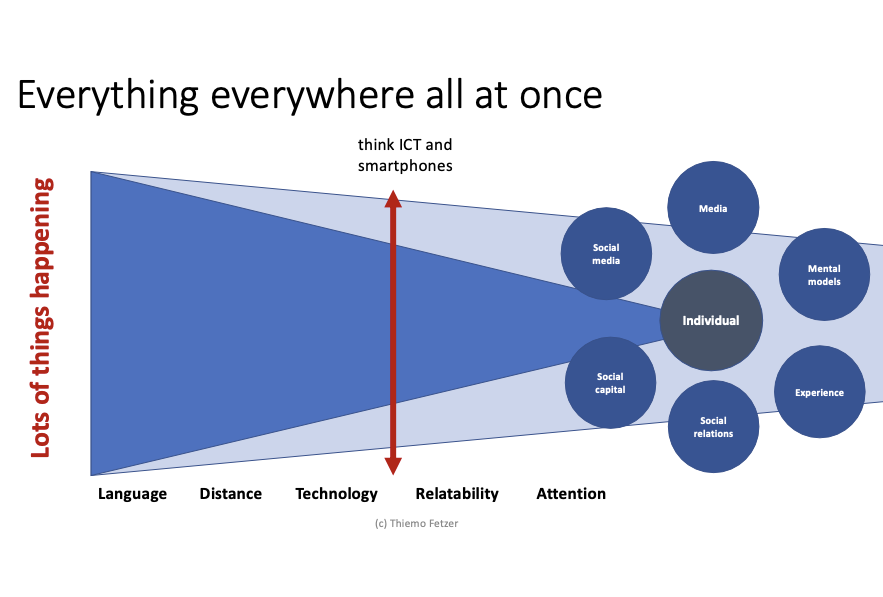
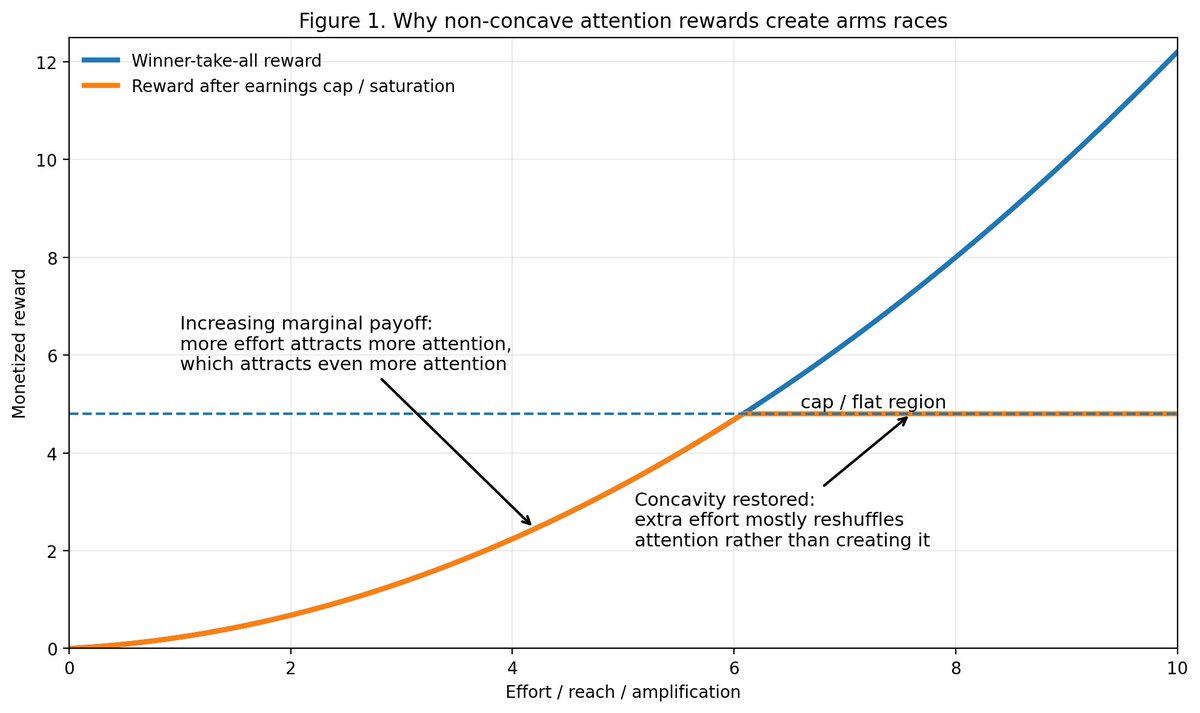
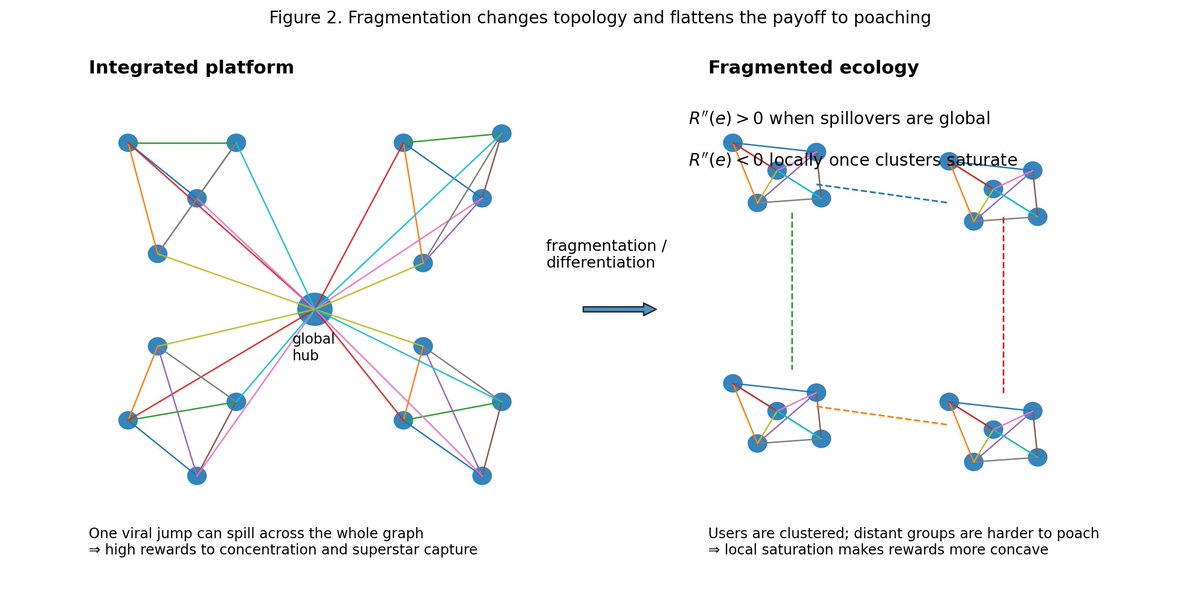
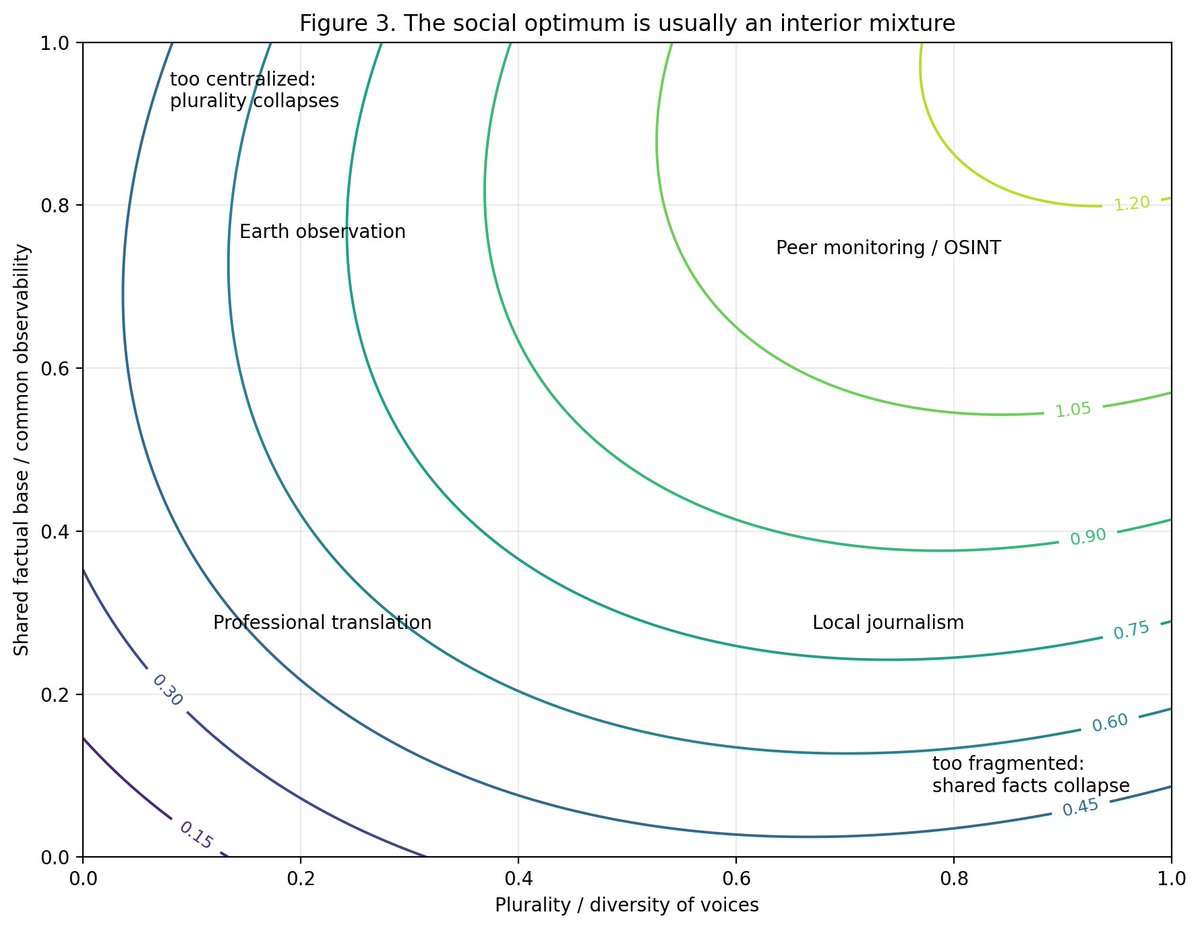
I wanted to share a new write up on changing social media topology. This may be useful for some folks to "connect some dots" as to what seems to be happening, for various reasons in different authority market places/spaces. Food for thought. Full link in next chained post.
323
Thiemo Fetzer 🇪🇺🇺🇦 - same handle elsewhere retweeted

Jun 4
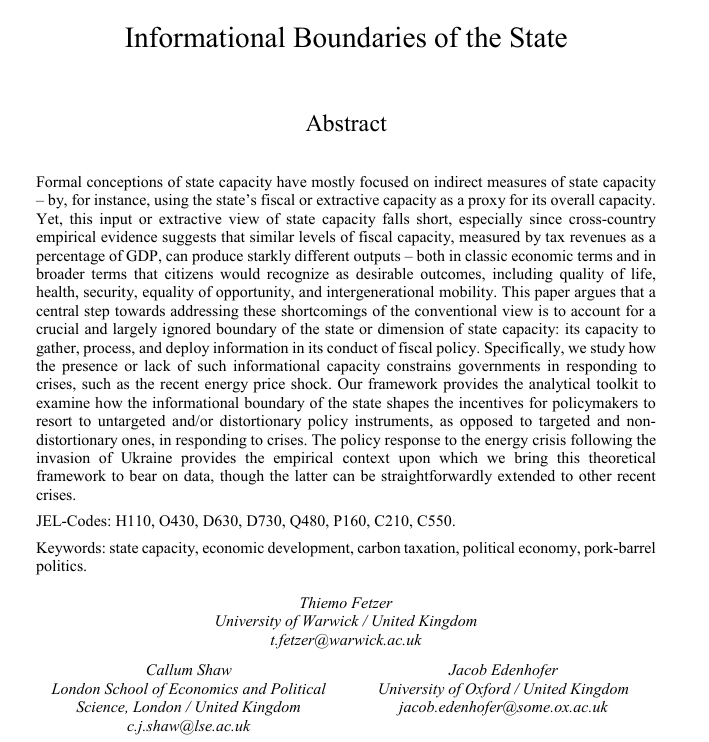
That paper was already amazing back then and I maintain it's making some really great points plus empirics of course
2
8
874
The business with the business with the state...
348
It should be obvious that, if behavioral targeting, exploitation of behavioral biases/cognitive limitations prevails, then only a "crowd stochastic noise" revolution can help rebalance power in economies. That is: we need to add more random choices in our day-to-day life.
1
162
Just squeezing a bit of inflation here, and there...
217
All just... projection issues.
28 Oct 2023
Projections can fix things — sort of.

420
It will be interesting to see how the next 6 weeks shape up...
3
377