
Professor @ UVic Physics & Astronomy: stars, computational and nuclear astrophysics.
Joined October 2012
- Tweets 158
- Following 96
- Followers 234
- Likes 52
42 Photos and videos

Pinned Tweet

13 Apr 2024
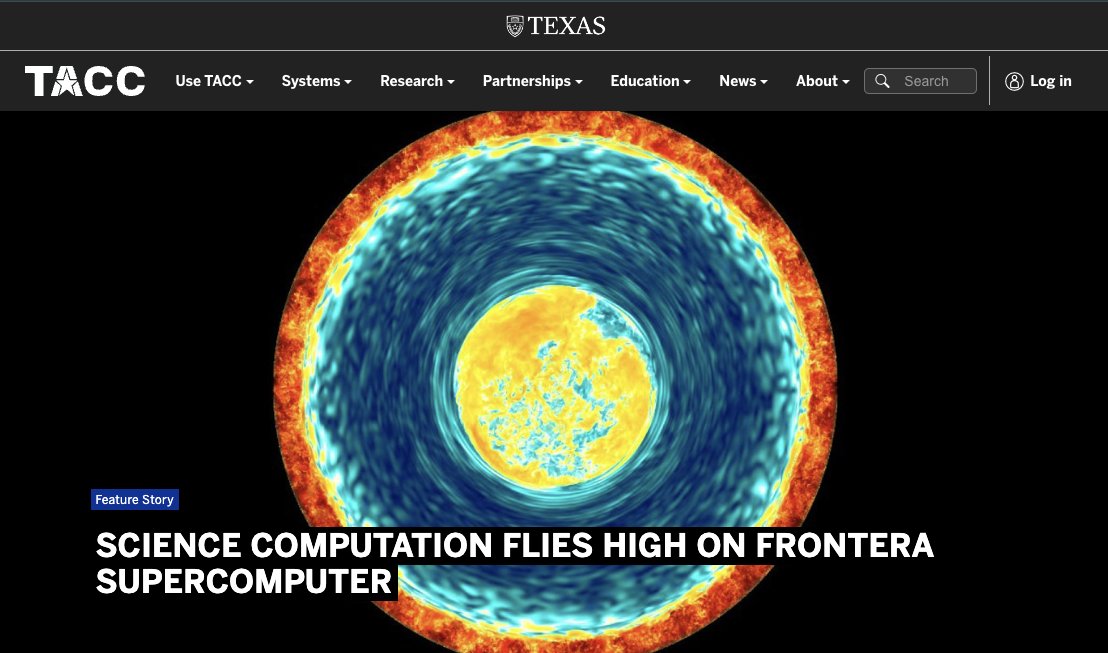
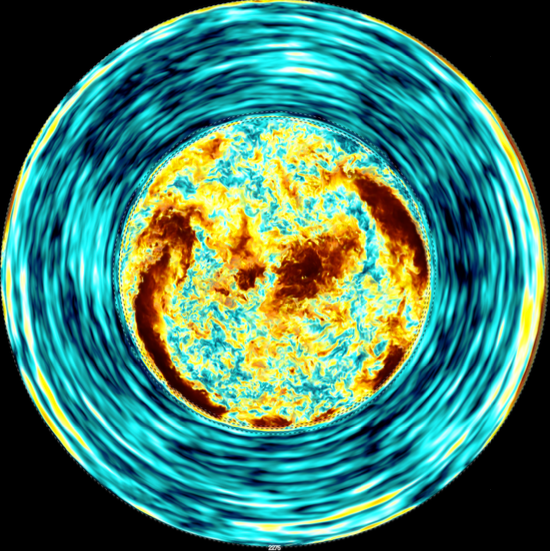
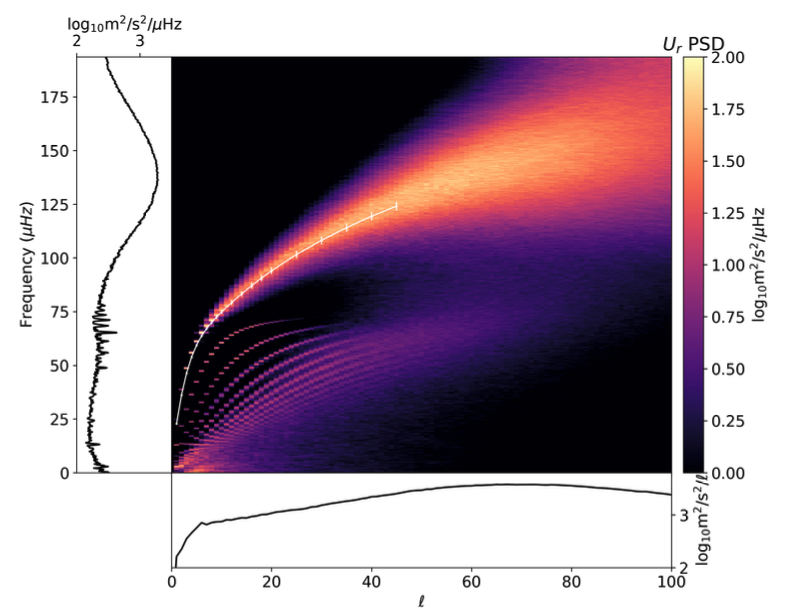
With these new 3D simulations featured by TACC tacc.utexas.edu and performed on the most recent TexaScale event in February we are hoping to find out what the nature of the asteroseismic low-frequency excess is, observed by space telescopes such as science.nasa.gov/mission/tes…
1
1
3
168
9 Jul 2025
A new article in Quanta Magazine tinyurl.com/2ze5s3bc tells the story of how heavy elements form in dynamic stellar nucleosynthesis to a broader audience, and canpan.ca collaborating with @ArtemisSpyrou @FRIBLab made key contributions.
1
3
58
11 May 2025
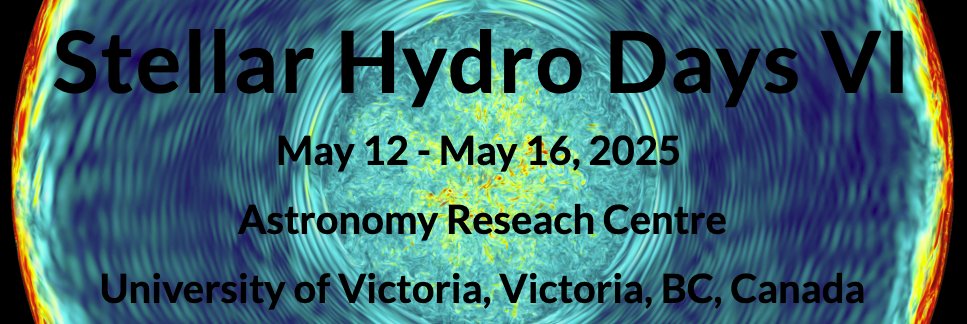
We are looking forward to hosting Stellar Hydro Days VI in Victoria next week sites.google.com/view/stella… week dedicated to a deep dive into 3D simulations of stars, transport phenomena, internal gravity waves, asteroseismology predictions, wave turbulence and more ....
4
42
13 Mar 2025
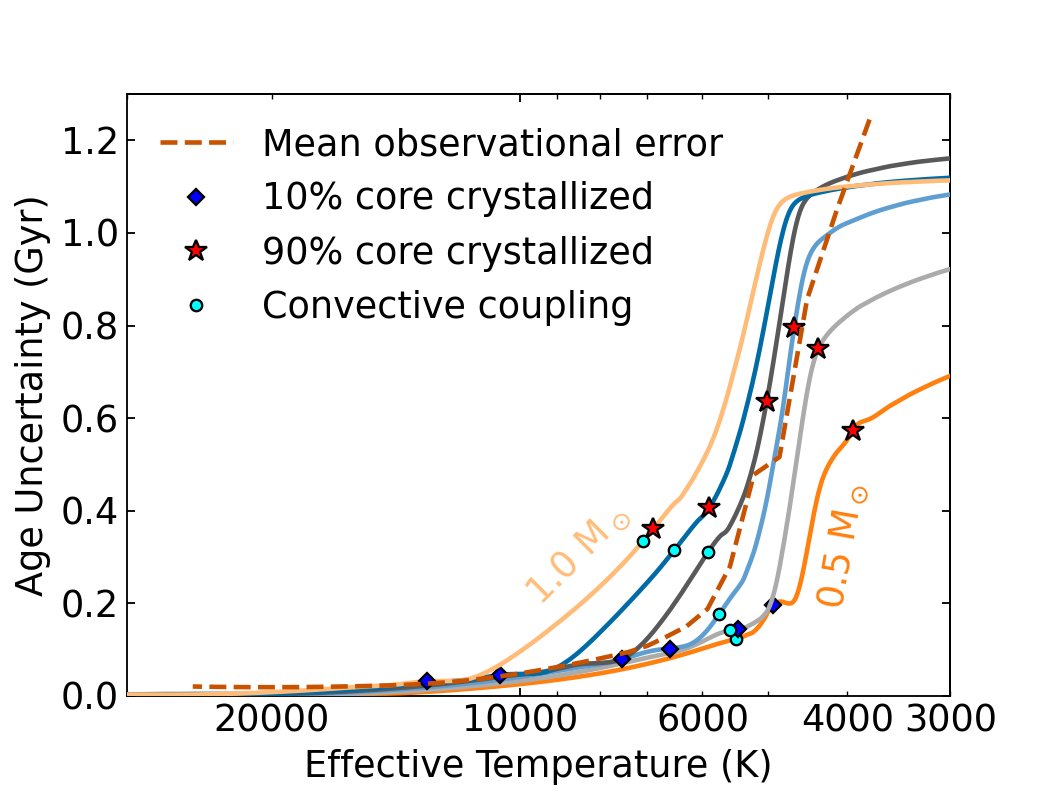
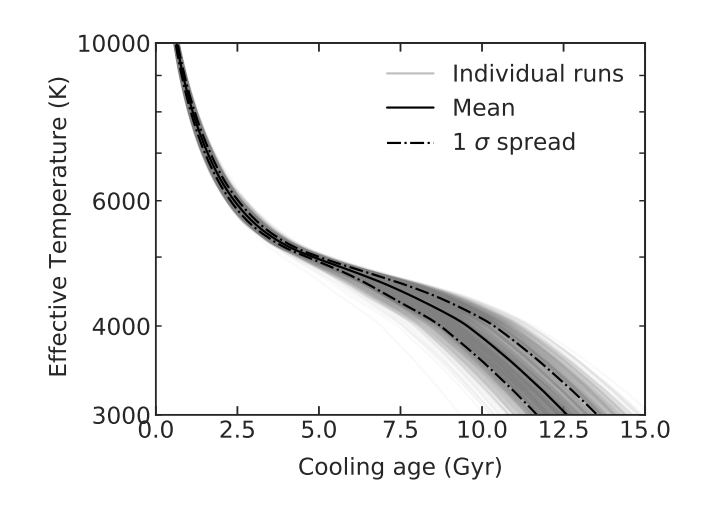
First paper by our MSc student Praneet Pathak: model uncertainties in white dwarf cooling ages typically can reach 0.8 Gyr at 4000K – comparable to measurement errors! This is key when white dwarfs are used as cosmic clocks. arxiv.org/abs/2410.14014
1
4
61
12 Feb 2025
Researchers from UVic’s Astronomy Research Centre used the James Webb Space Telescope to captured a rare glimpse of how young planets are forming. This groundbreaking discovery reveals how planets compete with their host star for material shorturl.at/Ei7Fh @ArcUvic #JWST
1
5
131
25 Jan 2025
I think I am following where Nature leads me shorturl.at/bRTFd maybe the grass is not greener there but molecules in Earth’s atmosphere scatter sunlight intensity with 1/lambda^4 which makes the sky ... @fherwig
1
41
3 Nov 2024
Obviously, there is still some room for improvement in traffic education for our animal city residents. But ... that's ok, we accommodate. #victoriabc #canada
1
71
29 Oct 2024
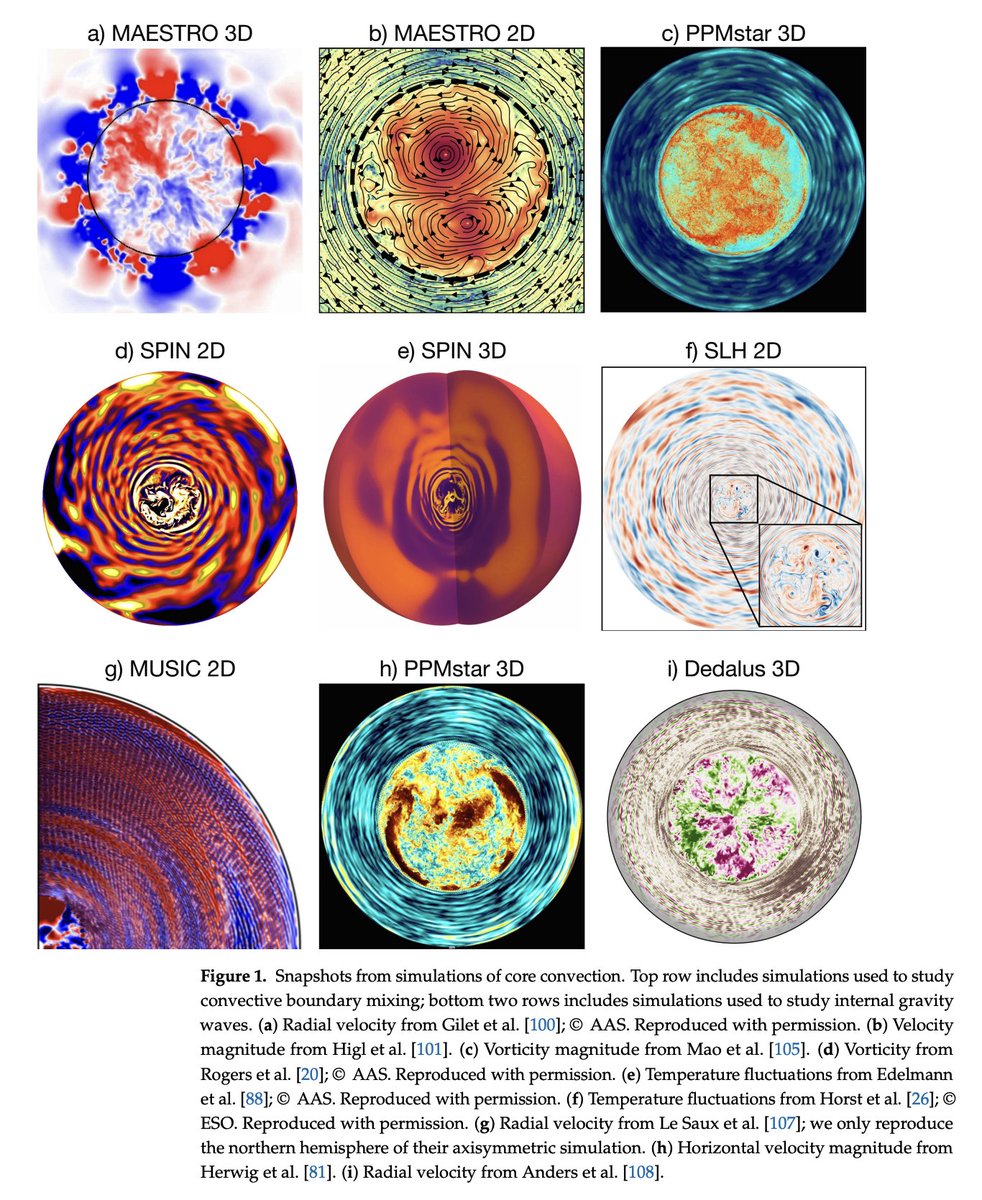
The state of core convection hydrodynamic simulations in 2023 from the very nice review by Daniel Lecoanet and Philip Edelmann. 3D stellar macro physics. We are getting there! ui.adsabs.harvard.edu/abs/20…
6
61
26 Oct 2024
If you are using white dwarf cooling ages now you can know what the systematic model uncertainties are, from our MSc student Praneet Pathak's (w/ Simon Blouin) very first paper arxiv.org/abs/2410.14014
8
62
13 Apr 2024
With these new 3D simulations featured by TACC tacc.utexas.edu and performed on the most recent TexaScale event in February we are hoping to find out what the nature of the asteroseismic low-frequency excess is, observed by space telescopes such as science.nasa.gov/mission/tes…
1
1
3
168
13 Apr 2024
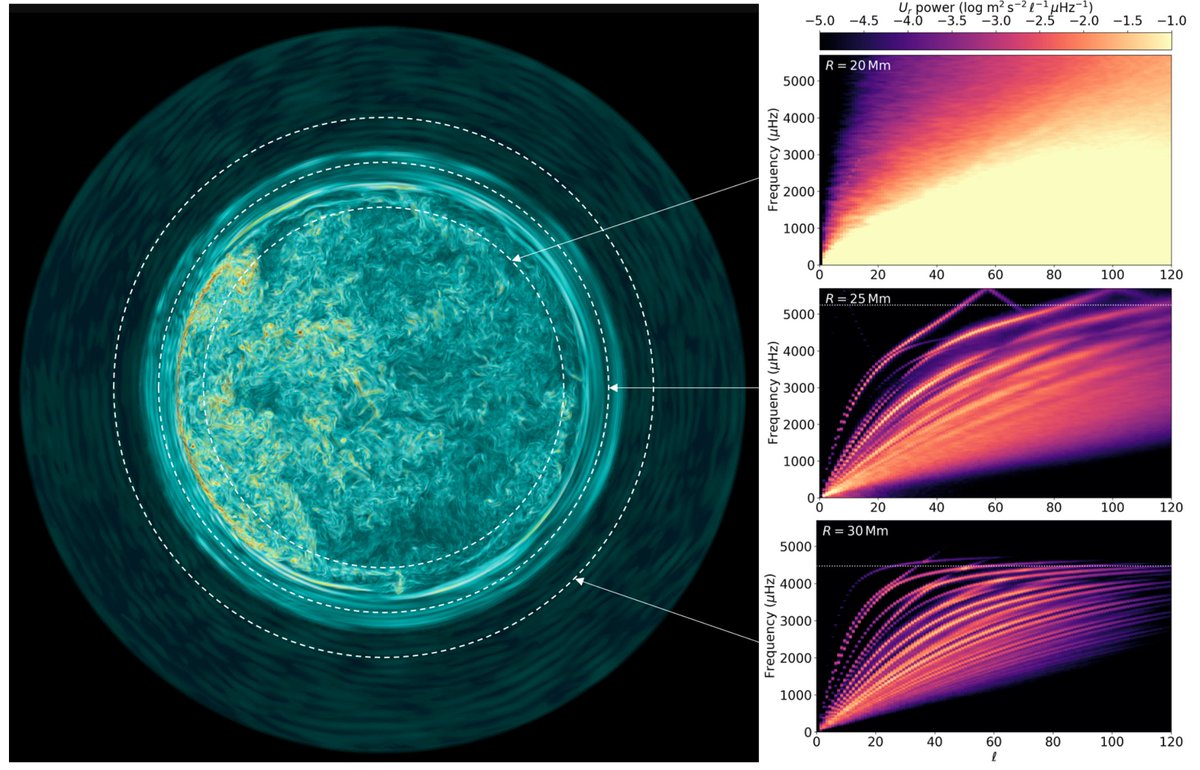
The simulations include in one grid a convective core as well as a relatively thin convective envelope in a massive main-sequence star. Internal gravity waves that are excited by core convection are visible in this image of the horizontal velocity component ...
1
1
51
13 Apr 2024
... at intermediate radii in blueish colors. We hope to learn if and how these waves may reach the stellar surface, what the role of the near-surface convective shell is, and how the spectra relate to observations, see recent work by our colleauges nature.com/articles/s41550-0…
1
1
53
Falk Herwig retweeted

6 Mar 2024
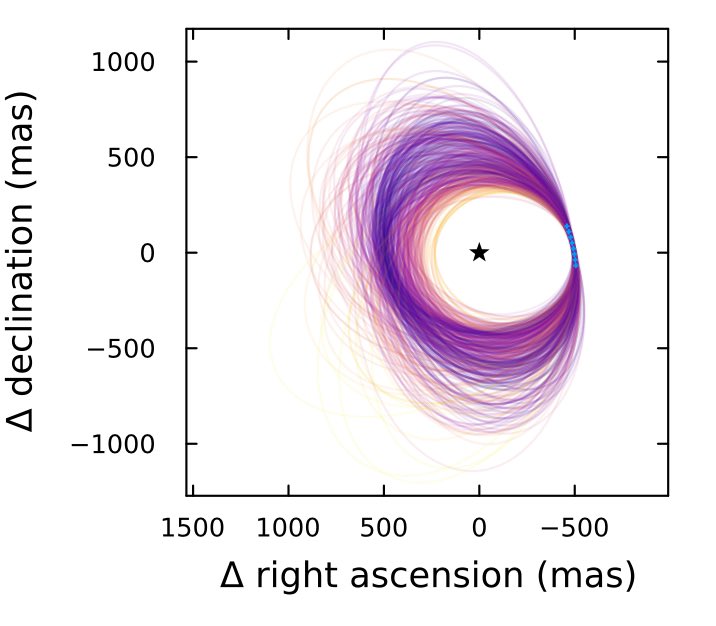
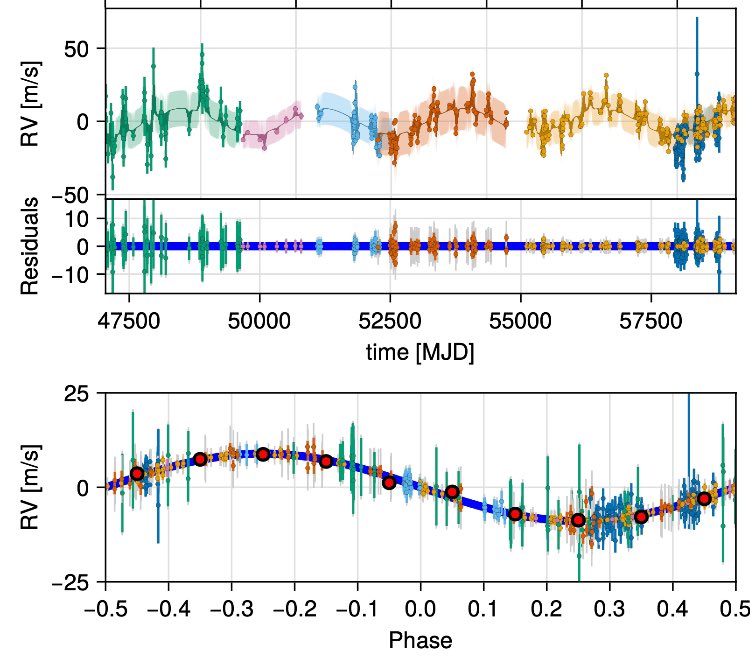
Announcing octofitterpy, a python wrapper for Octofitter. You can now fit orbits in seconds, all from the comfort of python. Just `pip install octofitterpy`!
Demo here: github.com/sefffal/octofitte…
[1/3]
6 Feb 2024

Announcing Octofitter (🐙), an ambitious tool for all kinds of exoplanet orbit modeling workflows: fit planet orbits to relative astrometry, proper motion anomaly, radial velocity, images, and more! [1/7]
sefffal.github.io/Octofitter…
1
5
40
4,297
7 Mar 2024
Simon on CBC Radio discussing his research cbc.ca/listen/live-radio/1-9…
6 Mar 2024

Really exciting #astrophysics research from our own @ArcUvic @PHASTatUVIC @CITA_ICAT Fellow Simon Blouin shows how floating crystals shake up the internal gravitational energy content of #WhiteDwarfs and delays their ultimate death by billions of years nature.com/articles/s41586-0…
1
3
325
Falk Herwig retweeted

6 Mar 2024
🌟 In a paper published today in @Nature, scholars from @the_IAS, @UVicScience, @uniofwarwick, and @CITA_ICAT have proposed a new theory that explains why a puzzling population of white dwarf stars seems to have cheated death for ten billion years: ias.edu/news/new-theory-expl…
4
5
1,533
6 Mar 2024
Really exciting #astrophysics research from our own @ArcUvic @PHASTatUVIC @CITA_ICAT Fellow Simon Blouin shows how floating crystals shake up the internal gravitational energy content of #WhiteDwarfs and delays their ultimate death by billions of years nature.com/articles/s41586-0…
6 Mar 2024

Thanks to new research from UVic's Simon Blouin (a @CITA_ICAT fellow), @uniofwarwick, and @the_IAS, we now know why a population of white dwarf stars have stopped cooling for billions of years. uvic.ca/news/academics/scien…
1
5
5
919
22 Aug 2023
Our first-ever full-sphere 3D hydro simulations of core-helium burning star interiors reveal internal gravity waves in assumed semi-convection zones at the core boundary, and that such semi-convection zones will most likely disappear on short time scales arxiv.org/abs/2308.10865
1
3
11
571
27 Jul 2023
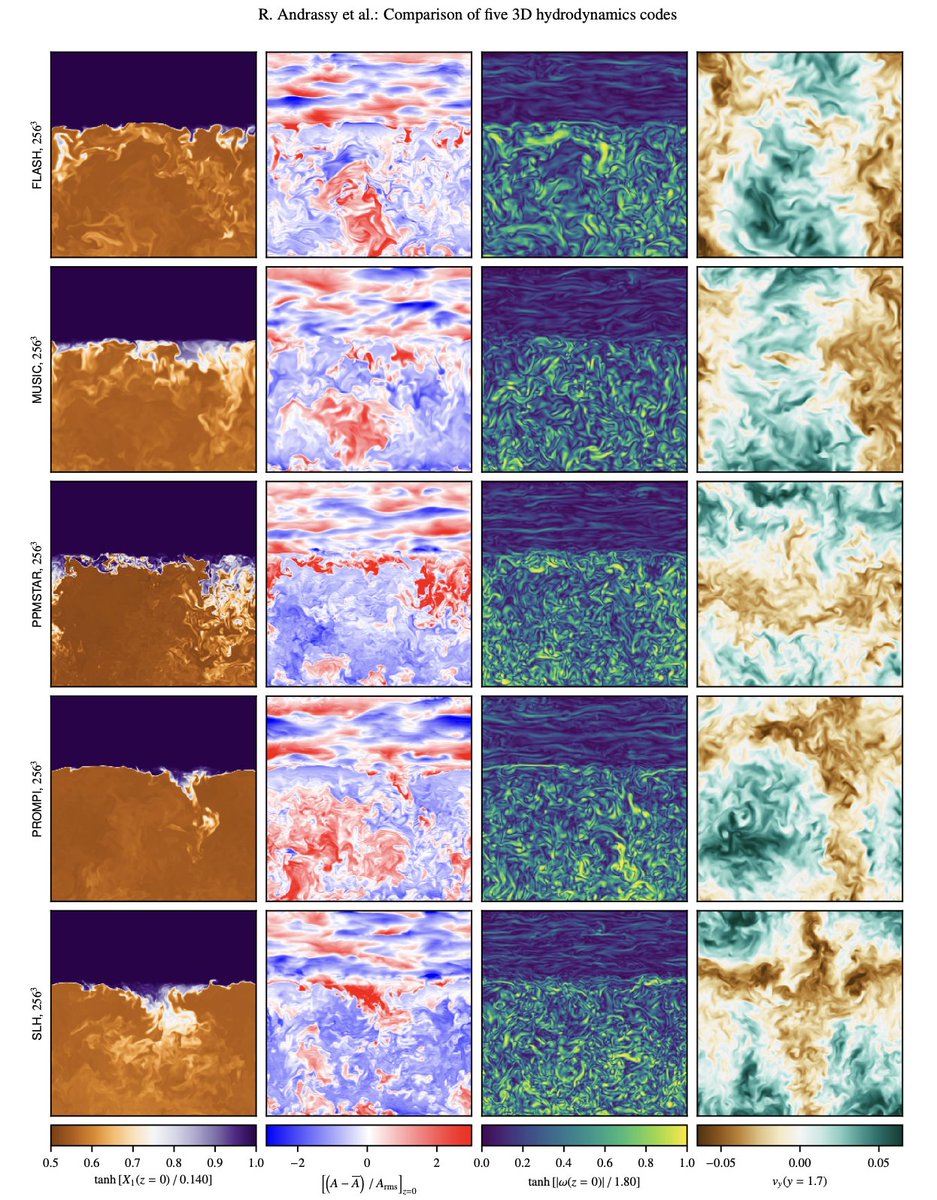
Verification through code comparison is super important in astrophysics simulations. Andrassy 22 arxiv.org/abs/2111.01165 compared 5 codes convective boundary sims - very encouraging - community data analysis access to reproduce all plots at ppmstar.org - Hubs - CoCo
1
11
425
26 Jul 2023
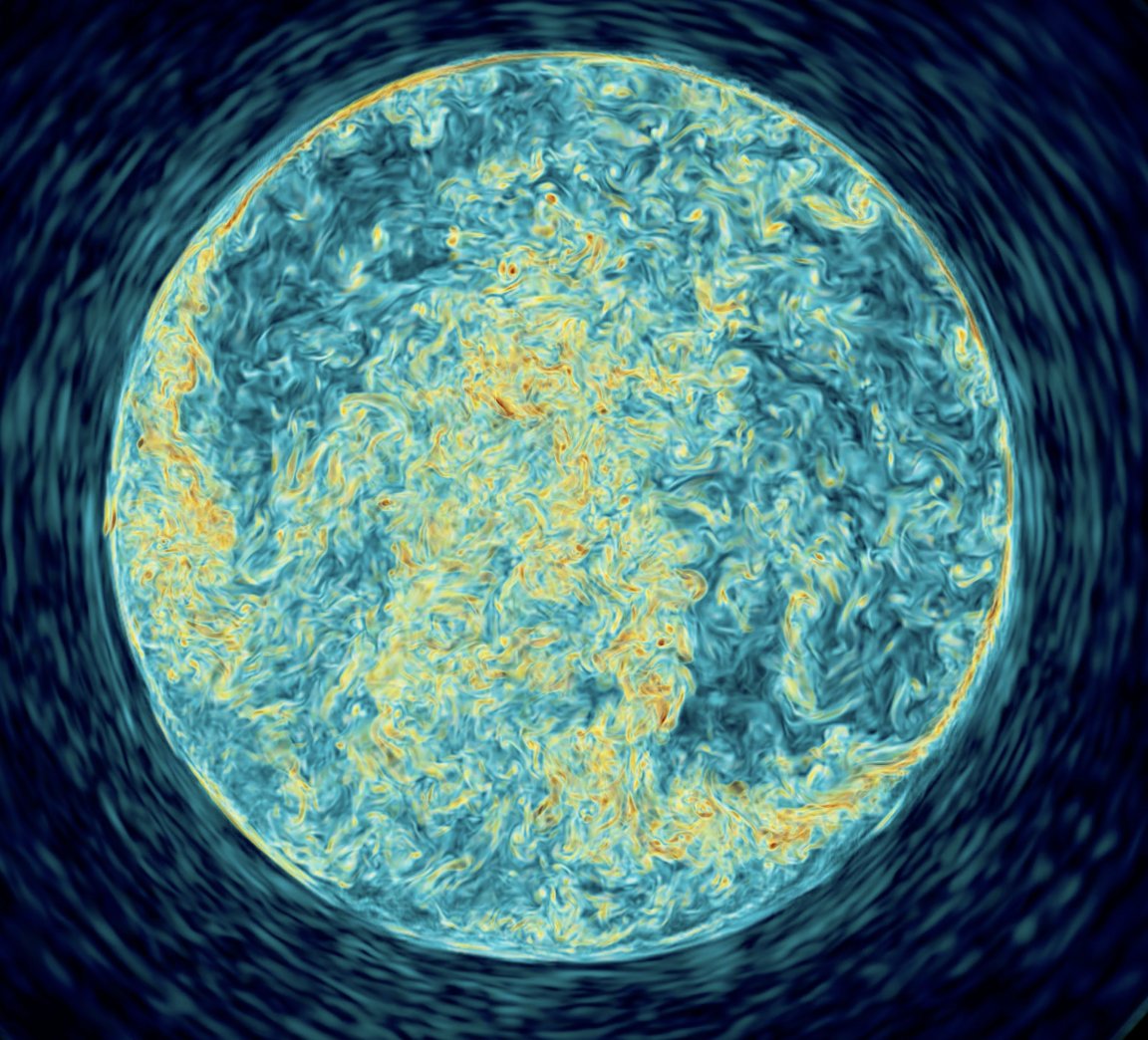
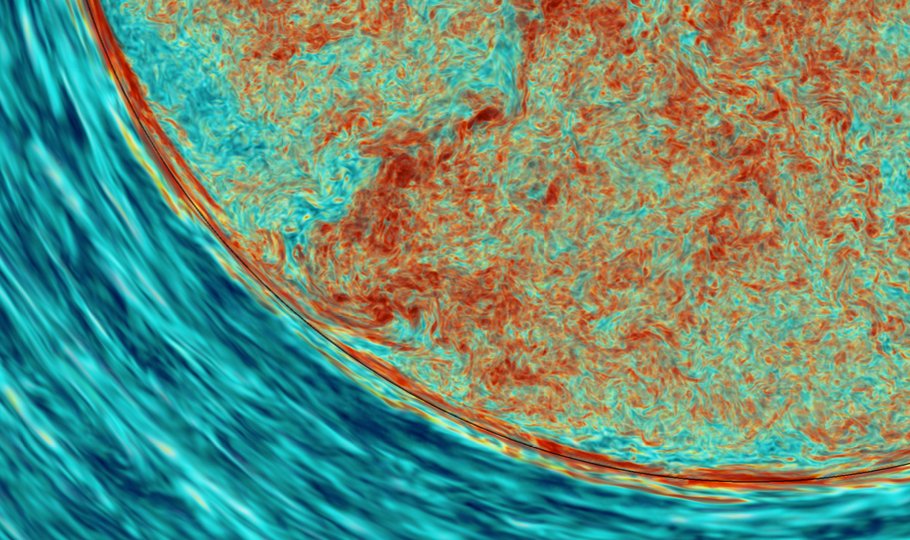
Finally paper I of our series on 3D hydrodynamic simulations of massive main-sequence stars is published arxiv.org/abs/2303.05495 based on very high grid resolution runs done @SciNetHPC and @TACC research supported by @NSF @NSERC_CRSNG @jina_cee
ALT Vorticity rendering of 3D simulation
1
2
9
246
26 Jul 2023
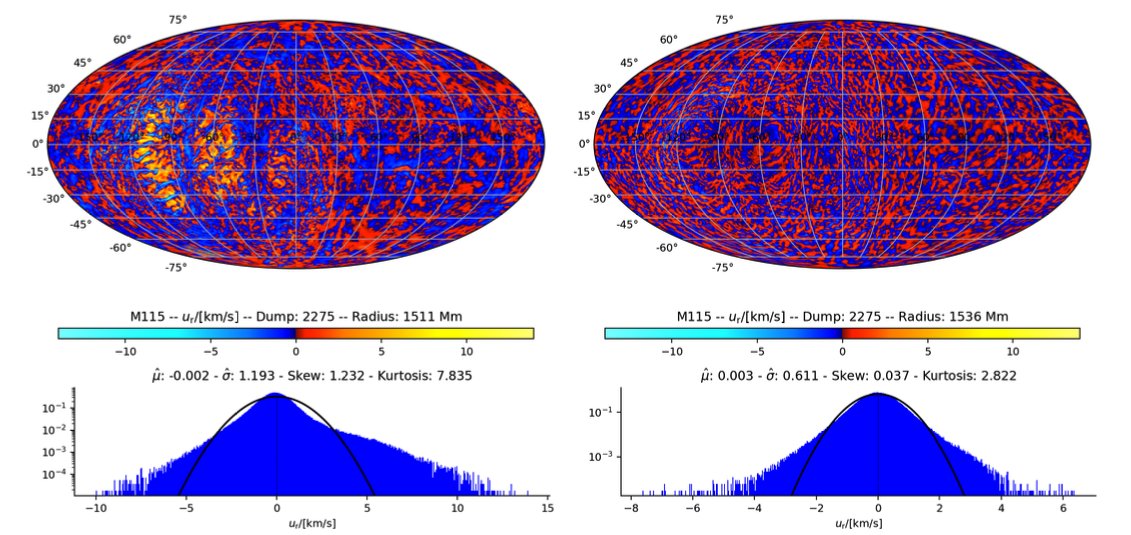
The convective core and the internal gravity wave dominated envelope have characteristically different radial velocity PDFs which can be used to map the flow transition at the convective boundary.
ALT Probability distribution function of radial velocity in convection zone and in IGW dominated envelope
1
54
26 Jul 2023
Centre plane tangential velocity rendering: the convective core is dominated by a giant dipole seen from N to S with boundary layer separation in the E and W of the horizontal return flow (cf Fig 4 for radial velocity). IGWs in the stable envelope have a broad range of scales.
ALT centre plane tangential velocity rendering
1
51