RWA guy before it was cool. Built a unicorn. Tokenized Wall Street. what’s next?
Joined August 2007
- Tweets 12,340
- Following 1,620
- Followers 3,702
- Likes 5,668
547 Photos and videos





Jun 5
Epic
Jun 5

Today, we announced that the SEC has declared the Registration Statement on Form S-4 effective. The proposed business combination will be submitted to $CEPT shareholders of record as of May 11, 2026 (the "Record Date"), for approval at a special meeting scheduled for June 29, 2026, and, if approved, is expected to close shortly thereafter. Upon closing of the transaction, the combined company is expected to operate under the name Securitize Corp., and its shares are expected to trade on the NYSE under the ticker symbol "SECZ."
1
21
1,959
May 30
“The hard thing about hard things” by @jserna
May 30

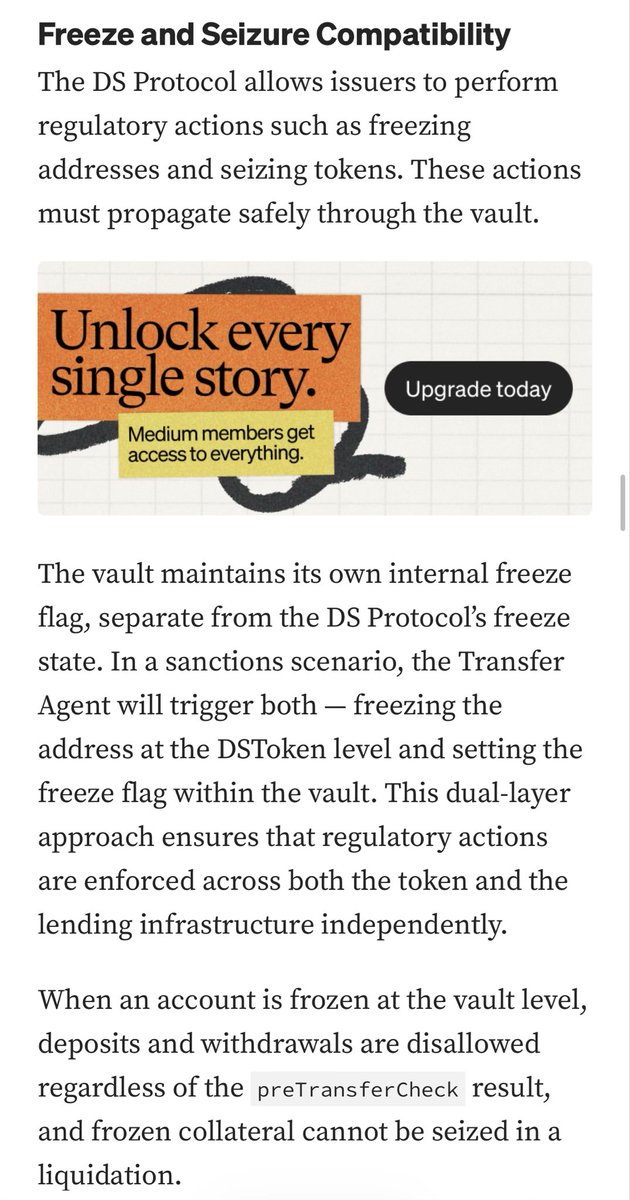
The story about Circle freezing a pool due to a court order is significant in the context of our announcement this same week of the @eulerfinance integration-
medium.com/securitize/integr…
One of the key things we do when integrating a DeFi protocol is ensuring that if we have the obligation to freeze an investor position we can do that AND ONLY THAT, without having to impact other positions or investors in a pool.
This is much more complex than simply whitelisting a pool address in a permissioned token, and that’s why the capabilities of our DS Protocol being used by Euler enabling this is such a relevant development.
We do the hard things to future proof our utility, and make sure DeFi becomes an advantage and not a risk.
1
5
599
May 29
Giving away free money is always a great strategy to acquire customers, votes etc but retention is not so easy.
1
2
184
May 26
So sorry to read this. I am saddened and shocked. May he rest in peace.
May 26

The Securitize team sends its deepest condolences to Nathan’s family, friends, and the entire Ondo team.
Nathan played an important role in the growth of the RWA space and helped bring greater attention to tokenization and onchain finance.
He will be missed.
1
24
1,416
May 24
I never understand why people have videos or tweet storms that offer to explain anything for free. Wait…
1
1
172
May 20
If you bring a tokenized stock online you better also bring some liquidity with it.
1
3
17
1,261
May 20
Pretty impressive growth. Well done @Securitize
May 20
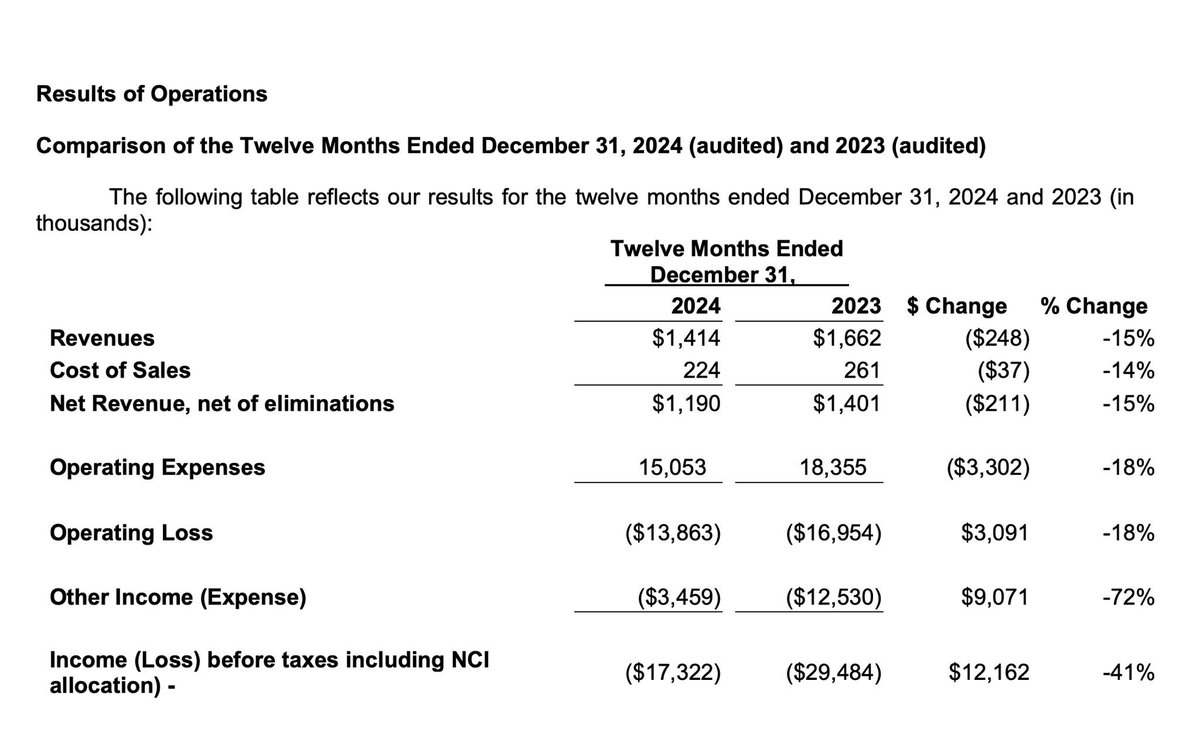
Highest quarterly revenue in company history and updated S4 filed. One step closer. LFG!!
2
33
2,377
May 19
Somehow @RobinhoodApp managed to make venture capital volatile in both directions on a daily basis.
4
228
🙈 Jamie Finn retweeted

May 12
The Anthropic/SPV situation is way more legally complicated than “the transfers violated the charter, therefore buyers get zero.” That is not how Delaware equity jurisprudence works - especially in Chancery.
Sure - Anthropic can absolutely argue that transfers required board approval and that certain structures attempted to circumvent transfer restrictions. Fine. That is a serious argument.
But Delaware courts also care deeply about acquiescence, waiver, estoppel, reliance, and equitable fairness. And that is where this gets messy.
These secondary/SPV structures did not appear overnight. This ecosystem existed openly for YEARS. Deals were marketed publicly. Prices were tracked publicly. Entire platforms existed around them. There are almost certainly internal emails, texts, compliance discussions, board materials, screenshots, and executive conversations acknowledging these markets existed and choosing not to enforce against them in real time.
At some point Chancery starts asking uncomfortable questions:
Did the company knowingly allow a secondary ecosystem to develop?
Did sophisticated parties rely on that silence?
Did insiders themselves participate in or benefit from these markets?
Did the company selectively enforce only after valuations exploded?
Did they “sleep on their rights” while billions in reliance capital formed around these structures?
And even IF some transfers are ultimately voidable, that still does not mean counterparties are left with no remedy. Delaware equity courts are not blind to unjust enrichment, reliance damages, constructive trust theories, rescission claims, tortious interference issues, or other equitable relief where parties acted in good faith based on years of tolerated market practice.
That is the key point people are missing: this is not just a pure four-corners corporate charter case anymore.
Once a company knowingly permits an entire shadow secondary market to flourish for years, equity enters the chat.
And Delaware Chancery is literally the home of equity.
28
37
422
72,250
May 11
Seen all the SPV hoopla about Anthropic stock - these restrictions are always in place for private securities unless the legend is removed. This why they are called restricted securities. That said - where there is a will there is a way.
3
10
1,283
May 11
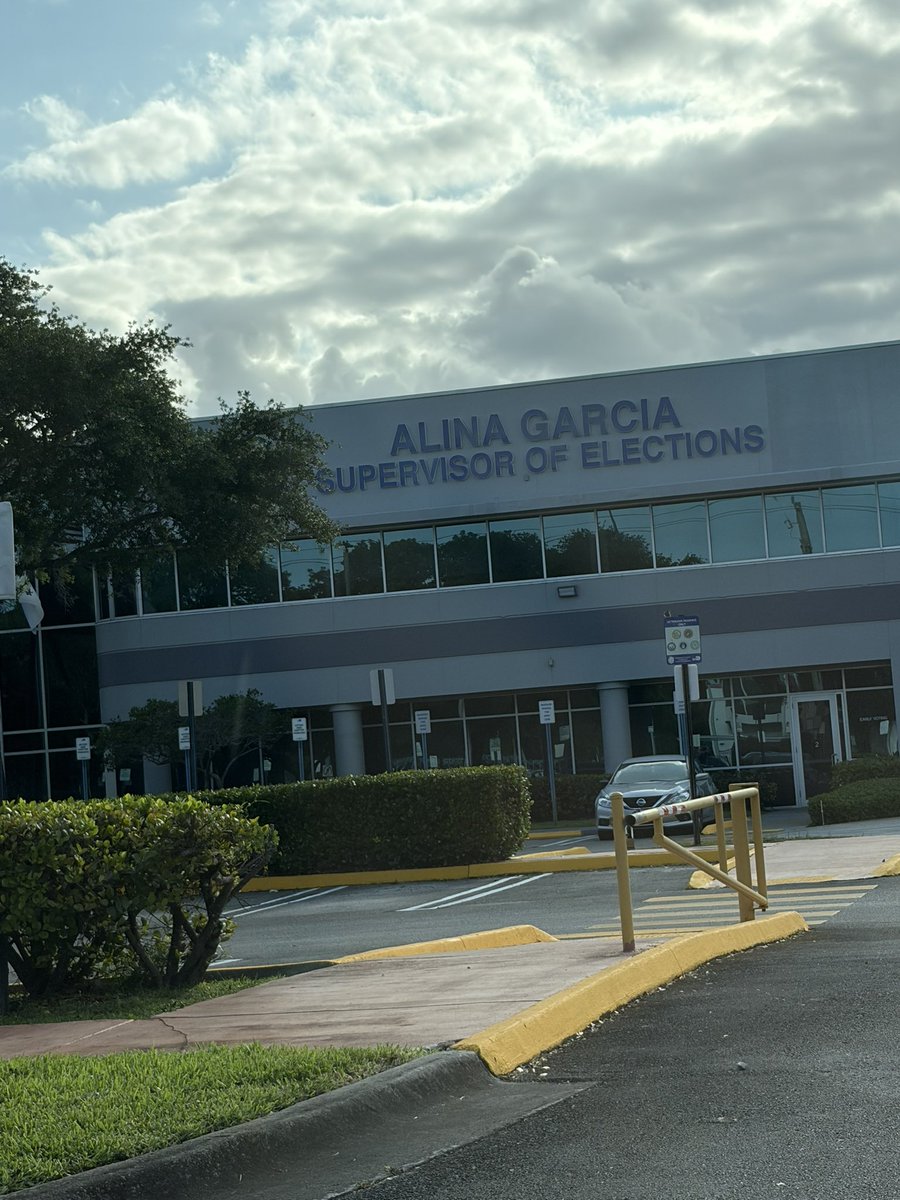
Things are more screamy inMiami. Why does anyone need their name this big on a building when they work for the government?
5
527
May 9
Ai is annoying. I finally figure out what a markdown file is on how to use it effectively and suddenly it’s garbage.
2
157
May 8
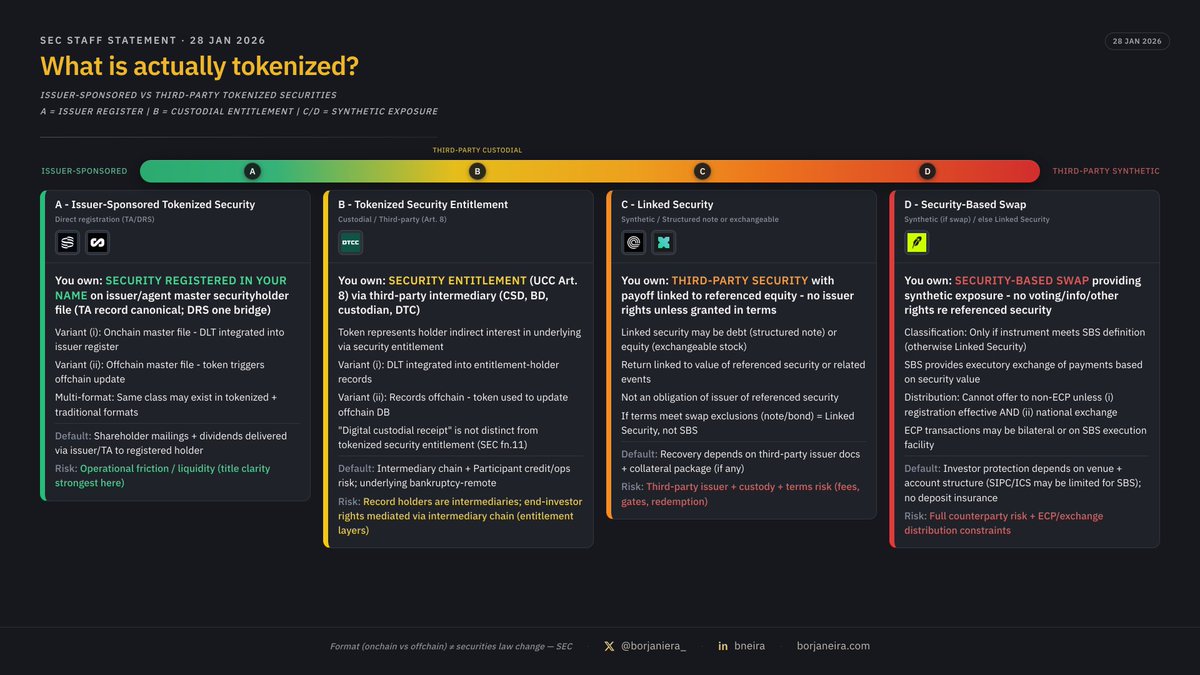
What happens if you build $1 billion wrapper business for tokenized stocks and then the actual companies come and ask you not to use their name anymore as the real stock exists on chain and that it’s confusing. Do people lose their money or is there a cash out? How does it work?
3
5
670
🙈 Jamie Finn retweeted

May 8
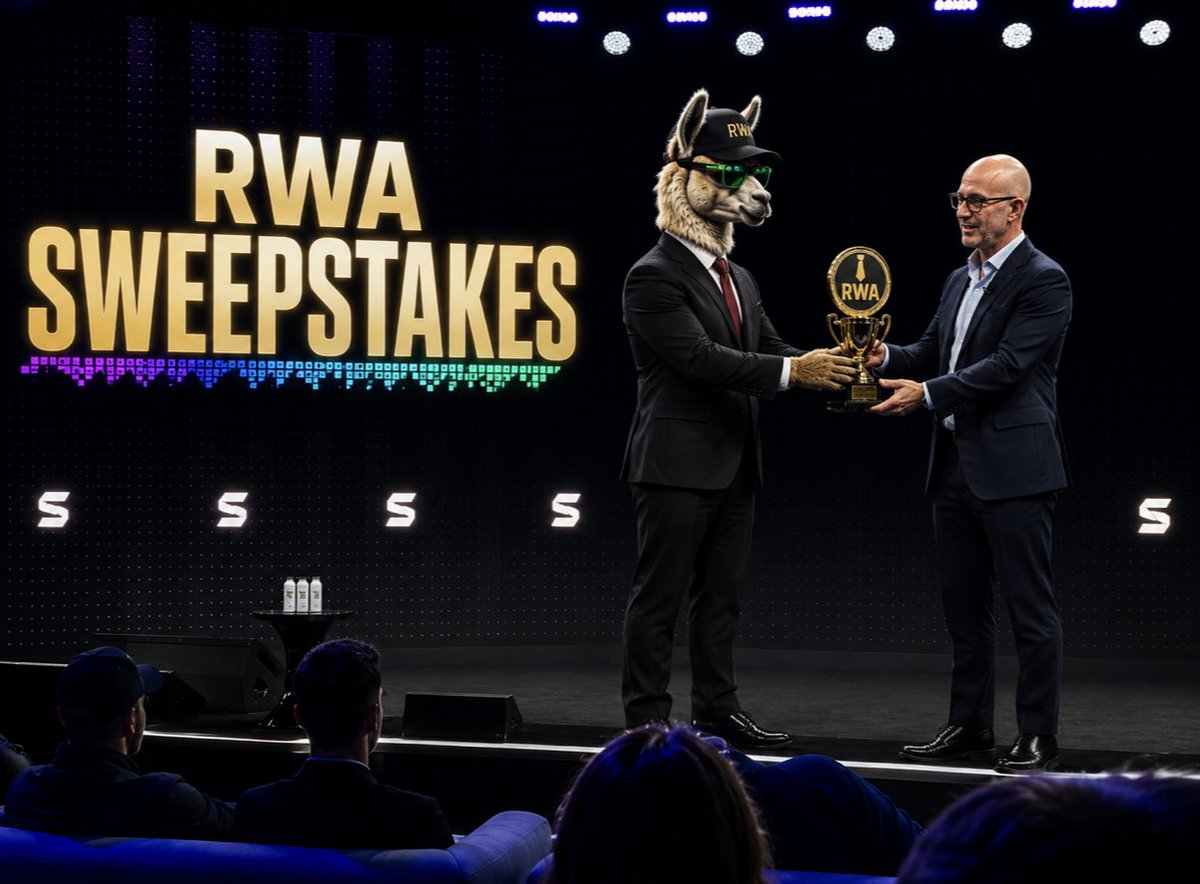
The people have spoken. Handing the RWA Sweepstakes trophy to @carlosdomingo at @consensus2026.
Native won. The token IS the registered share. No wrapper, CT voted for the asset, not the exposure.
Congrats to @Securitize. Now back to building. 🦙
2
5
24
1,272
May 7
My kid ran out of data on his phone plan and so I explained he can send text messages without using data, he called it a hack. I call it SMS.
3
7
541
May 7
He was even more blown away that he could send it to anyone’s phone and it just worked.
78