All the latest first aid tips, advice and news. We think everyone should know lifesaving first aid. #firstaid #CPR #AED
There are a few basic points to cover when beginning to explain this topic. The first and generally most important point to consider is that of skills testing (i.e. testing done in a real-world...
Rescue breathing, or the 'Kiss of Life', is commonly associated with CPR. However, guidelines have changed in recent years and rescue breathing is now only recommended for trained rescuers. Untrained...
Chest compressions are the most important component of cardiopulmonary resuscitation (CPR). It is vital chest compressions are of good quality if CPR is going to be effective in keeping the casualty...
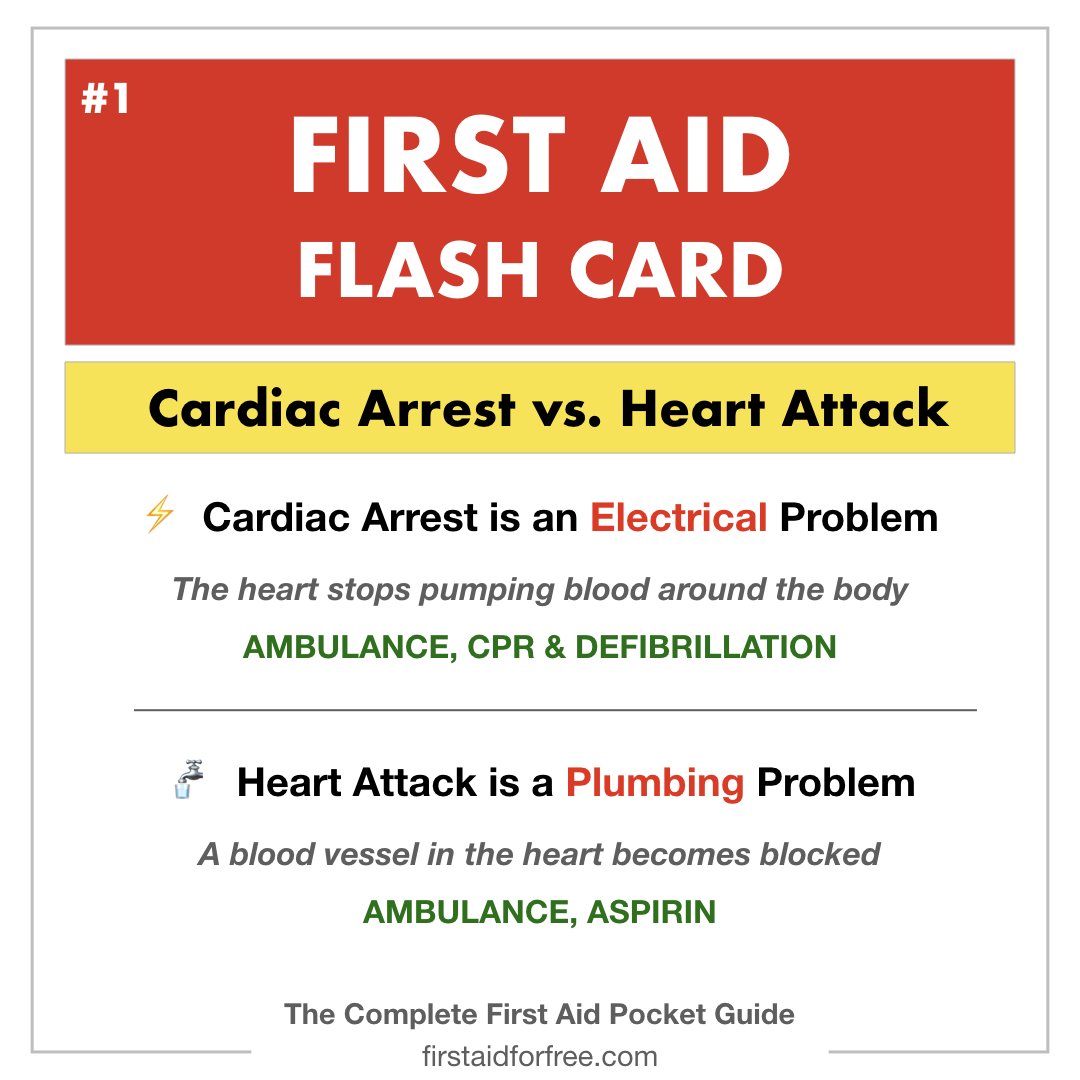
Cardiovascular disease (CVD) is the general name for a number of more specific diseases such as: heart disease vascular disease stroke CVD is a major cause of death in developed countries mainly due...
Correct hand position is vital when performing chest compressions as part of Cardiopulmonary Resuscitation (CPR). Chest compressions need to be performed in the right place in order to be effective....
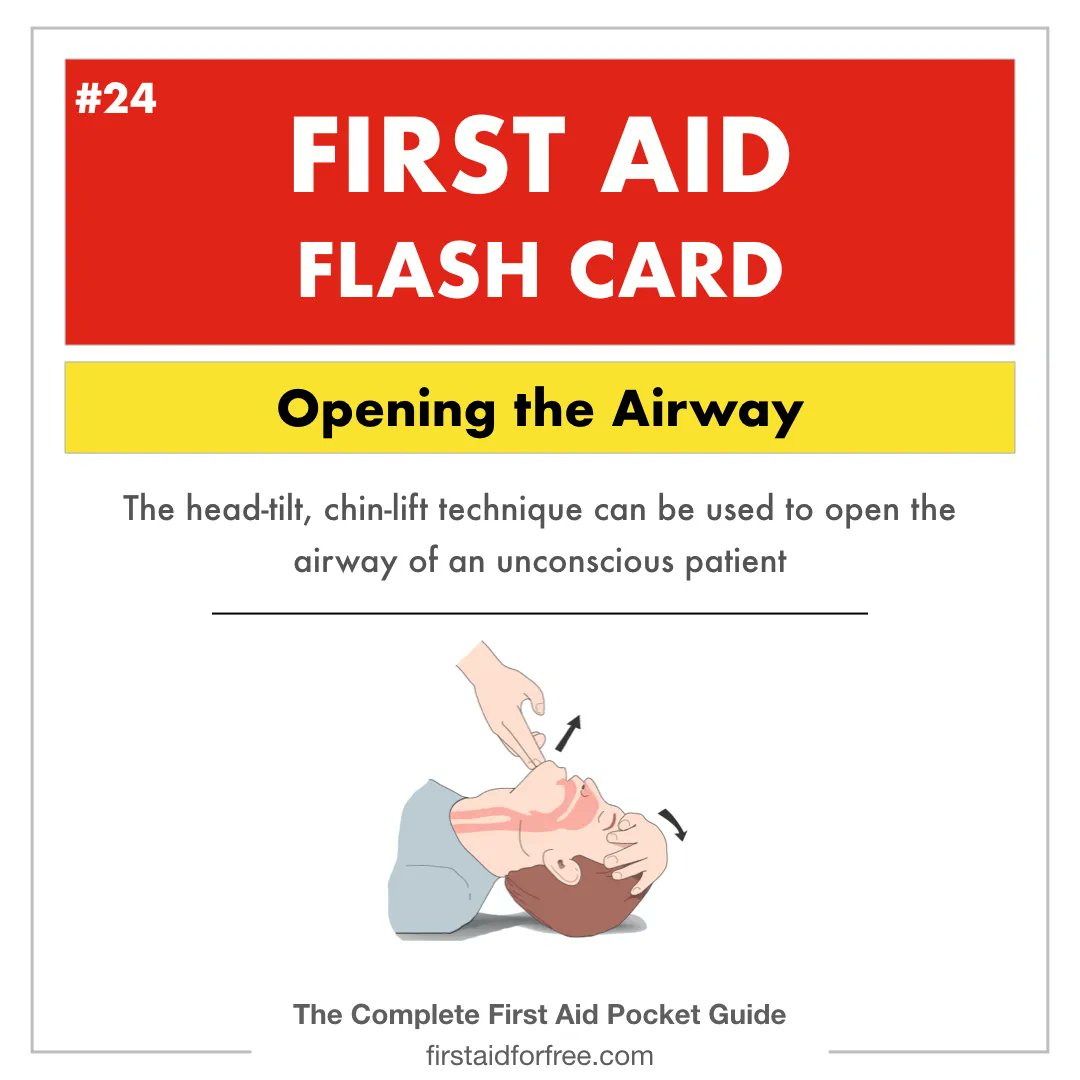
The head tilt chin lift is a basic airway management technique used to prevent the tongue from blocking the airway. As the picture shows, the tongue can block the back of the throat when a patient is
CPR-test.org is expanding! We've just added a new medical emergencies practice test to our range of free online practice tests. Knowing the correct first aid treatment to common medical emergencies...
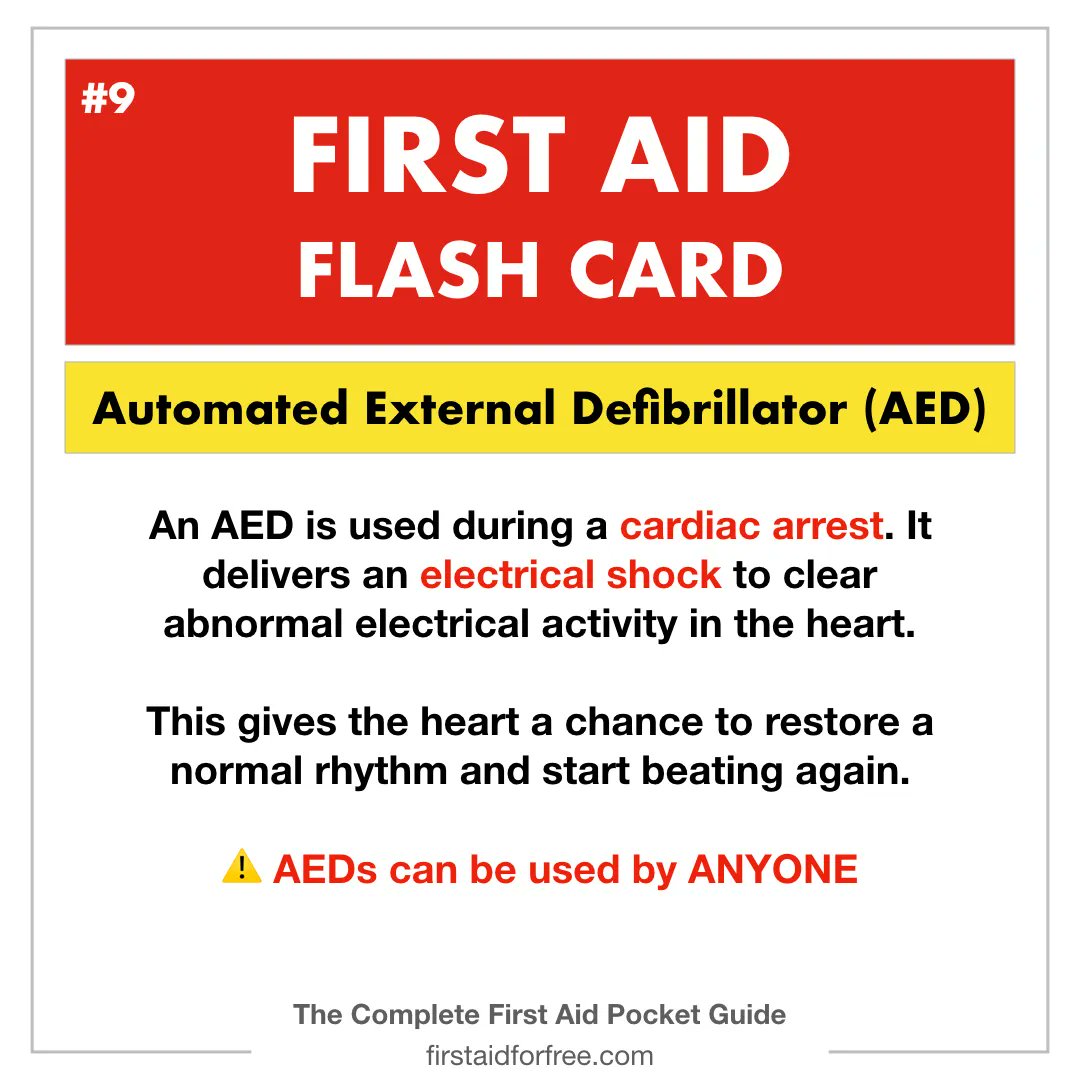
We’ve seen defibrillators being used in numerous TV shows. The actor playing the doctor yells “Clear!” and sends a shock to the patient. But how exactly do defibrillators work? And what are the...
Many of us keep a first aid kit at home or in the workplace. But, if an incident were to happen, would you know how to use it? Whether in the workplace, public, or at home,
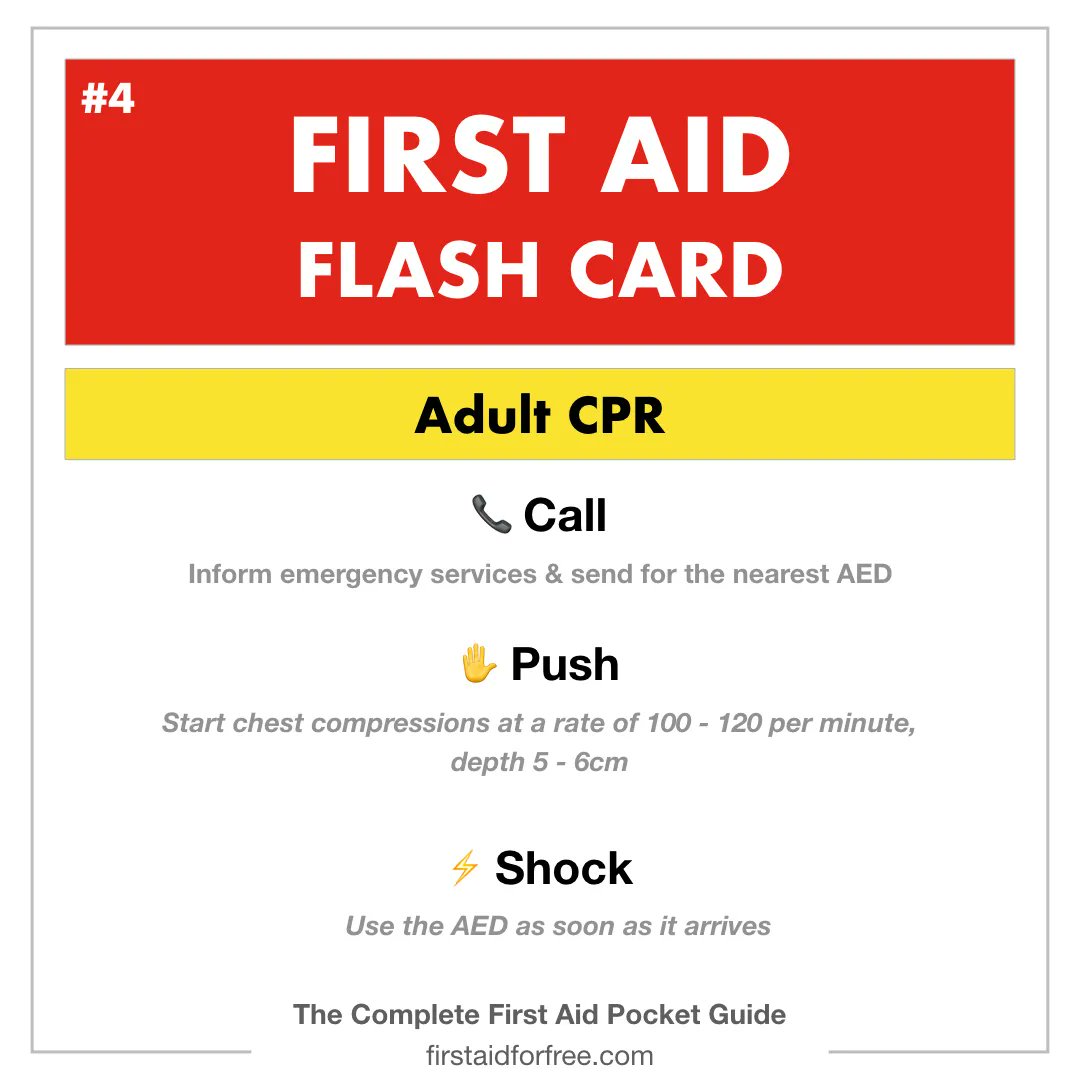
CPR is a lifesaving technique used when a patient suffers a cardiac arrest. CPR allows the continuous flow of oxygenated blood to vital organs of the body until medical treatment (defibrillation) is...
Before starting cardio-pulmonary resuscitation (CPR) it is important to assess whether the patient is breathing normally. In order to do this, you should open the airway and check for breathing using...
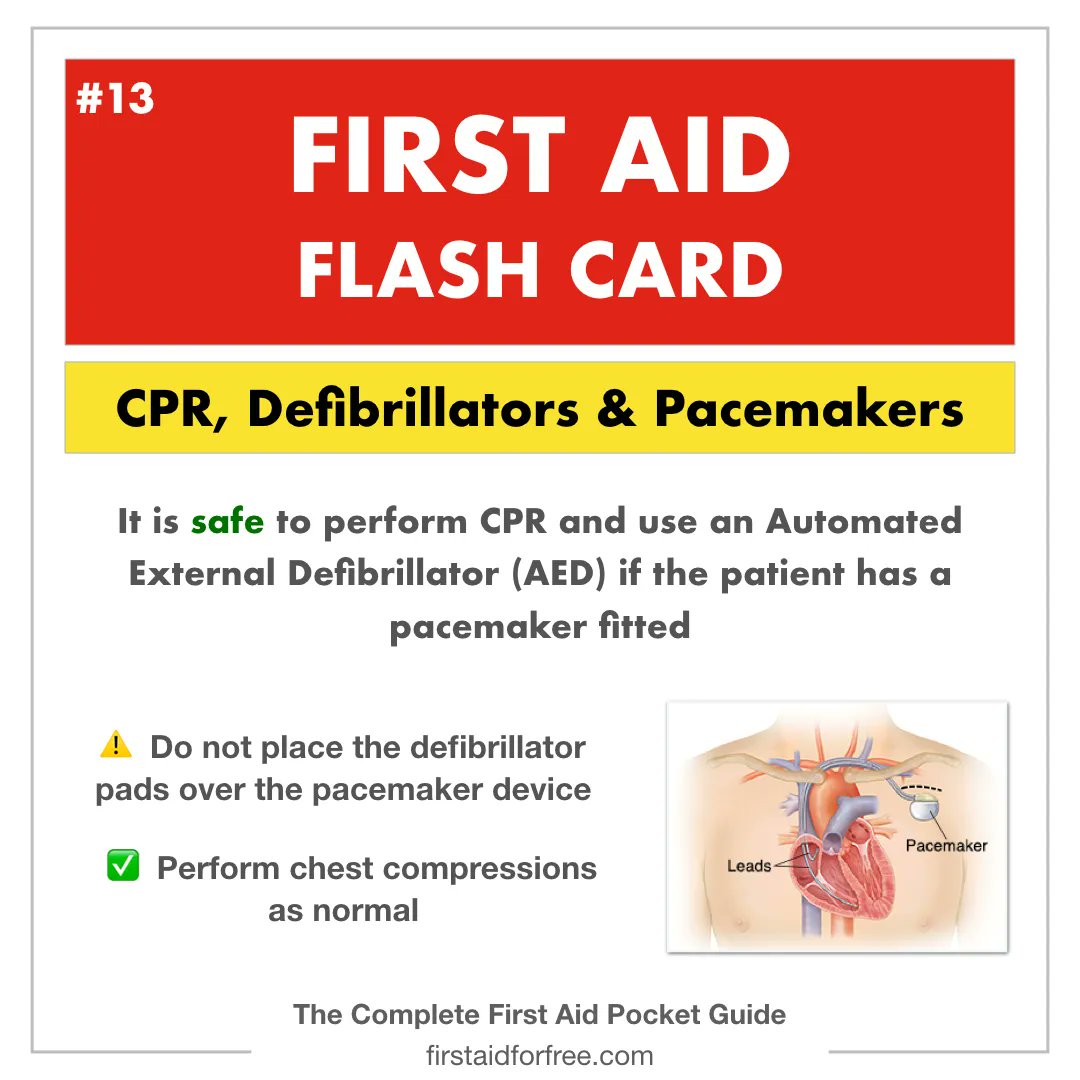
Yes! Someone with a pacemaker can be given CPR in the event of a sudden cardiac arrest. A pacemaker is an electrical device that regulates the electrical activity of the heart. Often, people have...
The following tips will help you memorize key pieces of information when taking the ACLS exam as part of your ACLS certification or recertification process. Many students are nervous about the...
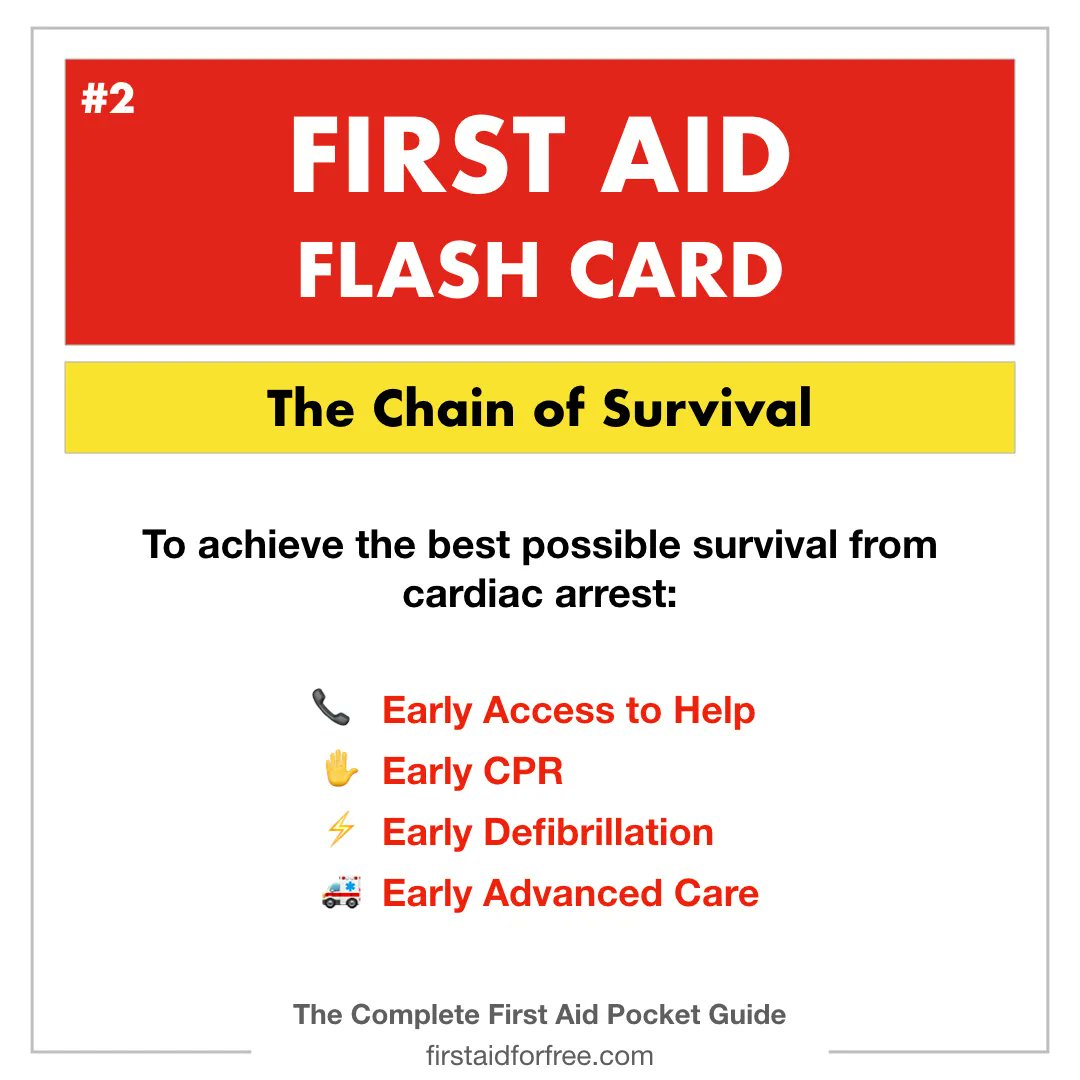
A cardiac arrest occurs when the heart suddenly stops beating. When an adult casualty suffers a cardiac arrest, it is likely that there is residual oxygen left in the blood stream. Cardiopulmonary...
Our friends over at firstaidforfree.com have just launched a free online Automated External Defibrillator (AED) course. This new course covers basic principles of defibrillation and its role in the...
Every day, people go through their daily routines, not knowing what a day may hold. Things can happen when we least expect it, but the key is to be prepared for anything that may come. First
Ventricular fibrillation (VF) is the most common cause of cardiac arrest. It is a rapid, chaotic, lethal rhythm of the heart. In this condition the heart is unable to contract and therefore unable to...
Cardiopulmonary Resuscitation (CPR) is a lifesaving first aid technique used to help a victim suffering from a cardiac arrest. High-quality CPR greatly improves the victim's chances of survival from...
Cardiopulmonary Resuscitation (CPR) is often performed by first aiders or lay rescuers before the arrival of further medical care. In order for CPR to be effective, it should be performed continuou...