Delil, an Ethiopian asylum seeker staying there, put it plainly. "I work for Deliveroo like a lot of my friends. I want to work, that's why I came to the UK."
The Jobs Did Not Disappear. They Were Rented To People Who Cannot Legally Work.
729,000 people aged 16 to 24 were unemployed in Britain between January and March this year. The youth unemployment rate, 16.2 percent, is the highest since early 2015. For the first time since records began in 2000, it is now higher than the EU average. Almost one million young people are not in education, employment or training, the highest figure in more than a decade.
The explanation offered is economic headwinds. The cause is closer to home. Employer National Insurance contributions rose in April last year. The minimum wage rose with it. The sectors that have always absorbed young workers first, retail, hospitality, delivery, became the most expensive sectors to hire into. Job vacancies have fallen seven percent in a year, to their lowest level since April 2021. The pattern is simple. Raise the cost of hiring at the bottom of the market, and the bottom of the market stops hiring first.
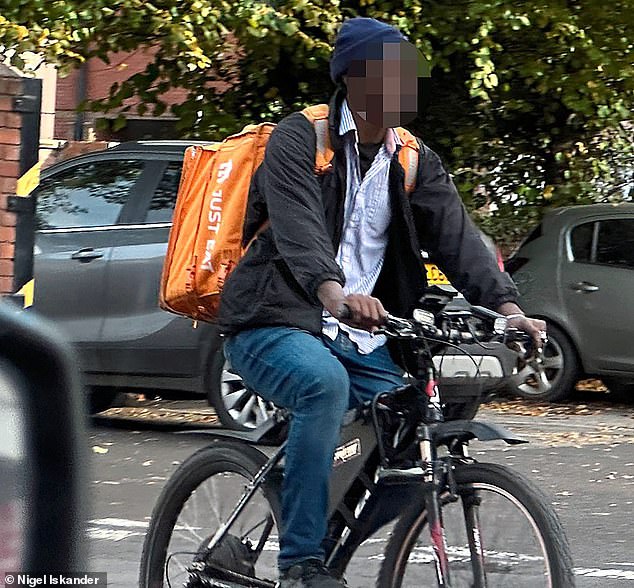
But the jobs have not disappeared. Walk down any high street and the delivery riders are still there, in greater numbers than ever. What has changed is who is doing the work, and how.
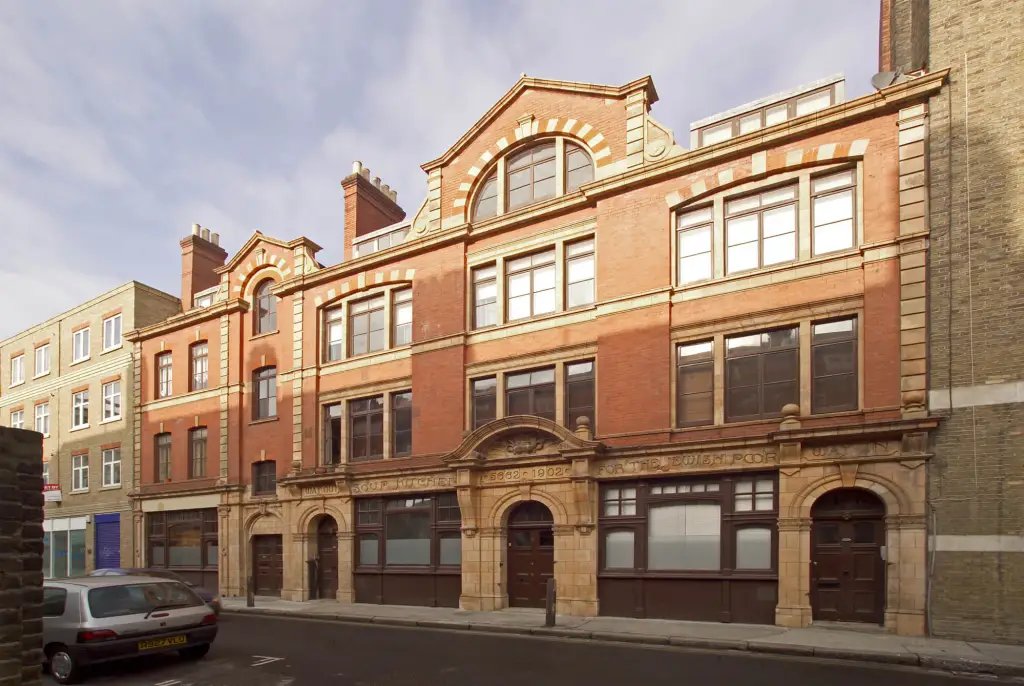
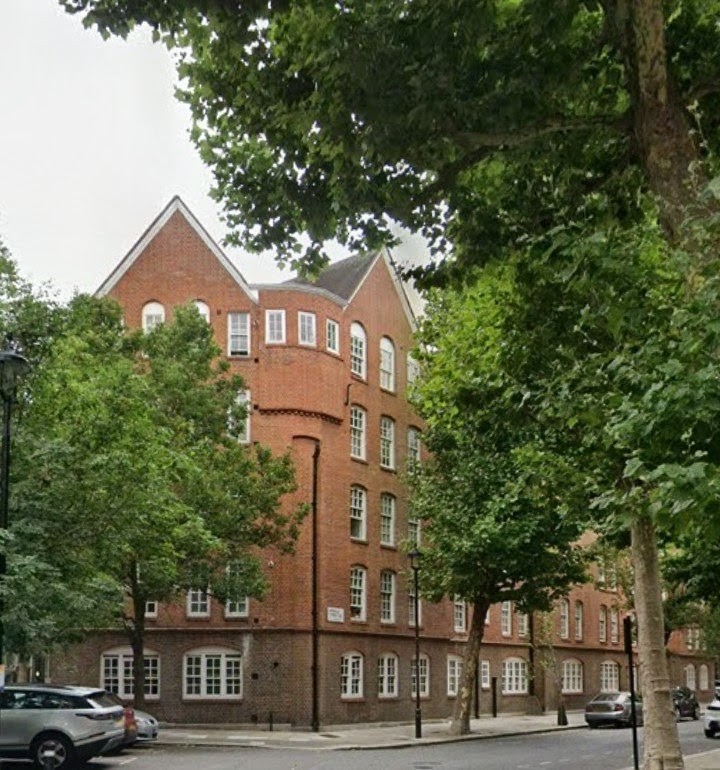
At the Midland Hotel in Derby, a Grade II listed building housing around two hundred asylum seekers, a whistleblower described the daytime scene. The hotel is not busy, they said, because everyone is out at work. Delil, an Ethiopian asylum seeker staying there, put it plainly. "I work for Deliveroo like a lot of my friends. I want to work, that's why I came to the UK."
This was documented in December 2023. Researchers at Nottingham Trent and Heriot-Watt found migrant couriers earning between £900 and £1,500 a month. The mechanism is a rental market. An account holder with the right to work registers with Deliveroo, Uber Eats or Just Eat, then rents access to that verified identity to someone who does not have it, for £70 to £100 a week. At the time, hundreds of such accounts were available on Facebook Marketplace. In the first quarter of 2025, almost 750 civil penalty notices were issued to companies for immigration breaches, the highest since 2016.
The response came later. Deliveroo told MPs it had removed 105 riders since April 2024 for exactly this. In July 2025, the Home Office began sharing asylum hotel locations with the delivery firms, so they could flag accounts spending unusual time nearby. Asylum seekers are barred from working for their first twelve months. The data-sharing exists because, as Delil already said on the record, many already are.
Robert Jenrick called the substitutes system a driver of illegal immigration that put public safety at risk, because the companies were not carrying out proper checks. He was right, eighteen months before anyone with the power to fix it agreed, and the underlying arrangement, an entry-level job performed by someone the law says cannot hold it, accessed through an identity rented from someone who can, has not gone away. It has simply become harder to spot.
Put the two facts together. A record number of young Britons cannot get a foot on the first rung of the labour market, priced out by costs the government itself imposed. At the same time, the first-rung jobs are being done anyway, documented, named, on the record, by people the system says should not be working at all.
Nobody designed this as a system. Nobody has dismantled it either. Years after the Midland Hotel investigation, the high street looks exactly the same.
"Researchers at Nottingham Trent and Heriot-Watt found migrant couriers earning between £900 and £1,500 a month."