millennial he/him // drawing listening reading watching // 18
Joined January 2024
- Tweets 7,083
- Following 137
- Followers 133
- Likes 5,635
2,252 Photos and videos




Pinned Tweet

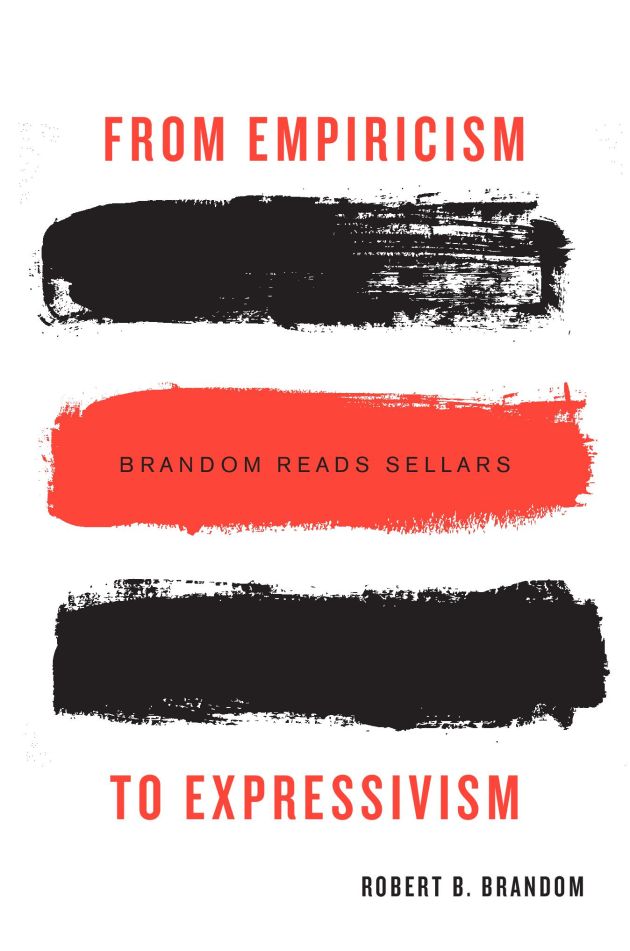
pausing all theory posting until i finish these books

1
43
i am arguing for 100% wealth tax, actually. expropriate everything these guys own and put them on trial

elon being worth $1 trillion does not mean elon has $1 trillion in the bank.
most of the people i see arguing for a 5% annual wealth tax appear to be willfully misunderstanding this.
4


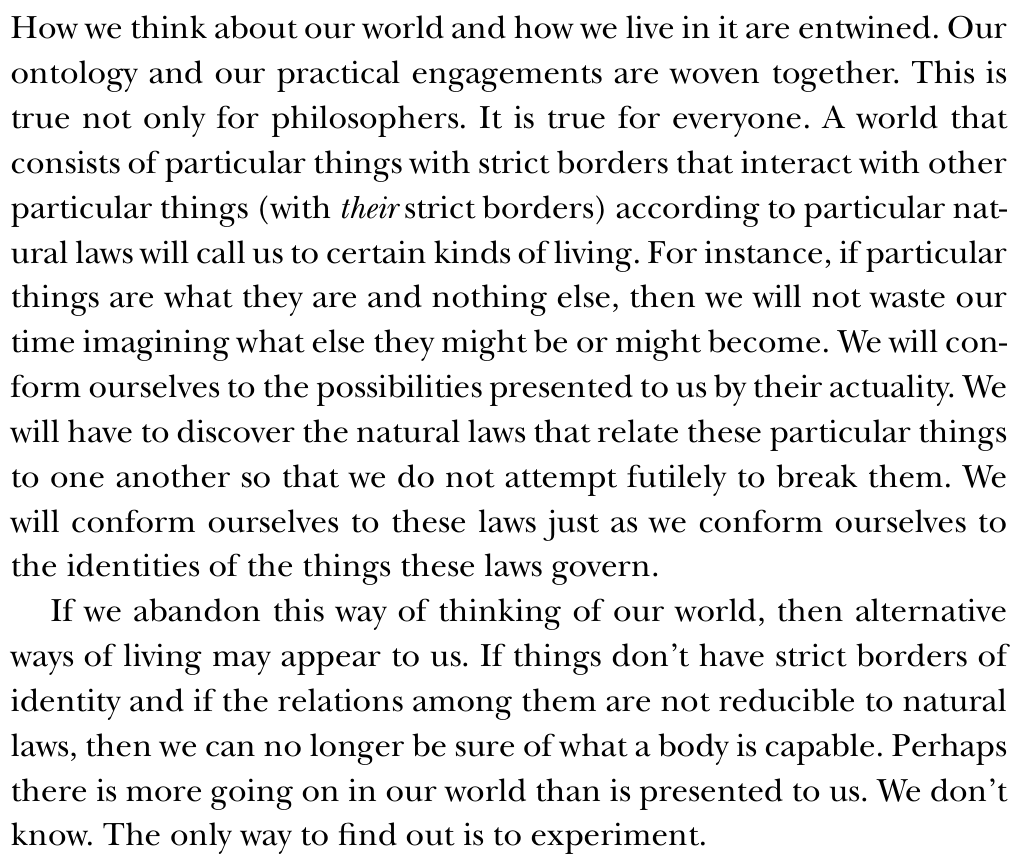
i think these two paragraphs encapsulate the view of philosophy that is opposite of mine. of course, our way of thinking determines something. we're trying to understand things to change them. but the way things actually are in general cannot depend on how you think (about) them.
ALT Todd May - Gilles Deleuze. An Introduction
1
3
if things are changeable, it doesn't matter if you believe in this fact. you will break them and you yourself will change (within limits, of course) even if you think everything always stays the same. but if everything always stays the same, your "experiment" will be an illusion.
1
3
what is the most annoying is the "abandoning" thing. you shouldn't choose how to think. you should be compelled to think this or that way.
(i don't even want to go into the fact that natural laws don't mean things can't be different, especially if we're talking about how we live)
2
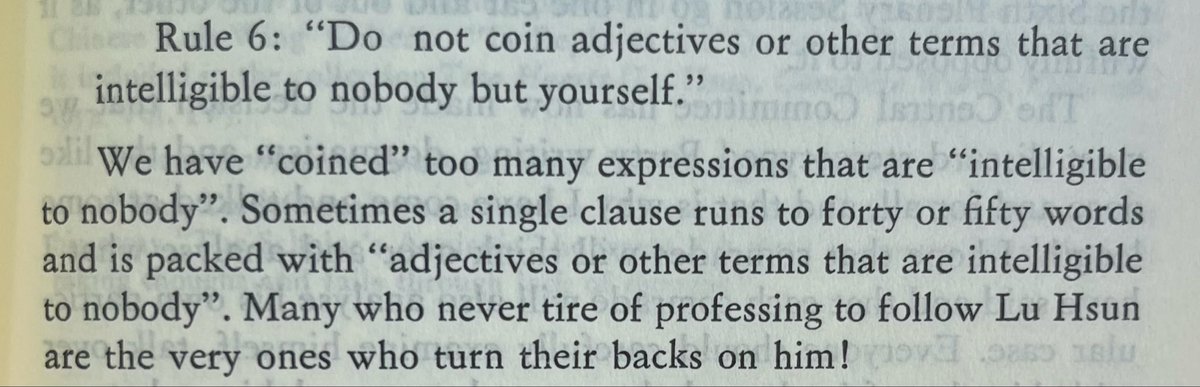
philosophers should take note

1
33
yes.

This is good actually! Philanthropy serves no purpose except to reputation launder wealth hoarding!
1
9
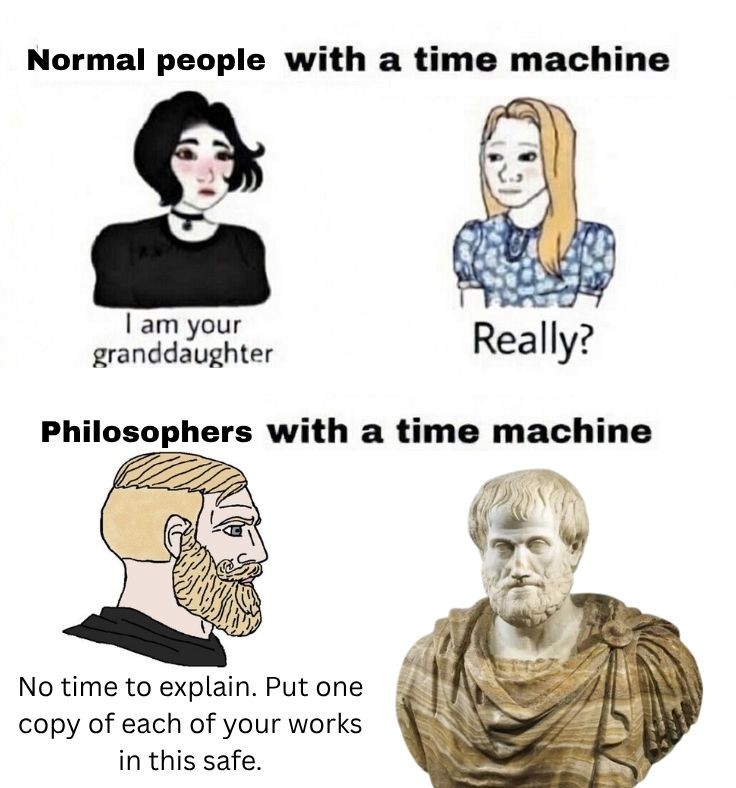
two things to socrates:
1. don't take the poison, it's not worth it. just escape. you can live outside athens, it's gonna be fine
2. write everything down. so what if you don't like it? you can't trust this guy plato, he'll misrepresent you and use your name to push his own ideas
Jun 13

12
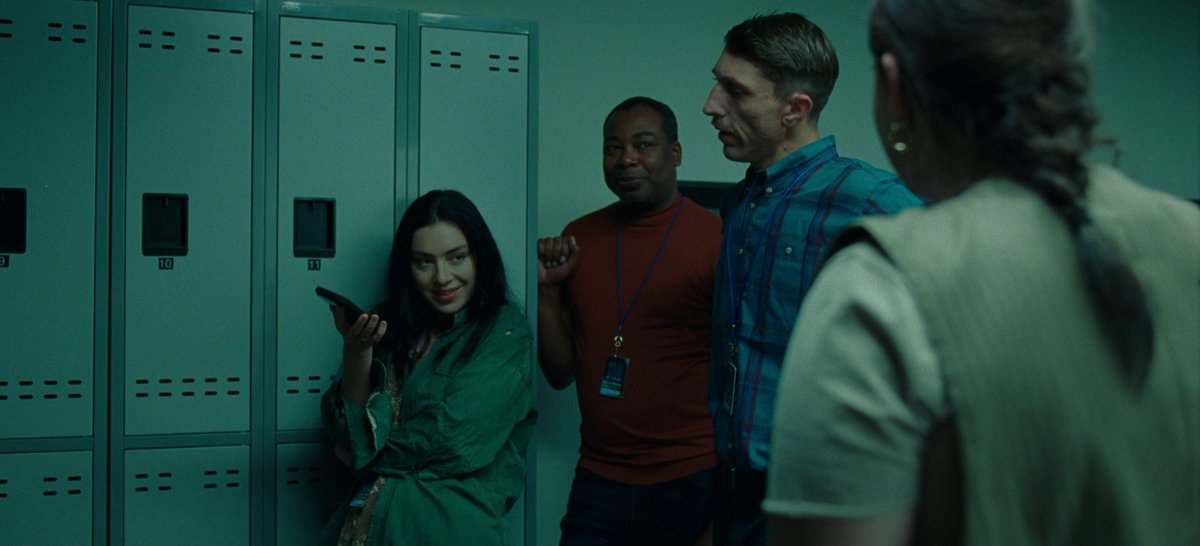
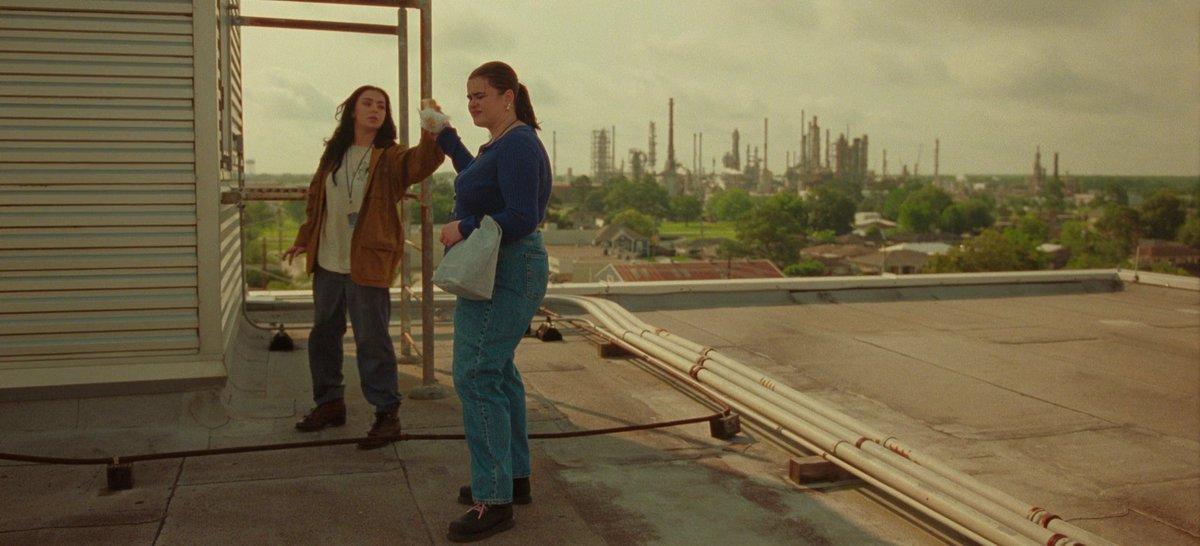
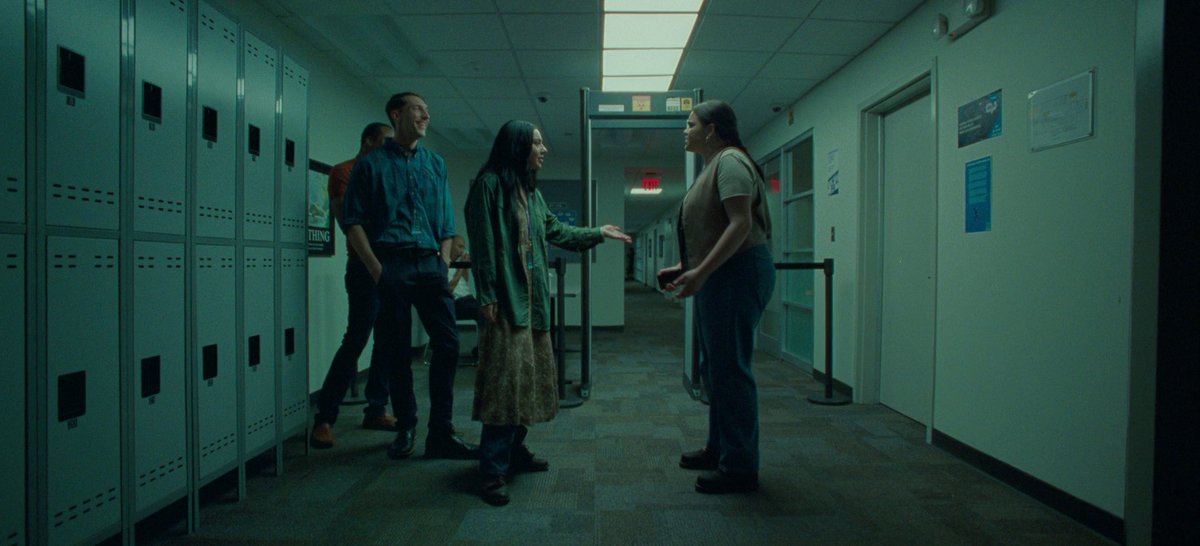
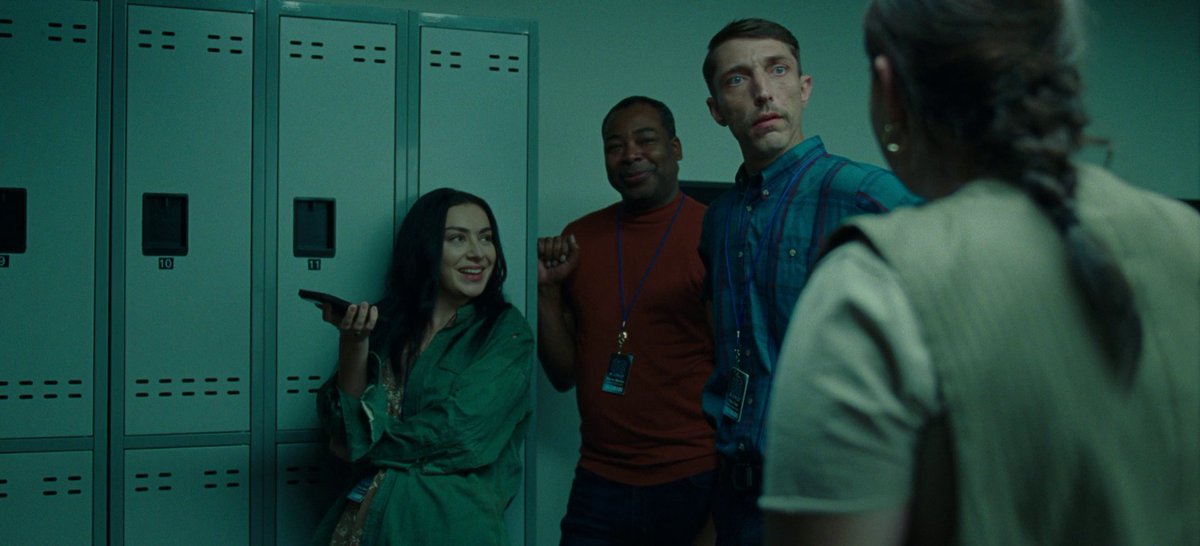
i keep thinking about how in Faces of Death, the main character (barbara ferreira) shared a sandwich with her coworker (charlotte aitchison), only for the latter to be very rude and inconsiderate to her
1
14


this is my impression (or maybe prejudice). i can't get into anything freud/lacan/guattari-related, it always feels too "you're just saying things, there is no way of checking if they're true"

1
46
i consider cartesian doubt to be more of a posture than an actual method. still, i think the sentiment is correct, but it goes against everything i know about psychoanalysis (which isn't a lot, to be honest, maybe that's the problem)
1
2
i find it very strange that on the one hand, brassier is all about kant and sellars and the importance of epistemology, but on the other hand, he just dives straight (sometimes via the frankfurt school) into psychoanalysis without ever explaining why this framework is legitimate
3
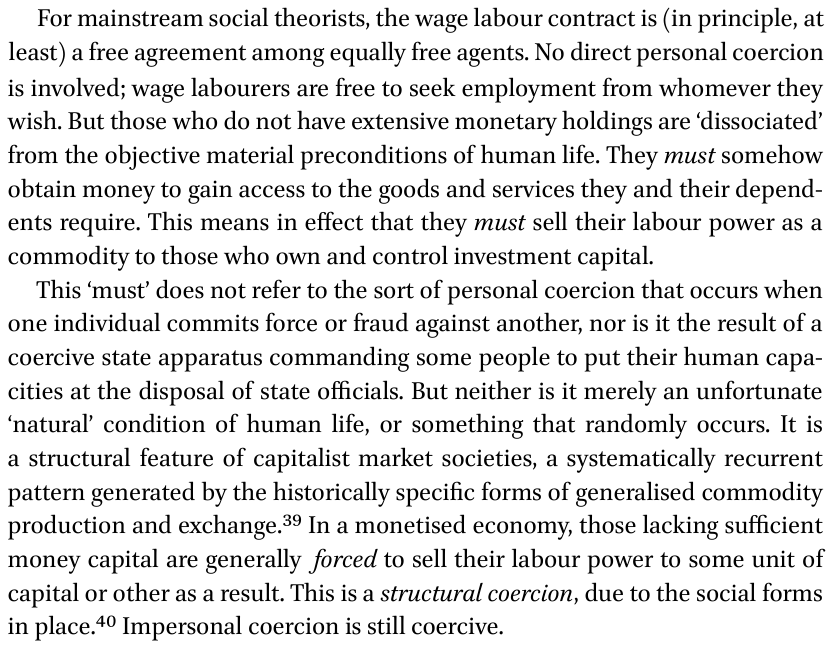
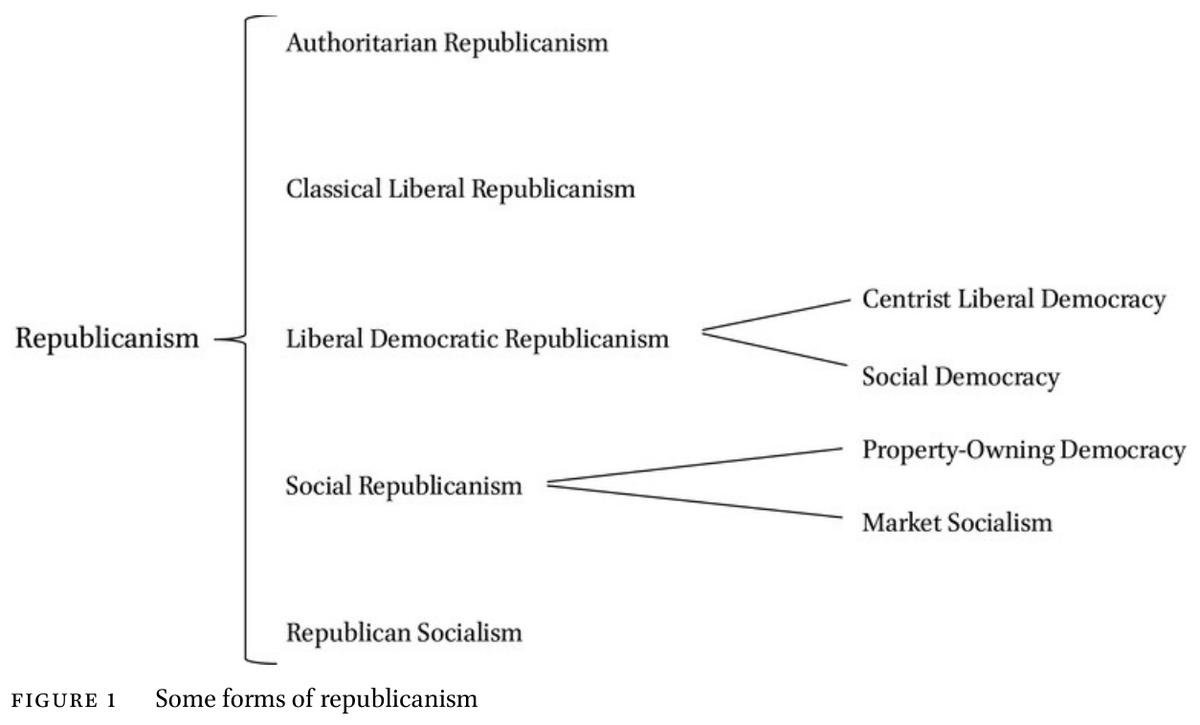
ALT Tony Smith, A Socialism for the Twenty-First Century

🧵‘Capitalism doesn’t rely on direct violence. No one threatens you if you don’t go to work.’
Yet if try to access the means of survival without participating in production, your attempt will be met with direct violence.
1
24