
Science teacher, chiefly Chemistry (and A Level Psychology). In the early stages of a PhD at Birkbeck - the influence of Malthus on the directions of Darwinism.
Joined September 2009
- Tweets 4,664
- Following 1,951
- Followers 2,748
- Likes 5,399
387 Photos and videos
Pinned Tweet

1 Jun 2022
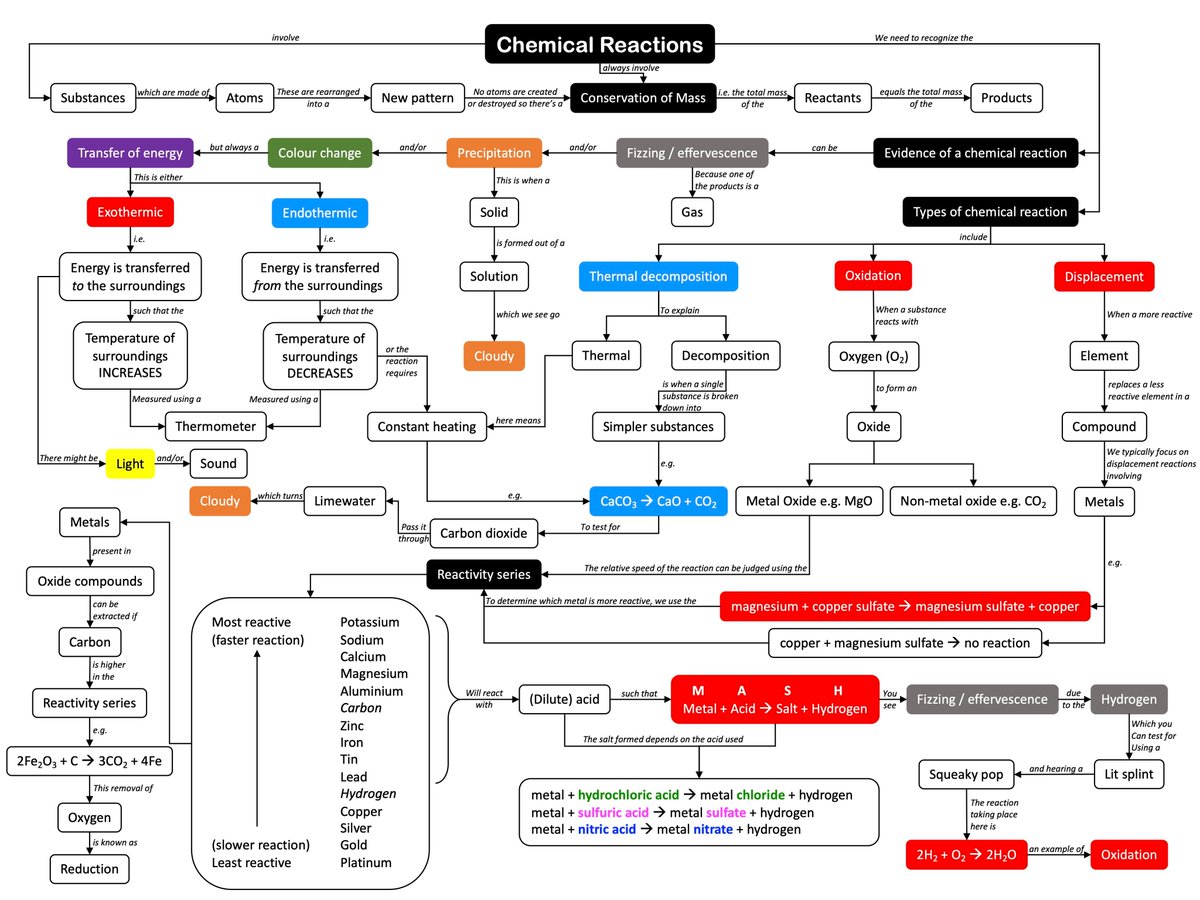
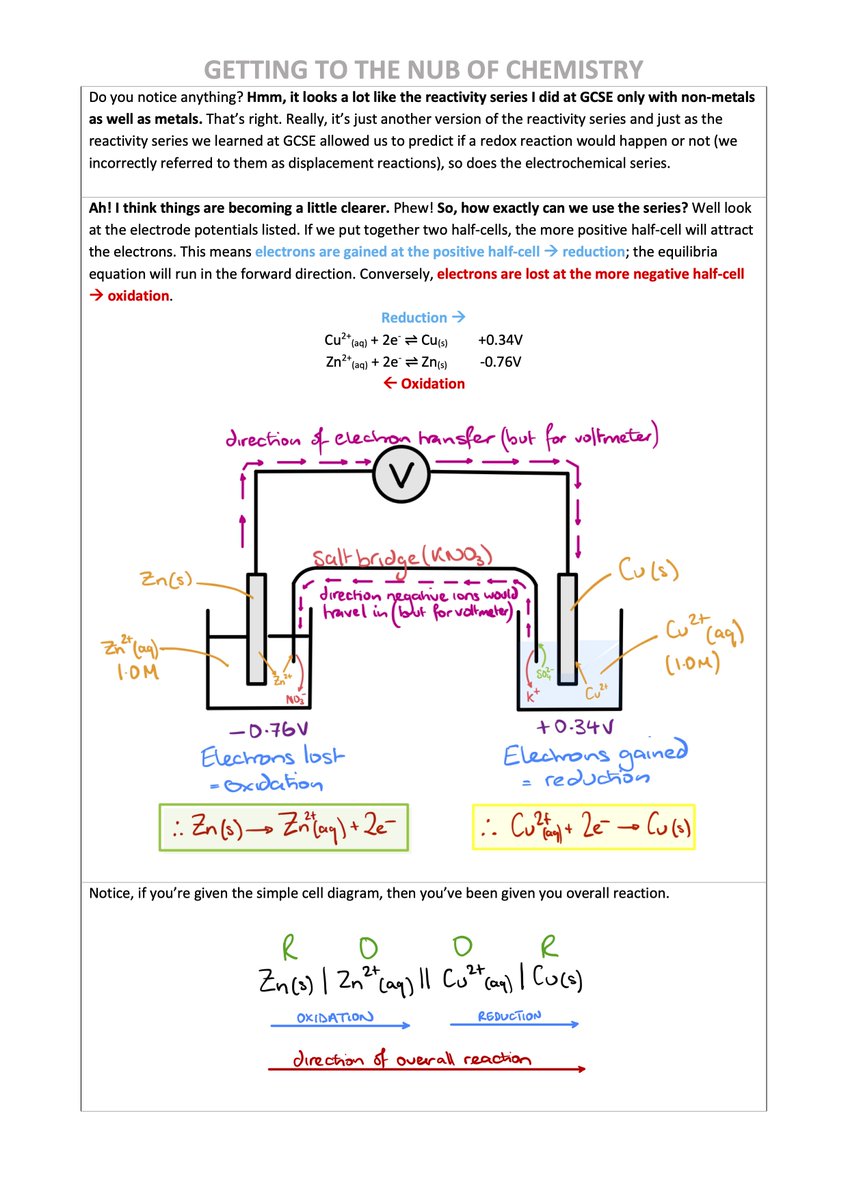
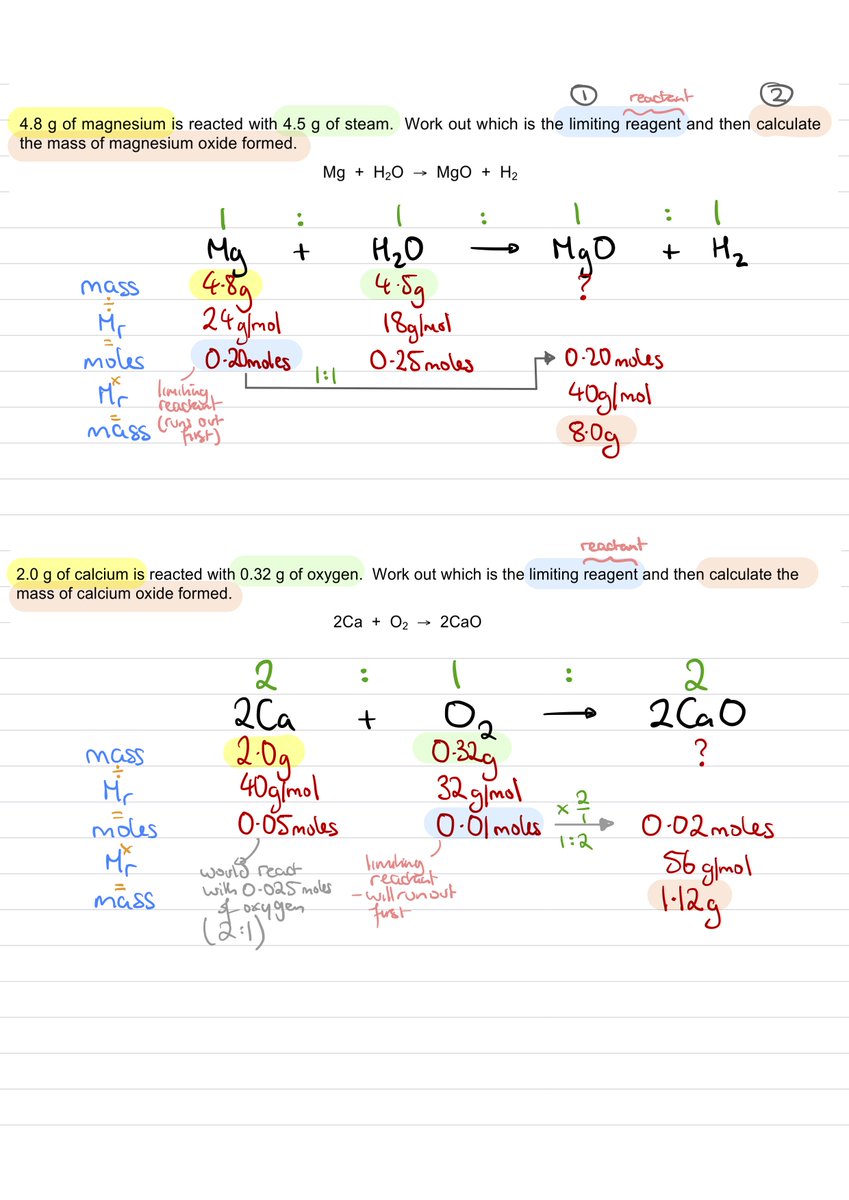
My shared folder has various ad hoc resources including a guide on Learning How to Learn, a few science graphic organisers, and various chemistry resources. New stuff will get added from time to time - feel free to help yourself. dropbox.com/sh/nn921cymrl1yo…
5
39
154
Simon Flynn retweeted

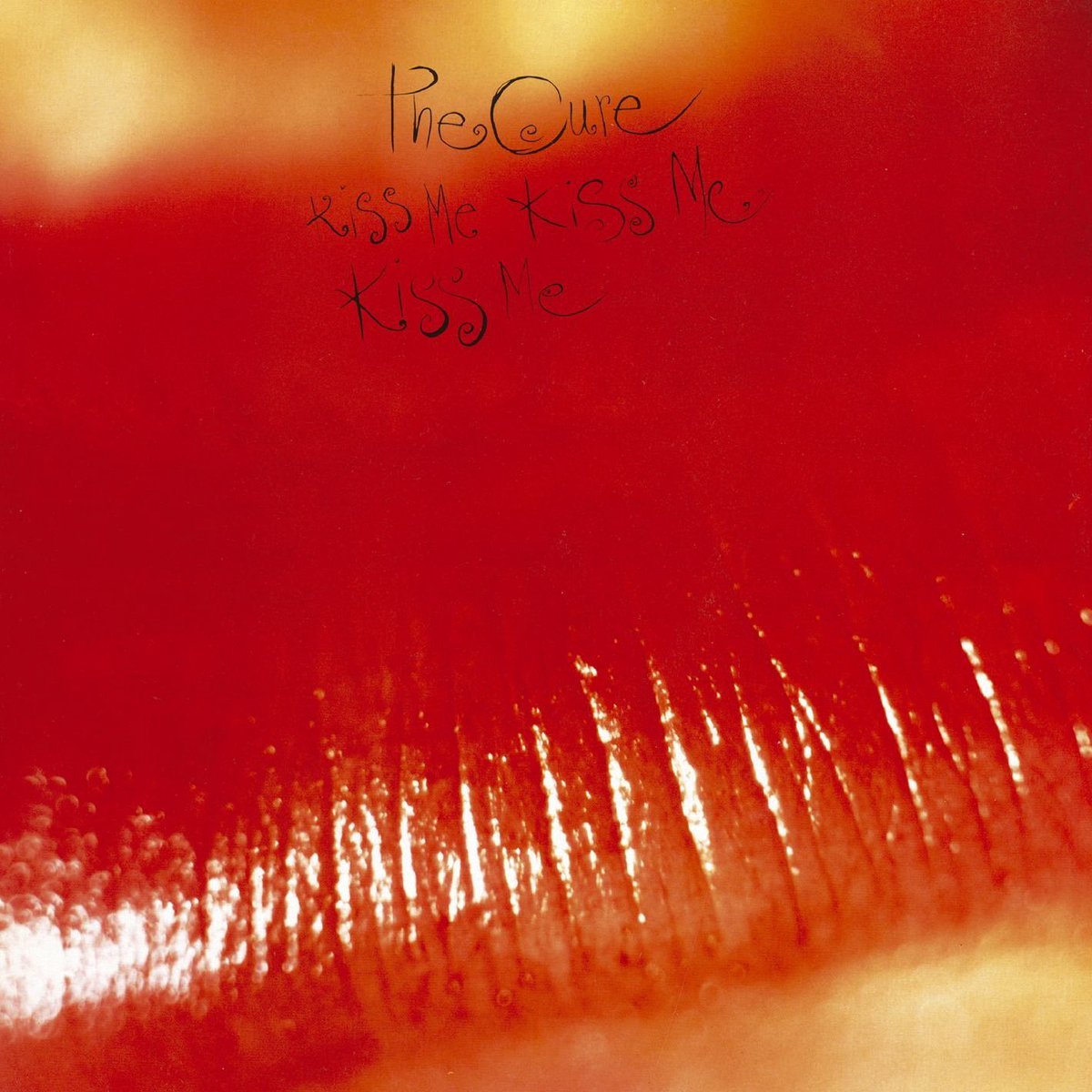
Kiss Me Kiss Me Kiss Me by The Cure was released on this day in 1987, 39 years ago. What’s your favorite song on the album?
57
102
682
18,372
Simon Flynn retweeted

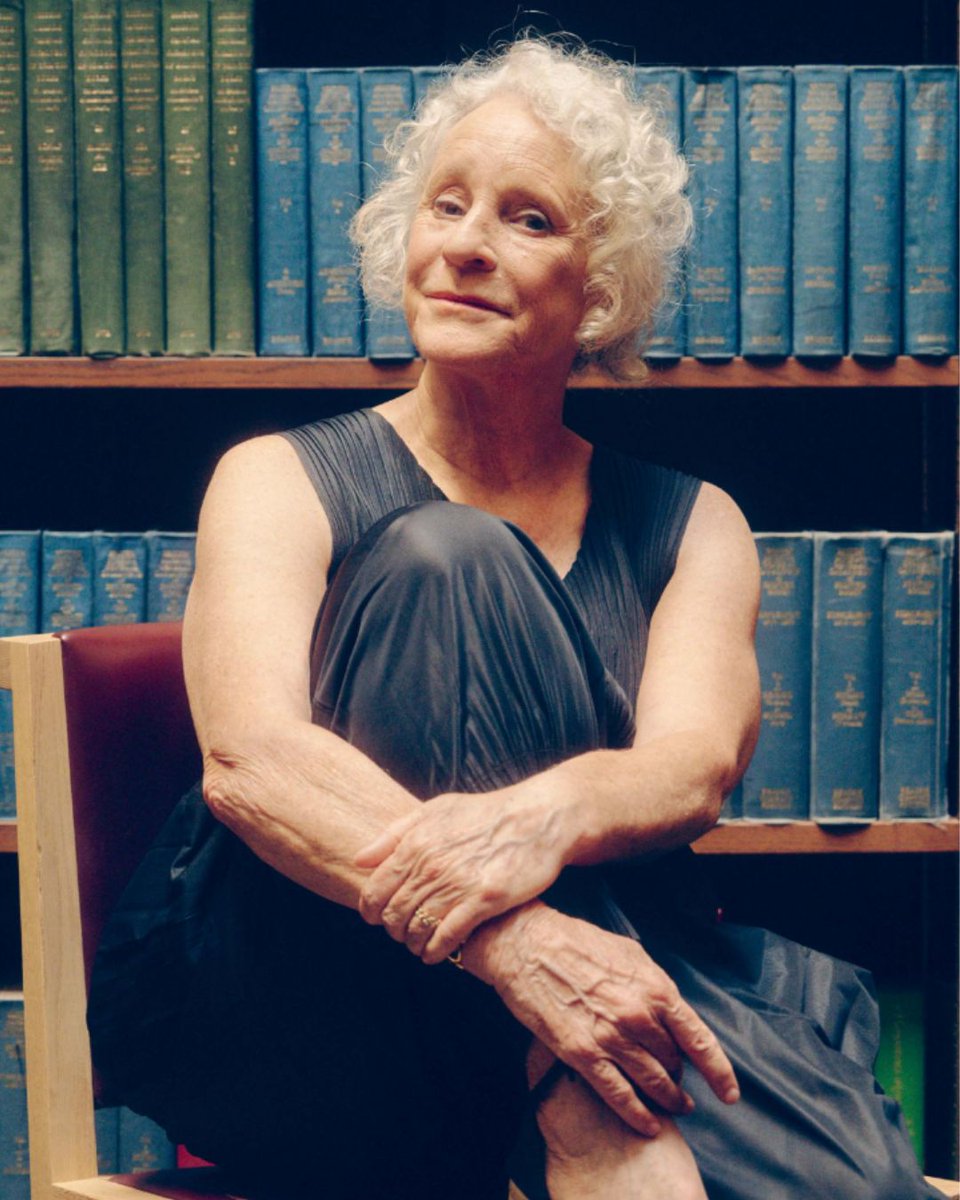
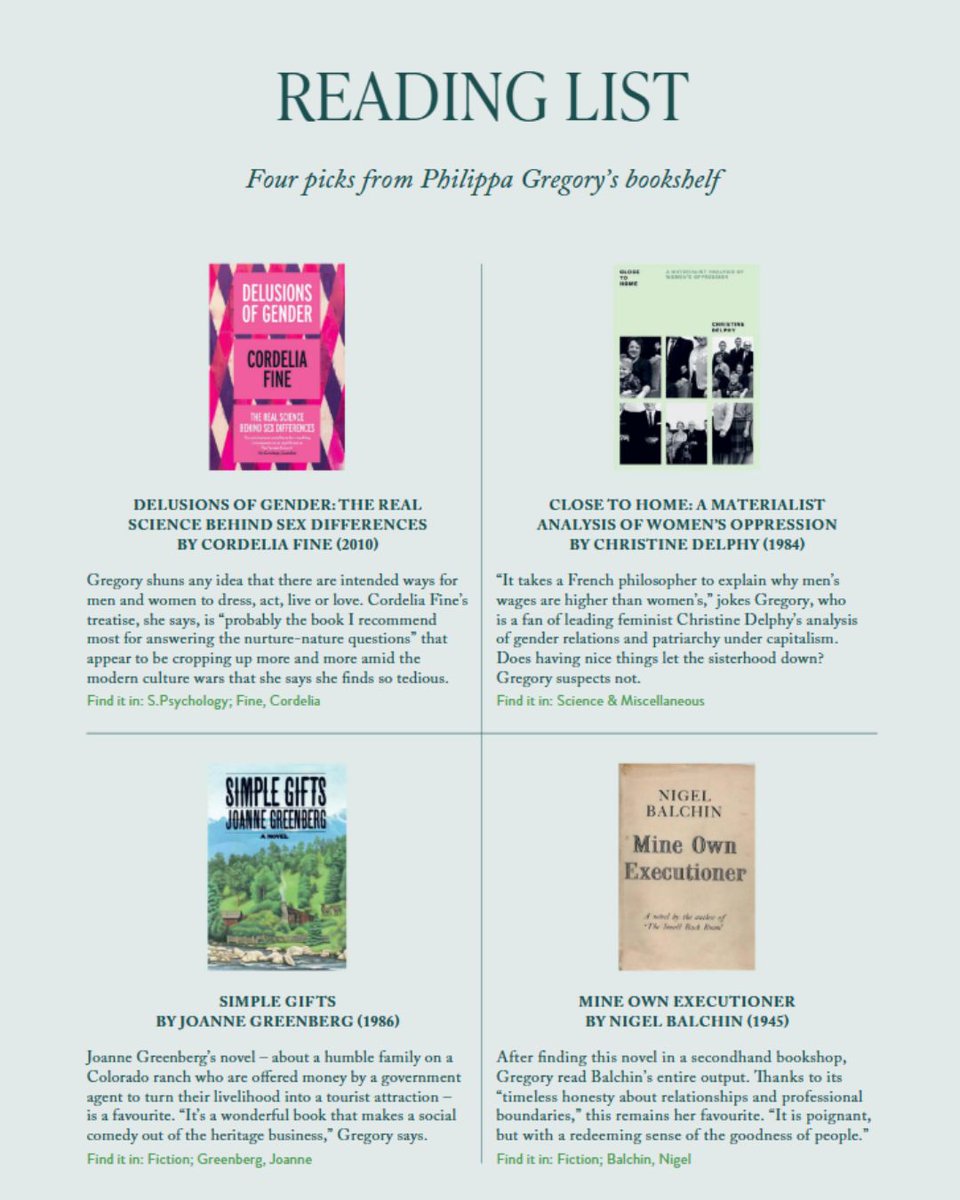
Four books from Philippa Gregory’s bookshelf 📚
All available to browse and borrow from our collection.
1
2
13
855
Simon Flynn retweeted
30 Aug 2024
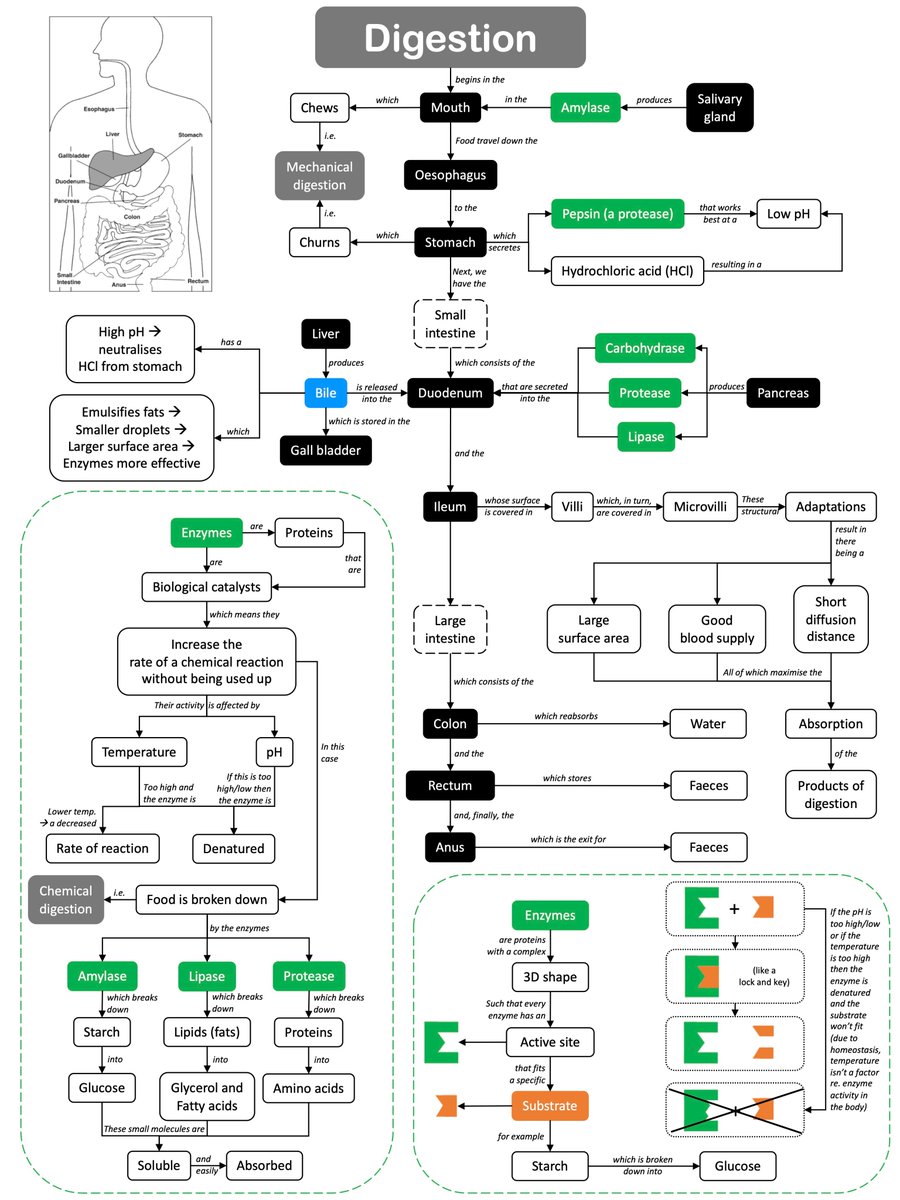
This is a reminder of my GCSE digestion graphic organiser. #chatbiology dropbox.com/scl/fi/qol3xgjvf…
3
20
69
9,874
Apr 6
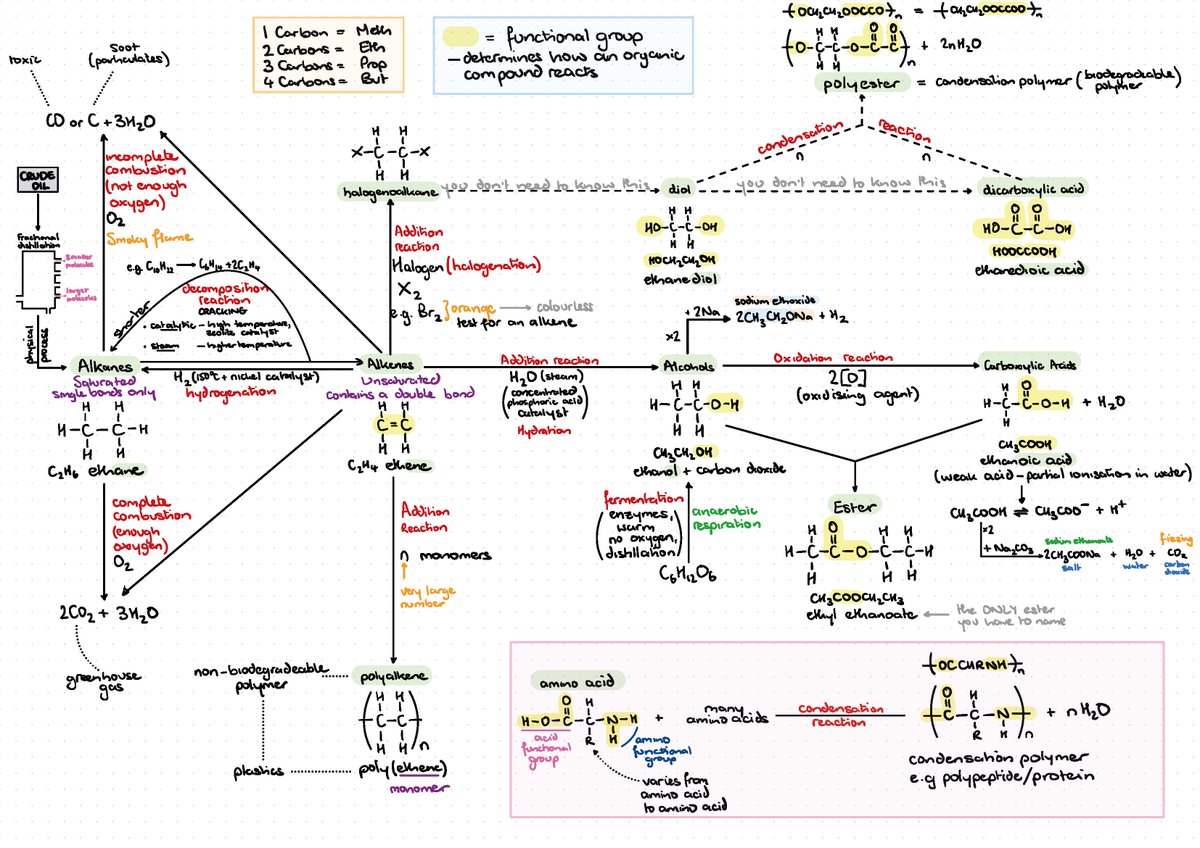
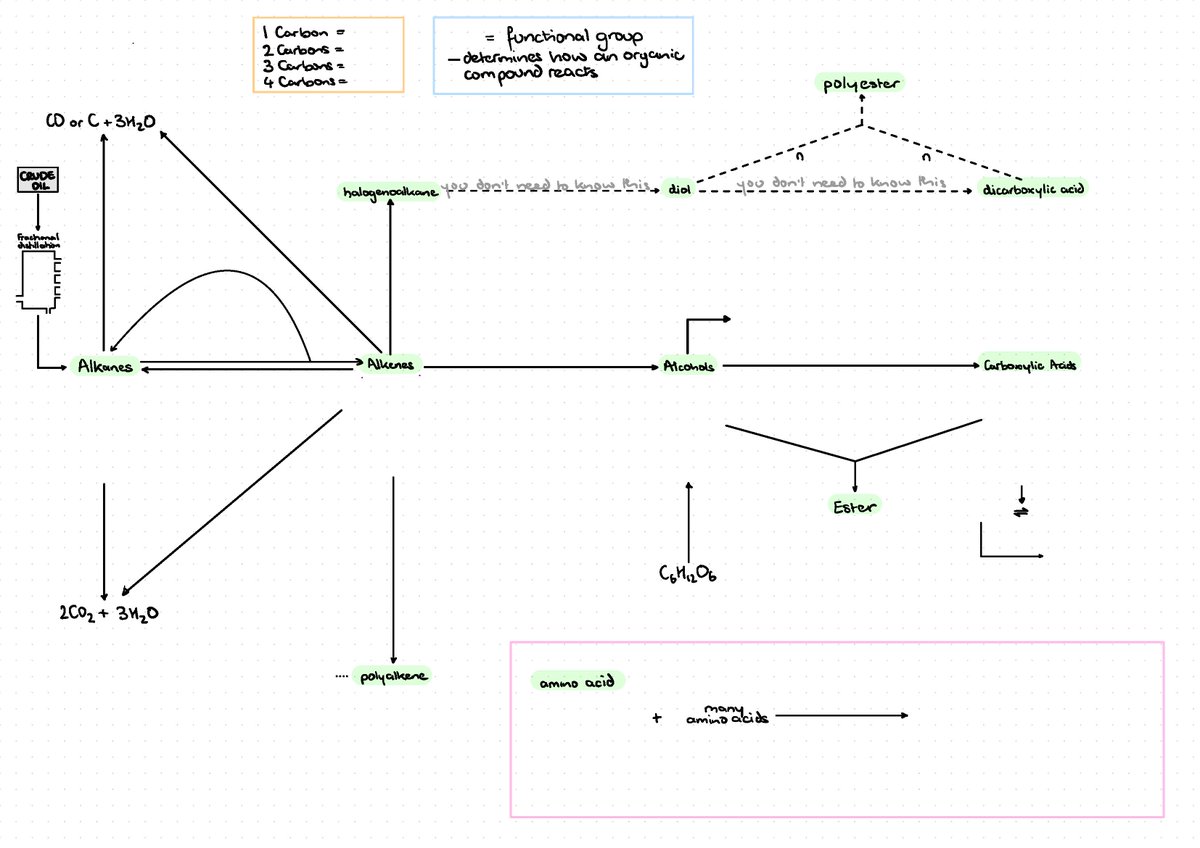
Here's a reminder of a single organic sheet for AQA's Chemistry GCSE. You'll find it in the KS4 folder of my shared resources. dropbox.com/scl/fo/y1xfx1jtp…
10
27
2,408
Simon Flynn retweeted

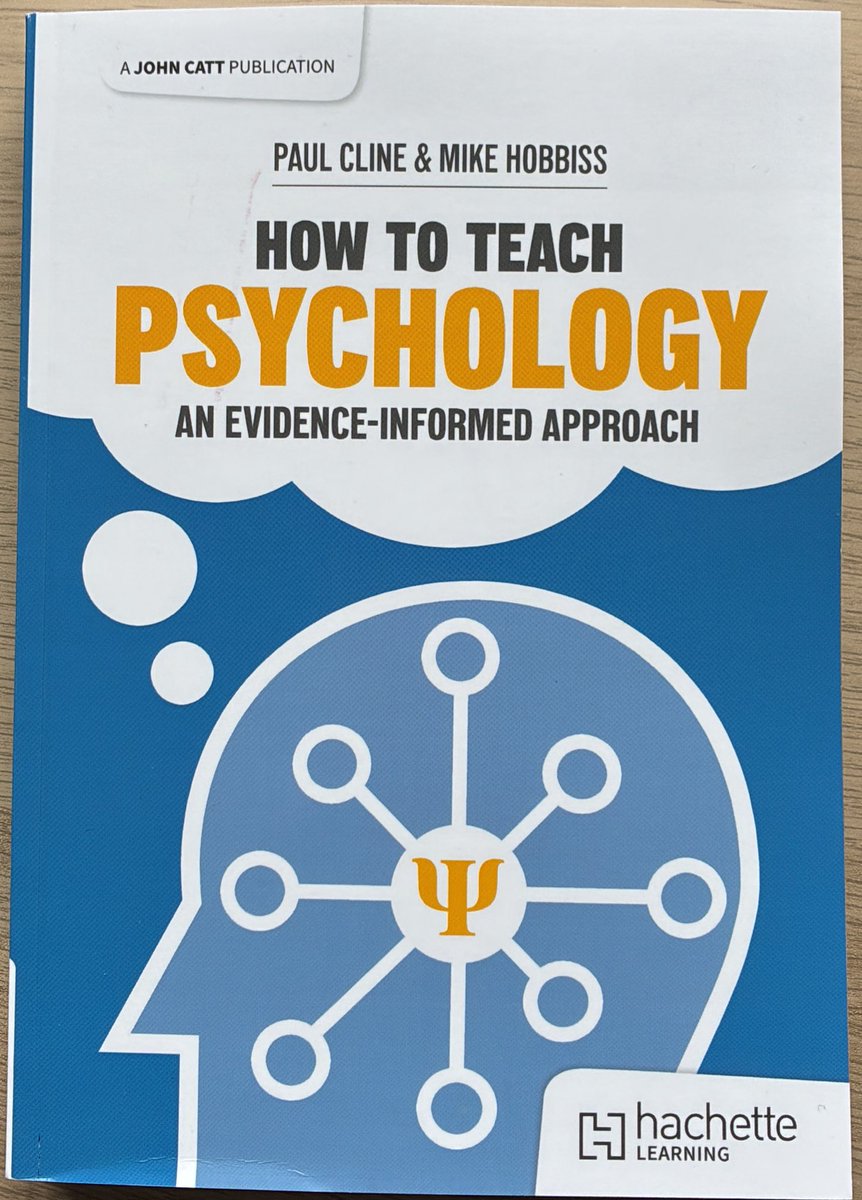
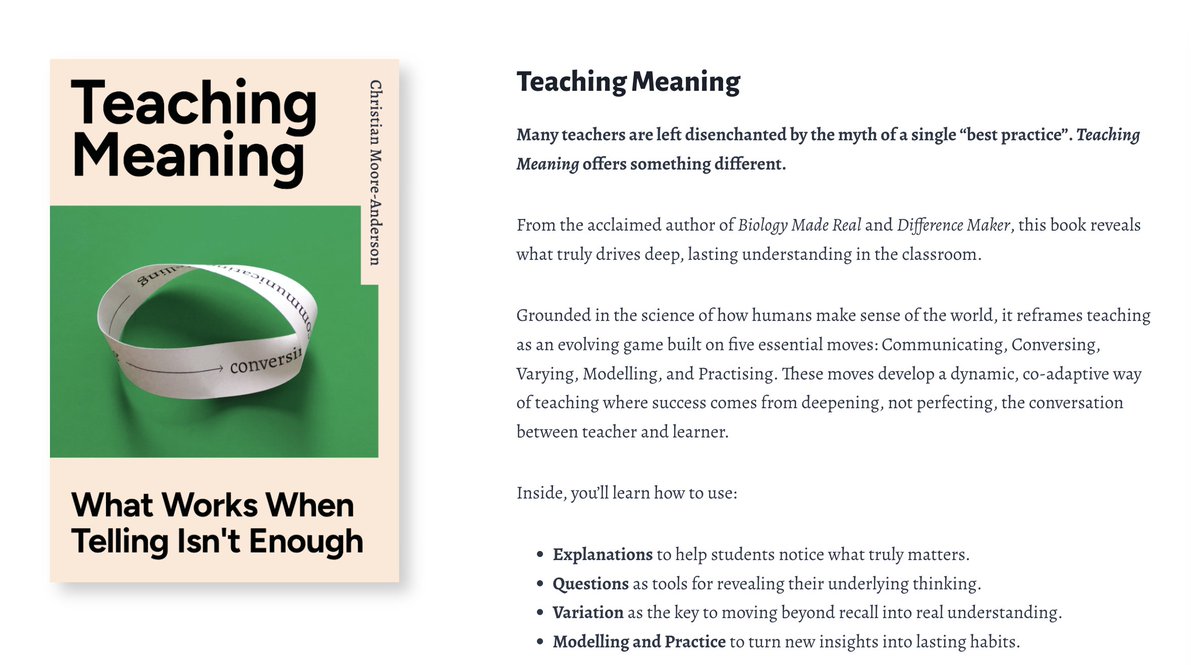
This looks juicy and will, I'm sure, offer the more nuanced, finely-observed side of cognitive science, beyond the merely behavioural instantiation (that is temptingly simple to understand and convert into evaluation checklists).
11
5
40
2,536
Apr 2
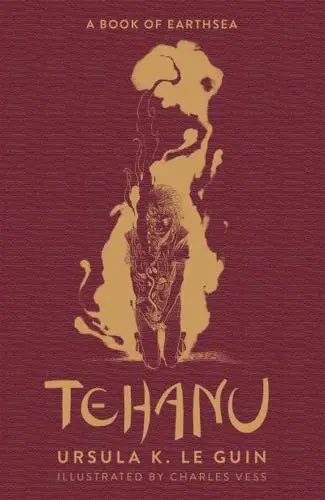
I’ve just finished reading ‘Tehanu’, the fourth book in the ‘Wizard of Earthsea’ series, and it may be the best one so far (they’re all superb). These aren’t books only for children. Their depth is limited only by the reader. What an incredible writer Ursula le Guin was.
150
Mar 25
King Lear to his daughters: ‘Which of you shall we say doth love us most?’

Stephen Miller praised Trump for several minutes. Then Trump turned to Kash Patel and said, “Kash, see if you can top that.”
Patel: “Mr. President, thank you for delivering the safest country on God’s green Earth.”
Straight up North Korea vibes
193
Mar 22
Despite its clunky writing, ‘The Martian’ by Andy Weir has a certain charm and I enjoyed it. ‘Project Hail Mary’, however, is one the worst books I’ve read.
7
1
322
Mar 21
What a TEAM performance!

What a result. What a performance. What an atmosphere.
WHAT a day at Hill Dickinson Stadium. 💙

163
Mar 20
Rosenshine
Mar 20

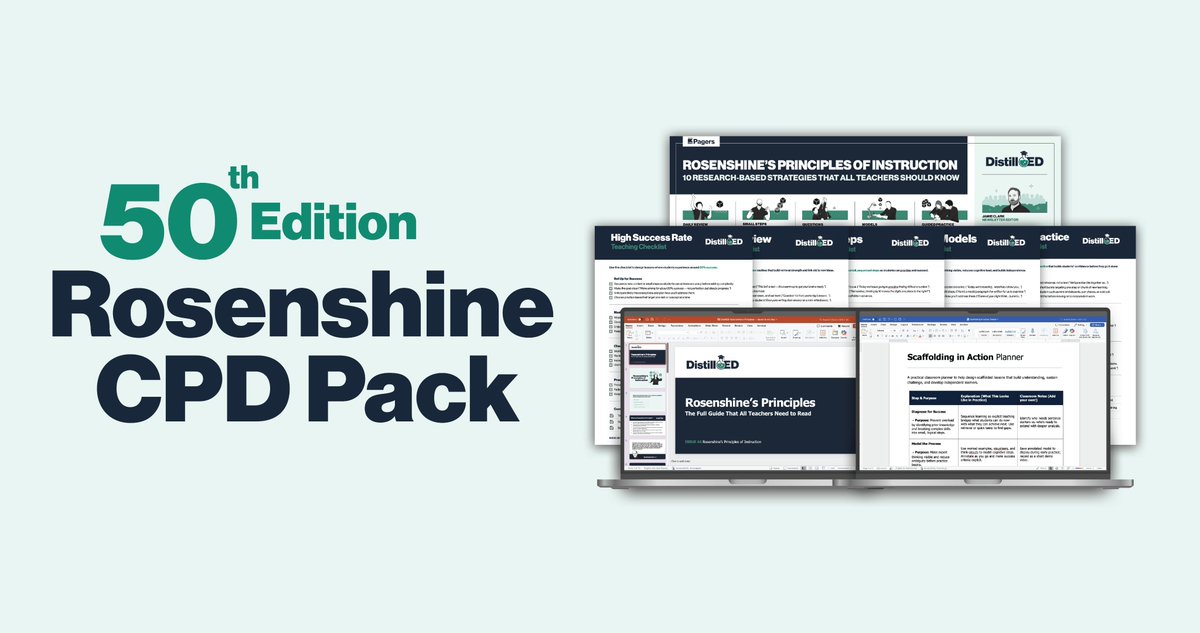
🎁 FREE GIFT: FULL ROSENSHINE CPD PACK!
To celebrate 50 consecutive weeks of ⚗️DistillED, I’ve put together something quite cool…
Over the past year, Rosenshine’s Principles of Instruction has been one of the most requested topics from teachers and school leaders. So I’ve put together a complete, ready-to-run CPD pack to help schools explore and implement all 10 principles.
The download includes:
→ 10 CPD PowerPoints (ready for 30–45 min sessions)
→ 10 strategy checklists (practical classroom actions)
→ 10 planning templates (put principles into action )
→ Covers all 10 of Rosenshine’s Principles of Instruction
Everything you need to run ten focused CPD sessions — one for each principle.
👉 REPOST and comment ROSENSHINE and I’ll DM you the link. Cheers!
⏰ Available until Sunday 22 March!
355
Simon Flynn retweeted

Mar 20
🎁 FREE GIFT: FULL ROSENSHINE CPD PACK!
To celebrate 50 consecutive weeks of ⚗️DistillED, I’ve put together something quite cool…
Over the past year, Rosenshine’s Principles of Instruction has been one of the most requested topics from teachers and school leaders. So I’ve put together a complete, ready-to-run CPD pack to help schools explore and implement all 10 principles.
The download includes:
→ 10 CPD PowerPoints (ready for 30–45 min sessions)
→ 10 strategy checklists (practical classroom actions)
→ 10 planning templates (put principles into action )
→ Covers all 10 of Rosenshine’s Principles of Instruction
Everything you need to run ten focused CPD sessions — one for each principle.
👉 REPOST and comment ROSENSHINE and I’ll DM you the link. Cheers!
⏰ Available until Sunday 22 March!
403
381
185
53,088
Simon Flynn retweeted

2
40
130
3,017
Mar 8
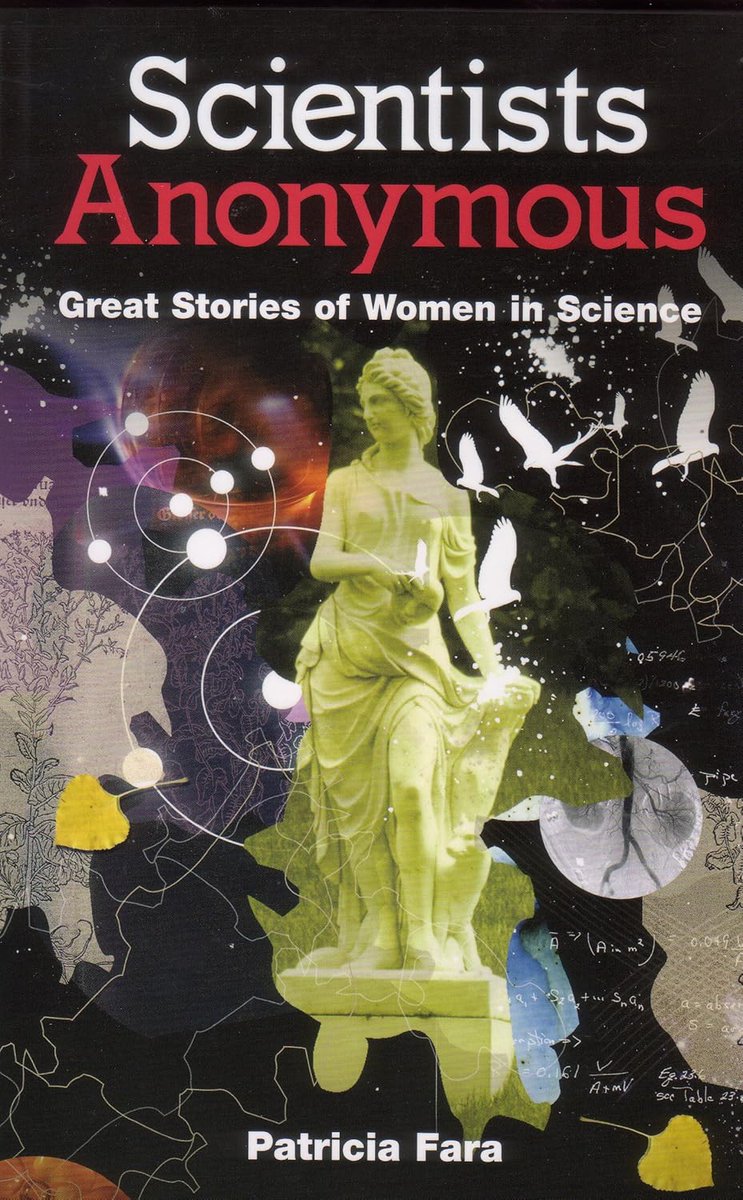
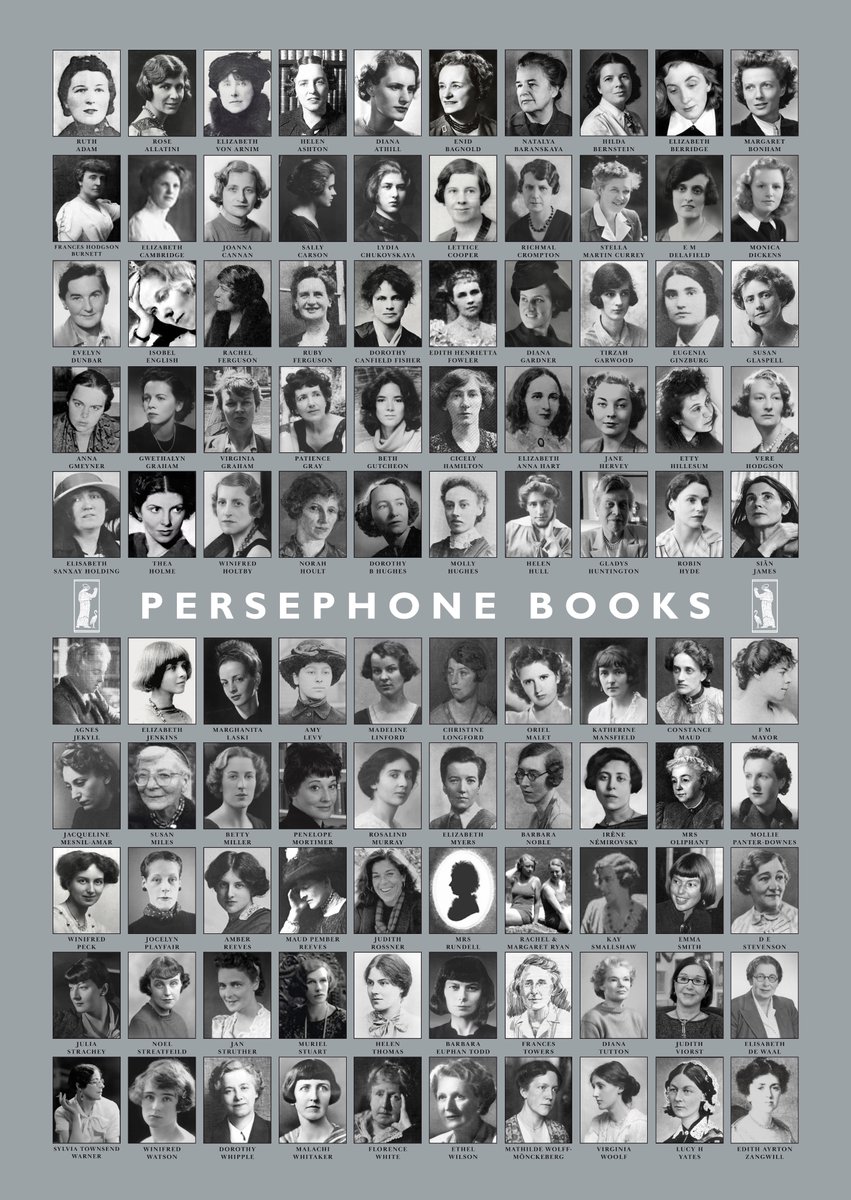
Twenty-one years ago (!) I was involved in publishing 'Scientists Anonymous - Great Stories of Women in Science' by Patricia Fara, which was aimed at teenagers. It's a great book, as indeed are all of Patricia's. Check them out. #IWD2026
2
103


Feb 20
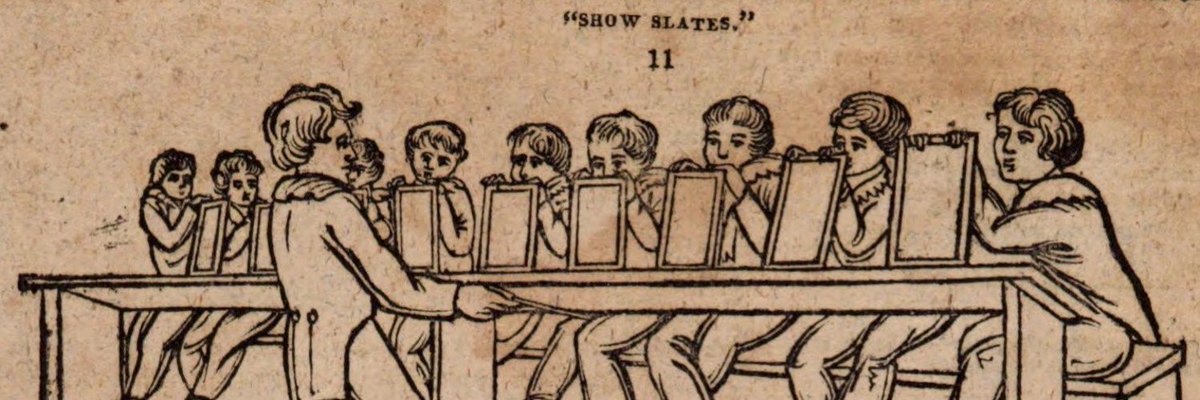
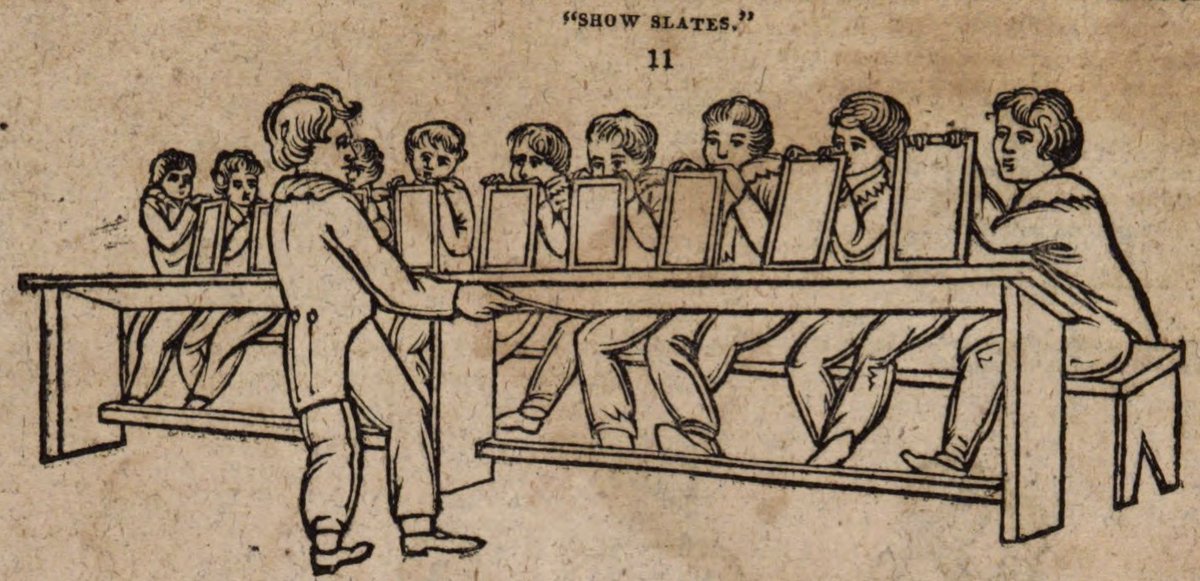
Mini-whiteboards - back to the future. The attached image is from a book published in 1821 detailing how to run a school ('The Lancasterian system of education, with improvements / by its founder Joseph Lancaster, of the Lancasterian Institute')
1
5
604
Simon Flynn retweeted
17 Apr 2022
Mini-whiteboards - back to the future. The attached image is from a book published in 1821 detailing how to run a school ('The Lancasterian system of education, with improvements / by its founder Joseph Lancaster, of the Lancasterian Institute'.)
11
37
172
Simon Flynn retweeted

Feb 18
IT'S BACK
The CogSciSci conference is the absolute highlight of my year, and this year's theme is especially good. If you are a science teacher (or generalist) interested in the application of cognitive science to real classrooms, check it out 👇
cogscisci.wordpress.com/2026…
8
19
3,257
Simon Flynn retweeted

Jan 28
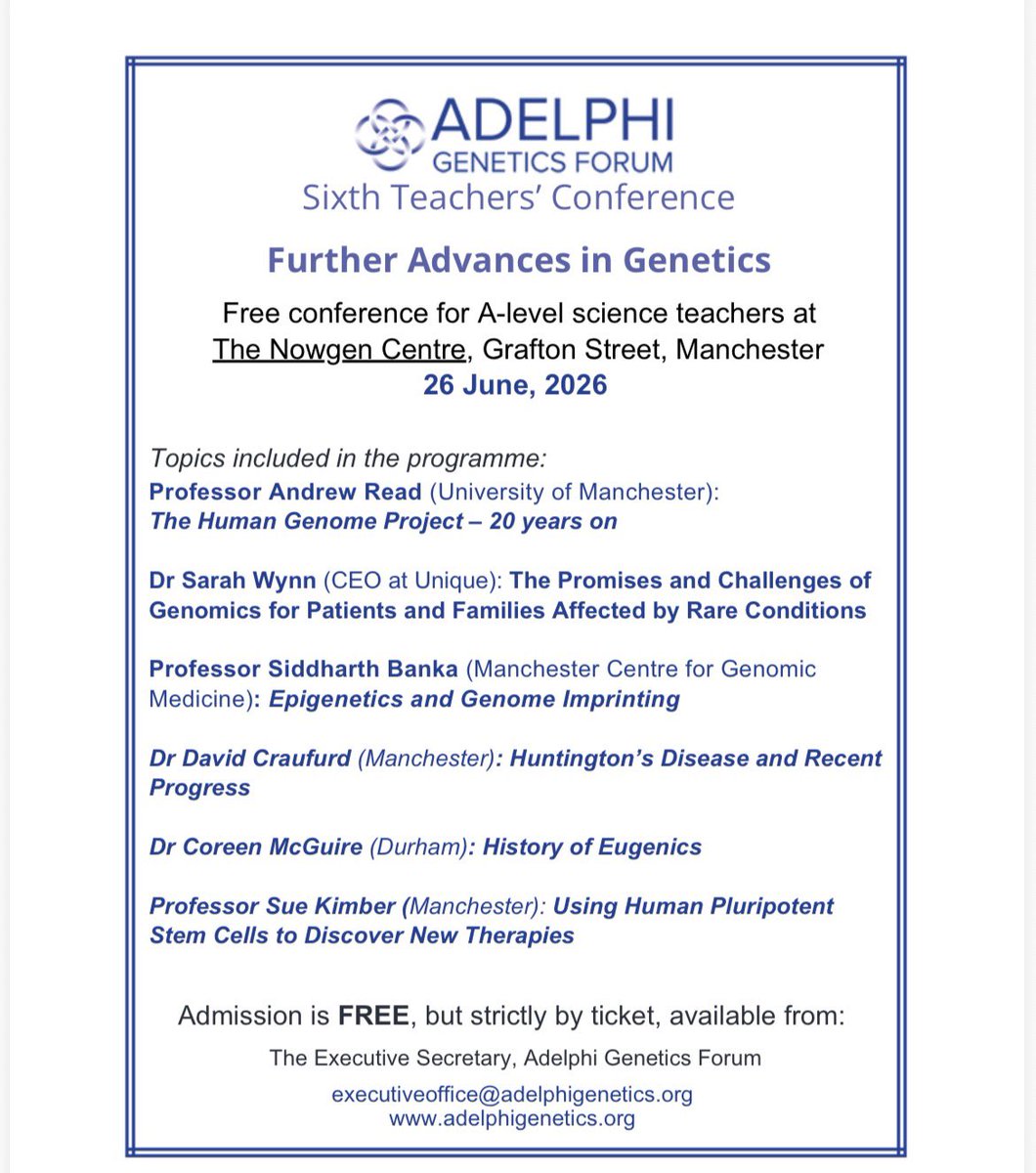
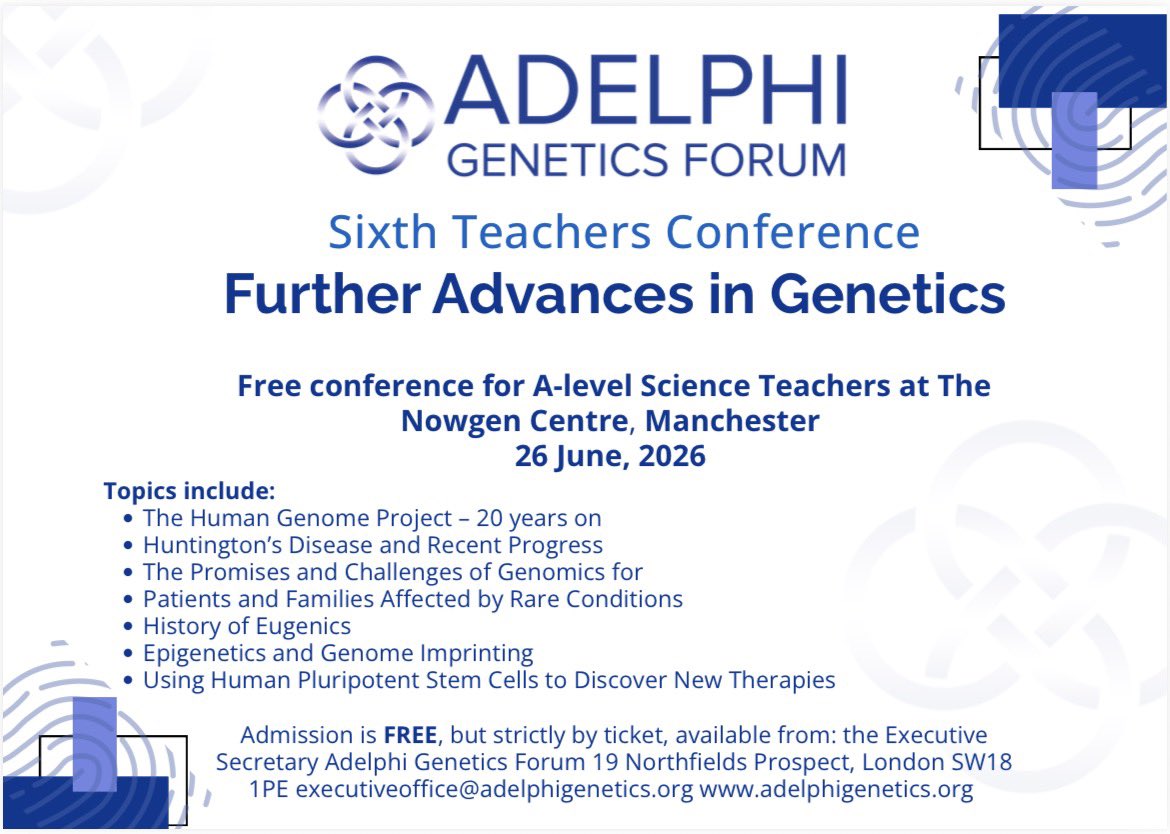
Biology Teachers!
Tickets are now available for this summer’s Adelphi teacher conference.
Please spread the word!
3
6
6
1,385
Simon Flynn retweeted

I've had fun helping BBC Ideas produce this animation, which attempts to explain Bayesian ideas in 4 minutes. I hope you like it - I really like the animators style. bbc.co.uk/videos/c78ee072lnp…
28
218
972
93,639
Jan 18
This excellent video discussing ‘the upside of stress’ may be worth sharing with students. youtu.be/aYSKJMXstHU?si=R5Bi…
1
1
301