Joined October 2023
- Tweets 4,387
- Following 1
- Followers 73,406
- Likes 2,182
2,151 Photos and videos

Pinned Tweet

Jun 10
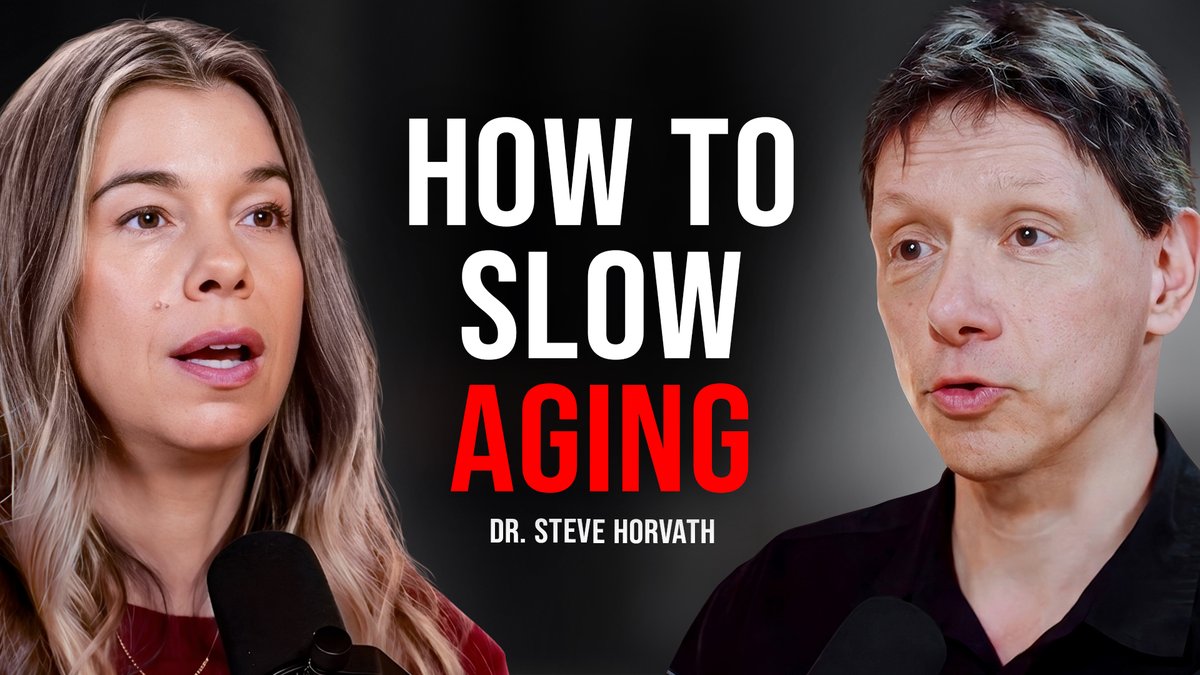
The strongest anti-aging strategy may be less about dramatic reversal and more about removing what accelerates aging in the first place
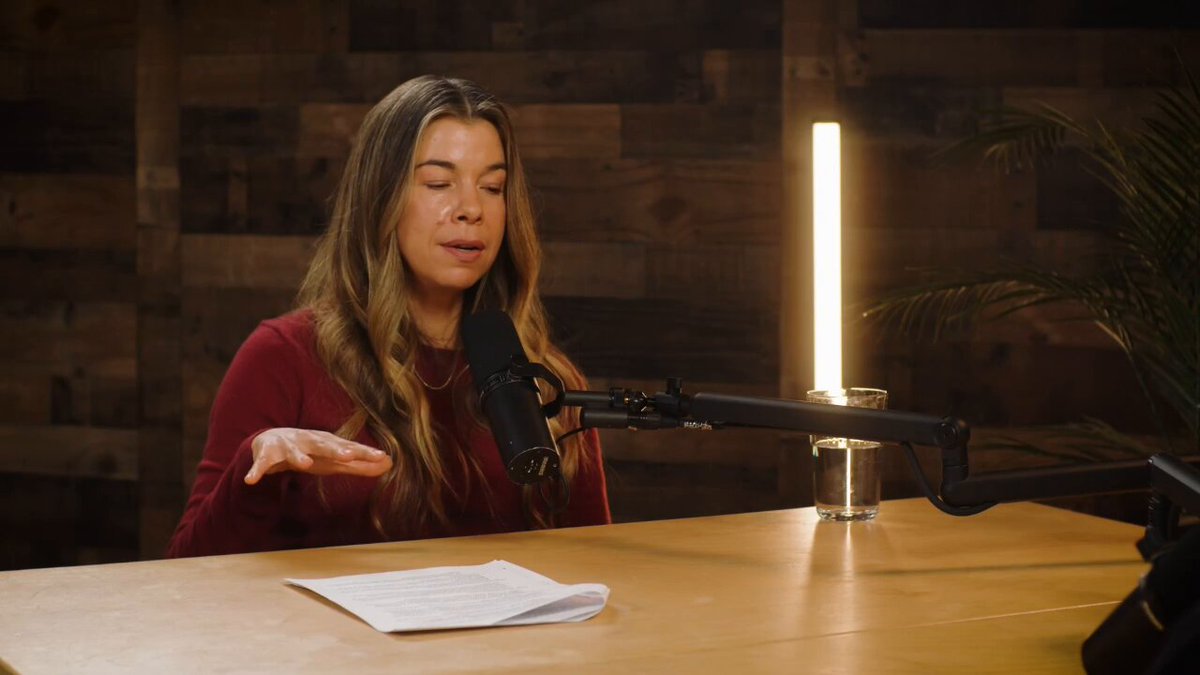
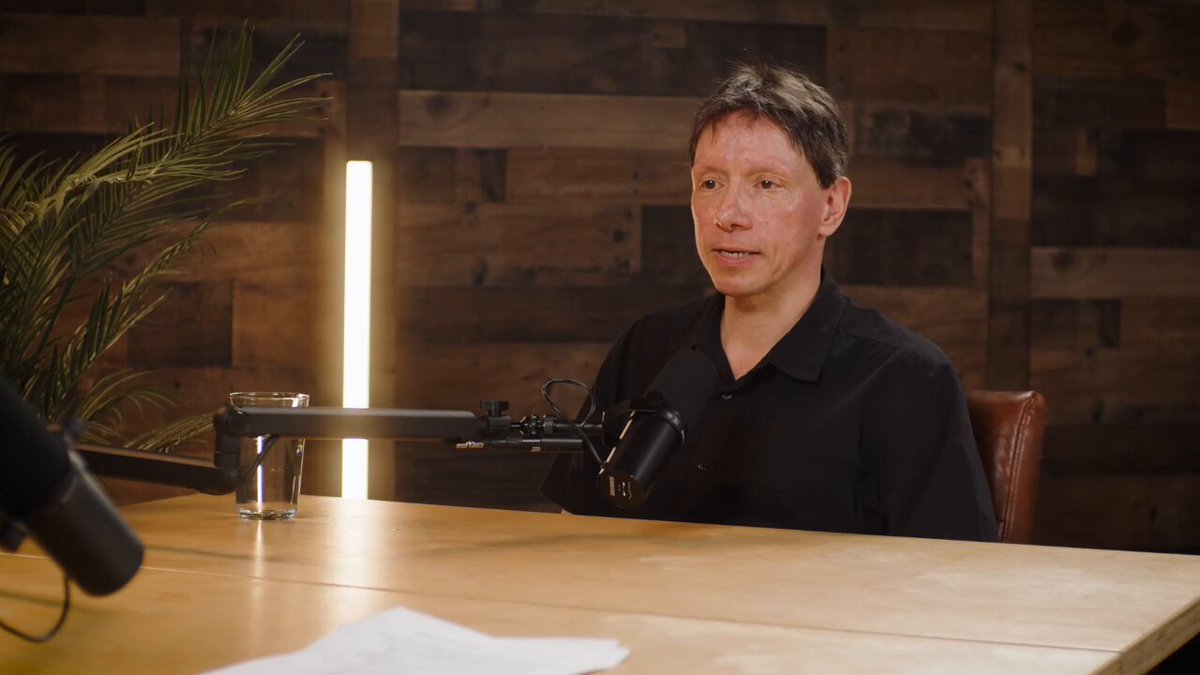
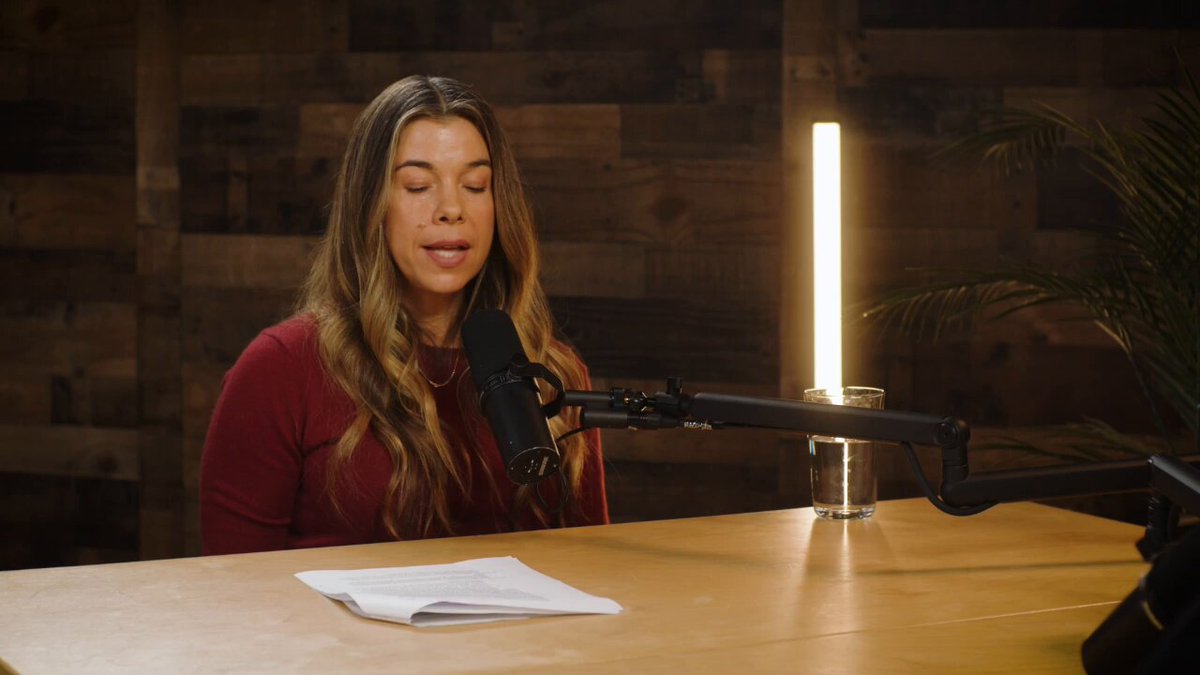
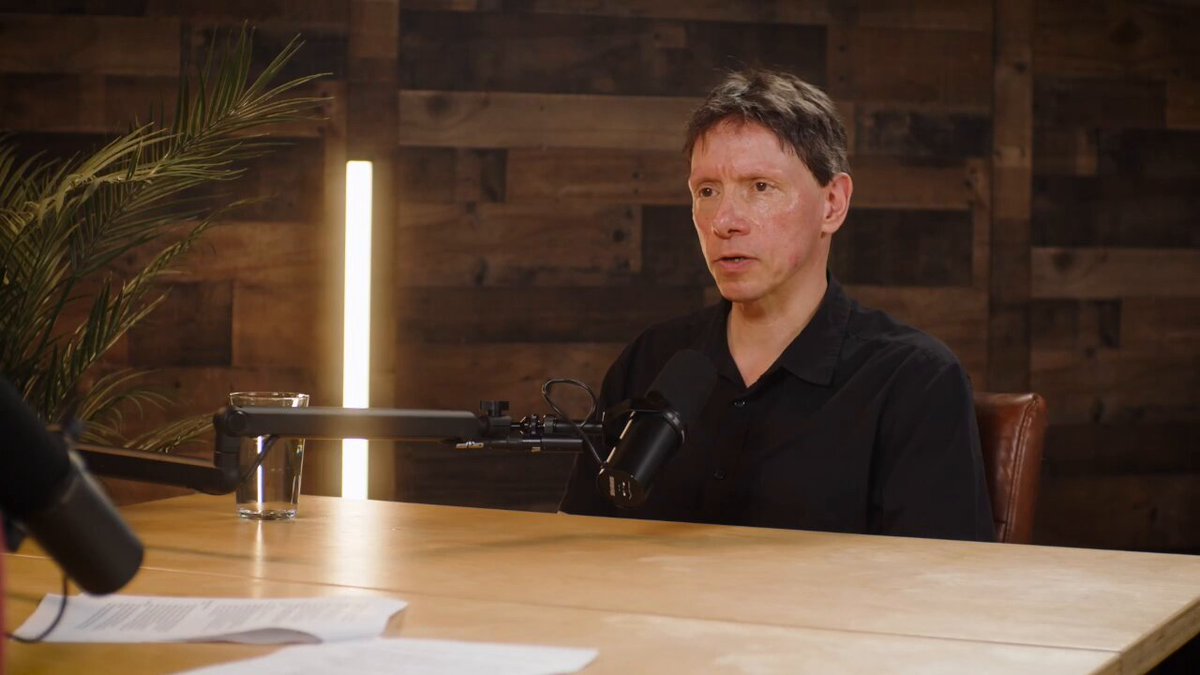
A brand new episode of the FoundMyFitness podcast with Dr. Steve Horvath (@prof_horvath) is out now
Steve and Rhonda discuss:
• Aging clocks (GrimAge, PhenoAge, & DunedinPACE)
• How omega-3 slows epigenetic aging
• Does weight loss reduce biological age?
• Are biological age tests worth it?
• The role of social connection
• How much exercise slows epigenetic aging?
And lots more
Link in the next post
4
23
210
12,719
Jun 13
Social connection may be overlooked when it comes to biological aging
In a study of more than 2,100 adults, people with stronger long-term family support, community ties, and social engagement showed slower epigenetic aging
The signal showed up in GrimAge and DunedinPACE (two DNA-based clocks linked to aging, disease risk, and mortality)
It also tracked with lower IL-6, a marker of chronic inflammation, suggesting social connection may influence aging biology partly through lower chronic inflammation
1
8
157
7,686
Jun 13
This and much more in the latest episode of the FoundMyFitness podcast with @prof_horvath
• Why 10,000 steps won't slow aging
• How to choose a biological age test
• Can GLP-1 drugs reverse epigenetic age?
• The interventions that most reliably reverse epigenetic age
Watch here:
youtube.com/watch?v=3pRiY2zH…
9
2,804
Jun 12
Major weight loss clearly and strongly slows biological aging
In an analysis of a 32-week GLP-1 agonist (semaglutide) trial in adults with excess visceral fat, multiple epigenetic aging clocks picked up the improvement
The likely mechanism: less visceral fat means less adipose-driven inflammatory and metabolic signaling that can accelerate aging biology
That fits a hard truth about obesity: it actively pushes aging biology in the wrong direction, raising risk for cardiovascular disease, type 2 diabetes, cancer, and shorter life expectancy
11
17
251
105,894
Jun 12
New episode with @prof_horvath out now
Watch it here:
youtube.com/watch?v=3pRiY2zH…
1
6
3,899
FoundMyFitness Clips retweeted

Consistent endurance exercise may be one of the most powerful ways to slow down biological aging.
Six months of cycling (about 4.5 hours/week) reduced GrimAge by 7 months relative to the expected trajectory of normal aging. GrimAge is an epigenetic clock tied to mortality risk.
Participants also increased VO₂ max by ~20%, and the reduction in GrimAge tracked with those gains in cardiorespiratory fitness, but not with changes in body composition. The anti-aging signal seemed to come more from becoming fitter, not just leaner.
To @prof_horvath, this suggests biological aging is, at least to some extent, modifiable.
We discuss how exercise may slow biological aging in the latest episode of the podcast. Out now.
43
63
746
78,684
Jun 12
For older adults, a daily multivitamin is a high-priority basic, not an optional supplement
Across three COSMOS cognitive studies of adults 65 , a standard multivitamin (Centrum Silver) slowed global brain aging by about 2 years
The biggest effect showed up in episodic memory (remembering experiences, names, faces, and events), which aged almost 5 years slower
A related COSMOS analysis also found modest slowing in biological aging clocks, making this one of the lowest-effort ways to cover micronutrient gaps as the brain ages
5
22
224
13,978
Jun 12
From our latest episode with @prof_horvath
"How To Slow Biological Aging With a Multivitamin, Vegetables, & Omega-3"
• Are biological age tests worth it?
• Omega-3, vitamin D, and exercise—which slows aging best?
• The red meat question
• How obesity accelerates aging
And lots more
youtube.com/watch?v=3pRiY2zH…
1
1
14
3,563
Jun 11
Eating more vegetables supports slower biological aging
In postmenopausal women from the Women’s Health Initiative, blood carotenoids, an objective marker of fruit and vegetable intake, correlated with lower GrimAge, an epigenetic clock linked to biological aging and mortality risk, at about -0.3
For context, being a smoker pushed GrimAge in the opposite direction at about 0.4, while physical activity showed a much smaller signal around -0.1
That does not mean exercise is unimportant, but it shows how strongly vegetable intake can register on epigenetic aging clocks
6
12
175
9,062
Jun 11
Brand new episode of the FoundMyFitness podcast out now
How To Slow Biological Aging With a Multivitamin, Vegetables, & Omega-3 w/ @prof_horvath
A deep dive into epigenetic clocks, biological age tests, and evidence-based interventions for slowing aging
Watch it here:
youtube.com/watch?v=3pRiY2zH…
1
3
2,639
FoundMyFitness Clips retweeted
Jun 11
Omega-3 may be a simple lever for slowing biological aging
In a 3-year randomized trial of healthy older adults, 1 gram of omega-3 per day slowed epigenetic aging across multiple biological aging clocks
The effect got stronger when omega-3 was combined with vitamin D and resistance training, with the full stack delaying phenotypic aging by about 3.8 months
That may sound small, but slower aging biology compounds over time, and the full stack also reduced pre-frailty by ~40% and invasive cancer incidence by 61%
13
32
540
34,732
FoundMyFitness Clips retweeted
A daily multivitamin can reduce brain aging and modestly slow down epigenetic aging clocks.
In the COSMOS trial, older adults who took a standard Centrum Silver multivitamin daily for about 4 years performed better on cognitive tests and showed the equivalent of ~2 years less brain aging compared with those taking a placebo.
The multivitamin also slowed epigenetic aging clocks, with an effect equivalent to about 2.7 to 5 months of slowed biological aging.
That may sound modest, but I don’t think it’s trivial, and @prof_horvath says that effects from safe, low-cost interventions can matter if they’re sustained over years to decades—2 months of slower biological aging could translate to 2.5 years if a good habit is maintained.
These data push back on the idea that multivitamins are “completely useless.” If you’re filling nutritional gaps consistently over time, even a small benefit to cognition and biological aging could become meaningful.
From the latest episode of the FoundMyFitness podcast.
41
49
505
54,510
FoundMyFitness Clips retweeted
Jun 10
The strongest anti-aging strategy may be less about dramatic reversal and more about removing what accelerates aging in the first place
A brand new episode of the FoundMyFitness podcast with Dr. Steve Horvath (@prof_horvath) is out now
Steve and Rhonda discuss:
• Aging clocks (GrimAge, PhenoAge, & DunedinPACE)
• How omega-3 slows epigenetic aging
• Does weight loss reduce biological age?
• Are biological age tests worth it?
• The role of social connection
• How much exercise slows epigenetic aging?
And lots more
Link in the next post
4
23
210
12,719
Jun 11
Omega-3 may be a simple lever for slowing biological aging
In a 3-year randomized trial of healthy older adults, 1 gram of omega-3 per day slowed epigenetic aging across multiple biological aging clocks
The effect got stronger when omega-3 was combined with vitamin D and resistance training, with the full stack delaying phenotypic aging by about 3.8 months
That may sound small, but slower aging biology compounds over time, and the full stack also reduced pre-frailty by ~40% and invasive cancer incidence by 61%
13
32
540
34,732
Jun 11
Get "The Omega-3 Supplementation Guide"
Our in-depth blueprint detailing tactics on how to choose the best omega-3 supplement, benefits, and more
Totally free
Sign up here:
fmfomega3guide.com/
7
1,729
Jun 11
Brand new episode of the FoundMyFitness podcast out now with @prof_horvath
• A deep dive on aging clocks
• What really works for slowing aging
• How much exercise moves the needle
• The role of social connection
And lots more
youtube.com/watch?v=3pRiY2zH…
8
3,609
Jun 10
The strongest anti-aging strategy may be less about dramatic reversal and more about removing what accelerates aging in the first place
A brand new episode of the FoundMyFitness podcast with Dr. Steve Horvath (@prof_horvath) is out now
Steve and Rhonda discuss:
• Aging clocks (GrimAge, PhenoAge, & DunedinPACE)
• How omega-3 slows epigenetic aging
• Does weight loss reduce biological age?
• Are biological age tests worth it?
• The role of social connection
• How much exercise slows epigenetic aging?
And lots more
Link in the next post
4
23
210
12,719
FoundMyFitness Clips retweeted
New episode with Dr. Steve Horvath (@prof_horvath), a pioneer in the field of epigenetic aging clocks.
Steve developed the original Horvath clock, one of the first tools to show that DNA methylation carries a remarkably reliable signal of aging across human tissues.
In this episode, he explains what biological clocks actually measure, why different clocks can disagree, and how to interpret a biological-age result without treating it like a literal lifespan forecast.
We talk about chronological age vs. biological age, and we also get into the intervention evidence on exercise and VO2 max, calorie restriction, omega-3s, vitamin D, multivitamins, and weight loss/GLP-1 therapy, among other topics!
The big theme is that biological clocks can be useful dashboards, but they are not diagnoses, fortune-telling tools, or proof that one supplement has reversed aging. This was Steve's second appearance on the podcast and he did not disappoint. You won't want to miss this episode.
Links to the episode on all platforms in the comments below.
Timestamps:
0:00 - Introduction
1:59 - Biological vs. chronological age
7:33 - Why one clock isn't enough
13:16 - PhenoAge vs. GrimAge
15:21 - GrimAge & mortality risk
19:04 - Epigenome as stress memory
23:02 - Can stress be inherited?
25:06 - Why clocks fail in sperm
26:30 - Can lifestyle reverse GrimAge?
28:18 - DunedinPACE as an odometer
32:20 - Judging longevity interventions
34:41 - Clocks as mortality surrogates
38:28 - Most validated interventions
41:25 - 5 years younger in 7 months?
45:43 - Can GrimAge predict death?
47:30 - Translating GrimAge to lifespan
52:16 - Blind spots of aging clocks
58:20 - More than inflammation
1:00:56 - Young blood, transient effects
1:04:46 - Calorie restriction
1:08:54 - GLP-1 drugs & weight loss
1:12:24 - Can a multivitamin slow aging?
1:21:05 - Omega-3, vitamin D, & exercise
1:28:55 - Removing an aging accelerator
1:31:24 - Vegetables vs. exercise
1:36:58 - Does red meat age you?
1:38:38 - Hard training moves the clock
1:45:59 - Heat as an exercise mimetic
1:47:23 - When cold slows the clock
1:49:48 - Does poor sleep speed aging?
1:51:19 - Can friendship slow aging?
1:57:49 - Are consumer tests worth it?
2:02:46 - Choosing a reliable test
2:07:33 - Different clocks, different lenses
2:12:21 - Can AI build better clocks?
2:13:53 - Partial reprogramming
2:17:47 - What reprogramming can't fix
2:22:37 - Do DNA mutations drive aging?
2:24:53 - The silver bullet problem
2:29:23 - Limits of polygenic risk
2:33:32 - Steve's longevity routine
2:38:05 - How stress affects aging
25
50
352
55,244
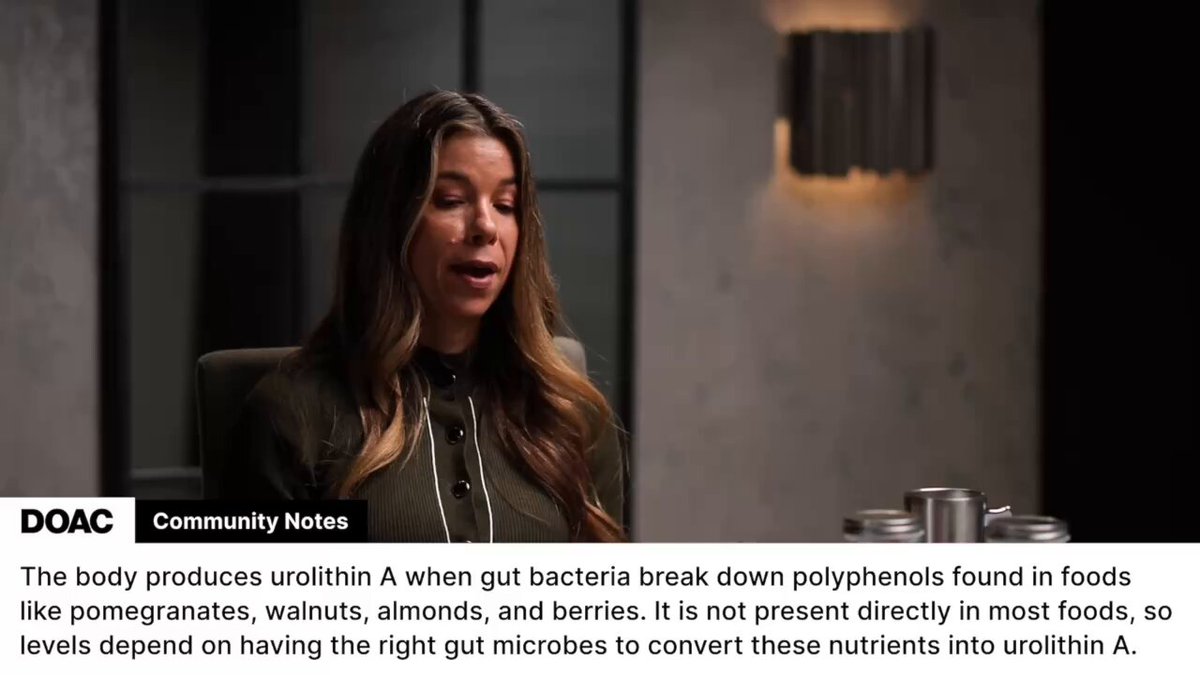
Urolithin A may be one of the most interesting supplements for mitochondrial aging
It activates mitophagy, the cellular cleanup process that removes damaged mitochondria before they drag down energy production, muscle function, and immune resilience
In older adults, 1,000 mg/day improved markers of immune aging, increasing CD8 T cells and natural killer cells while lowering markers of cellular senescence
In untrained athletes, the same dose boosted VO2 max by 10% beyond exercise alone, and improved hamstring strength in older adults by 10–12% versus exercise alone
24
68
846
48,296
Sign up to become a FoundMyFitness Premium Member
Members get access to:
• Monthly Q&As with Rhonda
• The Aliquot podcast
• Our Science Digest email
And more
Details here:
foundmyfitness.com/crowdspon…
4
2,803
From Rhonda's appearance on Diary of a CEO:
youtube.com/watch?v=PyhmvAL-…
17
4,803