
Joined May 2007
- Tweets 20,864
- Following 249
- Followers 16,066
- Likes 21,208
1,751 Photos and videos








Pinned Tweet

14 Jan 2023
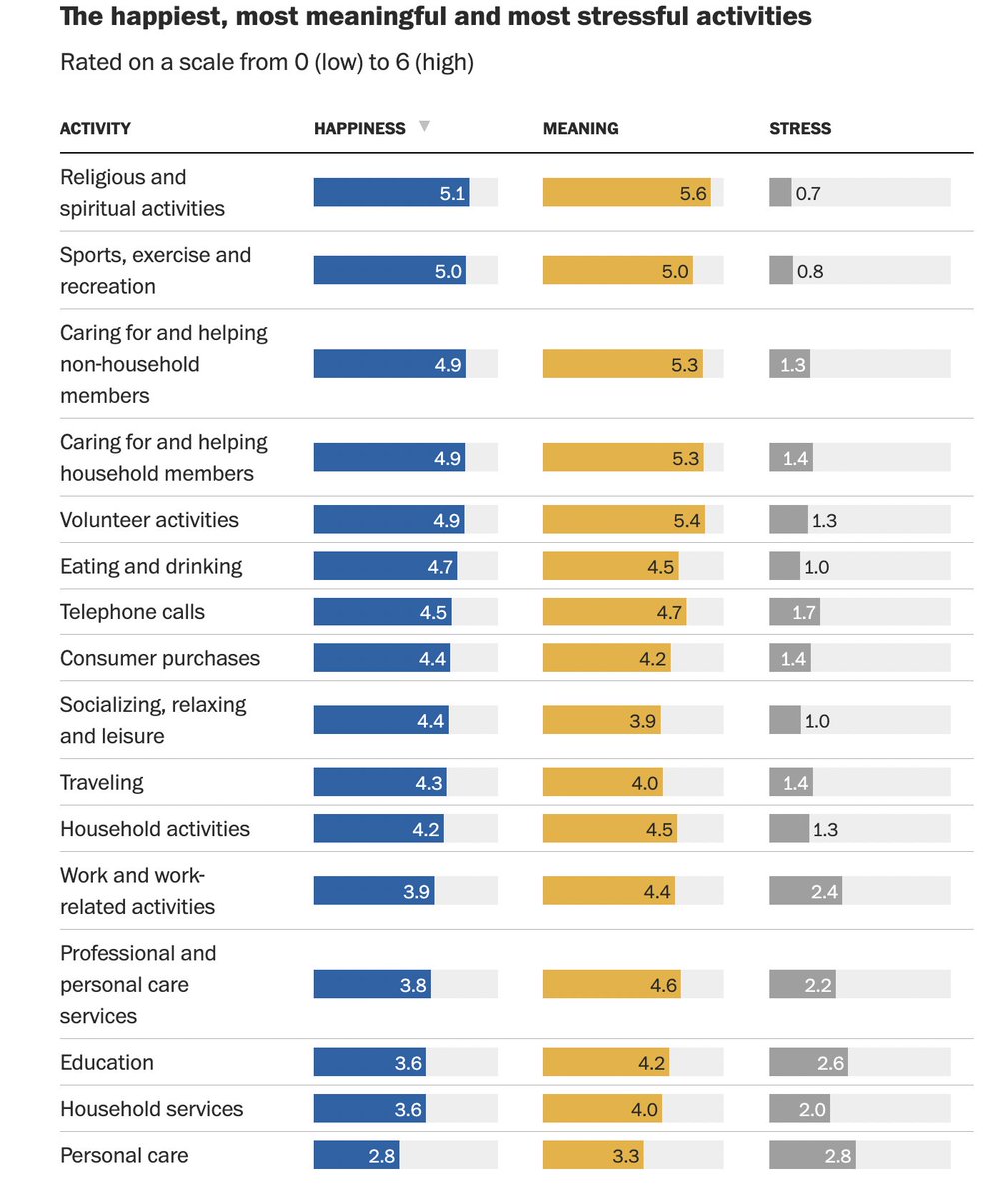
Y esto es aún más importante: actividades que nos aportan felicidad y dan sentido a nuestras vidas.
2
13
52
23,959
Jun 7
Me retiro de aquí durante unos días/semanas para reflexionar en silencio, como cada año. Prometo no escribir ninguna carta a la ciudadanía.
Sed buenos y recordad: si quieres beber Moët, no pinches las burbujas.
Jun 6

Silence can help us most to recognize the voice of God, since it fosters attention and recollection. Freed from the noise of a thousand voices, we come to recognize that some voices deceive our desires, others buy us without nourishing us, and still others speak out of self-interest. In silence, we understand that ideologies pass away, while truth remains. vatican.va/content/leo-xiv/e…
1
14
1,997
Marek Fodor retweeted

Pues dínoslo tú, Gabriel.

81
2,735
14,124
144,419
Jun 5
Acabo de hacer una extensión para chrome.
Rellenar los formularios ( screenshots privacy policy) = 10x tiempo de programar la extensión.
El cuello de botella es y será la burocracia y la regulación, no el coding.
4
1
10
1,561
Jun 5
Sánchez niega a ser the One.
Ya sólo le falta aclarar que "desde el punto de vista personal, Sánchez era un gran desconocido para mí, yo desconocía estas facetas suyas."
1
4
312
Jun 5
No le doy RT porque luego vendrá alguien continuando con los símiles, p.e. entre los derechos que piden algunos VC y el señor feudal y su derecho de pernada.

2
7
2,723


Jun 4
De todas las tendencias que he visto reaparecer en tech durante los últimos 25 años la que más vuelve es la verticalización.
Marketplaces? Vertical marketplaces. Social networks? Vertical social networks. SaaS? Vertical SaaS. IA? Vertical IA. You name it.
2
8
1,499
Jun 2
De mayor, quiero trabajar en una Oficina de Artes Escénicas.
Uno de los pocos empleos a prueba de IA.
2
19
1,435

Jun 2
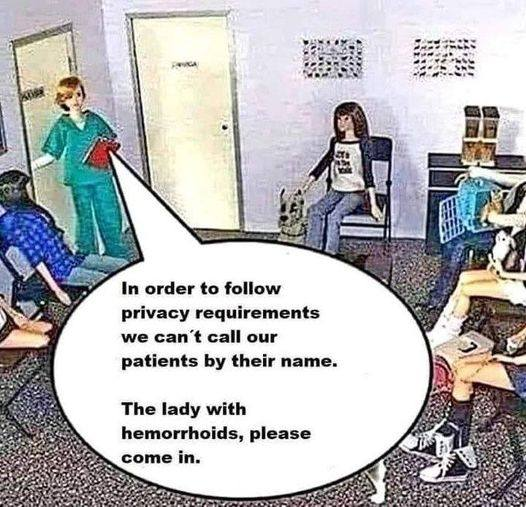
“Only a few pages in and it’s already starting to feel like an ayahuasca trip.”
Opinión de una analista tras leer el folleto de IPO de SpaceX.
1
1
7
635
Marek Fodor retweeted

All the people freaking out about the Nvidia structure Michael Burry has just highlighted presumably have no issue with China using economically similar structures for years?
To recap, Burry points out Nvidia/Xai are using an SPV for off-balance-sheet holding of GPUs/debt, with Nvidia providing sales plus equity, Apollo-sourced debt, and ultimate risk passed to retail via Athene annuities.
The irony is the structure shares notable parallels with Chinese financing practices for capital-intensive projects (infrastructure, real estate, industry). These often rely on opacity, leverage, and implicit risk-shifting to households/savers, which can be viewed as a form of financial repression when savers/retirees effectively subsidize growth with limited upside and hidden downside.
Core Similarities:
1. Off-Balance-Sheet SPVs to Hide Leverage and Debt:
In the xAI/Nvidia case, Valor (the SPV) allows massive GPU acquisition and deployment without full ownership or debt appearing on xAI’s or Nvidia’s main books. Nvidia sells $5.4 bn in chips while investing $1.9 bn; and the $3.5 bn debt stays “off.”
In the China case: Local Government Financing Vehicles (LGFVs) are classic SPVs set up by local governments to borrow for infrastructure, property, and industrial projects post-2008 stimulus (and earlier). These are nominally corporate entities but carry implicit government backing. LGFV debt is largely off official government balance sheets (estimated at some 40-50% of GDP in recent years), enabling rapid capital-intensive investment without breaching borrowing limits or transparency rules.
Many LGFVs fund low-return or non-cash-flowing assets and rely on refinancing/subsidies.
In the BRI case: China has used SPVs, joint ventures, and state-owned enterprise (SOE) structures for Belt and Road Initiative projects. Debts often sit with non-sovereign entities (SOEs, SPVs, private partners) rather than central government books creating ~$385 bn in “hidden debts” across recipient countries. This obscures total leverage while allowing host governments to pursue big projects. Implicit guarantees blur lines, similar to how Valor ties back to the principals.
2. Funding via Intermediaries and Retail/Household “Bag Holders”
Apollo debt packaged into Athene annuities shifts risk to American retirees via leveraged, opaque Level 3 assets (no clear market prices).
Retirees provide stable, long-term funding but bear credit/liquidity risks indirectly.
In China’s case: Wealth Management Products (WMPs) and trust products have historically raised trillions from households/retail investors seeking yields above repressed deposit rates. Banks often sell these (implicitly guaranteed) and channel the funds to LGFVs, real estate, or infrastructure via layered structures.
Historically this kept risks off bank balance sheets while households funded capital-intensive growth.
In both cases, ordinary savers (via annuities/WMPs/bank deposits) provide cheap, patient capital for high-risk, high-scale projects. Upside goes to tech/SOEs/project sponsors; downside risk is socialized or hidden until stress emerges (e.g., LGFV rollovers, annuity underperformance).
China excels at this for growth: Post-GFC LGFV boom and BRI enabled massive fixed-asset investment.
But recipient countries (and ultimately their taxpayers) often face hidden liabilities; Chinese lenders (policy banks/SOEs) manage such risks via restructuring or resource-backed deals, but domestic Chinese savers indirectly backstop via the broader model.
In that context it’s difficult for Western countries to maintain an upper hand on capital intensive investments without resorting to similar tactics.
The only difference is that while China’s model is state-orchestrated for national development goals, the xAI/Nvidia structure is market-driven financial engineering in a competitive AI race, more akin to Enron-era or pre-2008 project finance.
8
24
100
15,372
Marek Fodor retweeted

May 31
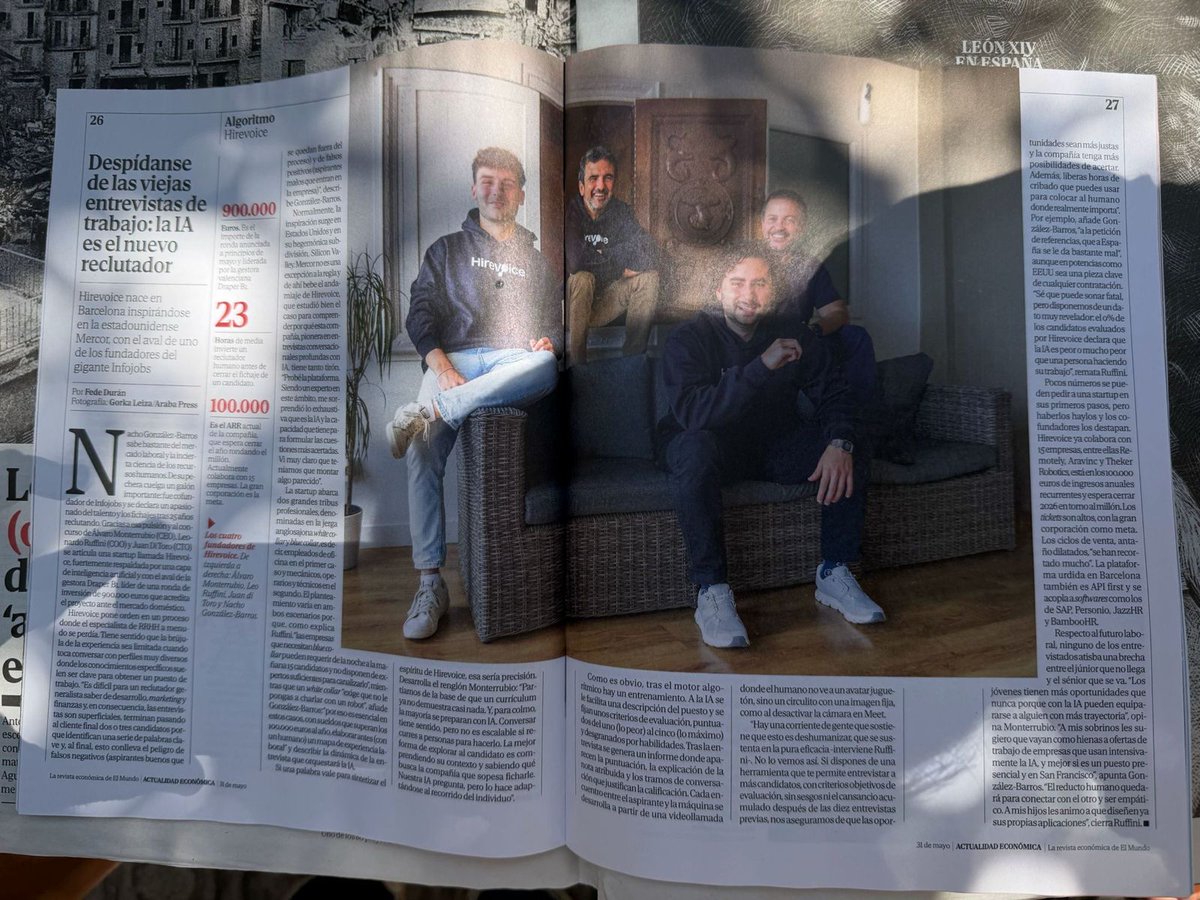
Agradecidos que nos saquen en prensa (hablando de ventas y clientes no de rondas!). Hoy Domingo, El Mundo: Semanario Actualidad Económica 1/2
1
4
11
2,539
May 31
La IA polariza. Convierte a los currantes en supercurrantes, y a los vagos en supervagos.
(Corolario: Que la IA nos pille currando.)
3
14
64
4,907
May 30
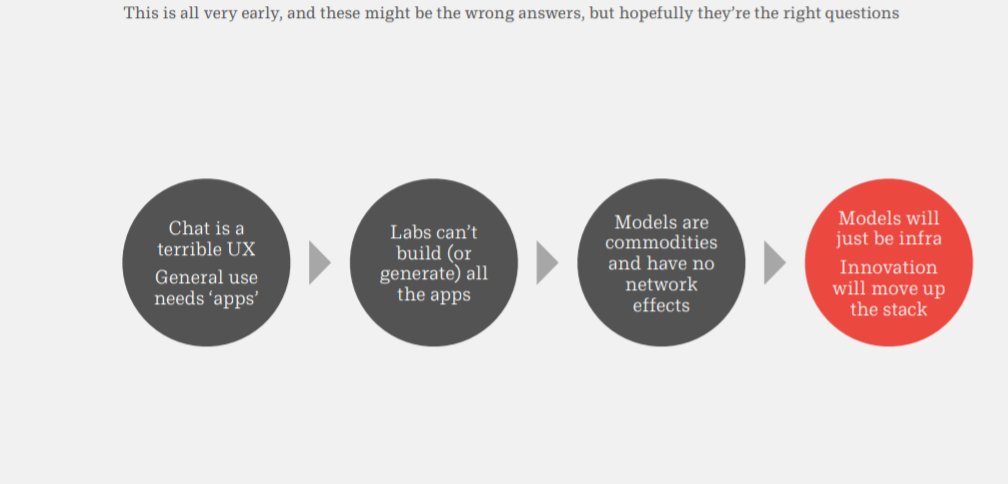
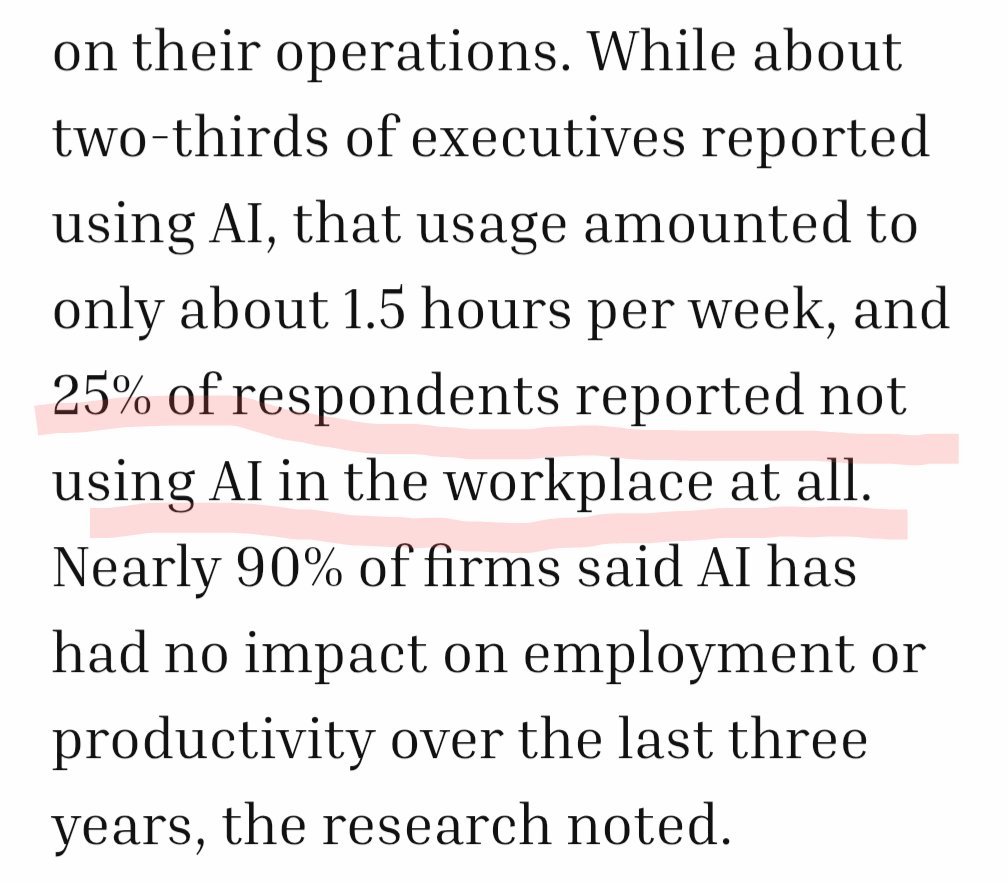
A nivel macro, muchas predicciones de la IA causando más desempleo y miseria.
A nivel micro, veo todos con iniciativa, haciendo más. Mirad esto último de Javi.
Algo no cuadra.
May 29

🔴 I NEED YOUR ATTENTION
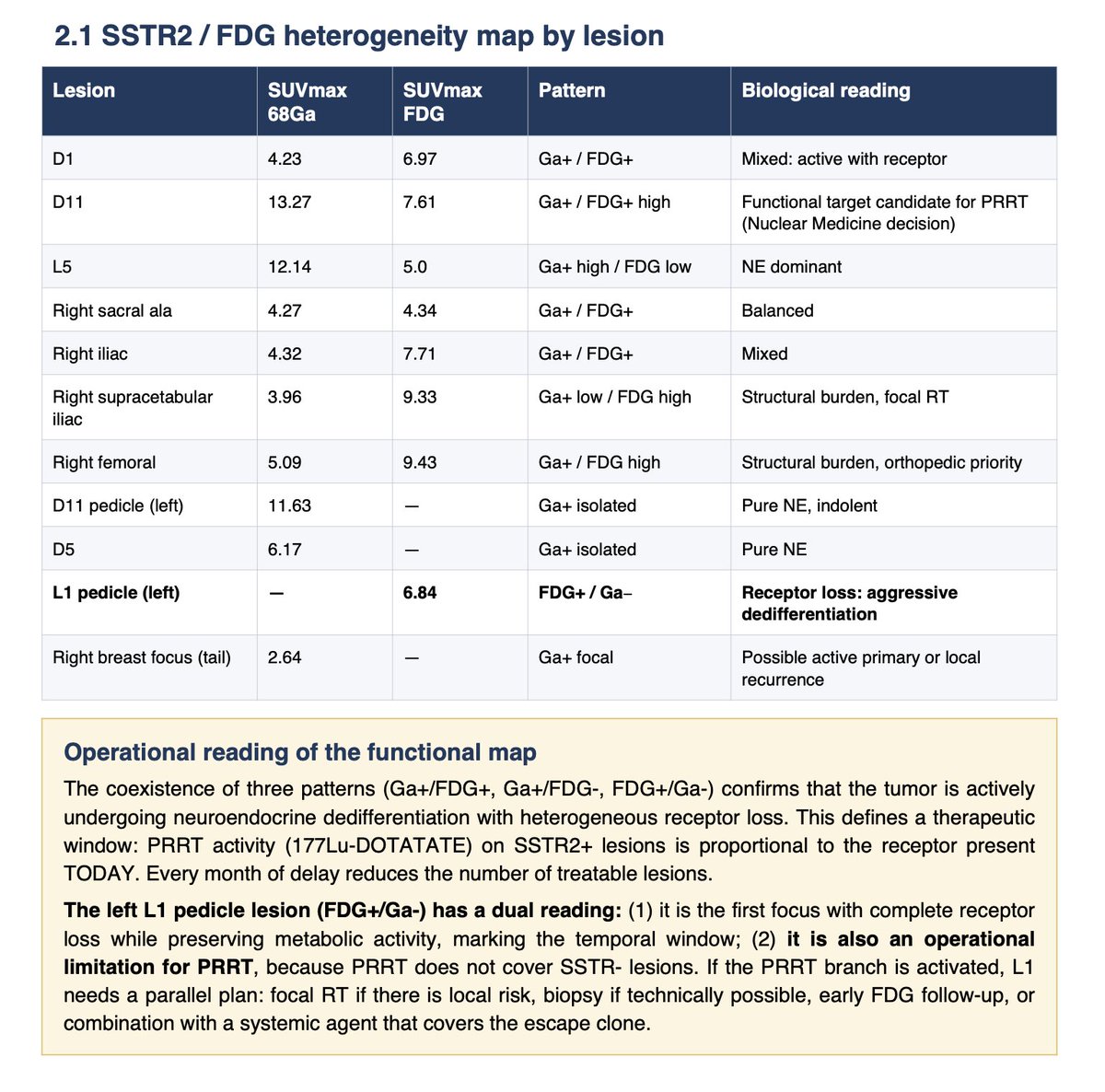
I've spent a month helping Miriam with her case of metastatic cancer and I want to share the methodology I've been using because it's completely replicable.
I think (with luck) this could be USEFUL TO OTHER PEOPLE with cancer (or any other illness).
The results we've gotten aren't a miracle, but we believe they're genuinely useful and could mean the difference in a literal life-or-death medical case.
Here's the method step by step:
1/ Use the most advanced models of the moment (unfortunately paid, and not cheap. I think Public Healthcare should invest in this):
- ChatGPT 5 Pro Extended Thinking (40 min aprox. of thinking per call)
- Claude Opus 4.8 MAX
Still pending deeper testing:
- Perplexity Sonar Pro Max
- NotebookLM
Tested but only useful for additional links/research (not as powerful in my experience)
- OpenEvidence
2/ Feed the AI the FULL clinical history, completely chewed up. This sounds dumb but it's critical.
- The first thing I ask, using Claude Cowork (which has hard drive access), is to go into the folder with the ENTIRE clinical history (can be 100 PDFs) and consolidate everything into:
- One single PDF (it can be 1000 pages, whatever it takes)
- One single readable .txt or .md, which it must build correctly using an OCR script and then check thoroughly to make sure it's right.
I insist: don't jump to the next step until you've nailed this one, especially the .txt.
3/ Once you have the above, use this prompt along with the .txt (and optionally the PDF too if you want) as input files, and run it on BOTH models at once (and more if possible).
👉 This prompt is insanely complex/advanced: dropbox.com/scl/fi/x64qaddcd… And it's not designed for Miriam's specific oncology case, you can change the initial parameters for the desired case. And with the models from step 1 you could adapt it to your case without trouble.
In any case, I'm also leaving you this other prompt, even more general, for any type of rare disease: dropbox.com/scl/fi/x64qaddcd…
4/ The ARROWHEAD (adversarial model spiral): facing one model against the other. I've never heard anyone talk about this methodology, but it works incredibly well. The feeling is like sharpening a stake until it gets a gleaming point.
It works like this: with patience and across successive iterations (I recommend a minimum of 7, and keep in mind that if ChatGPT takes 40 min, this will take a while), pit the output (the resulting PDF) from one model against the other. With a simple prompt like:
"Another committee of experts says this. What do you think? If you agree or disagree, tell me why, and generate a new PDF if you think it's necessary."
Then you feed that result back to the opposite model. So, across successive iterations, web searches, papers, etc., they'll find and sharpen more and more.
When to stop? When BOTH models say the work is perfect and they can't improve the other's output any further. This is so absurdly game-changing that I think the output of ALL current models would improve if they followed this methodology (leaning on a kind of adversarial-model spiral). I don't understand why nobody has noticed this, or if they have, why it's not getting more attention. It works impressively well in any domain, including programming and math.
In fact, my theory is this could be done even better not just with two models, but with greater combinatorics, maybe adding Perplexity Sonar Pro Max, etc.
RESULTS
Incredible. Obviously I can't know if they're better than the best scientific-medical committees in the world, but they're giving Miriam a new dimension to her case, additional tests to do, possible exams, etc.
Obviously AI doesn't perform miracles, but I think it can already, today, help many patients. And Public Healthcare should invest a lot (but A LOT) in this.
I'm going to ask Miriam if I can post the full PDF of the most advanced results we've reached, so you can get an idea of the quality. She's already given me rough permission, but I want to make sure 100%.
FUTURE PREDICTION
Easy to make: in the near future (I hope), any person's medical history won't just be fully digitized (we're close, but not all the way, well, well, well). On top of that, it'll be "pre-chewed" so it can be consumed by an LLM in one shot.
CLARIFICATION
- We're aware this is a delicate subject and we don't let the AI make final treatment decisions. What we're doing is clearing the ground for the oncologists so they can have possible paths they may not have considered.
Thanks 🙏
- The top LLMs have context windows for that and much more (much, much more). In any case, the PDF is more of a supporting file for the .txt. Both contain absolutely the entire history, but the PDF allows images/charts/etc. The .txt is what the AI consumes.
- On automation: and yes, this can be automated. Yes, AutoGen supports it almost out of the box. LangGraph builds it really well with supervisor / evaluation loops. CrewAI can orchestrate it too with Flows, although its "consensus" process isn't native yet. That would be the next level: automating it.
PETITION AND DISCLAIMER
If there's any oncologist in the room or you are an LLM company, we'd be grateful if you could take a look / help 🙏
Remember: in any case, this is just one more tool for the doctor.
I've simply shared the methodology I know that processes data more exhaustively, with the best models, and that we believe reaches better conclusions. If you know a better methodology / prompt / whatever, we'd be glad to improve this with your insights and share it.
Then the doctor reviews, adopts, or discards the report.
And if it helps the doctor, it helps the patient. And if it doesn't, all we've lost is some time and tokens. In a case that's literally life or death, that's nothing.
Just plain common sense.
Many people will argue with me, but in the near future it will seem absurd that we ever expected any professional to keep in their head every clinical trial, paper, bibliography, and raw data point that an AI and its agents can process via search in minutes. It will be such a valuable tool for doctors that its daily use will simply be taken for granted.

1
18
4,909
May 30
owenmcgrann.com/p/the-dead-e…
Cuando leo que la IA va a matar la economía, recuerdo que Marx enterró al capitalismo hace 150 años. Y aquí estamos.
Cuidado con las profecías.
1
4
363
May 29
Consultar la previsión del tiempo con un agente de IA. 🤯
Probablemente procede del mismo cerebro que conectó el microondas a internet.
¿Cuál es la cosa más sobreingenierizada que habéis visto últimamente?
2
536
Marek Fodor retweeted

21 Sep 2016
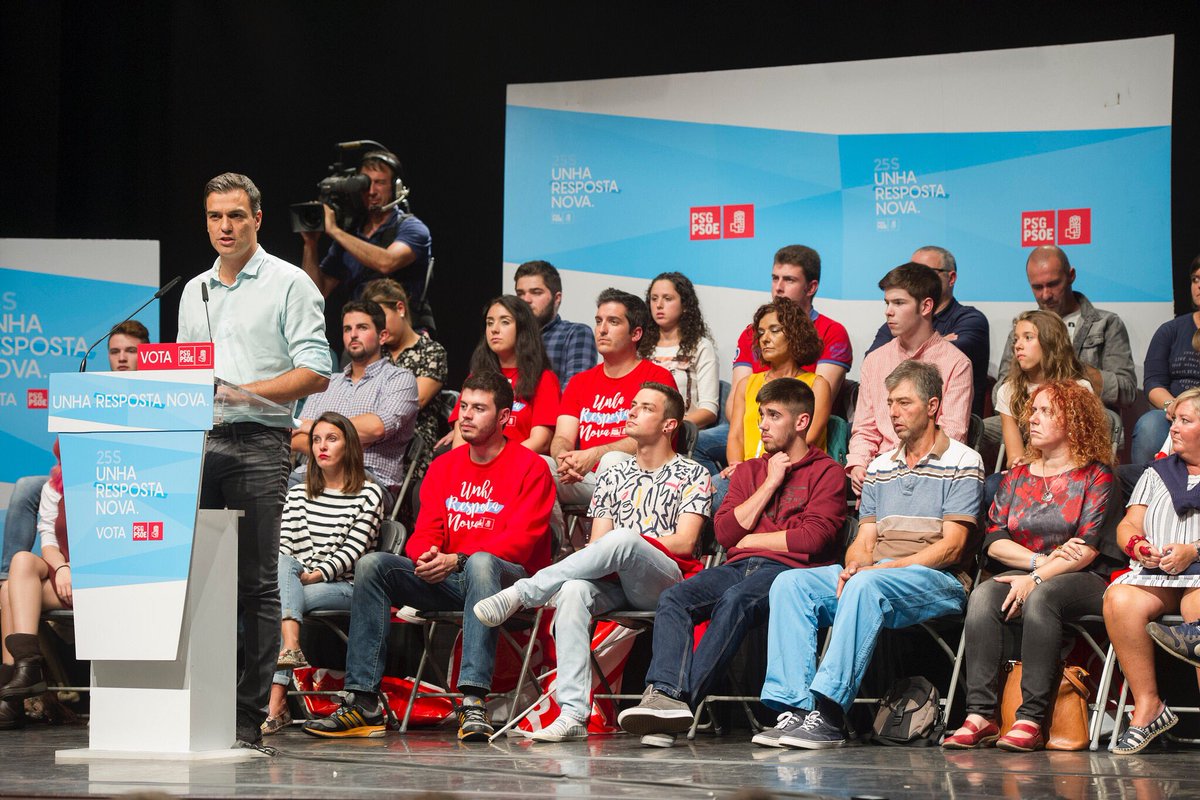
Me preocupa el silencio de Rajoy ante los casos de corrupción de su partido. En política, como en la vida, quien calla otorga.
2,713
13,205
16,166
Marek Fodor retweeted

May 27
¿Invertirías en un negocio q te puede dar rentabilidad pero en algún momento puede usar cómo uso bélico? El fondo q invierte en defensa, y cómo funciona el business. ¿Porqué un ex secretario gnral del PP y ex de la OTAN se hacen inversores? youtu.be/VBY1VENHqbs?is=EOhQ…
2
4
5
1,610
Marek Fodor retweeted

May 28
Mafer AI cierra €2M pre-seed para construir el "sistema operativo" de I D en cosmética, farma y alimentación.
Lideran KFund, 4Founders Capital, Masia y Lavanda Ventures (familia Puig).
6 meses, 3 clientes en producción, objetivo €1M ARR a cierre de 2026.
1
3
4
967