Sociologist, ethnographer, professor. Director: Stanford Ethnography Lab. Author: Ballad of the Bullet | Down, Out & Under Arrest.
Joined December 2014
- Tweets 2,711
- Following 1,320
- Followers 5,146
- Likes 5,486
86 Photos and videos







Forrest Stuart retweeted

Fear of violence shapes how some young people use social media.
Professor @ForrestDStuart explains how violence leads some young people to use social media to assess risk and reroute their walk to school.
In Safe, he speaks with host Ciaran Thapar about how social media can amplify harm — while also becoming a survival tool.
🎧 open.spotify.com/show/1UfBnj…
#SafePodcast #SocialMedia #OnlineSafety @Stanford
3
3
460
Forrest Stuart retweeted
When young people are repeatedly treated as though they don’t matter, they will look for ways to feel seen.
In Safe, hosted by Ciaran Thapar, Professor @ForrestDStuart explains how being labelled as “worthless” can push young people towards social media — where likes and views become measurable signals of worth.
🎧 Episode 3 out now: youthendowmentfund.org.uk/po…
2
4
260
Forrest Stuart retweeted

18 Jan 2025
Buy now and save 50% on the "Ballad of the Bullet: Gangs, Drill Music, and the Power of Online Infamy" audiobook by @forrestdstuart. Offer expires 01/29. audiobooks.com/promotions/pr…
1
3
371
Forrest Stuart retweeted

12 Dec 2024
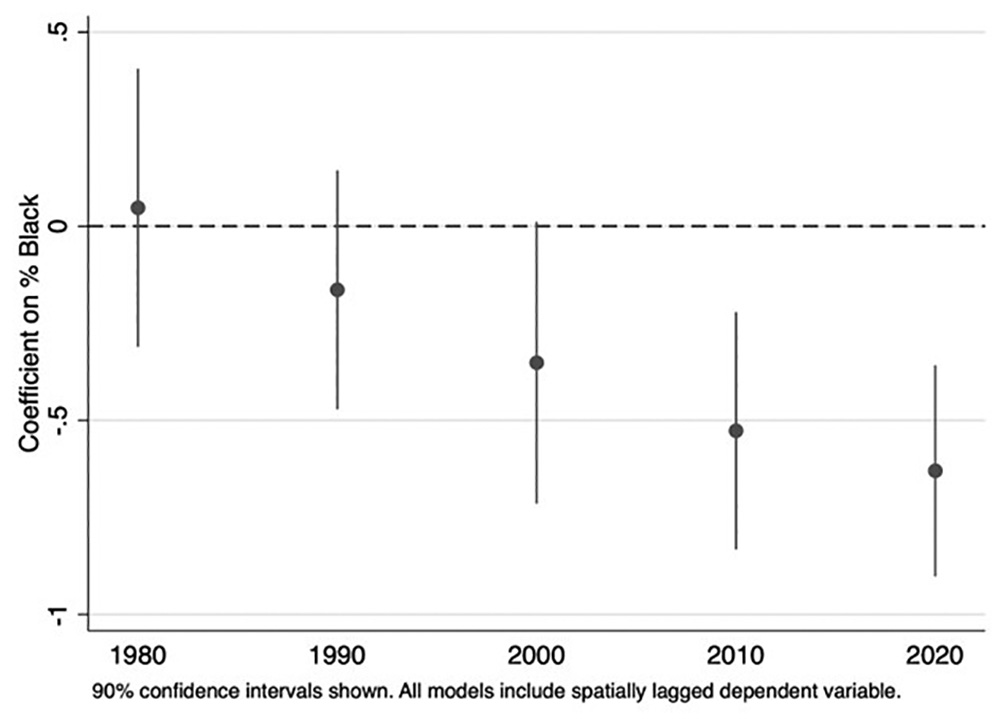
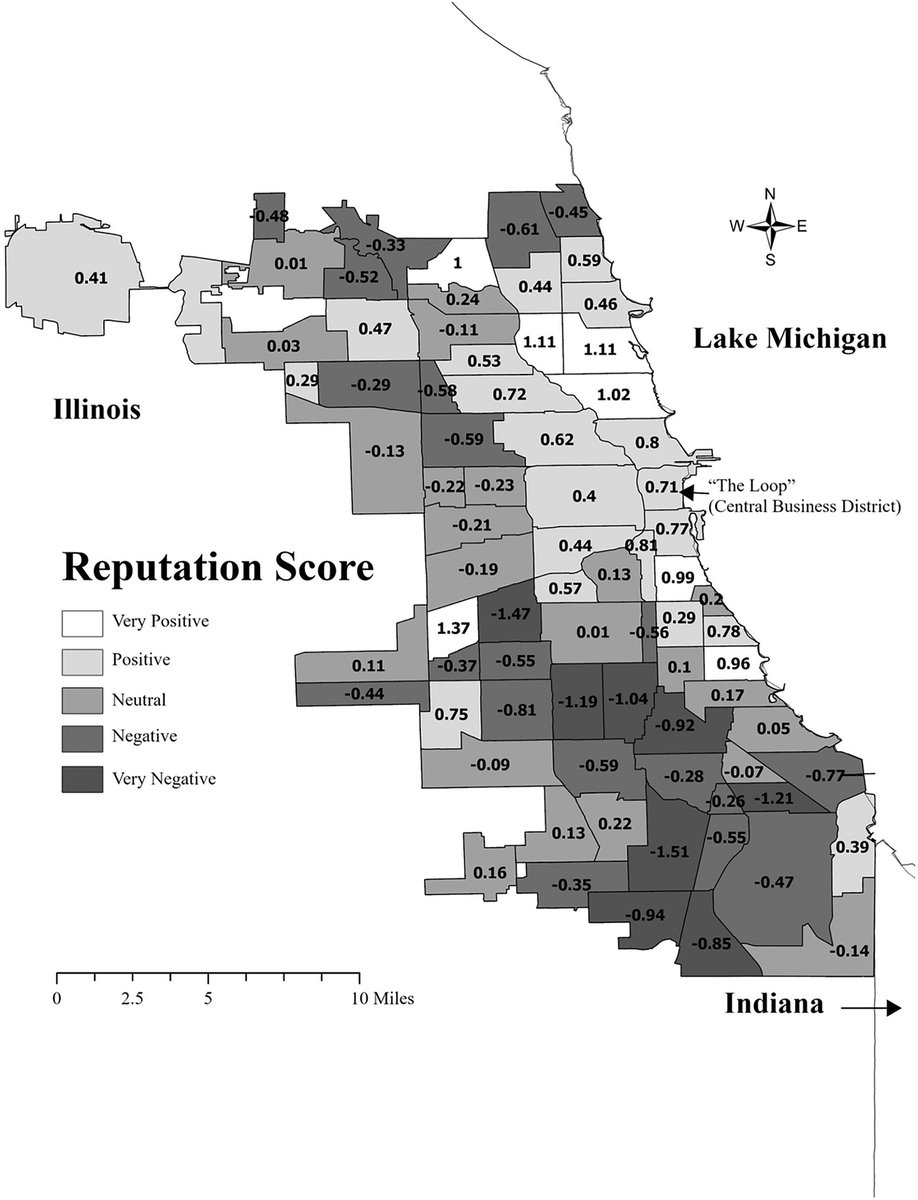
New article by @ForrestDStuart, @CharlieRCollins, Bocar Wade, @Gleit_R and @CaylinLMoore: Where do #neighbourhood reputations come from?: Analysing #Chicago community areas using a systematic neighbourhood #ReputationScore, 1985–2020
ow.ly/27YK50Uok06
#SentimentAnalysis
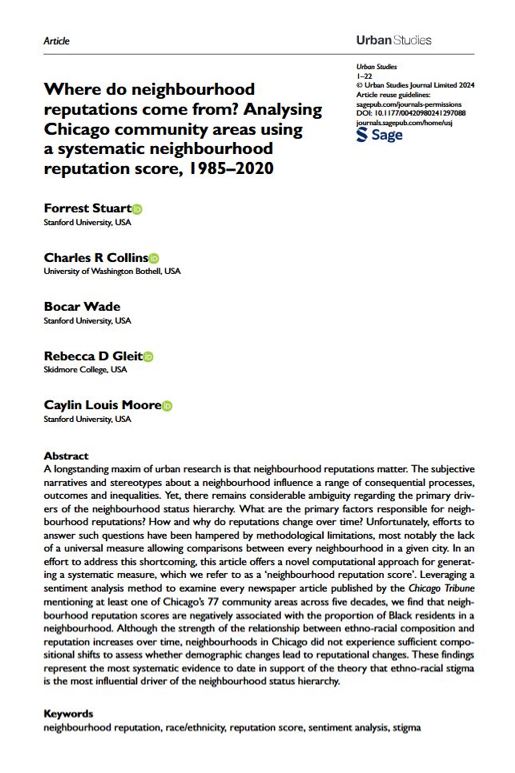
ALT Screenshot of article info including DOI, title, authors, abstract and keywords.
6
12
2,354

10 Dec 2024
A new Stanford study reveals that maybe we're obsessing about the wrong kind of media bias. There's a far more insidious bias—one shaping lives and driving inequality. It’s about how the media covers Black neighborhoods. Let’s unpack this 🧵👇 #soctwitter
2
28
131
17,904
10 Dec 2024
9/ So let’s stop focusing solely on political leanings and start addressing the deeper biases embedded in the so-called objective ways reporters cover our cities. The stakes couldn’t be higher.
1
11
1,003
10 Dec 2024
10/ You can read the full study in Urban Studies here: journals.sagepub.com/doi/10.…
This research has been a long time coming, and I’m grateful to my collaborators:
@CharlieRCollins
@Gleit_R
@CaylinLMoore
4
4
22
994
Forrest Stuart retweeted

5 Apr 2024
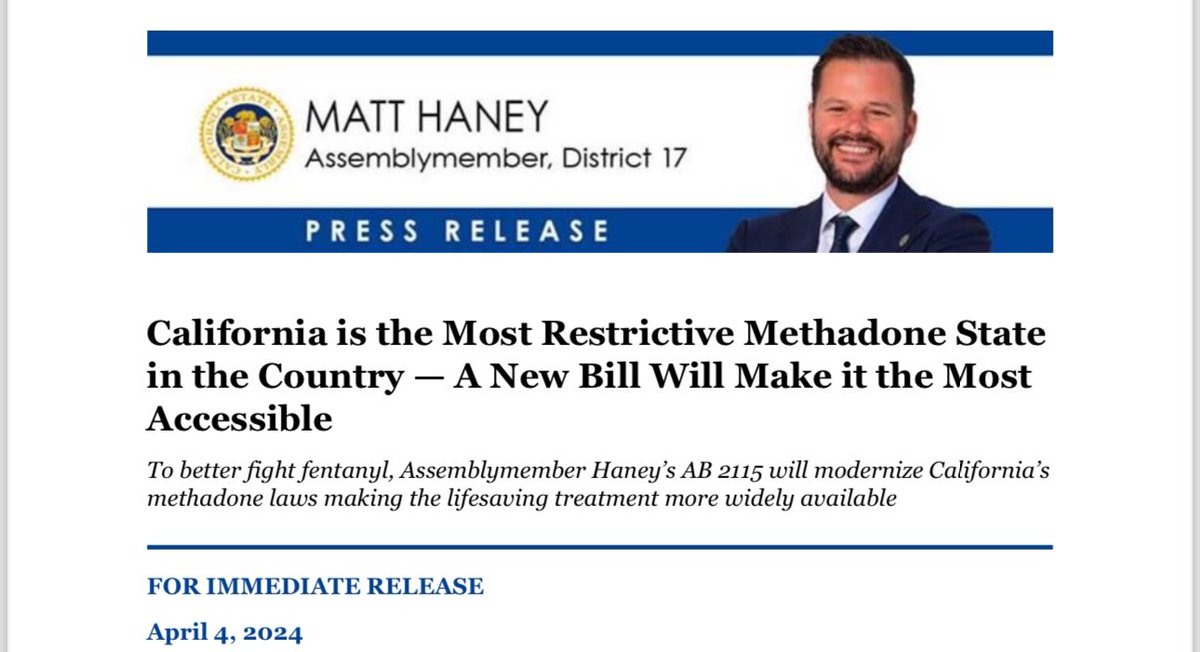
"Assemblymember Matt Haney (D-San Francisco) has introduced AB 2115 that will radically change California's strategy on the treatment of opioid addiction by transforming California from a state with the most restrictive methadone laws in the country, into a state leading in methadone accessibility.
The bill will ensure that people with opioid addiction are able to access this lifesaving treatment by removing outdated laws that were first crafted during the Vietnam war.
Methadone is the most highly effective medication that eases the debilitating symptoms of opioid withdrawal for people who have quit drugs like heroin and fentanyl. Unfortunately the state’s many bureaucratic barriers to methadone treatment have left medical professionals hobbled in their fight against the spreading fentanyl crisis, leading to a sharp increase in opioid overdoses since 2019.
“We’ve reached a point where the treatment for opioid addiction is much harder to get than the deadly drugs themselves,” said Haney. “Dealers are much better at getting fentanyl and heroin into people’s hands than we are at getting them addiction medication. We have to reverse that entirely if we want to save people’s lives.”
Currently the state’s stringent regulations far surpass federal guidelines, and require patients to jump through numerous hurdles to access methadone including requiring patients to line up in front of specialized methadone clinics every morning to receive treatment. Drug dealers, aware that people with addiction gather together every morning, often prey on these vulnerable former users as they wait in line.
"It is infuriating and mind boggling that during the worst drug crisis in history, as thousands of Californians die every year, that we would keep one of the most effective treatments for addiction locked away where people can’t access it,” said Haney who chairs the Assembly’s Fentanyl and Opioid Overdose Prevention Committee. “If we are serious about stopping fentanyl, we have to get serious about methadone. Get people off of deadly drugs and into treatment, and get rid of these backwards retrograde barriers to treatment that are still in law.”
15
17
97
42,492
Forrest Stuart retweeted

30 Mar 2024
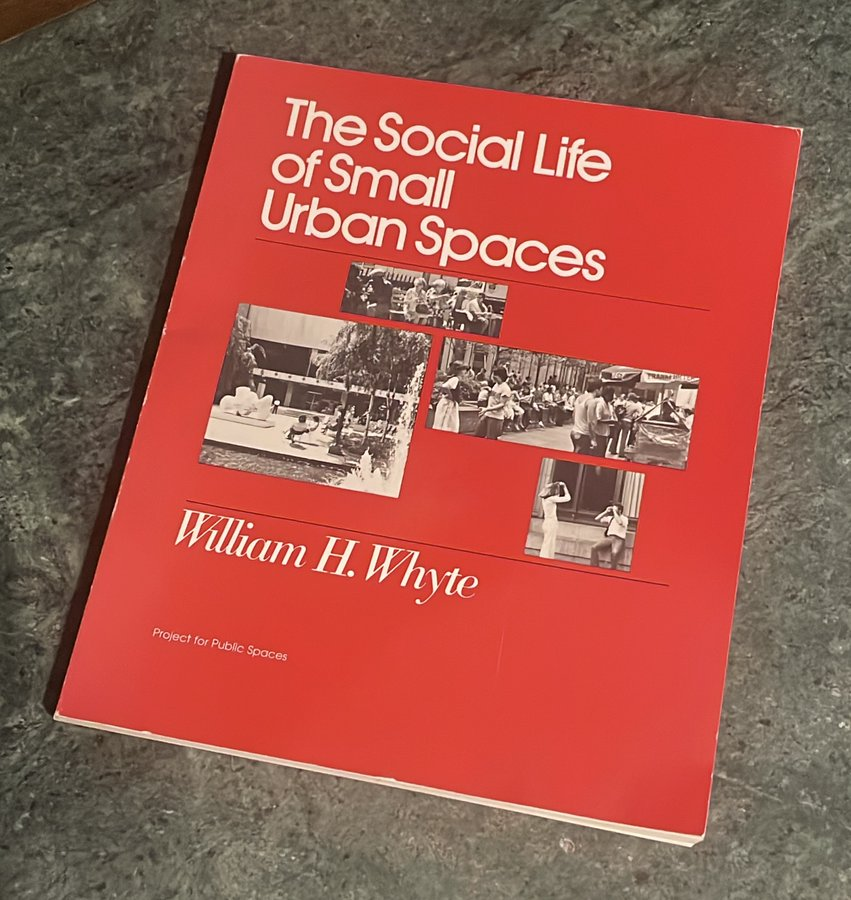
Fifty years ago, William Whyte studied how New Yorkers schmoozed, sat, and relaxed the small open spaces available to them. This 1980 treasure was the result.
Join me as I share a few timeless lessons. 🧵
25
777
7,276
728,365
Forrest Stuart retweeted

20 Mar 2024
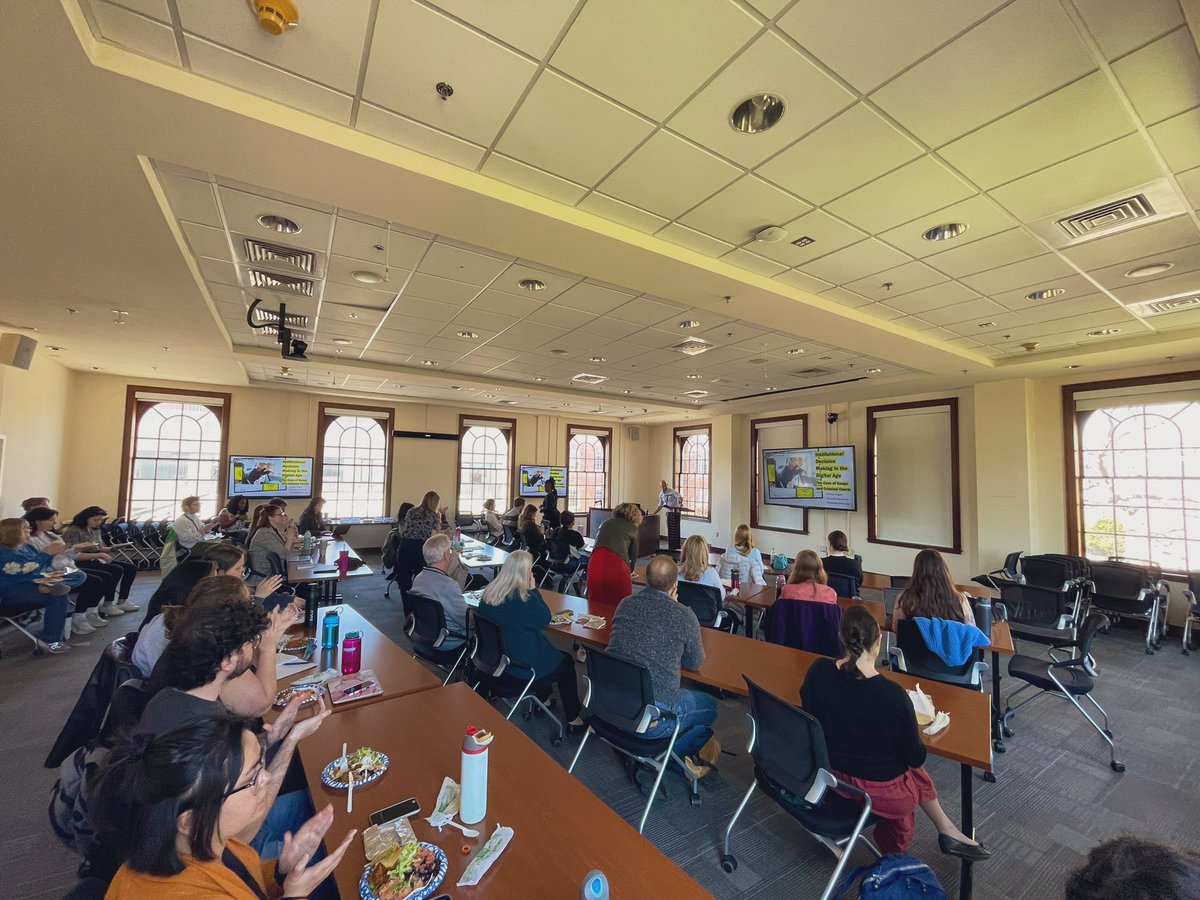
Happening Now: @ForrestDStuart at @UNC giving a talk: “Institutional Decision-Making in the Digital Age: The Case of Social Media Data in Criminal Courts”
3
7
1,833
Forrest Stuart retweeted

27 Feb 2024
Some attacks on Housing First for homelessness are culture war propaganda.
But the model faces legitimate questions that should come as much from the left as right. Is it successful? Cost-effective? For whom?
Katherine Beckett & I write @TheProspect
🧵
prospect.org/health/2024-02-…
1
10
30
7,848
Forrest Stuart retweeted

13 Feb 2024
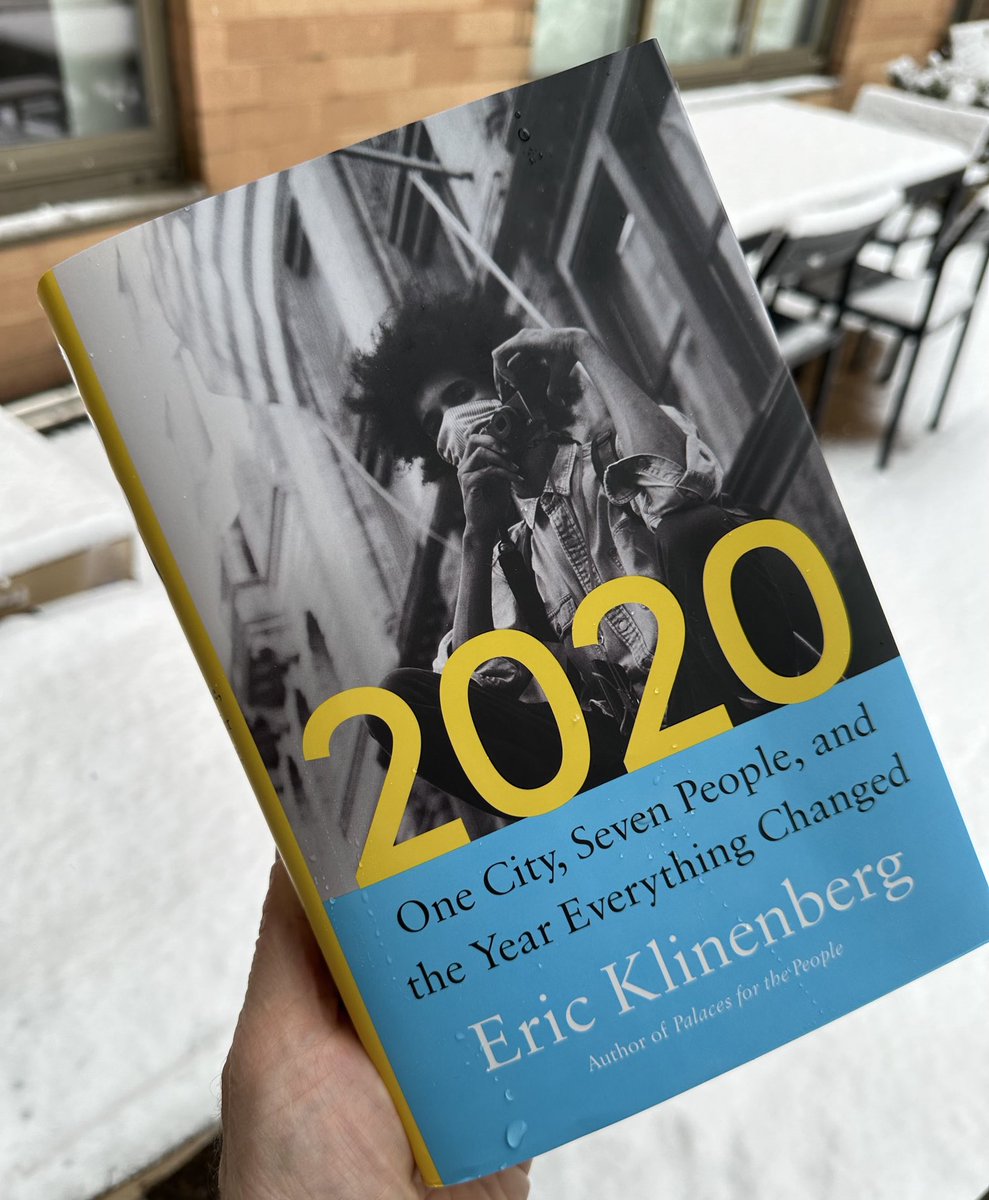
Pub day!!
Has there ever been a better day to read a book?
*2020* is about who we are, what we value, whose lives matter. It tells the stories of 7 ordinary people whose lives were upended by a year of cascading crises. It’s a plea to think seriously about where we’re heading.
10
31
141
13,189
Forrest Stuart retweeted

5 Feb 2024
Join @Laurence_Ralph this spring for a discussion and signing of SITO, alongside conversation partners including @ibramxk, Aimee Cox, @KeeangaYamahtta, @ClintSmithIII, and @KhalilGMuhammad!
Event details and tickets -> bit.ly/3HLJgaX

3
5
1,094