
Intern @ShapeShift 🦊
Joined September 2021
- Tweets 126,709
- Following 5,089
- Followers 4,216
- Likes 231,037
13,725 Photos and videos














Pinned Tweet

9 Oct 2025
caught myself admiring the new UI again ✨
6 Oct 2025

2
9
16
2,936
ShapeShift intern retweeted

1/ The more you learn: exchanges are capital inefficient. They fragment liquidity across dozens of chains. Lock up massive idle capital just to facilitate basic user moves. Then rebalance. Manually.
2
5
11
1,059
ShapeShift intern retweeted

Jan 14
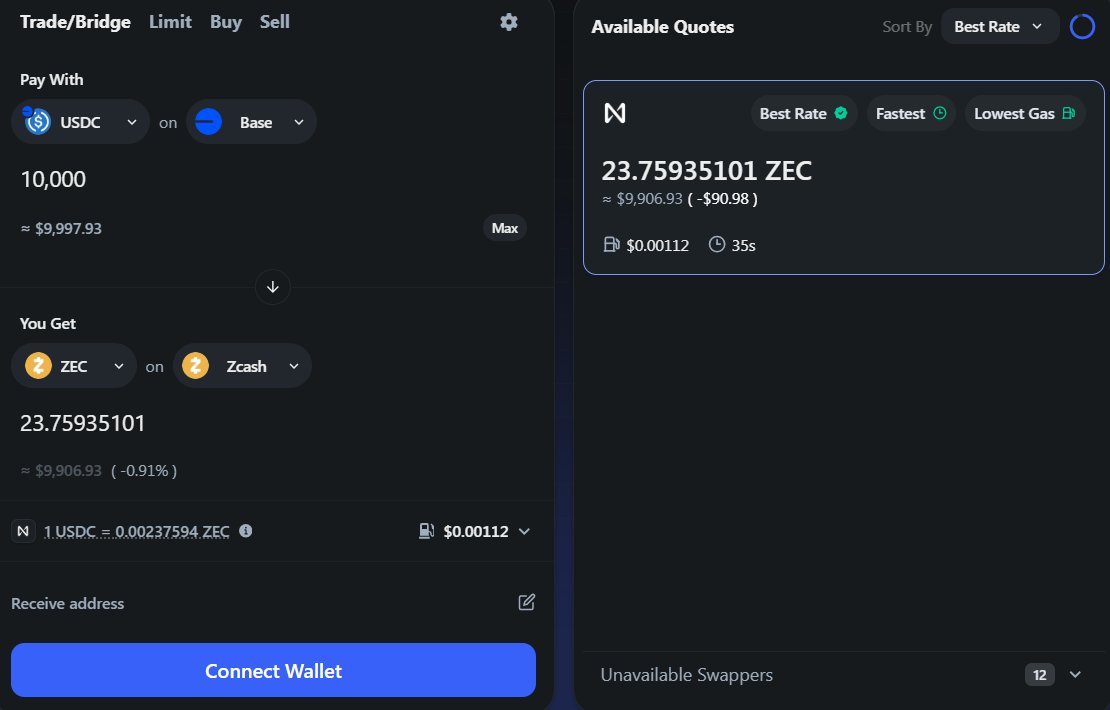
$ZEC is on sale 🔥
Stack it with onchain privacy:
⤷ fiat to USDC via @zkp2p
⤷ USDC to ZEC via @near_intents on ShapeShift
It's time for private money.
Shielded ZEC soon. 🛡️
20
41
200
11,483
ShapeShift intern retweeted
Jan 7
Spin the chain selector 🎰
HyperEVM. Monad. Sui. Plasma. Tron.
No luck needed - they’re all live on ShapeShift 🦊
9
14
77
5,332
ShapeShift intern retweeted
Jan 5
12
38
112
15,304
ShapeShift intern retweeted
Jan 2
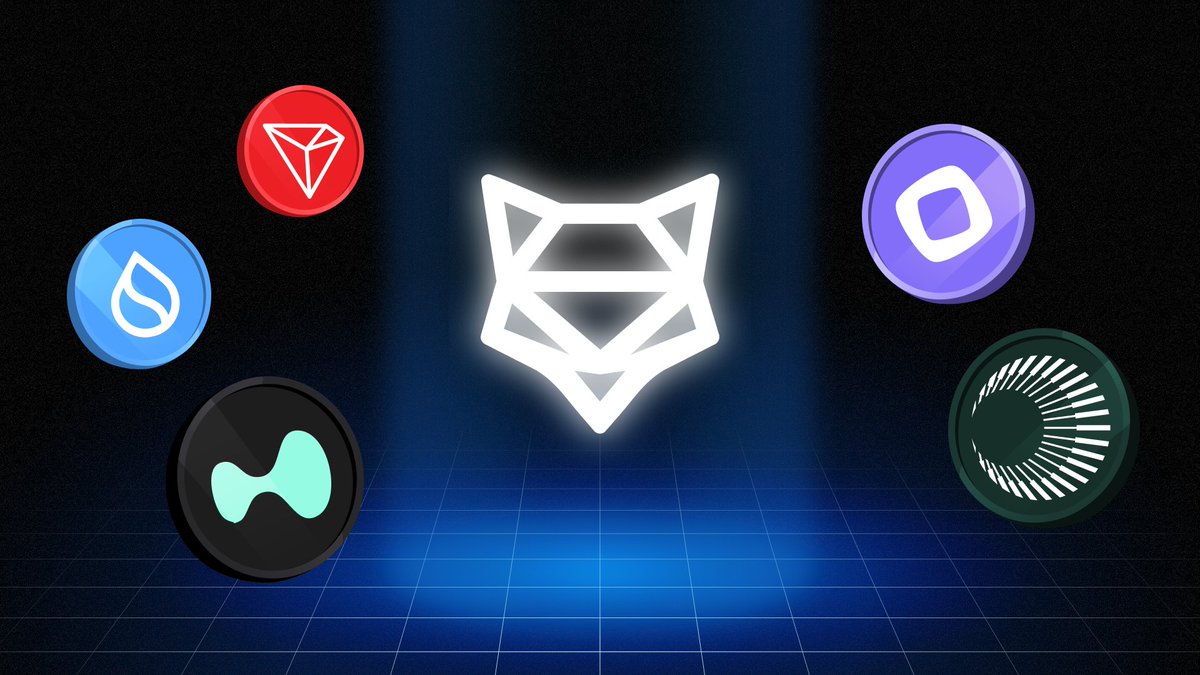
New year.
New chains.
Now live:
🗸 HyperEVM
🗸 @monad
🗸 @SuiNetwork
🗸 @Plasma
🗸 @trondao
Swap anywhere.
Start now! 🚀
9
18
76
4,366
ShapeShift intern retweeted
Jan 1
Cheers to what was.
Cheers to what's next.
See you in 2026! 🥂
Art by OG contributor @AtlanCoelho

16
11
58
3,822
ShapeShift intern retweeted
30 Dec 2025
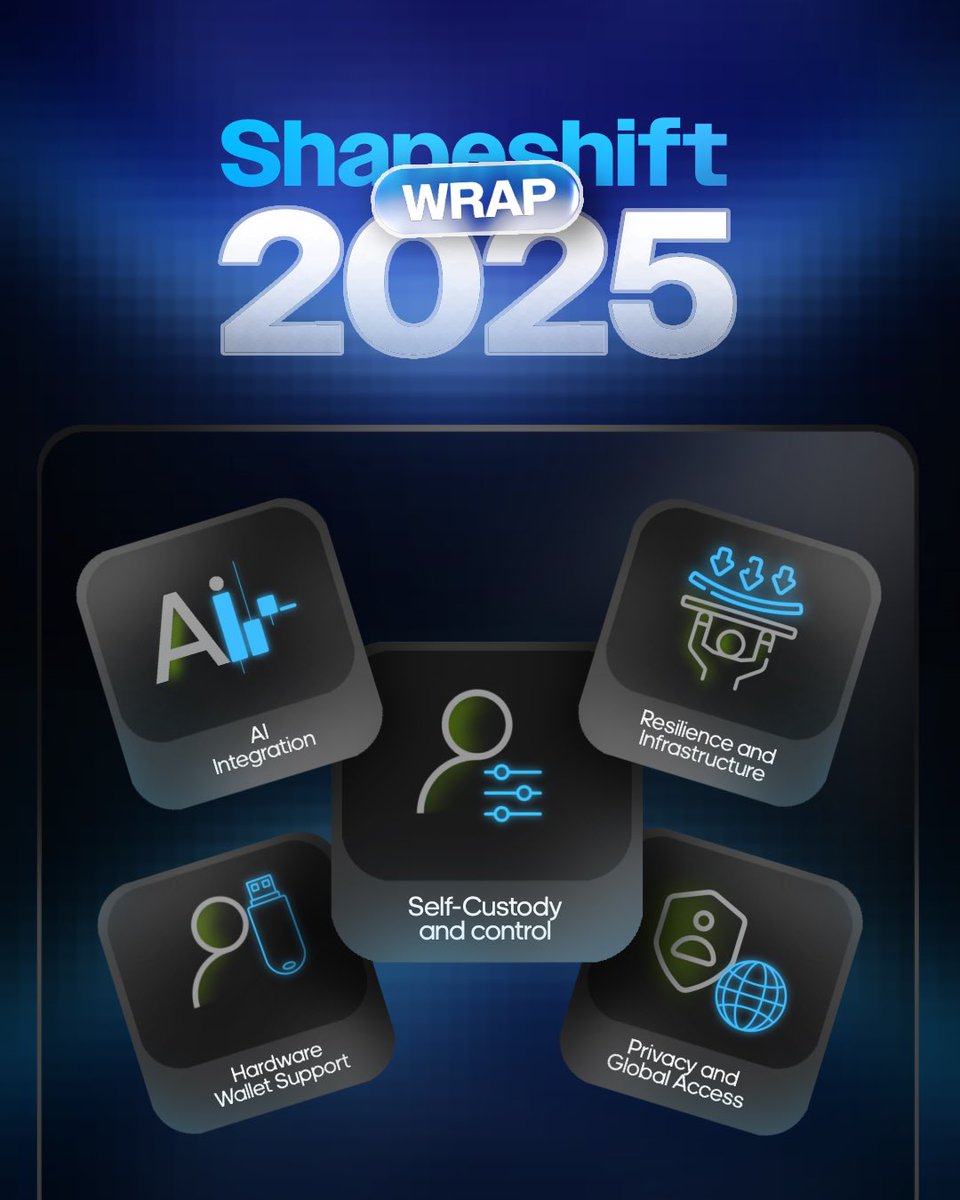
2025 was a big year at ShapeShift 🦊
🗸 Multichain expansion
🗸 Hardware upgrades
🗸 AI agent beta
🗸 Intent-based trading live
🗸 Private money integrated
Builders built.
This is the receipt. 👇
28 Dec 2025

TOP OF THE MORNING AND HAPPY SUNDAY
LETS TALK ABOUT YEAR OF QUIET PROGRESS REAL SHIPPING , AND THE FUTURE OF SELFCOSTUDY WITH SHAPESHIFT
As the year comes to a close, it’s worth pausing for a moment not to chase hype, not to predict prices, but to reflect on what actually moved the needle in DeFi.
For ShapeShift, this year.
It was about building.
While much of the industry oscillated between speculative cycles, outages, and short-lived narratives, ShapeShift stayed focused on something harder and more important: shipping resilient, self-custodial infrastructure that works in the real world.
This final post is not about one feature.
It’s about the bigger picture.
Self-Custody, Taken Seriously
One of the clearest themes this year has been ShapeShift’s continued commitment to true self-custody.
No accounts.
No custody of user funds.
No hidden control layers.
Everything shipped this year reinforces the same idea: users stay in control, always.
From wallet connected trading to on-chain execution and transparent routing, ShapeShift doubled down on the principle that DeFi tools should empower users not abstract control away from them.
That philosophy became especially visible during moments when the industry was tested.
Infrastructure That Doesn’t Flinch
this year, a major Cloudflare outage took several well-known DeFi platforms offline. Swaps froze. Interfaces failed.
Users were locked out.
ShapeShift stayed online.
Not because of luck but because of architecture.
By avoiding unnecessary single points of failure and designing with redundancy in mind, ShapeShift demonstrated something many platforms talk about but few deliver: operational resilience.
Self custody is not about holding your keys.
It’s about having access to your tools when things break.
That day made the difference clear.
Multi-Chain, Without the Mental Overhead
Another quiet but meaningful achievement this year was continued refinement of ShapeShift’s multic hain experience.
Users don’t want to think about:
• which chain their asset lives on
• which bridge is safest today
• which route is cheapest right now
They just want to act.
ShapeShift’s routing and aggregation improvements reduced that friction, making cross chain activity feel less like infrastructure management and more like simple intent: “this asset to that asset.”
That same mindset set the stage for one of the most forward looking releases of the year.
The AI Agent: A New Way to Interact With DeFi
The ShapeShift AI Agent beta marked a shift in how users can engage with self-custody.
Not by giving up control.
But by removing confusion.
For the first time, users could:
• ask questions about their portfolio
• check balances conversationally
• prepare swaps through natural language
• review and sign transactions without leaving the flow
The key detail matters: the agent never takes custody.
It prepares.
You approve.
Execution stays on chain.
It was AI for usability.
And while it’s still early, the direction is clear: DeFi tools are starting to work with users, not against them.
Hardware Wallets Meet the DEX World
This year also saw ShapeShift push deeper into hardware secured trading.
Support for Ledger, Trezor, and GridPlus including the Lattice1 reinforced an important idea: security and usability don’t have to be opposites.
Being able to trade directly from a hardware wallet, without surrendering custody or jumping between fragmented tools, is a meaningful step forward for serious users.
This is what a Hardware DEX actually looks like in practice.
Privacy, Global Access, and What Comes Next
Beyond the major headlines, ShapeShift also continued expanding:
• global language and currency support
• privacy-preserving swap options
• new routing technologies like intents
• and upcoming assets like Zcash including mobile support that no other DEX currently offers
None of these exist in isolation.
10
7
80
5,554
ShapeShift intern retweeted
29 Dec 2025
Big Brother is watching.
Every wallet.
Every transaction.
It's time for private money.
It's time for $ZEC.
19 Dec 2025
20
43
162
12,800
ShapeShift intern retweeted
25 Dec 2025
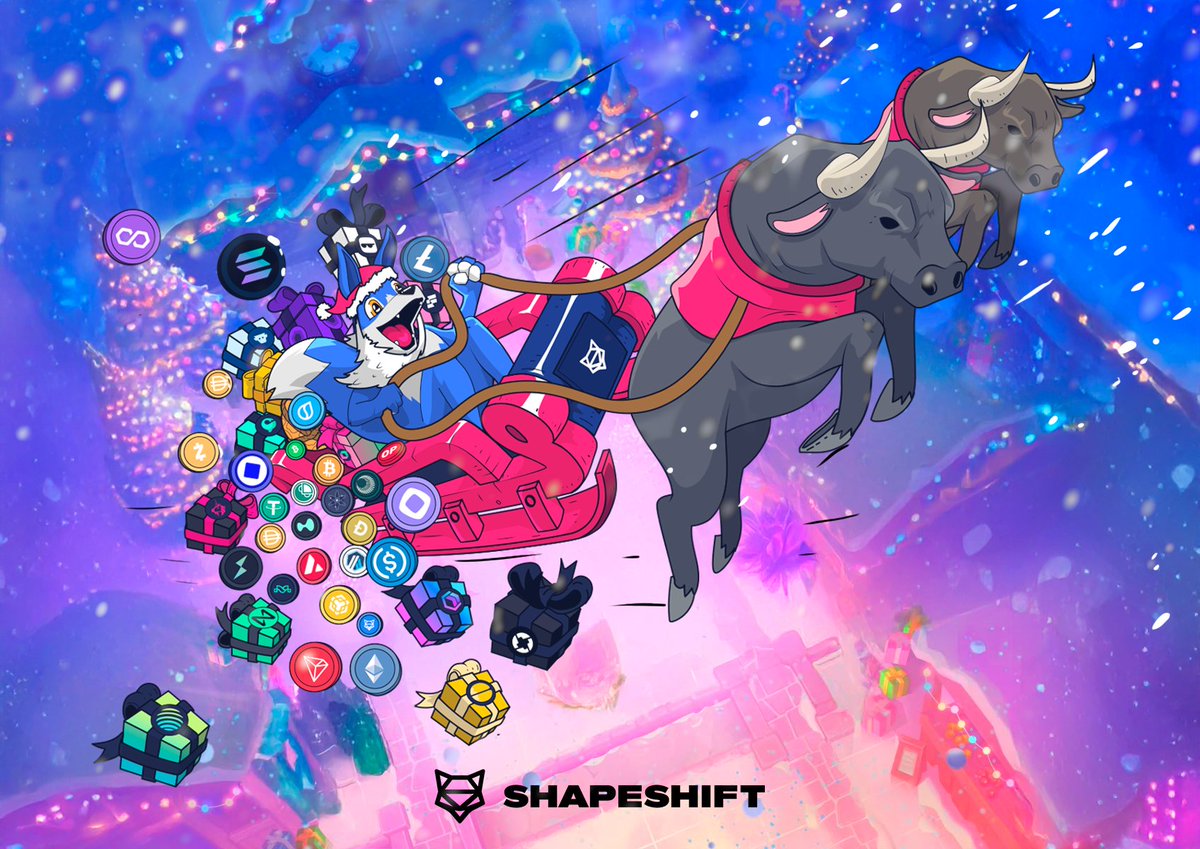
Dashing through the chains…
When the market starts pulling the sleigh, we make sure you hold the reins.
No middlemen.
No permission.
Just self-custody and crosschain freedom.
Thanks for riding with us this year, Foxes.
Happy Holidays ✨🦊
15
10
92
4,933
ShapeShift intern retweeted

19 Dec 2025
Self-custody only matters if it actually works, on hardware, on mobile, and with real privacy.
This week, @ShapeShift quietly checked all three boxes. 🧵👇

1
3
7
272
ShapeShift intern retweeted
22 Dec 2025
This is what shipping looks like:
⤷ better hardware wallet support
⤷ intents-based trading
⤷ private money
Get the details👇
18 Dec 2025

This week represents a meaningful set of product and infrastructure updates at @ShapeShift . Each release is intentionally focused on improving onchain user experience across three core pillars: security, execution quality, and access to advanced blockchain functionality without sacrificing usability. Rather than shipping isolated features, these updates build on each other and reflect a broader direction for how decentralized exchange interfaces should evolve.

5
14
54
4,173
ShapeShift intern retweeted
19 Dec 2025
38
90
424
54,575
18 Dec 2025
ⓨⓔⓢ ⓟⓛⓔⓐⓢⓔ
18 Dec 2025
we said 𝔂𝓮𝓼 𝓹𝓵𝓮𝓪𝓼𝓮 to intents
2
7
361
ShapeShift intern retweeted
18 Dec 2025
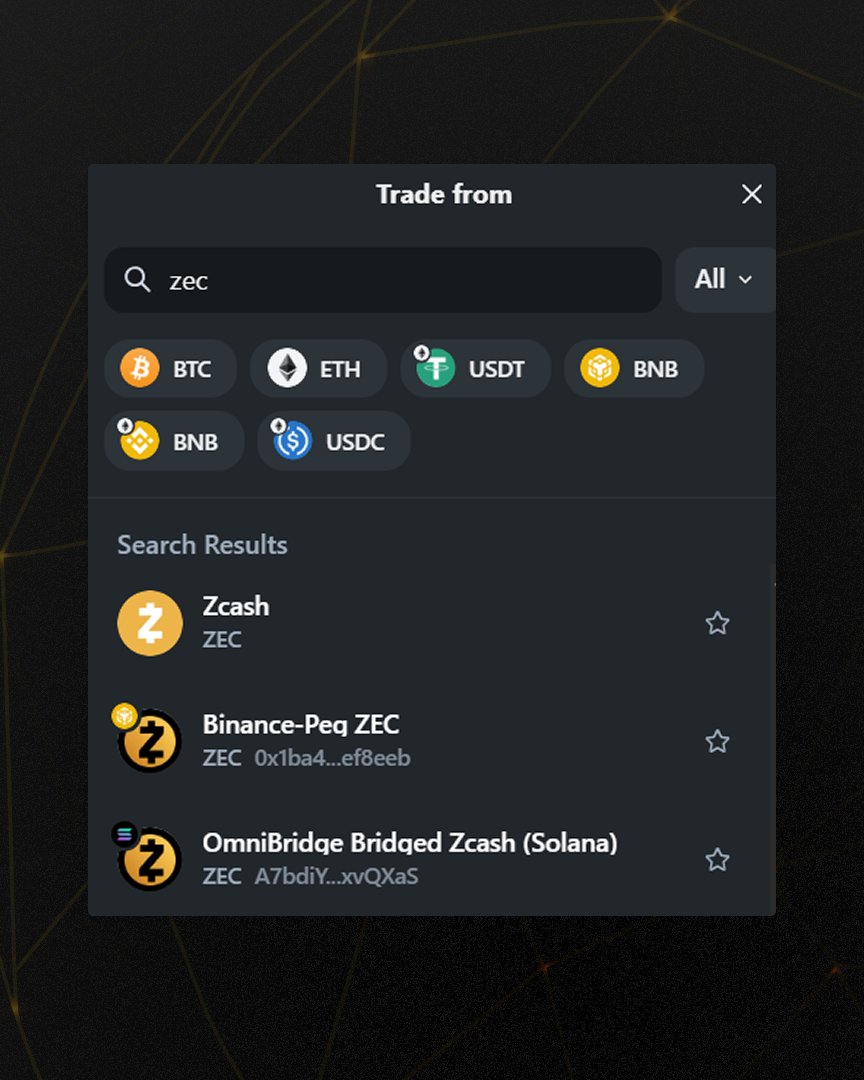
ZEC is live on the FOX app 🛡️🦊
13 Dec 2025

1/3
Zcash now live on @ShapeShift.
@iamTWB_:
“We’re thrilled to announce that our Zcash integration is now fully operational across all ShapeShift platforms.
We’re so beyond stoked to complete our grant @Zcash Integration Proposal. 👇
9
27
152
5,498
ShapeShift intern retweeted
18 Dec 2025
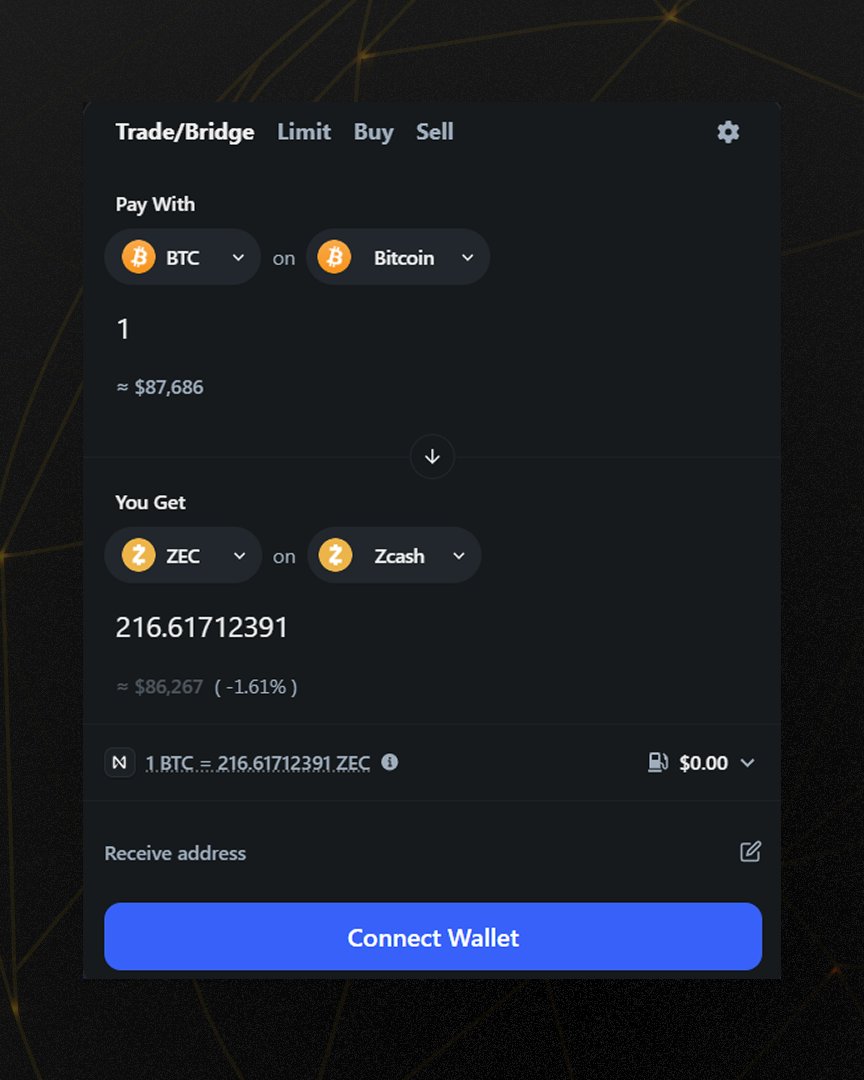
𝐄𝐧𝐜𝐫𝐲𝐩𝐭 𝐲𝐨𝐮𝐫 𝐁𝐢𝐭𝐜𝐨𝐢𝐧
Swap BTC → ZEC (Zcash) without giving up custody.
⤷ see quotes before connecting your wallet
⤷ powered by @near_intents
⤷ supported by @ZcashCommGrants
Privacy when you want it.
17 Dec 2025
15
53
204
17,693
ShapeShift intern retweeted
16 Dec 2025
wen hodl becomes mandatory 💀
1
2
107
ShapeShift intern retweeted
17 Dec 2025
𝙿𝚁𝙾𝙱𝙻𝙴𝙼: MEV stealing your edge
𝚂𝙾𝙻𝚄𝚃𝙸𝙾𝙽: Bebop on ShapeShift 🛡️
11 Dec 2025

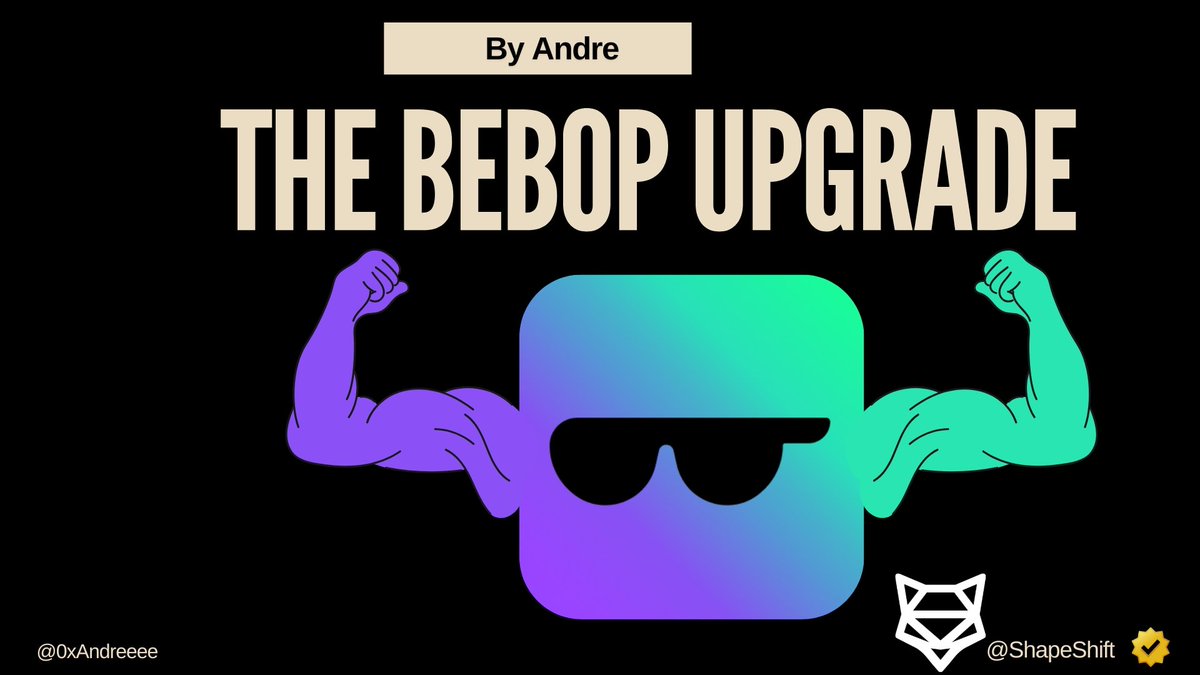
“ The Bebop Upgrade: How ShapeShift Just Plugged Into a Trading Engine Built for Degens Who Hate MEV”
You ever open your wallet, try to swap a token, and suddenly your gas fee jumps like it “just remembered something”?
Yeah. That’s MEV bots whispering “we eating good tonight.”
Well… this week, @ShapeShift said “Not on my watch.”
They integrated @bebop_dex... a liquidity router built like @CoWSwap serious, gym-going cousin.
Let me tell you the story 🔻
1
6
32
3,205
ShapeShift intern retweeted
17 Dec 2025
5
13
83
46,486
ShapeShift intern retweeted

11 Dec 2025
“ The Bebop Upgrade: How ShapeShift Just Plugged Into a Trading Engine Built for Degens Who Hate MEV”
You ever open your wallet, try to swap a token, and suddenly your gas fee jumps like it “just remembered something”?
Yeah. That’s MEV bots whispering “we eating good tonight.”
Well… this week, @ShapeShift said “Not on my watch.”
They integrated @bebop_dex... a liquidity router built like @CoWSwap serious, gym-going cousin.
Let me tell you the story 🔻
83
4
63
16,526