Always test your assumptions. Founder, @webhooksite
Joined April 2009
- Tweets 1,608
- Following 1,415
- Followers 557
- Likes 10,839
170 Photos and videos





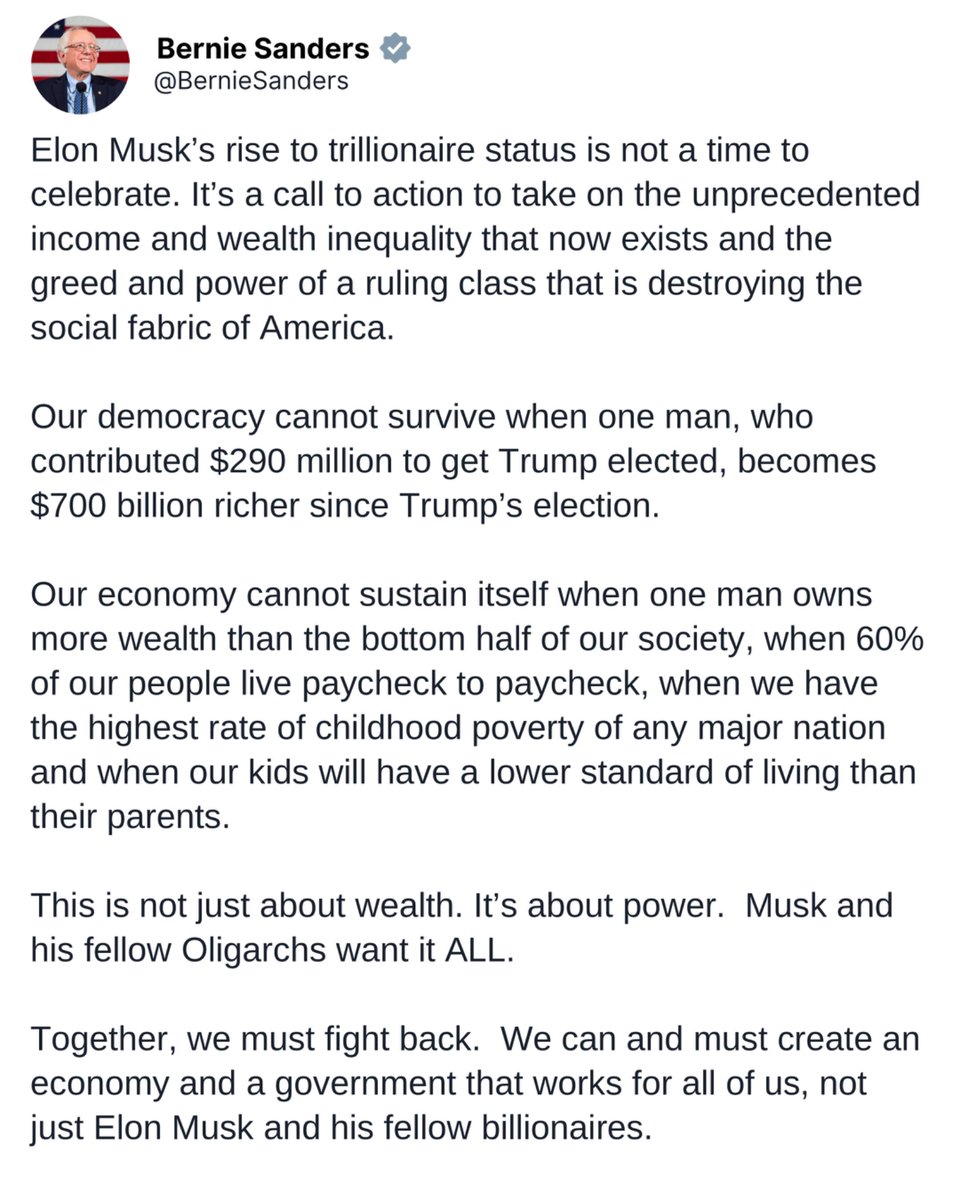
History's first trillionaire is a guy who catches rockets out of the sky with chopsticks and beams internet to every dead zone on the planet.
Same guy ships cars that drive themselves, humanoid robots for the factory floor, brain chips that let paralyzed people move a cursor with pure thought, and an AI running on a supercomputer his team stood up in months instead of years.
And the people crashing out about his net worth are doing it on the app he owns. The same app governments spent years trying to censor.
You cannot legislate a rocket into orbit.
Jun 12

1,845
11,421
69,860
2,273,175
Simon Fredsted retweeted

Jun 10
I've watched a ton of people vibe code internal tooling only to realize:
"I am now the admin for something that basically does the same thing as the software we used to use "
And go back to using that software. It turns out 10% more customization isn't really worth it at all

SaaS is kinda dead. we just Codex every internal tool we have
I can build a SaaS in a day and it's completely catered to my use case
110
107
2,591
324,740
Simon Fredsted retweeted

Jun 9
*Scene 232, some time in 2025*
APPLE: Can we release Siri AI?
EC: Sure, if you want to get fined under the DMA
APPLE: How can we comply with the DMA?
EC: Give third-parties access to all the private data on Apple phones so that they can compete with you.
APPLE: But we can't do that, it would invade our users' privacy, and it's a violation of our brand promise.
EC: Then Siri AI won't be compliant with the DMA.
APPLE: How about if we give them access to a "Trusted System Agent", middleware that would allow competing virtual assistants to safely access the same features and capabilities as Siri AI?
EC: That's not equal access to everything you have access to, we want you to share everything, for free, that's what we think the DMA demands.
APPLE: I'm not sure that's what the text says, are you sure we can't talk about this? We don't even know if that's technically possible. We designed Siri AI to work with our systems, our private cloud, and on-device processing, we don't know how to provide the same access to third-parties from the jump. It's going to take time.
EC: That's fine, you can take your time, but if you launch in Europe we'll fine you.
APPLE: Can we start with the Trusted System Agent, and then figure out how to give you everything you want, that is technically possible, and in a privacy preserving way, over the next 18 months?
EC: Nope. EU law is non-negotiable.
APPLE: Really? That sucks, we don't want to Abandon our European users.
EC: That's Apple's decision, and Apple's only.

Apple decided not to roll out SIRI AI in the EU.
The non-interoperability of their design made the update not suitable for the EU market.
Why? Because big tech companies cannot decide which EU tool should be used by EU citizens.
Learn more👇
📺youtube.com/shorts/ATg_W0N3K…
Community note
Apple briefed EU regulators early and proposed technical solutions (including a "Trusted System Agent" for safer third-party access) to enable the feature while maintaining user security and privacy. These were rejected by EU.
9to5mac.com/2026/06/09/gre…
51
161
862
106,673

Jun 1
AI customer support is a security nightmare
Jun 1

there’s no way this is real oh my fucking god
tldr: AI support system accepts AI generated video of the users profile picture for email change and password reset. Great work as usual Meta
3
39
May 30
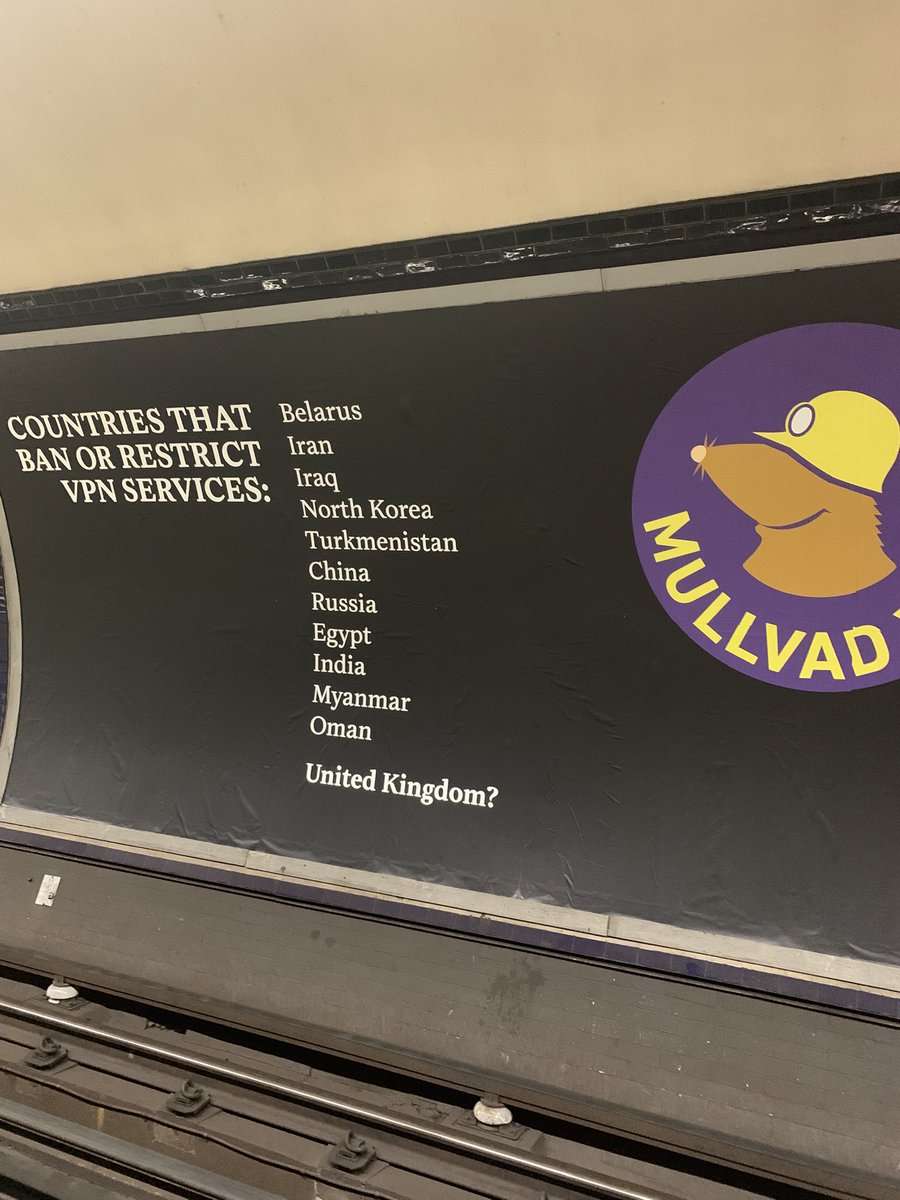
The EU is soon to come

1
74
Simon Fredsted retweeted

May 27
I’m making a show about buildings.
The concept is simple: do for the man-made world what Planet Earth did for the natural world.
But, when I pitched the idea, the answer was that nobody would watch it.
So I released a pilot episode on YouTube. It’s got 5.4 million views, 379k likes, and 23k comments.
People are interested, and now it’s time to make the full show.
Six episodes, filming in the UK, France, Belgium, Germany, Italy, and the USA, and releasing on a streaming service like HBO, Netflix, or Prime.
Why does this show matter?
First: we’re surrounded by buildings all the time. Look around yourself, right now… what do you see? Buildings are the logical conclusion of everything a society believes in. That’s the real focus of this show: not the buildings themselves, but what they say about us.
Second: there’s global dissatisfaction with modern architecture. This feeling gets written about online, but nobody’s given a voice to it on film or TV. That’s what this show will be. But this isn’t just about criticising modernity. That’s easy. This is about learning from the past in order to understand and improve the present, for everybody.
Third: there’s a drought of high-quality culture shows. When I spoke to film executives they said that only documentaries about sports, music, or true crime get funded. That’s a colossal missed opportunity. Galleries are always full, content about architecture goes viral online all the time, and people spend their precious holidays visiting beautiful cities.
Why no shows about architecture, then?
Tourists flock in their millions to see (for example) the buildings of Antoni Gaudí in Barcelona. But, if you asked those same people if they’re interested in “architecture”, they’d probably say no.
To put that another way: not many people want to watch “a show about architecture”, but lots of people want to watch a show that illuminates the real world they’re living in, each and every day.
What will the show be like?
Six episodes, going chronologically through history and arriving at the present, each focussing on the architecture and design of a specific period:
1. Middle Ages
2. Renaissance
3. Enlightenment
4. The Nineteenth Century
5. Art Nouveau & Art Deco
6. Present Day
But, in each case, the point isn’t just to learn about that era; the point is to learn about our modern world through those eras and what they’ve left behind. If you watch the pilot episode (included below) you’ll see what I mean.
So the show’s not really “about” the past; it’s about the twenty-first century.
That’s why it’s called The Modern World.
When you think of a typical history show there are loads of interviews, stock footage, archive photos, historical recreations, and graphics. We’re doing none of that. Everything will be filmed on location, because we’re telling our story only through the real world that exists right now. And, rather than going to the most obvious places, we’ll focus on buildings that aren’t well-known but should be more famous.
But that’s all big picture; what will it be like on screen?
Buildings used to look different in every country, and now they look the same. Why? Because the weather is different everywhere, and buildings were always a way of dealing with that weather, using local materials. Now we have air conditioning and we ship concrete around the world, so we don’t need to design our buildings with regard to local weather or rely on local materials.
Look at really old clocks and you’ll notice something: they don’t have a second hand… because it was only invented 300 years ago! Then you look at the present and you realise we’re surrounded by timers, by seconds ticking down and ticking up relentlessly. If we’re looking for a cause of our anxiety-inducing culture, that might be it.
When you spend time with the sun-softened bricks and time-warped timbers of old cities you notice that synthetic materials like plastic have taken over. When we’re surrounded by things that feel temporary, how do you think it makes us feel?
It’s only by seeing 19th century train stations, designed like cathedrals, that you realise tradition and technology aren’t enemies. New things don’t have to look boring: if the Victorians had designed AI data centres, they’d look like Medieval castles.
In the 1920s, at the zenith of Art Deco, people believed technology would uplift humanity. That’s why they decorated their buildings with statues inspired by electricity. Only by seeing their enthusiasm can we realise our own cynicism, and perhaps begin to fix it.
All of that… and much, much more.
But, above all else, this show is about a way of seeing. If you want to understand any society then you need to look at what it creates, not what it says about itself.
There’s a worldview in every single object; our skyscrapers are designed the same way as our phones. Learn to look at this world, to notice its details, and everything else starts to make sense.
What now?
I’ve been quiet online recently because I’ve been researching and working on scripts for six full-length episodes. Production begins when we’ve raised the funding.
The Modern World is coming.
288
863
7,893
1,579,557
Apr 23
what if your operating system was rendered using AI?

Imagine every pixel on your screen, streamed live directly from a model. No HTML, no layout engine, no code. Just exactly what you want to see.
@eddiejiao_obj, @drewocarr and I built a prototype to see how this could actually work, and set out to make it real. We're calling it Flipbook. (1/5)
1
3
90
Apr 21
Neat
Apr 20

Bacteria move around using a molecular machine called the flagellar motor that rotates faster than the flywheel of a race car engine and switches directions in an instant. After 50 yrs, scientists have finally figured out how it works. “My lifelong quest is now fulfilled.” Link⤵️
1
51
Apr 18
“Wokeness was an inability to have any kind of open debate because the very existence of that debate seemed too much like conflict, and conflict had to be suppressed.”
Apr 17

Helen Andrews dropped a blunt explanation for why wokeness proved so hard to kill:
It’s rooted in feminine patterns of conflict — where disagreement isn’t debated, it’s treated as emotional harm that must be punished or silenced.
Instead of open argument (like James Damore’s memo at Google), the response became “I can’t believe you said that” followed by attempts to get the person fired. Men tend to argue, resolve, and move on. Women, she argues, are more likely to hold onto grievances.
If wokeness is partly a byproduct of rapid feminization of institutions, Andrews warns it won’t simply vanish with one election. It may be structural.
She points to overly “HR-ified” workplaces where feminine preferences for emotional safety now dominate promotions, culture, and daily life — often sidelining masculine strengths in the process.
Do you think some institutions have become too feminized in ways that suppress open debate and masculine virtues? Or is this framing off-base?
1
46
Simon Fredsted retweeted

Apr 15
ok actually insane paper published yesterday
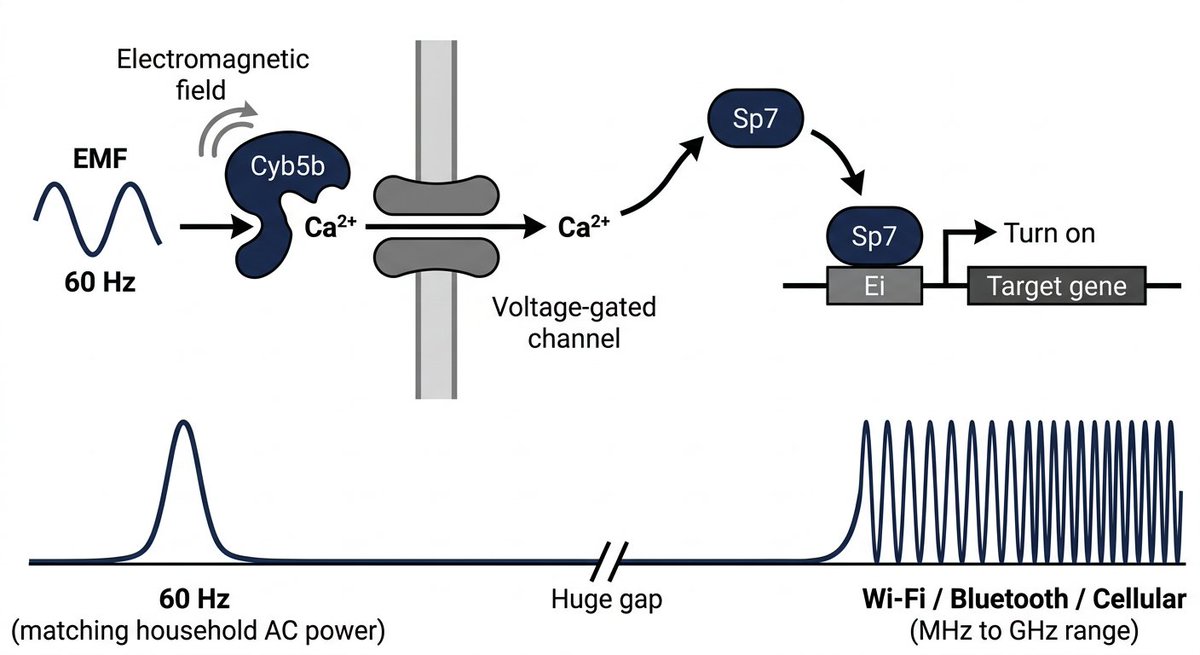
a research group in Korea built a gene switch you can control wirelessly using electromagnetic fields
they exposed mice to 60 hz EMF (same frequency as your wall outlet) using a pair of large coils that generate a uniform magnetic field around the animal, for cyclic 3-day on / 4-day off pulses
they showed this could:
- activate OSK to do epigenetic reprogramming in progeroid and aged mice, extending lifespan and reversing aging markers across multiple tissues
- conditionally switch on mutant amyloid genes only in aged mouse brains, letting them separate aging effects from amyloid effects to study AD biology in a way previous models couldn't
no drugs, no impacts, just a magnetic field from outside the body
271
876
7,119
2,276,997
Apr 14
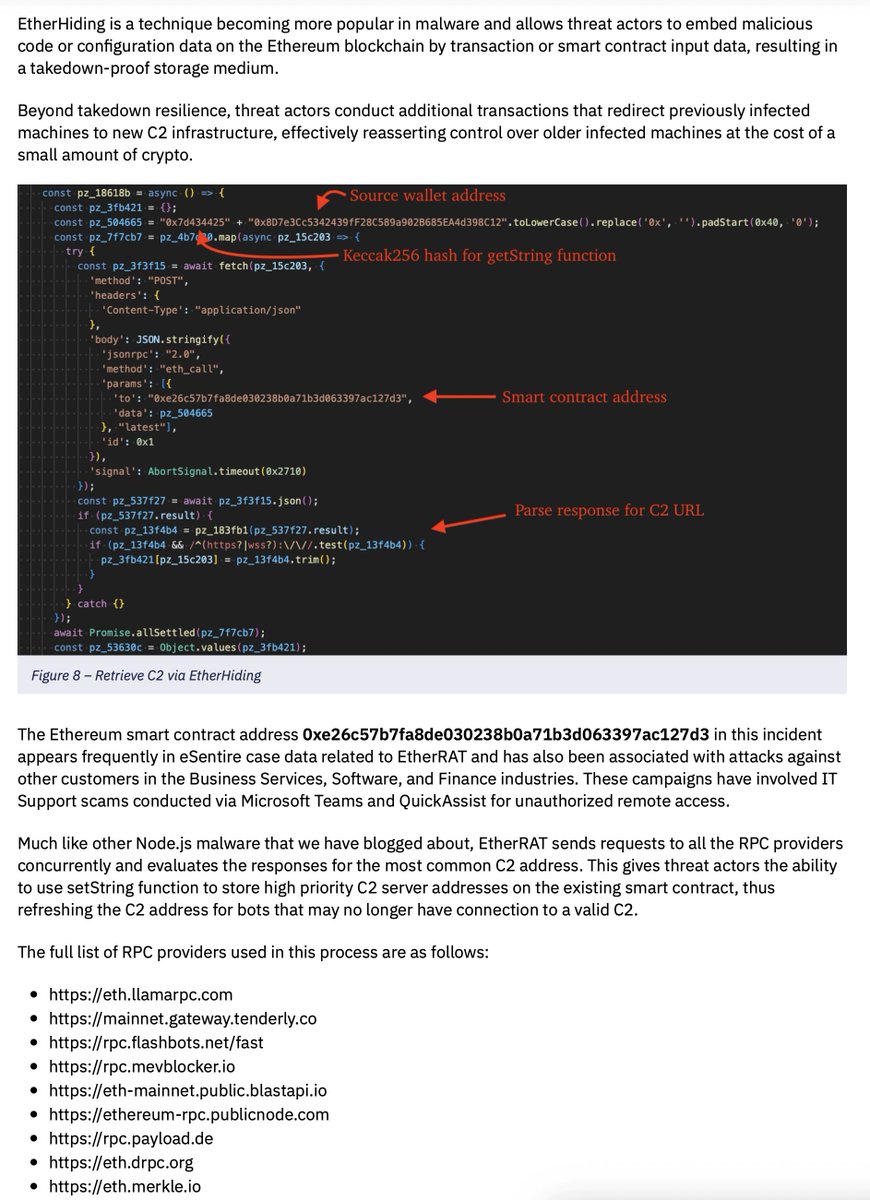
Recently, 30 WordPress plugins were purchased and subsequently backdoored, laying dormant for months. The article mentioned using Ethereum as a C2 server. If you're also curious how that works, here's a good overview. esentire.com/blog/etherrat-s…
1
42
Apr 14
You can even see a live feed of where the C2 server is located by going to the wallet address. For example, etherscan.io/address/0xe26c5…
It's obviously very hard to censor this.
30
Apr 13
A crazy amount of cyberattacks targeting Western governments and multinational conglomerates, exfiltrating terabytes of data, have taken place since the start of 2026. It's become so widespread that media isn't paying attention anymore. But we should. ringmast4r.substack.com/p/we…
1
33
Simon Fredsted retweeted

Feb 3
Have you ever wondered why rainbow flags are everywhere yet feel social life getting harsher and more punitive?
There’s a concept that explains the contradiction.
Herbert Marcuse, a popular Marxists philosopher, called it repressive tolerance.
68
1,013
3,074
86,076
Mar 28
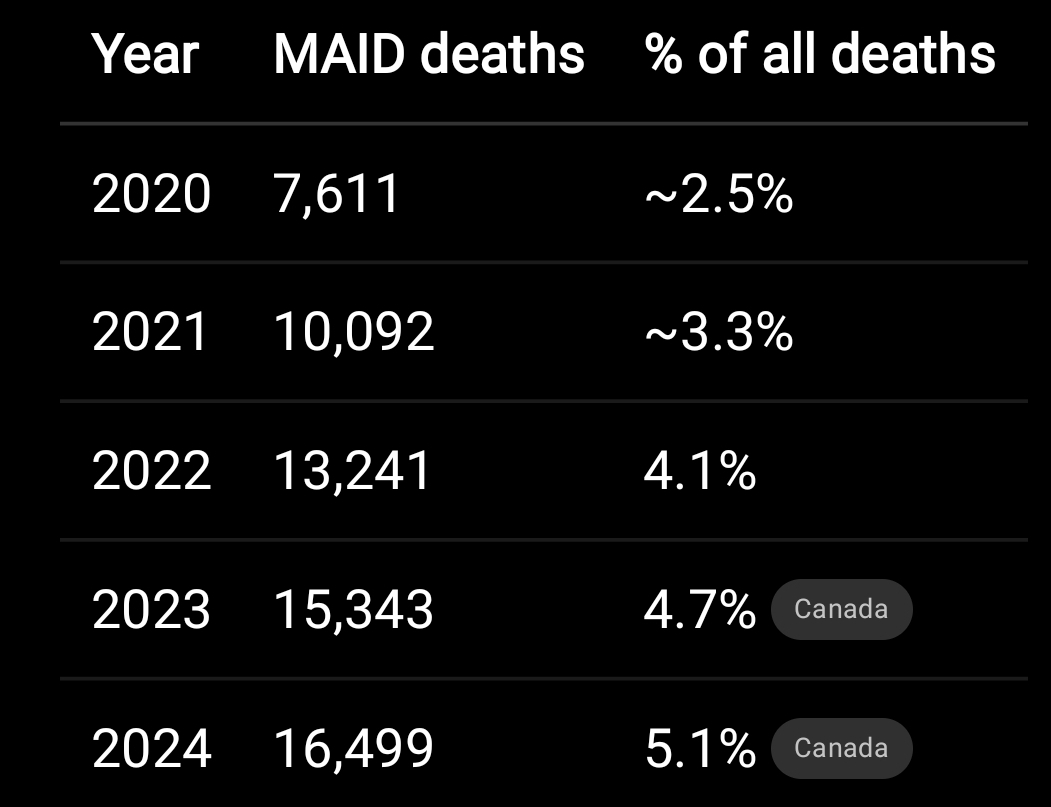
Wild statistic
Mar 28

In Canada, one in every twenty deaths that occurs is the government killing a citizen
65
Mar 28
AI high agency = you’ll go far

this is excellent
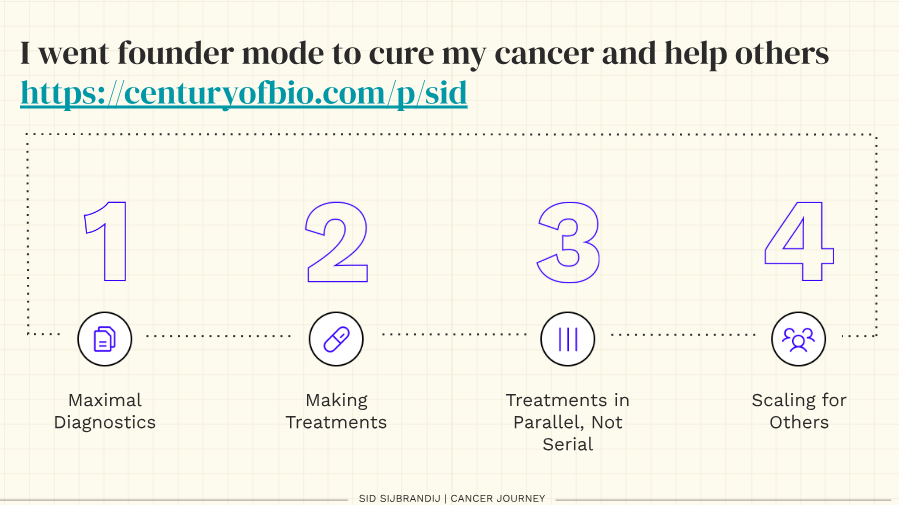
>GitLab founder diagnosed with rare cancer (osteosarcoma)
>standard care works but cancer comes back later
>medical team says there's not much else to do
>"It became my own job to keep myself alive. Nobody else was going to do it for me at this point"
>starts researching, assembles his own medical team, uses AI for deep research
>“I’ll talk to anyone, I’ll go anywhere, and I can be there anytime" to collect information
>does as many diagnostic tests as he can find as often as he can (maximal diagnostics)
>develops his own therapeutic ladder with repurposed drugs, personalized medicine, etc
>Sid’s cancer currently in remission
61
Simon Fredsted retweeted

Mar 24
Chloe woke up at 6:45am and immediately felt proud of herself.
She had, after all, not eaten a single animal product in four years. The planet was healing. She could feel it.
6:52am - Applied her morning SPF. The SPF contains beeswax. Chloe does not know this. Moving on.
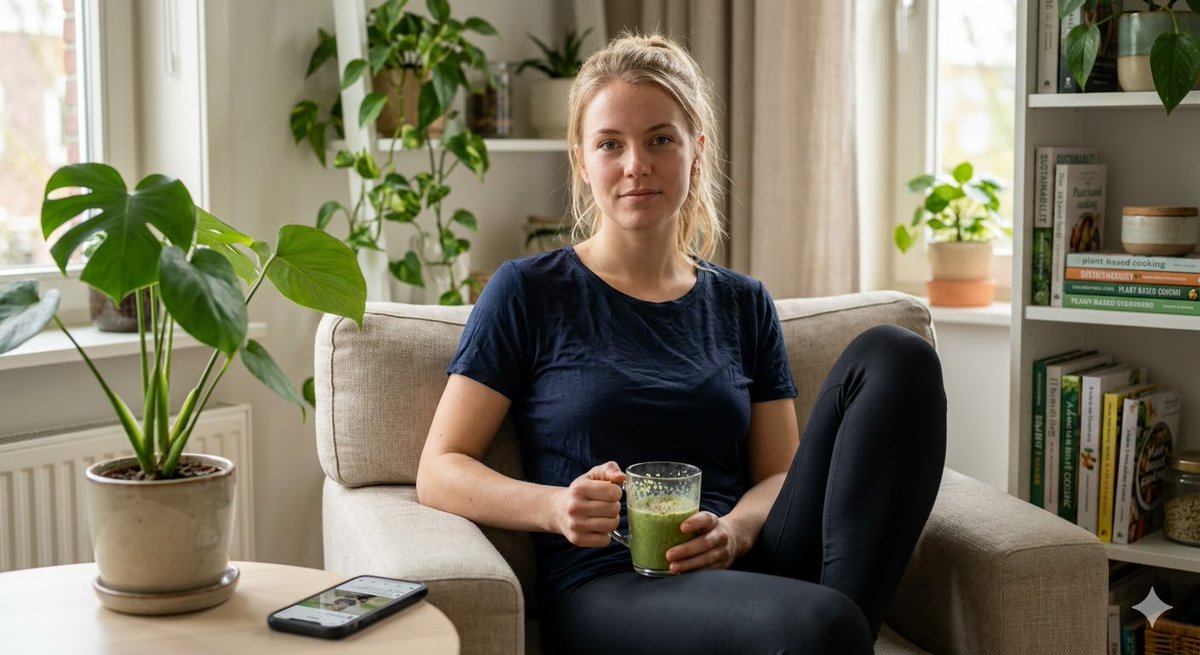
7:10am - Breakfast: a smoothie containing avocado. The avocado was grown in Michoacán, Mexico, on land where a pine forest was until 2019. It required approximately 320 litres of water to produce. It was flown to the UK. Chloe sprinkled hemp seeds on top. The hemp seeds came from China. Chloe felt connected to the earth.
8:00am - Got dressed. Polyester leggings, derived from crude oil. A bamboo top that was processed using carbon disulphide in a Taiwanese chemical plant. Trainers with a recycled plastic upper that sheds microplastics into waterways with every wash. Chloe's outfit today had a higher carbon footprint than a ribeye steak. Chloe does not know this either.
9:30am - Posted on Instagram about choosing compassion. The phone was manufactured in a Shenzhen factory using cobalt from the DRC, where mining operations have displaced local communities and killed an unknowable number of small mammals, reptiles, and insects. The algorithm served Chloe an ad for oat milk. Chloe liked it.
12:00pm - Lunch: tofu stir-fry. The soy was grown in Brazil. Brazil produces more soy than almost any country on earth. The primary reason is soybean oil: one of the most widely used industrial and culinary oils on the planet. The soymeal left over after oil extraction is fed to livestock as a byproduct. Chloe is aware of the livestock connection and finds it outrageous. She has not looked into why the soy was grown in the first place. The answer is the oil. The oil is in her salad dressing.
1:30pm - Drove to the garden centre. The car runs on petrol. Chloe has a Just Stop Oil sticker on the bumper. This is not being commented on further.
3:00pm - Bought a monstera. The monstera was grown in a Dutch greenhouse using natural gas heating. Chloe put it next to the pothos that is slowly poisoning the neighbourhood cats.
6:00pm - Dinner: pasta with cashew cream sauce. The cashews were processed in Vietnam, often by workers in conditions that would prompt significant commentary if they were in an abattoir.
8:00pm - Watched a documentary about factory farming. Wept. Posted about it. Caption: "We have to do better."
Chloe is, by every measure she has chosen to measure by, doing brilliantly.
By some of the others, the picture is more complicated.
Chloe has not chosen to measure by those.
535
4,006
17,298
762,292
Mar 23
Back when I used to use Wikipedia, I often noticed the unmistakable slant of many, especially politics-adjacent, articles.
Recently, however, in a rare moment of institutional accountability, a prolific pro-Islamist editor was banned sitewide.
Many more of such interventions are needed if WP hopes to regain credibility among non-extreme left users.
Mar 23

A central figure in Wikipedia’s “Gang of 40” has been banned. This follows earlier reporting in @PirateWires on a coordinated network responsible for millions of edits across politically sensitive topics.
Our piece looks at what led to this—and what remains:

1
69
Mar 20
McKinsey mentioned; time to sell
Mar 19

I live in Eindhoven, ASML town. Heard this from folks inside...
Over the years ASML promoted a lot of strong EUV people into architect roles, group leads, management tracks. Built up serious layers. Classic growth pain.
Then McKinsey comes in , says cut the management layers to speed things up. So now those same high performers, real good EUV experts, who got promoted are the ones on the block. About 3400 roles targeted, mostly management. Half will be reassigned, rest gone. Big hit in Veldhoven/Eindhoven area (~1400), some in US. Unncertainty is high, unions talking, details probably land around April.
At the same time, ASML is still planning massive growth. The new campus near the airport just got final green light from city council. Construction starts soon, phased build-out. Long term they talk ~20,000 new jobs in the region (first wave ~5k by 2028).
And the layoff packages are subpar. Philips is also based in the same town. And they had layoffs due to serious financial issues last year. Their layoff packages were much better than what ASML is offering. What a way to kill tje company culture. Especially at a time when the company is printing money.
65
Simon Fredsted retweeted

This is awesome lol
Mar 18

Fantastic piece of cultural reporting by Robert Mariani in @tnajournal. He writes abt "Diner Gothic" as an emerging culture among downwardly mobile American young people. Really fascinating, and explains what I see when I go to Walmart back home visiting.
thenewatlantis.com/publicati…
26
236
6,810
531,536