Take an uncensored look at the world of free expression through personal stories and candid conversations. Created by @TheFIREorg. Hosted by @nicoperrino.
Joined April 2016
- Tweets 1,070
- Following 6
- Followers 2,240
- Likes 246
444 Photos and videos
Pinned Tweet

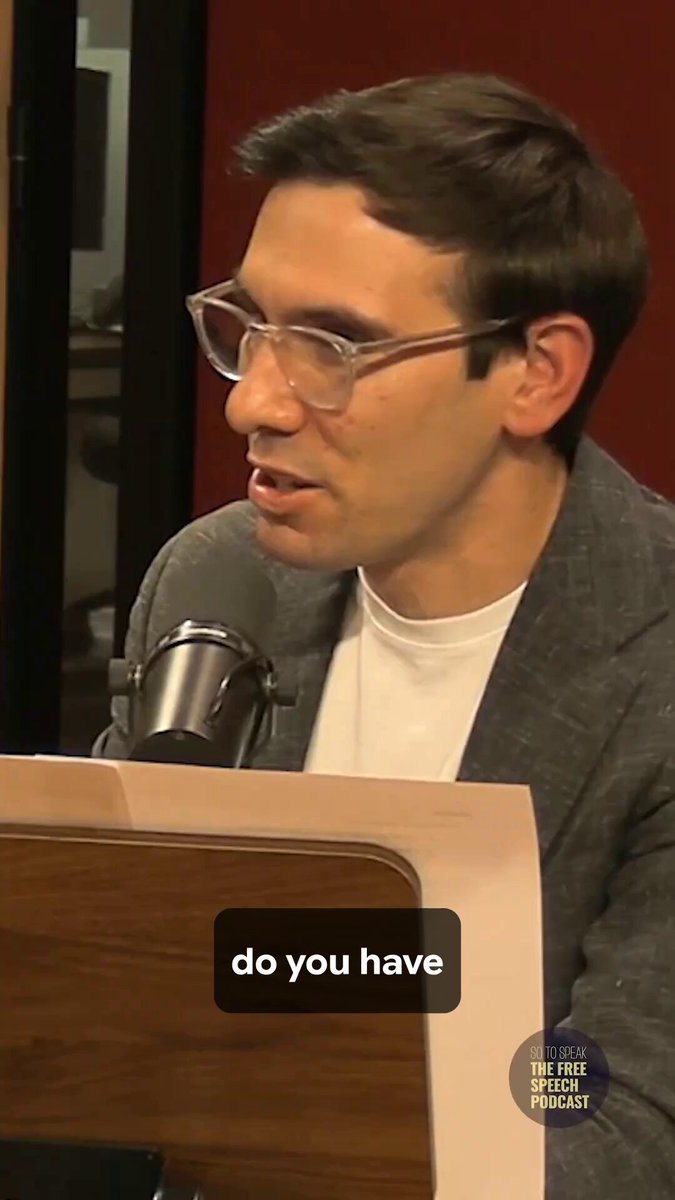
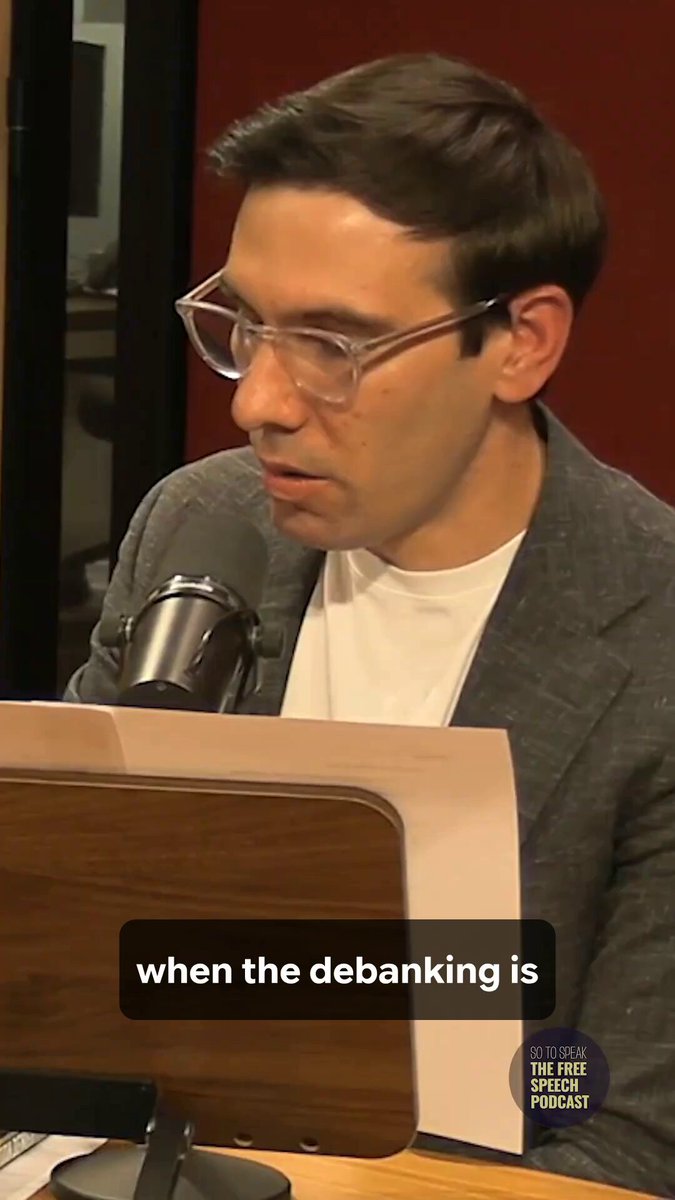
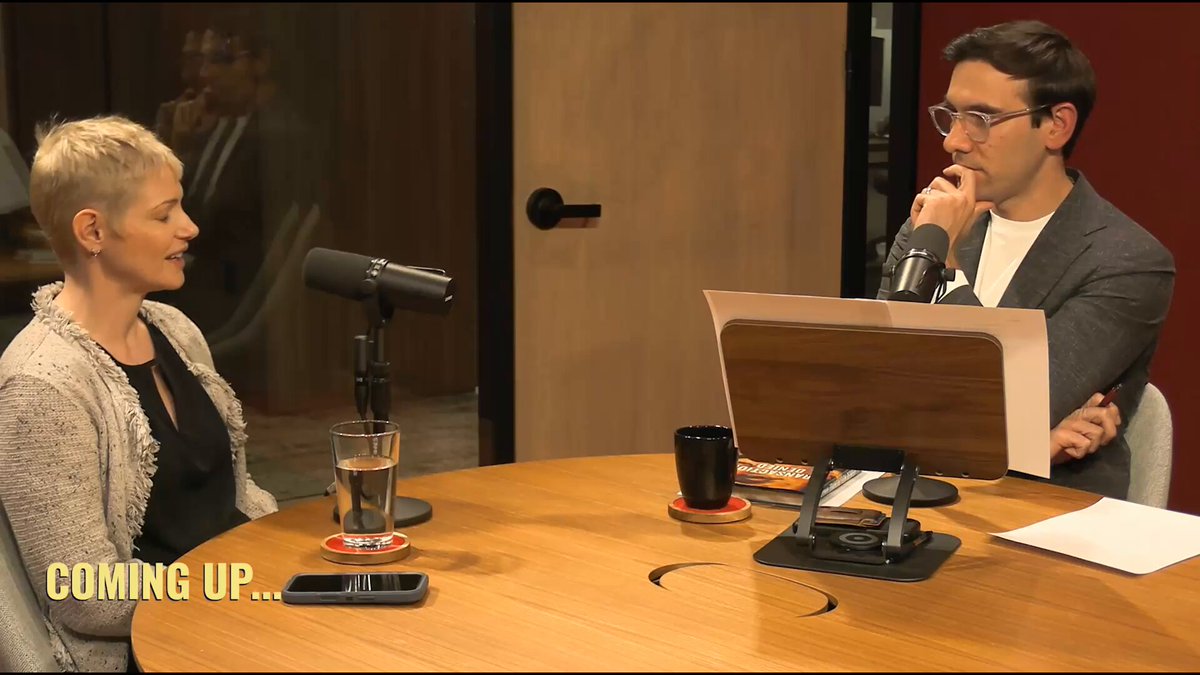
Ep. 274: Financial censorship: how banks silence speech w/ Rainey Reitman
What is financial censorship?
@FreedomofPress's @RaineyReitman joins @TheFIREorg's @NicoPerrino to discuss what happens when people are denied access to financial services because of their lawful speech and conduct.
Reitman is the author of Transaction Denied: Big Finance’s Power to Punish Speech, which examines the role financial companies like Visa, Chase, and PayPal play in policing speech and silencing speakers.
Timestamps:
00:00 Intro
02:29 Ben Reitman: Rainey’s great-grandfather and free speech activist
05:42 How Rainey joined the fight for internet freedom
08:17 Chelsea Manning, whistleblowers, and the WikiLeaks banking blockade
16:03 The National Committee for Religious Freedom’s fight with Chase Bank
18:58 NRA v. Vullo: The Supreme Court case on indirect government censorship
21:10 The Wolfsberg Group and global banking institutions
23:36 What is a “politically exposed person”?
25:37 Reputational risk management
27:25 Trump’s 2025 executive order on debanking
29:29 Sanctions, terrorism screening, and the impact on Muslim communities
32:50 Why banks are so afraid of sanctions violations
33:54 Can you fight back after being debanked?
35:16 Can the private sector censor?
37:33 Operation Choke Point, cannabis, and crypto
47:06 Why are banks policing porn and adult content?
53:52 Solutions to debanking: incentives, crypto, and cash
58:56 Outro
9
7
12,844
Everyone knows what government censorship looks like.
Everyone knows what a private company’s decision looks like.
But what about that in between?
@FreedomofPress’s @RaineyReitman explains why some of the most important decisions affecting speech may happen in places the public never sees.
2
87
Federal prosecutors are investigating allegations of “debanking” at some of America’s largest banks.
But why do banks sometimes go beyond what the law requires?
Fear.
@FreedomofPress’s @RaineyReitman explains why financial institutions often act on perceived risk long before regulators demand anything.
1
3
342
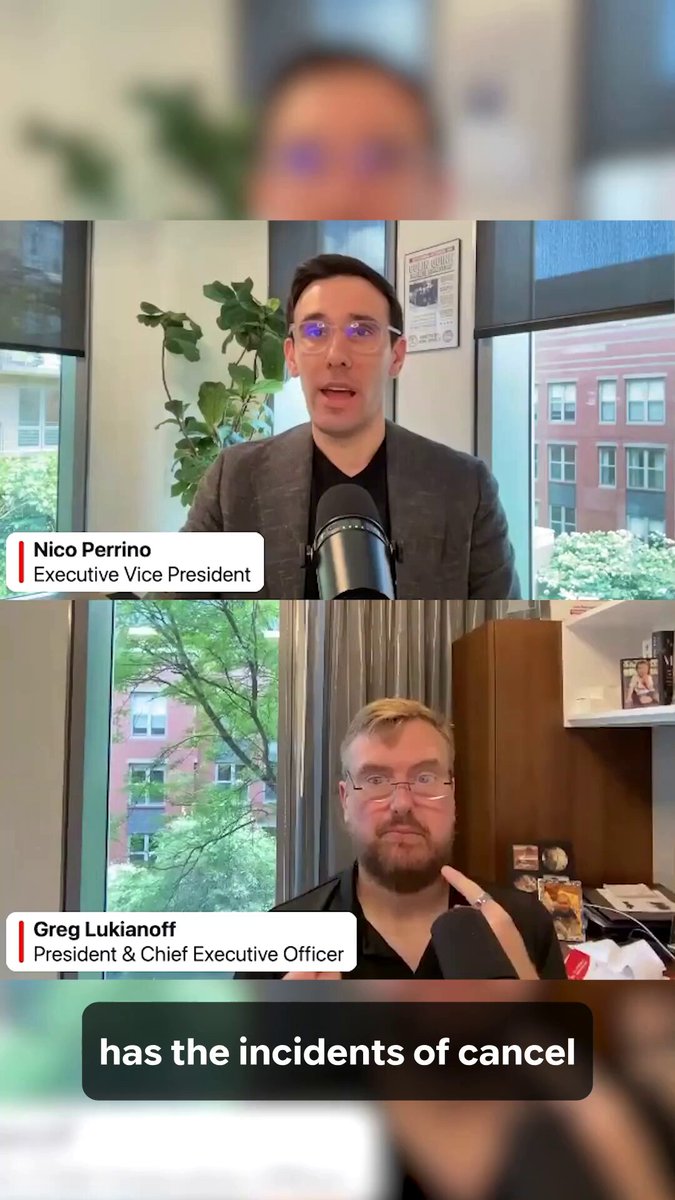
.@glukianoff, the cancel culture expert, said Trump 2.0 brought something worse than cancel culture to college campuses: government pressure to censor.
1
49
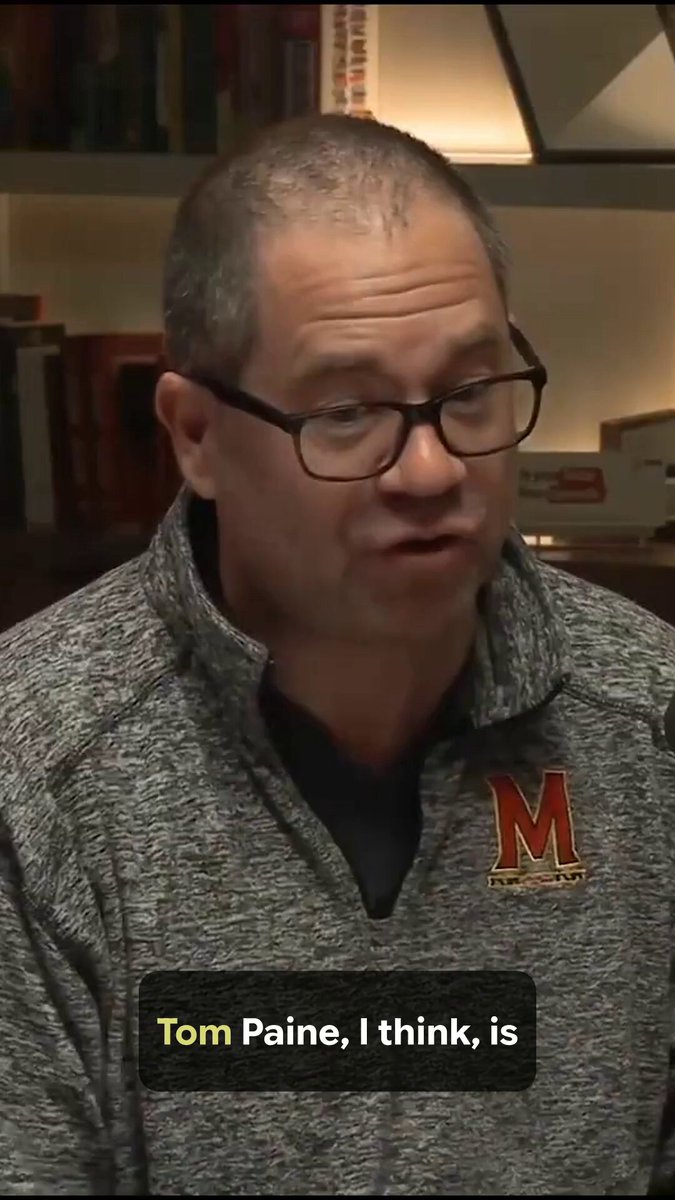
You think current day social media discourse is radical? Wait until you hear about Thomas Paine: the intercontinental radical.
His ideas led to his exile from Britain, imprisonment in France, and abandonment by America.
1
1
346
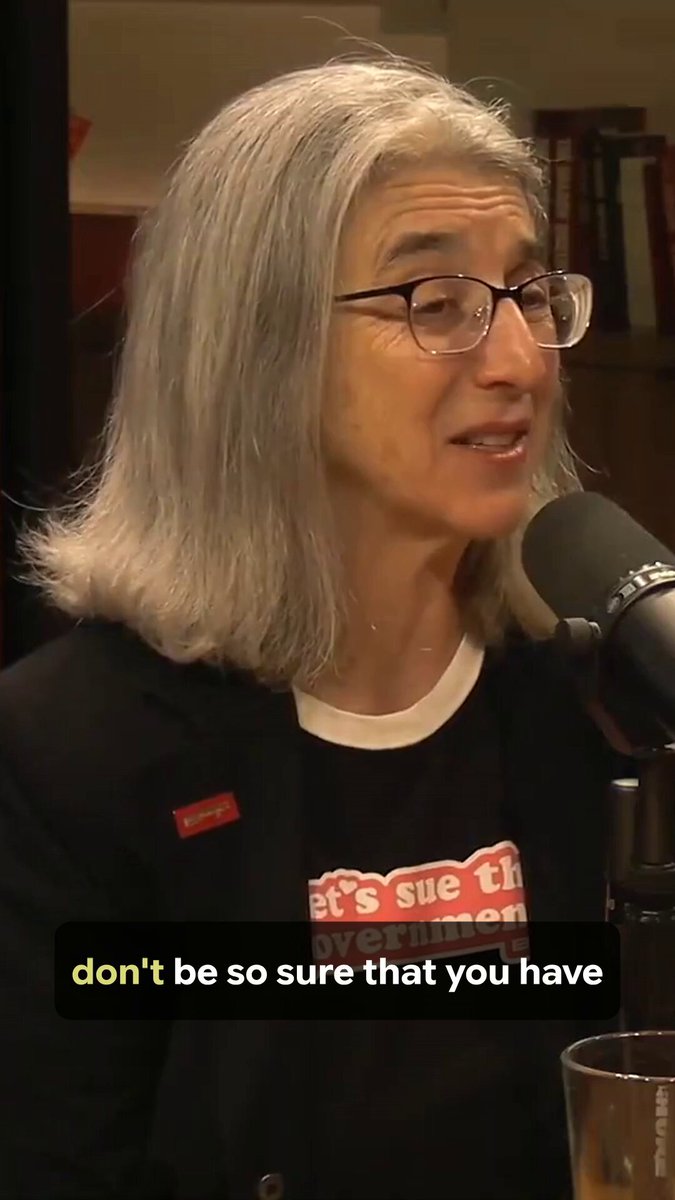
“I have nothing to hide, so I have nothing to fear”
EFF’s Cindy Cohn has heard this hundreds of times and has a different take: What’s private today can become suspicious tomorrow depending on who’s in power.
Privacy isn’t paranoia, it’s protection against government censorship.
Today's Senate vote on Section 702 is a reminder that surveillance powers deserve scrutiny no matter who's in office.

Spy-law extension at risk after Senate votes against launching debate dlvr.it/TStmlQ
2
2
440
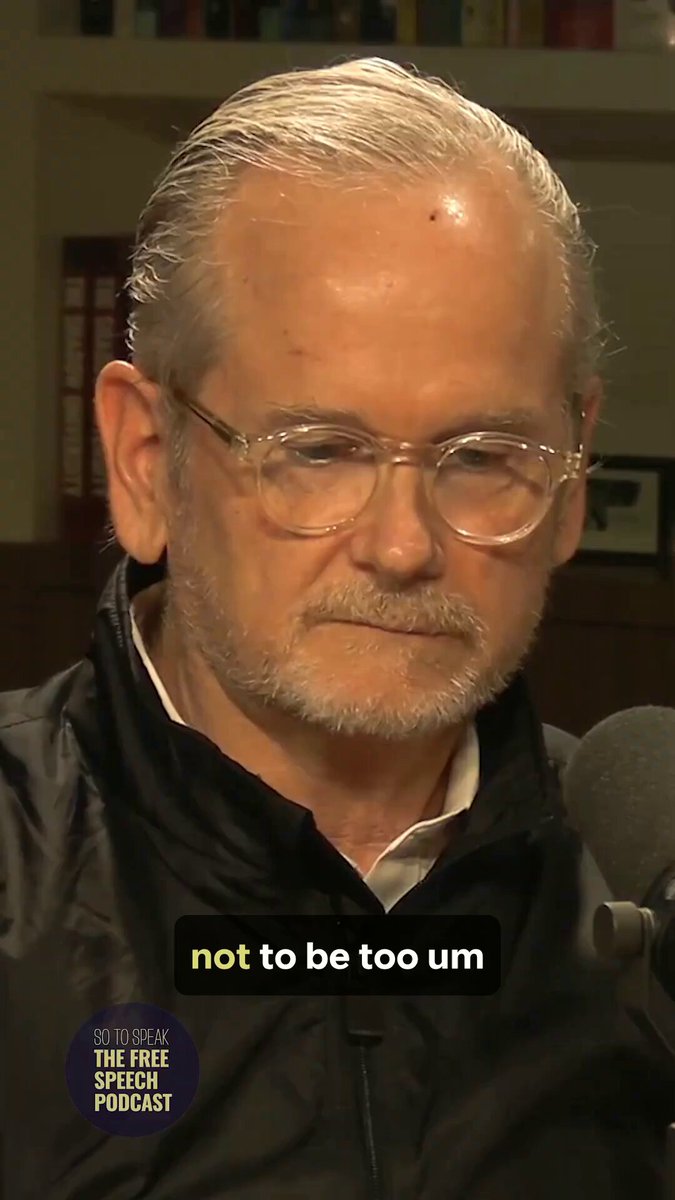
If you can buy influence, can you buy a presidential pardon too?
@lessig says this creates the clearest appearance of quid pro quo corruption imaginable: justice that looks like it’s for sale.
1
60
It’s not a good sign when the whole courtroom gasps at your argument.
@paulmsherman explains how one question about banning books may have been the moment the government lost Citizens United.
1
1
8
8,986
.@lessig argues Super PACs aren’t some distant risk – they’ve become the center of modern political corruption
61
Buckley v. Valeo has haunted campaign finance law for 50 years.
The Supreme Court tried to “split the baby” between money and speech – and nobody has been happy since.
80
What if campaign finance corruption is downstream from something bigger: unaccountable government power?
1
52
“Crony capitalism is the worst flaw inside of our system right now.”
@lessig’s solution? Cut off the money in elections.
72
Ep. 273: Debating Super PACs and campaign finance w/ Larry Lessig and Paul Sherman
In 2010, two landmark decisions transformed American campaign finance law. The first was Citizens United v. Federal Election Commission. The second was SpeechNow.org v. FEC.
Together, these cases cleared the way for corporations and so-called Super PACs to raise and spend unlimited sums of money in elections.
What followed was a new era in American politics where individuals, corporations, and industries increasingly spent more and more money to influence campaigns and public opinion.
To debate the constitutional, political, and historical questions surrounding money in politics, @TheFIREorg's @NicoPerrino is joined by @lessig and @PaulMSherman. Lessig is a @Harvard_Law professor and the founder of @EqualCitizensUS, one of the country’s leading advocates for campaign finance reform. Sherman is a senior attorney at the @IJ who served as co-counsel in SpeechNow.org.
Timestamps:
00:00 Intro
02:43 How Larry and Paul became interested in political speech and campaign finance
05:33 Citizens United, political speech, and quid pro quo corruption
18:34 What was the SpeechNow case?
32:31 Elon Musk and billionaire influence in the 2024 election
49:06 History of campaign finance regulation
51:26 First Amendment originalism, Federalist 52, and Federalist 57
01:07:07 Does money actually influence election outcomes?
01:14:20 Outro
1
3
2,025
When news and opinion blend together, audiences can’t always tell what they’re looking at.
@RSFUSA’s Clayton Weimers says this contributes to a lack of trust in journalism.
1
79
Taiwan didn’t crack down on speech. They opened up.
Through radical transparency, they built public trust without heavy regulation.
Could this be the blueprint for tackling speech challenges worldwide?
1
2
312
.@prestonjbyrne explains how the UK’s Online Safety Act clashes with Americans’ right to free speech
8
23
5,070
Ep. 272: FIRE Monthly Member Webinar - May 2026
Shouting down speakers, UCLA free speech, heckling, AI, doxxing, cancel culture, and more!
Featuring @TheFIREorg's @glukianoff, @WillatFIRE, @acglennon, and @NicoPerrino
Timestamps:
00:00 Intro
02:40 Get your tickets to Soapbox now!
06:30 Congratulations to Will on 20 years at FIRE
07:31 How is FIRE responding to shouting down speakers?
11:33 Will FIRE include viewpoint diversity in our College Free Speech Rankings?
13:48 What is FIRE’s response to UCLA Law students protesting a DHS speaker?
17:07 NYU’s commencement speaker Jonathan Haidt
21:20 Is walking out on a controversial speaker protected free speech?
23:28 Is FIRE involved in Texas State University professor Tom Alter’s case?
25:50 What is the scholar to attorney ratio at FIRE?
27:47 Has cancel culture on college campuses changed since Trump 2.0?
32:00 What is FIRE’s stance on doxxing?
37:02 FIRE volunteer opportunities
37:33 Can the government regulate AI?
42:01 Is talk therapy speech or medical treatment? (Chiles v. Salazar)
46:02 What are the most pressing threats to online expression?
51:30 Special thanks to the Middlebury College Democrats and Republicans
53:45 What are the most challenging aspects of FIRE’s work with technology and free speech?
57:10 Does accepting government money protect or restrict speech?
1:00:25 Is FIRE a reactive organization and what solutions do we offer?
01:01:41 Outro
1
4
597
The American Revolution wasn’t just fought in public, it was planned in private.
The Founders knew public dissent depends on private space. That logic still holds today.
No privacy → no organizing
No organizing → no accountability
No accountability → no democracy
1
4
7
398
Can executive power be used to sideline the press?
@RSFUSA’s Clayton Weimers says it’s not a policy disagreement. It’s a government that acts like the law doesn’t matter.
1
1
104
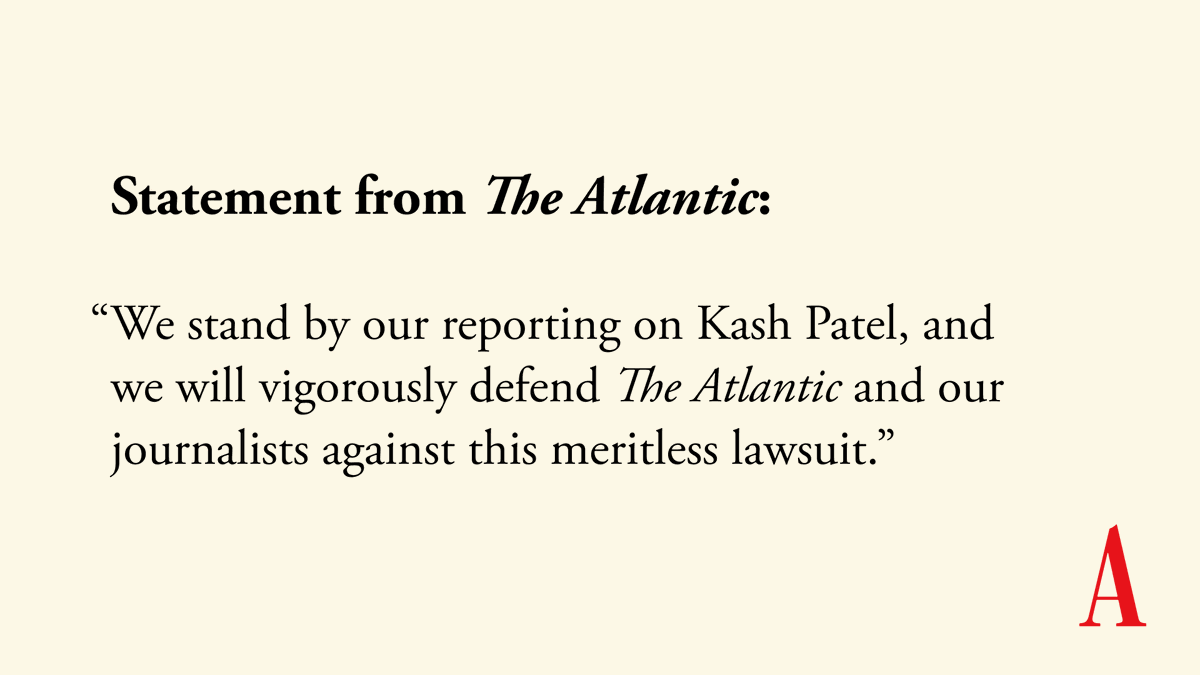
“You can’t just sue a media outlet because you don’t like their coverage.”
It should be as simple as that.
But lawsuits like Kash Patel’s against @TheAtlantic are putting that to the test.
@RSFUSA’s Clayton Weimers believes the courts will continue to protect critical coverage of public officials, but warns these attacks are part of a broader effort to censor the press.

3
2
630