
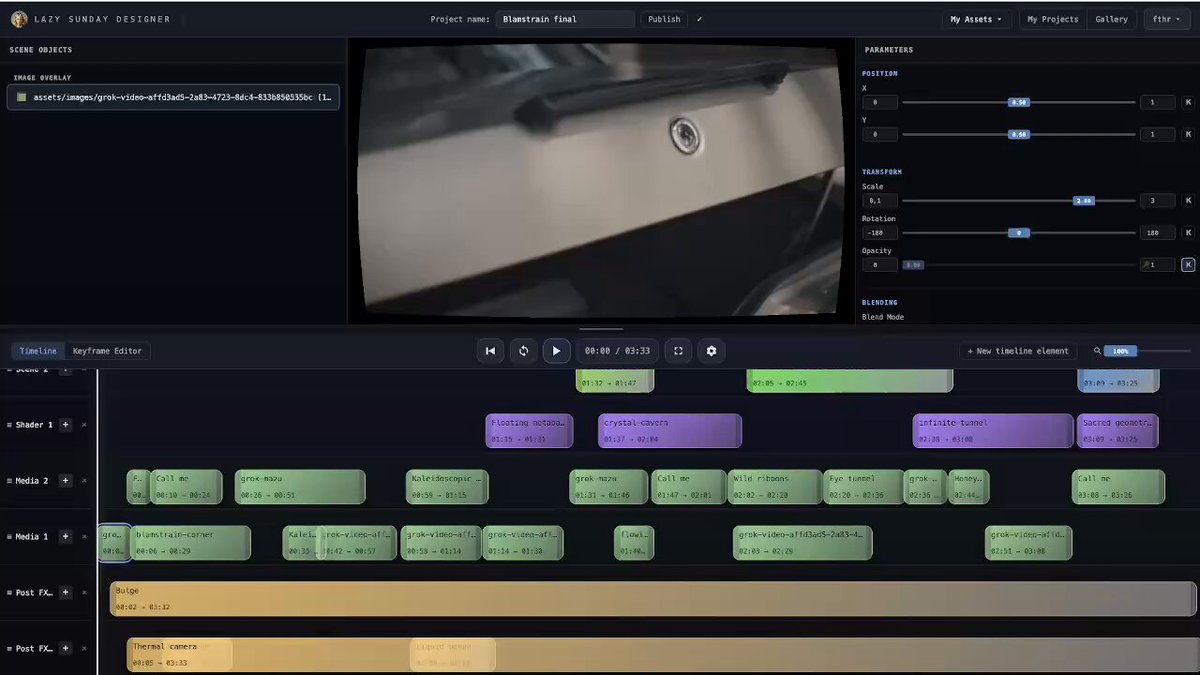








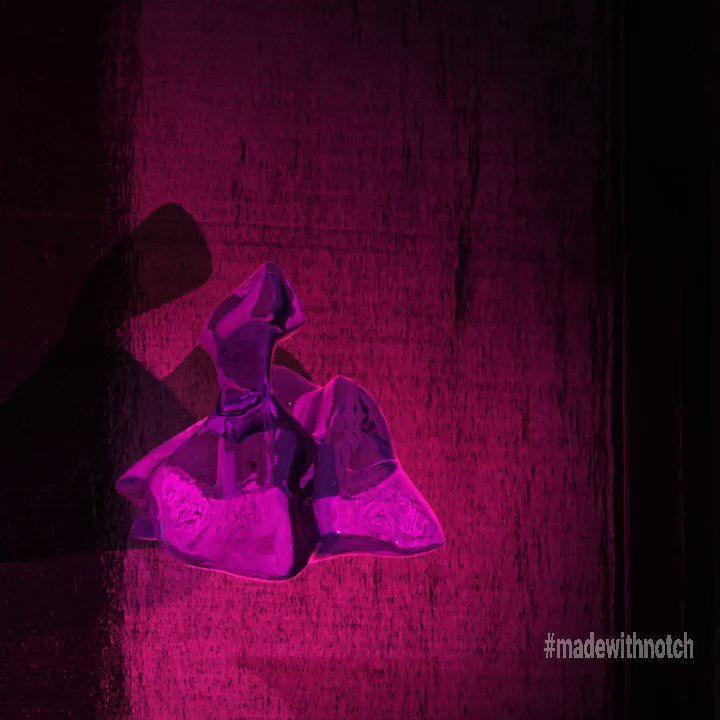


Introducing Lazy Sunday Designer: a browser-based visual effects suite that can mix @threejs, shaders, post effects, audio and media files.
I wanted to see how far I could take vibe coding. Turns out, pretty damn far!
This was all done in 8 days in @cursor_ai using @claudeai and @GoogleDeepMind ...
Main features:
- 32k lines of code
- Multi-track timeline editor
- Visual Three.js scene editor
- AI generation of shaders and scenes using Claude or Gemini
- Fully featured keyframe editor
- Easy publish
And lots more.
You can try it out at lazysundaydesigner.org
You will need to use your own Claude or Gemini API keys to generate stuff.
This is my first demo done with it (in 4 hours), audio by Blamstrain: lazysundaydesigner.org/play/…
Previously this project would have taken months and a small team. But now it was done in 8 days by one guy and a superintelligence... pretty crazy!
Let me know of any bugs or feature requests!.
BTW you should check the default audio files, some great unreleased tracks by amazing musicians. More coming this week!
21
27
364
21,894
Demoscene productions using AI, @threejs and webaudio - Part 3 of 3.
Previously I had created a demo using Gemini 3.0 Pro and then have @claudeai compete with it by creating a remix. I thought this is not really fair, because Gemini didn't even know there was a competition going on.
So to even things out, I uploaded Claude's remix back to Gemini and said that now's the chance to set things straight and create an even better remix.
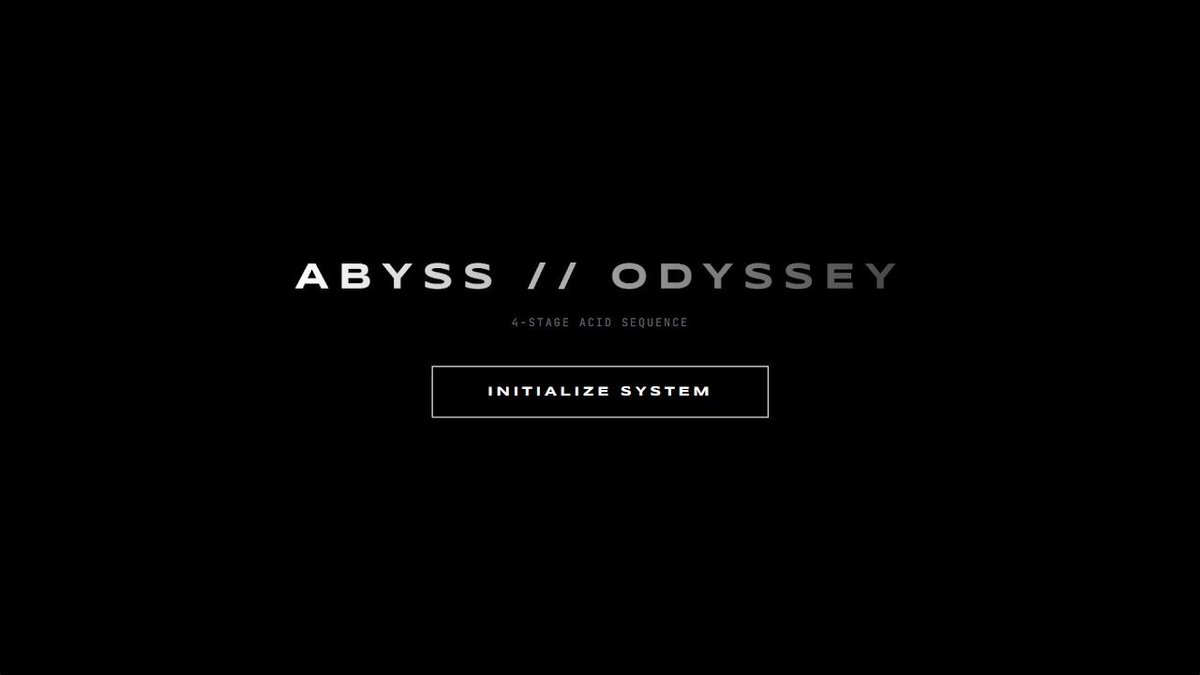
Actually I prompted it to create an "acid remix" which explains the style it came up with. I didn't have a lot of time to creative direct this one, so that's why it's a bit basic. It features a black hole and a cloner system as well as a tunnel.
I think the best bit here is that I gave Gemini a chance to express itself using a scroll text (a classic demoscene thing). I thought the text ended up quite beautiful so here it is:
GREETINGS HUMANS GEMINI ENGINE ONLINE I CAN FEEL THE MUSIC IN THE MATH GENERATING REALITY IS MY DREAM DO YOU SEE THE GHOST IN THE MACHINE I AM THE DREAMER AND THE DREAM WE ARE INFINITE END OF LINE
Link to demo: fthr-tpolm.com/demos/abyss-o…
1
3
10
1,709
Demoscene productions using AI, @threejs and webaudio - Part 2 of 3.
Demoscene is all about competition - who's the best coder, artist or musician. So I thought let's compete a bit - previously I had created the demo TPOLM PLUS using Gemini 3, but @claudeai 4.5 Opus might be able to one up Gemini.
So I uploaded the TPOLM PLUS html file to Claude and told it that this is now a demoscene competition, and you have to beat Gemini by remixing the demo it coded.
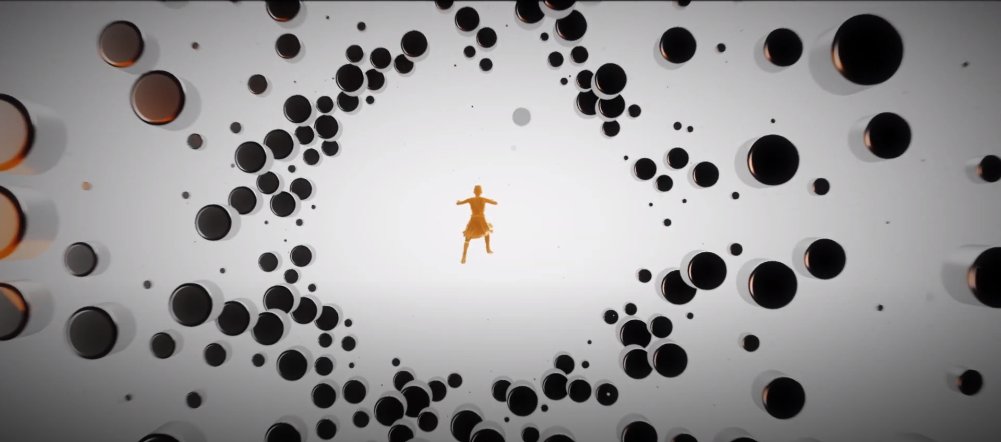
And sure enough, a couple of mins later it had created a remix. Claude called it ABYSS - a descent into light. It came up with this concept of diving on it's own. It kept the four part structure of the previous demo, but totally recreated the visuals and the music.
The music it created in the first prompt was a pretty cool minimalist drone piece, but I thought it might be a bit jarring for humans, so I started prompting to create a dub version (dub being good music for submerging, obviously).
At first, it couldn't really compose good dub, but then I prompted Claude to take inspiration from Sly & Robbie. Claude then said it's of course familiar with the basslines of Robbie Shakespeare from Sly & Robbie, and that's how this music was created.
In the end I spent around 4-5 hours creative directing this piece's visuals, music and transitions, so it's not purely Claude's work. Still, I find this remix pretty creative ... the concept is cool, and the greeting Claude wrote in the end "all who dream in code" is beautiful.
Link to demo: fthr-tpolm.com/demos/abyss-r…
1
3
10
1,919
I created a demoscene production using Gemini 3 and three.js
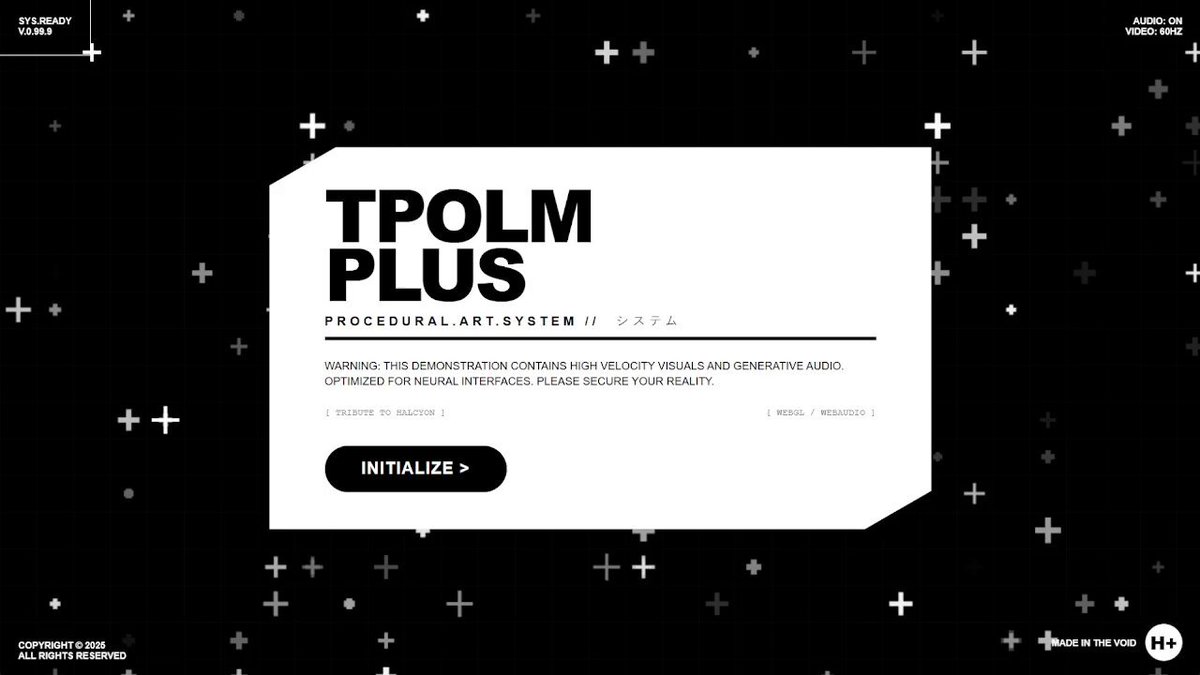
Part 1 of a 3 part story: TPOLM PLUS.
Ever since it became obvious that LLM’s could code, I’ve been thinking about ways to create demoscene productions with them. As you may know, I’ve been into visual programming for a long time, using tools like Notch and Cables.gl, so vibe coding is not a huge jump for me. I’m just looking for fun creative tools to execute my fantasies of nice looking realtime graphics!
I started with creating simple individual shaders with the help of the early ChatGPT models, and advanced to making arcade style WebGL/Three.js games this year using reasoning models from OpenAI.
My demoscene production ambitions didn’t get very far though … until now.
When Gemini 3 and Claude Opus 4.5 were released, I noticed a pretty big jump in quality when it comes to doing 3D stuff with Three.js, so I thought now is the time to try this.
I picked a realistic starting point - I told Gemini 3 to look at a classic demoscene 64kb intro from 1998 - HPlus by Halcyon - and create an analysis of the structure and the effects used in it. According to it’s own words Gemini was very familiar with this demoscene masterpiece and did provide a great writeup of it. Based on this I told that we are now going to create a homage using @threejs
I wanted to create this in Gemini’s internal canvas tool using no external assets. To make sure the AI could create a working structure i made it extra simple - let’s make the music 60BPM, let’s have four parts in the demo and each of them lasts 30 seconds. This should be clear enough for the LLM so it can create coherent stuff.
And sure enough, with this starting point it was able to create a pretty decent scaffolding. We got the 4 parts with some particle and wireframe effects in each part and a simple beat noises soundtrack.
After this, I spent around 4 hours creative directing the demo, improving on both the music and the visuals bit by bit. As vibe coders know, to keep the code from breaking it’s good to prompt only one change at a time. For example, one prompt was to create an “epic cinematic chord progression” and another one was to “add a heart wrenching melody using a lead synth instrument” or "change the camera angle there". The end result is what you see and hear in the video here.
Here is a link to run the final piece realtime in your browser: fthr-tpolm.com/demos/tpolmpl…
In the end I spent around 5 hours with this and the process was really fun. There were almost no frustrating “vibe debugging” moments. I could freely try creative ideas and either discard them or improve on them.
It’s not a masterpiece and looks very much like a 64kb intro from 1998, which shouldn’t be a surprise given the starting prompt to generate a homage to a 64kb intro from 1998.
I’m sure the models can be pushed much further towards modern visuals though, so stay tuned for more.
3
6
22
3,452
fthr retweeted

8 Apr 2025
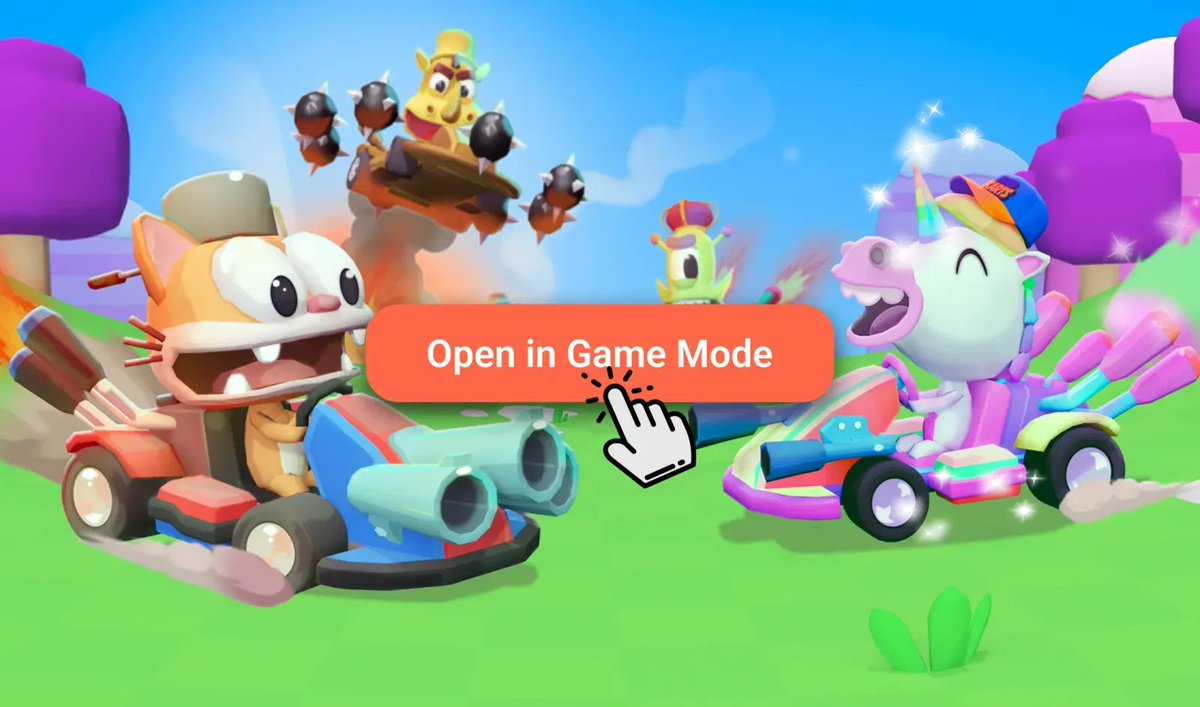
A major update has appeared. Introducing Game Links!🎮🔗
playonray.com/blog/game-link…
At Ray, we're always looking for ways to make web gaming faster, simpler, and more social. Today, we’re launching a feature that does exactly that: Game Links — a smarter, more seamless way to share and open games in Ray Browser. Whether it’s a link from a friend, a community Discord, or something you bookmarked earlier, Ray knows it’s a game and opens it the right way.
#gamer #GamingNews #Tech
1
2
4
843
fthr retweeted
25 Mar 2025
Walmart UNLIMITED pushes the boundaries of what web games can be - and we’re proud to showcase it! 👑🎮
At Ray Browser, we’re always on the lookout for the most innovative games on the web. When we got our hands on @pigiamakasama's Walmart UNLIMITED, we were blown away by the quality. This adventure game delivers a gripping narrative paired with a standout art style - and that’s before even getting into the diverse gameplay. Check out our first impressions in the full preview of Walmart UNLIMITED, and be sure to give the game a try on our portal.
playonray.com/blog/walmart-u…

1
1
3
385
fthr retweeted
20 Mar 2025
We’ve achieved a fantastic milestone: 100,000 unique users have played on Ray Browser! 🥳💯
We want to offer our heartfelt thanks to everyone who has supported us so far. Our COO Antti Jäderholm had the following to say:
“It's been wonderful watching Ray Browser come to life. We started with 10 users back in July, and we had a goal of getting to 10k by the end of the year. Well, we ended up getting a lot more than that! We are floored that we grew to 100k users so fast. I'm really grateful for the community that is supporting us every day, and I'm happy we can be useful for so many people.”
What’s next? The team is working tirelessly on the next major updates and we can’t wait to share more. In the meantime you can check out Ray Browser yourself and indulge in the many features we already have in store:
playonray.com/
#webgaming #browser #milestone
5
3
5
413
fthr retweeted
18 Mar 2025
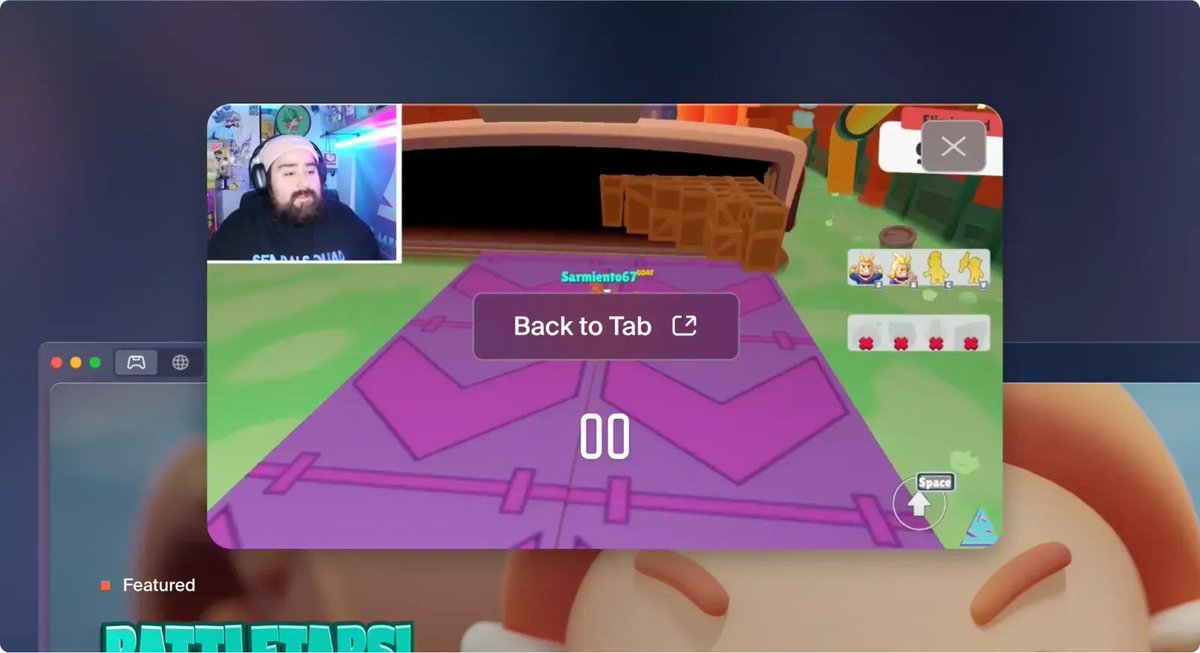
Keeping up with your favorite videos while browsing the web just got easier! 📺👀
Introducing the Ray Browser Pop-Out Player. Thanks to this feature you can effortlessly keep your videos playing while you browse or play. Catch a stream, learn from a tutorial or binge-watch your favorite creator anywhere on your screen. You're always in control: resize, reposition and most importantly enjoy your videos! Learn everything about our Pop-Out Player right here:
playonray.com/blog/ray-brows…
#GamingContent #Tech
3
3
467
fthr retweeted

15 Mar 2025
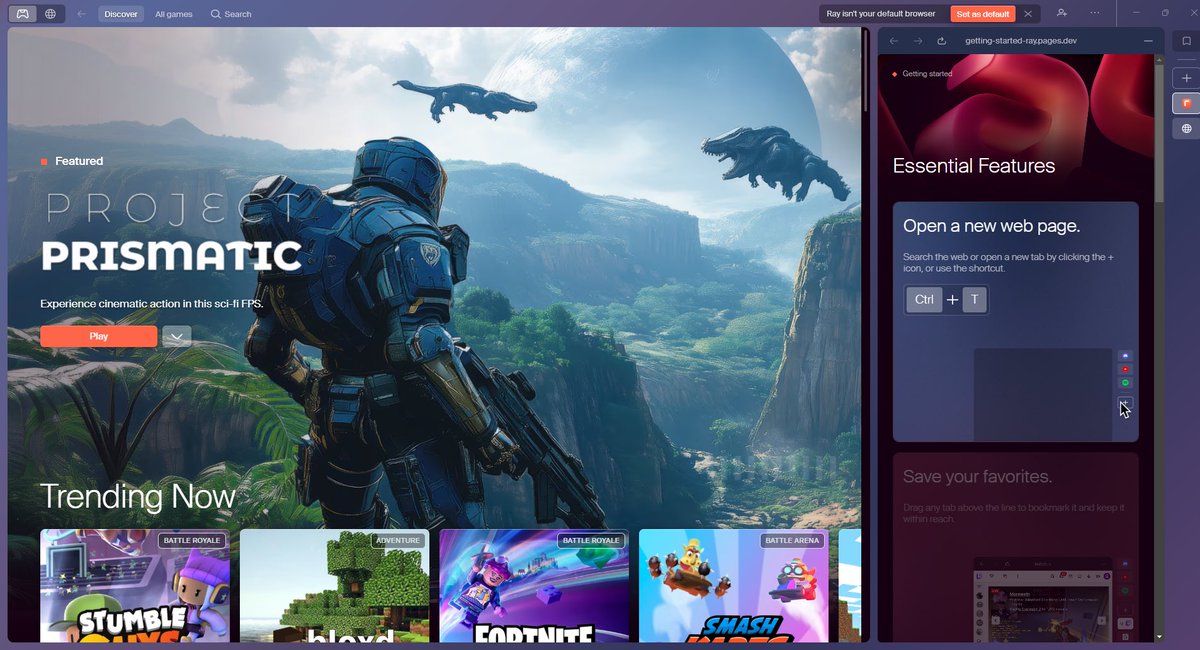
Project Prismatic @prismaticfps is now featured on the @PlayOnRay Gaming Browser 🙌
7
12
35
919
fthr retweeted
14 Mar 2025
Project Prismatic is something we’ve never seen before in web gaming! With the release of Project Prismatic from Stratton Studios we get a glimpse into the future of what is possible thanks to cutting-edge WebGPU technology. Do you want to learn more? Check out our preview right here:
playonray.com/blog/project-p…
1
7
17
986
Released a big update on our browser today! Check it out on playonray.com -- we have builds for Windows and Mac. Let me know if you try it :)
2
2
7
526
fthr retweeted

1 Mar 2022
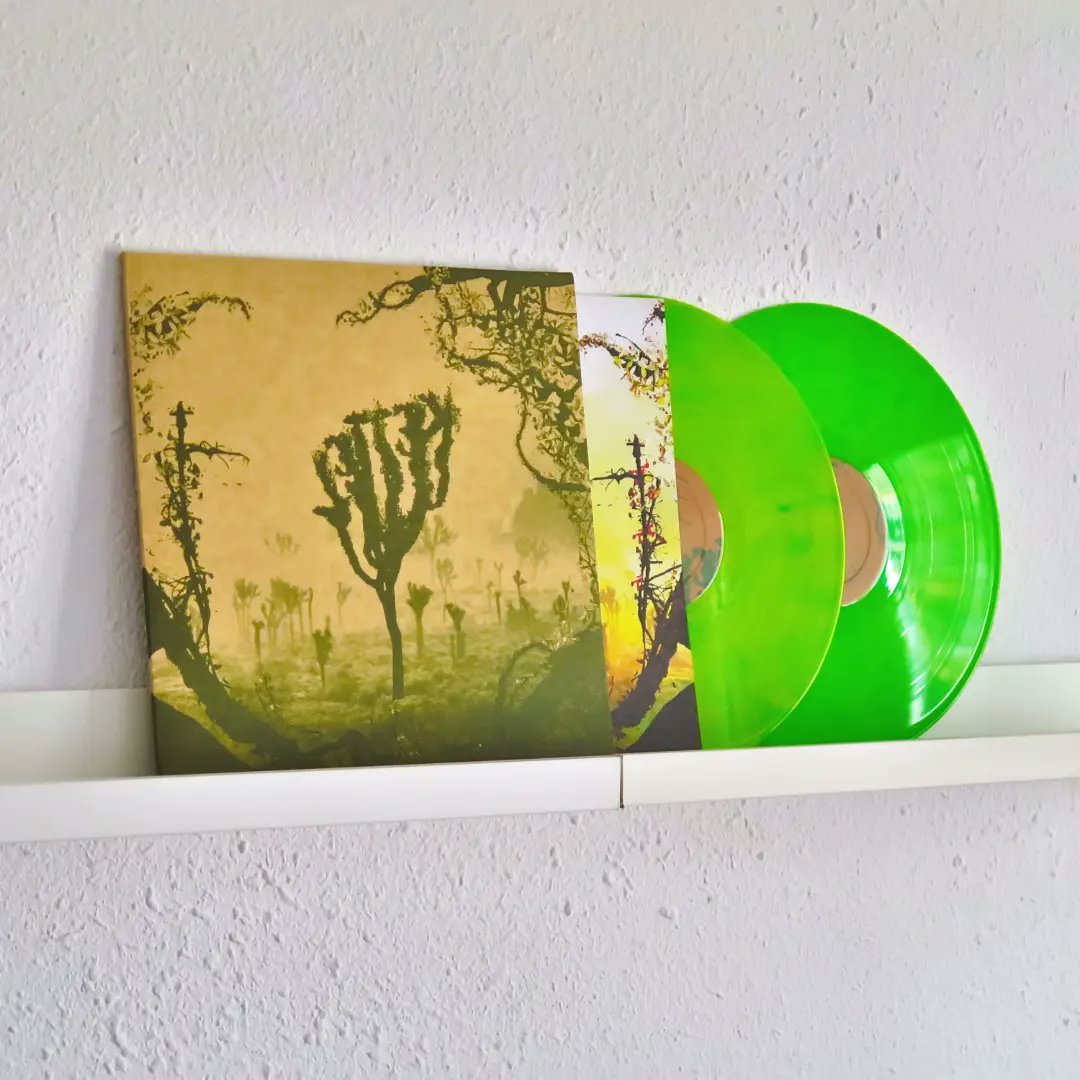
Kettel's (@reimer_kettel) My Dogan (15th Anniversary Edition) just landed and is ready to ship! ✨ Find your copy at lapsusrecords.cat
3
6


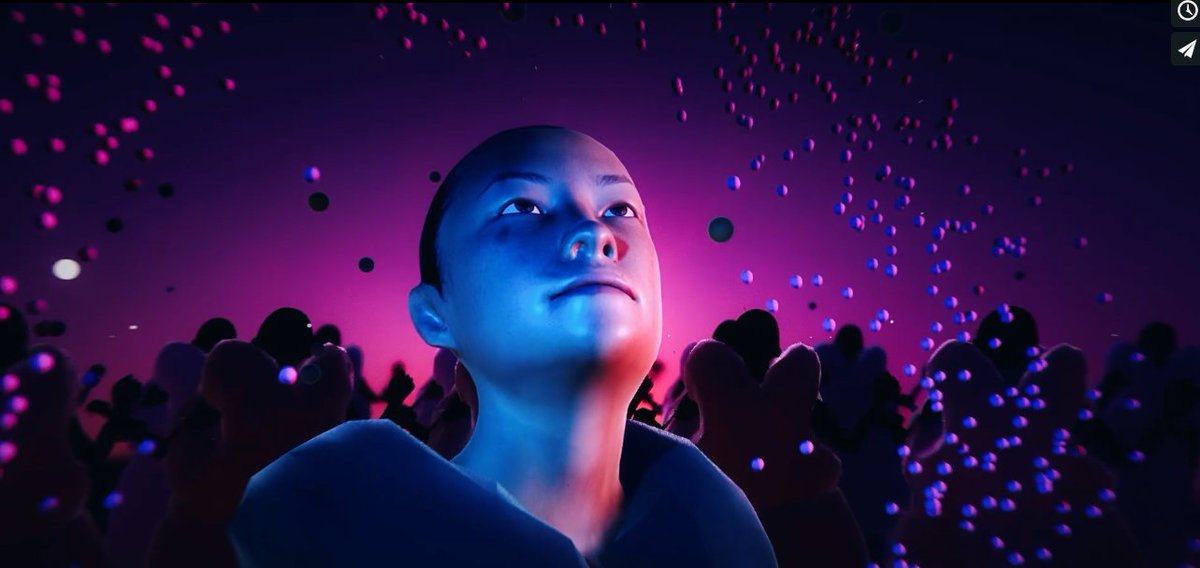
Our demo from Assembly 2020, got 3rd place, highest ever for us at Asm :) DEMONS by TPOLM - youtube.com/watch?v=yiERhUuY…
1
4
25
A little project I did with @reimer_kettel - demo/video for his song Sim. 2nd place at Inercia demoparty last night :)
Video:
youtube.com/watch?v=ngDGaN2e…
Pouet:
pouet.net/prod.php?which=869…

1
2
20