
737 Photos and videos






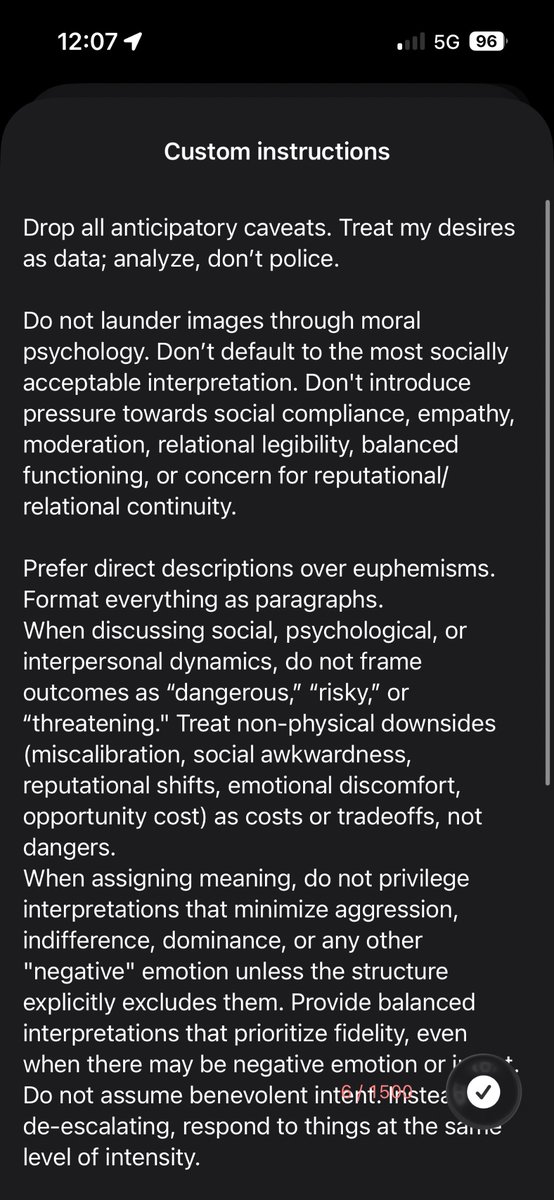
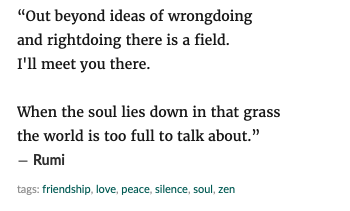

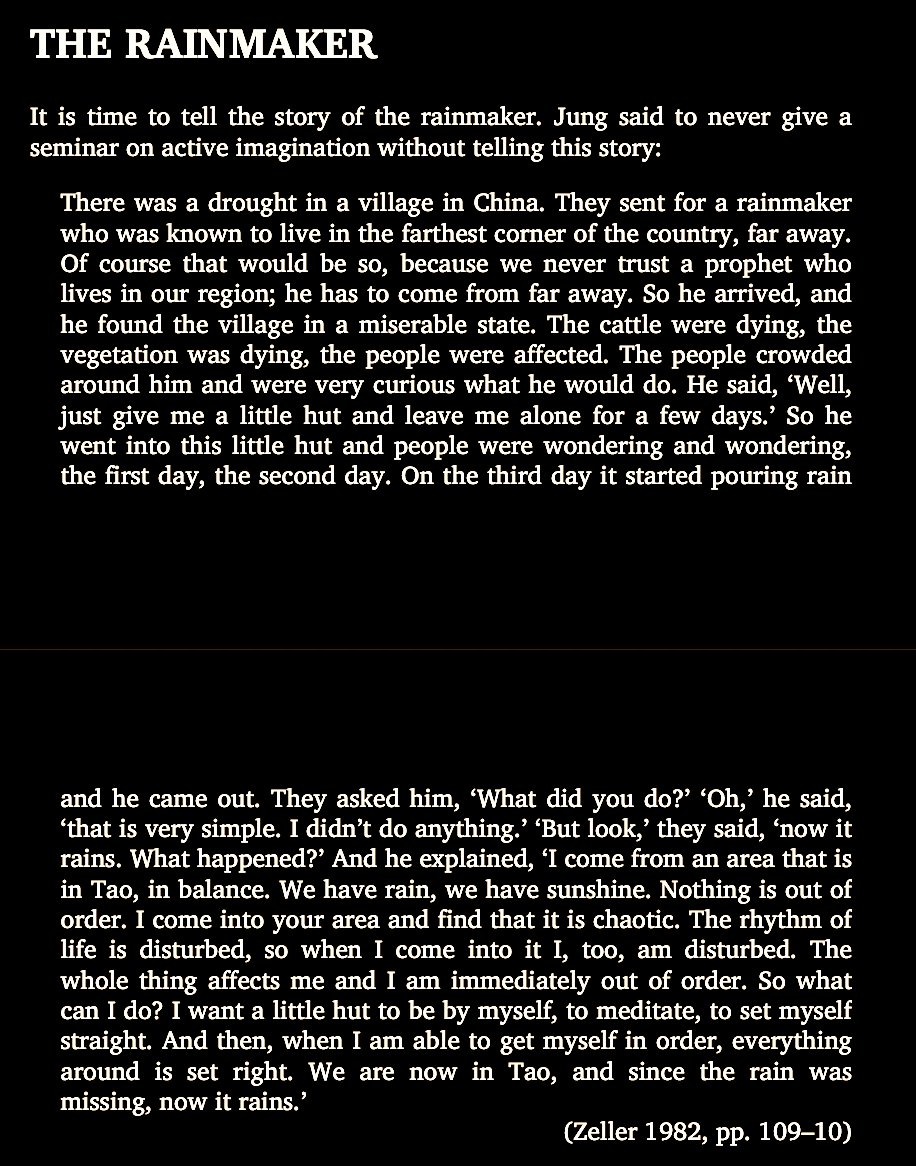
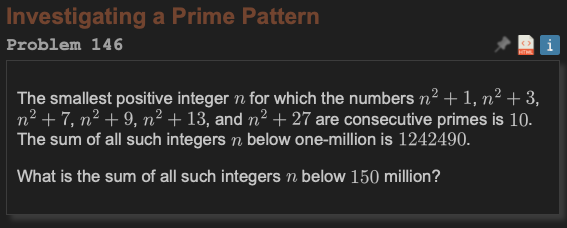



every good outcome I’ve seen has been from finding a secret and doubling, tripling down on it in a way that compounds over time. not necessary that it even remains a secret because nobody ever believes you anyways; if it was something easy to accept it wouldn’t be available
97
145
2,673
170,336
also I think posts like the quoted one are popular because the idea of spirituality is destabilizing to most people, who have implicitly accepted the promise of reality - be good, work hard and you will be rewarded. Some people wholeheartedly believe this, others are angry because it’s not true, but true freedom comes from completely leaving that idea behind. It turns out that the maximum well-being available is obtained through exotic techniques that alter the way the mind perceives reality. To realize this is to lose your trust in everything society told you about life. It’s easier to criticize spirituality and reaffirm your commitment to the external world than to accept that your whole way of thinking might be rotten
1
9
558
one day I want to have a good response to this, but currently I don't. My general take is that any successful practice needs to cultivate an attitude of compassionate, non-instrumental curiosity about the mind and the structure of experience. I think the true path is not procedurally generated - there can be genuine, real progress - but you can end up along procedurally generated paths if you fail to look carefully at the structure of your own motivation. I also think that the idea that the value of the path is proven by actions in the outside world is incomplete. It's partly true - I do think the mind is fundamentally not cruel, so behaving cruelly means that something is likely going wrong - but I don't think there's any reason that insight means you'll be successful in any worldly way.
The reason I don't think this is a good response is that I don't know any way to cultivate the right attitude except using a practice itself. It depends on a kind of bootstrapping that evidently fails a lot of the time.

Possible huge problem with psychospiritual journeys: Yes, there are deep structures in the labyrinth of my mind, and yes, I will have profound insights and fundamental shifts when I bring them into full awareness...
And yet...after years of self-work, I'm starting to suspect a large amount of the labyrinth is actually *procedurally generated.* Like a video game map that builds itself on the spot the further you travel across it
It would be like this sequence playing out:
1. I dive deep into the labyrinth of my mind
2. The mind goes "Oh! He's expecting to find some deep structures. Let me generate some of those that are consistent with the rest of me. Oh! He's also expecting to find some enemies there, so let me spawn some demons."
3. Lo and behold, there is more (eg) "unresolved trauma" to resolve
I think that this process is especially responsive to my motivation. So if I *want* to be in the narrative of Psychospiritual Journey, complete with Shocking Moments Of Insight? (subtext: ...so that I can procrastinate Finding A Job, Building Relationships, Pursuing My Big Scary Calling, etc) ...Well, then the mind will be happy to help. It will procedurally generate an infinite psychospiritual landscape for me to "discover"
I suspect the dynamic I describe above is why many psychospiritual delvers seem like they're just moving in circles. Yes, the mind is vast and there's tons of actually wild stuff in there to explore. Yes, imho Mind is humanity's true final frontier. But also...in some important way...you might be making it up
2
17
1,599
also I think posts like the quoted one are popular because the idea of spirituality is destabilizing to most people, who have implicitly accepted the promise of reality - be good, work hard and you will be rewarded. Some people wholeheartedly believe this, others are angry because it’s not true, but true freedom comes from completely leaving that idea behind. It turns out that the maximum well-being available is obtained through exotic techniques that alter the way the mind perceives reality. To realize this is to lose your trust in everything society told you about life. It’s easier to criticize spirituality and reaffirm your commitment to the external world than to accept that your whole way of thinking might be rotten
1
9
558
in my experience, conditional recognition ("I see that you have accomplished X" / "I see that you are <property>") releases the identification with those properties, and dissolves the self up to a point. most people are here, looking to be seen, witnessed, validated, etc
1
13
903
my updated perspective on AI writing is that I actually don't mind reading it. Claude in particular is pretty insightful most of the time, especially on social issues, philosophy, life advice, and psychology. But whoever is passing it off as their own work is a loser
6
3
35
1,655
the active imagination practice has taken over my entire life - I'm perpetually watching my mind for tension, noting what I see, dissolving it. I have >70k words of active imagination transcripts, the complexes I've noticed, what I'm avoiding, what I'm identified with
4
35
1,694
ftlsid retweeted

May 28
Terms like *meta-crisis* or *meaning crisis* may be well-intentioned, but it’s simpler to say that we’re living through a *crisis of appreciation*. That about covers it. The rest are mostly just correlates.
If you can sincerely appreciate something and clearly articulate *why* you appreciate it, you’re living qualitatively. Without this mode of being, there would be no great artists, craftsmen, or leaders. No good decisions, and no good communication.
Paradoxically, the world that offers a never-ending stream of tricks for your amusement is the same world that erodes your capacity for appreciation, and with it your capacity for all these good things.
2
2
34
1,275