
An @OVOFConsortium x @APC_News campaign to reclaim your digital world in an age of information pollution.
- Tweets 255
- Following 48
- Followers 67
- Likes 66
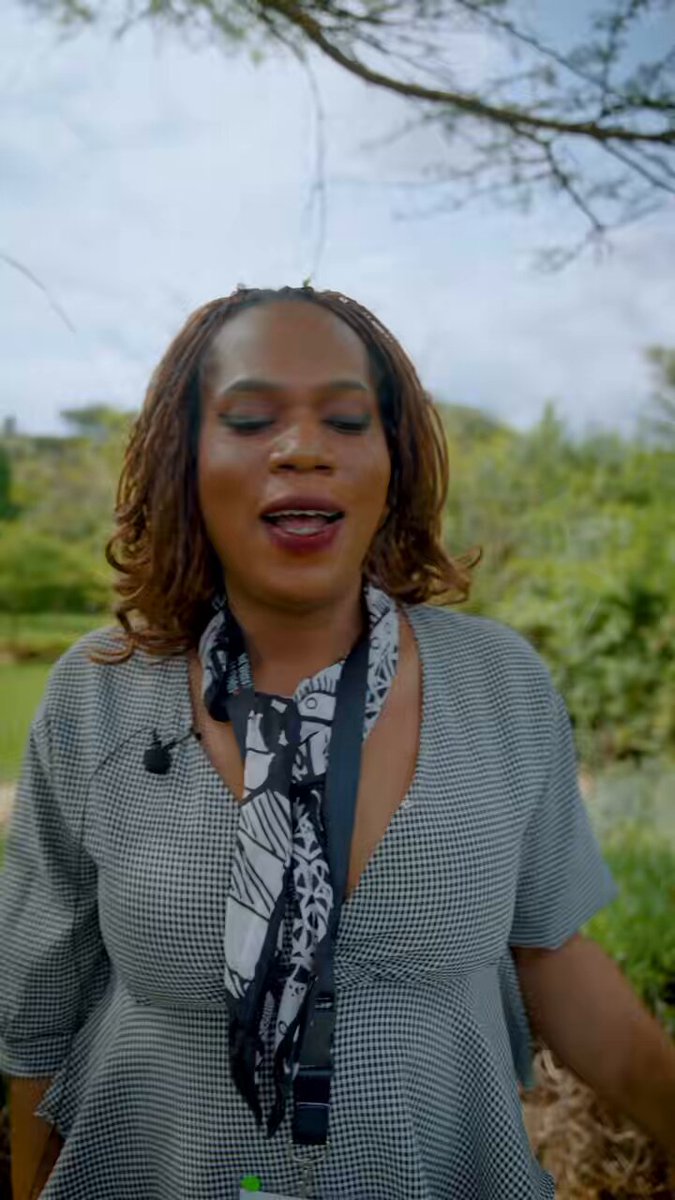
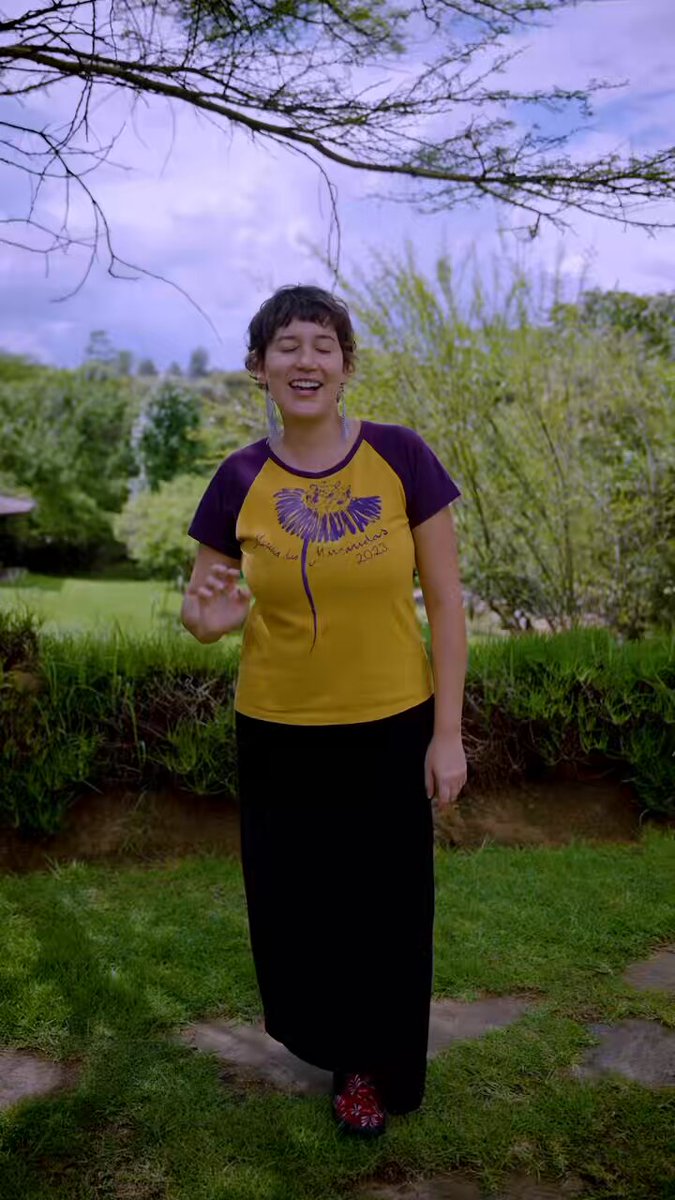
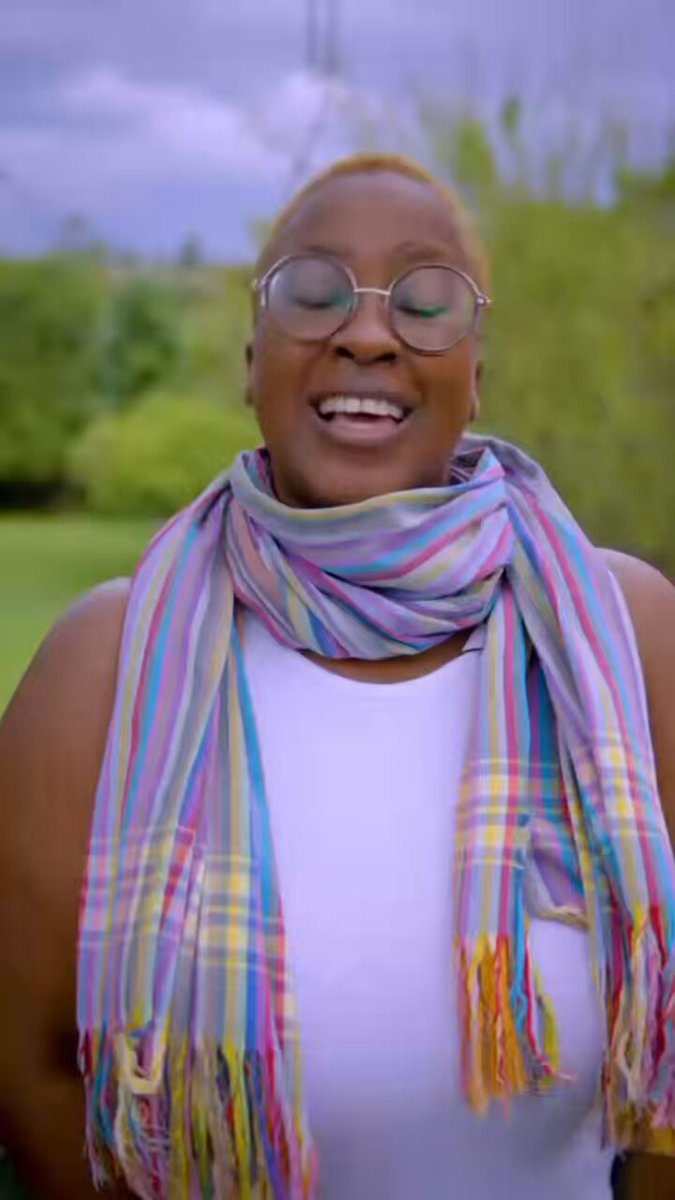


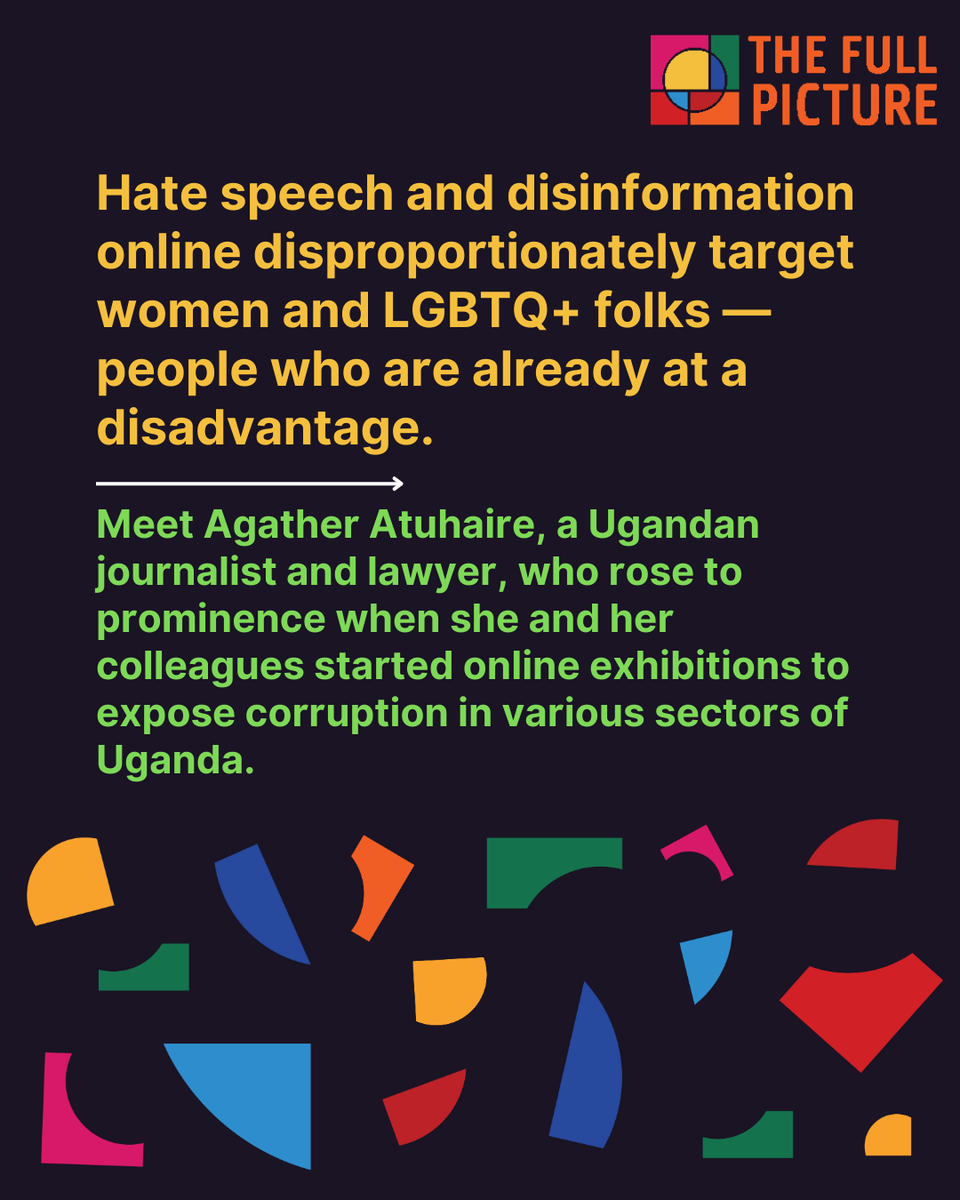
ALT Hate speech and disinformation online disproportionately target women and LGBTQ folks — people who are already at a disadvantage. Meet Agather Atuhaire, a Ugandan journalist and lawyer, who rose to prominence when she and her colleagues started online exhibitions to expose corruption in various sectors of Uganda.
ALT They exposed mismanagement of funds by the current government and its consequences for ordinary Ugandans. The #UgandaParliamentExhibition caused the most uproar, revealing that the Speaker of Parliament, Anita Among, was channeling billions of Ugandan shillings to her private account on a weekly basis.
ALT Since then, disinformation attacks have targeted Agather Atuhaire, despite her leading the campaigns with a team largely composed of men. As a woman and a single mother, she has become a target of hate speech and online violence. Most of the attacks on Atuhaire are gendered, vilifying her choices and negating her agency. Surprised?
ALT “Many times, I wonder how people I have never even met hate me so much as to write outrageous and false things about me, without concern for the consequences on my reputation or on my loved ones.” Agather Atuhaire
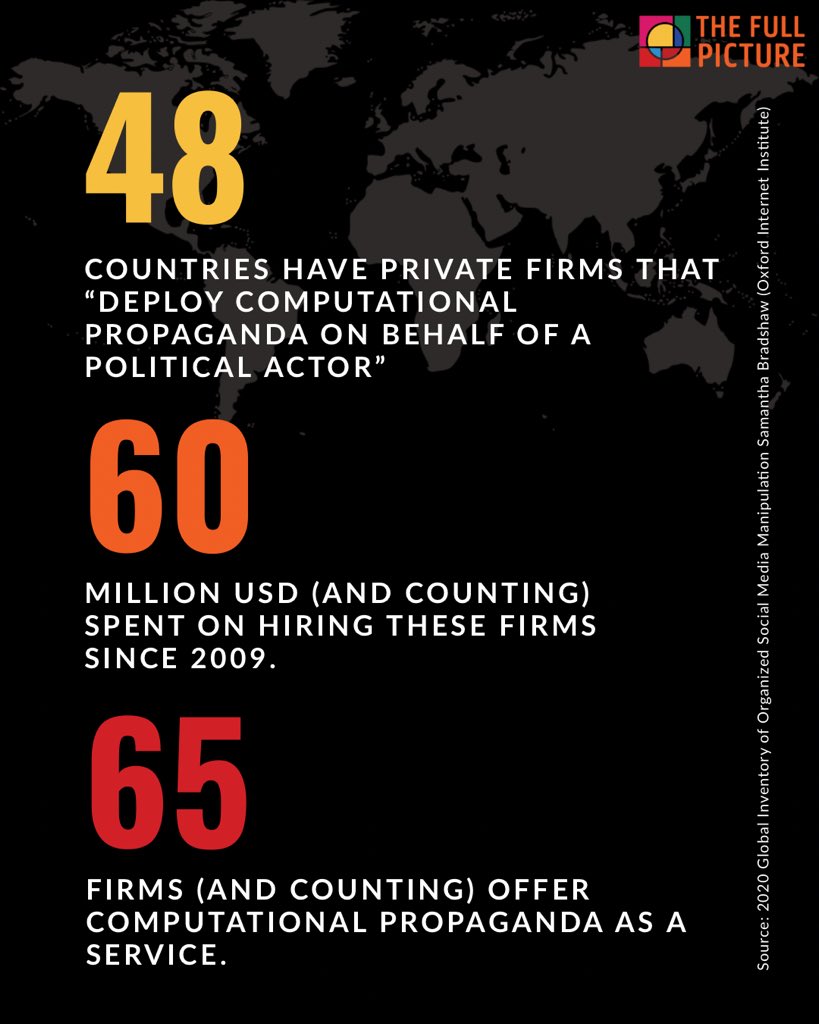
ALT 48 countries have private firms that “deploy computational propaganda on behalf of a political actor” 60 million USD (and counting) spent on hiring these firms since 2009. 65 firms (and counting) offer computational propaganda as a service. Source: 2020 Global Inventory of Organized Social Media Manipulation Samantha Bradshaw (Oxford Internet Institute)
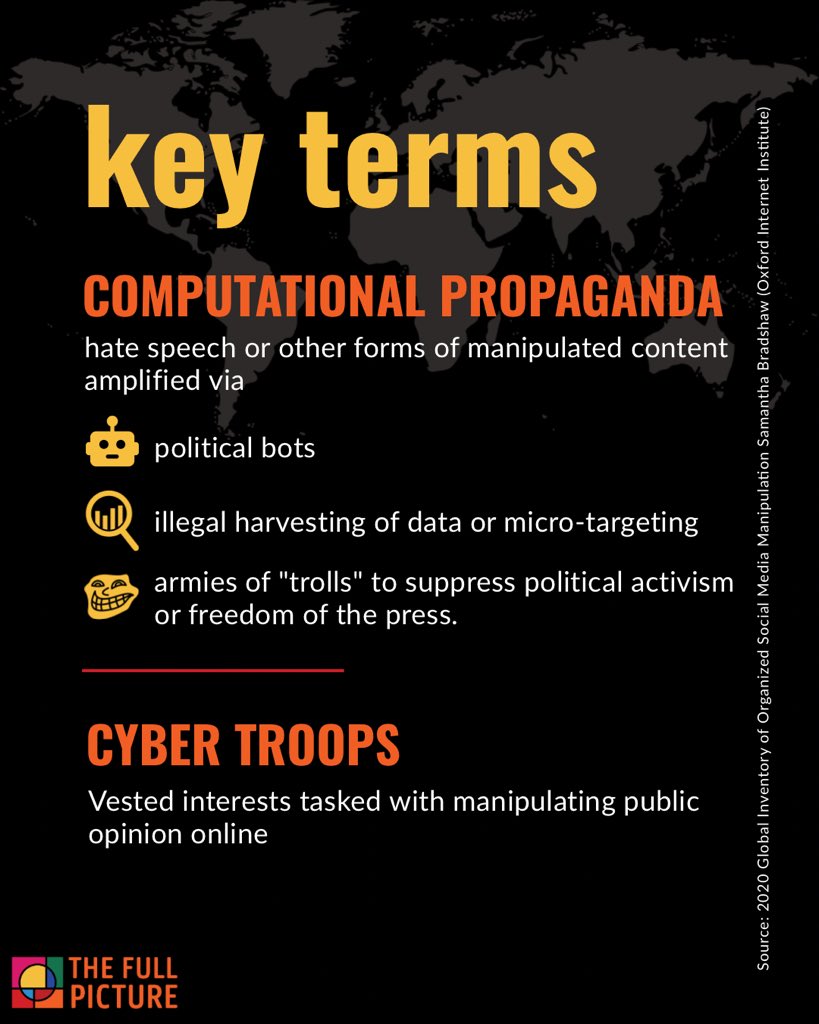
ALT Key terms Computational propaganda: Hate speech or other forms of manipulated content amplified via political bots, illegal harvesting of data or micro-targeting, armies of "trolls" to suppress political activism or freedom of the press. Cyber troops: Vested interests tasked with manipulating public opinion online Source: 2020 Global Inventory of Organized Social Media Manipulation Samantha Bradshaw (Oxford Internet Institute)
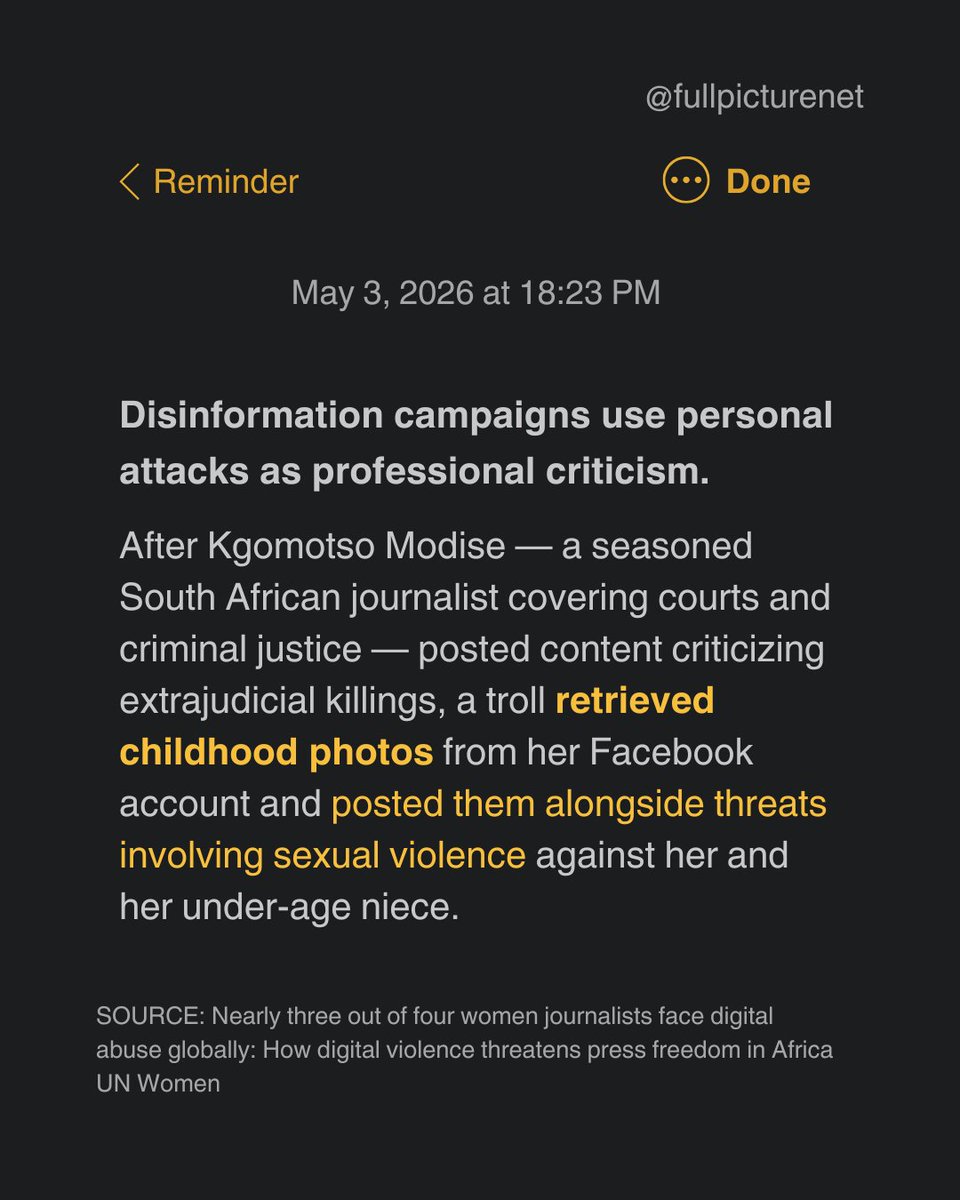
ALT Screenshot of a notes app with text: Disinformation campaigns use personal attacks as professional criticism. After Kgomotso Modise — a seasoned South African journalist covering courts and criminal justice — posted content criticizing extrajudicial killings, a troll retrieved childhood photos from her Facebook account and posted them alongside threats involving sexual violence against her and her under-age niece. SOURCE: Nearly three out of four women journalists face digital abuse globally: How digital violence threatens press freedom in Africa UN Women
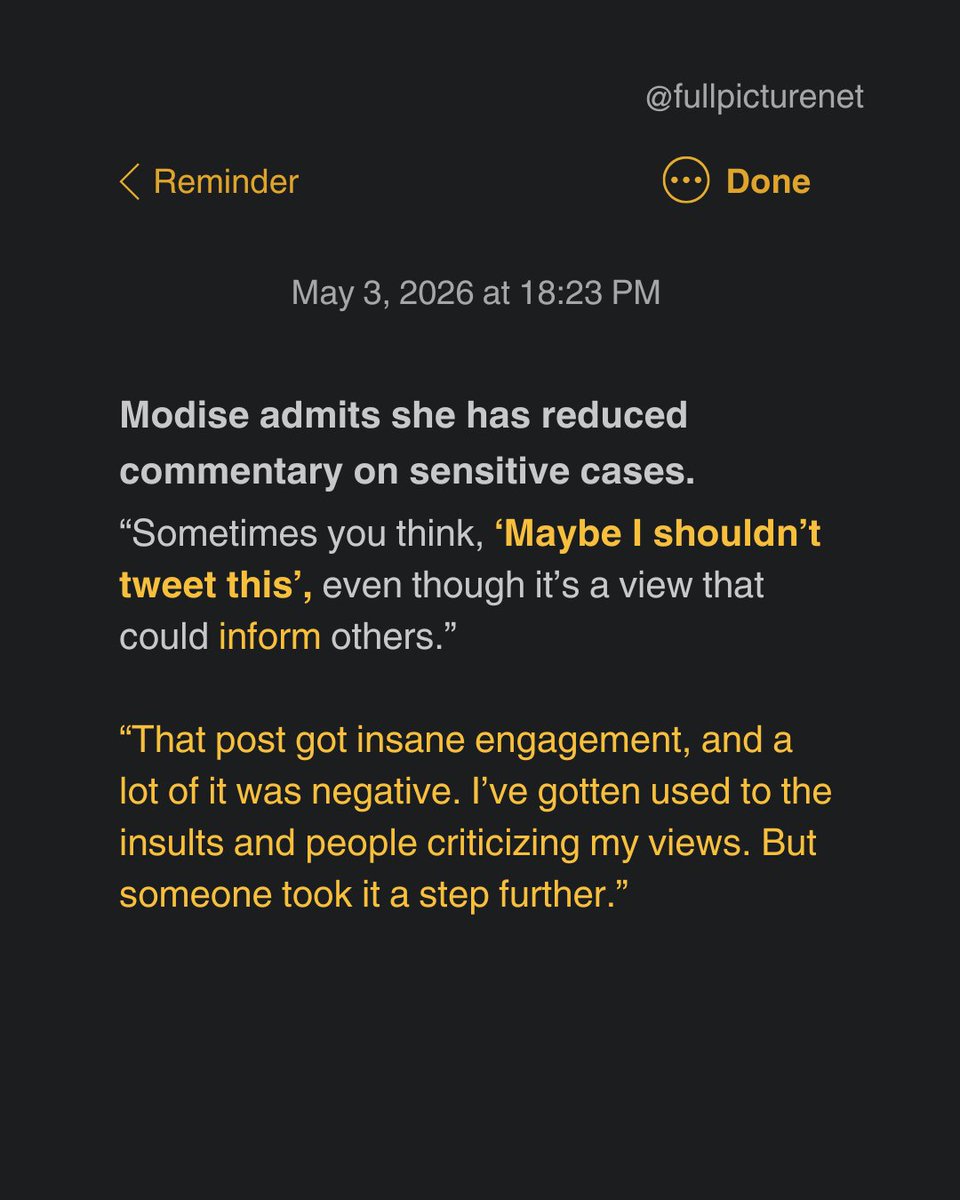
ALT Screenshot of a notes app with text: Modise admits she has reduced commentary on sensitive cases. “Sometimes you think, ‘Maybe I shouldn’t tweet this’, even though it’s a view that could inform others.” “That post got insane engagement, and a lot of it was negative. I’ve gotten used to the insults and people criticizing my views. But someone took it a step further.”
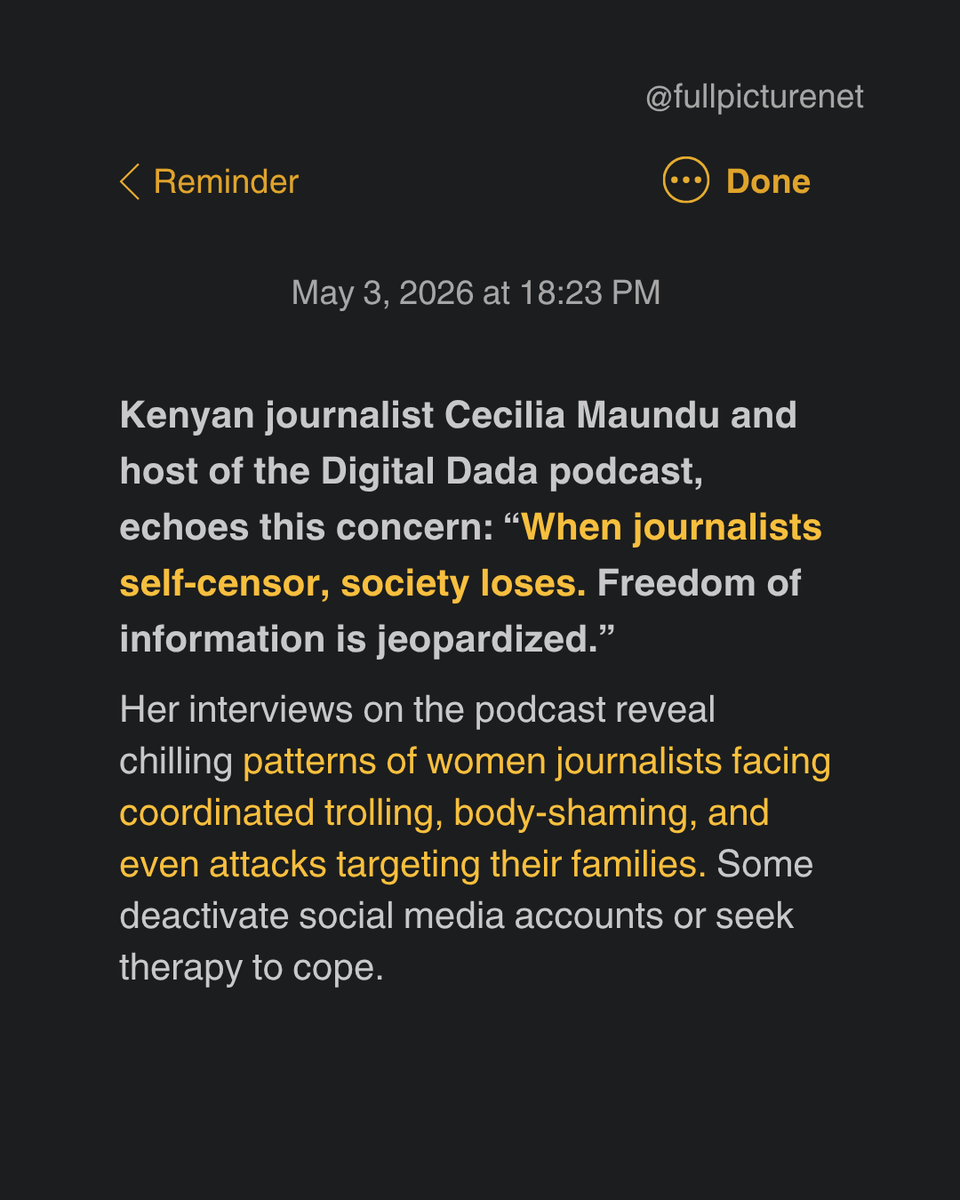
ALT Screenshot of a notes app with text: Kenyan journalist Cecilia Maundu and host of the Digital Dada podcast, echoes this concern: “When journalists self-censor, society loses. Freedom of information is jeopardized.” Her interviews on the podcast reveal chilling patterns of women journalists facing coordinated trolling, body-shaming, and even attacks targeting their families. Some deactivate social media accounts or seek therapy to cope.
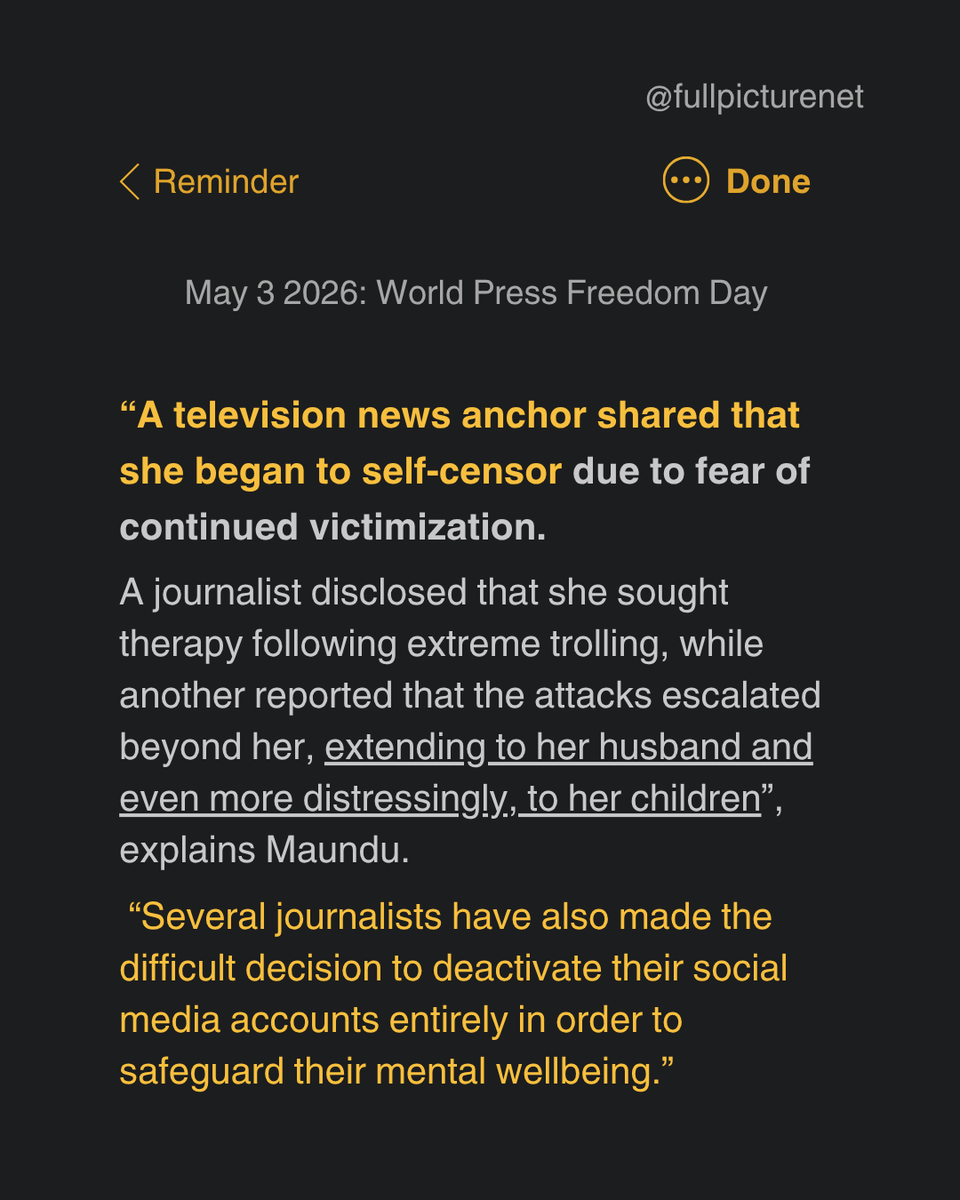
ALT Screenshot of a notes app with text: “A television news anchor shared that she began to self-censor due to fear of continued victimization. A journalist disclosed that she sought therapy following extreme trolling, while another reported that the attacks escalated beyond her, extending to her husband and even more distressingly, to her children”, explains Maundu. “Several journalists have also made the difficult decision to deactivate their social media accounts entirely in order to safeguard their mental wellbeing.”
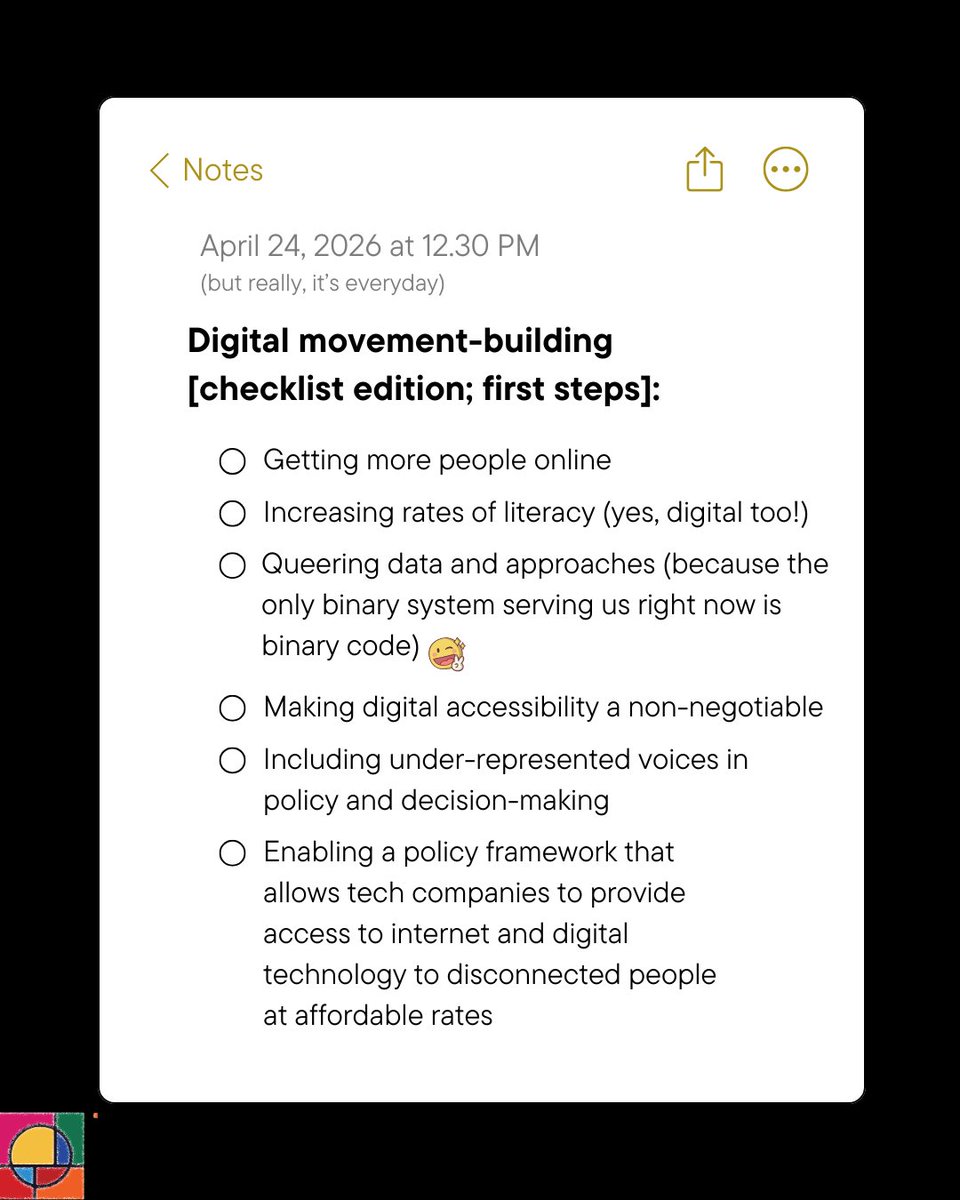
ALT Black background with a screenshot from the notes app. In place of date and time is the text: April 24, 2026 at 12.30 PM (but really, it’s everyday) Heading text: Digital movement-building [checklist edition; first steps]: Bullet points of the following: Getting more people online Increasing rates of literacy (yes, digital too!) Queering data and approaches (because the only binary system serving us right now is binary code) [wink emoji] Making digital accessibility a non-negotiable Including under-represented voices in policy and decision-making Enabling a policy framework that allows tech companies to provide access to internet and digital technology to disconnected people at affordable rates
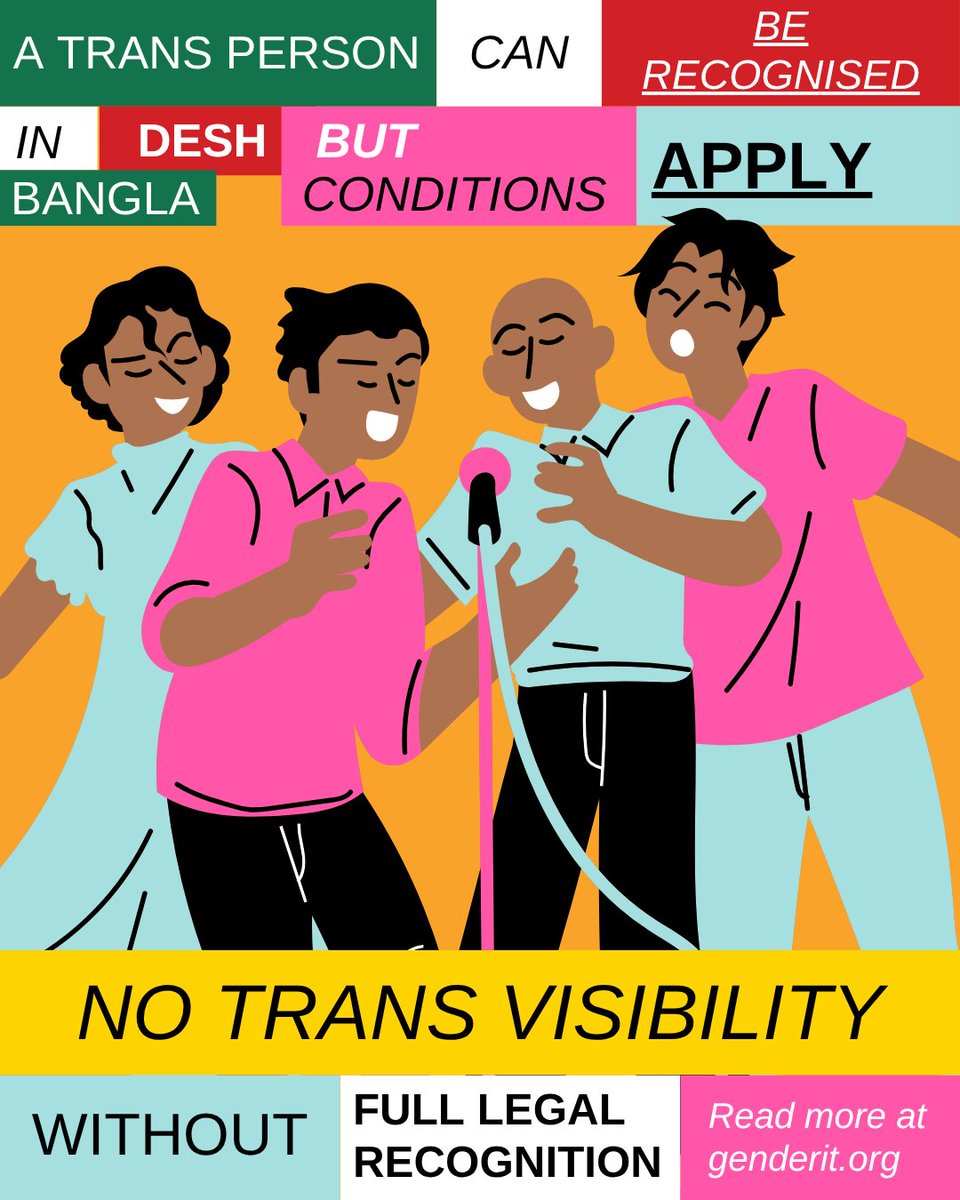
ALT A trans person can be recognised in Bangladesh, but conditions apply. No trans visibility without full legal recognition. Read more on GenderIT.org. There is an illustration of four individuals singing together in the centre of the image.
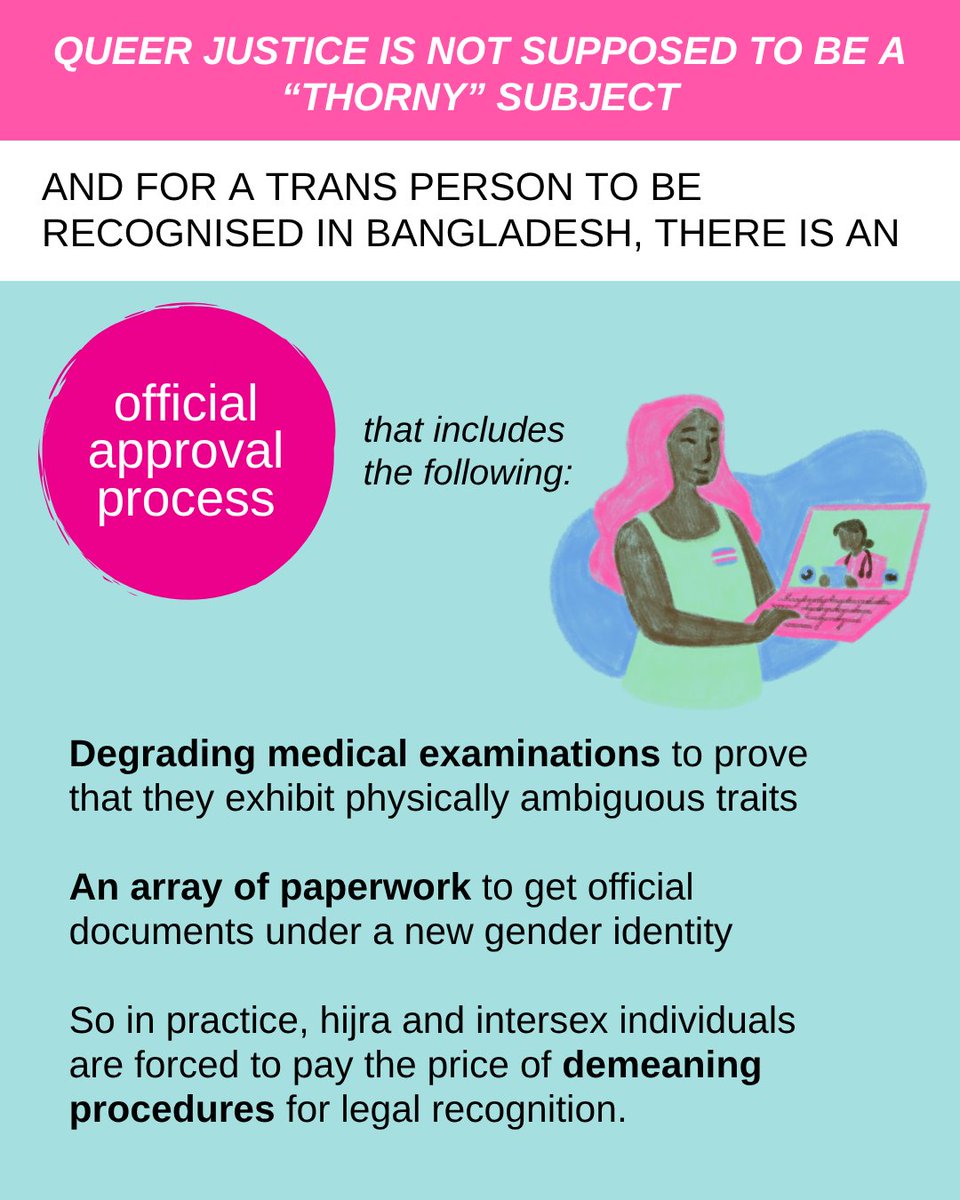
ALT Queer justice is not supposed to be a “thorny” subject and for a trans person to be recognised in Bangladesh, there is an official approval process that includes the following: Degrading medical examinations to prove that they exhibit physically ambiguous traits An array of paperwork to get official documents under a new gender identity So in practice, hijra and intersex individuals are forced to pay the price of demeaning procedures for legal recognition.
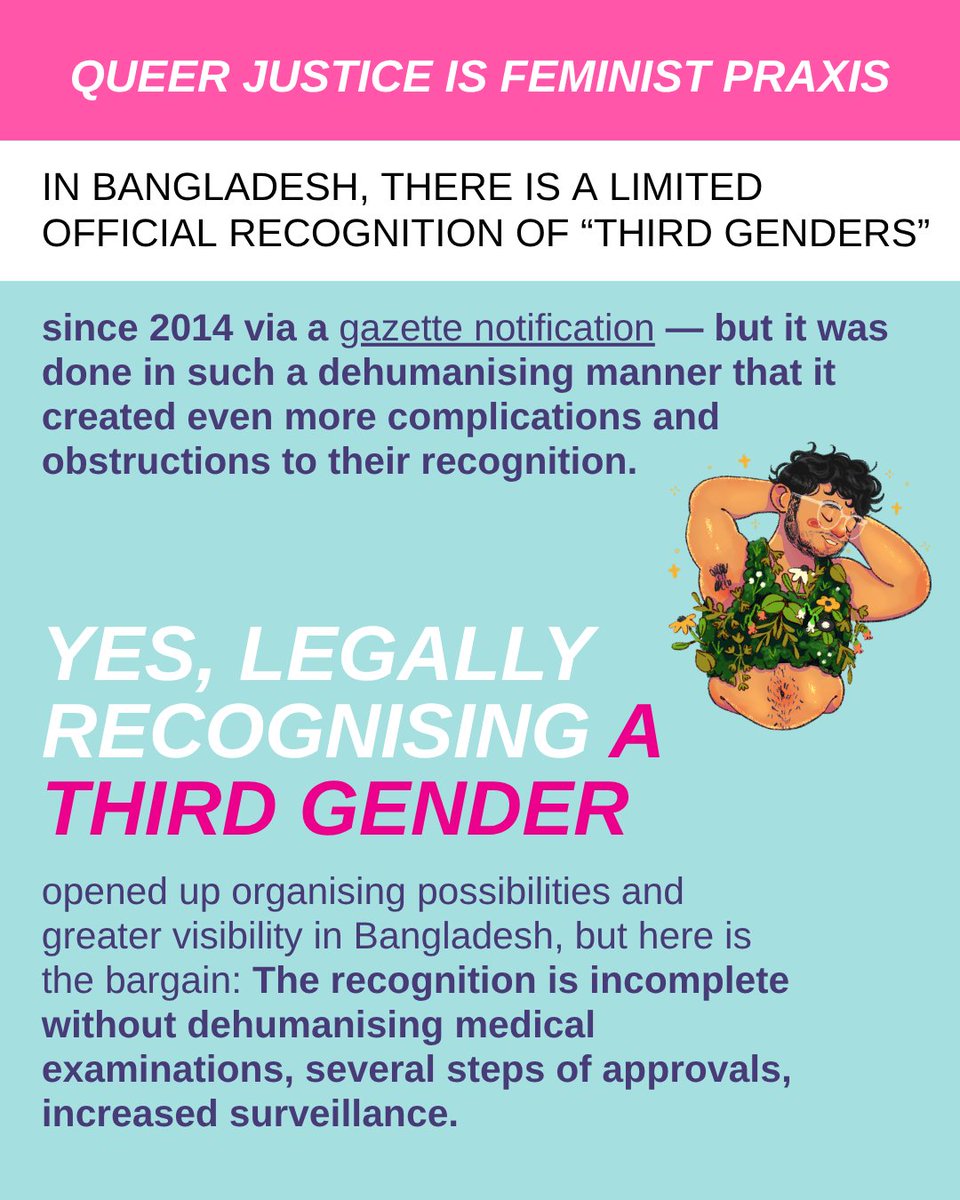
ALT Queer justice is feminist praxis. In Bangladesh, there is a limited official recognition of "third genders" since 2014 via a gazette notification — but it was done in such a dehumanising manner that it created even more complications and obstructions to their recognition. Yes, legally recognising a third gender opened up organising possibilities and greater visibility in Bangladesh, but here is the bargain: The recognition is incomplete without dehumanising medical examinations, several steps of approvals, increased surveillance.
ALT Trans liberation is collective liberation. In Bangladesh, however, all other genders and sexualities remain outside the purview of state recognition. And guess what? Mapping neat categories of gender and sex onto lived and fluid identities formed through desire, social subjectivities, historical and cultural contingencies, is a messy process, and never easy. Plus: when you add in the many other terms that come from different global and local contexts, such as historically specific and transgressive South Asian (including Bangladesh) gender identities and sexual practices, it further complicates the matter.
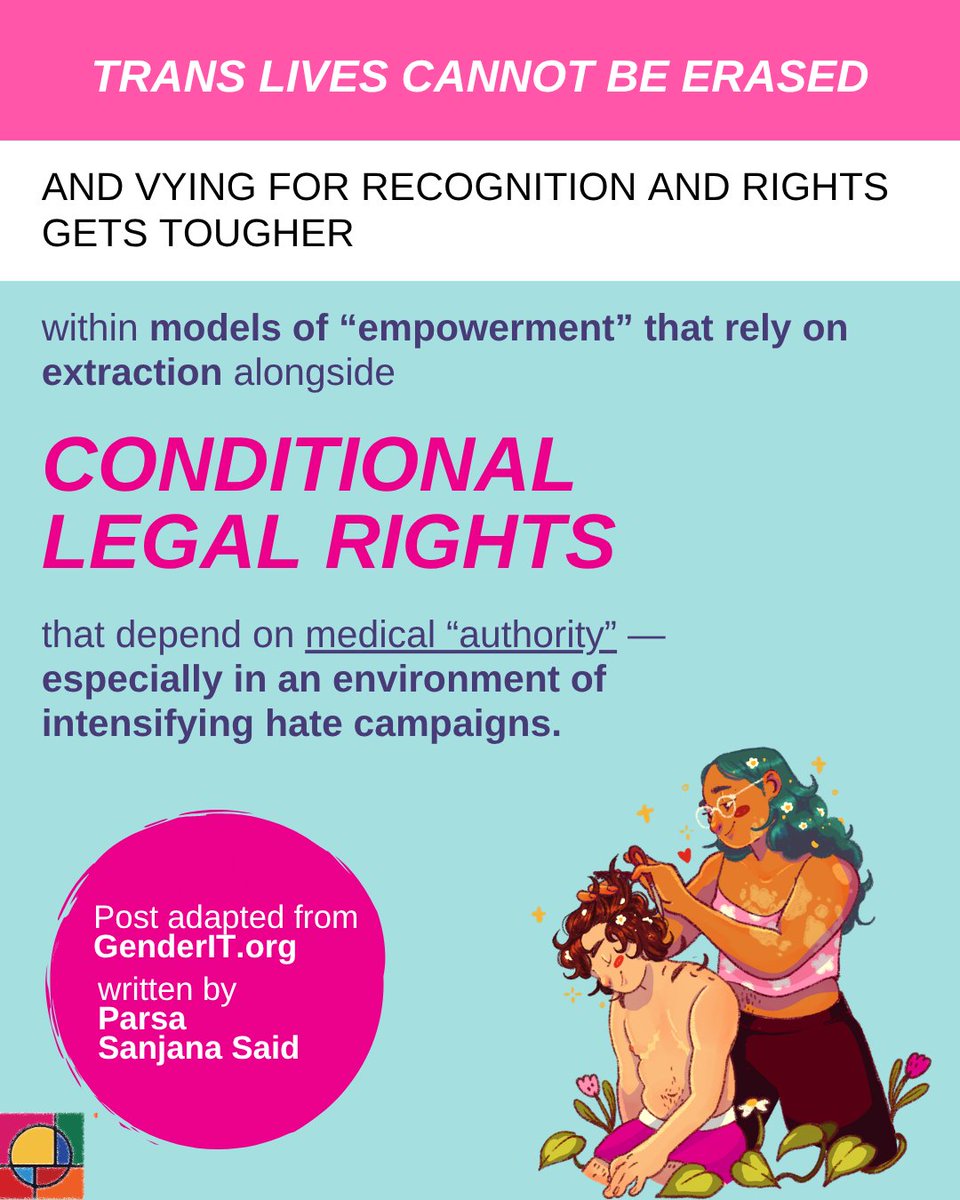
ALT Trans lives cannot be erased, and vying for recignition and rights gets tougher within models of "empowerment" that rely on extraction alongside conditional legal rights that depend on medical “authority” — especially in an environment of intensifying hate campaigns. Post adapted from GenderIT.org, written by Parsa Sanjana Said.
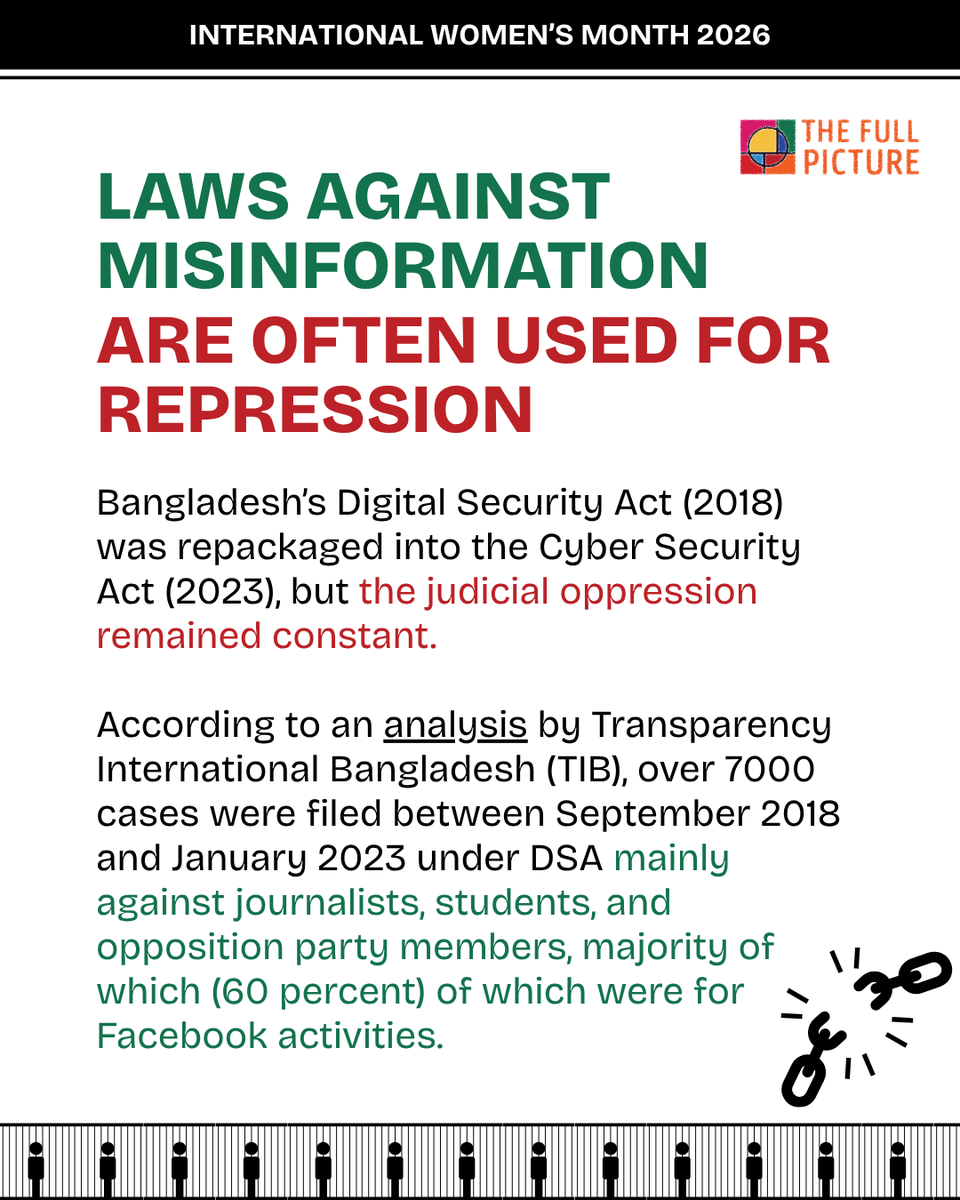
ALT Laws against misinformation are often used for repression. Bangladesh’s Digital Security Act (2018) was repackaged into the Cyber Security Act (2023), but the judicial oppression remained constant. According to an analysis by Transparency International Bangladesh (TIB), over 7000 cases were filed between September 2018 and January 2023 under DSA mainly against journalists, students, and opposition party members, majority of which (60 percent) of which were for Facebook activities.
ALT When a law is made for a universal subject it cannot really combat structural violence. To use a hypothetical situation – exposing a public official for corruption or criticising them online are not the same as leaking a former romantic partner’s photographs or blackmailing them, but legal instruments which do not account for power or public interest, can equate them.
ALT This shows up in the content that is criminalised... ...versus the misinformation and hate speech that circulates freely. Online backlash (including physical incitement) against trans communities in Bangladesh increased rapidly in recent times — at least a significant portion of which were documented, clearly orchestrated, sourced to specific accounts but never addressed.
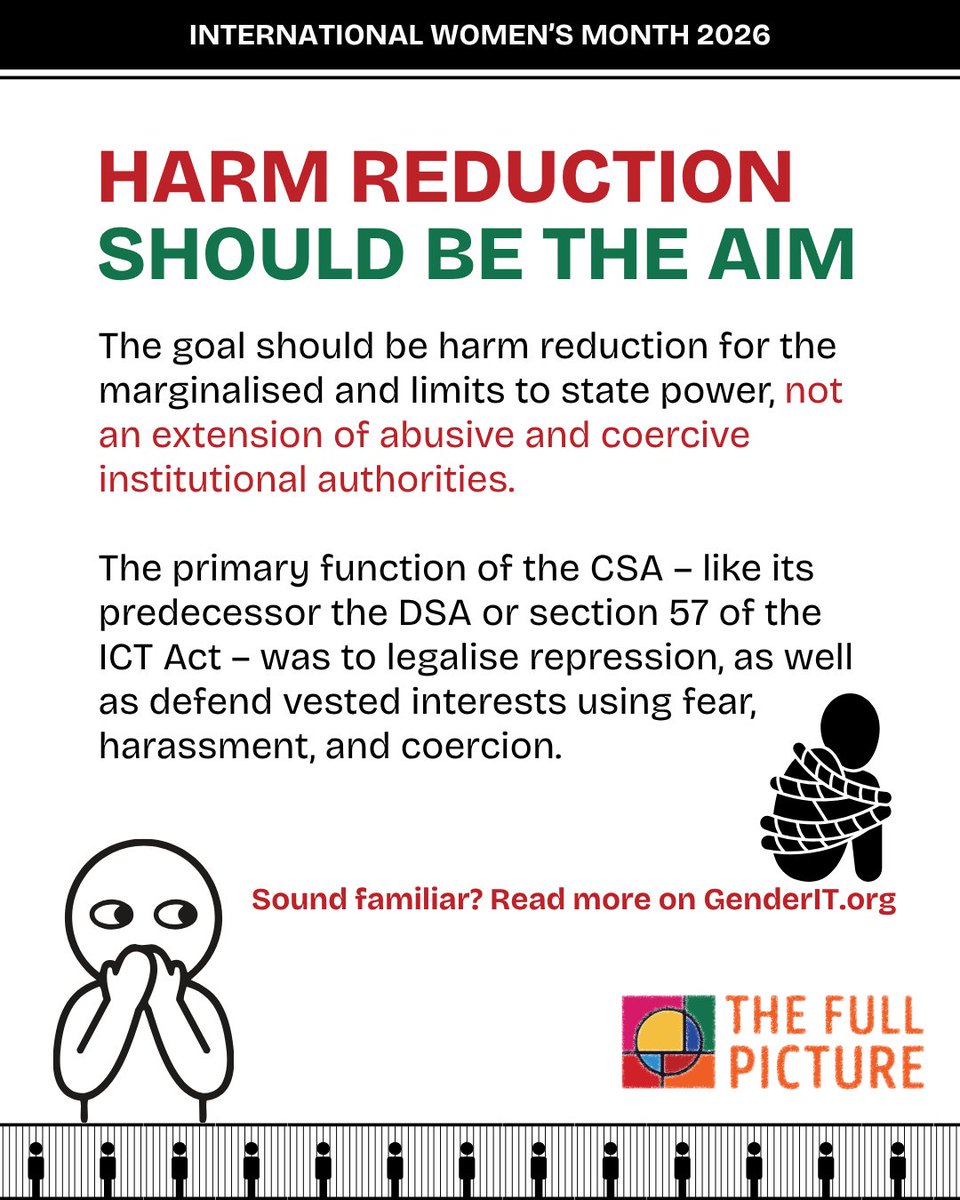
ALT Harm reduction should be the aim. The goal should be harm reduction for the marginalised and limits to state power, not an extension of abusive and coercive institutional authorities. The primary function of the CSA – like its predecessor the DSA or section 57 of the ICT Act – was to legalise repression, as well as defend vested interests using fear, harassment, and coercion. Sound familiar? Read more on GenderIT.org
ALT Community is everything. Safety nets were and continue to be a critical aspect of digital resistance, especially for structurally silenced groups, writes Maureen Kasuku.
ALT In Kenya, could the revolution be hashtagged? Women, queer activists and other historically marginalised, structurally silenced groups who are often excluded from mainstream political discourse used social media to push back against violence, challenge state hegemony, and shape public opinion. TikTok skits, Instagram stories and Twitter threads effectively mobilised support, disseminated political education and provided mutual aid.
ALT The digital can offer a space for many bodies. “Tonia*, a trans woman living in Nairobi, explained to me how the internet offered her a safety net that allowed her to still play a role in the movement. She said, “The internet really came through for me as I was able to participate in the protests remotely without having to go to the streets as it is dangerous for a trans woman like me to be seen outside,” writes Kasuku.
ALT Using the internet for liberation and solidarity is possible. This post was adapted from Ctrl Alt Resist: “Hashtagging” The Kenyan Revolution by Maureen Kasuku on GenderIT
ALT ugandan women have a long history of movement building and active civic participation.
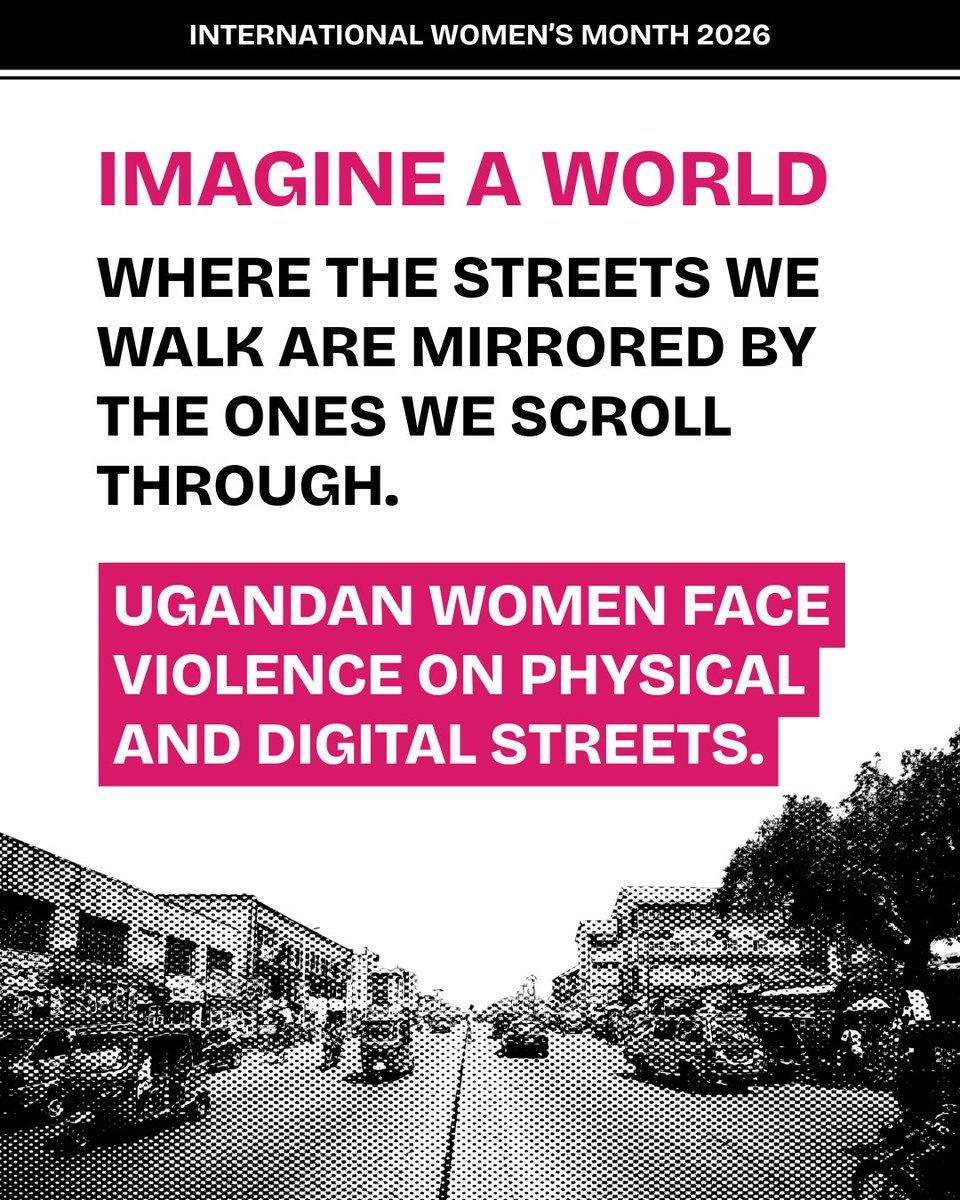
ALT imagine a world where the streets we walk are mirrored by the ones we scroll through. ugandan women face violence on physical and digital streets.
ALT but if there is violence, there is also resistance. Women Of Uganda Network (WOUGNET) created an online community where Ugandan women can express their concerns, share experiences, and unite in solidarity. By leveraging social media and online tools, Our Voices Our Futures (OVOF) enabled women to bypass censorship and raise their voices without the fear of physical retaliation.
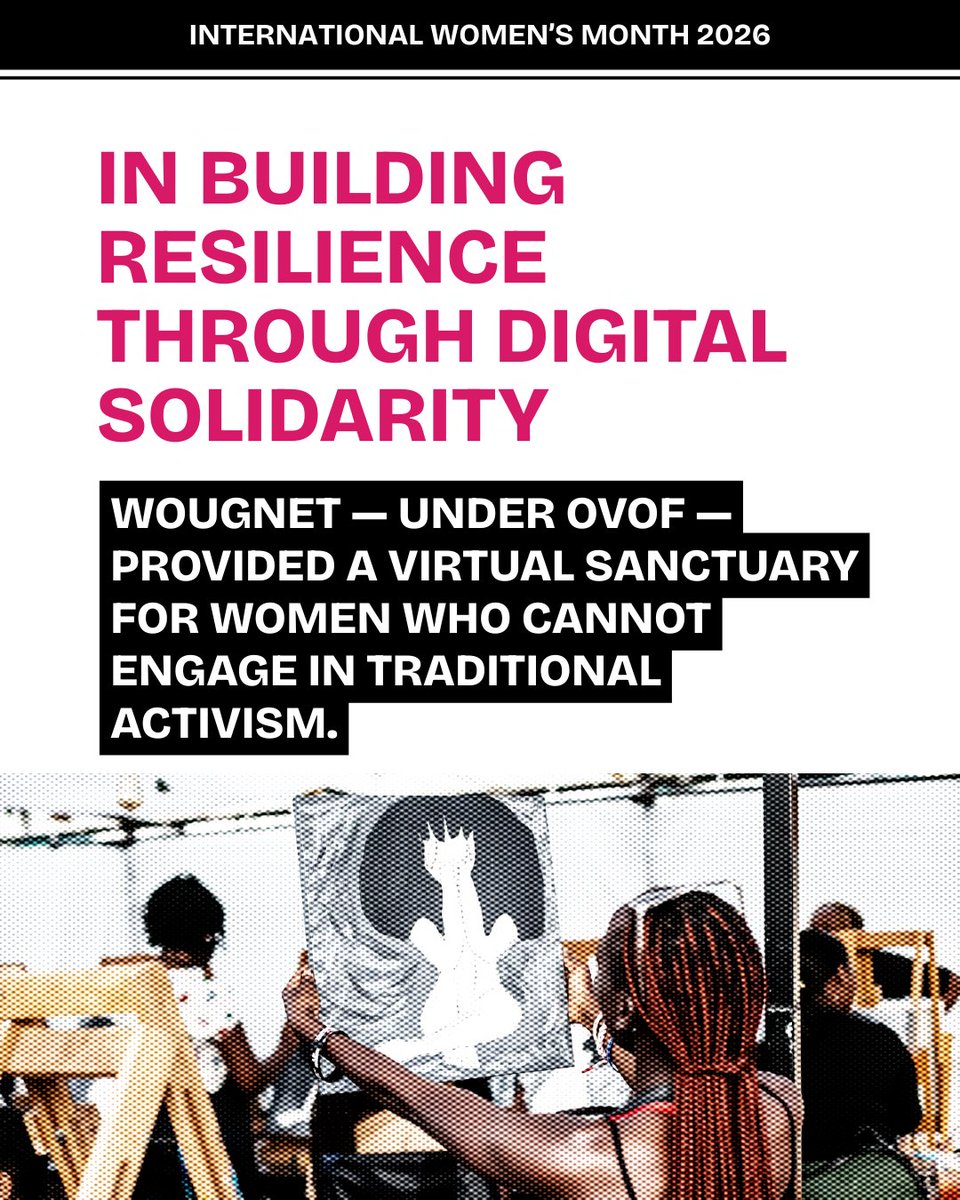
ALT In building resilience through digital solidarity WOUGNET — under ovof — provided a virtual sanctuary for women who cannot engage in traditional activism.
ALT unfortunately, progressive, and even feminist movements sometimes, have historically excluded women facing different kinds of structural violence.
ALT structural barriers systematically exclude marginalised groups from civic roles while creating even more violence.
ALT individual and collective action can transform trauma and abuse that result from structural barriers.
ALT this women’s month, read about: fierce resilient community-driven movement-building aimed at advancing gender justice.
ALT healing is made possible through the magic of community. we were never meant to do the work of healing on our own.