Research scientist contracted to NMFS studying population genomics in marine fishes of the North Pacific. I also like to surf, dive, bird, and admire trees.
Joined January 2015
- Tweets 602
- Following 536
- Followers 295
- Likes 8,168
49 Photos and videos











Pinned Tweet

23 Oct 2024
🚨 New Paper Alert!🚨
In the early stages of assessing genetic population structure in Pacific Sardine, we detected Japanese Sardine along the west coast of North America for the first time!
onlinelibrary.wiley.com/doi/…
@Wes_Larson1 @EllaAdams27 @NOAAFisheries @salkinstitute
1/n
3
6
19
2,500
4 Sep 2025
🚨New paper alert!🚨
onlinelibrary.wiley.com/doi/…
Out today in @EvolAppJournal, we use population genomics to show Pacific Sardine (Sardinops sagax) in the North Pacific are characterized by panmixia. @NOAAFisheries @WesLarson1 1/5
1
1
69
4 Sep 2025
individuals collected from Oregon, U.S. to the Gulf of California, M.X. Although we found evidence for genomic structural variation on several chromosomes (i.e., inversions), none of the putative inversions showed any evidence of geographic differentiation and our results 4/5
1
24
4 Sep 2025
support panmixia for Pacific Sardine in the North Pacific suggesting that multiple management units have been defined for a single biological population. 5/5
16
Gary Longo retweeted

3 Sep 2025
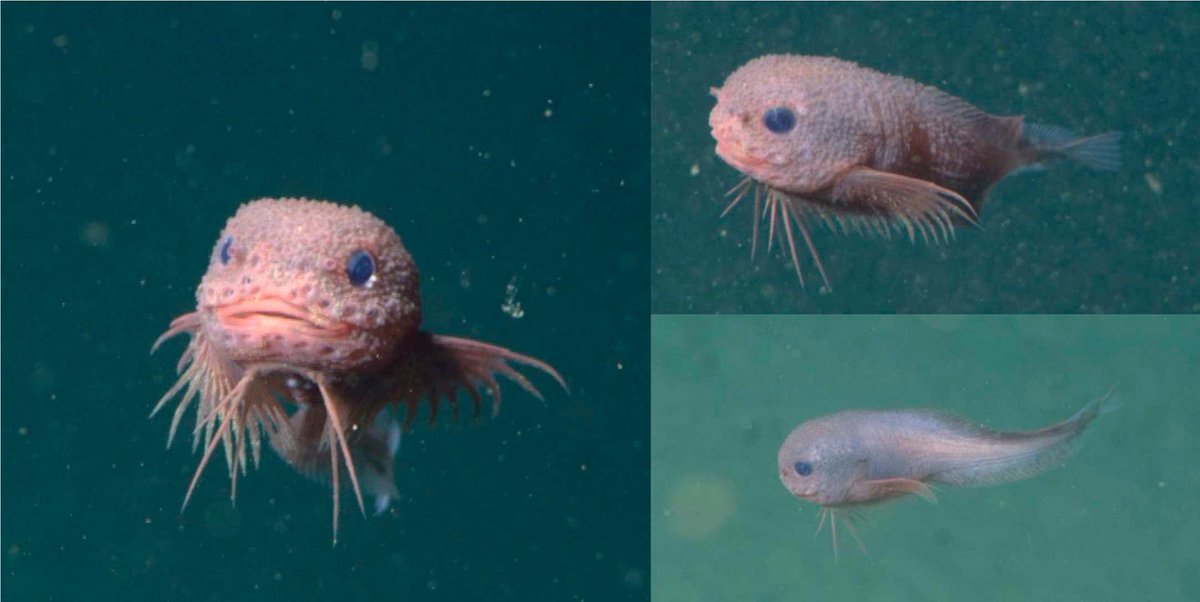
Who knew such cuteness was lurking in the eastern Pacific abyssal zone? This is the bumpy snailfish, Careproctus colliculi n. sp. described by Gerringer et al. in Ichs & Herps., sequences now in GenBank. doi.org/10.1643/i2024069
2
28
94
4,297
Gary Longo retweeted

28 Aug 2025
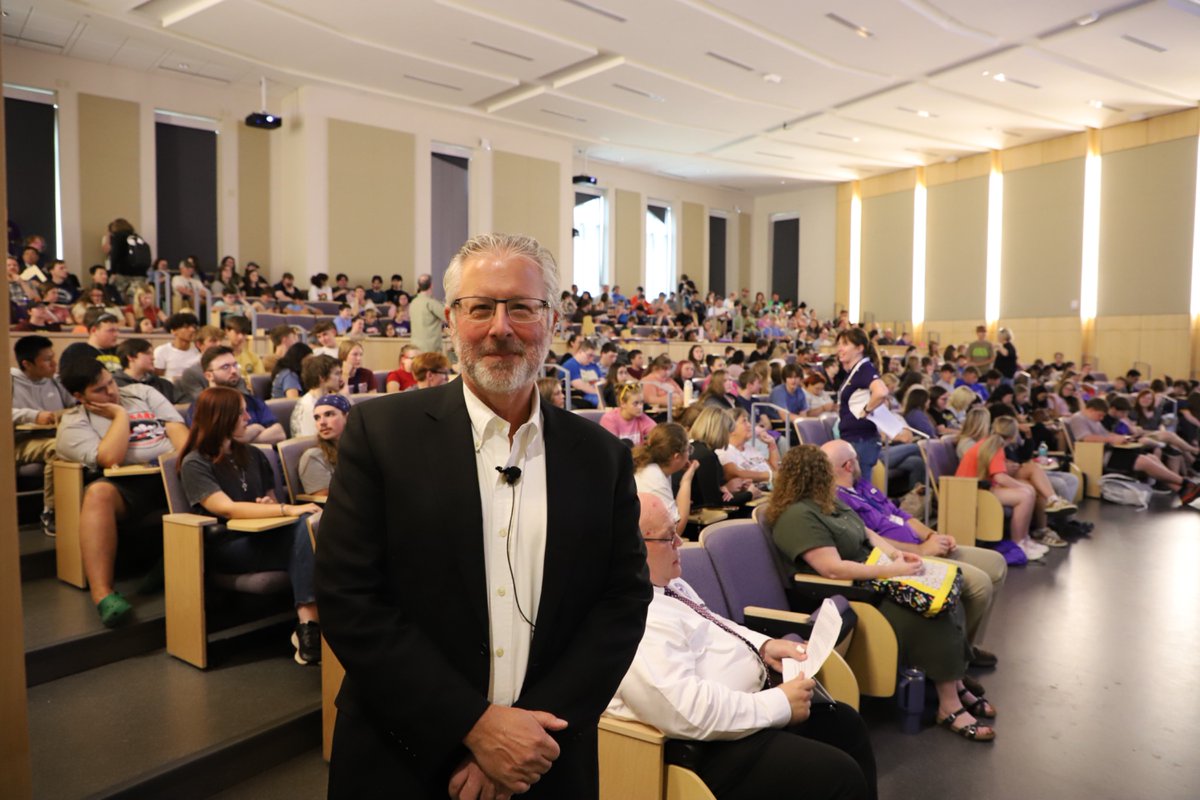
Celebrating the 100th anniversary of the Scopes trial telling students in central Tennessee about their inner fish. I’m so grateful to the high school and middle school teachers who brought their students from small schools to the event (some from almost an hr away).
3
13
122
5,597
Gary Longo retweeted

26 Aug 2025
NOAA's Deep-CRES project, funded by @noaacoastalsci, is uncovering the secrets of NMS of American Samoa's mesophotic coral ecosystems while inspiring the next generation.
Learn more: sanctuaries.noaa.gov/news/20…
📸: Brian Greene; Carlos Alberto Tramonte; and Isabel Halatuituia/NOAA
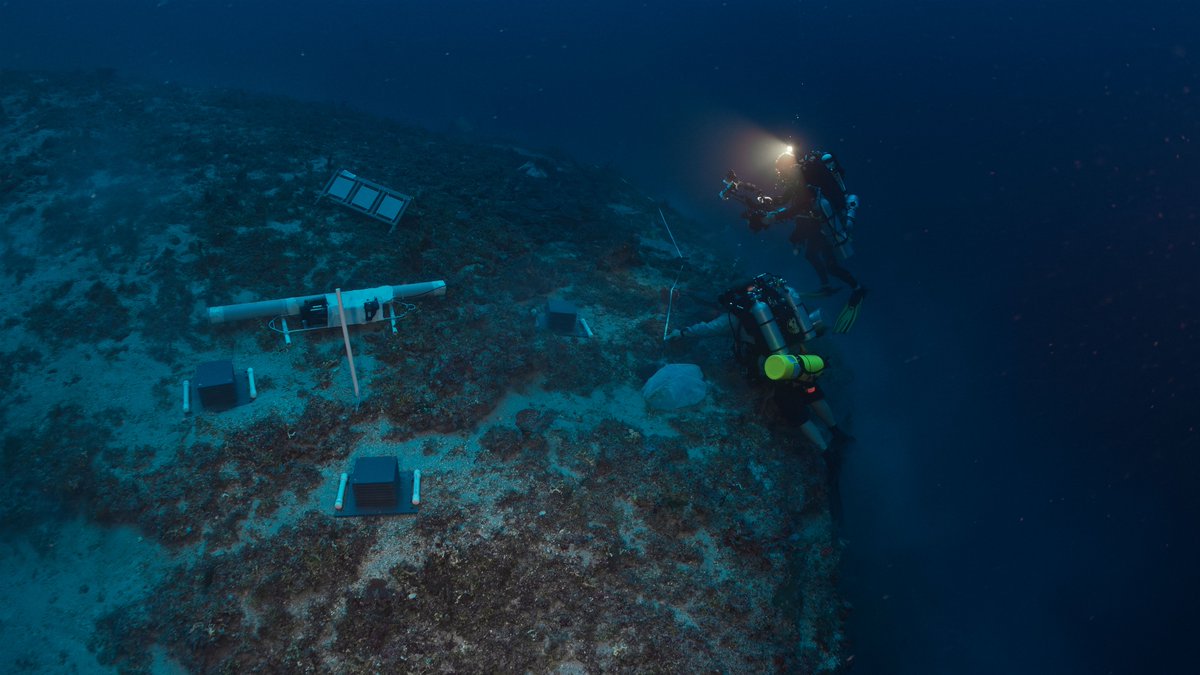
ALT Two technical divers equipped with cameras and lights explore a mesophotic reef slope in dark waters in Fagatele Bay, American Samoa. Several scientific instruments are deployed on the seafloor.
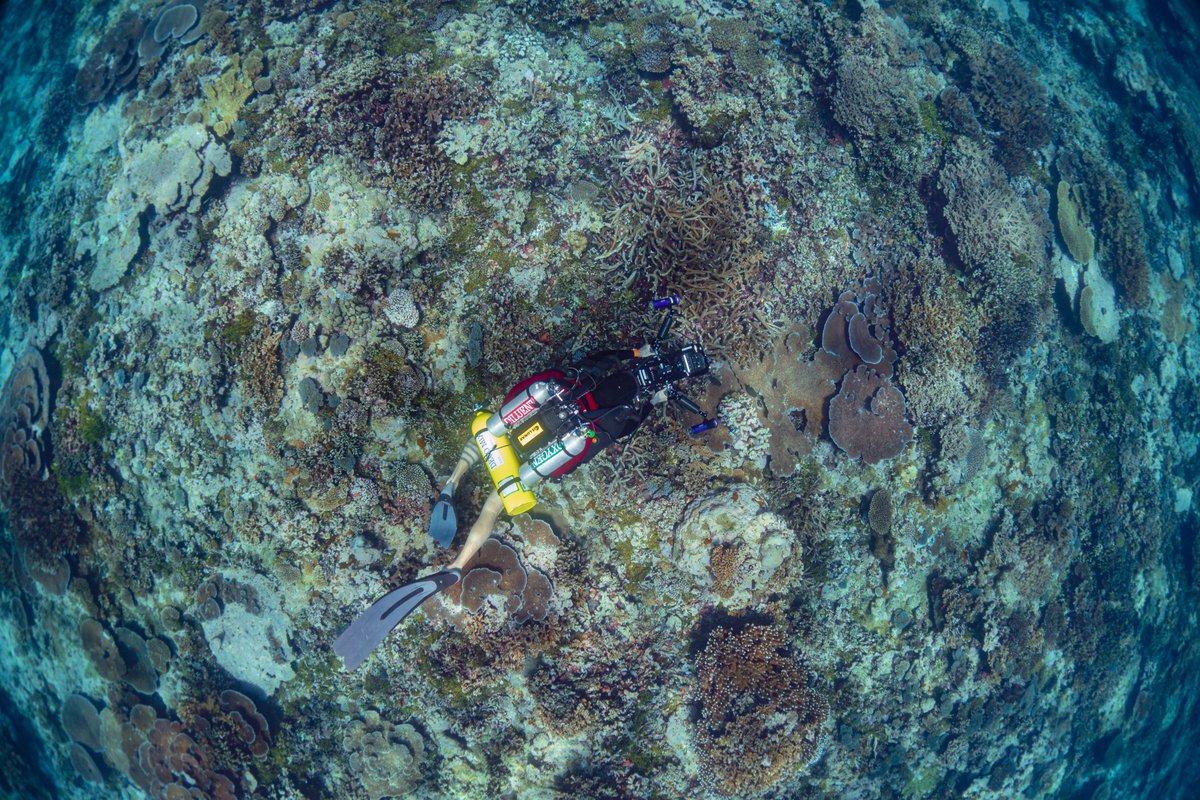
ALT A scientist wearing technical rebreather diving gear, holds a large underwater camera with lights, and hovers over a vibrant coral reef, with the dark blue ocean stretching into the background.
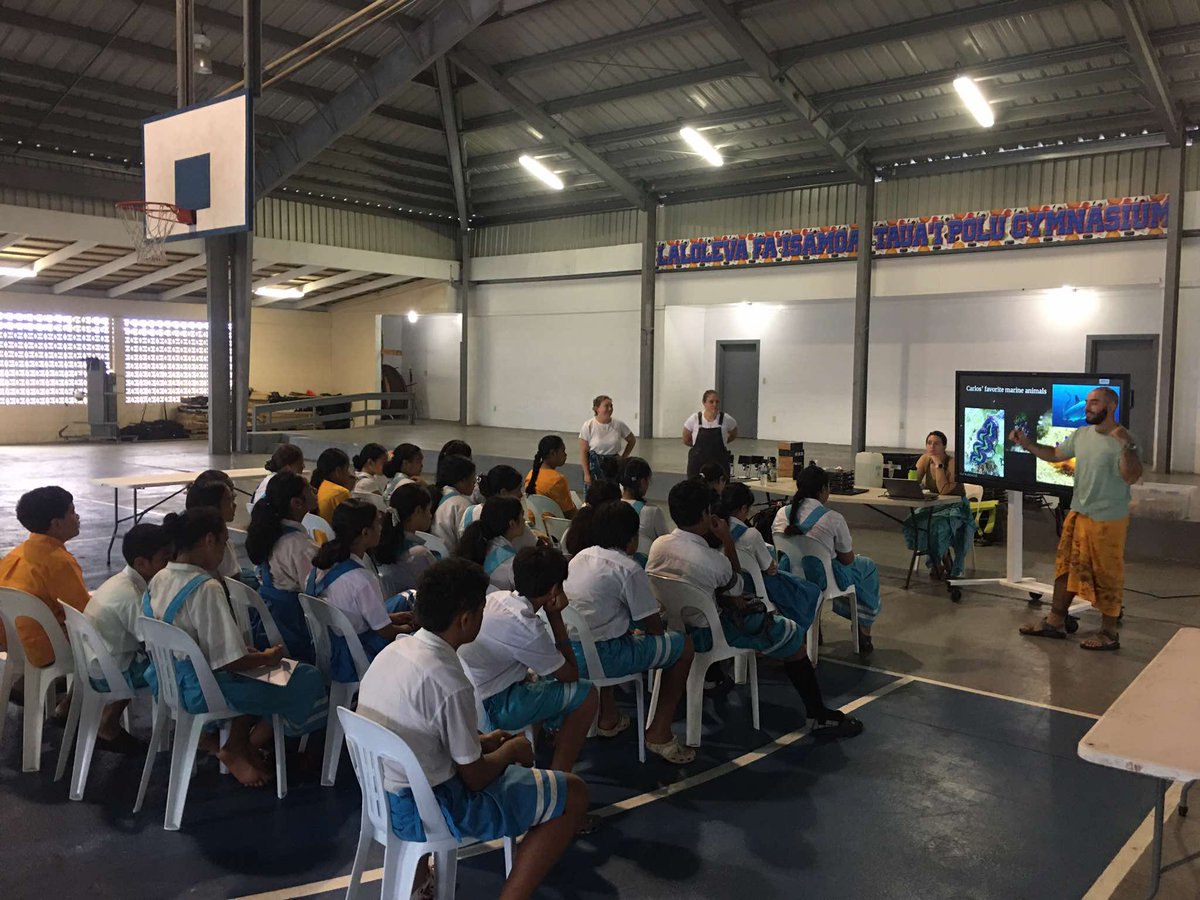
ALT A group of students sits on chairs in a gymnasium, attentively listening to a marine science presentation delivered by educators at the front.
2
5
11
693
Gary Longo retweeted

14 Aug 2025
📢New paper out in @molecology !📢
We provide evidence of cryptic/incipient speciation in the Black Surfperch occurring on coastal islands. Popgen and phylogenomic methods show 5 distinct groups and evidence of reproductive barriers.
onlinelibrary.wiley.com/doi/…
6
11
697
Gary Longo retweeted

Scripps Oceanography's Ben @Frable joins the Batiquitos Lagoon Foundation to share more about the fascinating deep-sea specimens known as #oarfish, and why they're washing up on California beaches.
📅 July 19
🕙 10 AM
📍 Batiquitos Lagoon Nature Center
sandiegouniontribune.com/202…
4
3
1,055
15 Mar 2025
If you want to hear about how discovered Japanese Sardine in the Eastern Pacific check out this podcast from NOAA Fisheries! And read more about it in our paper in @molecology here doi.org/10.1111/mec.17561
13 Mar 2025

On our latest podcast, we hear from the scientist who discovered Japanese sardines off the coast of California, thousands of miles from their normal range. How did they get here? What does it mean for native sardines? Are they staying? Tune in to find out: apple.co/3FmHMWL
3
3
721
Gary Longo retweeted

20 Nov 2024
New paper I helped out with!
20 Nov 2024

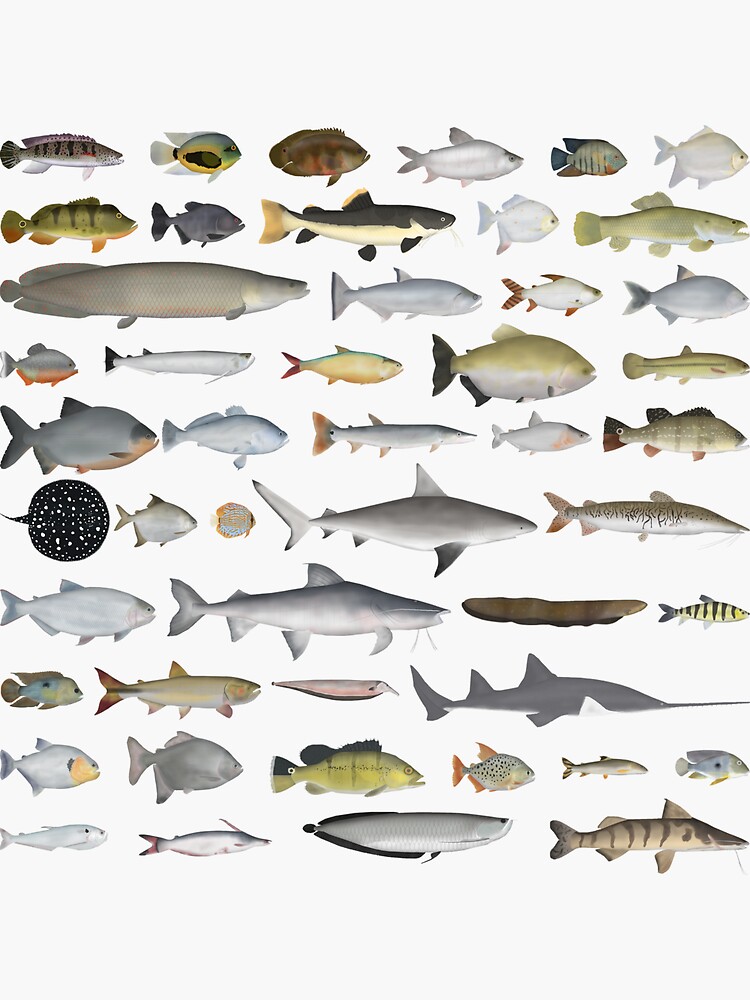
New paper alert: A time-calibrated phylogeny of Neotropical freshwater fishes, the most diverse continental fauna on Earth.
Built from a supermatrix of 51 genomic markers for 3,167 species, the most species-rich phylogeny of this fauna to date.
frontiersin.org/journals/bio…
3
32
1,617
Gary Longo retweeted

5 Nov 2024
“Our salmon are coming home. Klamath Basin tribes fought for decades to make this day a reality because our future generations deserve to inherit a healthier river from the headwaters to the sea.” - Yurok Joseph L. James, @WildlifeMag
discoverwildlife.com/animal-…
16
267
1,064
33,010

4 Nov 2024
Some more cool press for our paper describing the detection of Japanese Sardine in the California Current in the Eastern Pacific! doi.org/10.1111/mec.17561
Researchers: Sardine species from near Japan found off US West Coast | NHK WORLD-JAPAN News nhk.or.jp/nhkworld/en/news/2…
4
122
23 Oct 2024
🚨 New Paper Alert!🚨
In the early stages of assessing genetic population structure in Pacific Sardine, we detected Japanese Sardine along the west coast of North America for the first time!
onlinelibrary.wiley.com/doi/…
@Wes_Larson1 @EllaAdams27 @NOAAFisheries @salkinstitute
1/n
3
6
19
2,500

Really cool story here on sardine genomics which uncovered an unexpected Japanese species in the mix of the California sardine population made possible by a new chromosome level genome and low coverage pop genetics !
23 Oct 2024

🚨 New Paper Alert!🚨
In the early stages of assessing genetic population structure in Pacific Sardine, we detected Japanese Sardine along the west coast of North America for the first time!
onlinelibrary.wiley.com/doi/…
@Wes_Larson1 @EllaAdams27 @NOAAFisheries @salkinstitute
1/n
2
5
704
23 Oct 2024
Read the open access article in @molecology and check out the write up in the @seattletimes !
seattletimes.com/seattle-new…
1
2
3
730