Gavi, the Vaccine Alliance, helps vaccinate half the world’s children against deadly and debilitating diseases. French posts @gavi_fr #ForOurFuture
Joined December 2009
- Tweets 43,642
- Following 2,017
- Followers 199,942
- Likes 18,164
9,472 Photos and videos
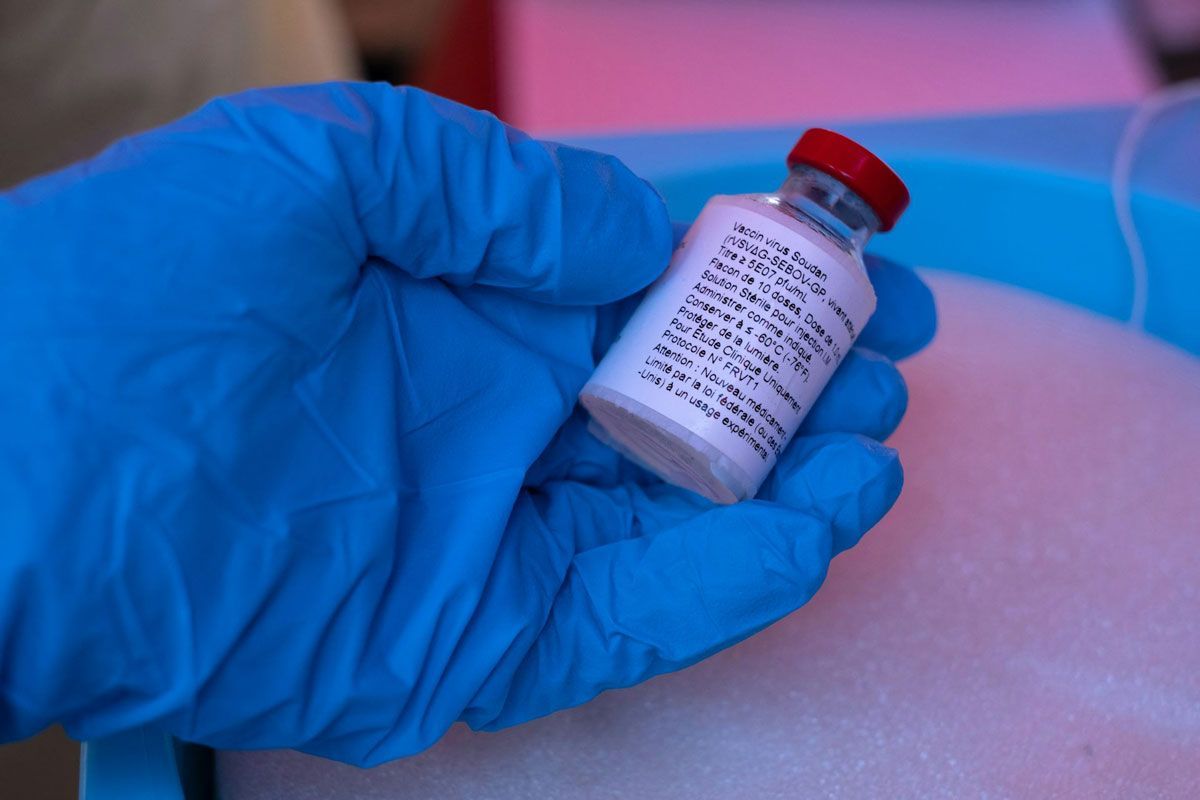
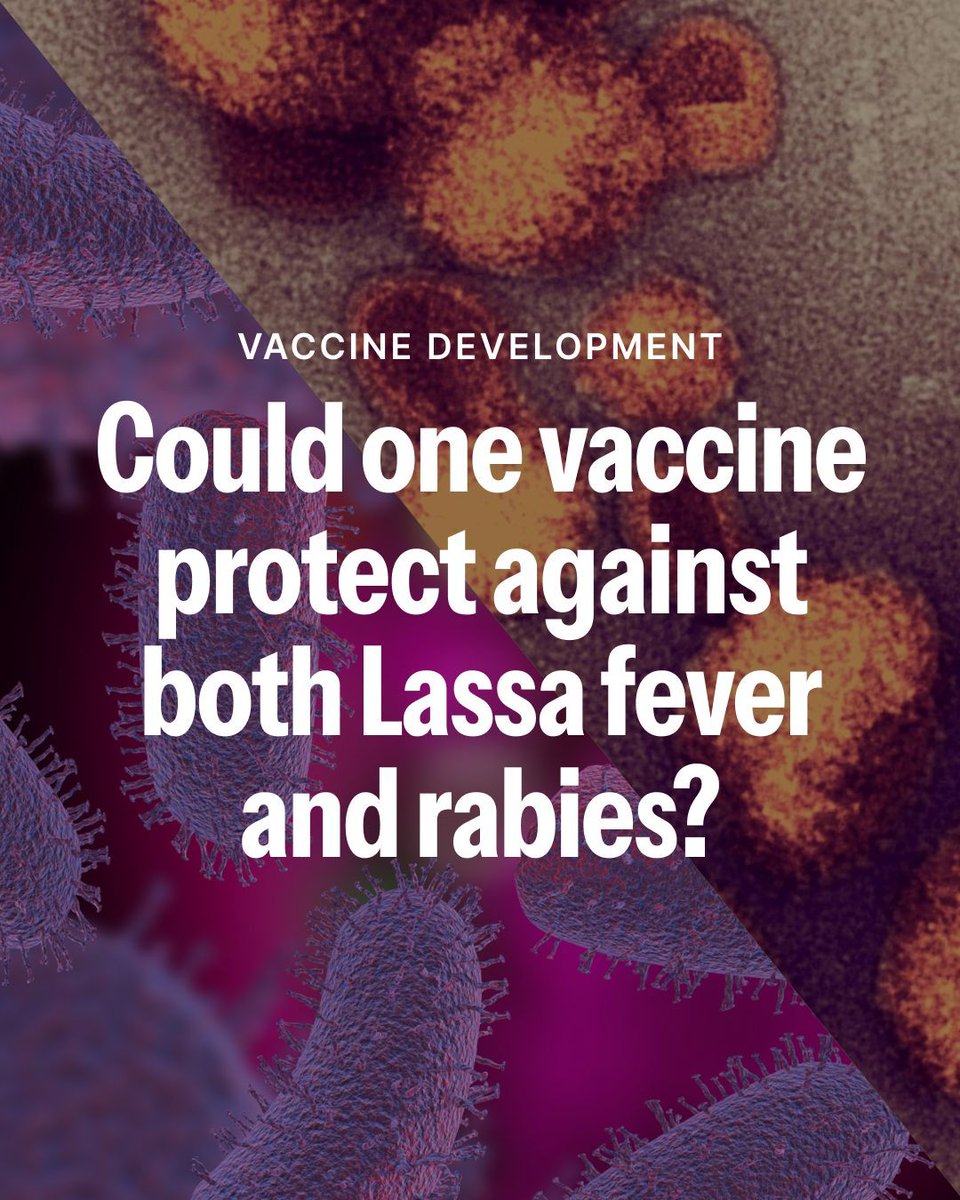
Could one vaccine protect against both Lassa fever and rabies? An experimental vaccine against Lassa virus and rabies has shown promise in its first human trial.
The story: bit.ly/4gbSM9P
2
3
132
New TB vaccines are on the horizon. In Zambia, scientists are already figuring out how best to deploy it. Here’s what you need to know: bit.ly/4vzxCXG
6
11
430
"It seemed to prove that the messenger mattered quite as much as the message."
In Chiredzi, Zimbabwe, women lined up by the hundreds for life-saving cervical cancer screenings thanks to a joint campaign by the country's largest sugar producer and the Ministry of Health.
Here’s how the initiative is helping overcome barriers to preventative healthcare: bit.ly/4ohCXk2
1
4
5
313

Jun 13
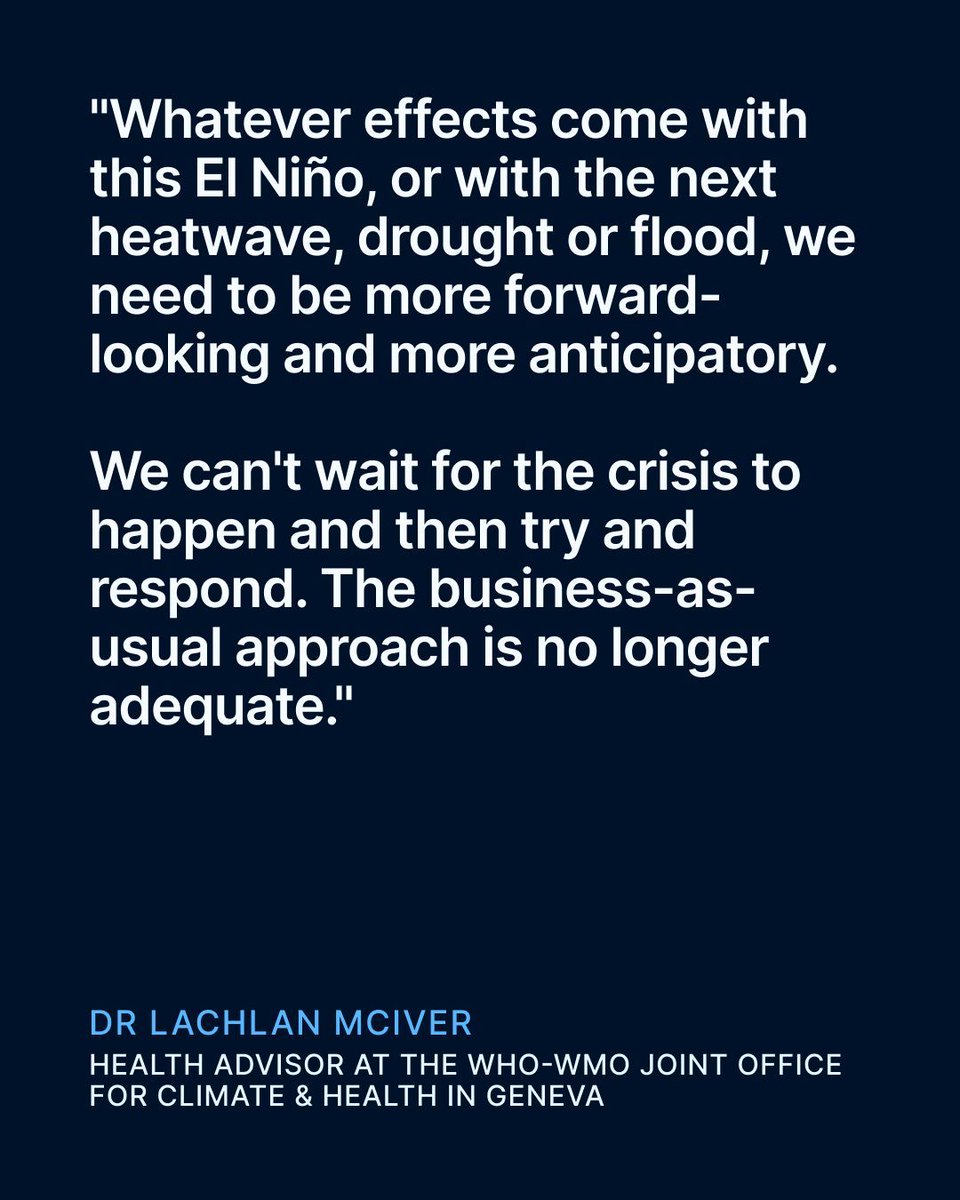
What does El Niño have to do with infectious diseases? A lot.
From flooding that accelerates malaria to droughts that trigger cholera, extreme weather creates the perfect conditions for outbreaks.
Here’s how experts are getting ahead of the threat: bit.ly/3SswAOP
1
5
9
318
Jun 12
Most children receive vaccines weeks or months later than recommended, especially in low- and middle-income countries.
A child who receives a vaccine late is still better protected than a child who never receives it. Yet even a delay of a few weeks can leave them vulnerable during periods when the risk of serious disease is highest.
Here's the latest evidence on why vaccine timing matters: bit.ly/4vFJwzt
1
6
6
450
Jun 12
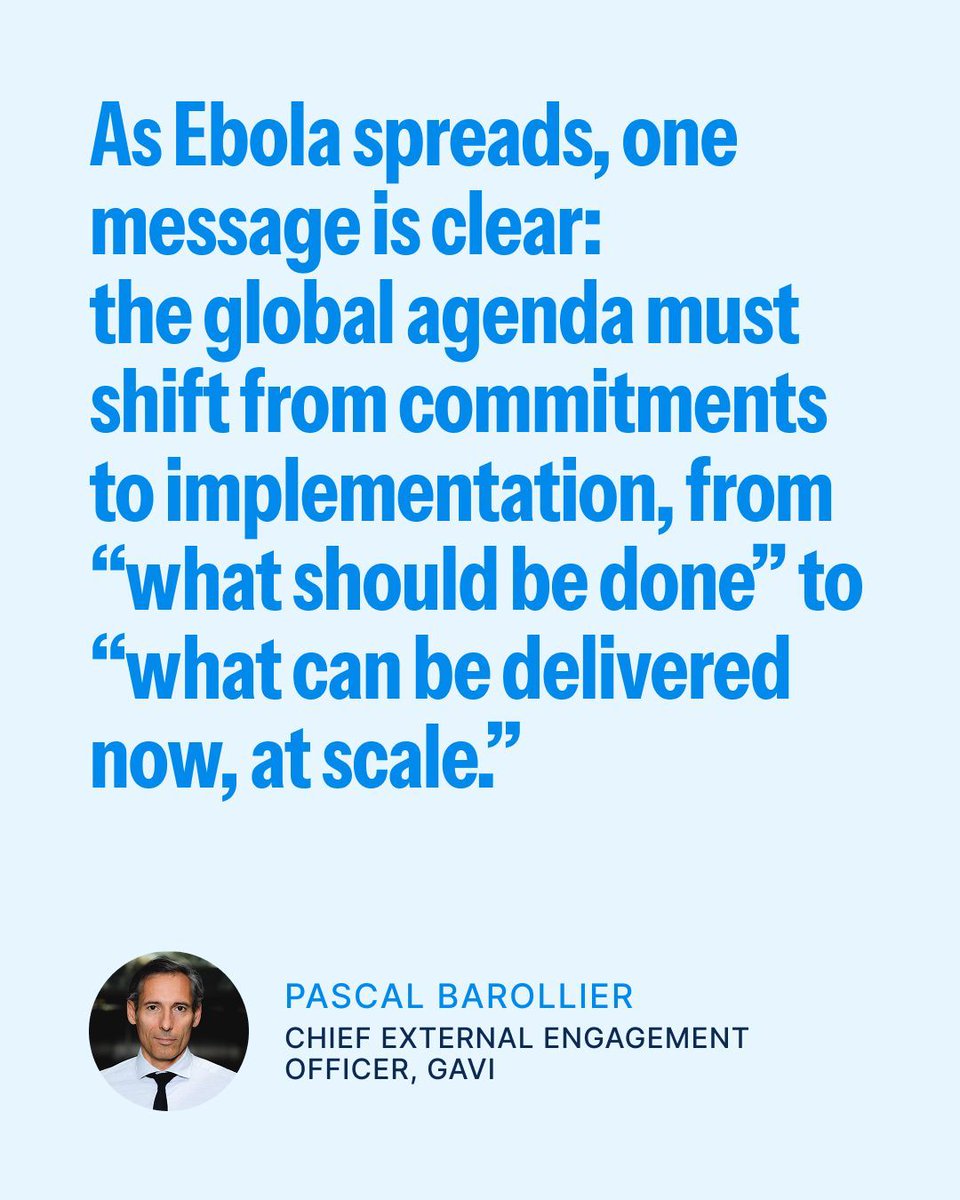
With an active Bundibugyo Ebola outbreak in the DRC and Uganda, researchers are working rapidly to move new vaccine candidates into trials.
Here’s why existing Ebola vaccines aren’t approved to fight the current Bundibugyo outbreak, and the complex scientific and economic race to build a new one: bit.ly/3SxOeAM via @ConversationUK
1
5
9
453
Jun 12
Researchers at the University of Cambridge have successfully used AI to scan sarbecoviruses (the viral family including SARS and COVID), looking for shared genetic features that evolution has left largely untouched.
Those shared features became the basis of a new vaccine candidate currently in testing, designed to work against the whole viral family rather than just a single strain.
The full science explainer: bit.ly/4alXIVS via @ConversationUK
1
1
1
371
Jun 12
Reaching unimmunised children in hard-to-access areas is a constant challenge for health workers, especially in countries with constrained resources.
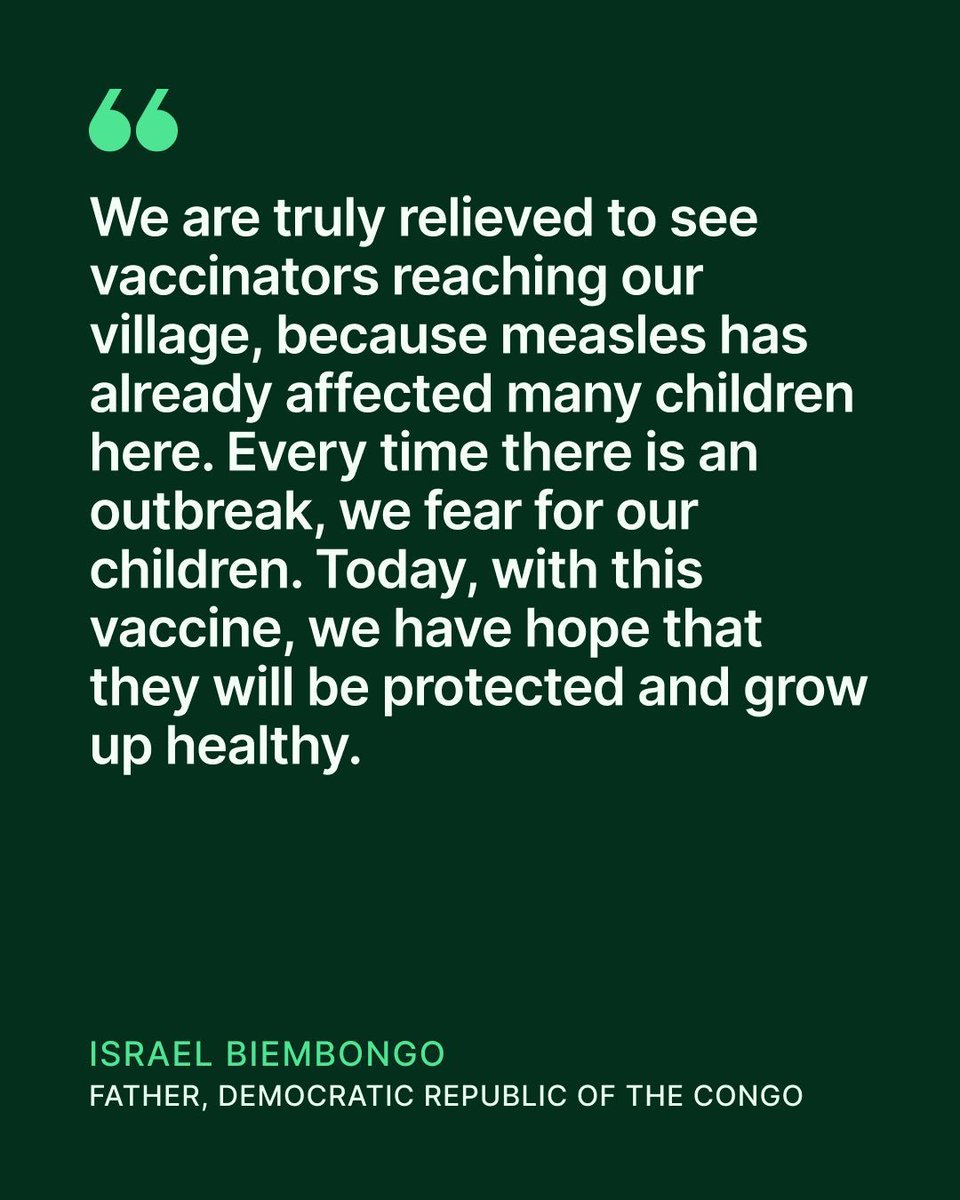
In the DRC, community health workers are mapping remote villages and traveling long distances to ensure zero-dose children are no longer left behind. And for parents on the ground, the arrival of these routine mobile clinics brings immense relief in the face of preventable outbreaks like measles.
The full story, on our VaccinesWork platform: bit.ly/4ei2vJl
1
4
247
Jun 11
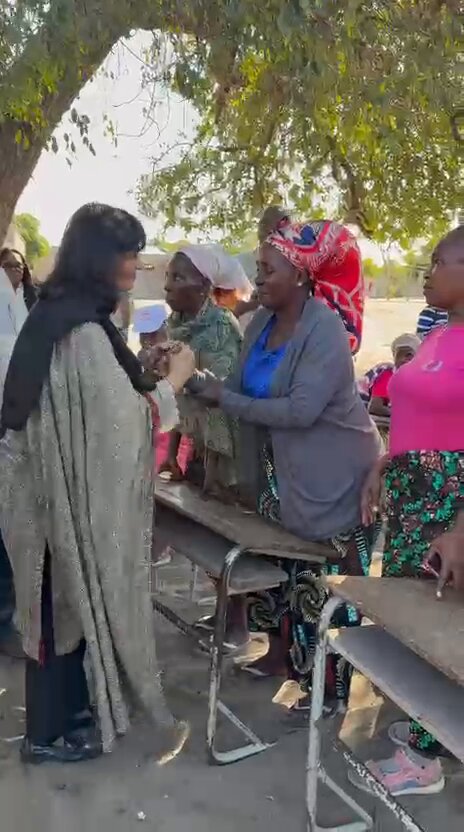
Inspiring to meet with community leaders and elders to thank them for championing immunisation. Their trusted voices are key to overcoming misinformation and strengthening confidence in vaccines.
1
1
3
516
Jun 11
Is there a vaccine for Ebola? The answer is yes... and no.
Ebola isn’t just a single virus, and the latest Bundibugyo outbreak is spreading without an approved vaccine or treatment.
Let's break down the current state of Ebola vaccines, and what scientists are doing to help close the gap. ( read more here: gavi.org/vaccineswork/market…)
11
4
13
2,898
Jun 11
Outbreaks are rarely contained by vaccines alone. Here’s how communication, community engagement and trust all shape the impact vaccines can have: bit.ly/4oemtZQ via @ConversationUK
1
1
5
275
Jun 11
The Bundibugyo outbreak currently spreading in DRC is hugely concerning. That’s why @Gavi and @CEPIvaccines have teamed up on a new strategy that will help buy ‘speed, capacity and access’ for a future vaccine. The full story: bit.ly/4g1nWRe
1
2
2
581
Jun 11
In parts of West Africa, Lassa fever and rabies frequently threaten the same communities. In areas with limited healthcare access, every separate vaccine injection is a challenge to deliver.
A new combination vaccine candidate for rabies and Lassa fever aims to solve that problem by bundling protection into a single vaccine. If approved, it would be a big step towards streamlining delivery and protecting vulnerable communities against two deadly viral threats at once.
Early results from the first human trials show promising safety profiles and immune responses. The latest: bit.ly/4gbSM9P
5
6
298
Gavi, the Vaccine Alliance retweeted

Jun 10
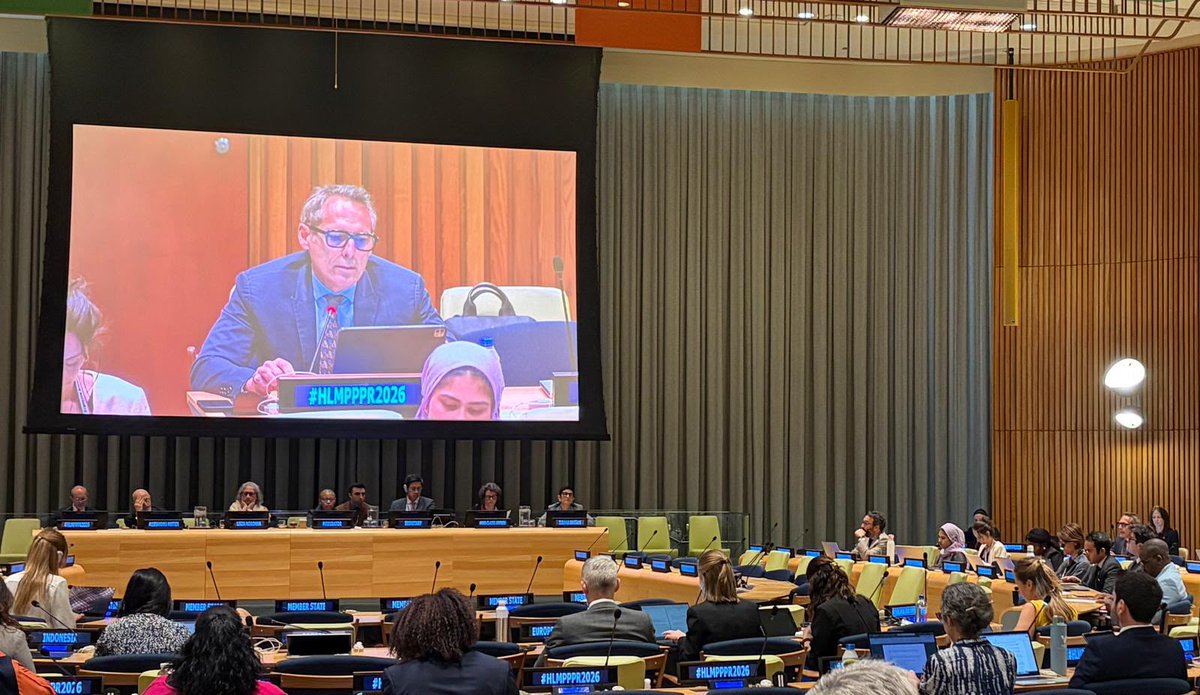
“Pandemic preparedness must be considered as a true global public good.” At the United Nations consultation on pandemic preparedness, Gavi’s Pascal Barollier outlined five key priorities to strengthen the world's ability to respond to future pandemics. Our response should be rapid, equitable and proactive: bit.ly/4g5ycrx
1
2
29
1,502
Jun 10
New vaccines to protect against tuberculosis are finally on the horizon, with leading candidates currently in Phase III testing to offer broader protection for adults and adolescents.
But a vaccine only works if it reaches people. That’s why the INTRO-TB-VAX study is already live in Zambia, Nigeria, and Indonesia, gathering data to determine the best, fastest way to disseminate the vaccine the moment it achieves approval.
Here’s how experts are moving from reactive planning to proactive readiness: bit.ly/4vzxCXG
1
9
13
1,000
Jun 10
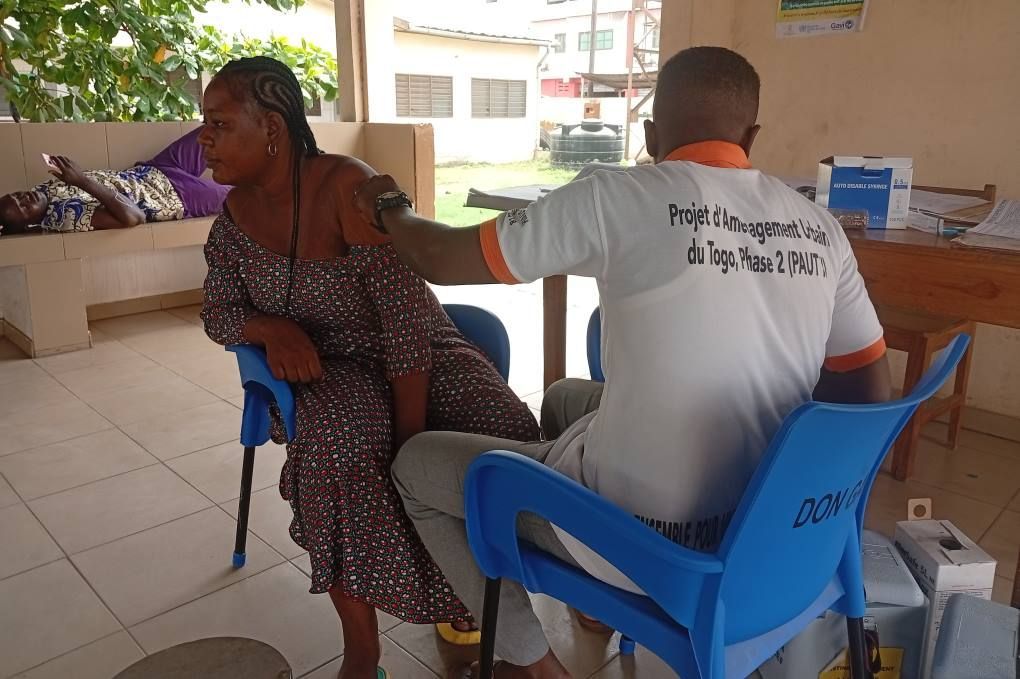
In Togo, maternal immunisation is built directly into antenatal care. But health workers are noticing a pattern: when a mother faces barriers to her own care during pregnancy, her child is far more likely to miss out on routine vaccines later.
Here’s how health systems are trying to close the immunity gap: bit.ly/4xgUPiU
1
3
7
340
Jun 10
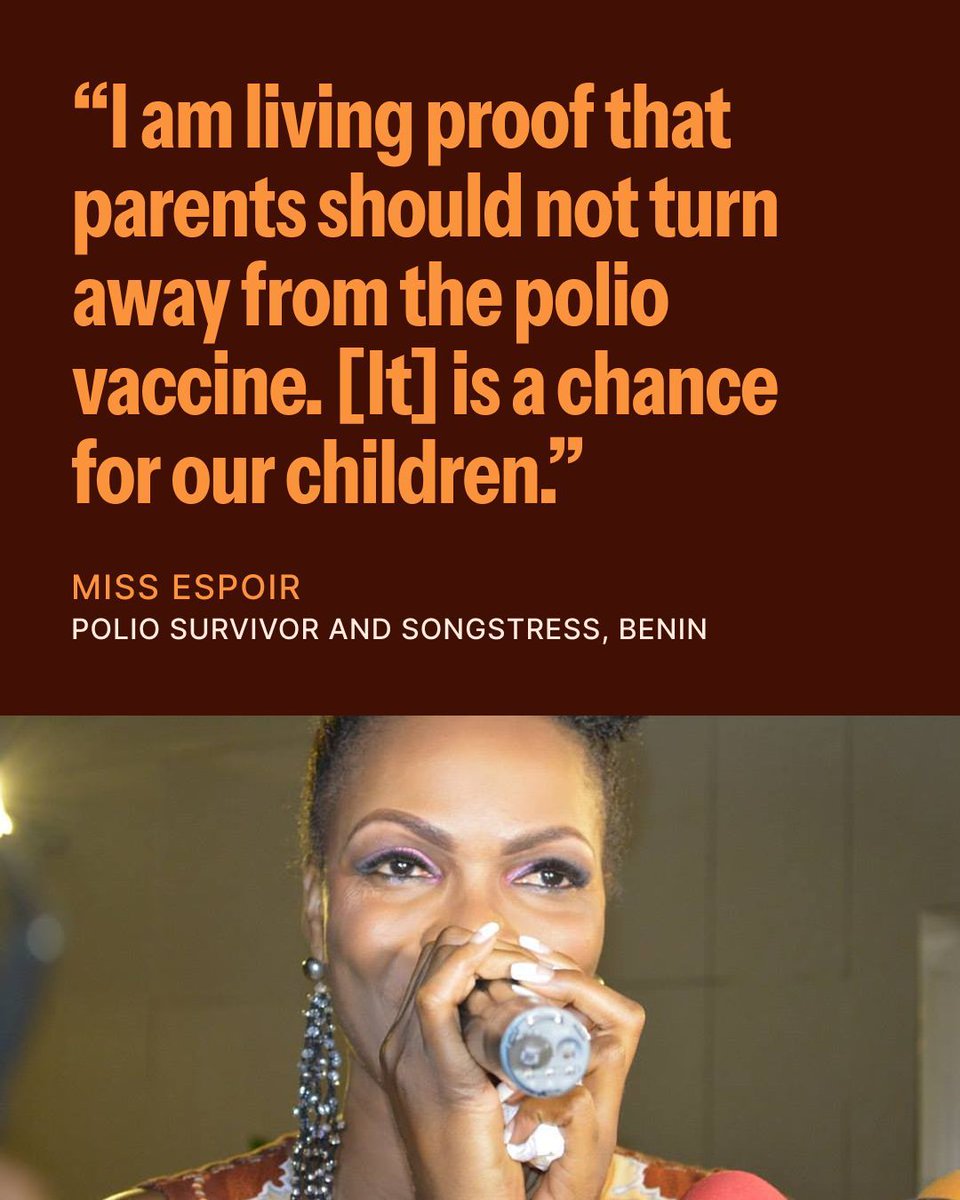
Beninese pop star Miss Espoir knows exactly what polio can do. She’s lived with its effects since childhood.
Now a well-known musician in Benin, she uses her voice to remind parents that polio is still a real, but preventable, threat.
Here’s how she’s using her own story of surviving polio to answer questions and build trust with families: bit.ly/4vAJQPN
3
5
312
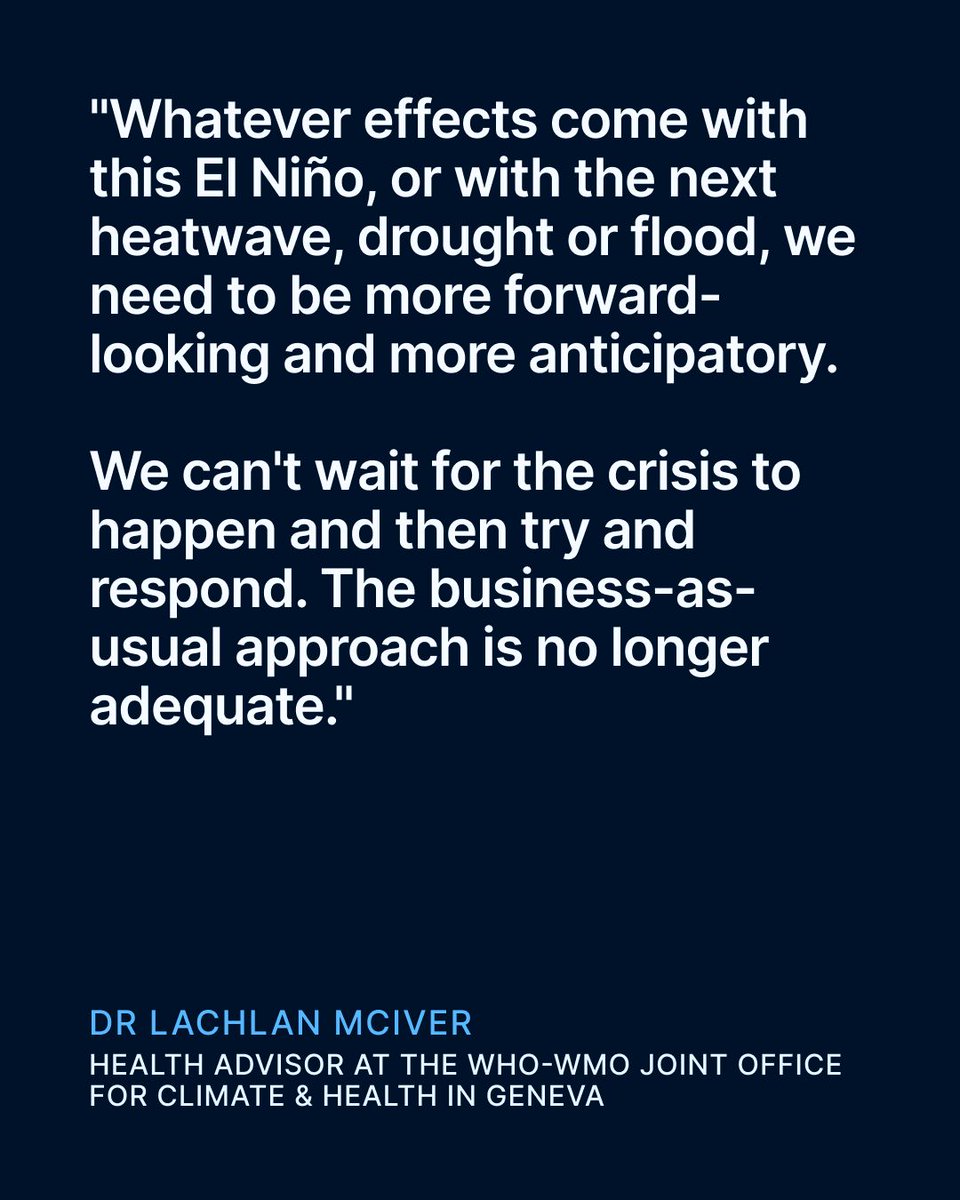
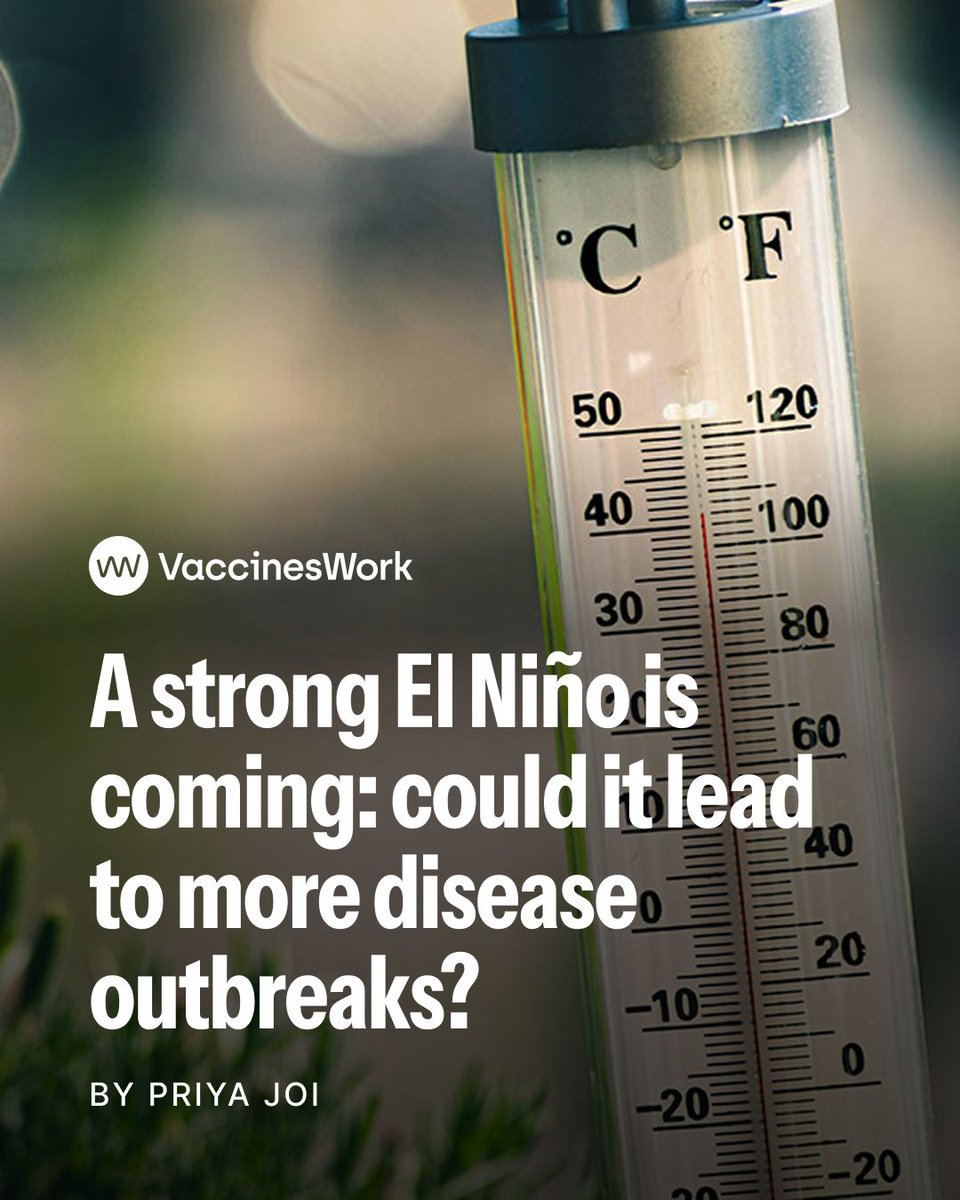
The world is bracing for a strong El Niño this summer, with hotter than normal temperatures worldwide expected from June to August. 🧵
2
4
10
608
History shows that with El Niño comes a rise in disease outbreaks.
🌧️ Heavy rainfall creates standing pools of water where mosquitoes breed, spiking cases of malaria and dengue.
Meanwhile, severe droughts can compromise clean water supplies, driving surges in waterborne killers like cholera.
2
3
6
443
Here’s how vaccines, surveillance and early response systems are being used to help strengthen El Niño-related outbreak readiness: bit.ly/3SswAOP
1
4
349