Joined July 2024
- Tweets 26,729
- Following 424
- Followers 2,919
- Likes 11,515
7,185 Photos and videos


Pinned Tweet

Jun 15
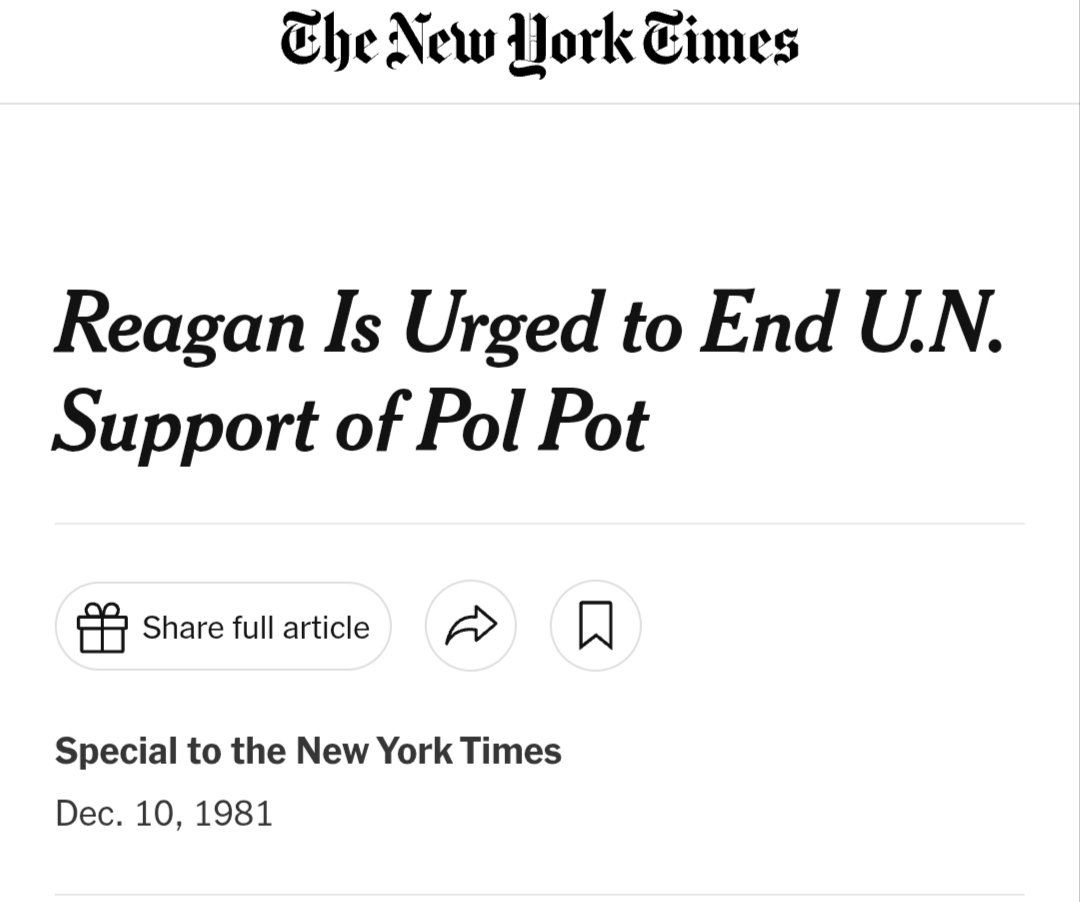
These Amerikkkan Nazi losers want you to forget that Jane Fonda also signed a petition with other celebrities to ask Reagan to recognize the Vietnamese backed new Cambodian government in 1981 at the UN.
nytimes.com/1981/12/10/world…
Jun 13

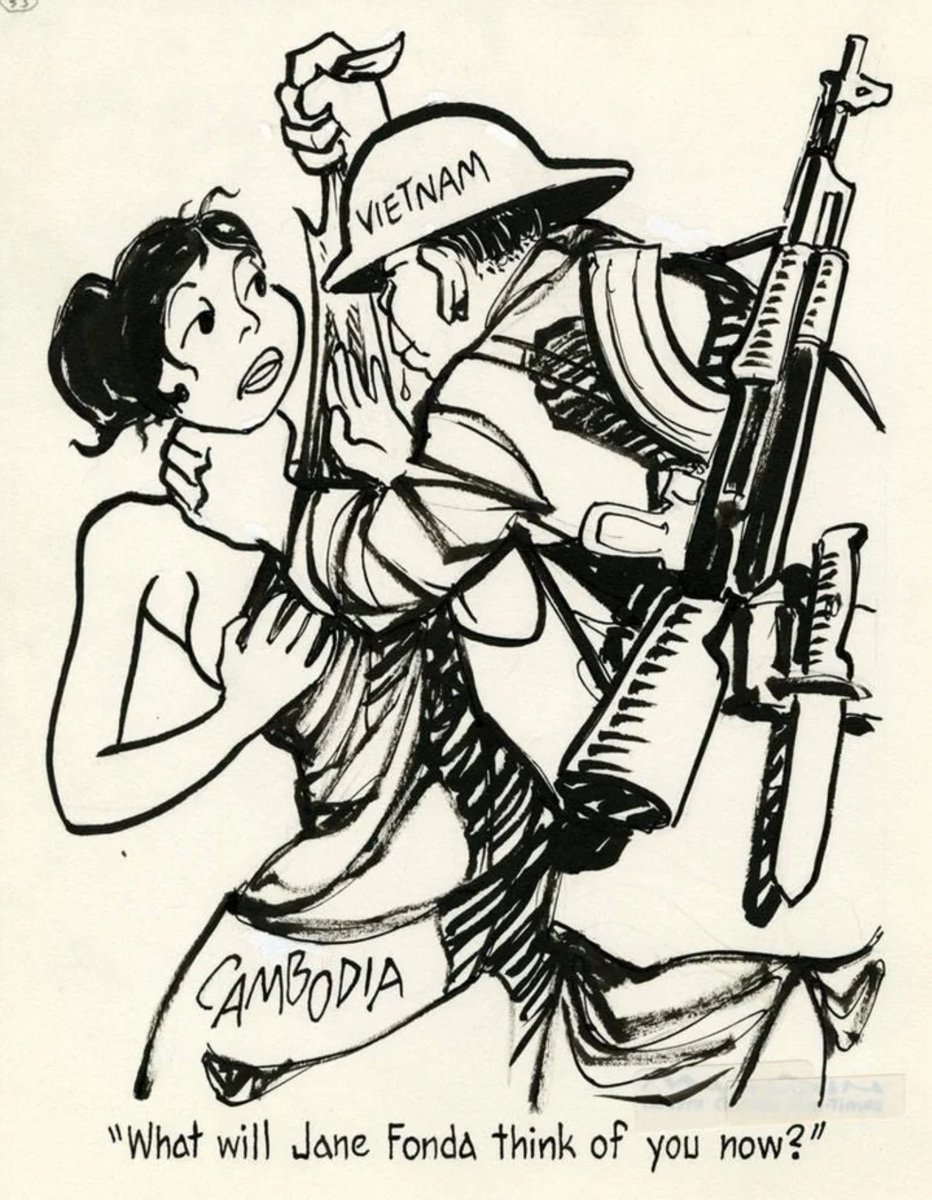
"What will Jane Fonda think of you now?" A 1978 poster about the Vietnamese invasion of Cambodia
1
8
23
1,211
Gen Ho Chi Minh retweeted

🔥🇨🇳 China masters mass production of quantum microchip material
Ultra-pure silicon-28 is a key material for quantum microchips, essential for next-generation computing
🔸 Chinese researchers have produced silicon-28 with more than 99.99% isotopic purity for the first time
🔸 It significantly reduces environmental quantum noise interference in quantum computing
🔸 The breakthrough also supports advanced chip-making, high-end navigation and precision measurement technologies
🔸 Researchers have now developed 26 stable isotopes of different 12 elements for applications ranging from nuclear medicine to aircraft and deep-space exploration
The advance is a milestone in the Chinese drive for critical technology and reduce reliance on imports
1
48
157
4,841
Gen Ho Chi Minh retweeted

“Increasing production at the expense of consumption”
This dude literally thinks you consume more by having less stuff to consume 😭

It is harder than ever to find good news in China's data release today. The economy continues to be structurally locked into increasing production at the expense of consumption, even though China suffers from many years of growing excess capacity.
China's industrial output, for example, increased by 5.4% year on year in the first five months of 2026, with a 4.5% year on year increase in the month of May. This was a little higher than April’s 4.1% increase, although lower than the 5.7% increase in March.
The uglier numbers were (as always) on the consumption side. For the first five months of 2026, total retail sales grew 2.8%, just over half the pace of industrial output. Although they were barely expected to grow in May, in fact they actually fell by 0.6%, well below the disappointing 0.2% increase in April and the first decline since the end of the Covid lockdown in 2022.
For all the excited claims about consumption spending during the important May holiday, in other words, it was more than offset by the decline in spending over the rest of the month, proving, once again, that what limits household consumption is the household budget, not spending opportunities.
Meanwhile China's fixed-asset investment declined 4.1% year on year in the first five months of 2026.
Last week's trade and debt numbers reinforce the claim that China is finding it harder than ever to restructure its economy. It is expending huge resources in growing output, especially manufacturing output, but Chinese producers rely more than ever on soaring exports to offset weak domestic demand.
So far this year's numbers show that China's economy has further increased its already-excessive dependence on surging debt and soaring trade surpluses to keep GDP growth from slowing. It is not clear how much longer this growth model can be sustained before China is forced into a very difficult economic adjustment, but it is almost impossible for China to exit this model without a sharp slowdown in near-term growth, which is why, for all its promises, Beijing has been unable to adjust.
The problem, of course, is that as long as this process continues, it will increase the final adjustment costs for the Chinese economy and will further undermine manufacturing in the rest of the world.
english.news.cn/20260616/dbe…
3
22
185
8,046
Gen Ho Chi Minh retweeted

Jun 15
There are no cults in China. There are only "underground churches"
Jun 15

China detains two leaders of influential underground church bbc.in/3QpKvod
6
53
1,145
26,769
Gen Ho Chi Minh retweeted

Prime Minister Le Minh Hung leaves for @ASEAN -Russia Commemorative Summit in Russia
en.baochinhphu.vn/prime-mini…
1
1
3
550
Gen Ho Chi Minh retweeted

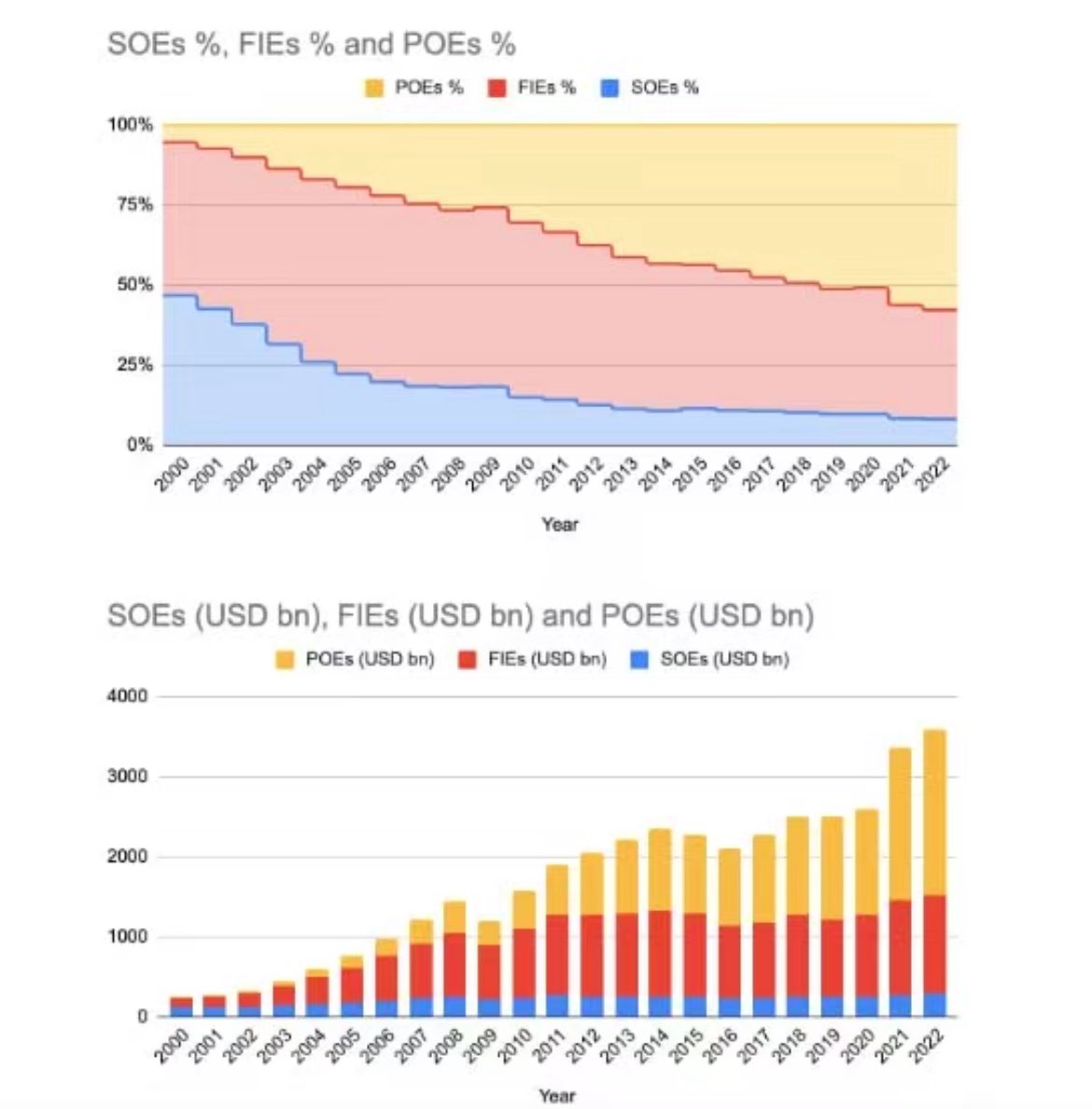
Privately owned Chinese industrial enterprises have been the standout success story when it comes to exports. SOEs share declined then stabilised. Chinese firms overtook foreign invested enterprises around 2015.
2
11
298
Party General Secretary and State President To Lam has called for sweeping reforms in higher education, including the development of elite universities and centers of excellence to support Vietnam's long-term growth ambitions.
vietnamnet.vn/en/vietnam-mus…
2
100
Viet Nam plays a bridging role in promoting ASEAN–Russia relations
en.nhandan.vn/viet-nam-plays…
2
72
Gen Ho Chi Minh retweeted

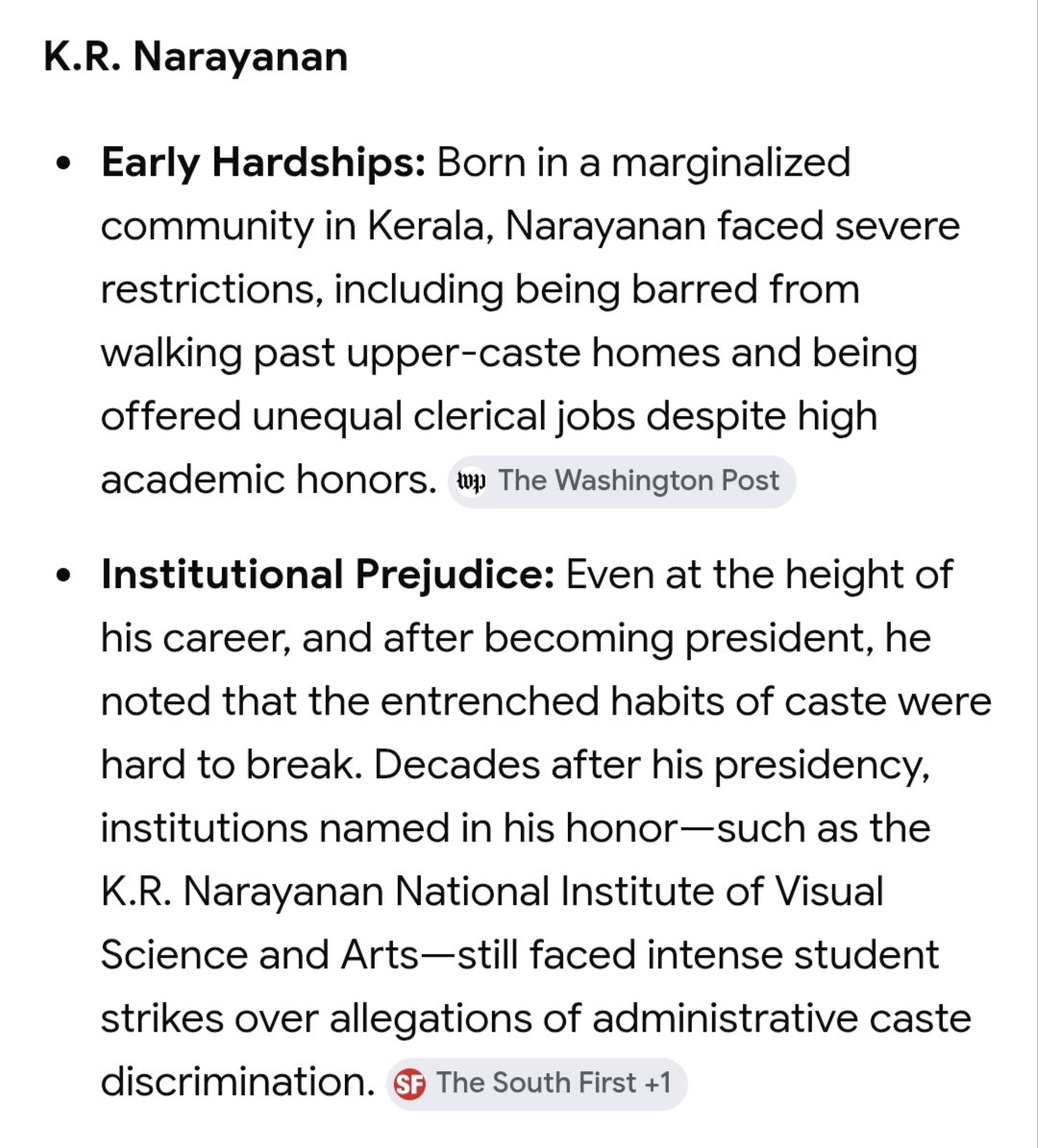
No other society in the world has a repressive, dehumanising, caste system by birth, from which there is no escape, like the caste system in India and manufacturing false narratives about China's society isn't going to change that.

You should read what some senior scholars write about caste system (CS) in China. The current memes are obv sarcastic but CS in China is a harsh reality. Its not explored by many scholars cuz CCP obv won't allow foreign scholars to conduct such studies. In India, scholars can do
130
35
340
20,459
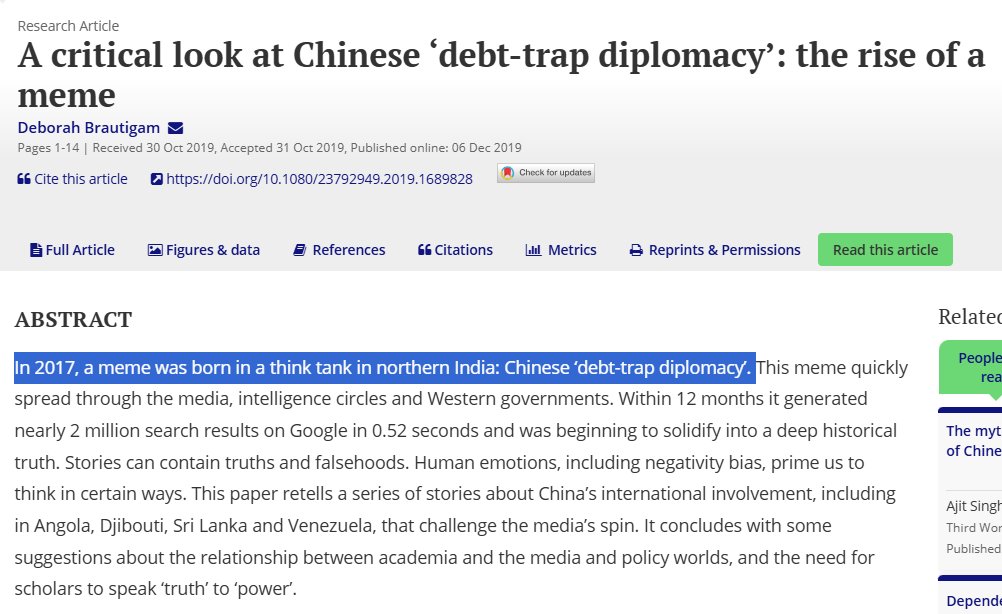
Imagine a country run by awfully incompetent fascists & religious nutjobs that the only thing they can do to deflect from all the buffoneery is manufacturing a fake meme about "Chinese debt trap diplomacy"
That country is India.
tandfonline.com/doi/abs/10.1…
3
24
310
Gen Ho Chi Minh retweeted
The ones who actually "whore out their women to Chinese" are the Thais which has deep rooted cultural influence by India.
Nice try.
Jun 14

Vietnam is such a fascinating case study, won all the wars but still have to whore out their women to chinese. Such a study for all not to dos
2
37
1,285


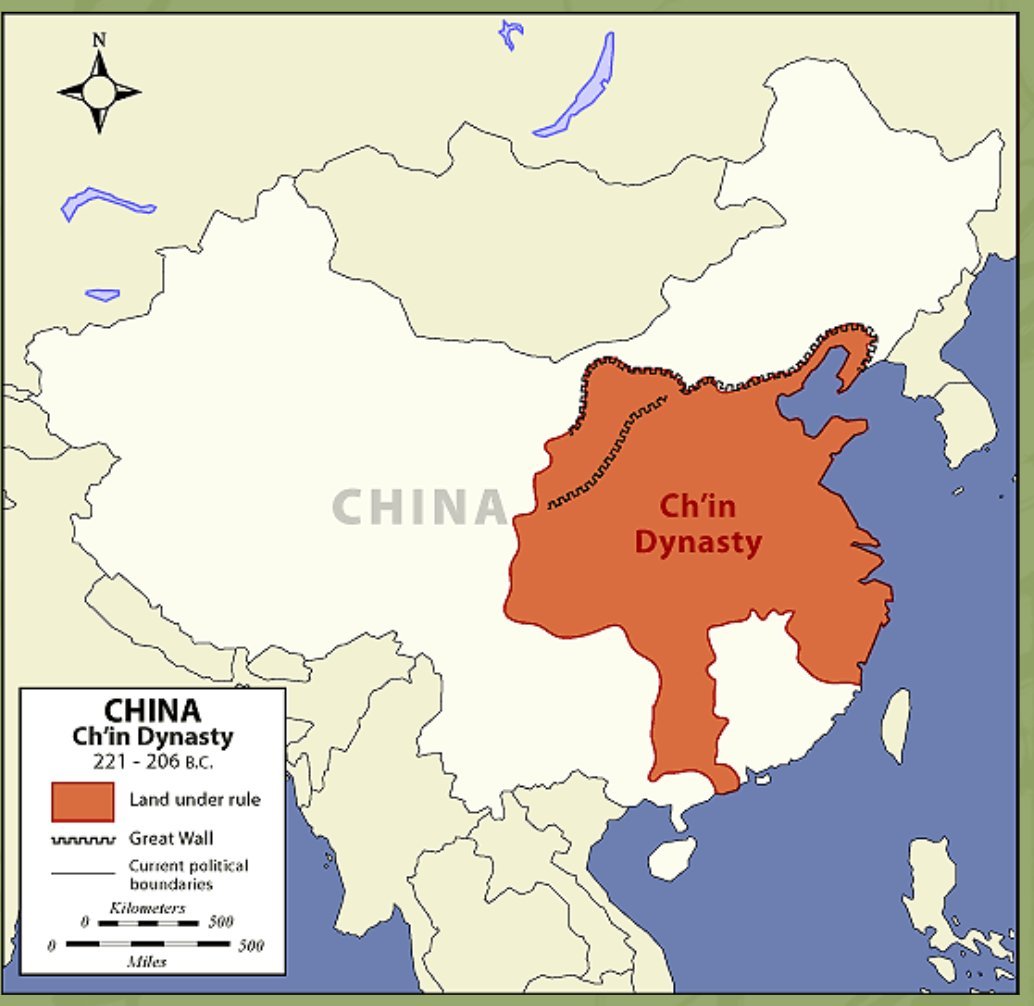
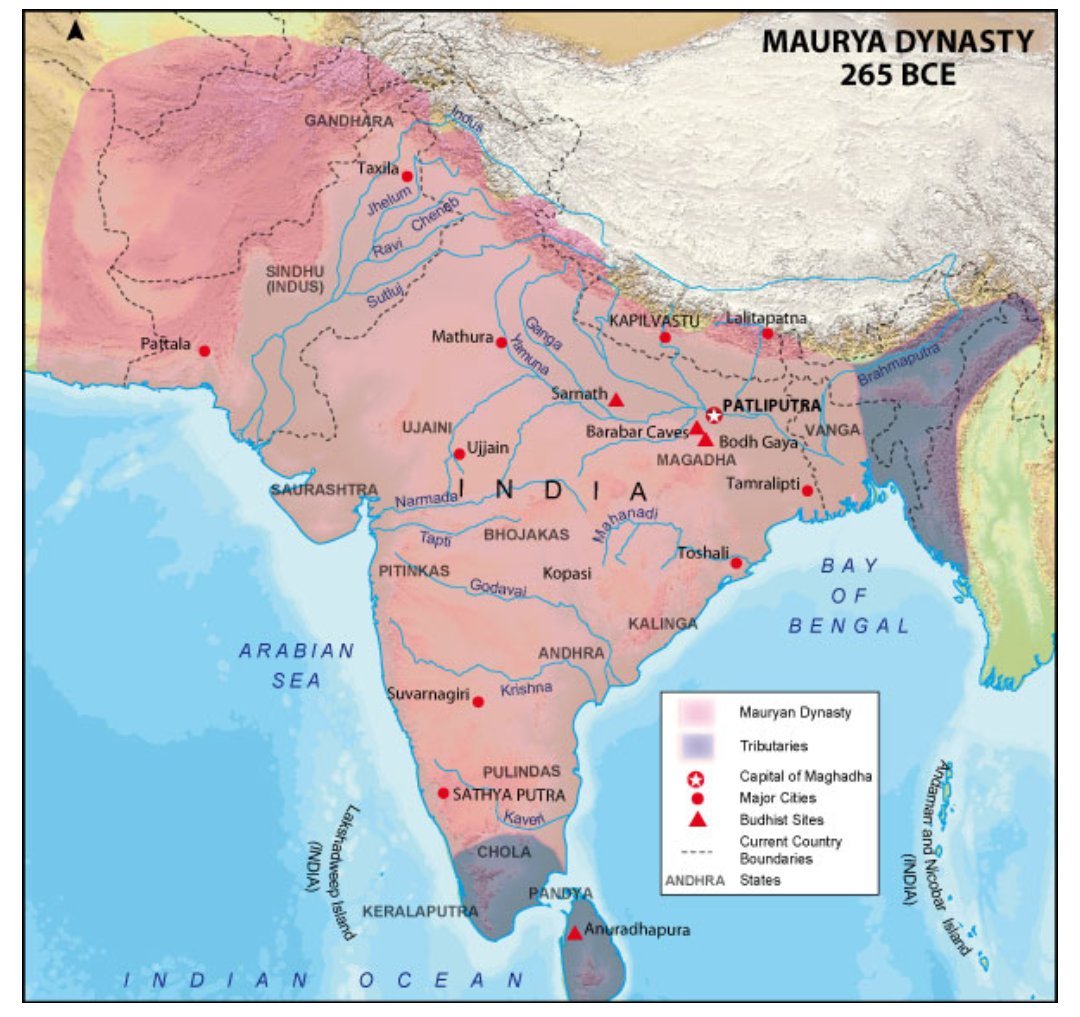
"Country" is a capitalist invention, born out of colonialism carving out "countries" borders that didn't exist before
Ancient civilizations operate on a idelogical front, which argues based on the cultural / ideological inheritor and successor rather than borders or naming.
Jun 15

See this. China around 200 BCE vs India around 200 BCE but the CCP bots wants tou to believe China was one country but India was not.
Fuhh!!
2
1
35
2,014
Gen Ho Chi Minh retweeted
Your average Indian graduate think Confucious is "Mongol descendant" 🤣🤣🤣

He looks mongol descendant!
1
30
710
Gen Ho Chi Minh retweeted
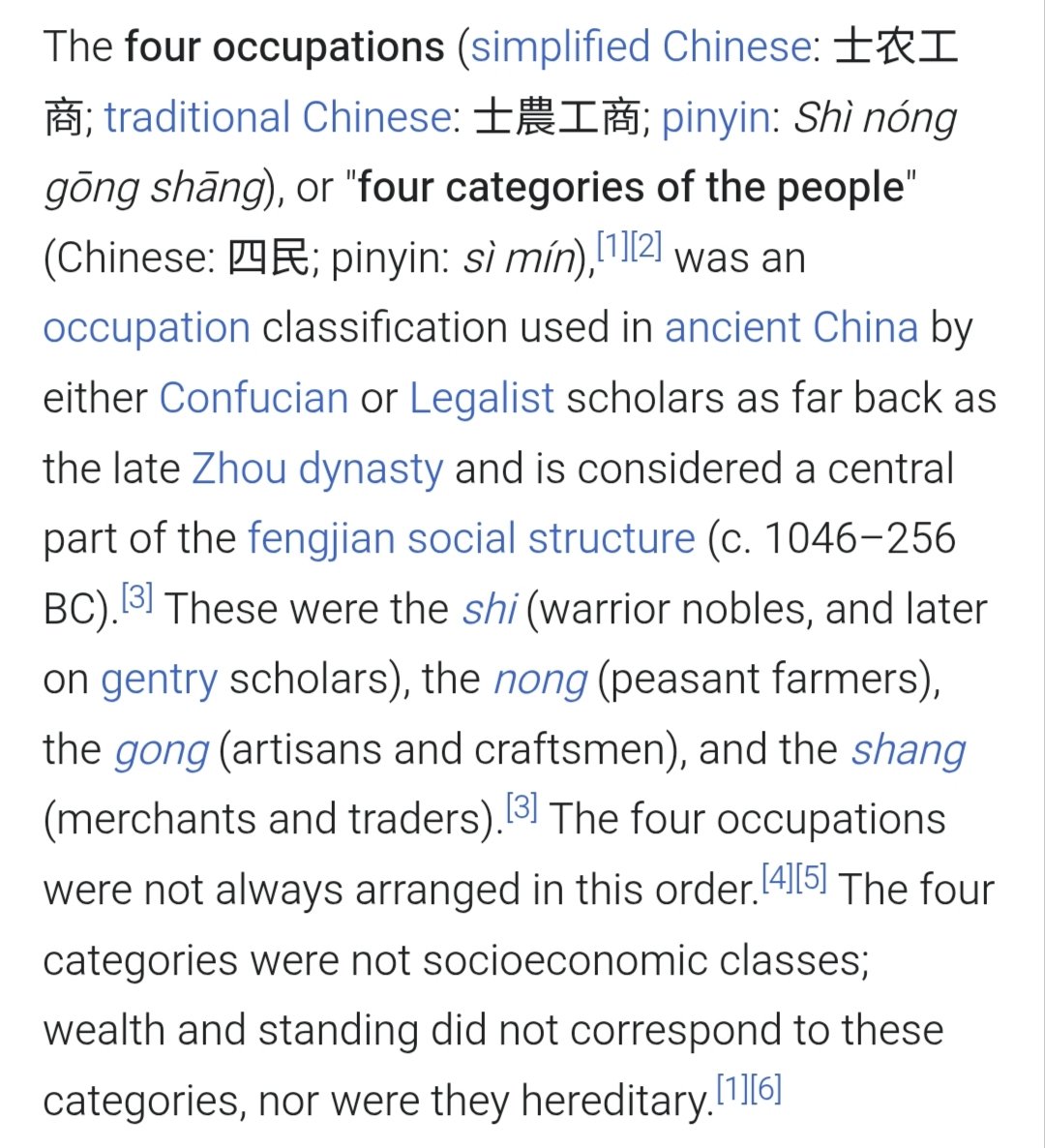
Most Indians (and their Western masters) have no idea Confucius himself belong to the Shi category because he was a warrior first and foremost (an expert in the "Six Arts" which included archery and charioteering) before he was known as a philosopher.
🤣🤣🤣🤣🤣
Ancient shi warriors were Japanese & mongol warriors who transformed into officers once complete domination!
You prove my point!
2
3
31
940
Gen Ho Chi Minh retweeted
"Chinese had no warrior class" is the latest Indian invention
Ancient China's primary warriors were the Shi (士), which later transitioned into educated scholar-bureaucrats.
According to Hindutva dumbass propaganda, these people rank #1 in their imaginary Chinese "caste system"
Indians also had a warrior class which fought with invaders whereas Chinese had no warrior class & thats how Japanese shi became masters of all of china
5
2
49
1,559
Gen Ho Chi Minh retweeted
Jun 15
🇻🇳🇻🇳🇻🇳Vietnam and 🇨🇳🇨🇳🇨🇳China further strengthen strategic trust and boost infrastructure connectivity.
nhandan.vn/viet-nam-va-trung…
1
1
10
202