
MD/MPH/PhD. UNC@Chapel Hill Alumna. Research CVD Epi/Preventive Cardiology. Teach research methods. Behavior Change Counseling. Traded tenure 4 sunshine. Dancer
Joined September 2008
- Tweets 2,490
- Following 543
- Followers 382
- Likes 11,315
300 Photos and videos



Pinned Tweet

5 Jun 2021
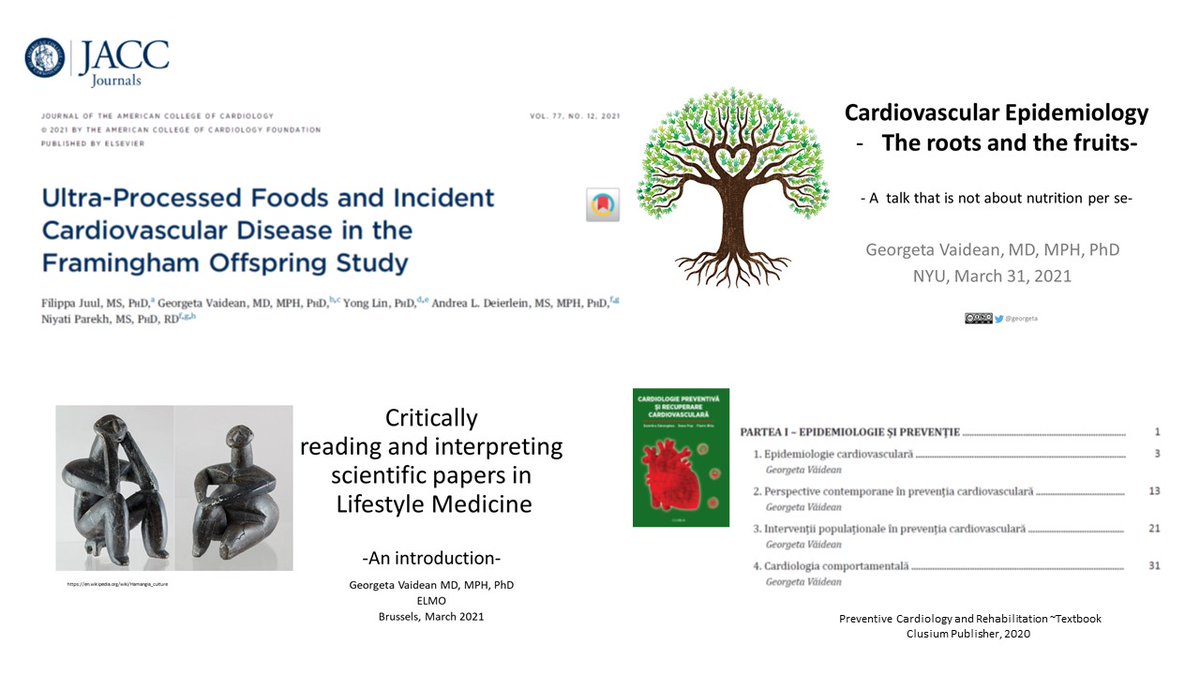
Some of the things I do.
I enjoy building new collaborations, it's how we move forward.
scholar.google.com/scholar?h…
1
2
14
Jun 10
Can we preserve muscle during GLP-1 weight loss?
EMBRAZE ph 2 RCT, most selective myostatin inhibitor, Apitegromab added to tirzepatide---> 54.9% retention of lean mass vs. placebo, w/similar total weight loss btw arms. Reassuring safety profile.
Bucket list 4 future RCT3-->

A drug called apitegromab may help to preserve lean body mass during weight loss with tirzepatide, a GLP-1 receptor agonist, according to a phase 2 clinical trial published in Nature Medicine. go.nature.com/4dV6cpj
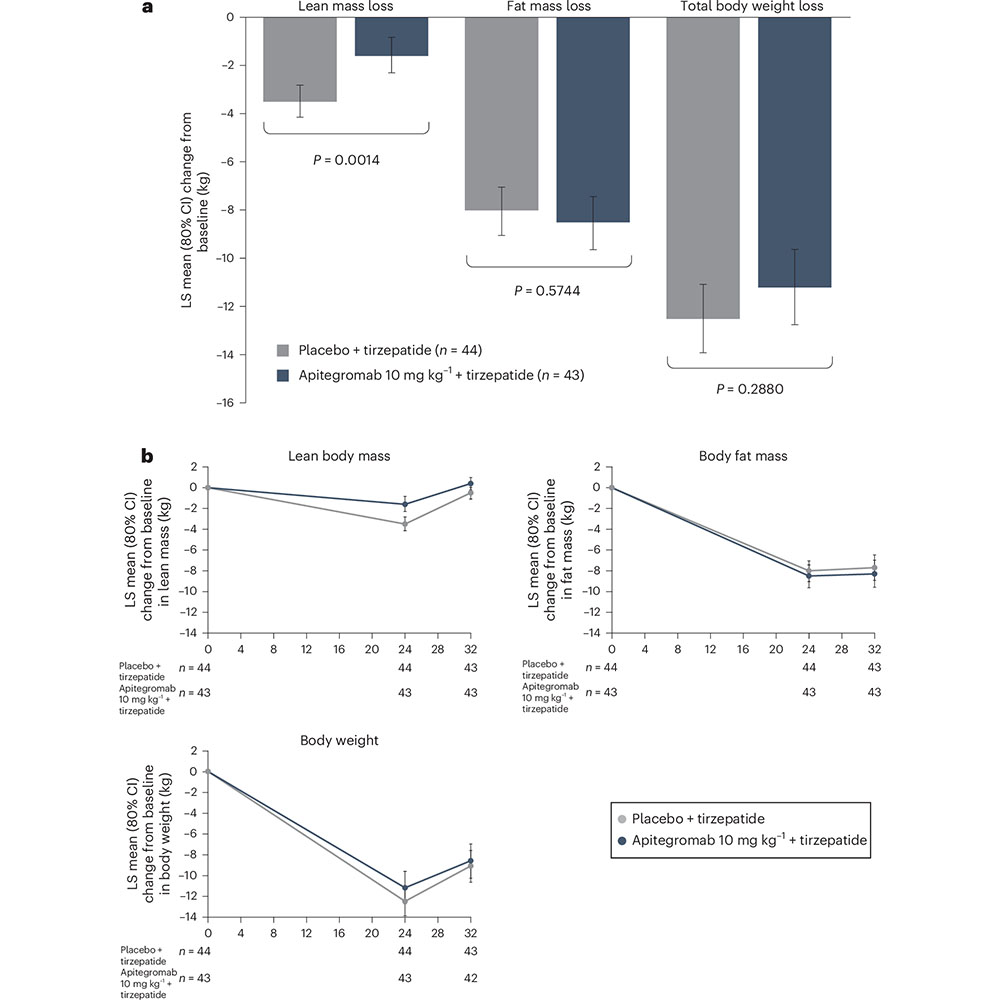
ALT This is figure 2, which shows lean body mass preservation with apitegromab versus placebo at week 24 and week 32.
1
1
145
Jun 10
Bucket list 4 future RCT3-->
functional co-primary EPs (love the mass but love function more), dose-response, broader population, longer FU and standardized exercise monitoring. Well-powered for multiple EPs , MICDs, will come at a cost. But, now there is hope.
20
May 29
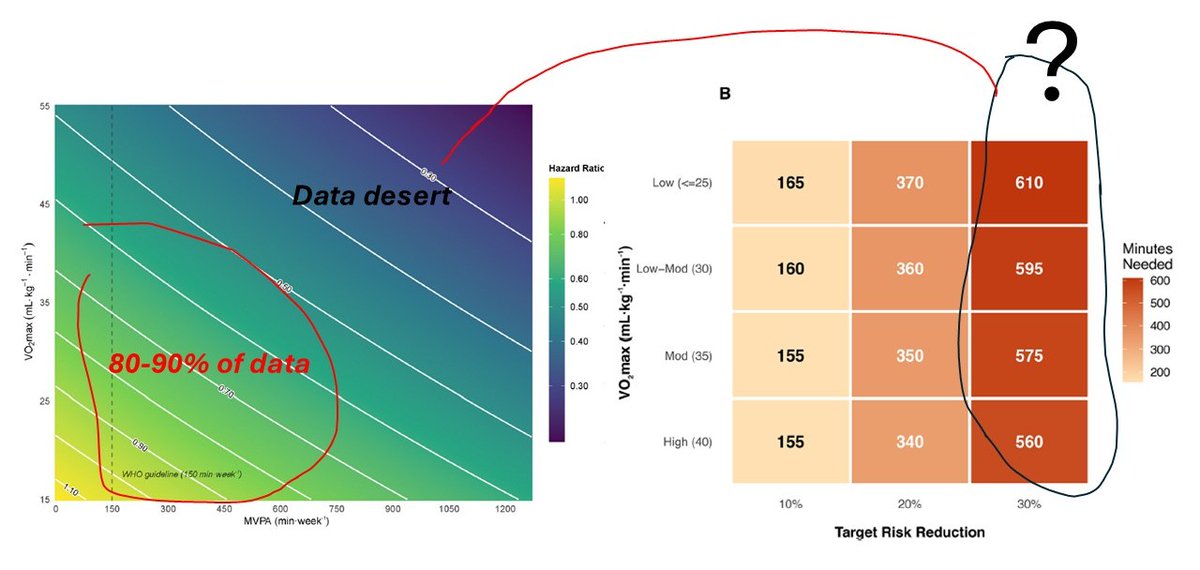
Indeed, this paper is likely to create confusion. @mackinprof elegantly & patiently* articulates why MVPA 150/min/wk benefit is under-estimated, bcz it’s conditional on CRF.
While the paper has analytical strengths, the framing is a stretch & not clinically useful. Here's why:

1
66
May 29
My take:
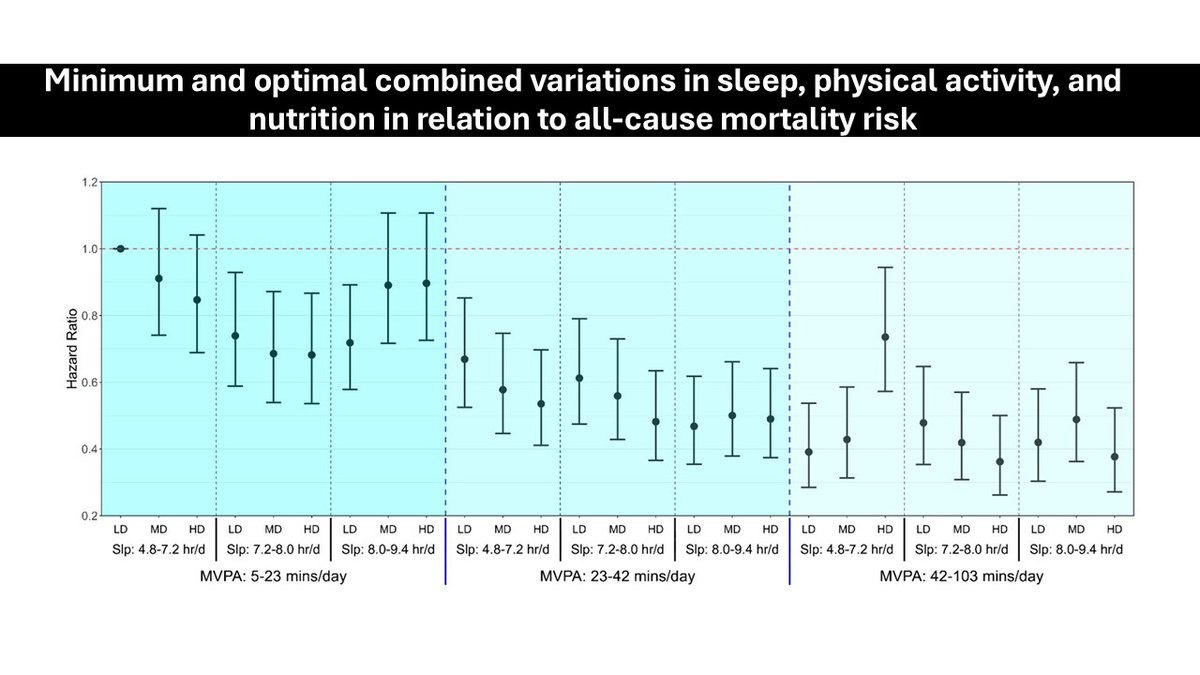
1) yes, more than 150 min/wk is better
2) starting w/good CRF is good, keep it up; if you start w/ low CRF, work on MVPA, build CRF, big challenge & Big benefit
1
1
37
Georgeta Vaidean retweeted

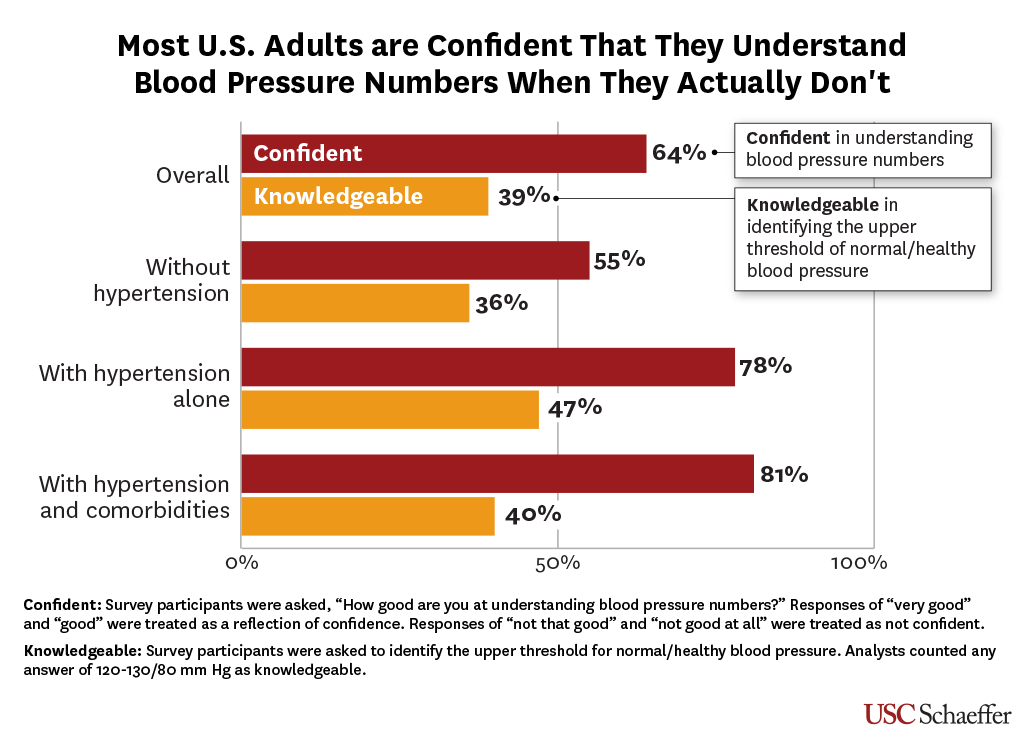
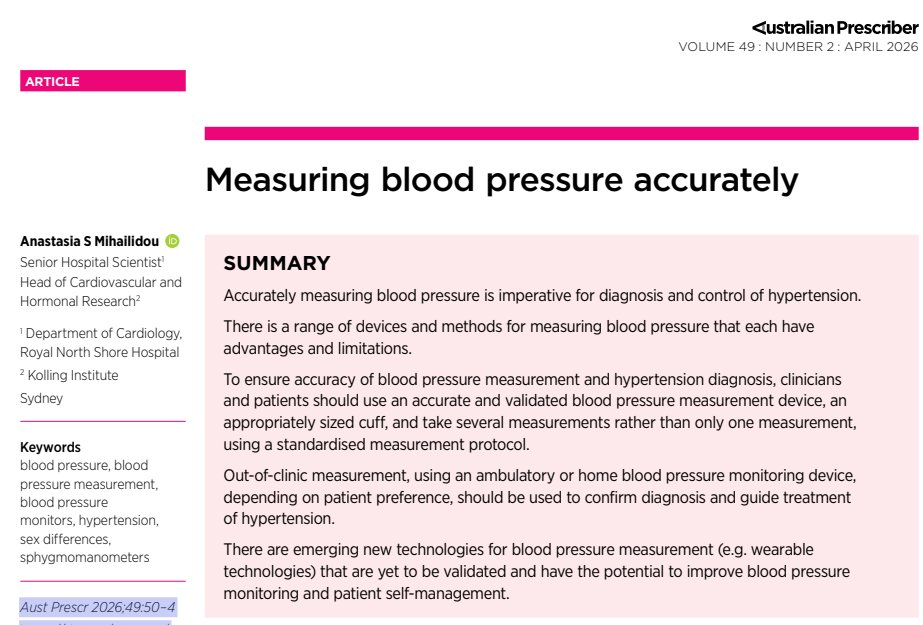
The theme for #WorldHypertensionDay 2026 is ‘Controlling #Hypertension Together!’
A reminder for all of us to measure #BloodPressure accurately🙏
Aust Prescr 2026;49:50–4
doi.org/10.18773/ austprescr.2026.016
1
9
22
796

Excellent article about the Illusion of Explanatory Depth. This is part of why we are flooded with the " reality of explanatory shallowness" in many areas, incl. medical/science misinformation and pseudo-debates.
May 9

This post made me think of this fascinating feature of human psychology - the illusion of explanatory depth...
thedecisionlab.com/biases/th…
1
36
Great resource on good writing.
In my work w/med students, trainees who are new to medical writing, often my first task is to...deFaulknerize ;-) their manuscript & nudge them toward a more efficient, direct style.

This same battle plays out in every brief I read.
FAULKNER STYLE (what I see): “The utilization of force was implemented subsequent to the defendant's determination that compliance was not forthcoming.”
HEMINGWAY STYLE (what works): “The defendant beat him when he refused to comply.”
Which brief would you read first?
1
54
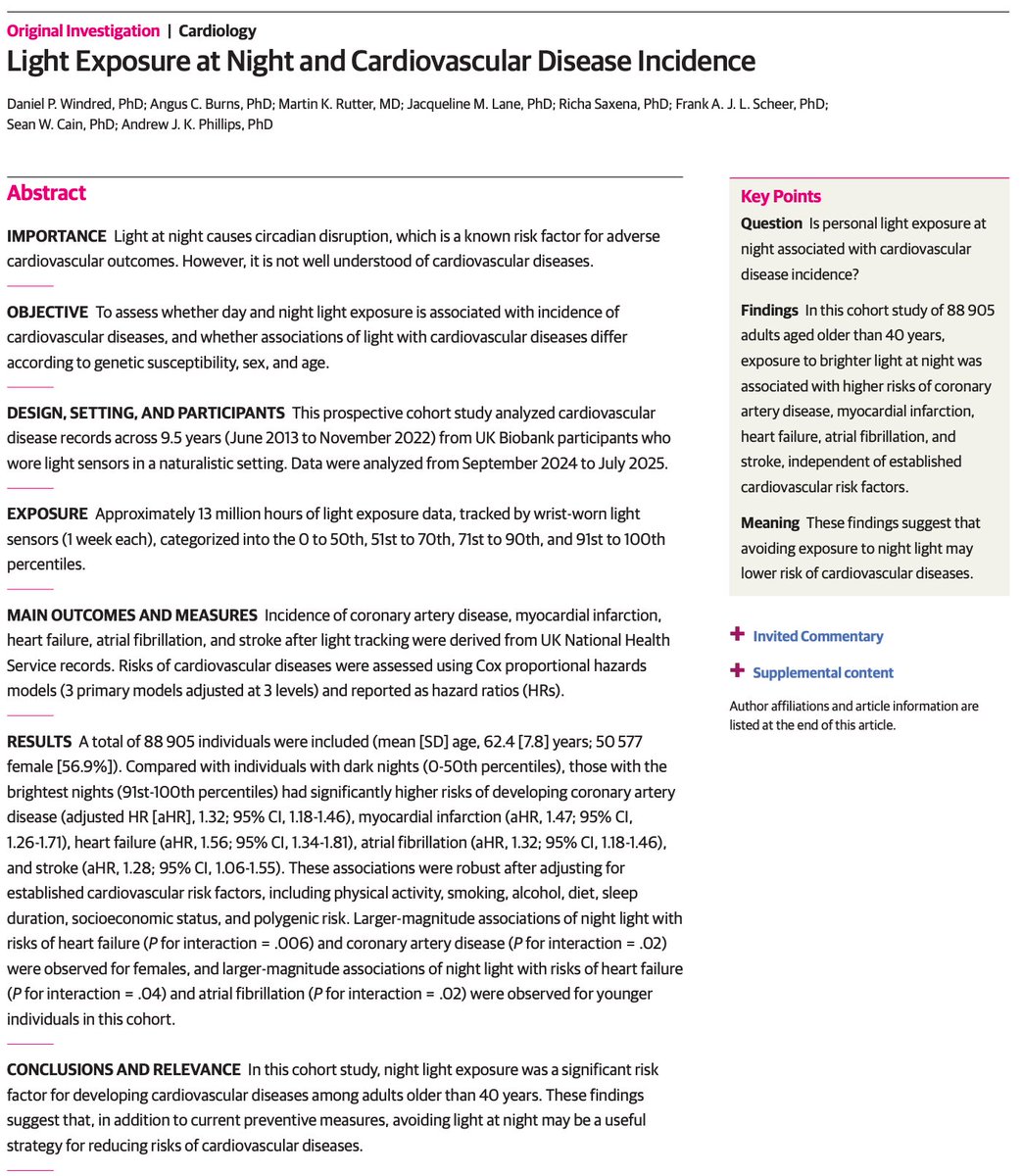
Circadian phys is cool but is this @JAMANetworkOpen study supporting "avoiding light at night might be a useful strategy to reduce CVD risk"? The mighty "might" in an obs. study, loaded w/residual confounding, reverse causality/prodrome. What's even "night light" here? Marker?
May 6

Light at night might be doing more than just disrupting sleep.
A cohort of 88,905 adults found the brightest nighttime light exposure was associated with a 47% higher heart attack risk.
1
130
Georgeta Vaidean retweeted

Wisdom. We need a lot more of this.

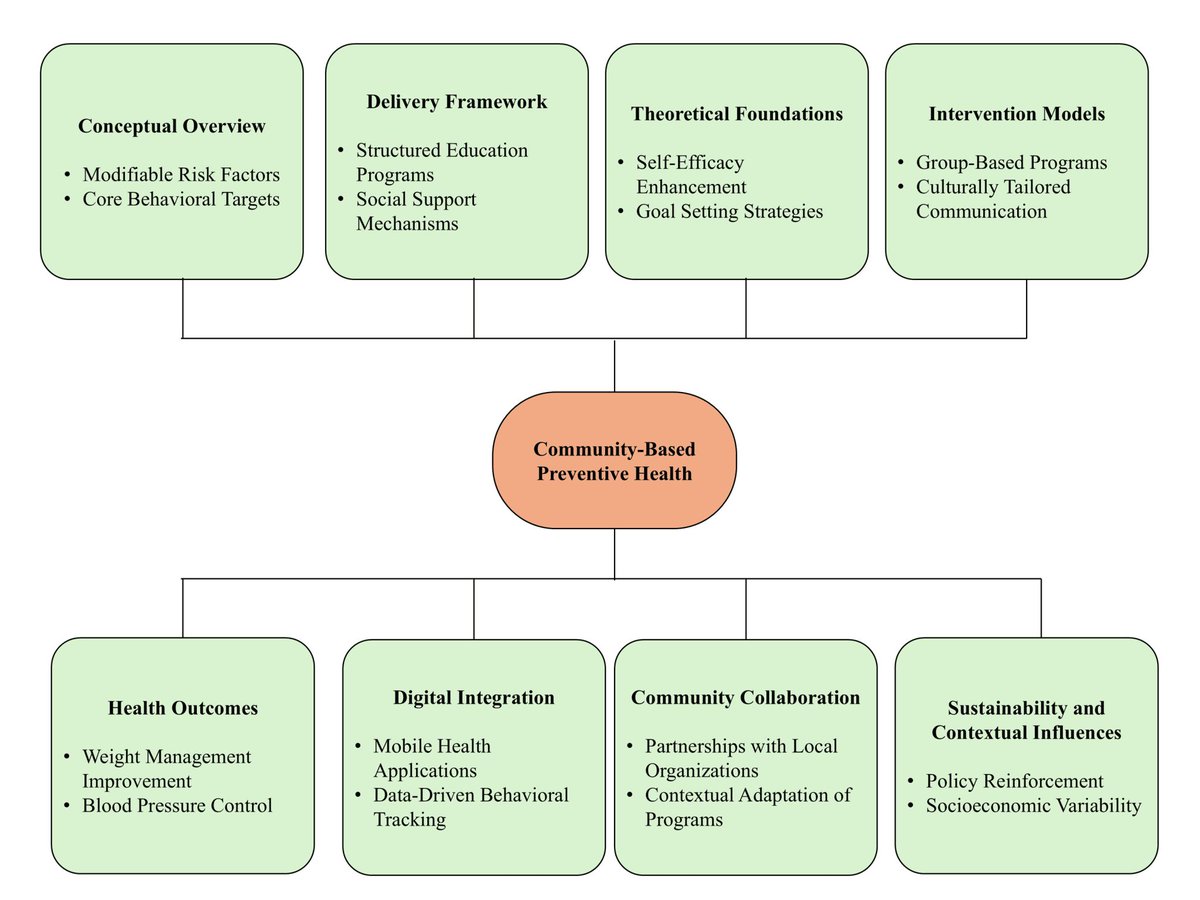
A new narrative review in @CureusMedical highlights that the most effective #health interventions happen outside the clinic walls.
Across nearly 1,000 studies, integrated #community-based strategies combining health #education, local screening, community health workers, and policy changes like better #walkability or healthy #food access, consistently improve outcomes.
Think lower blood pressure, better diabetes control, fewer late-stage cancer diagnoses, and more equitable access to care. The magic isn't in any single tactic. Behavioral support plus early detection plus #environmental changes make healthy choices easier.
Importantly, when communities co-design these efforts, engagement and trust skyrocket.
cureus.com/articles/482161-c…
1
2
5
585
"The Problem With Exercise Is Effectiveness, Not Efficacy"- Yes, but a critical reason for low adherence is not so much 'what clinicians should do', it's the massive suboptimal use of behavior change science in preventive care & the lack of integration/ team care.
May 4

💬 Perspective: #GLP-1 receptor agonist therapy provides substantial weight loss but increases risk of muscle mass reduction; exercise, especially resistance training, shows efficacy in preventing weight regain and maintaining muscle mass.
ja.ma/4991QrI
1
58
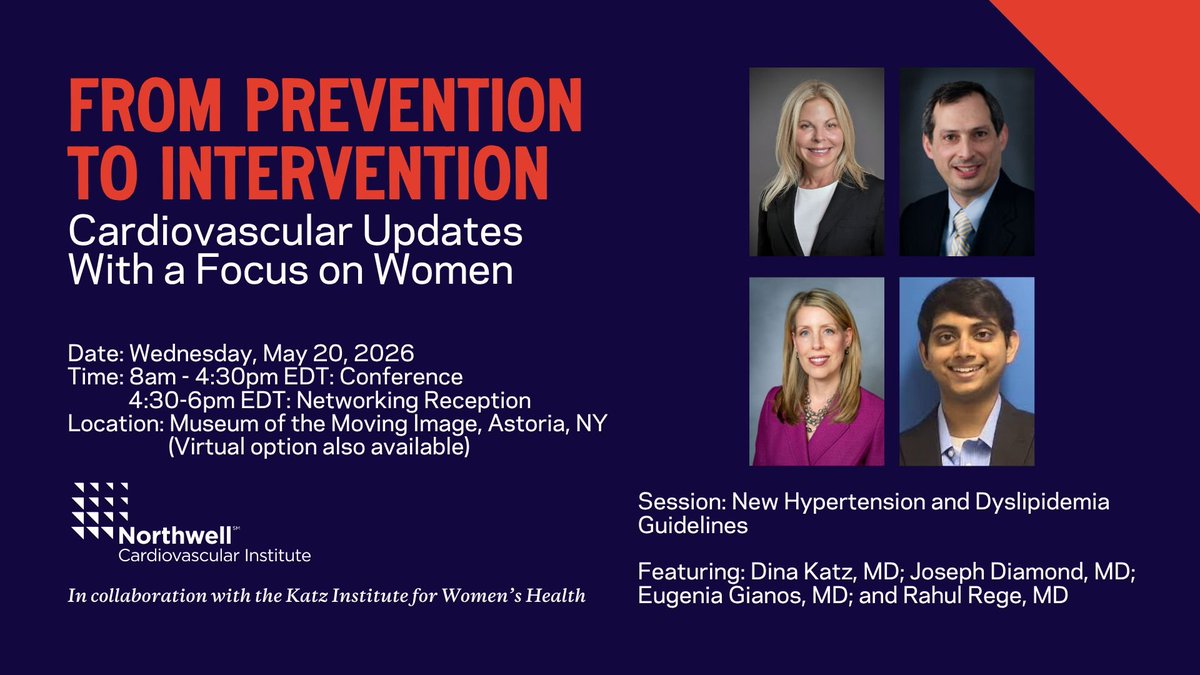
Hybrid and Exciting event @NorthwellHealth & @KatzWomensHlth
Focusing on Nutrition, Sports Cardiology, Cardiac Rehab
Lipoprotein Apheresis Women's Heart Clinical Research
cmetracker.net/NORTHWELL/Pub…
31
Georgeta Vaidean retweeted

May 5
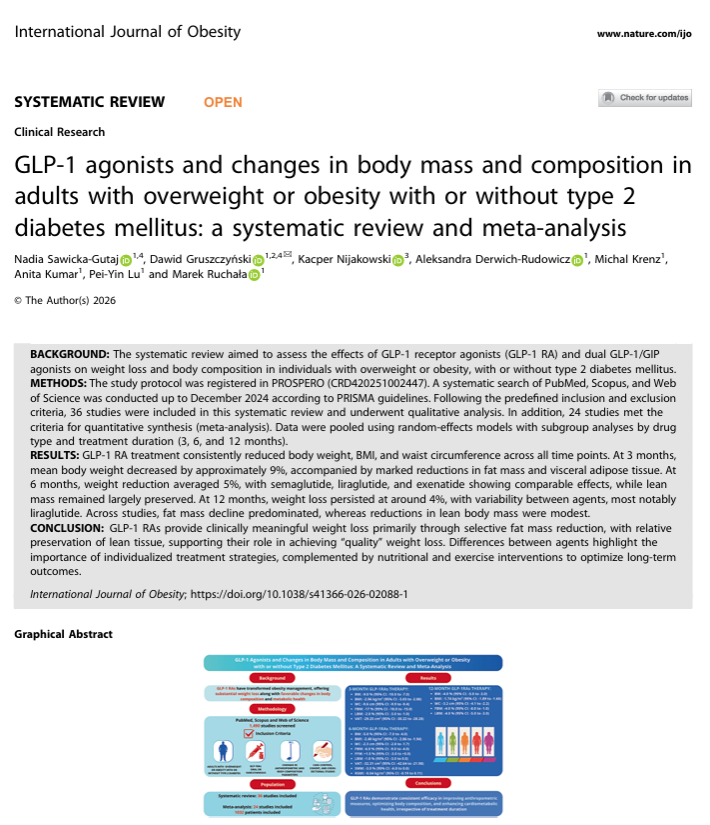
This study demonstrates that GLP-1 and GLP-1/GIP agonists favorably reshape body composition. The meta-analysis shows significant reductions in fat mass and visceral adipose tissue with relative preservation of lean mass, directly addressing concerns about excessive muscle loss.
nature.com/articles/s41366-0…
2
29
97
5,690
Georgeta Vaidean retweeted

Apr 20
I wrote this in a moment I never would have chosen. A sudden pause that made me see my life clearly.
The meaning of our work is profound. This experience simply helped me see more clearly what matters most.
“Time is Finite” JAMA
jamanetwork.com/journals/jam…
60
359
1,655
657,511
Georgeta Vaidean retweeted

The bottom line:
Exercise remains the single best intervention for preserving function in older adults. Full stop.
I've always advocated that Rapamycin should NOT be used outside of FDA-approved indications and clinical trials
Paper: onlinelibrary.wiley.com/doi/…
13
20
159
11,509
Georgeta Vaidean retweeted

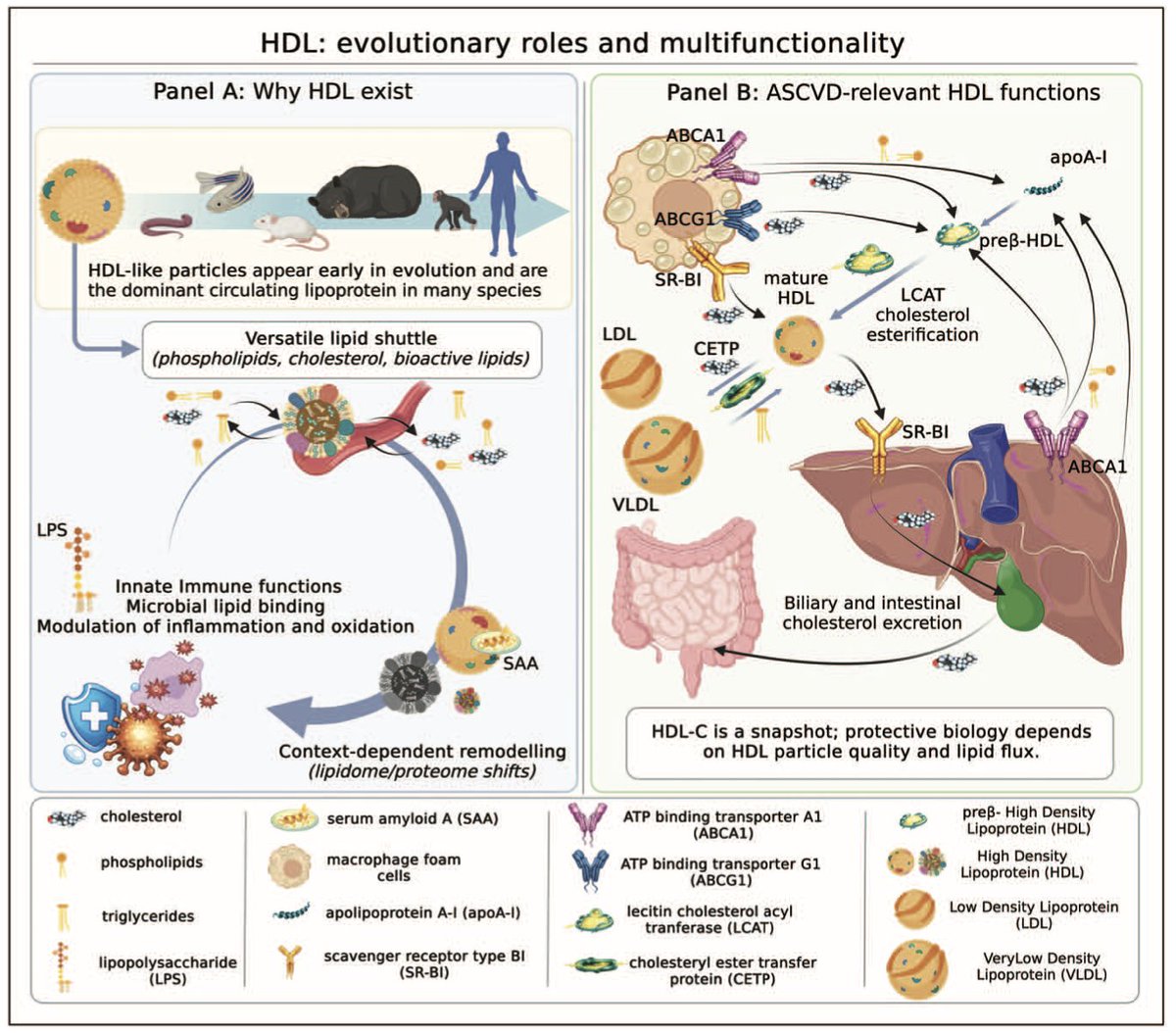
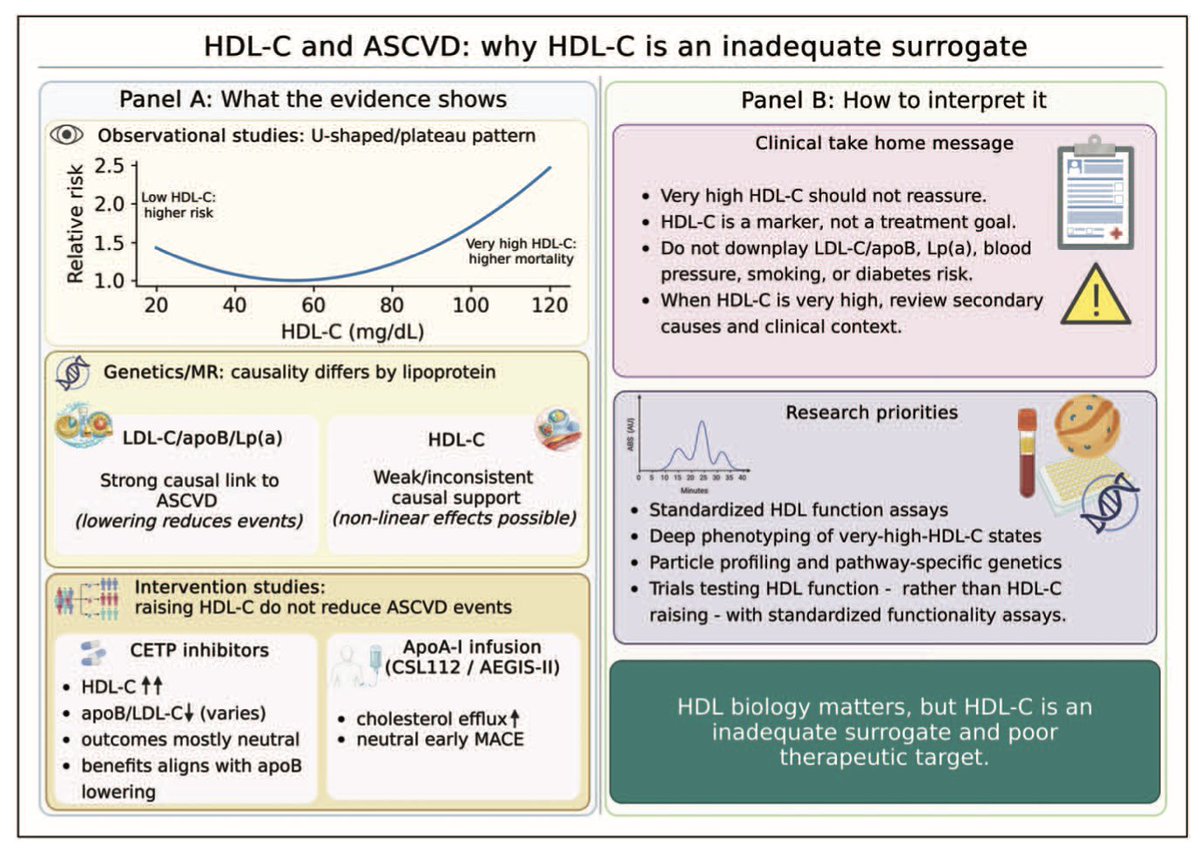
👉 HDL and ASCVD: is high HDL-C protective, harmful, or simply misleading?
👆 HDL is biologically complex and multifunctional — lipid transport, immune modulation, endothelial signaling
👆 HDL-C reflects cholesterol content, not biological function → surrogate, not mechanism
📍 Observational epidemiology:
Reports U-shaped associations between HDL-C and mortality
However:
Highly prone to confounding and reverse causation
Driven by comorbidities (liver disease, alcohol, inflammation, frailty)
→ Not suitable to infer causality
📍 Causality hierarchy matters:
Mendelian randomization (MR):
No consistent causal protection from HDL-C
Strong causal signal for ApoB-containing lipoproteins
→ Genetic evidence overrides observational noise
📍 Interventional trials:
Raising HDL-C → no reduction in ASCVD events
CETP inhibition: benefits align with ApoB lowering, not HDL-C increase
📍 Mechanistic paradigm shift:
From HDL quantity → HDL function
Key metric: cholesterol efflux capacity (CEC)
📍 Clinical implications:
High HDL-C ≠ protective
Very high HDL-C should not reassure
📍 Focus remains on:
ApoB / LDL-C
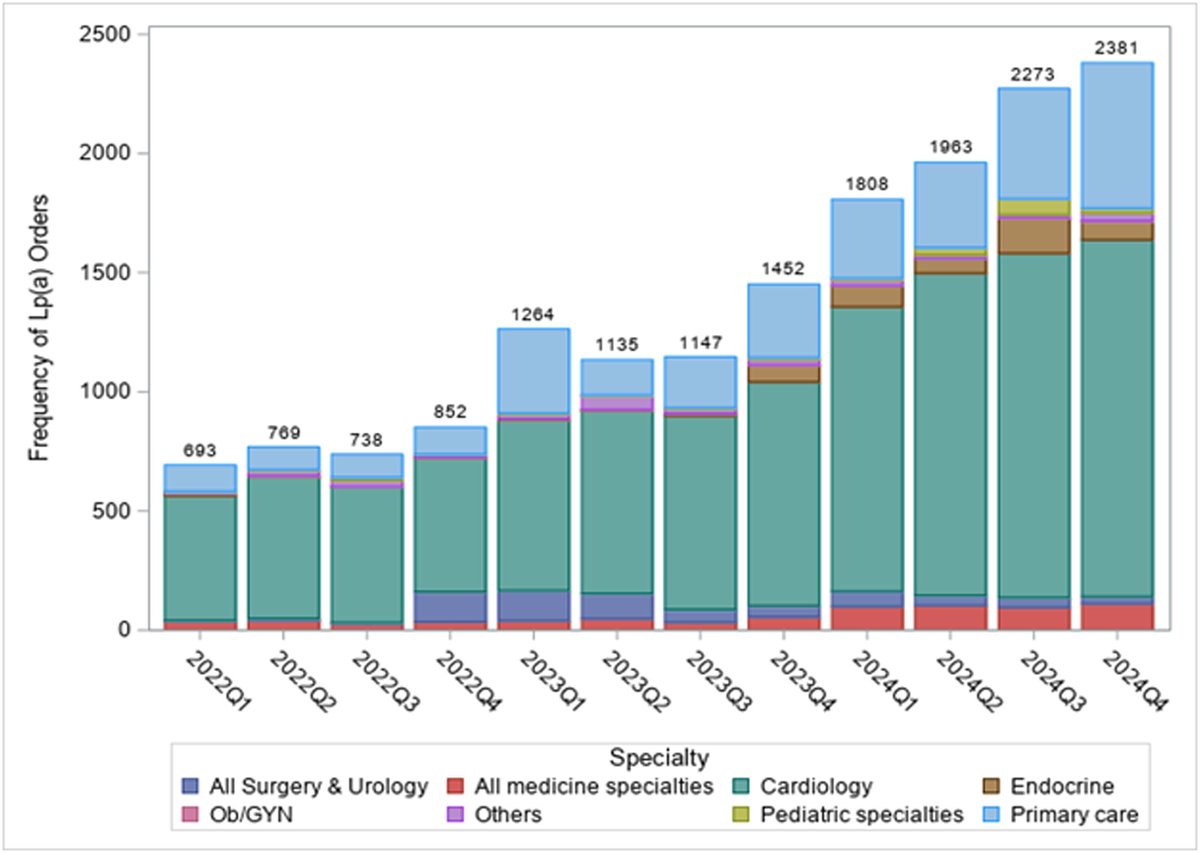
Lp(a)
Non-HDL-C
👆 Take-home:
U-shaped HDL curves are epidemiology, not biology
Reverse causation ≠ protection
If it’s not causal, it’s not a target
HDL-C is a marker. ApoB is the mechanism.
🔓 Open Access journals.lww.com/co-lipidolo…
@society_eas
@JohnKastelein
@CO_Lipidology
11
61
195
38,679